Backpack Size Guide: How to Find the Perfect Fit for Your Needs
October 24, 2026

Finding the right backpack size makes a real difference in comfort. Too small and you end up with a bag stuffed to bursting; too big and it hangs off your shoulders, half empty and swinging. This backpack size guide explains what the numbers mean, which size fits which kind of day or trip, and how to check the fit on your own body.
What the numbers mean: backpack size in liters
Backpack capacity is measured in liters, the volume the main compartments can hold. A 20 L backpack holds about as much as a 20 liter box. It is a useful way to compare bags, but two backpacks with the same liters can feel very different depending on their shape and how many separate compartments they have.
Backpack sizes by activity
| Use | Typical size | What fits |
|---|---|---|
| City walks, light day trips | 5 to 15 L | Phone, wallet, water bottle, a light jacket, a tablet |
| Daily commute, office, college | 15 to 25 L | Laptop, charger, documents or books, lunch, water |
| Overnight or weekend trip | 25 to 35 L | Laptop plus one or two changes of clothes and toiletries |
| Carry-on travel for several days | 30 to 45 L | Clothes for a few days, shoes, laptop, packing cubes |
| Multi-day hiking and camping | 40 to 60 L | Sleeping bag, layers, food, cooking gear |
| Long treks and expeditions | 60 L and up | Tent and full camping kit for many days |
Not sure where you fall? A backpack of around 25 to 35 liters is the most versatile size. It handles a full workday with a laptop and still works for a weekend away.
Backpack size for carry-on travel
Airlines limit cabin bags by dimensions and weight, not by liters. A common cabin size such as 55 × 40 × 20 cm works out to about 44 liters of box volume, so many travel backpacks between 30 and 45 L fit, as long as they are not overstuffed. Low-cost airlines often allow only a smaller free personal item that must fit under the seat. Rules differ from airline to airline and change often, so always check your airline's current size and weight limits before you fly.
Choose by laptop size
If you carry a laptop, start there. The laptop compartment should match your computer's screen size: a bag rated for 15.6 inches usually fits laptops up to 16 inches, and a 17 inch laptop needs a bag made for it. Our laptop bags list the laptop size for every model.
How to measure your torso for the right fit
For larger packs, fit depends on your torso length, not your height. To measure it:
- Tilt your head forward and find the bony bump at the base of your neck (the C7 vertebra).
- Place your hands on the top of your hip bones, thumbs pointing toward your spine.
- Measure along your spine from the C7 bump to the imaginary line between your thumbs.
Hiking packs list the torso range they fit, and many have an adjustable back system. For everyday backpacks under about 30 liters, torso length matters less: well-padded, adjustable shoulder straps are what count.
Adjustments that make any backpack more comfortable
- Shoulder straps: tighten them until the bag sits close to your back, with the bottom resting just above your hips.
- Hip belt: on larger packs it should sit on your hip bones and carry most of the weight, taking it off your shoulders.
- Chest strap: keeps the shoulder straps in place and stops the bag from swaying.
- Load-lifter straps: on hiking packs, they pull the top of the bag toward your body for better balance.
Pack the heaviest items, like a laptop or water, close to your back and in the middle of the bag. That keeps the load stable and easier on your shoulders.
Test the fit at home
When your new backpack arrives, load it with what you normally carry and wear it around the house for a few minutes. Walk, climb the stairs, bend down. If it rubs, pulls or swings, adjust the straps and try again. If it still is not right, our 14-day returns give you time to swap it for a better fit.
A few backpacks by size
To make the sizes easier to picture, here are bags from our range at different capacities:
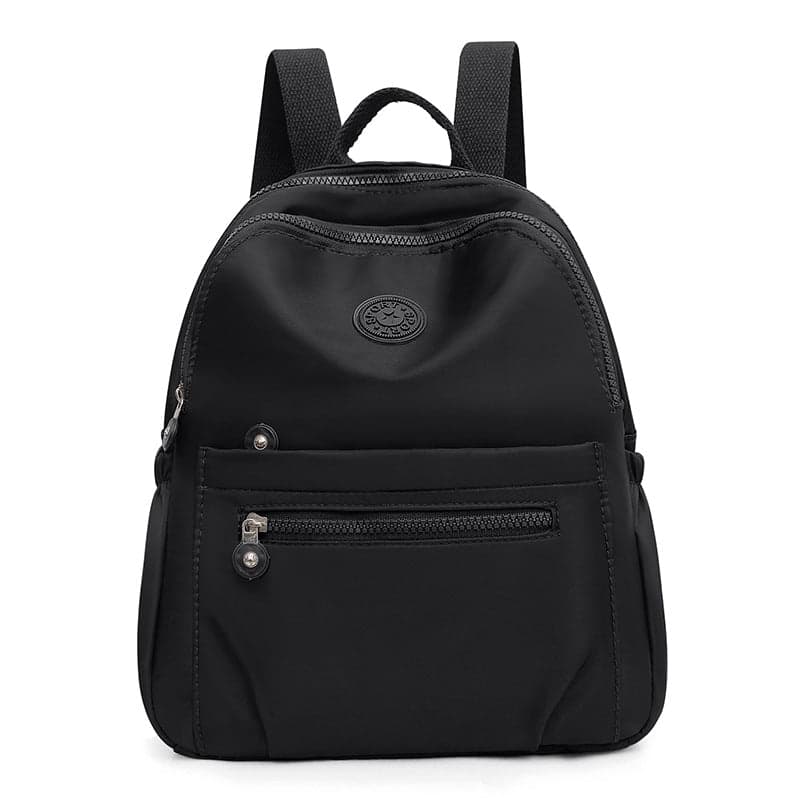
- RoamTrek Edge 9L Lightweight Daypack: about 9 L and 310 g, with a padded pocket for a small tablet. Made for short city walks and nature trips.
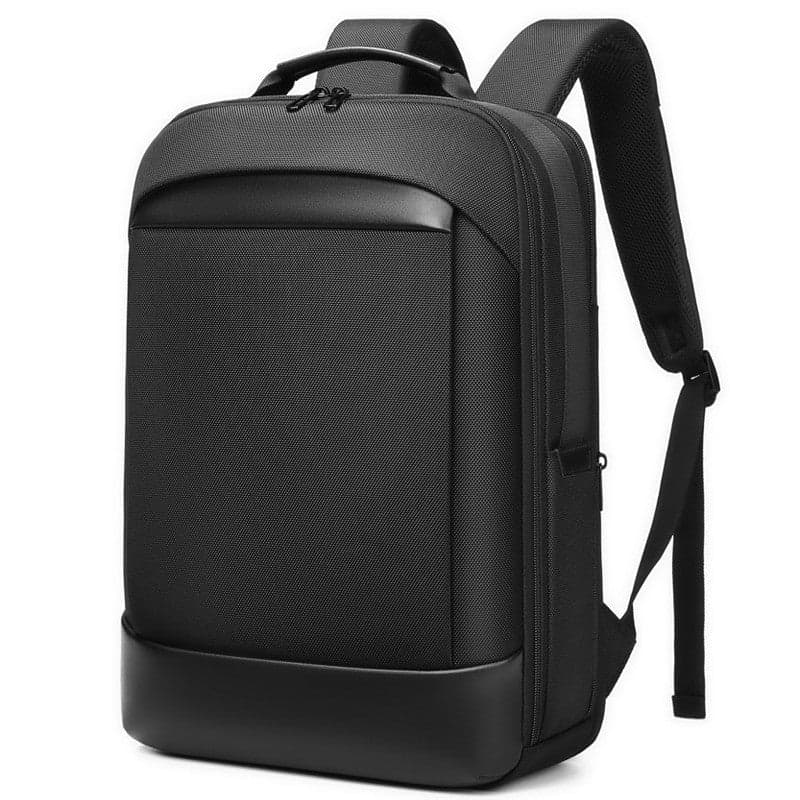
- Ventra ProX 22L Laptop Backpack: about 22 L for the workday, with a padded compartment for laptops up to 16 inches and a separate tablet sleeve.
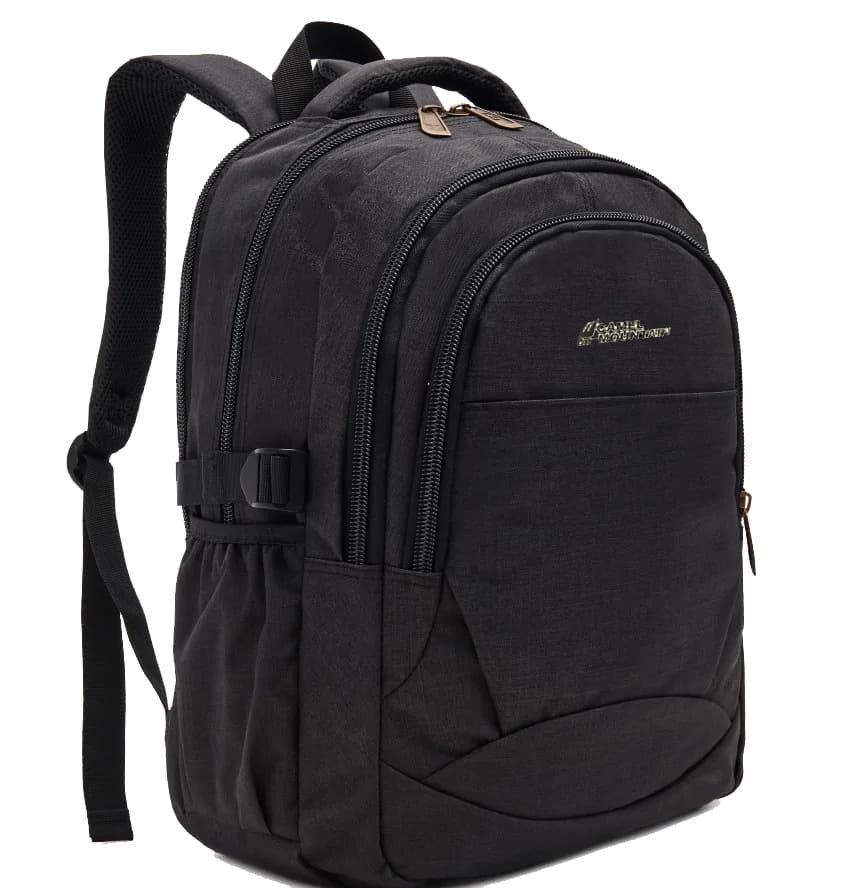
- Canberra 35L Laptop Backpack: about 35 L and 700 g, enough for a laptop, books, a change of clothes and a water bottle.
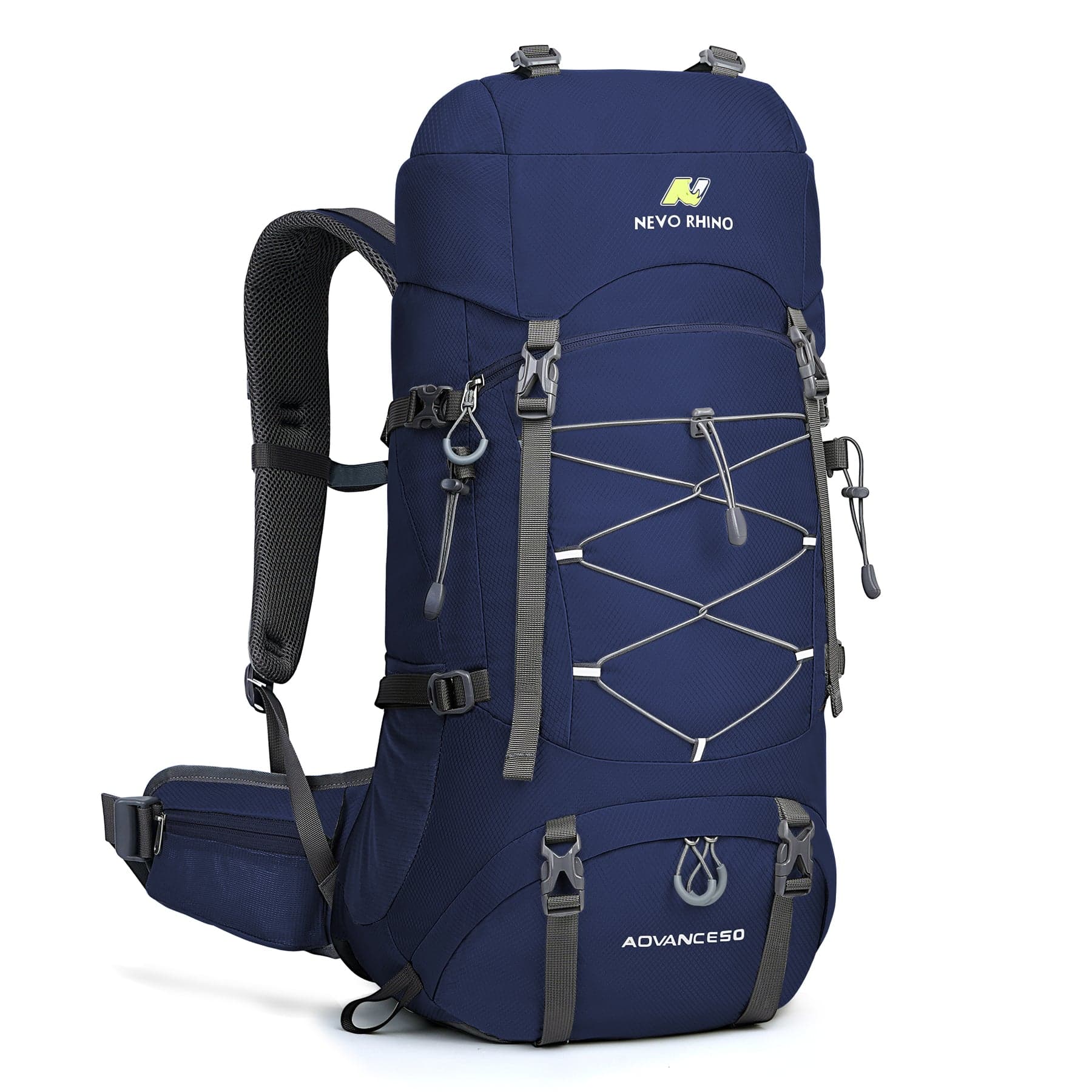
- Nevo Extreme 50L Trekking Backpack: about 50 L with an adjustable back system, chest and waist straps and compression straps for a sleeping bag or tent.
You can see every size side by side in our backpacks collection, or read our guide on how to choose a backpack.
Products in this guide
 In stock
RoamTrek Edge 9L Lightweight Daypack
Rated 4.7 out of 5, 7 reviews
$49
 In stock
Ventra ProX 22L Laptop Backpack with USB Port
Rated 4.7 out of 5, 7 reviews
$119
 In stock
Canberra 35L Laptop Backpack
Rated 4.8 out of 5, 12 reviews
$89
 In stock
Nevo Extreme™ 50L Trekking Backpack
Rated 4.7 out of 5, 7 reviews
$169
Frequently asked questions
What size backpack do I need for everyday use?
For school or work with a laptop, 15 to 25 liters is usually right. It fits a laptop, charger, documents and a water bottle without becoming bulky.
What size backpack is best for a weekend trip?
A 25 to 35 liter backpack fits a laptop, one or two changes of clothes and toiletries for two or three days.
Can a 40 liter backpack be a carry-on?
Often yes, if its outer dimensions are within your airline's cabin limit and it is not overstuffed. Airlines measure dimensions and weight, not liters, so check your airline's rules before you fly.
How do I know if a backpack is too big?
If it extends below your hips, feels unbalanced, or the contents slide around even when you have packed everything, it is too big for how you use it.