

Are Bag Checks Legal?
October 24, 2026
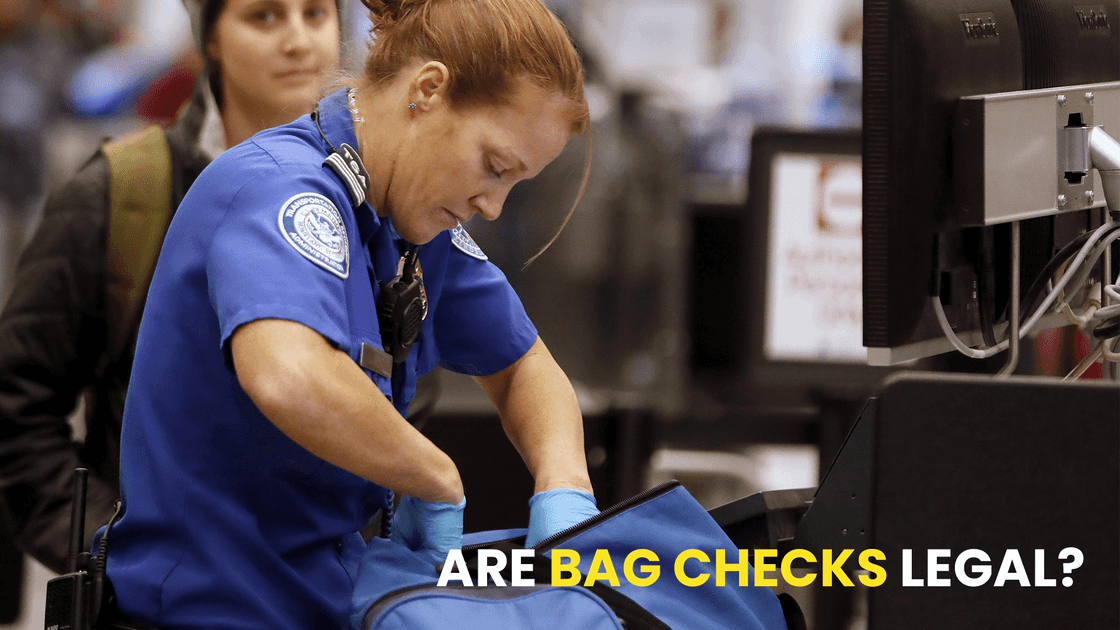
Are bag checks legal? In most places, a store or venue is allowed to ask to look inside your bag as a condition of entry, and in most cases you are allowed to say no and leave. What a store's staff can actually do beyond asking depends on the law where you are, and that varies a lot between countries and, in the US, between states. Airport security is a separate matter with its own rules. Here is a general overview. It is not legal advice; if you are in a dispute, check your local law or speak to a lawyer.

Why stores and venues check bags
Shops, stadiums, concert halls and museums use bag checks for security and to prevent theft. A private business can usually set reasonable conditions for entering its premises, and a bag check is one of them. Many post their bag policy at the entrance.
Can you refuse a bag check?
Generally, a bag check by a private business is a request, not an order. You can usually decline. The business can then refuse you entry or ask you to leave, much as a host can ask you to take off your shoes before coming in. Some stores, such as warehouse clubs, include receipt or bag checks in their membership terms, which you agree to when you sign up.
What staff generally should not do
In many places, store staff and private security guards do not have the same powers as the police. As a broad rule:
- They can ask you to open your bag and show its contents.
- They can refuse entry or ask you to leave if you do not agree.
- They generally should not grab your bag or search it by force.
- They generally cannot detain you just because you refused a check.
The exception is suspected shoplifting. Many US states have a "shopkeeper's privilege" that allows a store to detain someone briefly and reasonably when there is real cause to believe they stole something. The details differ from state to state and country to country.
Airport security is different
At the airport, screening is a condition of flying. In the US, for example, TSA officers screen every carry-on and checked bag, may open and inspect them by hand, and you cannot board if you refuse. Checked bags may be opened when you are not there; the TSA leaves a notice inside when it inspects a bag. Other countries have similar systems. You can read the official rules on the TSA security screening page.
A few habits make airport screening smoother and protect your belongings:
- Use TSA-accepted locks on checked luggage, so officers can open them without cutting them.
- Pack your own bags and keep them with you, so nobody can add anything to them.
- Keep valuables, medicine and electronics in your carry-on, not in checked luggage.
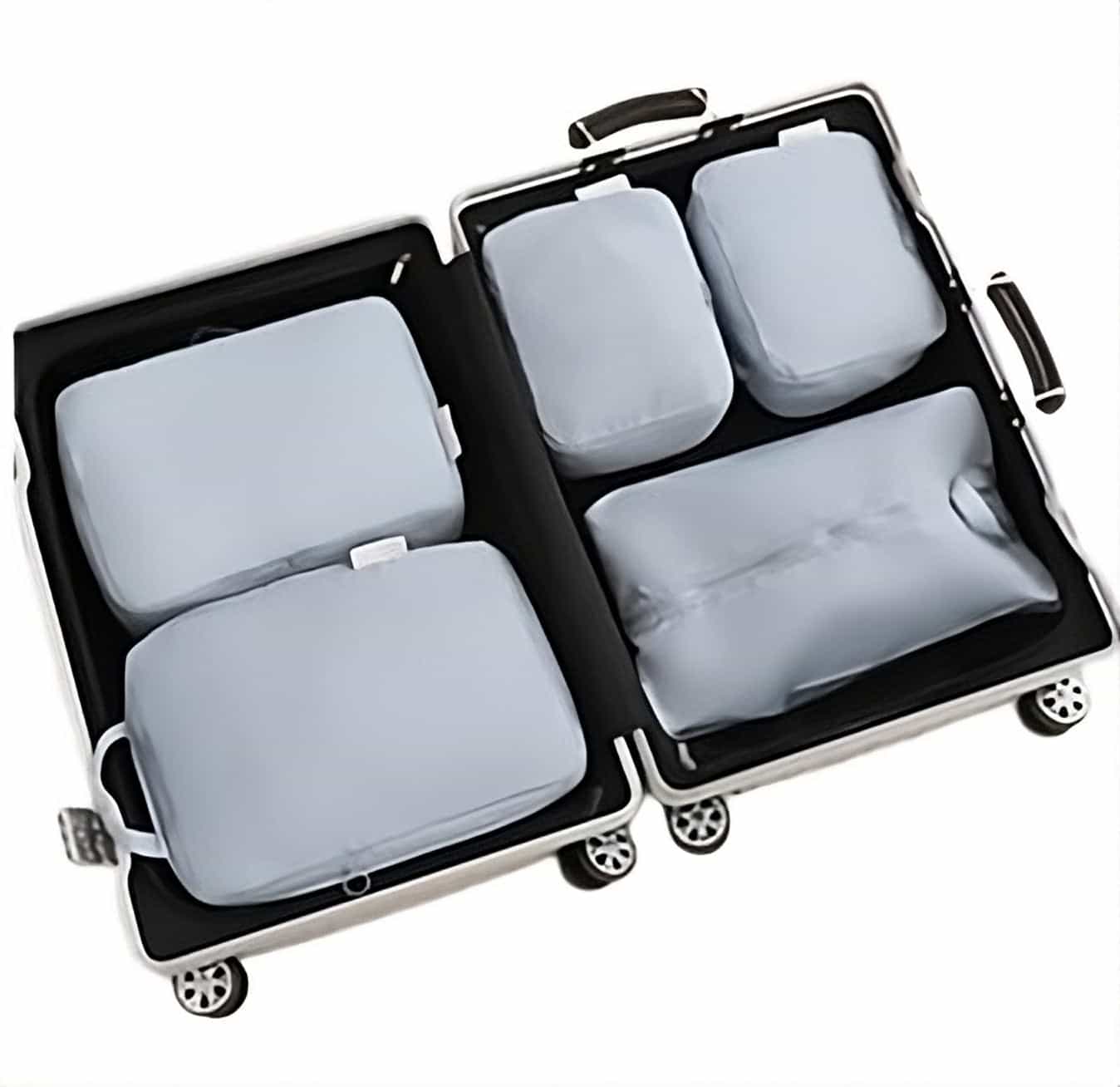
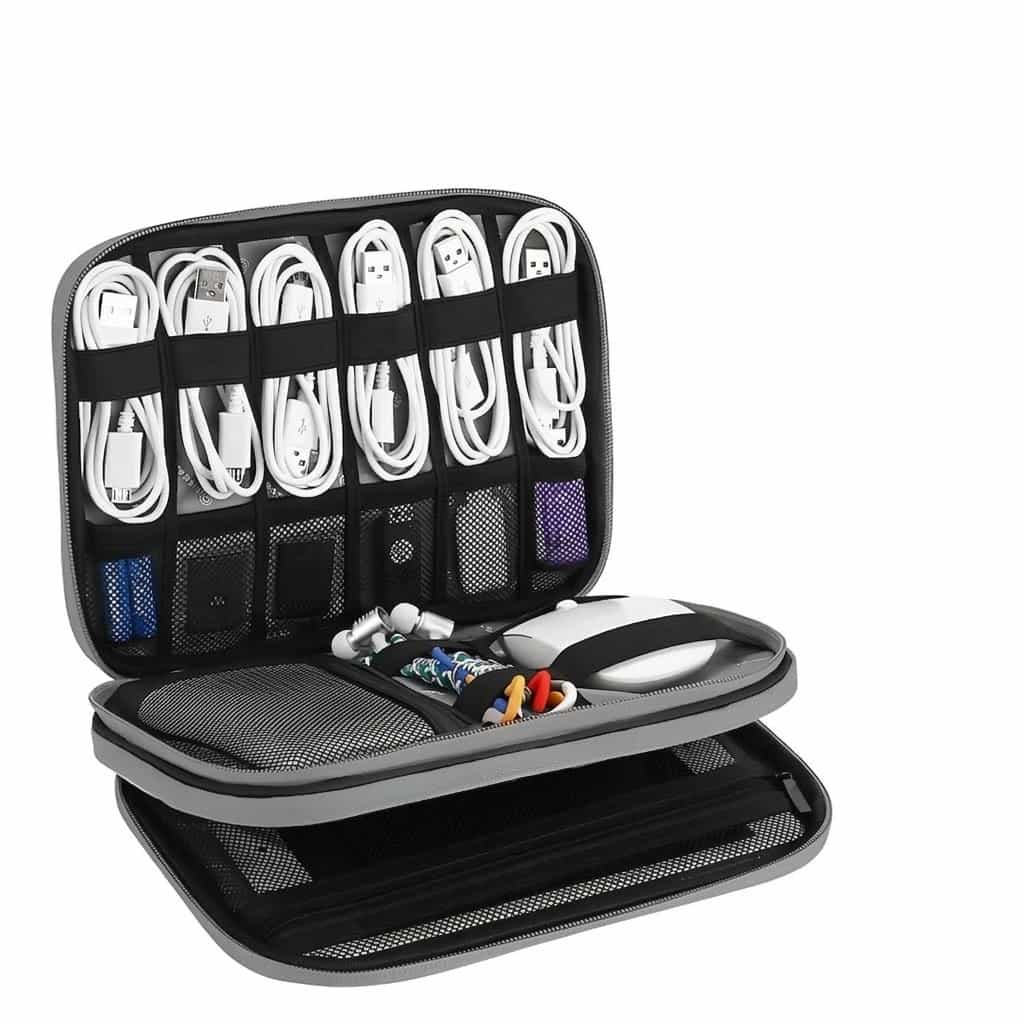
- Pack in clear layers or packing cubes, so an inspection is quick and your things go back in order.
Summary
- A store can usually ask to check your bag as a condition of entry.
- You can usually refuse, and the store can then ask you to leave.
- Staff generally should not search your bag by force or hold you just for refusing.
- Rules on detaining suspected shoplifters depend on local law.
- Airport screening is mandatory if you want to fly.
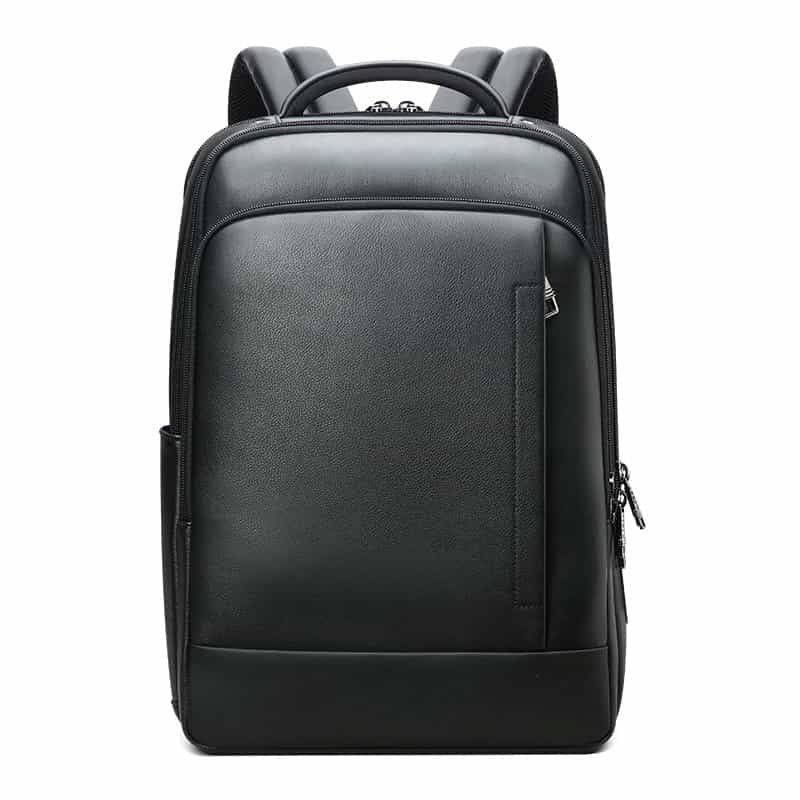
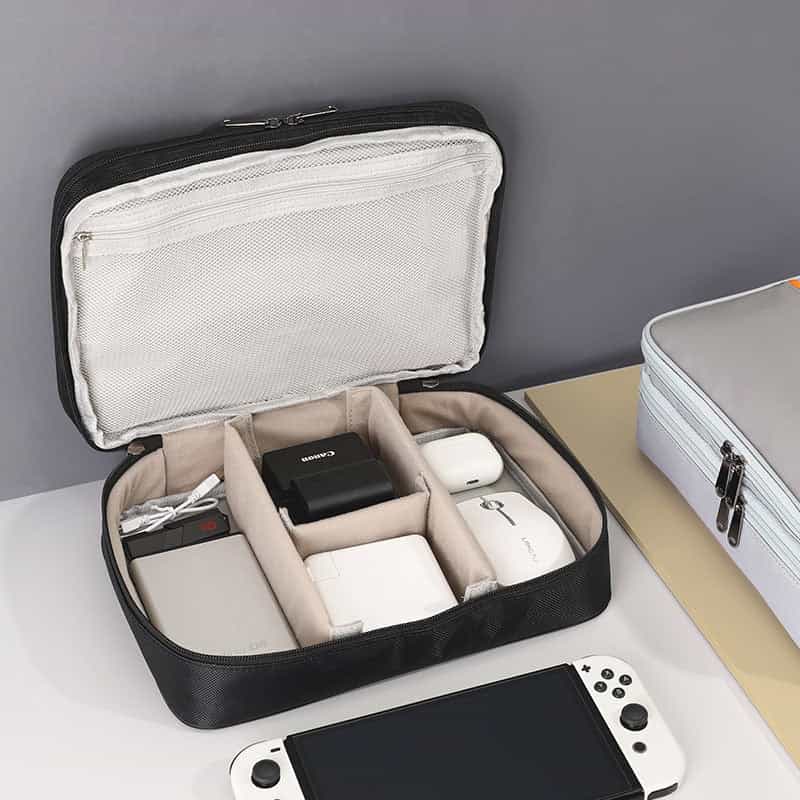
Bags with well-organized compartments make any check quicker and less awkward. See our anti-theft bags, with hidden pockets for the things you would rather keep out of sight, and our tips on securing your bag while traveling.
Frequently asked questions
Can a store legally search my bag?
In most places a store can ask to check your bag as a condition of entry, but staff generally cannot search it by force. If you refuse, the store can usually ask you to leave. Local laws vary.
Can I refuse a bag check at a store?
Usually yes. A bag check by a private business is generally voluntary. The consequence is that you may be refused entry or asked to leave.
Can the TSA search my bag?
Yes. Screening is a condition of air travel, and TSA officers may open and inspect carry-on and checked bags. If they inspect a checked bag, they leave a notice inside.
Is this legal advice?
No. This is a general overview. Laws differ by country and state, so check local law or consult a lawyer for a specific situation.