

Broken on Its First Flight? Why It Pays to Switch to a Flexible Polypropylene Suitcase
October 23, 2026

To prevent your suitcase from breaking on its very first flight, choose a polypropylene (PP) suitcase. This material has exceptional structural flexibility that lets it absorb hard knocks and return to its original shape without cracking. Investing in a suitcase made of a flexible, durable material, backed by a comprehensive manufacturer's warranty, is the best protection against airlines' rough handling.
The story behind the headline: why is your new suitcase at risk?
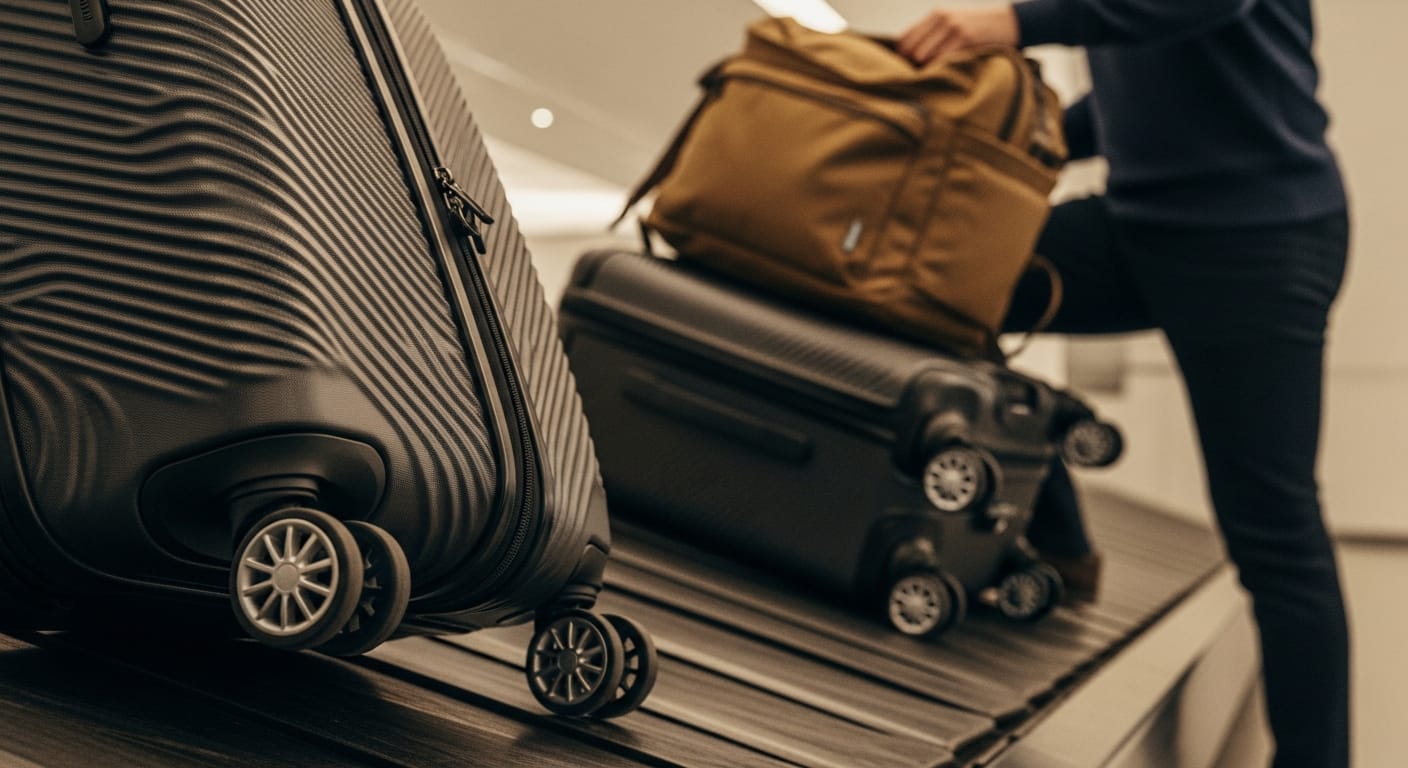
AOL recently published the infuriating and unfortunate story of a passenger who bought a brand-new suitcase especially for a celebratory trip. Sadly, the suitcase's first encounter with the airline's logistics ended in disaster: it reached the carousel cracked, broken and unusable before the vacation had even begun. This story is not an isolated case. Anyone who has ever passed through an airport knows that baggage handling can be extremely rough.
When suitcases are thrown into the hold, stacked on top of each other under enormous pressure, and exposed to extreme temperatures at altitude (reaching tens of degrees below zero), the materials they are made of face a tough physical test. Rigid, cheap materials tend to harden in the extreme cold and break under the pressure or the first blow from a porter on duty. To avoid this disappointment, we need to understand the differences between the raw materials on the market and choose wisely.
Polypropylene versus other materials: the secret of the flexibility that saves your luggage
In the world of hard-shell suitcases there are three main materials: ABS, polycarbonate (PC) and polypropylene (PP). While ABS is the cheapest, it is also the most brittle and prone to breaking. Polycarbonate offers good durability, but it is heavier and stiffer. Polypropylene, by contrast, is considered the "holy grail" of experienced travelers thanks to one decisive physical property: elasticity.
A polypropylene suitcase can bend and dent under heavy pressure or a direct blow, and then simply "pop" back to its original shape without cracking or breaking. This flexibility is what protects your sensitive contents and makes sure the suitcase comes back to you in one piece, flight after flight.
| Material | Flexibility | Resistance to breaking | Own weight | Resistance to extreme temperatures |
|---|---|---|---|---|
| ABS (basic plastic) | Very low | Low (cracks easily) | Very light | Low (hardens and breaks in the cold) |
| Polycarbonate (PC) | Medium to high | Very good | Medium | Very good |
| Polypropylene (PP) | Highest | Excellent (absorbs blows and springs back) | Especially light | Excellent (stays flexible in the cold) |
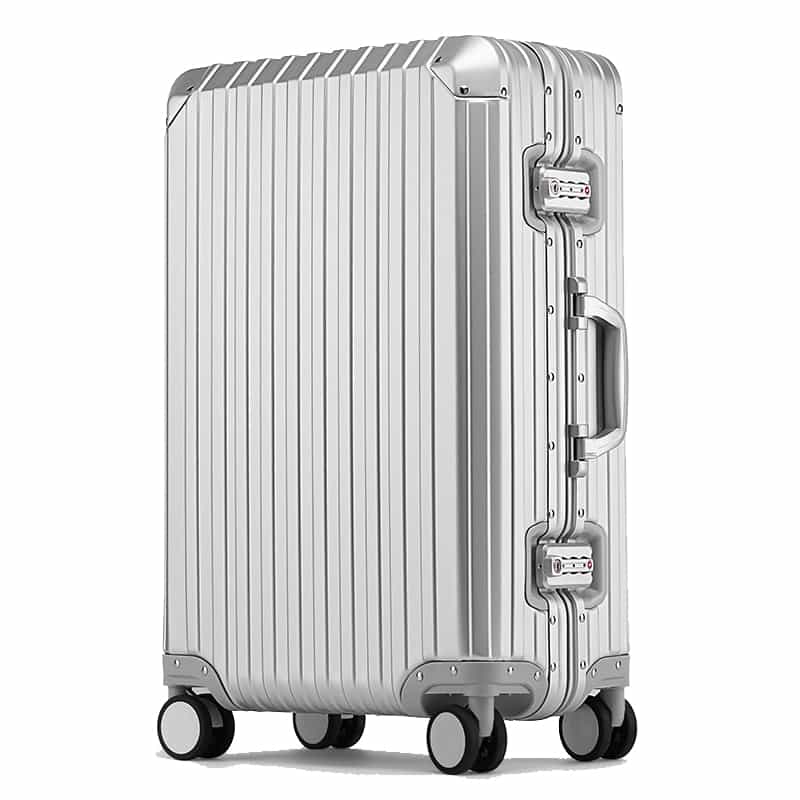
| Aluminum | None (completely rigid) | Maximum (dents but doesn't crack) | Relatively heavy | Completely resistant |
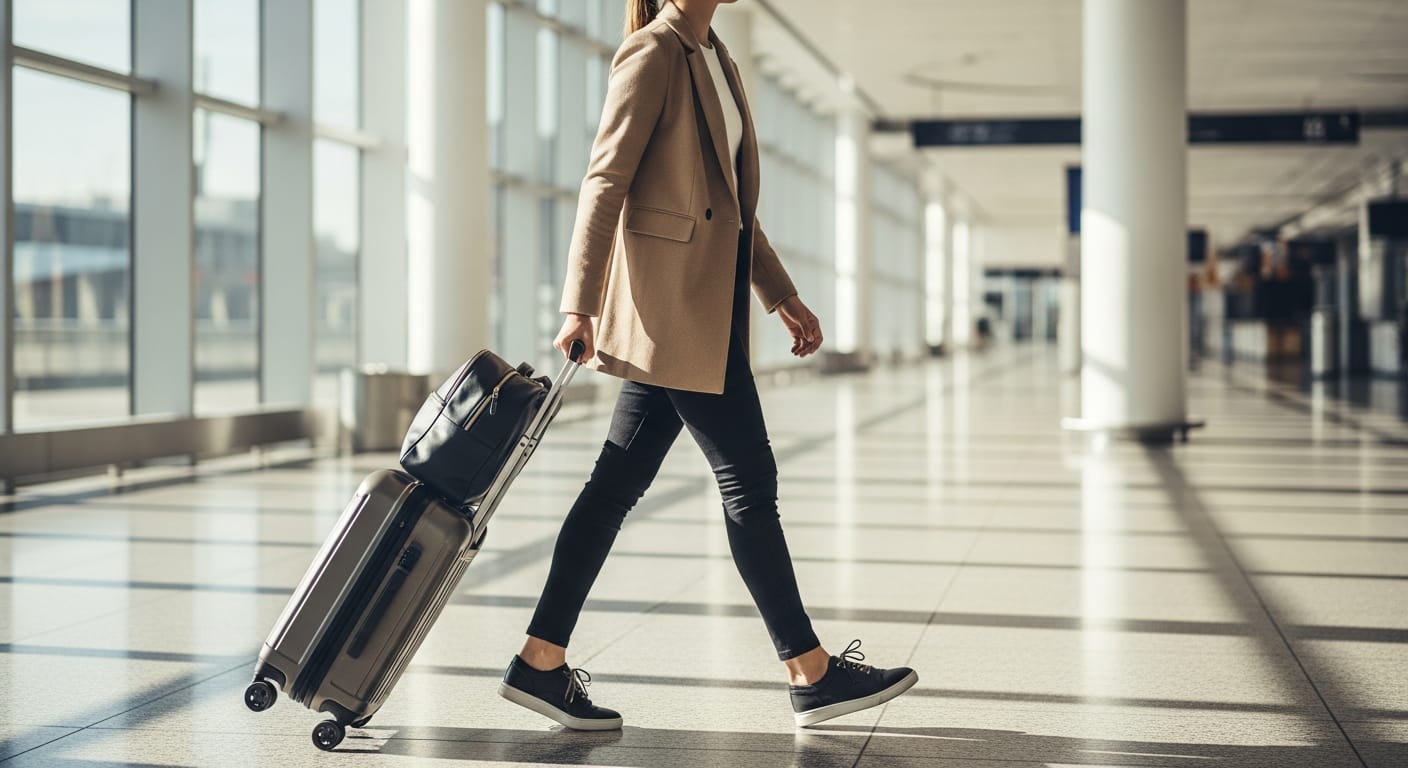
How to choose a suitcase that won't let you down on the carousel
Beyond choosing the right material, there are a few critical elements that decide whether your suitcase survives the ordeal of the airports:
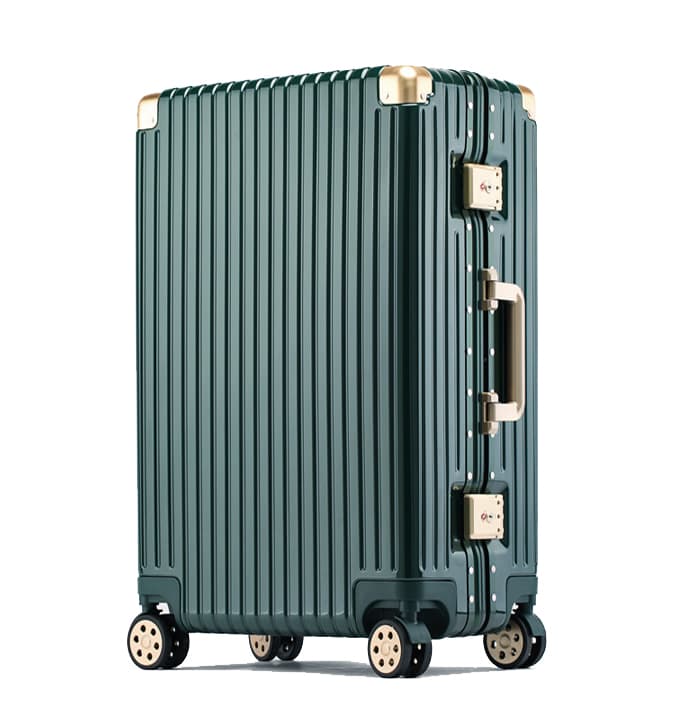
- A double wheel system (double spinner): single wheels tend to break or get stuck much more easily. Double wheels that spin 360 degrees spread the weight load optimally and allow smooth movement even on challenging surfaces.
- Reinforced zippers and integrated handles: handles and zippers are the most common weak points. Make sure the telescopic handle is made of light, strong aluminum, and that the side handles are firmly anchored to the suitcase body.
- A built-in TSA lock: an internationally standard lock that lets airport security staff open the suitcase for inspection without destroying the zippers or the lock itself.
Why strong backing matters: a comprehensive, reliable manufacturer's warranty
Even the best suitcase in the world can run into unusual extreme situations. So your real protection isn't only the material the suitcase is made of, but also who stands behind it. When you buy from a brand like Camel Mountain, a family business that has accompanied travelers since 1975, you get comprehensive warranty coverage and accessible customer service.
If the damage was caused by the airline, it is important to act immediately: don't leave the arrivals hall without going to the baggage service desk and filling in an official damage report (PIR, Property Irregularity Report). This document is your key to getting compensation from the airline or the insurer, and together with your suitcase's warranty certificate, it makes sure you won't be left helpless.
Based on a report: He bought it just for the trip. The airline damaged it before landing, AOL.com
Products to help you on the way
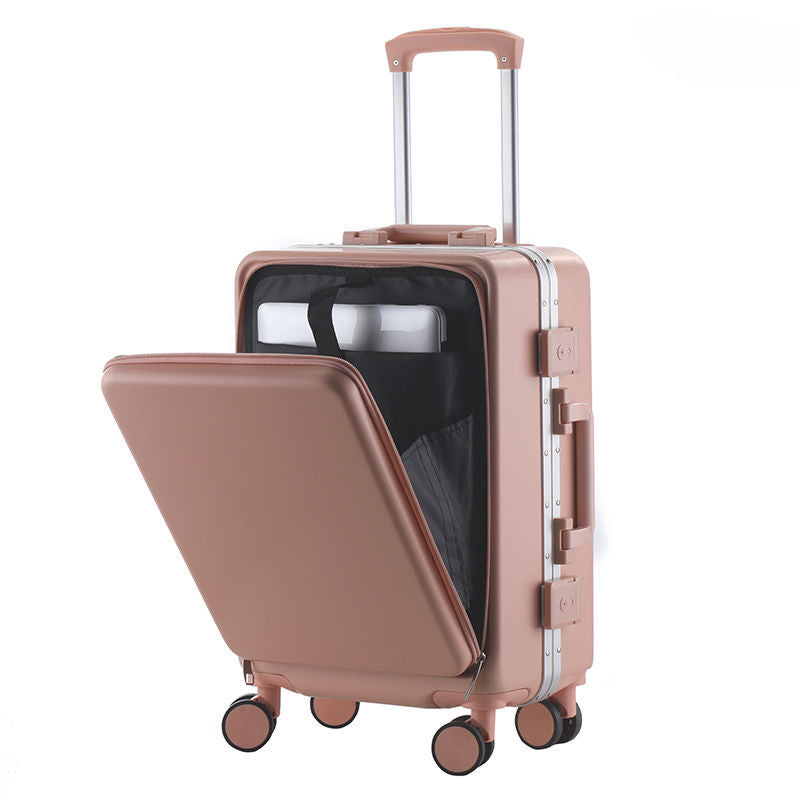


Products in this guide

Frequently asked questions
What is the main difference between polypropylene and polycarbonate?
Polypropylene is a more flexible, elastic material, which lets it absorb strong knocks and return to its original shape without breaking. Polycarbonate is a slightly stronger, stiffer material, but it is less flexible and tends to be heavier than polypropylene.
What should I do if the airline broke my suitcase?
Go straight to the baggage service desk in the arrivals hall (before leaving the terminal) and fill in a damage report (PIR). Without this report, airlines and insurers will refuse to compensate you for the damage.
Can a polypropylene suitcase be taken on board as a carry-on?
Definitely. Polypropylene suitcases come in all sizes, including the standard carry-on size (20 inch) that fits boarding on most airlines, and they provide excellent protection for valuable gear such as laptops and cameras.
Why do ABS suitcases tend to break faster?
ABS is a rigid, relatively cheap plastic. Its lack of flexibility means that under heavy pressure or a strong blow (especially at the low temperatures of the aircraft hold), it simply cracks and breaks instead of bending and absorbing the impact.


