

Card Wallet: Is It Really Better Than a Regular Wallet, and How Does RFID Protection Work?
October 23, 2026
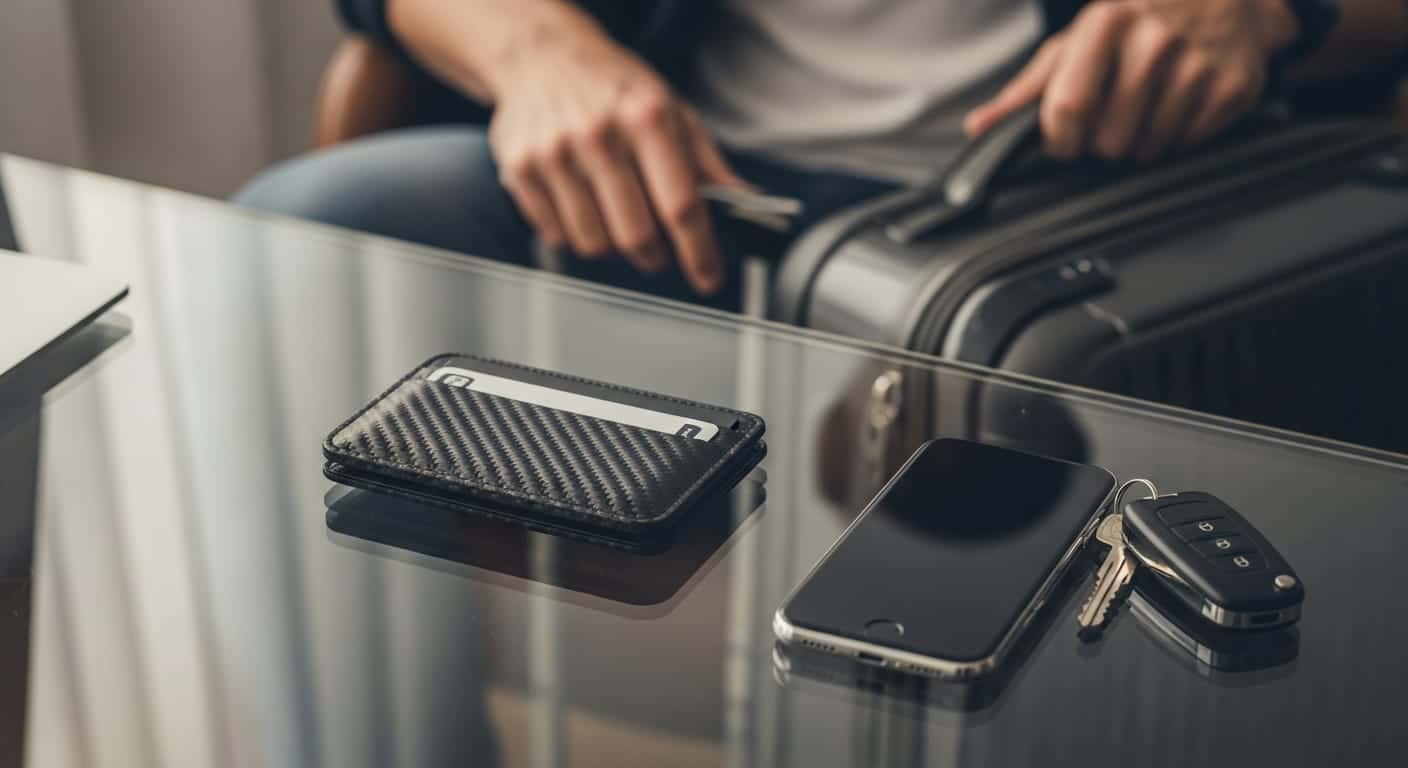
A card wallet is worth it for anyone looking for convenience, light weight and order in their pocket. It beats a regular wallet thanks to its minimal volume, quick access to your cards and less wear on them. RFID protection is essential in it because it blocks radio waves and stops thieves from remotely scanning and cloning your contactless credit and ID cards.
Why is everyone switching to a card wallet? (The classic approach vs the modern one)
Think for a moment about the wallet in your pocket or bag right now. How many old receipts from 2022 does it hold? How many business cards from people you don't remember, small coins that just weigh it down, and expired loyalty cards? Over the years the traditional wallet has turned into a small portable storeroom, and as a result into a physical nuisance in the back pocket of your jeans that hurts your posture when you sit.
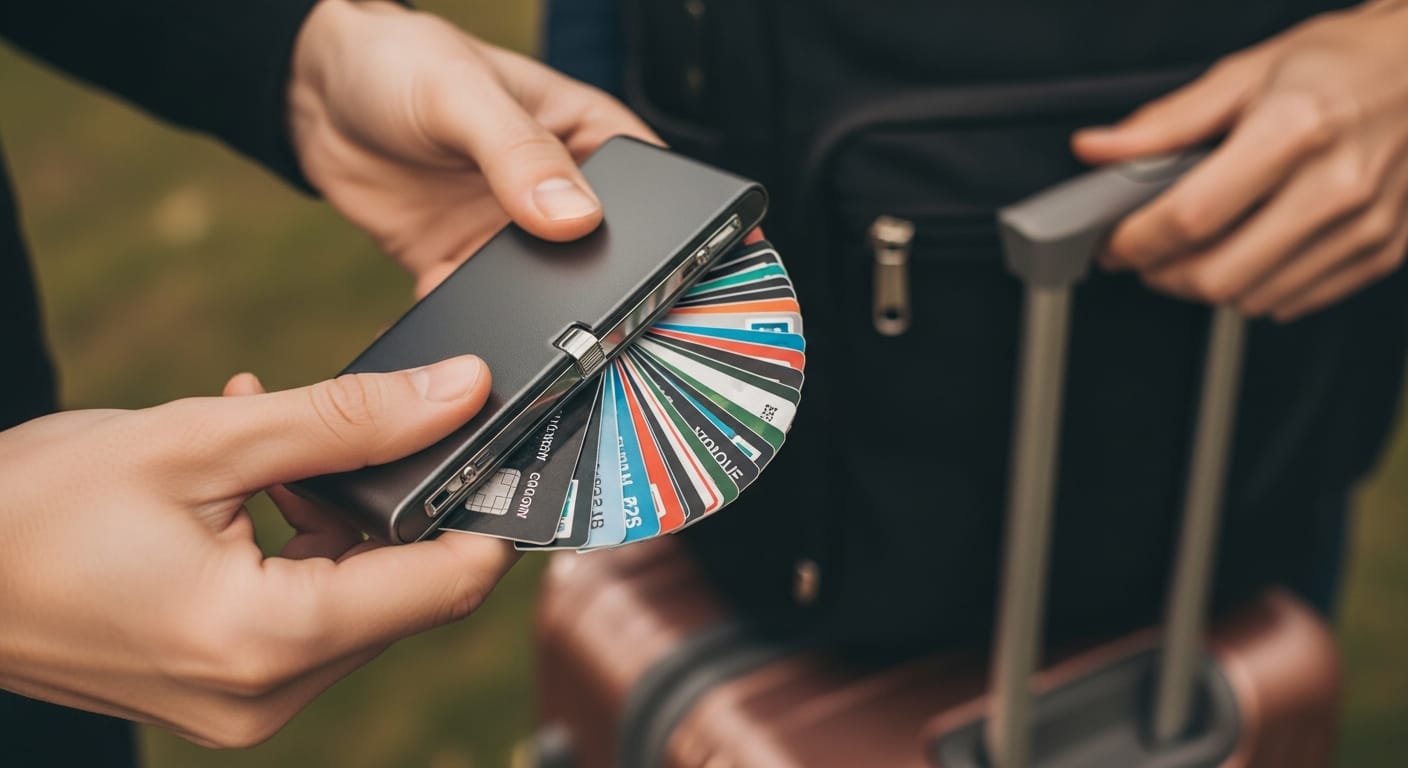
In the modern world, where most payments are made by credit card, apps or phones, the need for a huge wallet has simply disappeared. The card wallet was born to solve exactly this problem. It forces us to put our everyday carry (EDC) on a "diet" and keep only what we really need: ID, driver's license and two main credit cards. Moving to a minimalist design not only looks better, it also prevents bulging pockets and protects your health.
RFID protection in wallets: what is it, and is it really dangerous?
One of the most common questions we are asked at Camel Mountain is: "What is RFID anyway, and why do I need protection from it?" RFID (Radio Frequency Identification) is the technology that lets you pay with a "tap" (contactless) at the supermarket checkout or the gas station. Your card transmits a short radio signal containing the card details, and the terminal reads it in a split second.
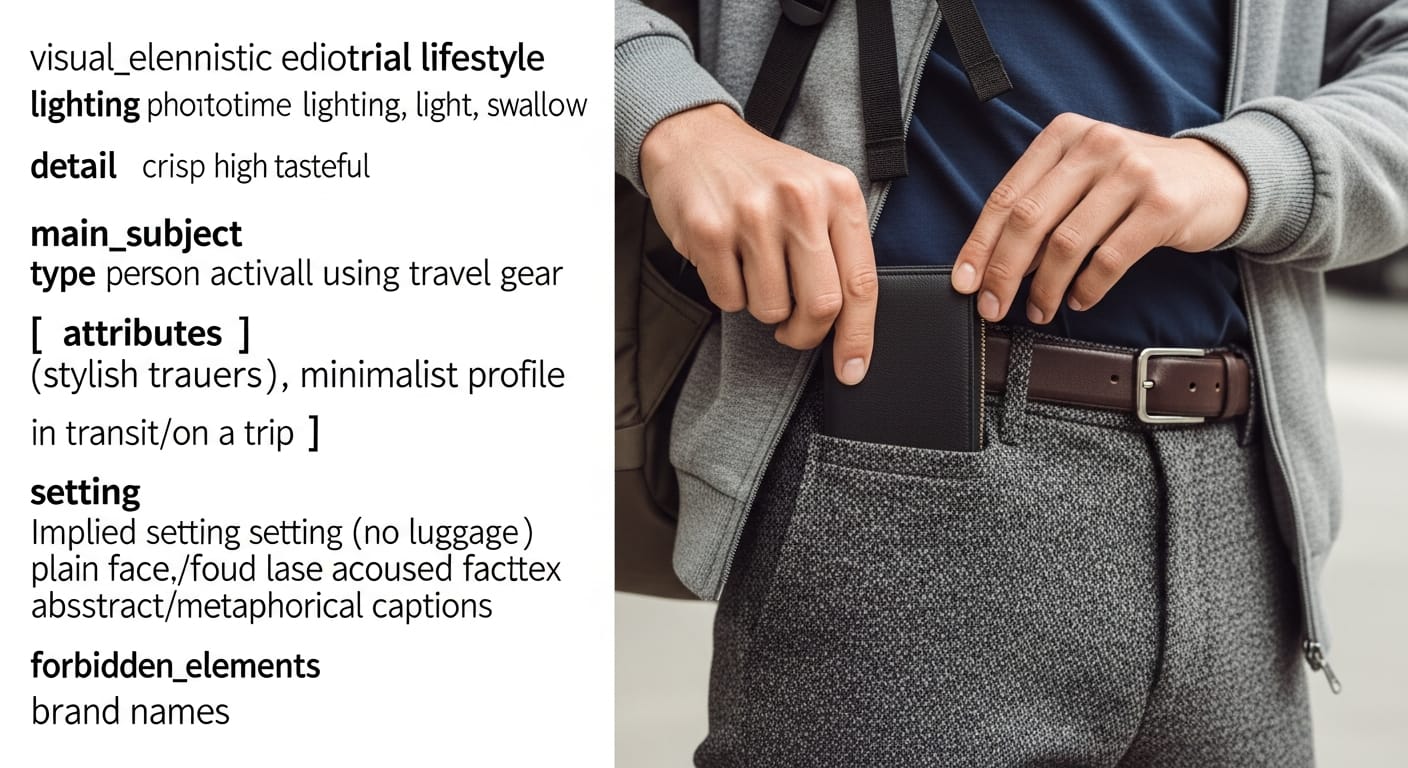
The problem is that sophisticated thieves can use cheap portable scanners, walk past you on the light rail, in a crowded mall or in the line at the airport, and scan your card details straight out of your pocket, without you noticing at all. This is called "digital pickpocketing".
A quality card wallet has a built-in shielding layer made of special metals (like aluminum or carbon fiber) that blocks these radio waves. When your cards are inside the protected aluminum compartment, no outside scanner can communicate with them, which gives you complete peace of mind anywhere in the world.
Card wallet vs classic leather wallet: a practical comparison
To help you understand which type of wallet suits your lifestyle, we summarized the main differences in the following table:
| Feature | Minimalist card wallet | Classic leather wallet |
|---|---|---|
| Average thickness | 0.8 cm to 1.5 cm (very thin) | 2.5 cm to 4 cm (thick and noticeable in the pocket) |
| Card capacity | 5 to 12 cards (depending on the model) | 12 to 20+ cards |
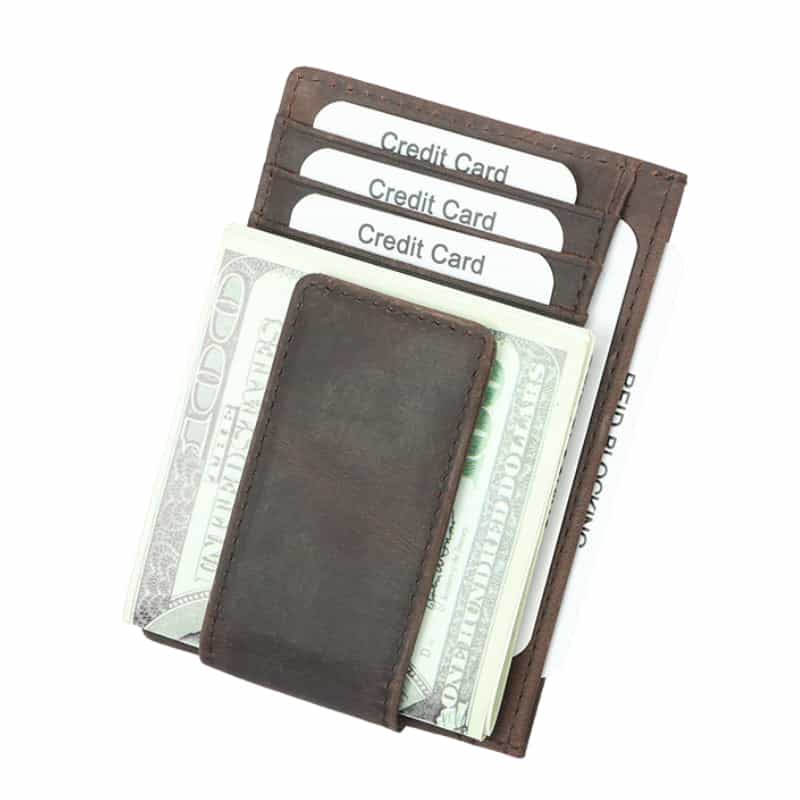
| Room for bills | Yes (with a clip or an elastic band) | A full, wide dedicated compartment |
| Room for coins | Usually none (or a very tiny pocket) | A dedicated pocket with a zipper or snap |
| Quick-eject mechanism | Yes, at the push of a button or lever in some models | No, cards are pulled by hand from tight slots |
| RFID protection | Almost always built into the aluminum case | Only in specific newer models |
The pop-up mechanism: gimmick or revolution?
If you have seen someone pull out a credit card with a light push of a button at the bottom of their wallet, you probably saw a pop-up wallet in action. This mechanism is much more than an impressive design trick. It solves one of the most annoying problems of old wallets: cards that get stuck in the leather slots or get worn and break from the pressure in your pocket.
The mechanism pushes the cards out in a staggered way (like a fan), so you can see exactly where each card is and pull out the one you want in a second, even with one hand. The inner aluminum case keeps the cards perfectly straight and stops them from bending or cracking, even if you accidentally sit on the wallet.
How to choose the perfect card wallet for you
The card wallet market offers a wide range of options, and to make the right choice, pay attention to a few parameters:
- Material: if you like the modern, high-tech look, go for aircraft aluminum or carbon fiber. If you are still attached to the warm, classic feel, look for a wallet with a genuine leather shell (like nappa leather) around the protective aluminum case.
- How it holds bills: check whether the wallet has a spring metal money clip or an elastic band on the outside. Both are excellent options, but a metal clip tends to last more years without wear.
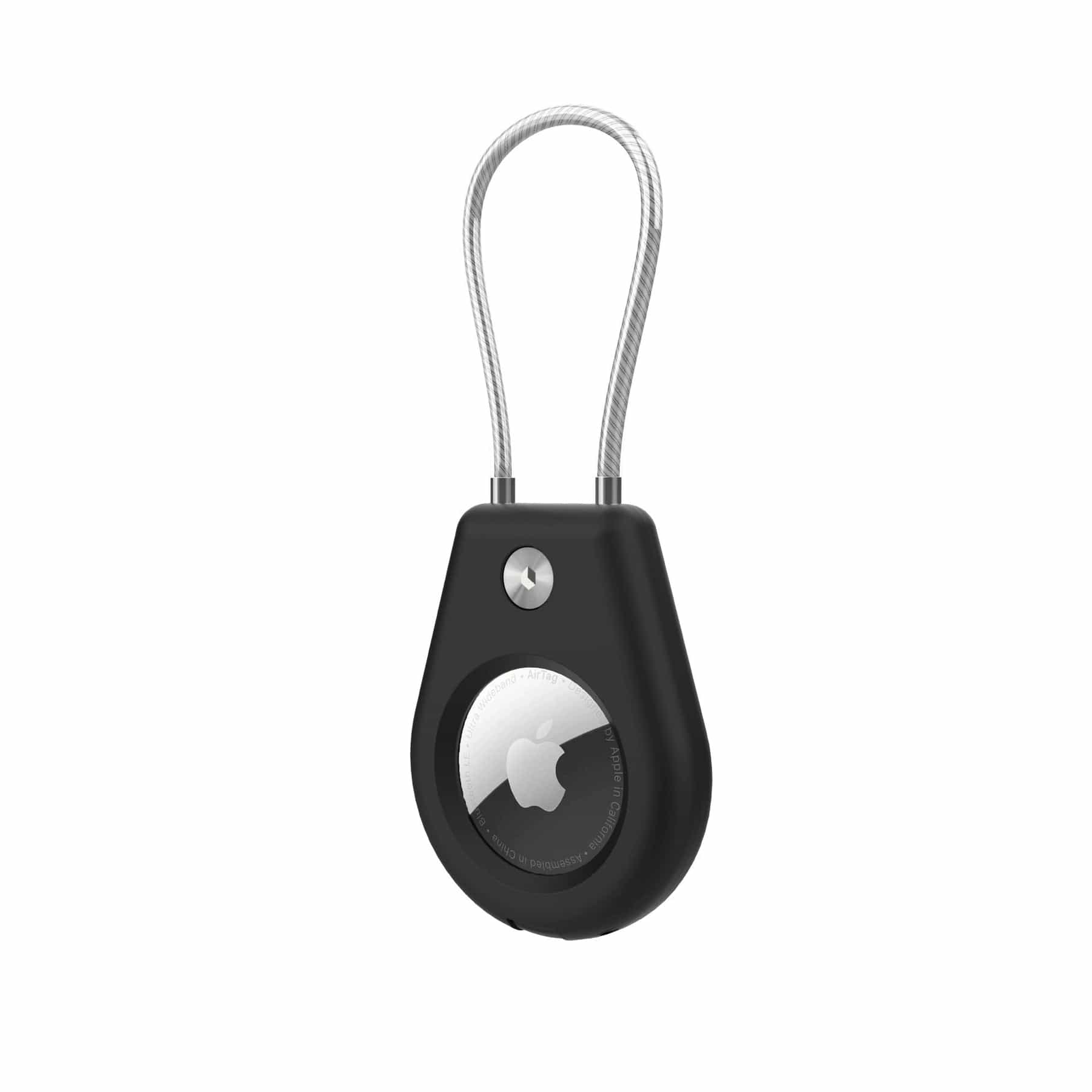
- Compatibility with tracking technology: some modern wallets come with a built-in slot or holder for an Apple AirTag, which lets you easily find your wallet with your phone if you lose it.
In the end, switching to a card wallet is a step toward efficiency and convenience. Once you get used to the lightness of a flat, empty pocket, and to how fast you pay and pull out your cards, you won't understand how you used to walk around with that old, heavy wallet.
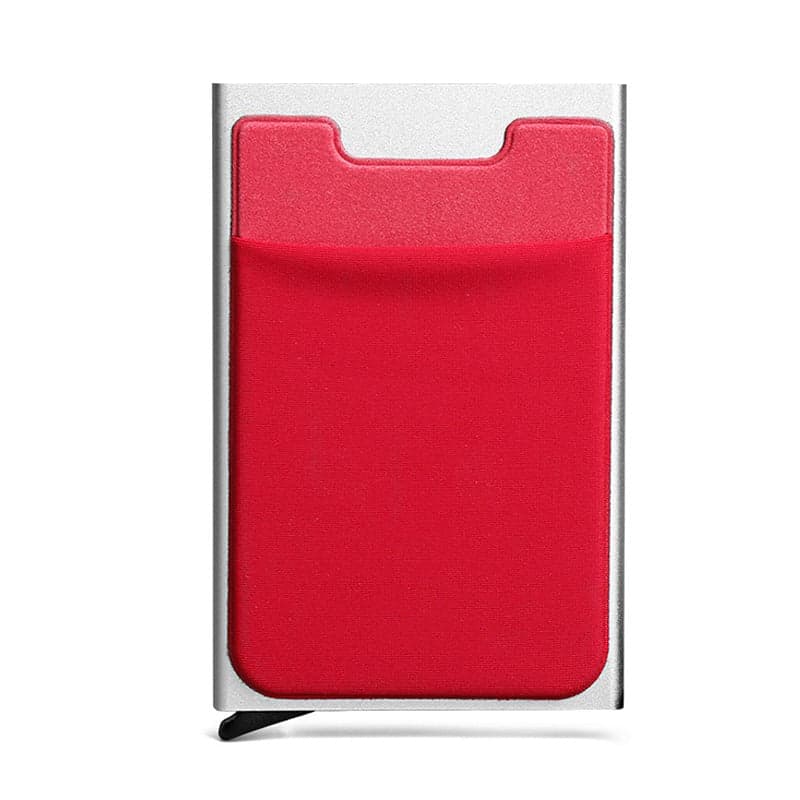
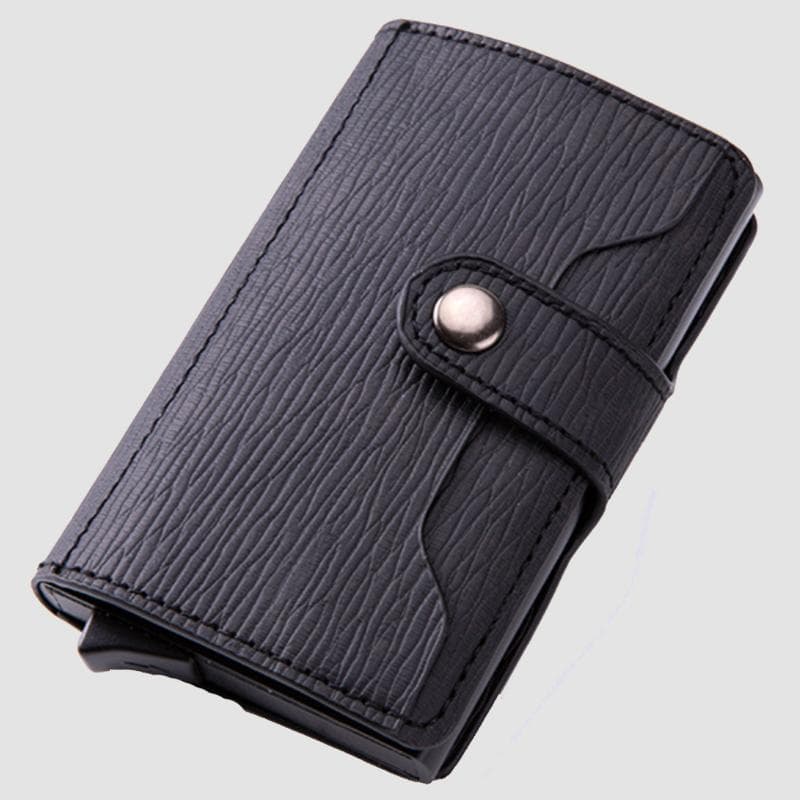
Products that will help you on the way


Products in this guide
Frequently asked questions
Does a card wallet also work for bills?
Yes, definitely. Most modern card wallets include an inner or outer metal clip, or a strong elastic band, that lets you fold bills and attach them securely to the wallet without adding much bulk.
How can I tell if my wallet really blocks RFID?
The simplest way to check is to hold the wallet (with the card inside) against a contactless payment terminal or a public transport gate. If the terminal doesn't respond and can't read the card, the wallet is blocking effectively.
Does the physical pop-up mechanism tend to break easily?
In quality wallets the mechanism is made of aircraft aluminum and durable steel parts, and it is tested for tens of thousands of presses. Avoid cheap brands that use plastic inner mechanisms, which tend to wear out quickly.
How many cards fit in an average card wallet?
The protected aluminum case usually holds 5 to 7 cards (depending on whether the cards are embossed or flat). Many models include an outer leather sleeve with room for 2-4 more cards.
Can RFID protection damage or demagnetize my cards?
No, RFID protection is completely passive. It is a metal layer that blocks outside electromagnetic waves, and it doesn't emit any radiation or magnetism that could harm your card's magnetic stripe or chip.


