
How to Choose a Men's Leather Wallet: The Complete Guide to Genuine Leather and RFID Protection
October 23, 2026
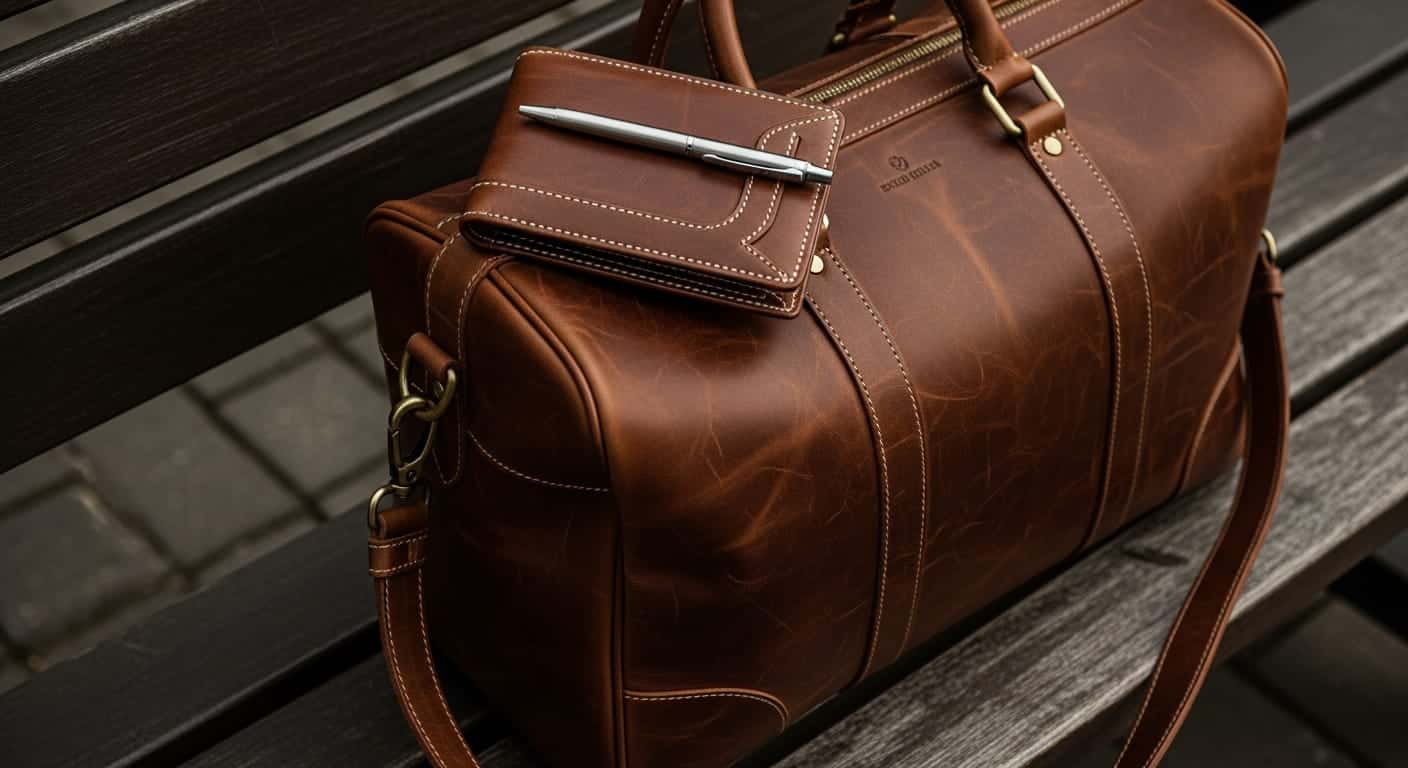
A men's leather wallet is chosen by three main parameters: the type of leather (nappa or full grain for maximum durability), the storage capacity you need (a slim card wallet versus a classic multi-slot wallet), and electronic protection technology (RFID) to prevent identity theft. The right choice combines a soft touch, reinforced double stitching and an ergonomic structure that slips easily into your pants pocket.
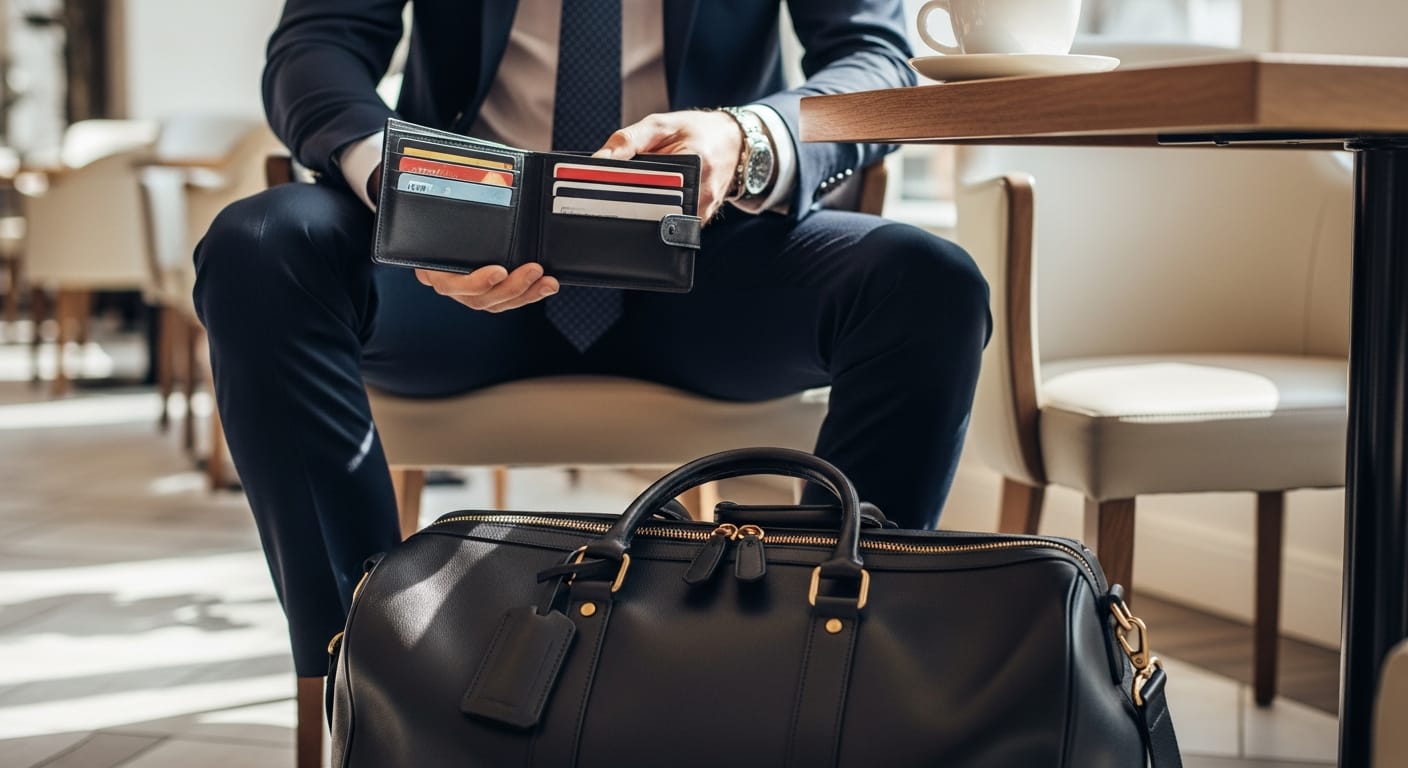
Types of leather in men's wallets: what is the difference between nappa and full grain?
When we talk about leather wallets, it is important to understand that not all leather is created equal. There are many terms on the market that can confuse even the most experienced buyer. To bring some order, let's start with the highest grade of genuine leather.
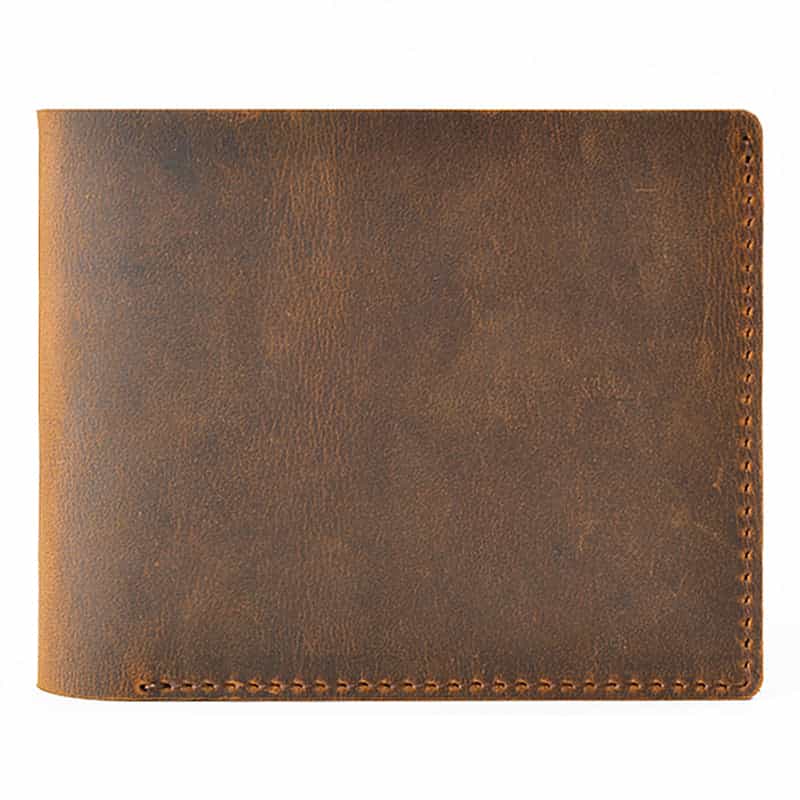
Full grain leather: this is the highest quality and most durable leather there is. It comes from the outermost layer of the hide, keeps the animal's natural texture and doesn't go through sanding processes that weaken the fibers. Its big advantage is the patina, the natural aging process in which the leather gains character, changes shade and becomes more beautiful and unique as the years go by.
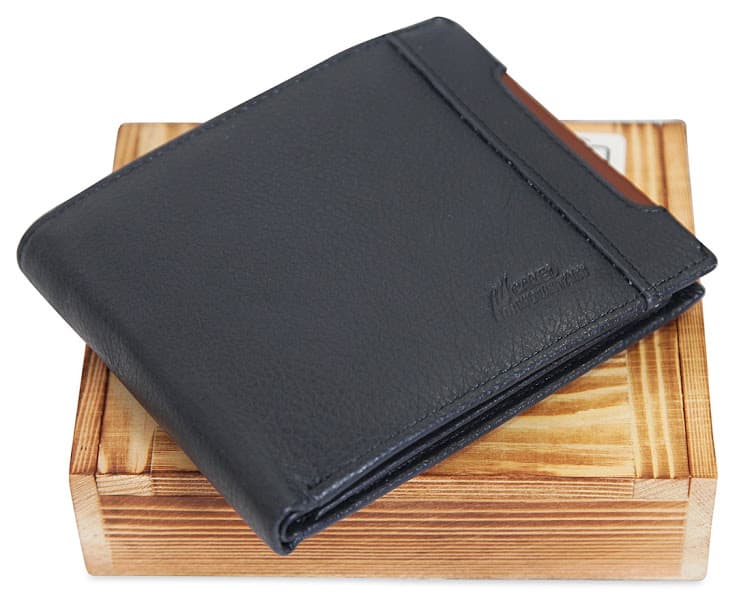
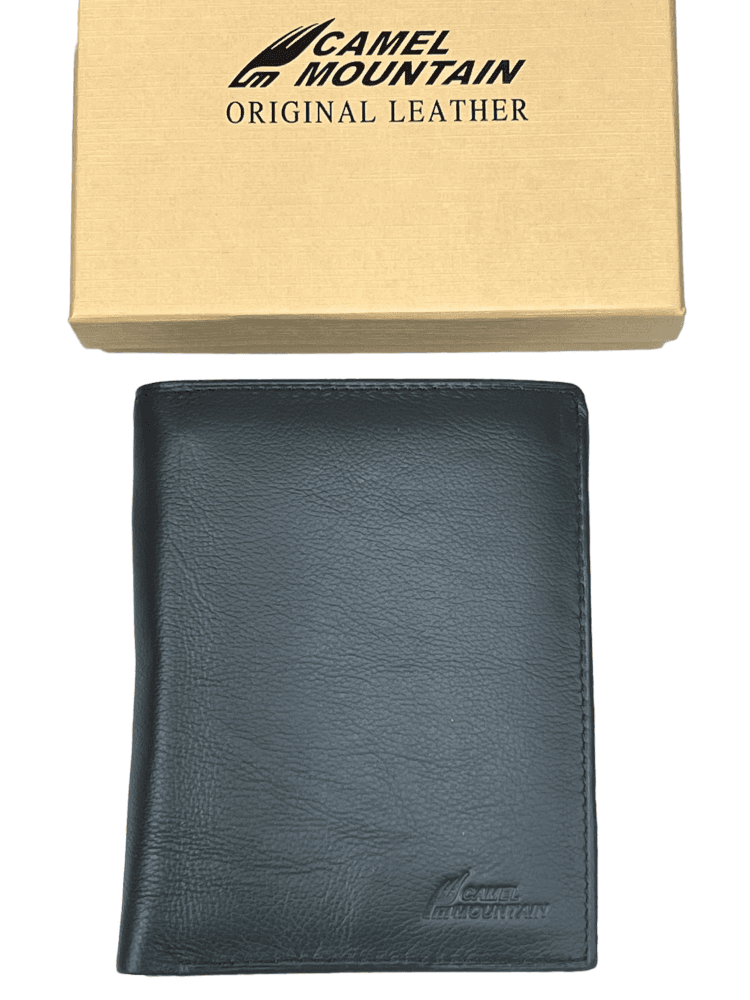
Nappa leather: nappa leather is a type of full grain or top grain leather that has gone through a special process that makes it exceptionally soft, smooth and flexible. It is very pleasant to the touch, fits perfectly in your pants pocket and doesn't need a "break-in" period to soften. At Camel Mountain, we use select nappa leather extensively because of the winning combination of high durability and a luxurious, caressing touch.
Split leather (sold as "genuine leather"): although the name sounds promising, it usually means lower layers of the hide that go through chemical processing and a polymer coating to imitate the look of quality leather. These wallets tend to peel and wear faster compared with nappa or full grain leather.
Wallet structure: classic bifold, trifold or slim card wallet
Men's usage habits have changed dramatically in recent years. If in the past every man carried a thick wallet stuffed with bills, receipts, coins and family photos, today the move to digital payments and credit cards calls for rethinking the structure of the wallet.
To help you understand exactly which type of wallet suits your lifestyle, we have summarized the differences in the following table:
| Wallet type | Recommended card capacity | Main advantage | Who is it for? |
|---|---|---|---|
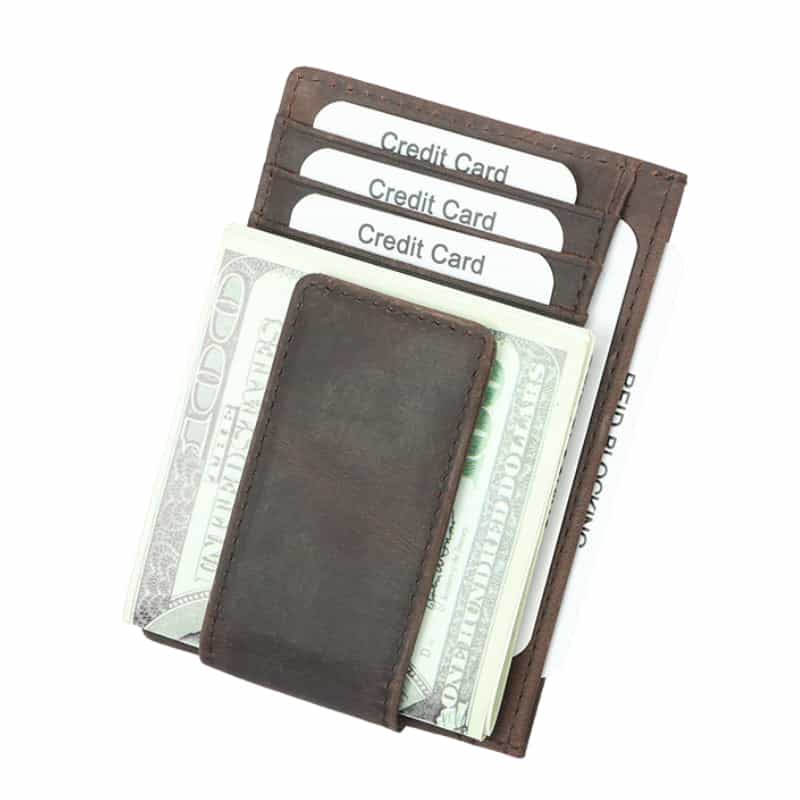
| Slim card wallet (slim / pop-up) | 4 to 8 cards | A minimalist profile that doesn't bulge in your pants pocket at all | Modern men who pay mostly by phone or card and hardly carry cash |
| Classic bifold wallet | 8 to 12 cards | The perfect balance of room for bills, cards and ID | The most popular choice, suits anyone who needs easy access to bills too |
| Multi-slot wallet (Venezia / Torino) | 12 to 17 cards | Maximum division, dedicated space for documents, licenses and photos | For anyone who loves perfect order and carries loyalty cards, professional IDs and printed documents |
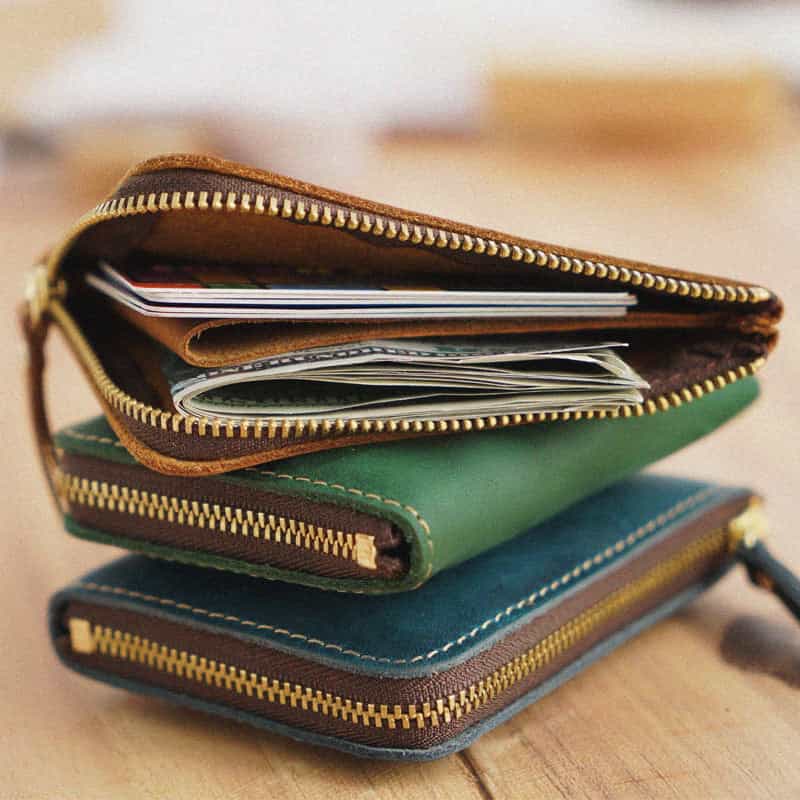
When choosing the structure, also consider which pocket you prefer. If you usually keep your wallet in your back pocket (less recommended for your health, but common), a soft nappa leather bifold will be the most comfortable choice. If you prefer your front pocket or jacket pocket, a slim card wallet or a wallet with a quick pop-up mechanism will give you a clean look without unnecessary bulges in your clothes.
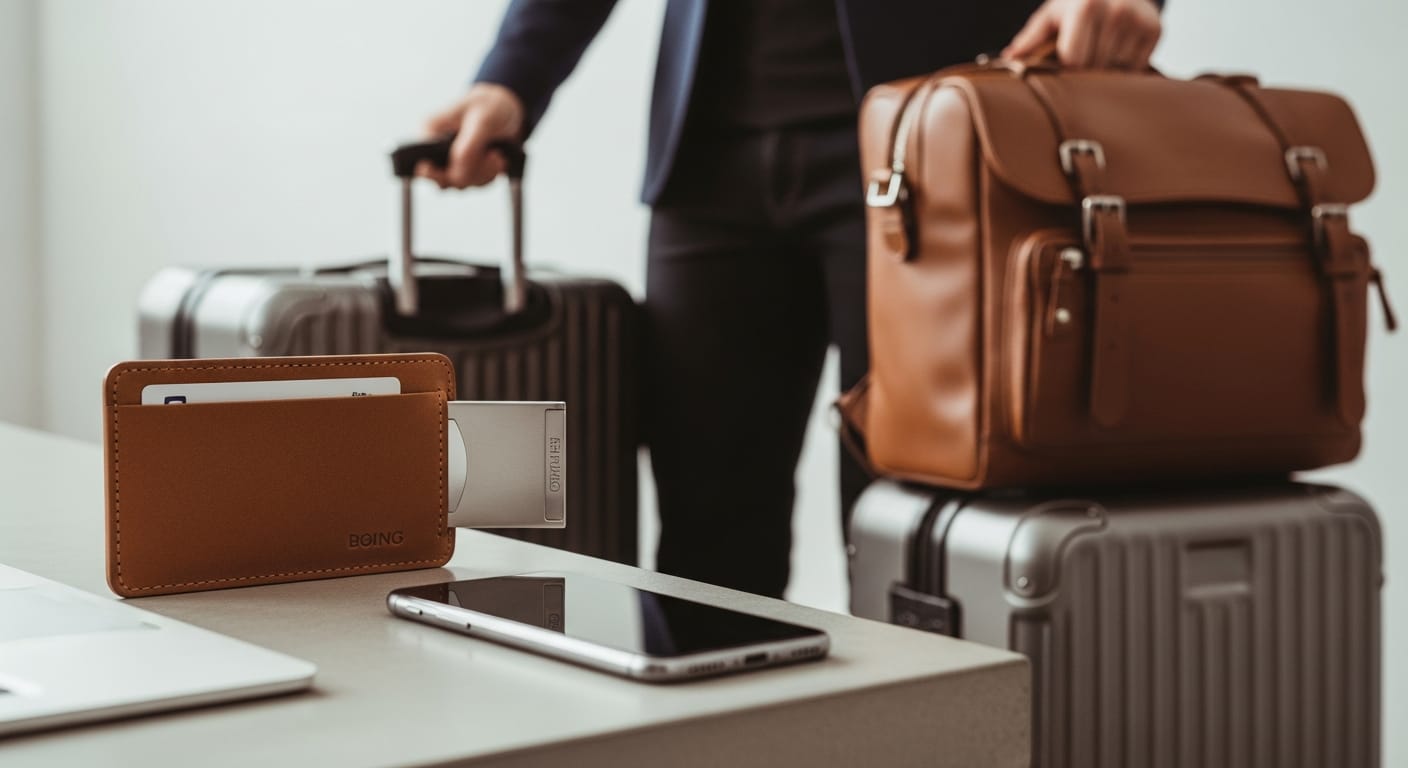
What is RFID protection and why is it a must in your modern wallet?
In today's tech world, thieves no longer need to physically put a hand in your pocket to rob you. Modern credit cards, employee cards and biometric IDs use RFID (radio frequency identification) technology, which allows contactless payment. That means that with a simple, cheap scanner you can buy online, hackers can walk past you on the street, on the train or in a mall and scan your credit card details remotely, without you noticing at all.
How does RFID protection work in leather wallets?
A special, extremely thin metal fiber layer (usually aluminum or copper) is built in between the layers of leather. This layer acts as a "Faraday cage" and blocks the radio waves sent by external scanners. When your cards are inside the closed wallet, your information is 100% protected against unauthorized scanning.
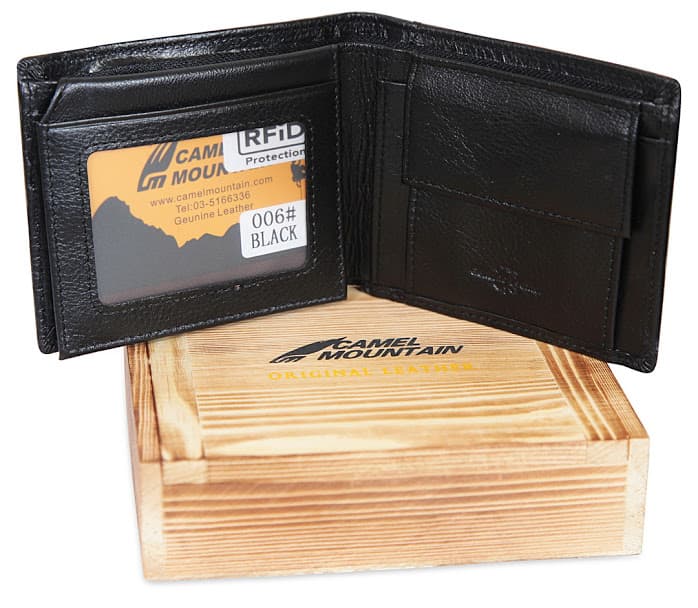
When we make Camel Mountain wallets, RFID protection is built in as standard in most of our models. We believe a modern wallet must offer not only style and durability, but also complete peace of mind wherever you travel, at home or abroad.
How to keep a leather wallet for years: practical tips
A quality leather wallet is a long-term investment. With the right care, it can stay with you for a decade or even more, only getting better with time. Here are a few golden rules for looking after your wallet:
- Don't overload it: leather is a natural, flexible material. If you stuff dozens of old receipts and cards you don't need into it, the leather will stretch and lose its original shape. Once leather is stretched, it won't go back. Clear out your wallet once a month.
- Keep it away from extreme moisture: if the wallet gets wet from rain or water, don't dry it with a hair dryer or on a radiator, because direct heat can crack and warp the leather. Instead, dry it gently with a soft towel and let it dry at room temperature.
- Avoid sitting on your wallet: keeping your wallet in your back pocket and sitting on it for hours while driving or at the office not only hurts your back, it also puts enormous pressure on the wallet's seams and leather and warps its structure.
- Periodic care: once a year, apply a little dedicated leather conditioner to the wallet. It keeps the leather flexible, prevents cracks and gives it a deep, beautiful shine.
Summary: how to choose the perfect wallet for you
Choosing a men's leather wallet is a personal decision that combines function and style. When you choose your next wallet, don't compromise on the quality of the raw materials: choose soft genuine nappa leather, make sure it has built-in RFID protection to keep your cards safe, and choose the size that best suits your daily habits. A good wallet is one you forget is in your pocket, but are proud to take out every time.
Products to help you on the way


Products in this guide
Frequently asked questions
What is the difference between nappa leather and other types of leather?
Nappa leather is a select genuine leather that goes through a unique tanning process giving it exceptional softness, flexibility and a smooth, silky touch. Unlike stiffer leathers, it adapts easily to your pants pocket from day one with no break-in period.
Is RFID protection really necessary in a wallet?
Absolutely. Modern credit cards and IDs use wireless chips that can be scanned remotely very easily. A wallet with RFID protection blocks these radio waves and stops digital thieves from copying your card details without you knowing.
How do you clean a dirty leather wallet?
Use a slightly damp microfiber cloth with lukewarm water and a very mild soap. Wipe gently without hard rubbing, then let it dry in the shade at room temperature. Never use harsh cleaning agents or alcohol on genuine leather.
How many cards should you put in a leather wallet?
Put only one card in each dedicated slot to avoid permanently stretching the leather and the seams. If you have many cards, choose a multi-slot wallet from the start, such as the Torino or Venezia models designed for that.
Why does my wallet create an ugly bulge in my pants, and how do I fix it?
The bulge is usually caused by a wallet that is too thick (bifold or trifold) filled with old receipts, unused loyalty cards or coins. To fix it, switch to a slim card wallet or a pop-up card wallet that encourages minimalism.


