

Hard-Shell or Soft Suitcase: Which Is Better for Flying? The Complete Guide
October 23, 2026

Choosing between a hard-shell and a soft suitcase depends on your travel style: a hard-shell suitcase is better for maximum protection of fragile items and electronics, resistance to rain and easy cleaning, while a soft suitcase offers exceptional volume flexibility thanks to expansion compartments and accessible outside pockets, and suits tight storage spaces and car trunks better.
The big dilemma: how do you choose the right companion for the journey?
Traveling abroad is always exciting, but packing and preparing can raise quite a few questions. One of the most common questions we get at Camel Mountain, a family business that has accompanied travelers since 1975, is: hard-shell or soft suitcase, which is really better for flying?
In the past the answer was relatively simple: hard-shell suitcases were heavy and clumsy, while fabric suitcases were light but vulnerable. Today, with the development of technology and raw materials, the lines have blurred completely. Hard-shell suitcases are made of advanced, lightweight materials such as polycarbonate and aluminum, and soft suitcases offer unprecedented resistance to tears and water thanks to dense nylon fibers. To help you sort it all out, we dove deep into the pros and cons of each type.
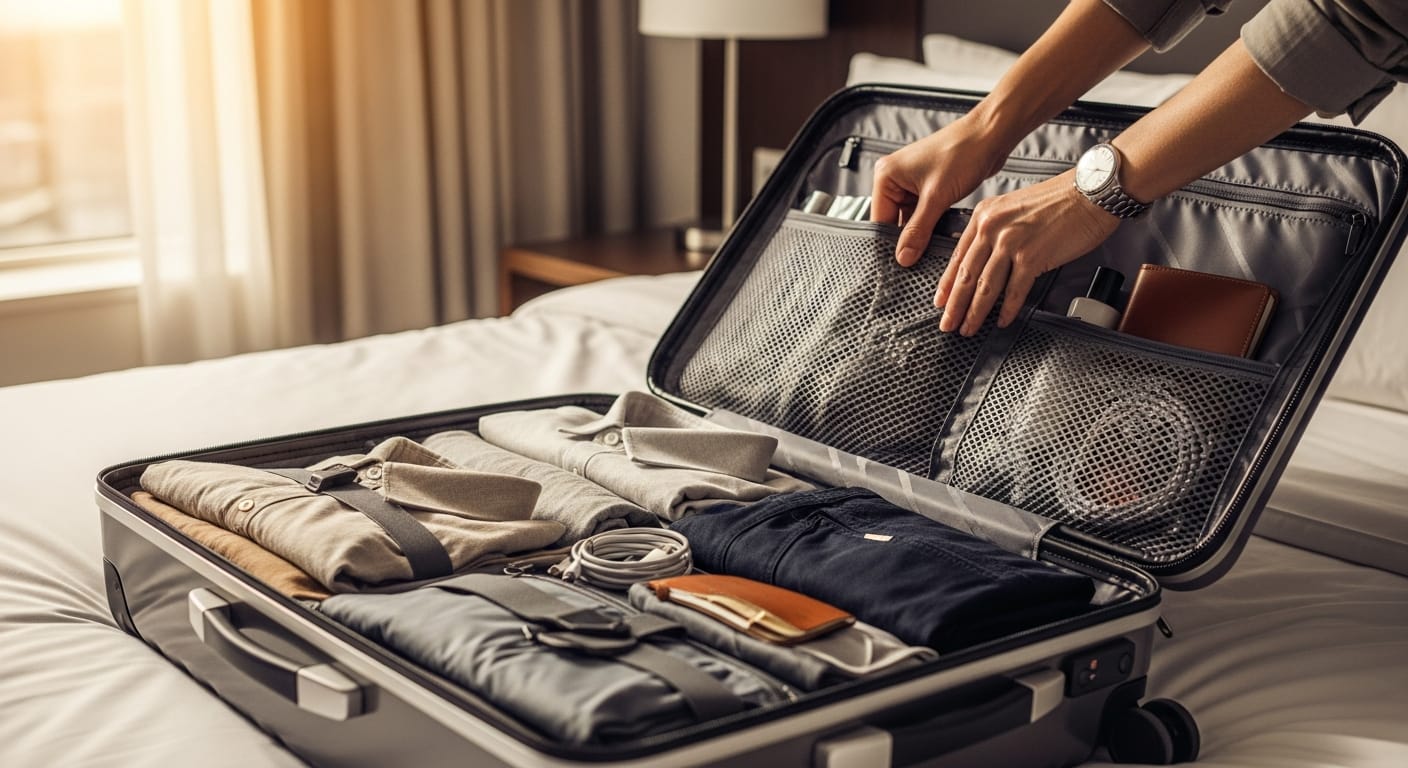
Hard-shell suitcase: a portable fortress for your belongings
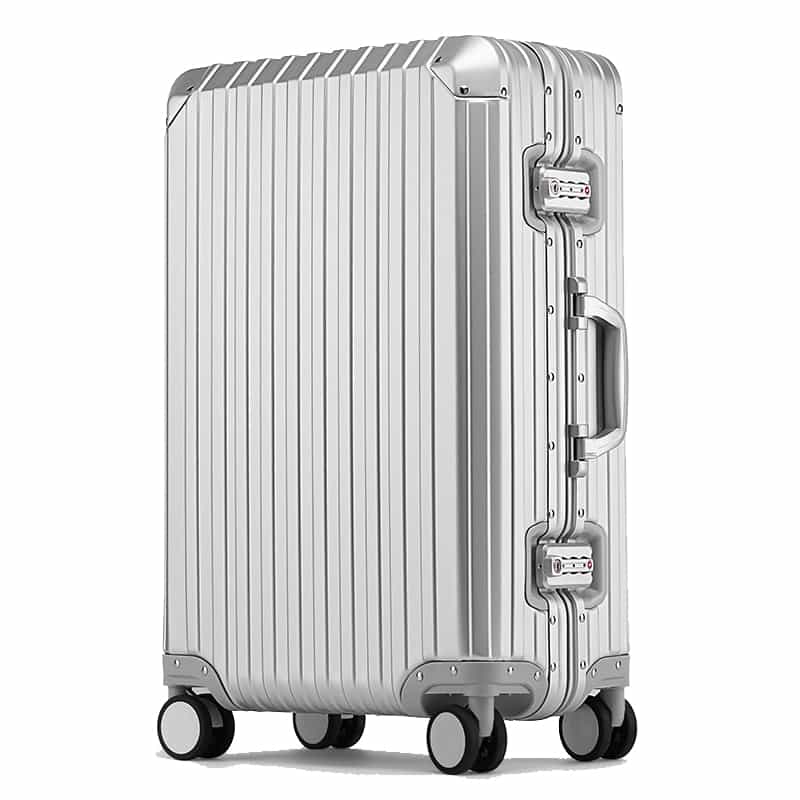
In recent years the hard-shell suitcase has become the most popular choice among travelers around the world, and for good reason. The modern look, the range of colors and the maximum protection it offers are only some of the reasons for its success.
Main advantages:
- Maximum protection for fragile contents: if you travel with a laptop, a camera, bottles of wine or delicate gifts, the hard shell acts as a rigid shield that absorbs the blows suitcases take during airport handling.
- Resistance to the weather: unlike fabric, which can soak up water in a downpour on the runway, a hard-shell suitcase is completely sealed and protects your clothes from moisture and dirt.
- Improved security: it is much harder to cut or break into a hard-shell suitcase with a sharp object. In addition, most modern hard-shell suitcases come with TSA locks built into the body of the suitcase.
- Quick, easy cleaning: back from a dusty trip? A simple damp cloth will clean the suitcase and bring back its shine in seconds.
Drawbacks to consider:
- Lack of packing flexibility: the shell doesn't stretch. If the suitcase is full, you can't "squeeze in" another pair of shoes at the last minute, unless it has a special expansion zipper.
- Prone to scratches: although they don't break easily, hard-shell suitcases tend to show scratches and scuffs after a few flights.
Soft suitcase: the flexibility and convenience of classic fabric
Fabric suitcases, or soft suitcases, are the traditional choice of experienced travelers who value function and ease of use above all. They are usually made of dense nylon fibers (such as Cordura or ballistic nylon) or durable polyester.
Main advantages:
- Flexibility and compressibility: fabric is a flexible material. If you like shopping abroad, a soft suitcase will expand and let you fit in more and more items. It is also easier to squeeze into a car trunk or the overhead bin on the plane.
- Accessible outside pockets: this may be the biggest advantage of the soft suitcase. Outside pockets give quick access to passports, travel documents, a power bank or a light jacket without opening the whole suitcase in the middle of the line.
- Long-term resistance to scuffs: quality fabric doesn't scratch. It can take countless flights and still look almost new, without dents or external breaks.
Drawbacks to consider:
- Less protection for delicate items: strong outside pressure on the suitcase can crush what is inside.
- Absorbs moisture: in heavy rain, water may eventually get through the fabric or the zippers (unless the suitcase is treated with a water repellent).
Comprehensive comparison table: hard-shell or soft suitcase
To help you decide, we have gathered all the important information in one clear table:
| Feature | Hard-shell suitcase | Soft suitcase | The winner |
|---|---|---|---|
| Resistance to knocks and blows | Very high, protects the contents | Medium, may get crushed | Hard-shell suitcase |
| Own weight | Very light (thanks to modern materials) | Light, but sometimes heavier because of an internal metal frame | A tie (depends on the model) |
| Flexibility and packing volume | Rigid, symmetrical 50/50 opening | Flexible, stretches, convenient top opening | Soft suitcase |
| Outside pockets | Usually none (except dedicated laptop models) | Plenty, for quick access | Soft suitcase |
| Resistance to water and dirt | Completely sealed and easy to clean | May absorb water and dirt that is hard to clean | Hard-shell suitcase |
| Who is it for? | Business travelers, people flying with sensitive gear, fans of modern design | Families, shopping lovers, trips by car or train | Depends on you |
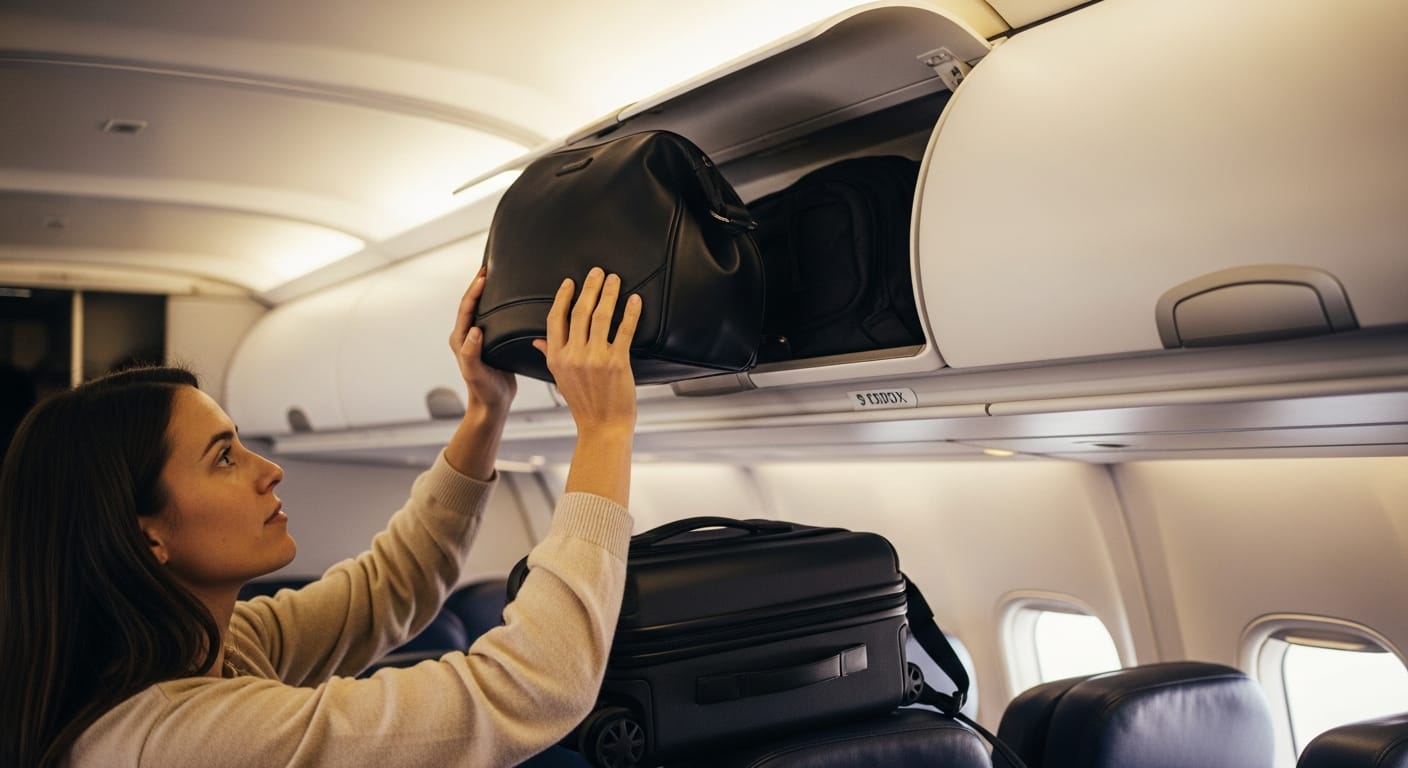
How to choose the right suitcase for your travel style
In the end, there is no single answer that is right for everyone. The choice should fit the nature of your trip:
- The frequent flyer and business traveler: if you mostly fly on short work trips with a laptop and a suit, a small hard-shell suitcase (a carry-on trolley) gives you a professional look and excellent protection for your electronics.
- The traveling family: on family trips where you squeeze as many clothes as possible into the trunk of a rental car, soft suitcases are a great solution thanks to their flexibility and their ability to "fit in" with other suitcases in tight spaces.
- Shopping lovers: if you leave with a half-empty suitcase and come back with a new wardrobe, a soft suitcase with an expansion zipper is the natural choice for you.
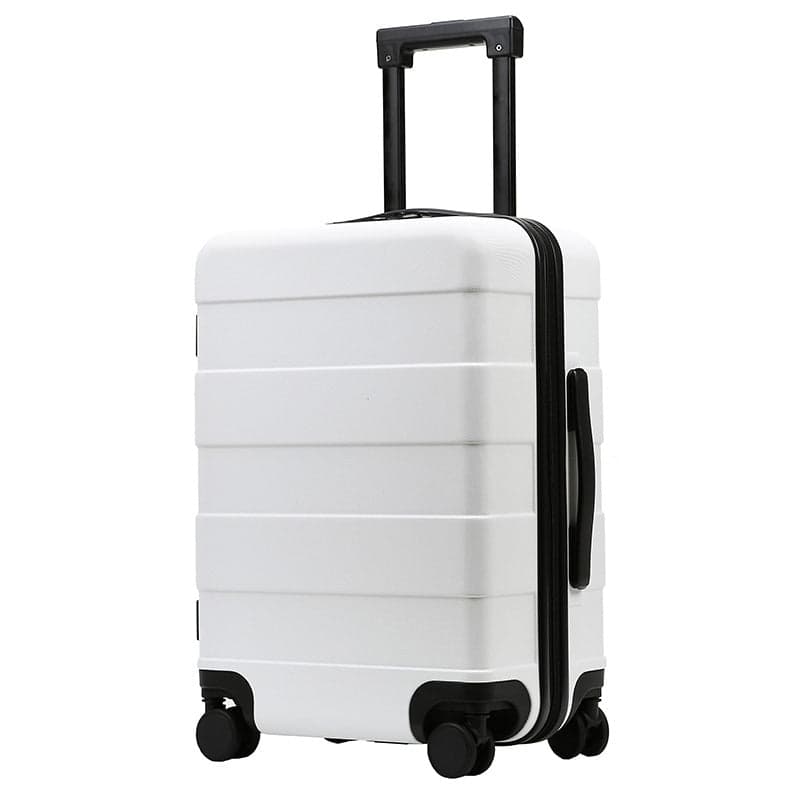
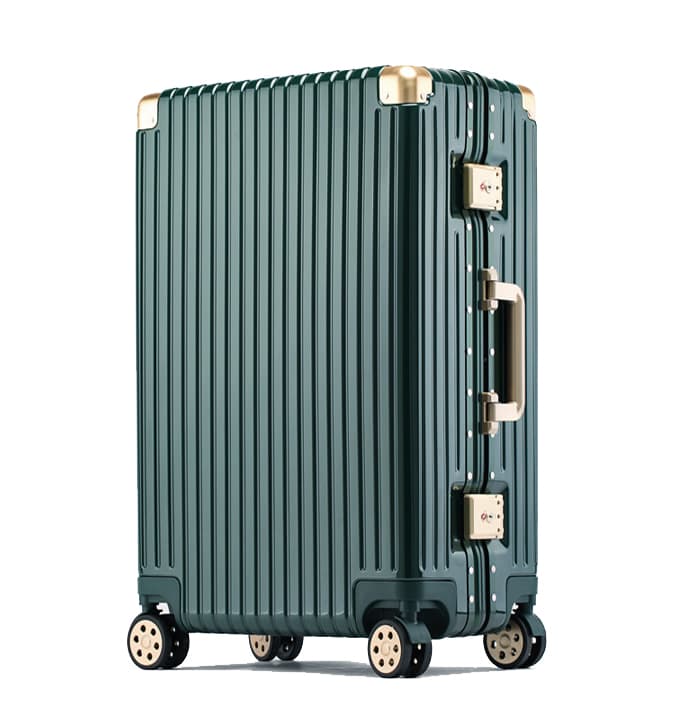
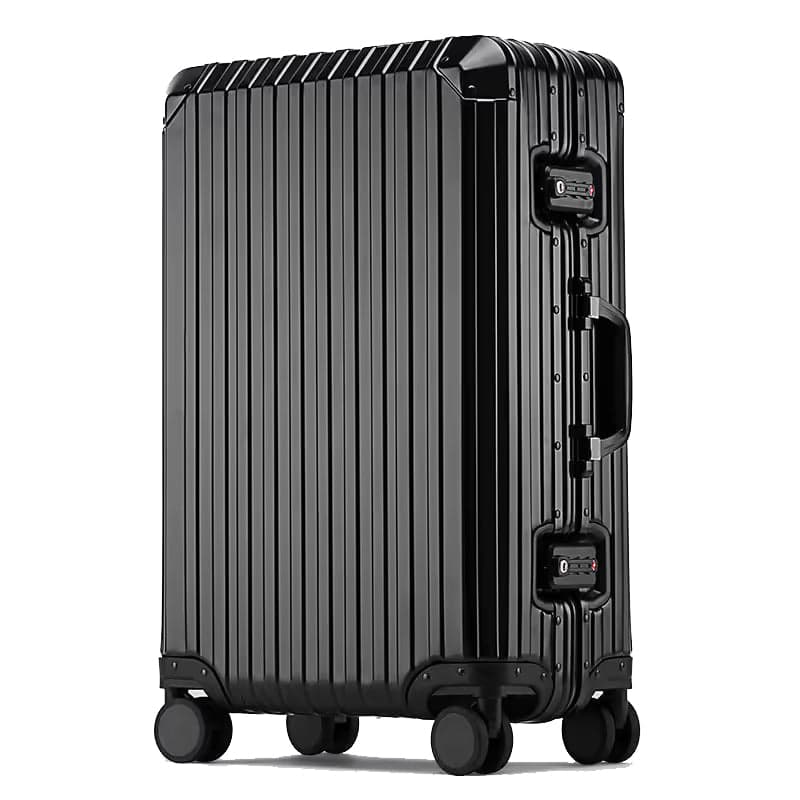
Products to help you on the way


Products in this guide
Frequently asked questions
Does a hard-shell suitcase break more easily than a soft one?
Not necessarily. In the past, hard-shell suitcases were made of brittle plastic, but today they are made of flexible polycarbonate or especially durable aluminum that absorb shocks and blows without cracking or breaking.
What is better as carry-on baggage (a trolley) for boarding?
For carry-on, the choice depends on your needs: if you carry a laptop or valuable gear, a hard-shell suitcase is better. If you need quick access to your passport and documents while at the airport, a soft suitcase with outside pockets is more convenient.
How should you clean a soft suitcase compared with a hard-shell one?
A hard-shell suitcase is very easy to clean with a damp cloth and a little mild dish soap. A soft suitcase needs thorough vacuuming and a soft brush with fabric cleaning foam to remove stubborn stains.
Do soft suitcases weigh less than hard-shell suitcases?
That used to be true, but today the weight difference is negligible. Modern materials such as polycarbonate make it possible to produce especially light hard-shell suitcases, which sometimes even weigh less than fabric suitcases with an internal metal frame.
Is a hard-shell more durable than fabric?
A hard-shell protects fragile contents better. Fabric is more flexible and less prone to scratches.


