


How Much Does an Empty Suitcase Weigh? The Complete Guide to Suitcase Weights by Size and Material
October 23, 2026

An empty suitcase weighs between 1.5 and 5.5 kilograms, depending on its size and the material it's made of. A small carry-on suitcase usually weighs 1.5 to 3 kg, a medium suitcase (24 inches) weighs 2.5 to 4 kg, and a large suitcase (28 inches and up) weighs between 3.5 and 5.5 kg. Fabric suitcases are lighter than hard plastic or aluminum ones.
Why the weight of an empty suitcase matters for your vacation
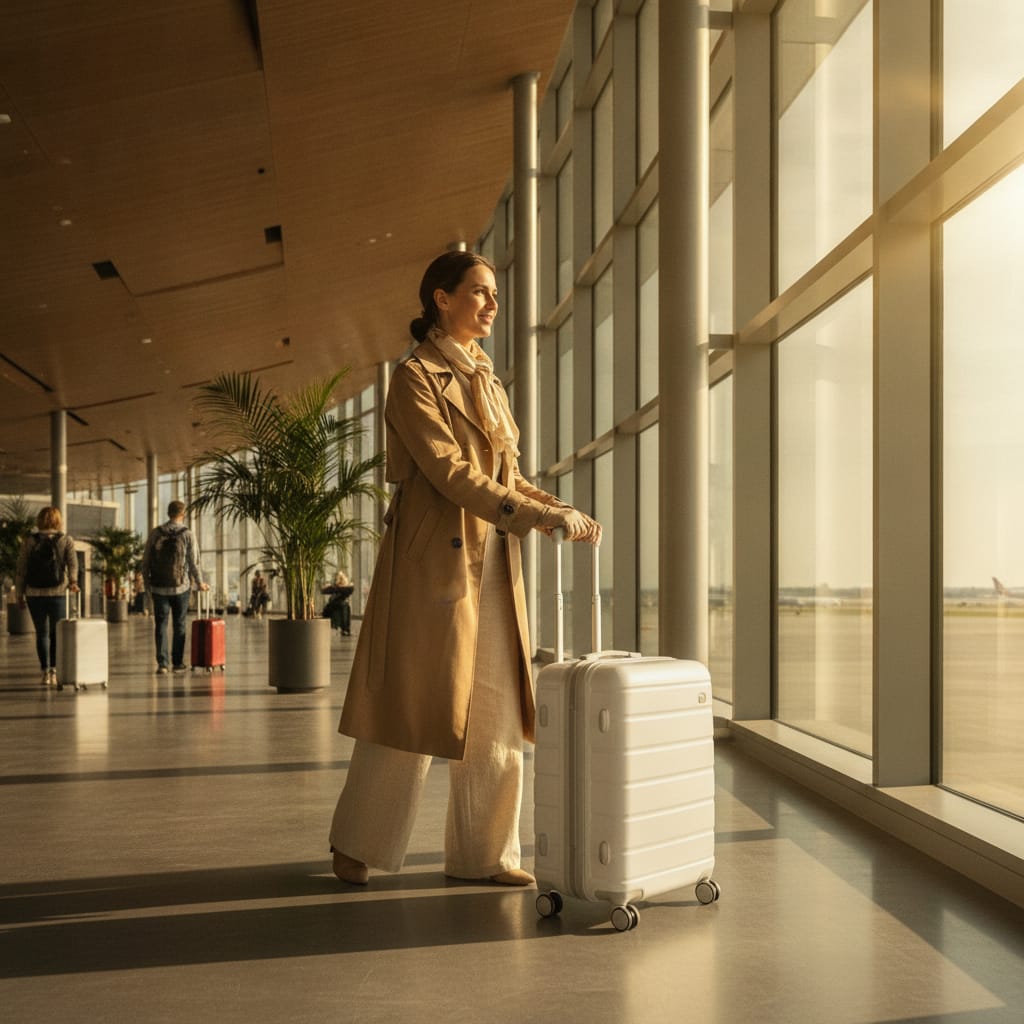
Many travelers put a lot of thought into the weight of the clothes, shoes and gifts they pack, but forget to account for the weight of the suitcase itself. In modern air travel, where low-cost and full-service airlines set especially strict weight limits, every gram counts. The weight of the empty suitcase is really a built-in "penalty" you pay out of your weight allowance.
For example, if the airline lets you bring cabin baggage of up to 8 kg, and your empty carry-on weighs 3.5 kg (a common weight for old or very cheap suitcases), you're left with only 4.5 kg for your belongings. For large suitcases sent to the hold (a 20 or 23 kg allowance), a heavy empty suitcase can eat up to 25% of the total allowed weight. Choosing a light, modern suitcase lets you pack more, without going over the limits and without paying steep fees at the airport.
Average suitcase weight by size category
To make things clear, we divided empty suitcase weights into the three main categories on the market. The figures refer to modern, quality suitcases:
1. Carry-on suitcases (20 inches)
These suitcases are meant for the cabin, and their dimensions match airline requirements (usually around 55x40x20 cm).
- Fabric (soft) suitcases: usually weigh between 1.5 and 2.2 kg. They're the lightest choice in this category.
- Hard-shell suitcases (plastic/polycarbonate): usually weigh between 2.0 and 2.8 kg.
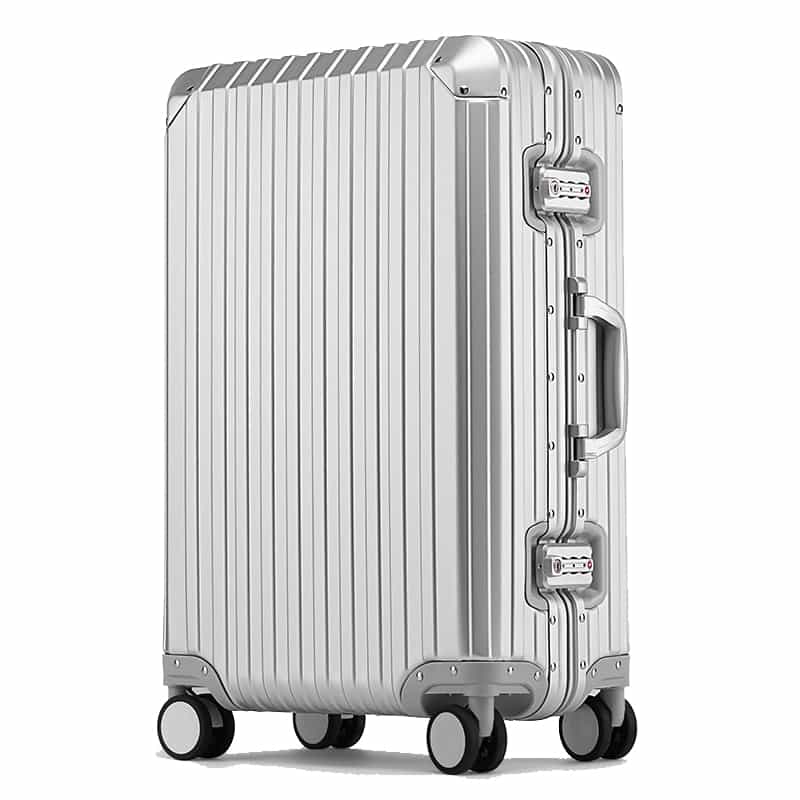
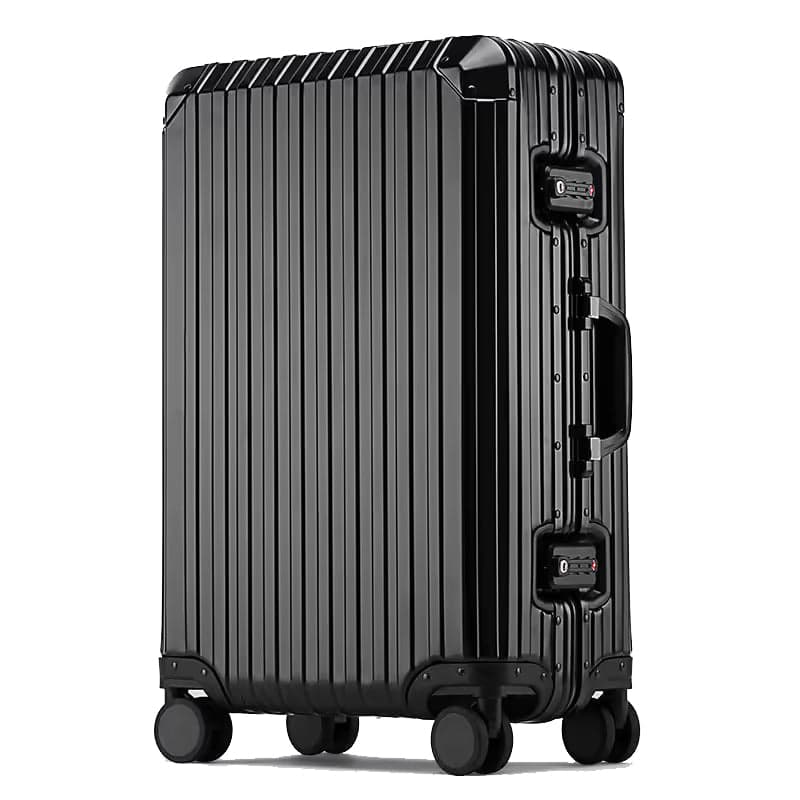
- Aluminum suitcases: weigh between 3.5 and 4.5 kg. They're considerably heavier but offer maximum protection.
2. Medium suitcases (checked-in medium / 24 inches)
These suitcases are usually used for trips of a week to ten days and go in the hold.
- Fabric suitcases: weigh between 2.5 and 3.2 kg.
- Hard-shell suitcases: weigh between 2.8 and 3.8 kg.
3. Large and extra-large suitcases (large / 28-32 inches)
Suitcases meant for long vacations or family trips. At these dimensions, the suitcase's own weight has a dramatic effect on how easy it is to move around.
- Fabric suitcases: weigh between 3.2 and 4.2 kg.
- Hard-shell suitcases: weigh between 3.8 and 5.2 kg.
Comparison table: weight vs. size and material
The following table shows the average weight ranges of empty suitcases on the market today:
| Suitcase size (inches) | Common use | Average weight, fabric suitcase (kg) | Average weight, hard-shell (kg) |
|---|---|---|---|
| 18 - 20 (carry-on) | Cabin (weekend) | 1.5 - 2.1 | 2.0 - 2.7 |
| 24 (medium) | A 5-9 day trip | 2.5 - 3.2 | 2.8 - 3.8 |
| 28 (large) | A trip of two weeks or more | 3.2 - 4.2 | 3.8 - 4.8 |
| 30 - 32 (extra large) | Relocation / family trips | 4.0 - 4.8 | 4.5 - 5.5 |
Hard-shell vs. soft: how does the material affect the weight?
The material a suitcase is made of is the most significant factor in its weight. Here is a short overview of the most common materials:
Polypropylene (PP): considered one of the lightest and most flexible materials among hard-shell suitcases. It's highly resistant to impacts and breakage, and makes it possible to produce especially light hard-shell suitcases.
Polycarbonate (PC): an especially strong, high-quality material used in premium suitcases. It's slightly heavier than polypropylene but offers exceptional resistance to extreme temperatures and heavy pressure.
ABS: the most common material in cheap suitcases. It's very rigid but tends to be heavier and less flexible, which makes it more prone to cracking under pressure than polycarbonate.
Nylon and polyester (fabric): fabric suitcases are usually made of ballistic nylon fibers or high-density (denier) polyester. They offer the lowest empty weight and flexibility that lets you expand the suitcase when needed, but they're less protected against water and sharp objects.
Practical tips for choosing an extra-light suitcase
If you want to maximize your packing volume without going over the weight limits, here are a few things to look for when you buy:
- Check the technical specs: don't rely on looks. Quality manufacturers always state the exact weight of the suitcase when empty.
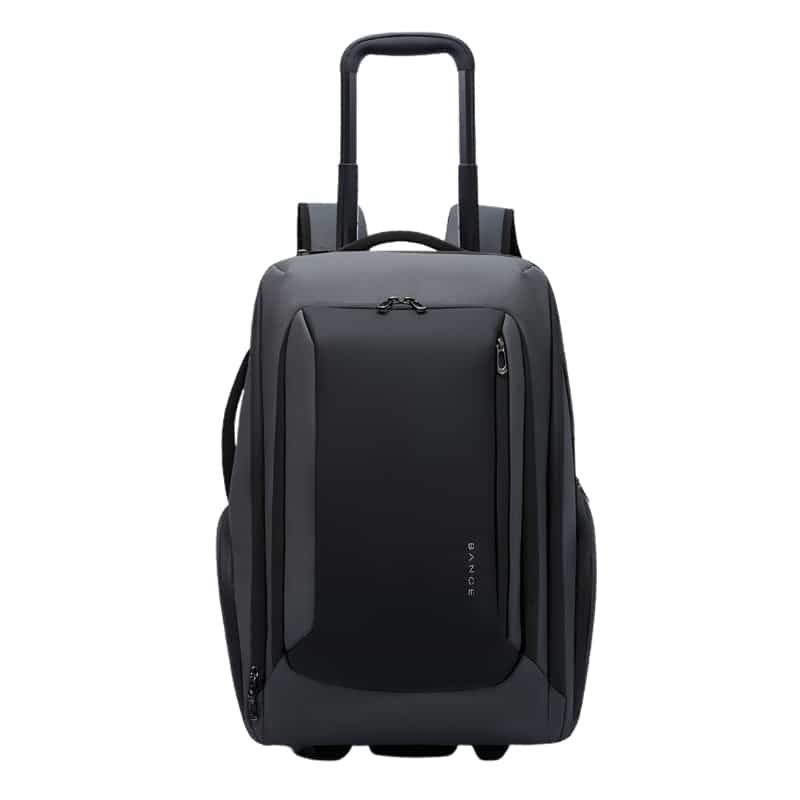
- Pay attention to the wheels and handle: double wheels and an aircraft-grade aluminum telescopic mechanism add a little weight, but they're essential for the suitcase's durability and for easy pulling. Don't compromise on them just to save 100 grams.
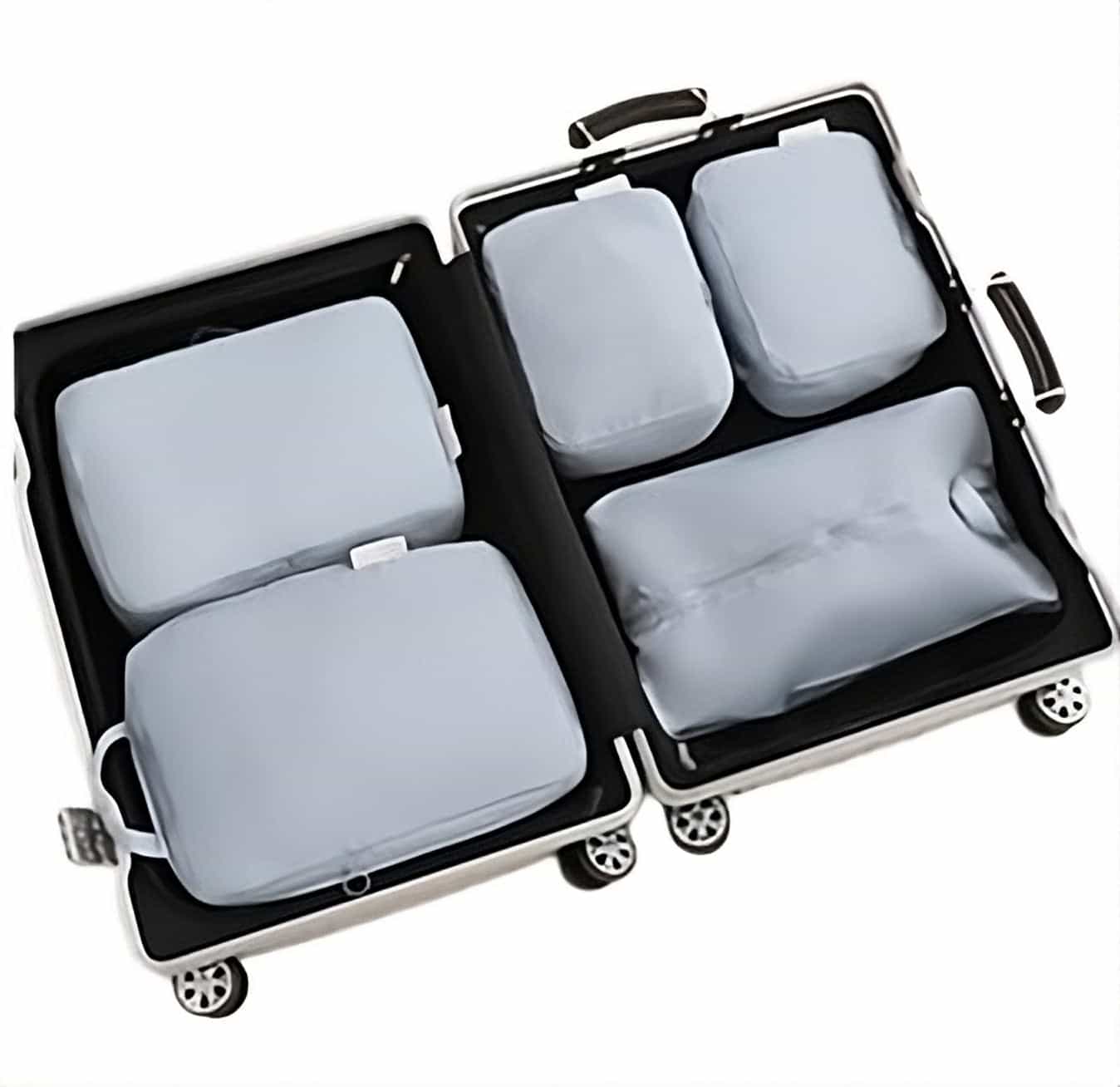
- Prefer a minimalist interior: lots of compartments, built-in dividers and inner zippers add unnecessary weight. It's better to use a set of light packing cubes that allow efficient organizing and weigh almost nothing.
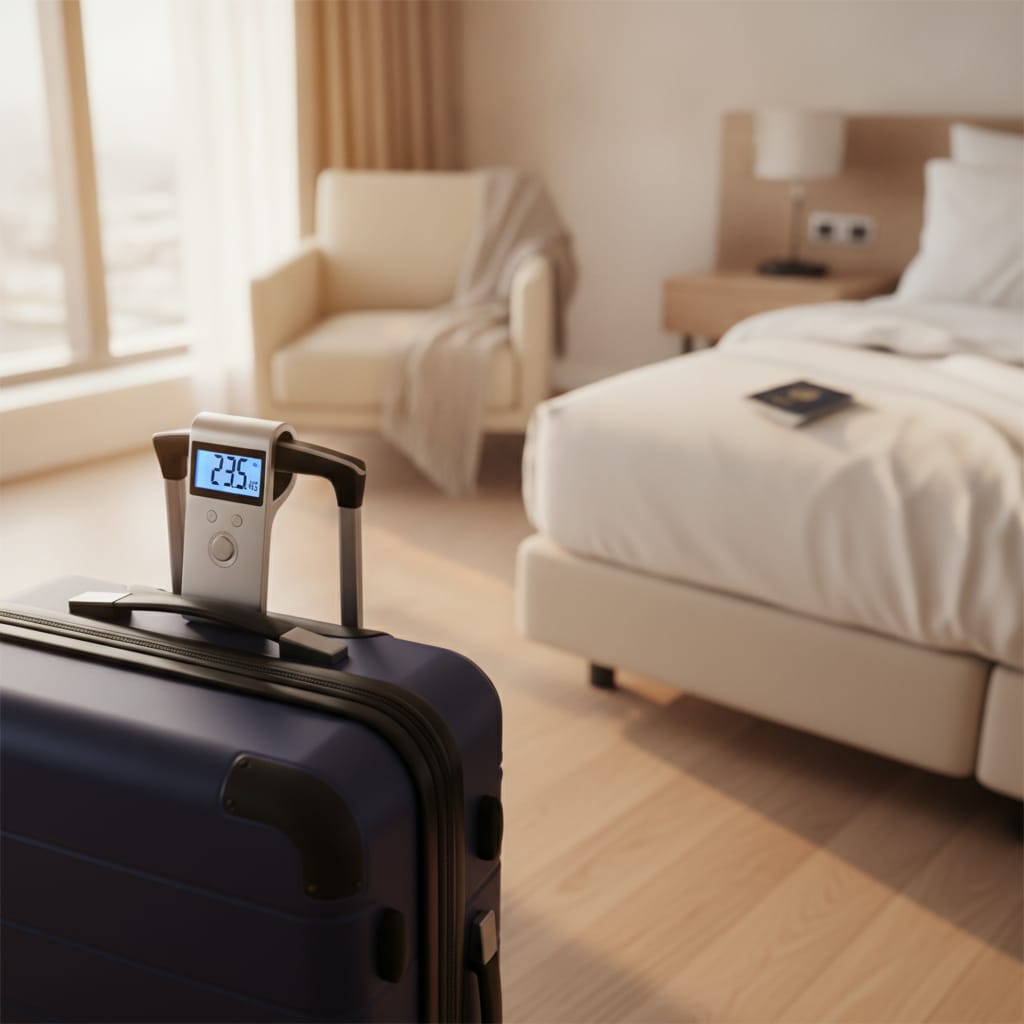
- Get a portable luggage scale: this small, inexpensive device will save you the frustration and stress of weighing your suitcases at the airport check-in desk.
Products that will help you on the way


Products in this guide
Frequently asked questions
Is a hard-shell suitcase always heavier than a fabric one?
Not necessarily. In the past hard-shell suitcases were considerably heavier, but today, thanks to advanced materials such as polypropylene and polycarbonate, you can find hard-shell suitcases that weigh almost as much as comparable fabric ones.
What is the lightest material for hard-shell suitcases?
Polypropylene (PP) and quality polycarbonate are the lightest and most durable materials in the hard-shell suitcase market today. They offer a perfect combination of low empty weight and high resistance to breakage.
How much weight can you take on a plane as cabin baggage (carry-on)?
At most full-service airlines the limit ranges from 8 to 12 kg. At some low-cost airlines the limit is mainly about the bag's dimensions, but where there is a weight limit, it's usually 8 or 10 kg.
Should you buy an aluminum suitcase if weight matters to you?
If weight is the most important factor for you, an aluminum suitcase is less recommended. Although they offer maximum protection and a premium look, aluminum suitcases are considerably heavier than plastic or fabric ones.


