


How Much Should a Suitcase Weigh? A Guide to Luggage Weights and Flight Limits
October 23, 2026

The average weight allowed for a suitcase in the hold (checked bag) ranges from 20 to 23 kilograms, while the weight allowed for a carry-on trolley usually ranges from 8 to 10 kilograms. Going over these weights can lead to heavy fees of tens of dollars at the airport, so it is always a good idea to weigh your luggage at home before you leave.
Airline weight rules: how much are you allowed to pack?
Modern aviation is divided into two main categories of airlines, and each has its own strict rules on suitcase weight. Understanding these differences is the first step to avoiding heartache and unnecessary payments at the check-in counter:
- Full-service airlines (legacy carriers): airlines such as El Al, Lufthansa or United usually include in the standard fare a large suitcase of up to 23 kg (50 pounds) and a carry-on trolley of 8 kg. In business class the allowed weight usually rises to 32 kg per suitcase.
- Low-cost airlines (low-cost carriers): airlines such as Ryanair, Wizz Air and easyJet have a much stricter policy. The basic fare usually includes only a small backpack (personal item) that fits under the seat. Every additional bag, whether a 10 kg trolley or a 20 kg large suitcase, costs extra, and the weight is measured to the gram.
Comparison table: common weights and dimensions on flights
To bring some order to the mess, we have gathered the standard weights and dimensions accepted by most airlines in the world:
| Type of baggage | Typical allowed weight | Standard dimensions (cm) | Our golden tip |
|---|---|---|---|
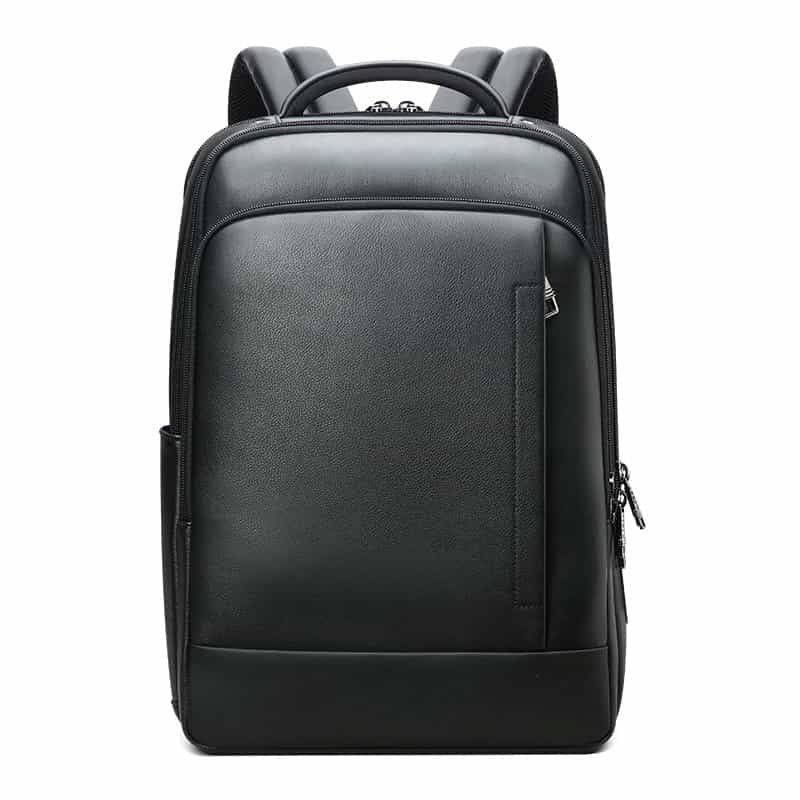
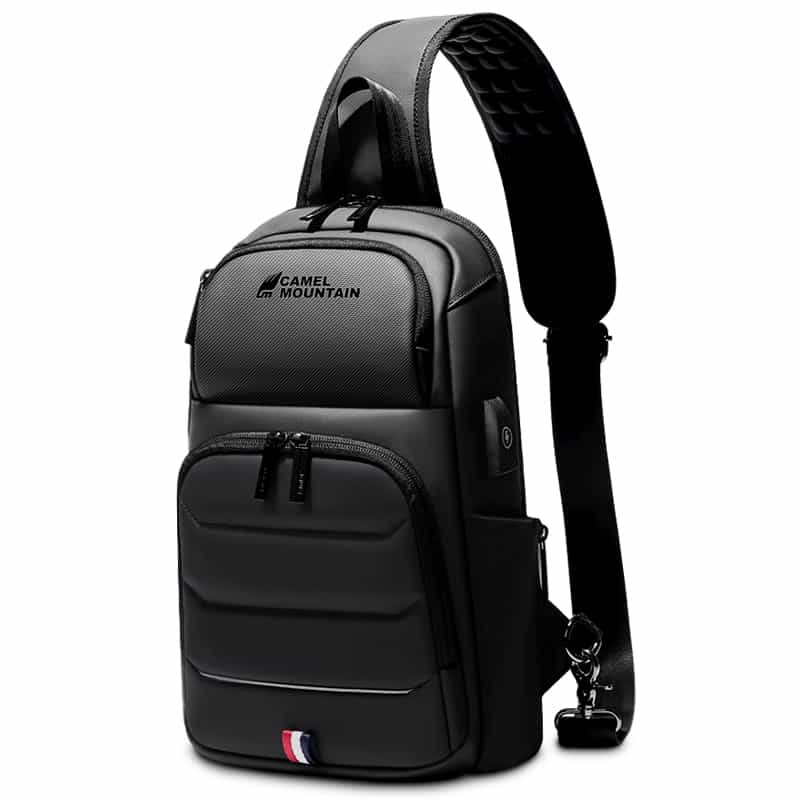
| Personal backpack (underseat) | No strict limit (or up to 5 to 8 kg) | 40 x 20 x 25 | Fits a laptop, documents and medications. |
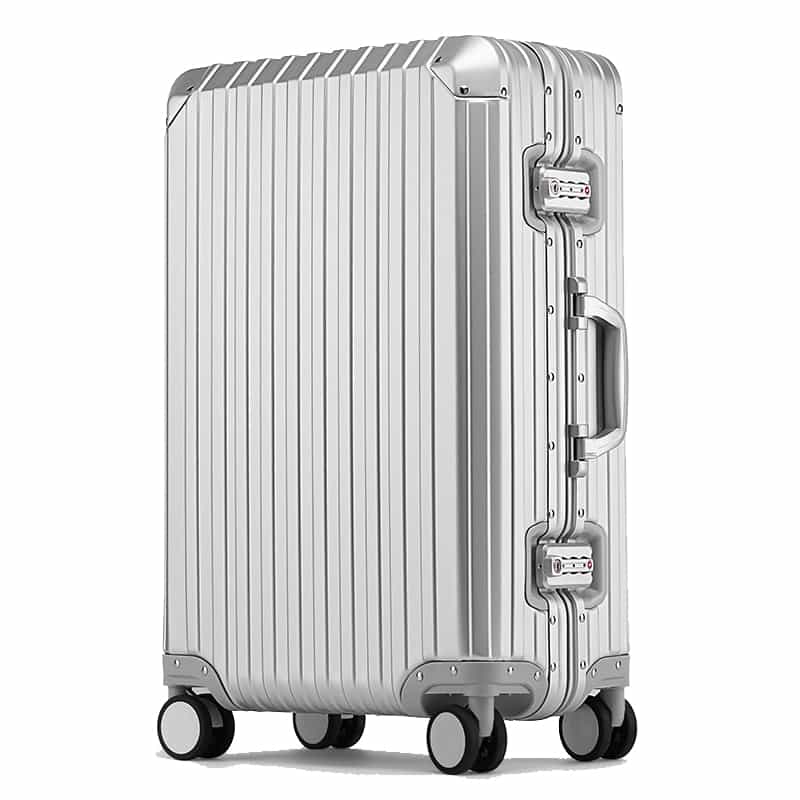
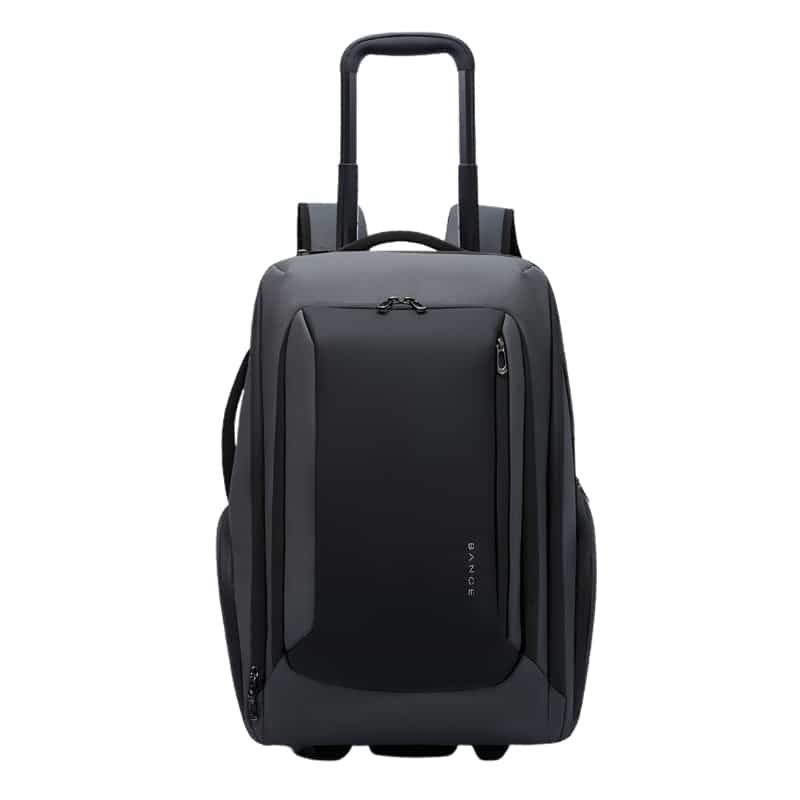
| Carry-on suitcase / trolley | 8 to 10 kg | 55 x 40 x 20 | Choose an especially light suitcase so you don't waste precious weight. |
| Large suitcase (checked bag) | 20 to 23 kg | Total dimensions up to 158 cm | Always leave 2 to 3 kg free for shopping on the way back. |
How does the weight of the empty suitcase affect your choice?
One of the most common mistakes travelers make is ignoring the weight of the suitcase itself when empty. An old, large hard-shell suitcase can weigh 4.5 to 6 kilograms before you have put a single sock in it! That means almost a quarter of your allowed weight is lost on the suitcase's raw material.
Today, leading brands use advanced materials such as polycarbonate, polypropylene or lightweight aluminum to keep the suitcase's own weight to a minimum. A modern, quality 28 inch suitcase shouldn't weigh more than 3.5 to 4 kg empty, while a quality 20 inch trolley should weigh only around 2.2 to 2.8 kg.
Practical methods and tips: how not to go over the allowed weight
So you don't find yourself opening suitcases in the middle of the check-in line and moving clothes into backpacks under the judging eyes of the other passengers, here are a few pro methods:
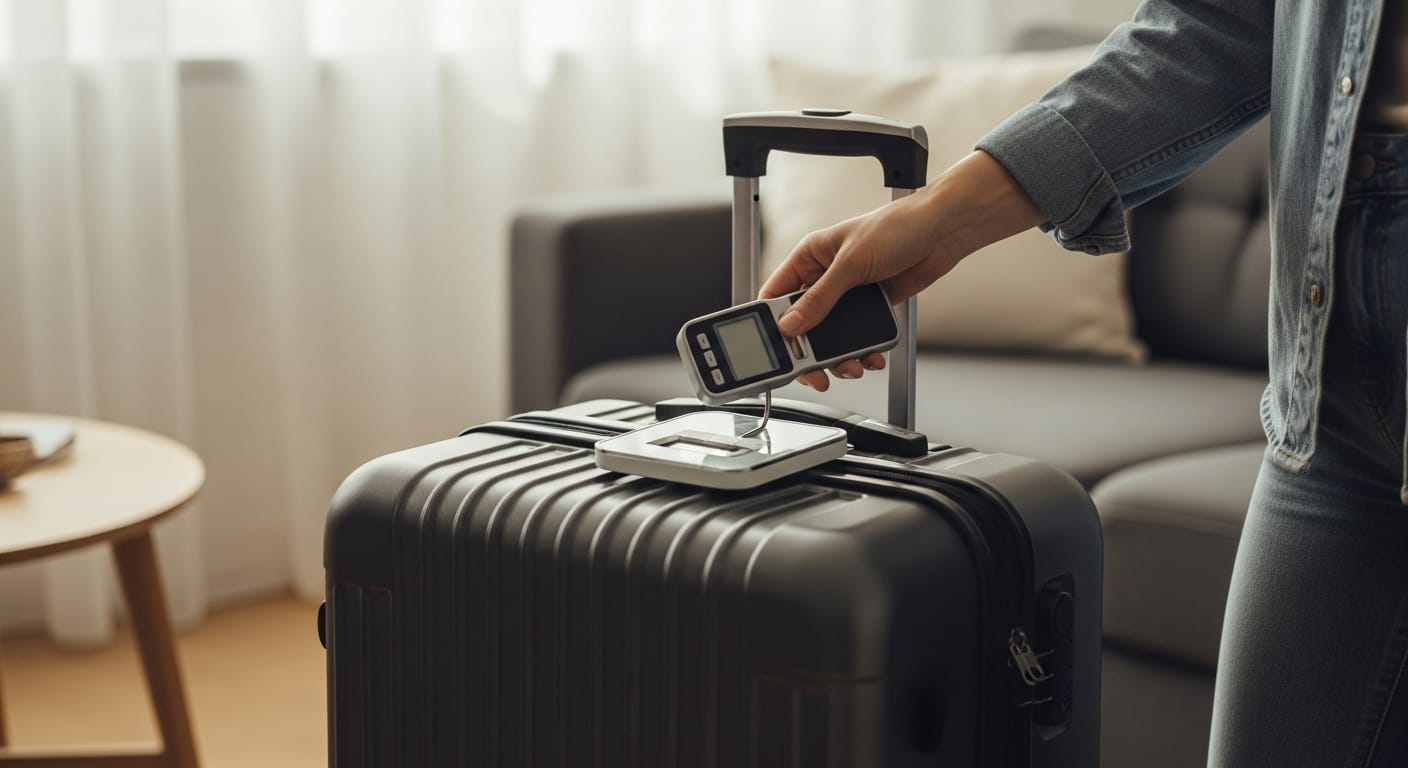
- Buy a portable digital luggage scale: it is a small, cheap, lifesaving device. It lets you weigh the suitcase in your hotel room before flying home, when it is full of gifts and souvenirs.
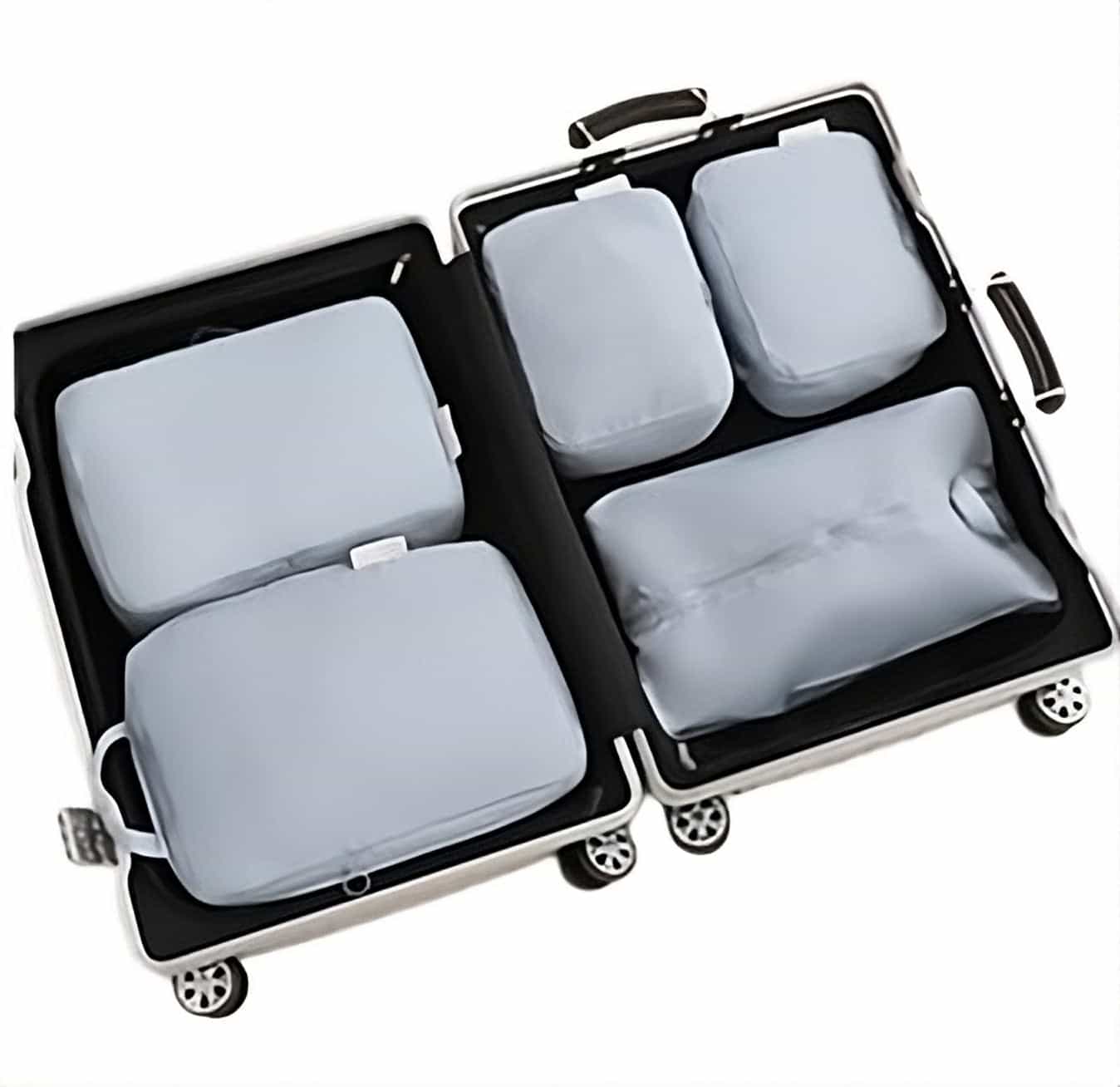
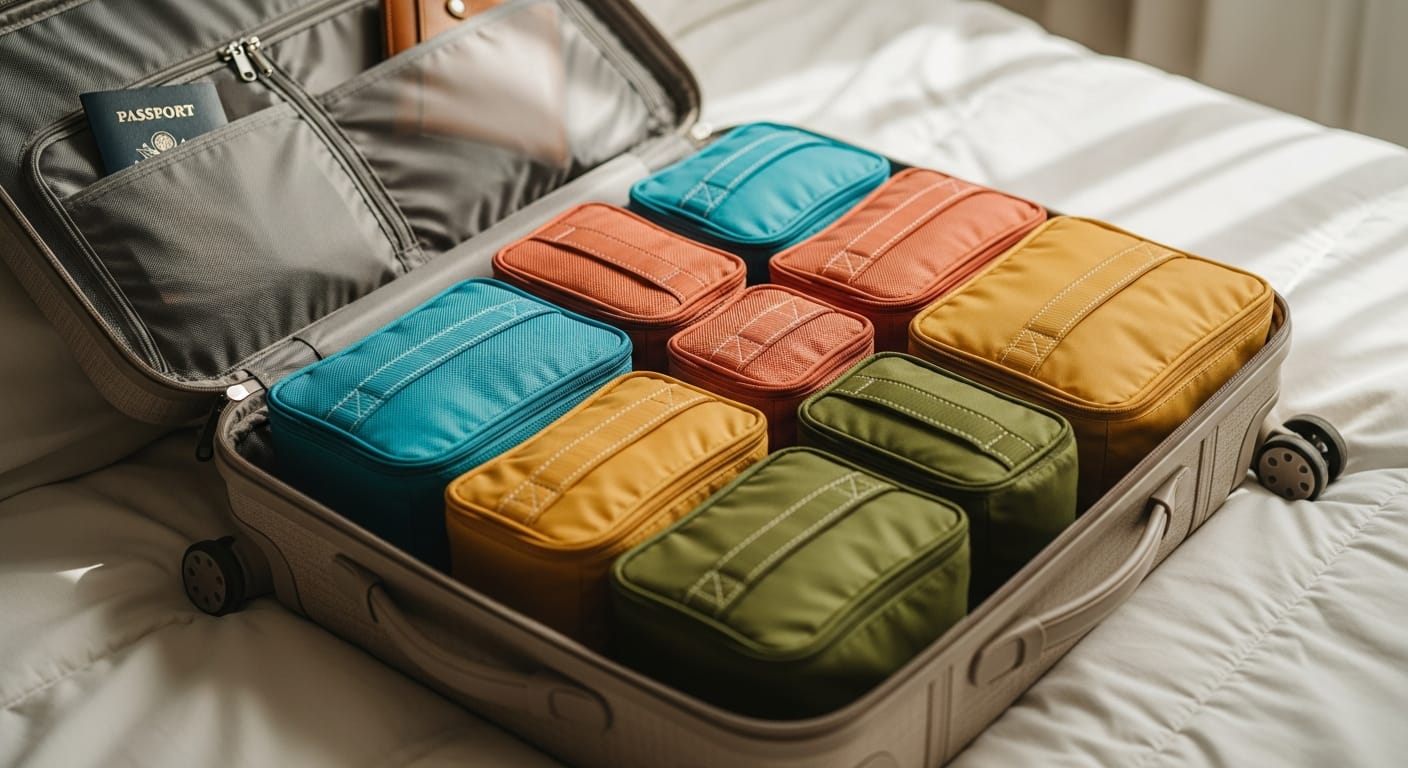
- Use packing cubes: beyond the perfect order they create, packing cubes help you understand exactly how much you have packed and divide the weight evenly between the family's suitcases.
- Wear the heavy items: a thick winter coat, heavy jeans or chunky walking shoes take up a lot of volume and weight in the suitcase. Wear them for the flight itself; on the plane you can always take them off and put them in the overhead bin.
- Keep a smart weight distribution: if you travel as a couple or a family, don't load all the heavy items (such as shoes and toiletries) into one suitcase. Spread them out so no suitcase passes the 23 kg mark.
What happens if you are over the weight? (How to handle it at the airport)
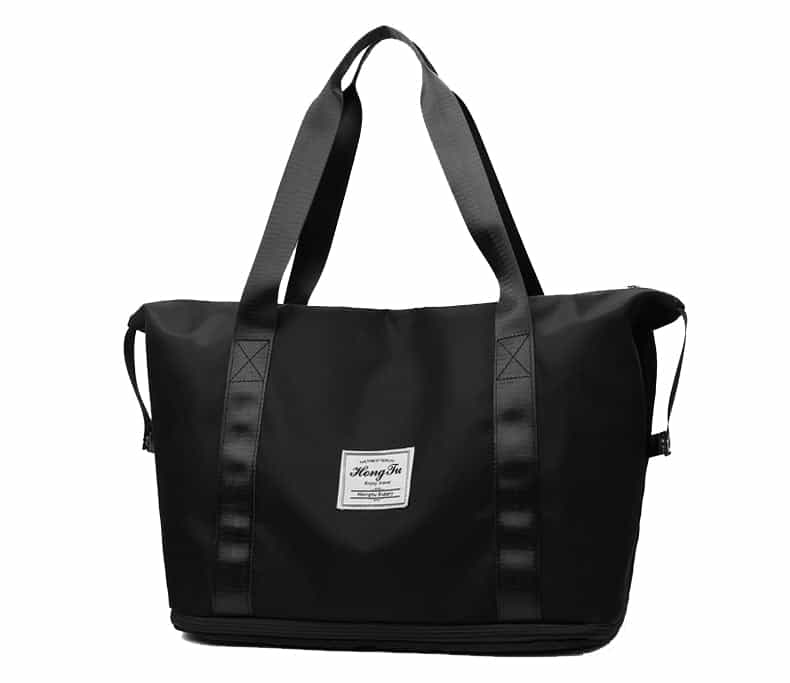
If you reach the counter and the scale shows 25 kg instead of 23, don't panic. In most cases airlines turn a blind eye to a slight excess of a few hundred grams, but not more than that. If you need to reduce weight, pull a lightweight foldable fabric bag out of the front pocket, move the heaviest items into it (such as books, chargers or shoes) and take it on board as an extra personal item. Paying an excess weight fee at the counter can reach tens of dollars per extra kilogram, so quickly moving items is always the economical solution.
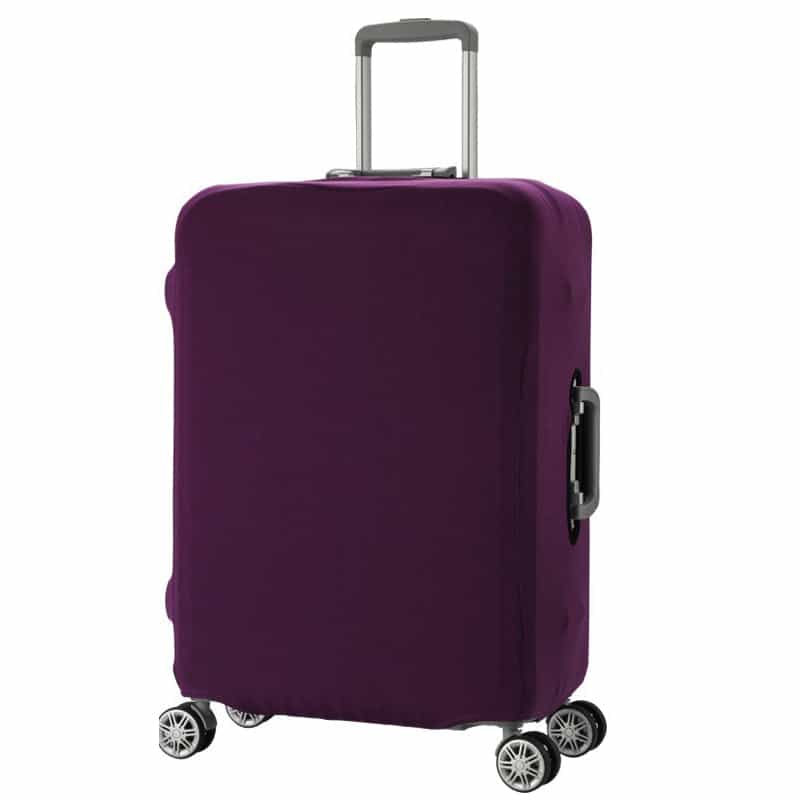
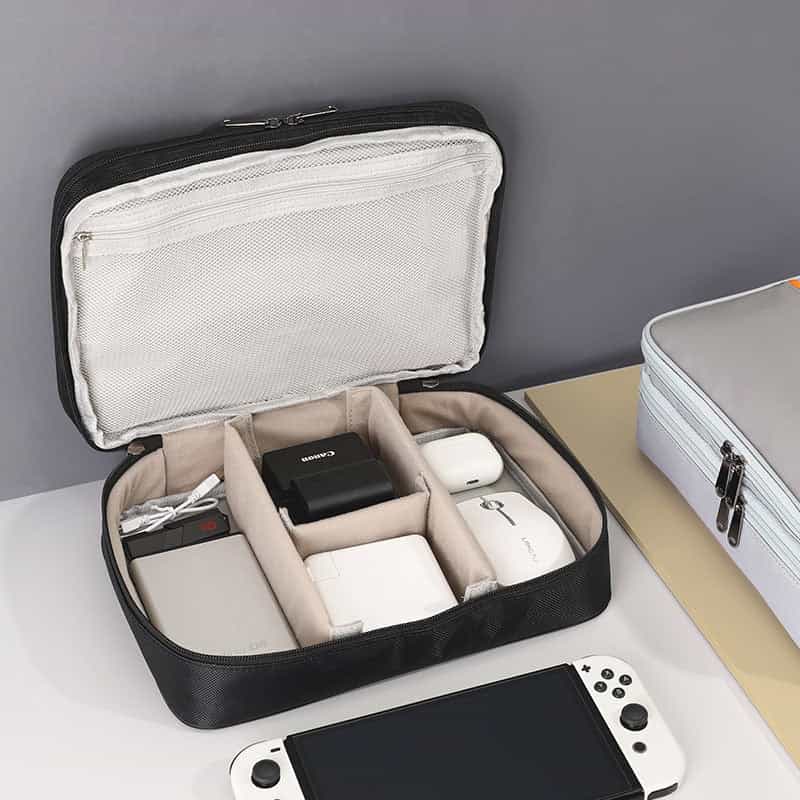
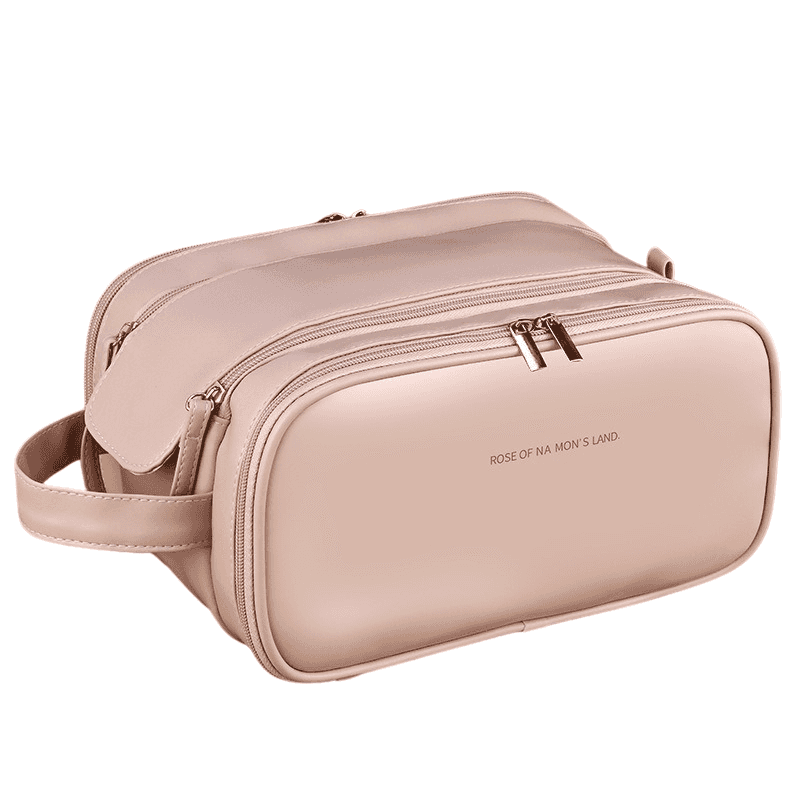
Products to help you on the way
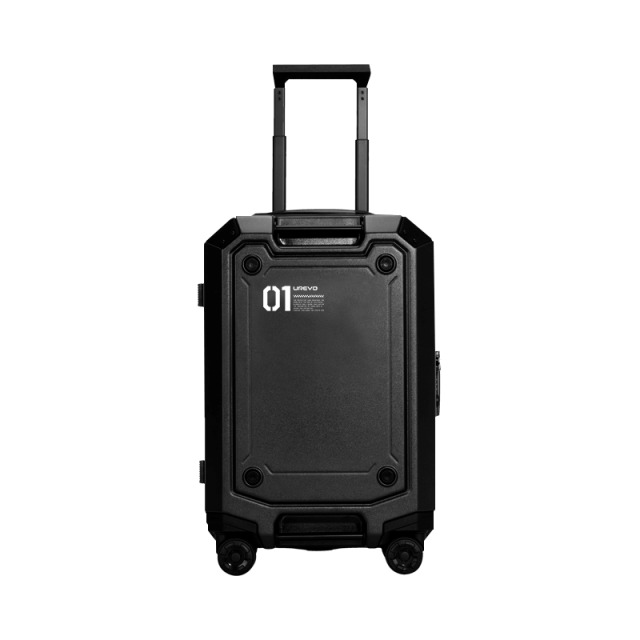


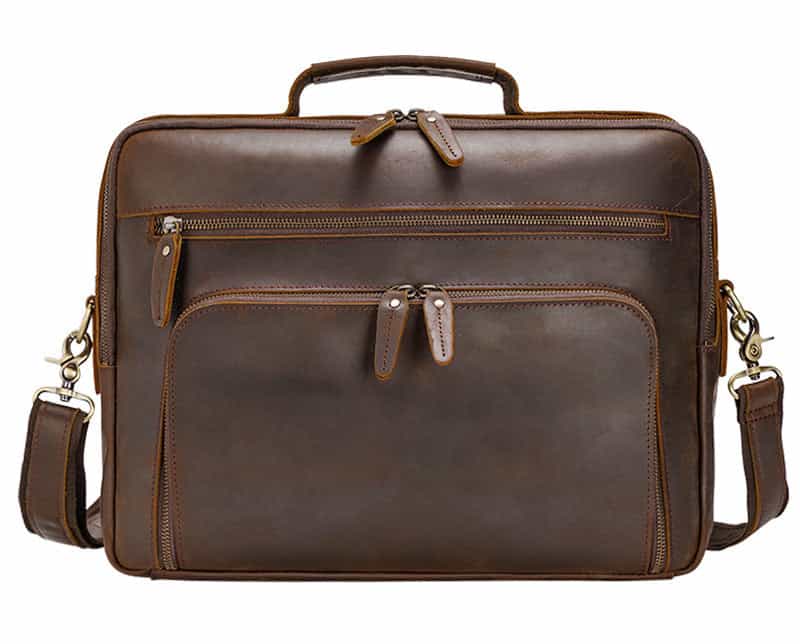
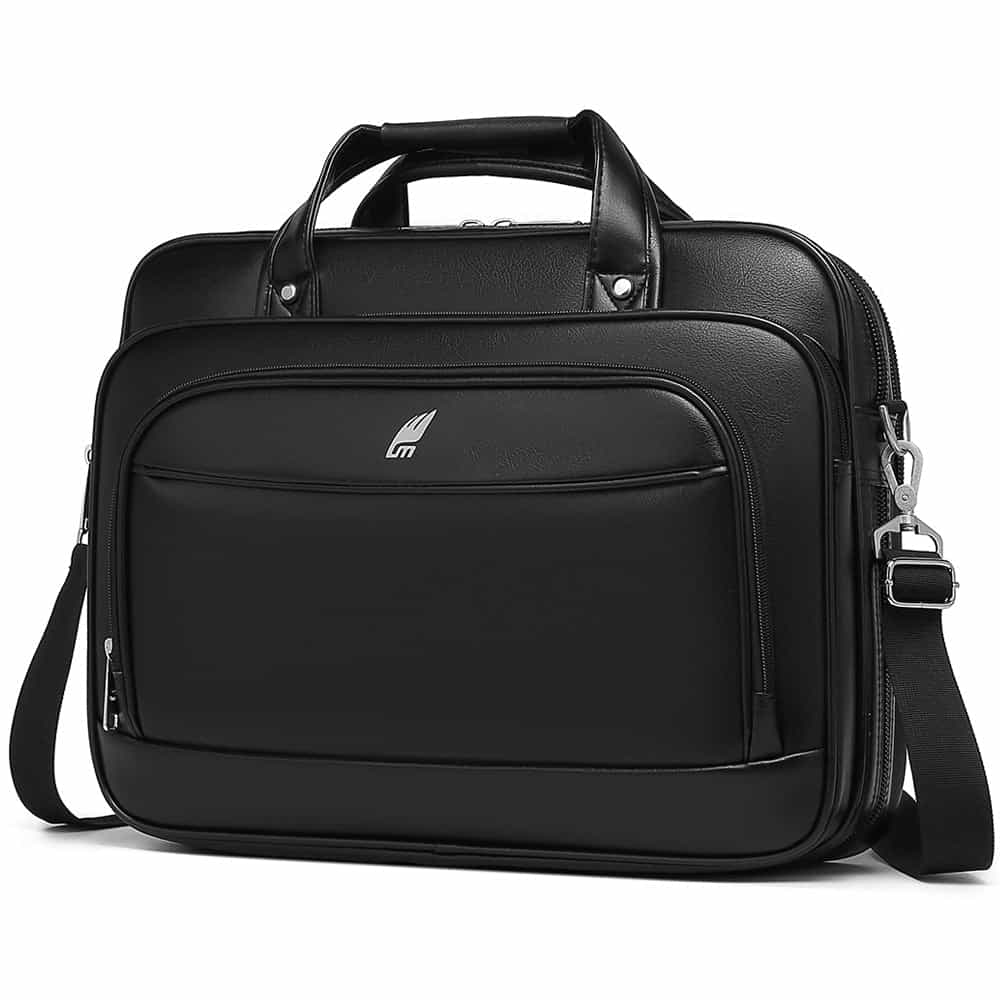
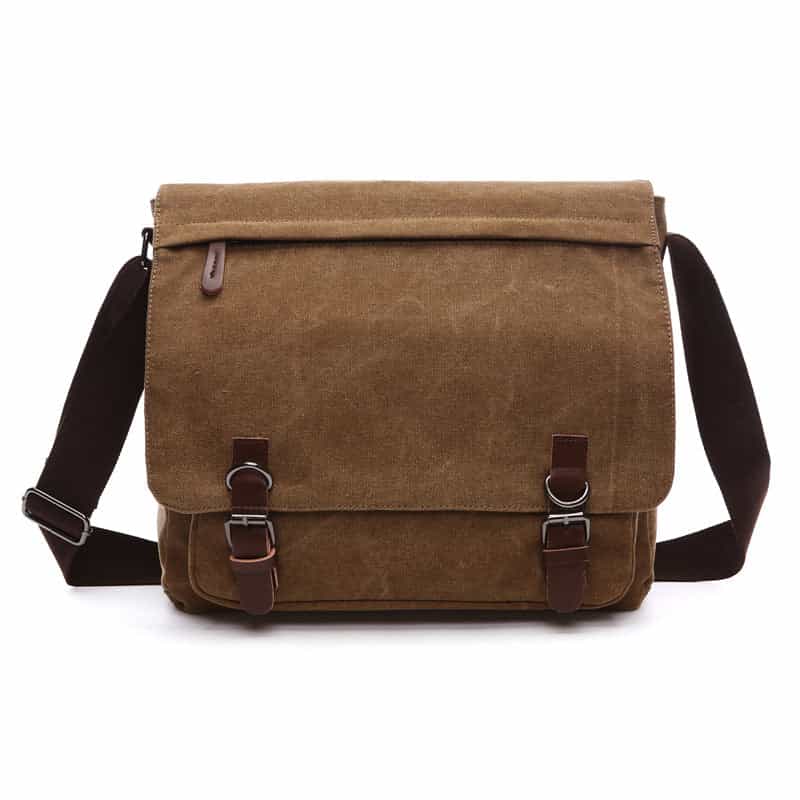
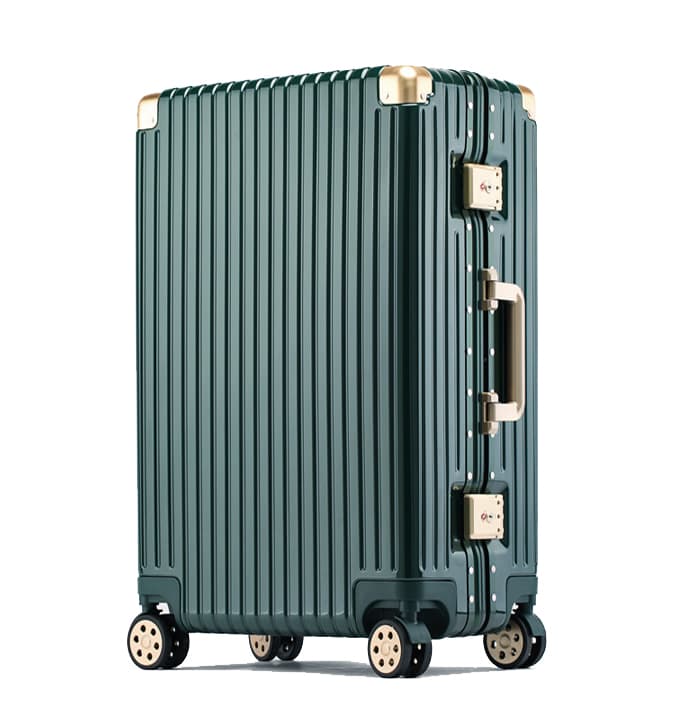
Products in this guide

Frequently asked questions
Can a couple combine the weight allowance of two suitcases?
On most airlines the answer is no. The limit applies to each suitcase individually (for example, up to 23 kg per suitcase). If one suitcase weighs 28 kg and the other 15 kg, you will still be asked to pay a fee for the heavy suitcase or to move items between them.
What is the absolute maximum weight allowed for a suitcase on a flight?
The absolute maximum weight for a single suitcase is 32 kg. This limit was set for the safety and health of porters and airport workers. A suitcase weighing more than that simply won't be accepted on the flight, not even for a fee.
How much does an empty large suitcase weigh on average?
A modern large suitcase (28 inch size) that weighs more than 4.5 kg empty is considered heavy. Quality lightweight suitcases in this category now weigh only 3.2 to 4 kg, which leaves you more room for clothes and gear.
Is the personal backpack (personal item) that boards the plane weighed?
Full-service airlines almost never weigh your personal backpack, as long as it looks a reasonable size. However, low-cost airlines may sometimes weigh it or ask you to put it in the sizer to make sure it meets the exact dimensions.


