

How to Choose a Back Support for Work: The Complete Ergonomic Guide
October 23, 2026
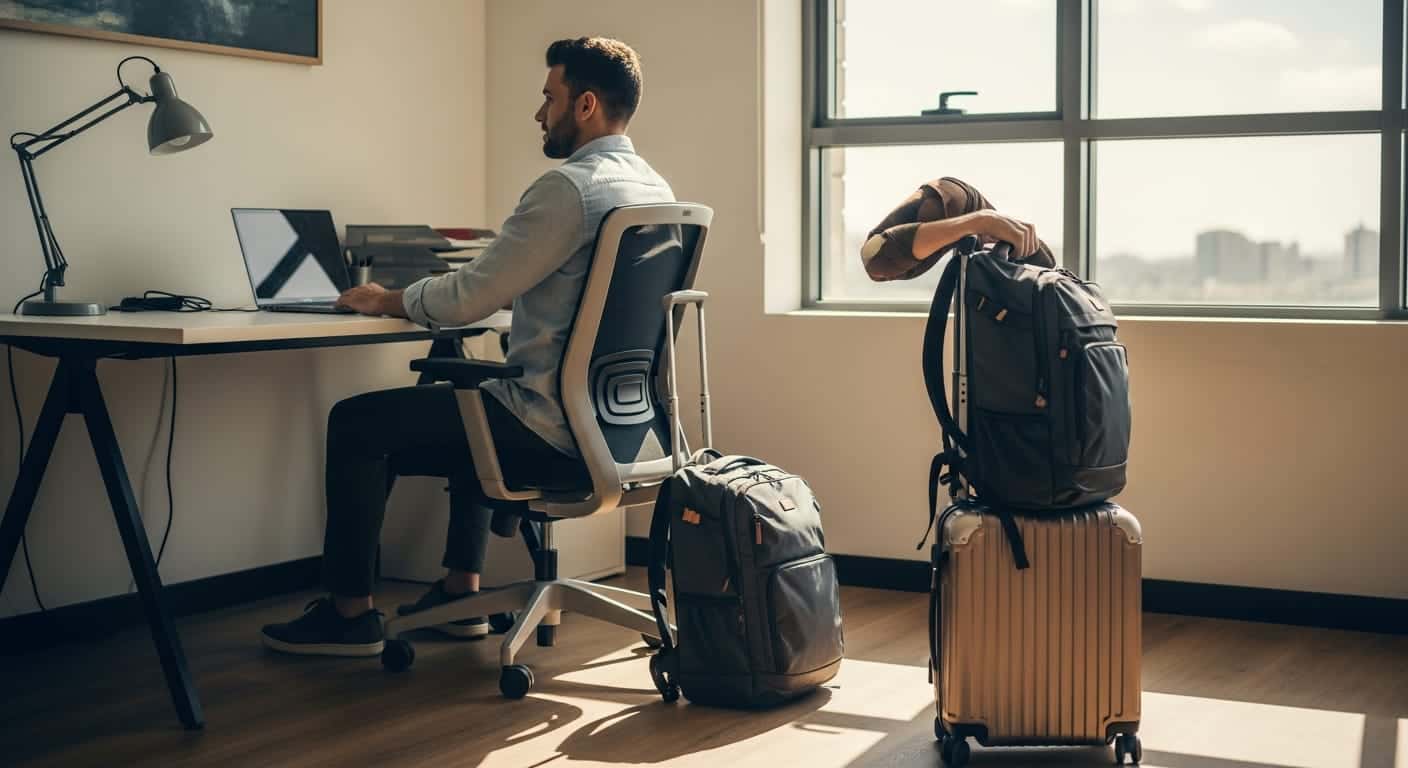
To choose the right back support for work (or a backpack with ergonomic support), focus on three things: active support for the lordosis (the lumbar curve), height and depth adjustment, and breathable, pressure-spreading materials such as memory foam or 3D mesh. A precise fit to your body prevents strain on your neck and lower back during long hours of sitting and carrying.
Why your back suffers at the office (and on the way there)
The human spine was not designed for sitting eight or ten hours a day. When we sit, disc pressure in the lower back rises by about 40% compared with standing. The problem gets worse when we hunch forward toward the keyboard, which flattens the natural curve of the lower back (the lumbar lordosis) and puts a heavy load on the muscles and ligaments.
The damage doesn't start only in the office chair. For many people, the workday starts with a ride on the train, bus or car, carrying a heavy laptop bag that isn't ergonomically designed. The combination of carrying incorrectly and sitting still is a sure recipe for chronic back pain, stiff shoulders and accumulated fatigue.
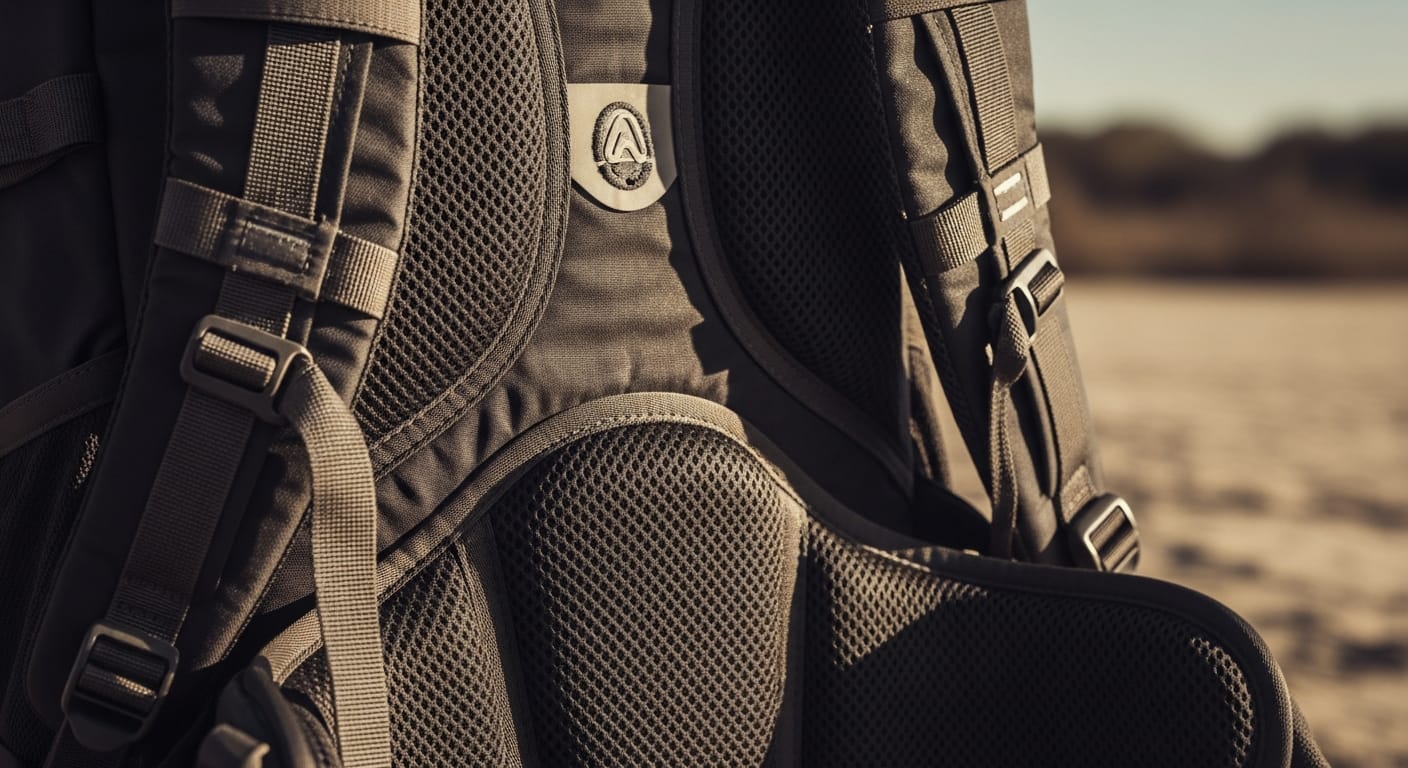
Five rules for choosing an ergonomic back support for work
The market for ergonomic accessories is flooded with solutions, but not every product branded as "ergonomic" will actually do the job. Here are the five professional criteria to check before you buy:
1. Targeted lumbar support
The main job of a back support is to fill the gap between your lower back and the back of the chair. A good support should give a light, gentle push forward at the waist, to keep the spine's natural S shape. Without that support, your back collapses backward into a harmful C shape.
2. Breathable, pressure-spreading materials
The material of the support determines both its comfort and its durability over time:
- Memory foam: adapts perfectly to your unique body shape and spreads pressure evenly. Choose a high-density foam that doesn't sink completely under your body weight.
- 3D mesh: an excellent solution for hot climates. The mesh lets air flow freely and prevents sweat and heat from building up on your back during the workday.
3. Adjustability and personal fit
No two bodies are alike. A fixed back support that can't be adjusted can do more harm than good if it sits too low or too high. Look for supports with adjustable straps that let you set their exact height on your work chair.

4. Stability and no slipping
One of the curses of cheap back supports is their tendency to slide down every time you get up from the chair. A quality support should have a double strap system or a textured anti-slip back that grips the chair's upholstery and stays stable throughout the workday.
5. Sitting and carrying together
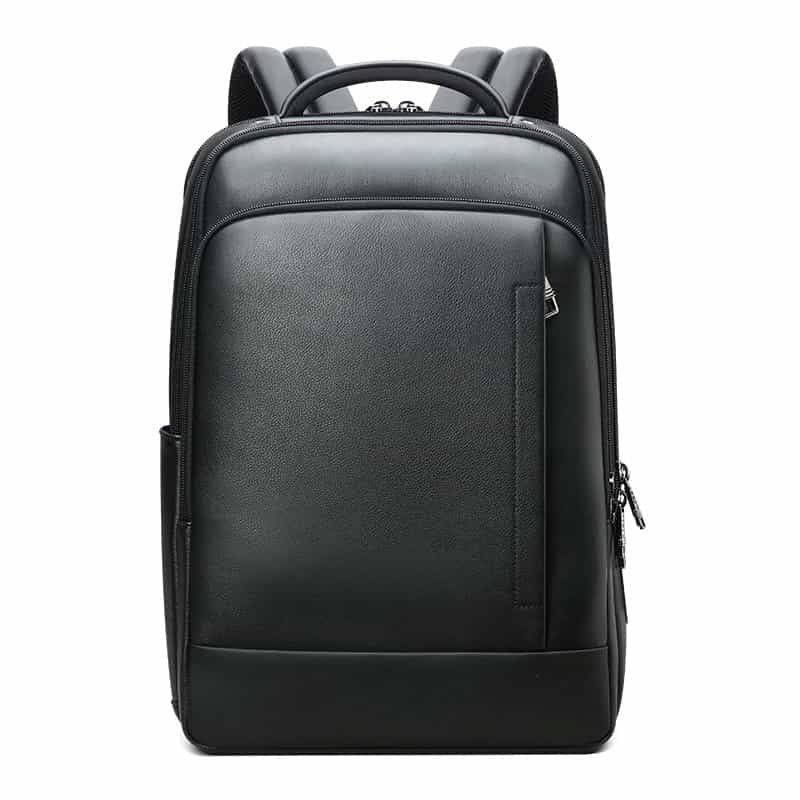
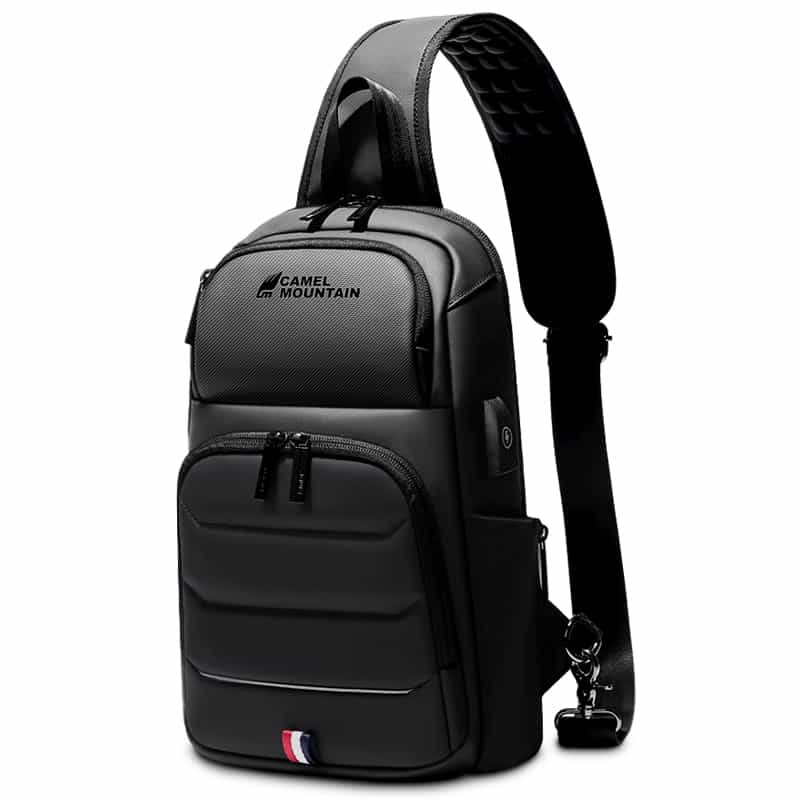
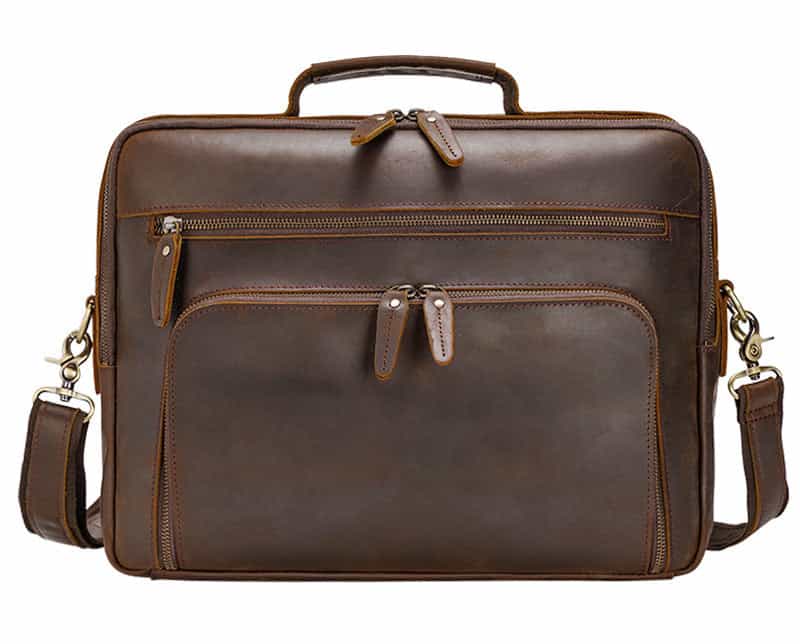
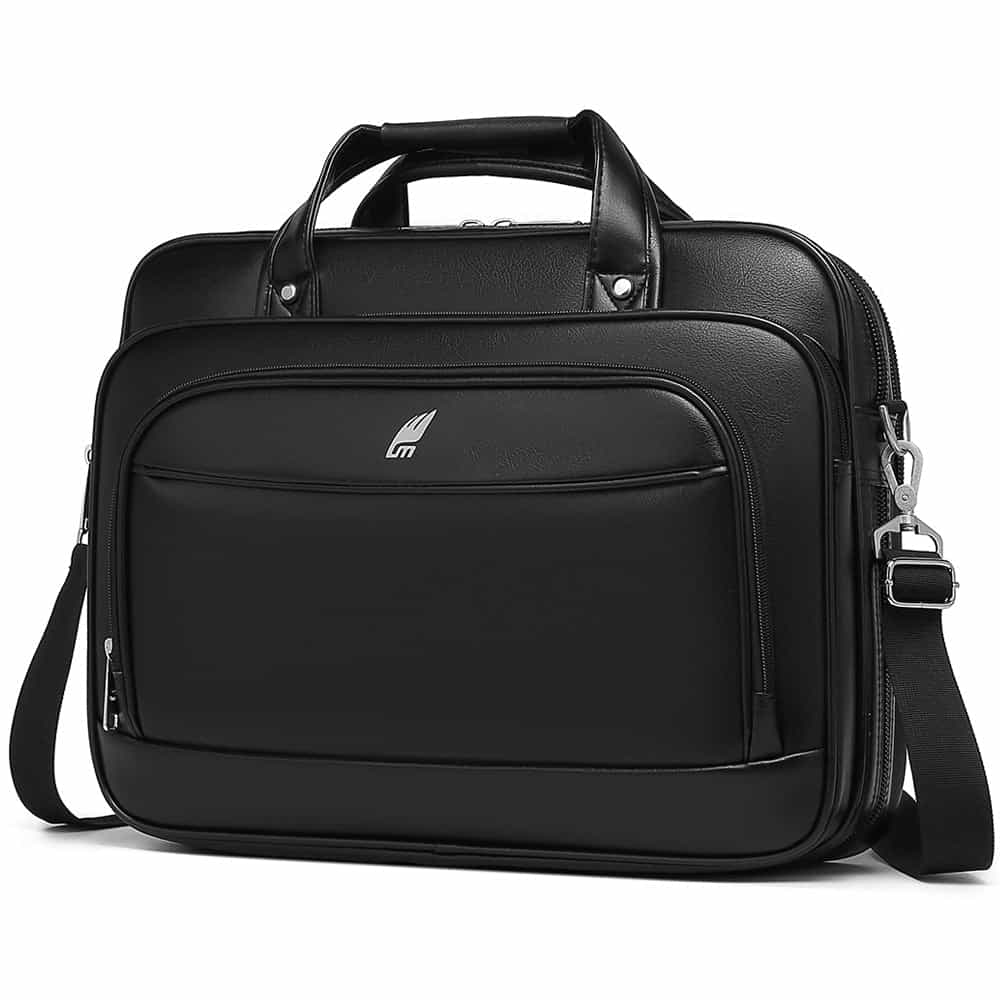
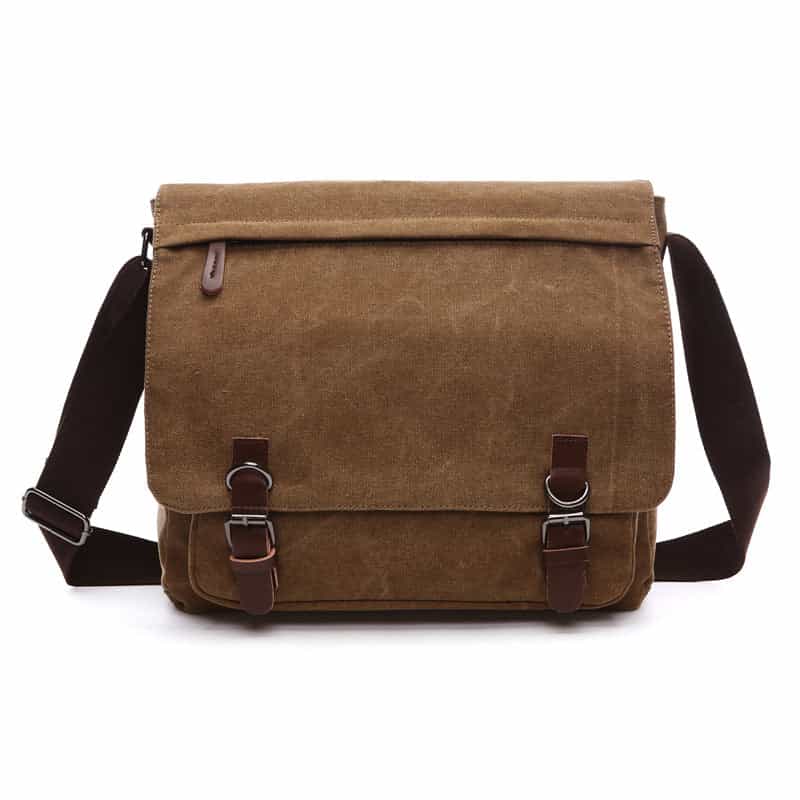
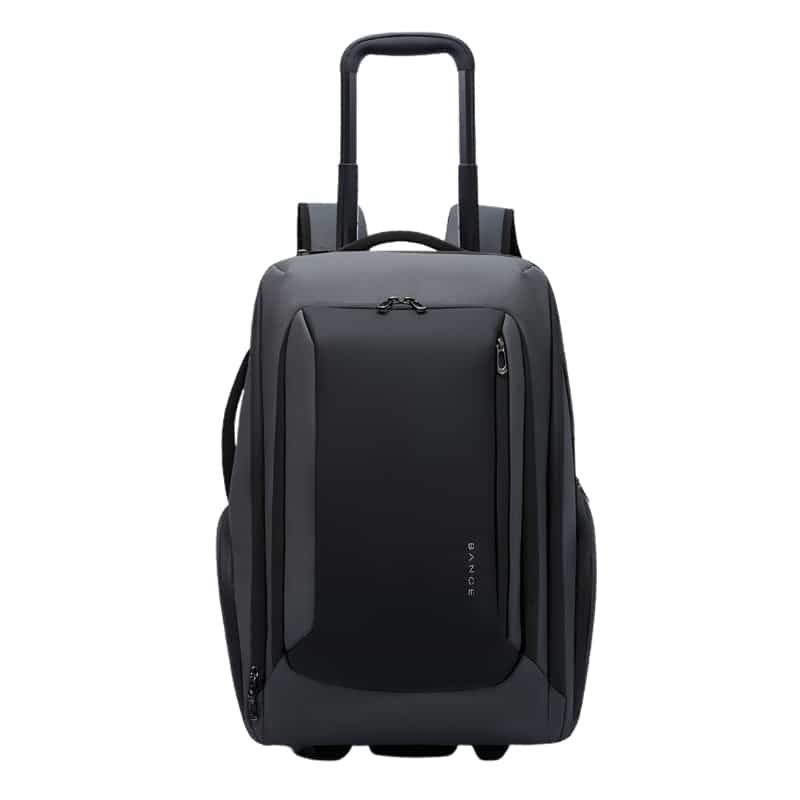
Your ergonomics are a complete system. If you sit on the best chair in the world with a perfect support, but walk home with a backpack that bends you over, your back will still suffer. That is why it is important to make sure your laptop bag also has an ergonomic back system with padded foam, air channels and correct weight distribution.
Comparing common types of office back supports
To help you sort things out, we have summarized the pros and cons of the common solutions on the market:
| Type of support | Who it suits | Main advantages | Possible drawbacks |
|---|---|---|---|
| Memory foam support | People looking for soft, cushioning support that reduces pressure points. | Personal fit to the body, instant comfort. | Can feel a little warm on hot summer days. |
| Ergonomic mesh support | People who suffer from heat and want springy support and maximum ventilation. | Very airy, lightweight, fits most types of chairs. | Less soft and padded than foam. |
| Back system built into a tech backpack | Busy professionals who are often on the move and in meetings. | Protects your back while moving, takes the strain of the laptop. | Designed for carrying time, not for sitting at the office. |
How to adjust a back support correctly
Bought a back support? Great. Now it is time to set it up correctly to get the most out of it. Follow these steps:
- Sit on the chair with your bottom pressed against the very back of the seat.
- Position the back support so that its most prominent part fits exactly into the curve of your lower back (slightly above the belt line).
- Fasten the support's straps to the chair to keep it from moving.
- Make sure that when you lean back, your shoulders stay relaxed and your head is in a straight line above your spine, without having to stretch your neck forward.
Remember: the support is meant to support you, not push you forward too aggressively. If you feel excessive pressure in your lower back, the support may be too thick or positioned too low.
A healthy back starts with the right choices
Investing in a quality back support for work and ergonomic carrying gear is not a luxury: it is a direct investment in your health and productivity. Back pain affects your concentration, your mood and your overall quality of life, even outside work hours. Choose your gear carefully, make sure to move during the workday, and keep your spine strong and supported for years.
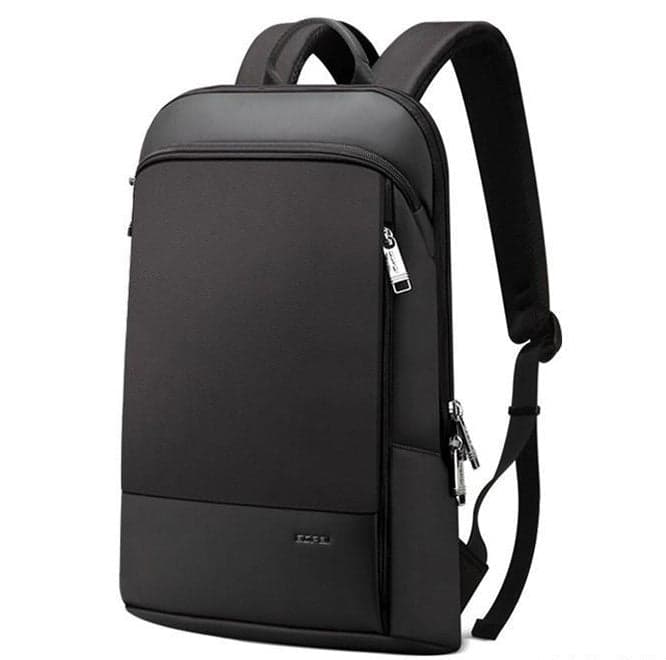
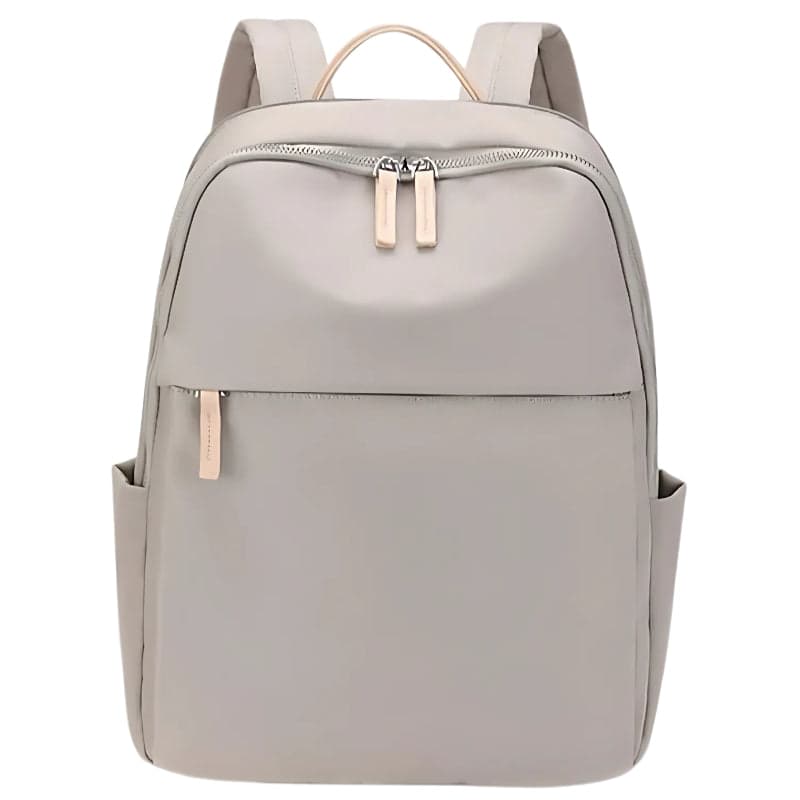
Products to help you on your way

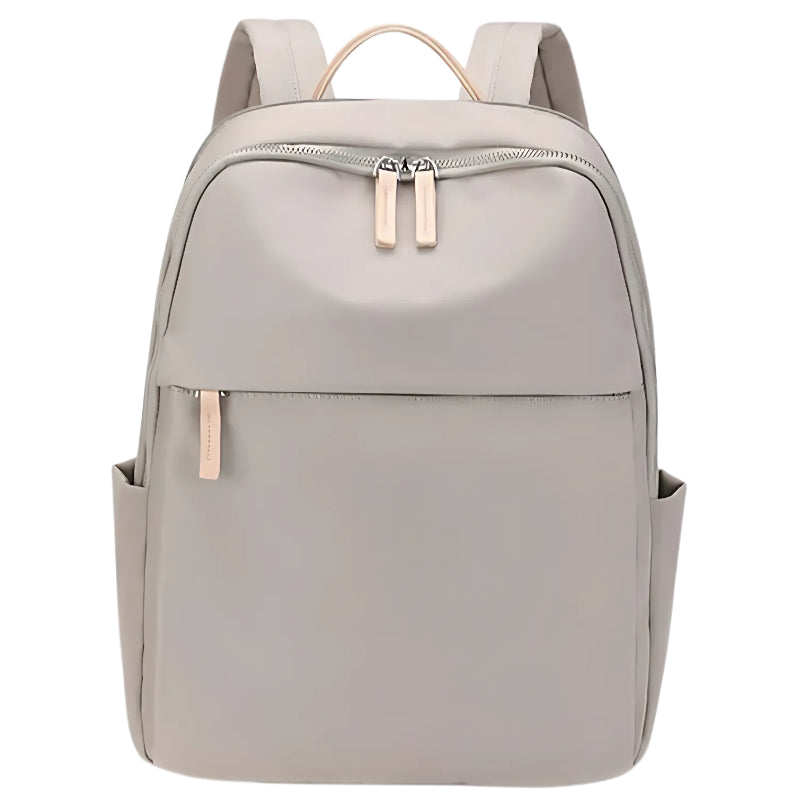
Products in this guide
Frequently asked questions
Does a back support fit every type of chair?
Most ergonomic back supports come with adjustable elastic straps, so they fit most standard office chairs. However, with especially wide executive chairs or chairs with an extremely curved shape, make sure the straps are long enough before you buy.
Which is better, a memory foam or a mesh back support?
The choice depends on personal preference and your work environment. Memory foam gives soft support tailored to the curves of your body, while a mesh support offers excellent ventilation and especially suits people who tend to get hot and sweaty in summer.
How do I know the back support is at the right height?
The most curved and prominent part of the back support should match the natural curve of your lower back (the lumbar lordosis), which is slightly above your waist and belt line. If you feel the support pushing your shoulders or bottom forward, it is not positioned correctly.
Can an ergonomic backpack really reduce back pain on the way to work?
Absolutely. An ergonomic backpack with a built-in support system, padded shoulder straps and correct weight distribution significantly reduces the load on the vertebrae of the neck and lower back while carrying a laptop and work gear.


