
How to Choose a Good Suitcase: The Professional Guide to Buying Smart
October 23, 2026

To choose a good suitcase, match the size to your trip (20 inch for carry-on, 24 to 28 inch for a large suitcase), and choose a durable material: polycarbonate or aluminum for hard-shell suitcases, and ballistic nylon for soft ones. Make sure the suitcase has four double silicone spinner wheels, strong zippers, a built-in TSA lock and a thick aluminum telescopic handle.
We at Camel Mountain have been accompanying travelers since 1975 as a family business, and since 2006 as a brand. Over the years we have seen thousands of suitcases go through the toughest tests: from the rough conveyor belts at Ben Gurion Airport, through the wet cobblestones of Europe, to the cramped overhead bins of low-cost flights. Choosing a suitcase is no small matter; it is an investment in your peace of mind during the trip. A suitcase that breaks or gets stuck halfway can ruin a whole vacation. In this guide we will share all the professional knowledge we have gathered to help you choose the perfect suitcase for you.
Hard or soft? The complete guide to materials
The first question every traveler asks is whether to choose a hard-shell suitcase or a soft fabric one. Each option has clear pros and cons, and the choice depends mainly on the nature of your trip and what you usually pack.
Hard-shell suitcases: offer maximum protection for the contents, especially if you travel with fragile items, laptops or glass bottles. They are easier to clean (a quick wipe with a damp cloth is enough) and completely resistant to rain and water. However, pay attention to the type of material:
- ABS: the cheapest and most common material. It is very rigid but tends to break under pressure or hard knocks at low temperatures (such as in the plane's hold).
- Polypropylene (PP): a very flexible, lightweight material that is especially resistant to knocks. Polypropylene suitcases offer excellent value for money.
- Polycarbonate (PC): the highest-quality material for plastic suitcases. It is remarkably flexible, absorbs hard knocks and returns to its original shape without breaking.
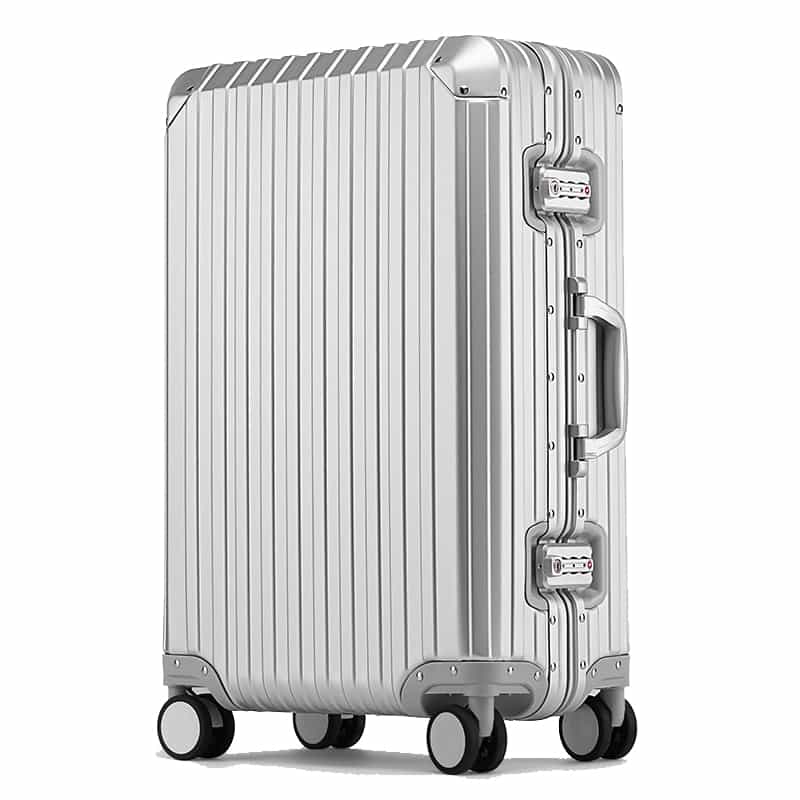
- Aluminum: the most premium and strongest choice. Aluminum suitcases are almost indestructible and offer maximum security (no zippers), but they are heavier and more expensive.
Soft (fabric) suitcases: their big advantage is flexibility: they can expand to hold more gear, and they have accessible outside pockets for pulling out documents or a jacket during the flight. They also tend to squeeze into a car trunk more easily. The recommended materials for fabric suitcases are high-density ballistic nylon or Cordura, which offer exceptional resistance to scuffs and tears.
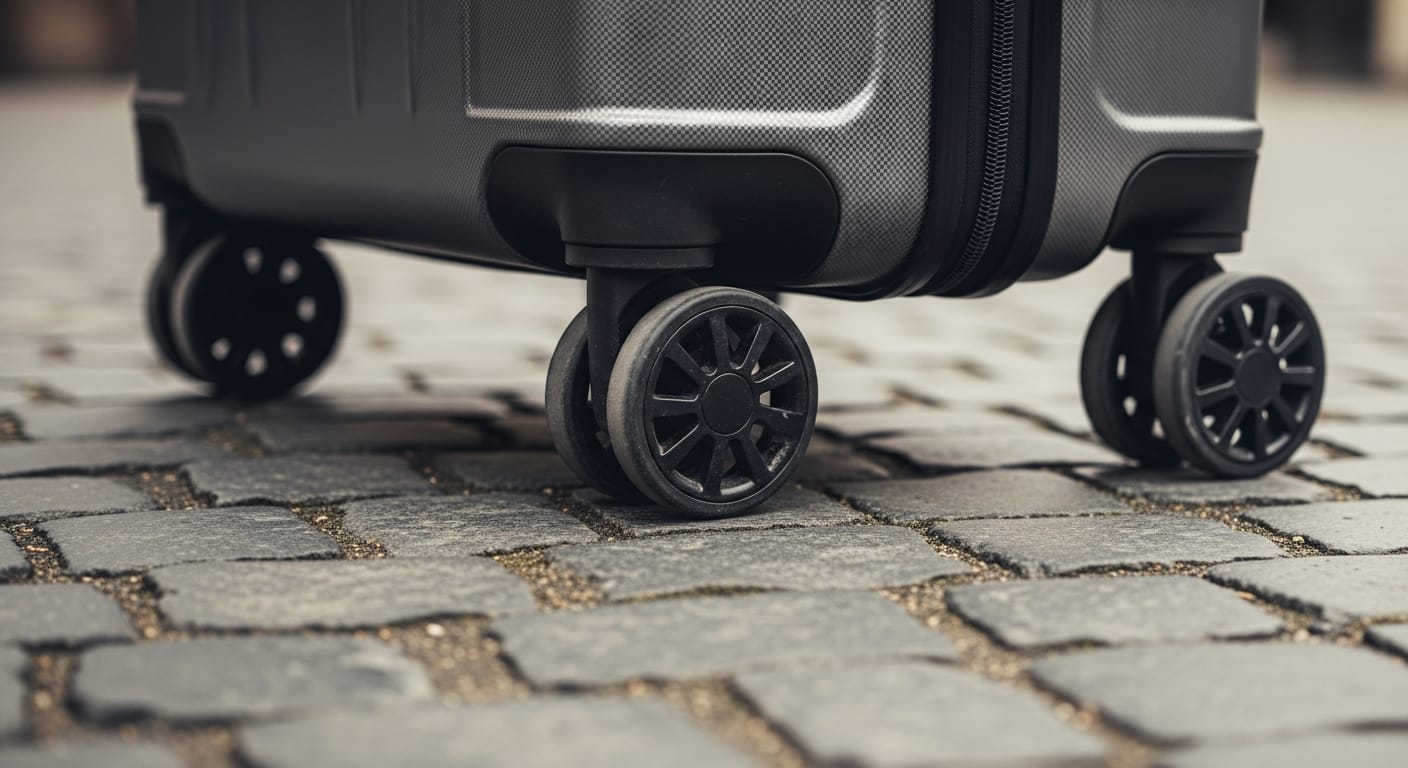
Wheels, handles and zippers: the anatomy of a suitcase that lasts
When you look at a suitcase, don't look only at the outside design. The small details are what decide whether the suitcase will last for years or fall apart on the first trip. Here are the three most important components to check:
1. The wheel system
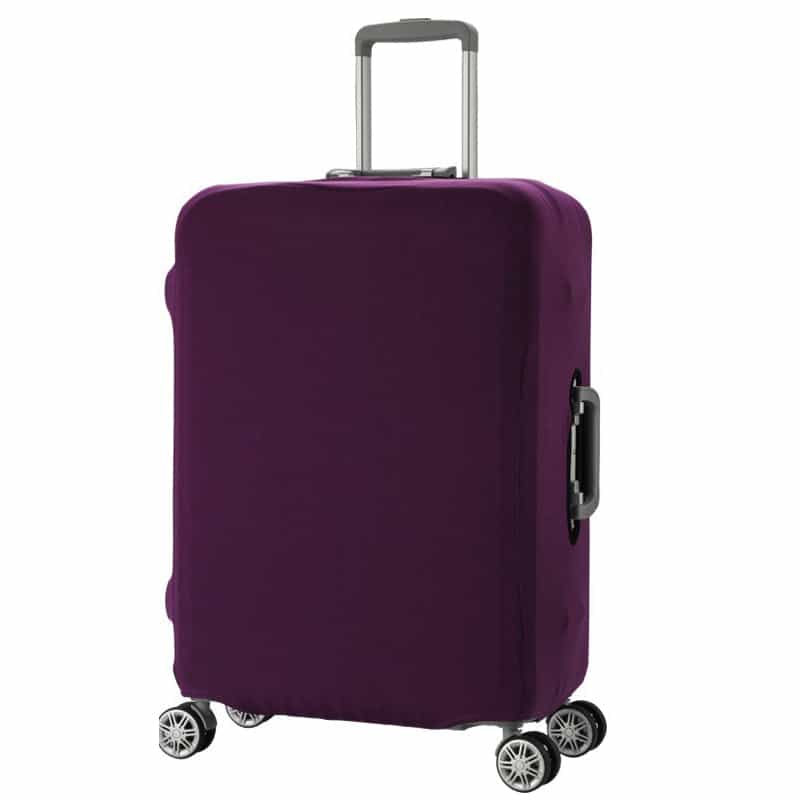
Wheels are the most common weak point of suitcases. Completely avoid suitcases with hard, noisy plastic wheels. Look for suitcases with 4 double silicone wheels (8 wheels in total) that turn 360 degrees (spinner). Quality silicone wheels with steel bearings give a quiet, smooth and stable ride, and let you guide the suitcase alongside you without effort, even when it is full and heavy.
2. The telescopic handle
The handle should be made of thick, quality aluminum, not thin metal that can bend. Make sure the handle pulls out smoothly and locks at several stages (different heights) so it can be adjusted ergonomically to your height. With the handle extended, give it a gentle shake: a little play is normal, but a handle that is too loose points to poor assembly.
3. Zippers and locks
The main zipper carries a lot of strain. Look for thick, strong zippers (preferably YKK zippers or double zippers that resist being forced with a knife). In addition, make sure the suitcase has a built-in TSA-approved combination lock. This lock lets airport security open the suitcase for inspection with a special master key without forcing and breaking your zippers.
How to choose the right size and volume
The size of the suitcase should match the length of your trip and the airlines' limits. Good packing starts with choosing the right tool. Here is a quick comparison table to help you sort out the sizes:
| Suitcase size (inches) | Average volume (liters) | Recommended empty weight | Suits this type of trip |
|---|---|---|---|
| 20" (carry-on trolley) | 35 to 45 liters | 2.0 to 2.8 kg | A weekend or a short business trip (up to 4 days) |
| 24" (medium suitcase) | 60 to 75 liters | 3.2 to 4.0 kg | A fast-paced trip of a week to 10 days |
| 28" to 29" (large suitcase) | 90 to 115 liters | 4.0 to 5.2 kg | Family vacations or long trips (two weeks or more) |
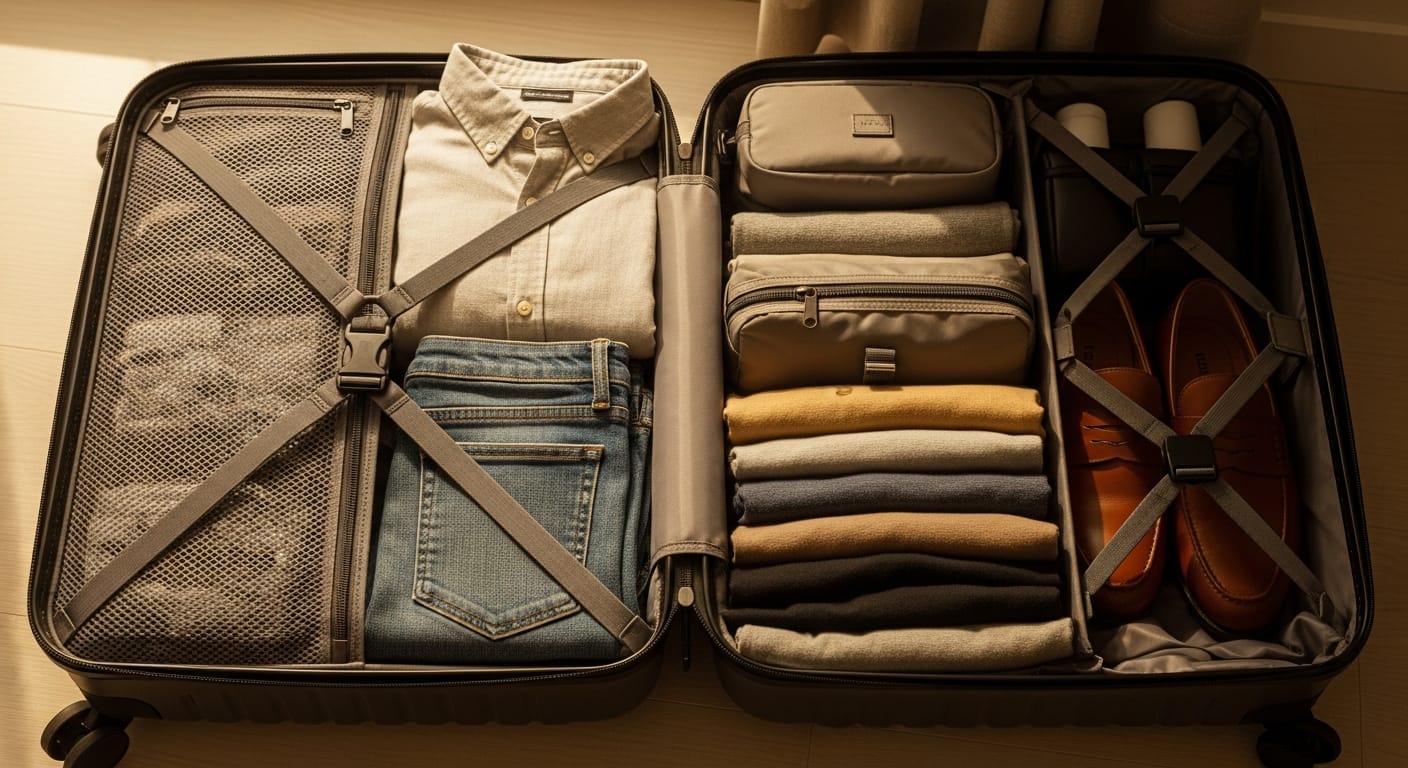
Interior layout and smart organization
A good suitcase isn't just an empty box; it should let you organize your belongings efficiently. When you open the suitcase, pay attention to these details:
- Zippered dividers: a full zippered divider on one side of the suitcase keeps clothes from falling out and spilling when you open it at the hotel.
- Compression straps: quality X-shaped straps or wide straps that help hold clothes tight, keep them wrinkle-free and reduce the space they take up.
- Dedicated pockets: interior mesh pockets for small items, and a waterproof wet/dry pocket for wet swimwear or toiletries that might leak.
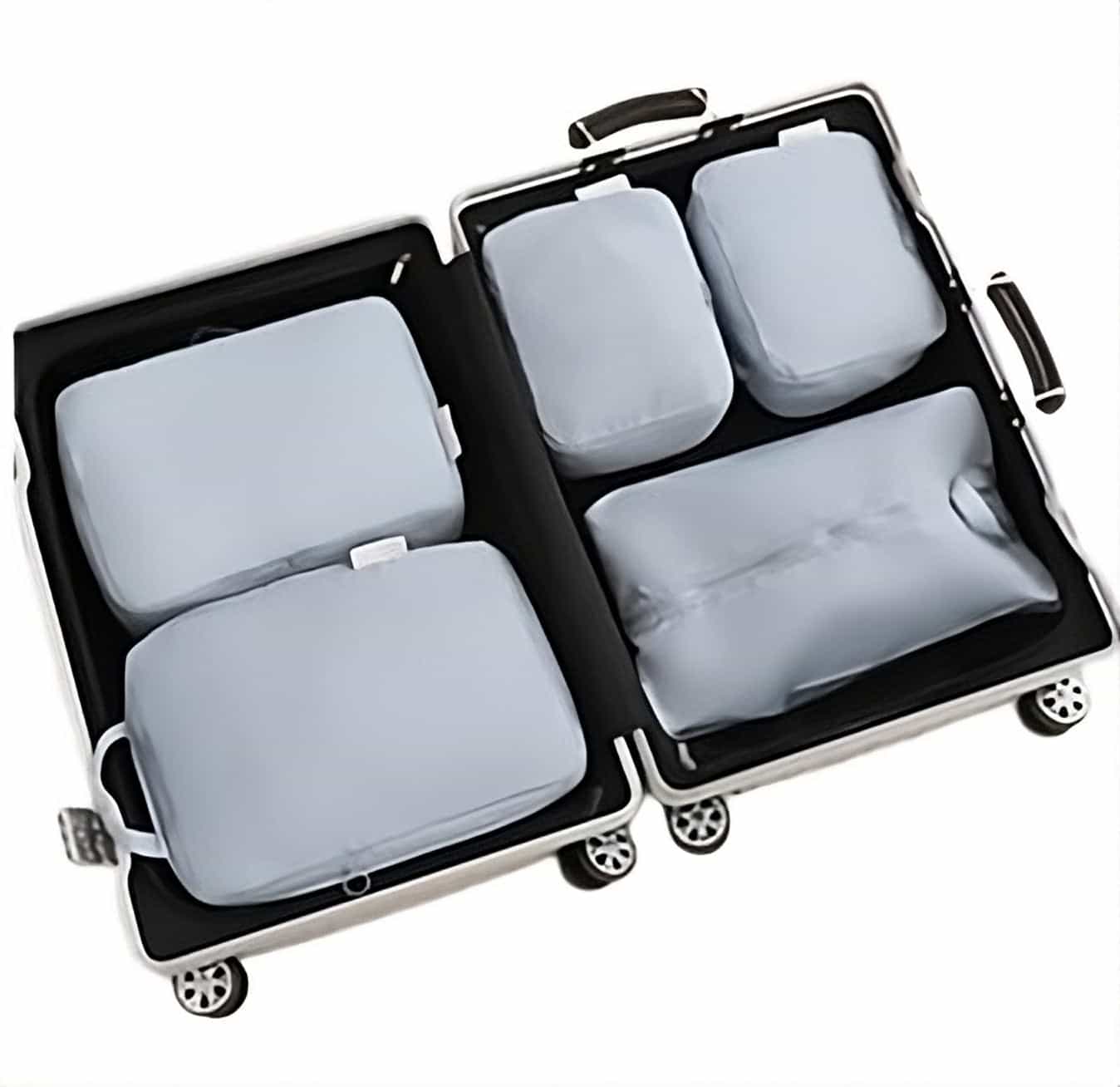
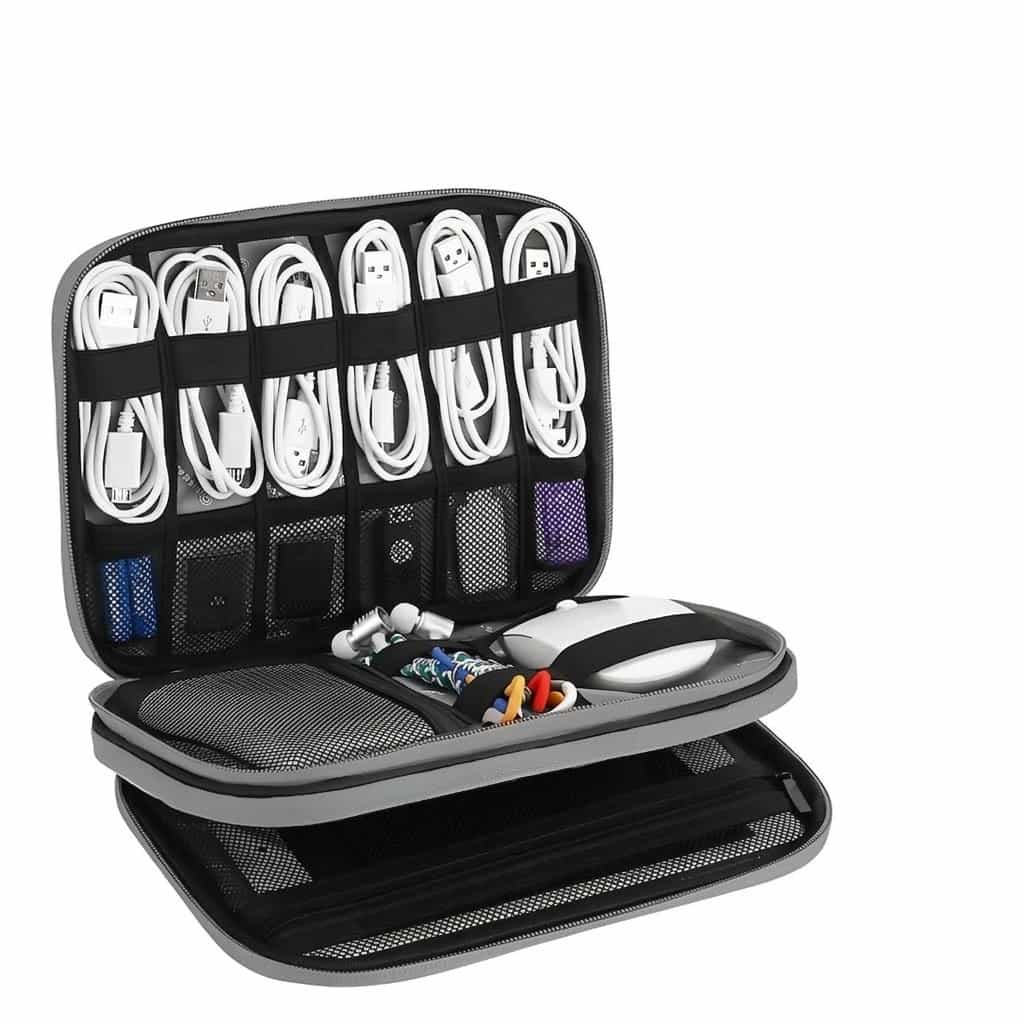
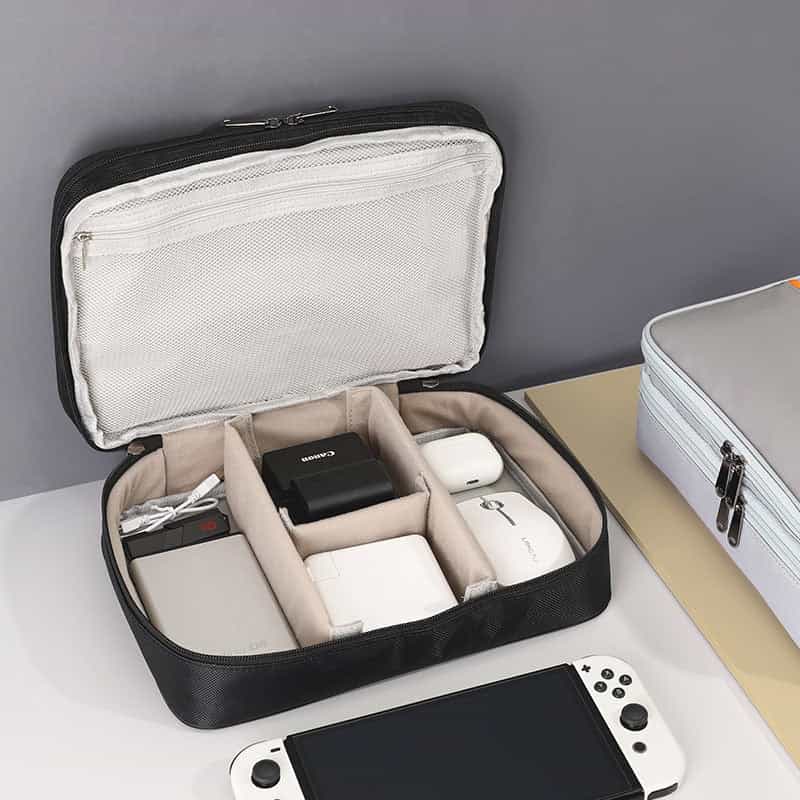
Pro tip: to upgrade your travel experience, use a set of packing cubes. They let you divide the suitcase into categories (shirts, socks, dirty laundry) and save space and valuable time during the trip.
Summary: how to make the right decision
Before you buy your next suitcase, define your budget and how you will use it. If you fly often, invest in a quality polycarbonate or aluminum suitcase that will last for many years. If you mostly take short trips and want comfort and light weight, a quality trolley with double silicone wheels will do the job perfectly. Remember to check the warranty on the suitcase: a reliable brand will give you a long-term warranty that covers the wheels, handles and zippers.
Products to help you on your way

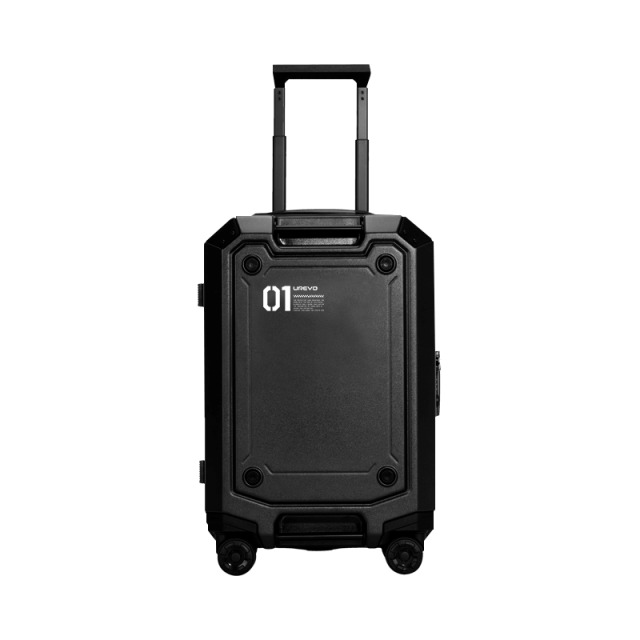

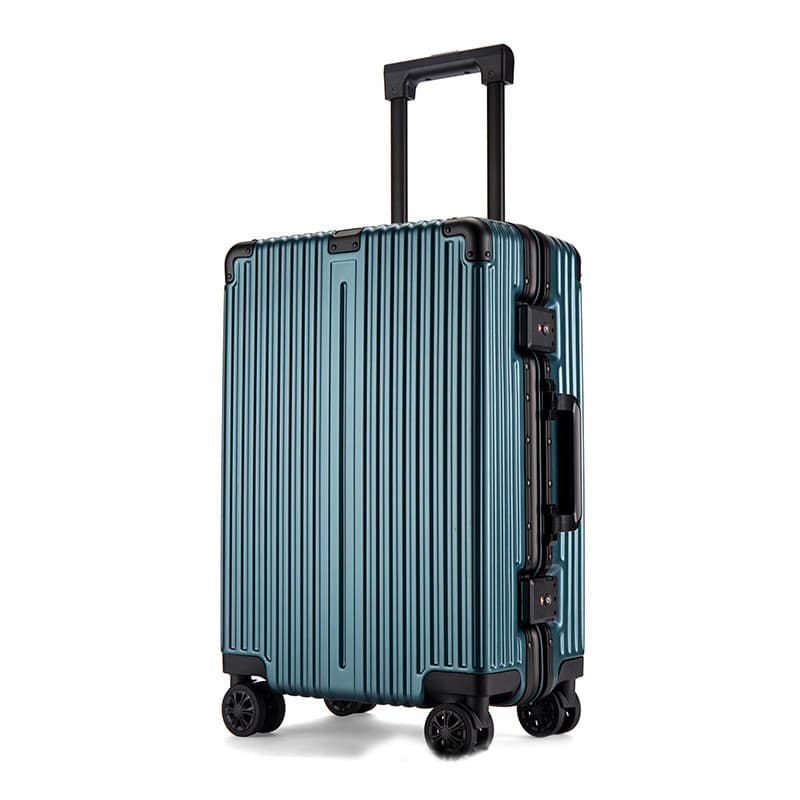
Products in this guide

Frequently asked questions
What is the difference between polypropylene and polycarbonate in hard-shell suitcases?
Polycarbonate is a more flexible and stronger material that can absorb hard knocks and return to its original shape without breaking. Polypropylene is a very light and flexible material that offers excellent durability at a more accessible price, but it is slightly less scratch resistant than polycarbonate.
Is it better to buy a suitcase with 2 wheels or 4 wheels?
Suitcases with 4 double spinner wheels are the most convenient for getting around airports and hotels, because they let you roll the suitcase 360 degrees without strain on your wrist. Suitcases with 2 wheels mainly suit people who travel a lot on dirt roads or very uneven sidewalks, but they need to be tilted and dragged behind you.
What is a TSA lock and why does it matter for flights?
A TSA lock is a special combination lock approved by US security authorities and those of many countries around the world. It lets airport security staff open your suitcase for a manual inspection with a dedicated master key, without damaging the suitcase, breaking the lock or tearing the zippers.
How do I clean and care for my suitcase after a flight?
Clean hard-shell suitcases with a damp cloth and a little mild dish soap (avoid strong chemicals). For fabric suitcases you can use a soft brush with water and soap. After cleaning, make sure the suitcase is completely dry before storing it, and keep it in a shaded, dry place to prevent mold or wear of the materials.
How do I choose the right suitcase size for a vacation?
For short vacations or a weekend, use a 20-inch carry-on trolley. For trips of a week to 10 days a medium 24-inch suitcase will suit you, while for long or family trips choose a large suitcase of 28 inches or more.
How do I choose a suitcase for a low-cost flight?
On low-cost flights the main focus is on exact dimensions (usually up to 55x40x20 cm) and the lowest possible empty weight. Choose an especially light carry-on trolley (under 2.2 kg) so you can use the airline's limited weight allowance for your own gear.
What is the advantage of double wheels on a suitcase?
Double wheels (8 wheels in total) give much better stability, more even weight distribution and smooth 360-degree maneuvering. They make it easier to roll the suitcase over challenging surfaces such as hotel carpets, uneven sidewalks or roads.
Which is better for a hard-shell suitcase: a zipper or clip closures?
Clip closures (no zipper) are common mainly on aluminum suitcases and offer an especially high level of security against break-ins and complete water resistance. Zippers, on the other hand, offer some flexibility that lets you expand the suitcase when needed and squeeze in a bit more gear.


