
How to Choose an Orthopedic, Durable School Backpack That Will Last
October 23, 2026
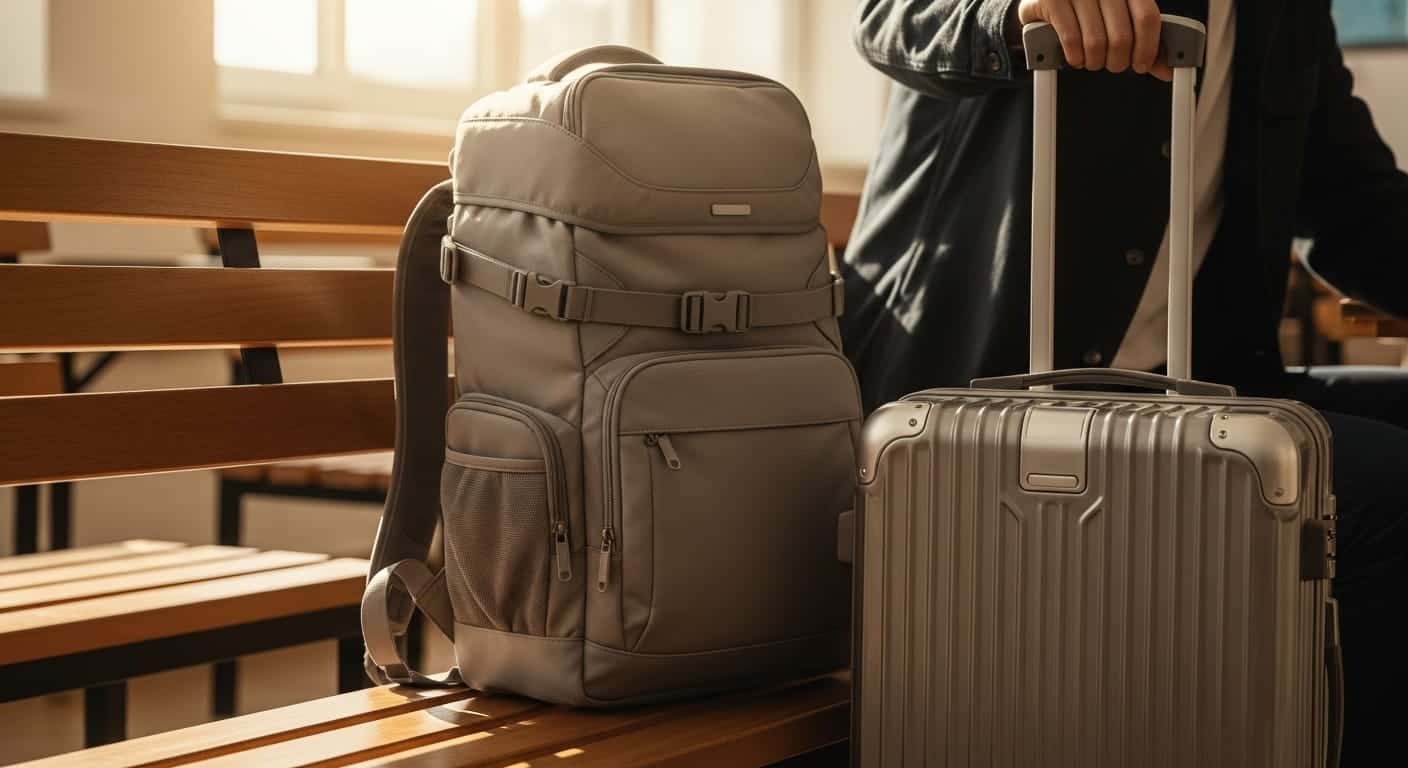
To choose an orthopedic, durable school backpack, look for a bag with a padded back system with ventilation channels, wide S-shaped shoulder straps and a chest strap for optimal weight distribution. Make sure the bag is made of dense, water-repellent fabric (such as polyester or Cordura), has reinforced zippers, and a rigid or padded base that prevents wear and protects the contents.
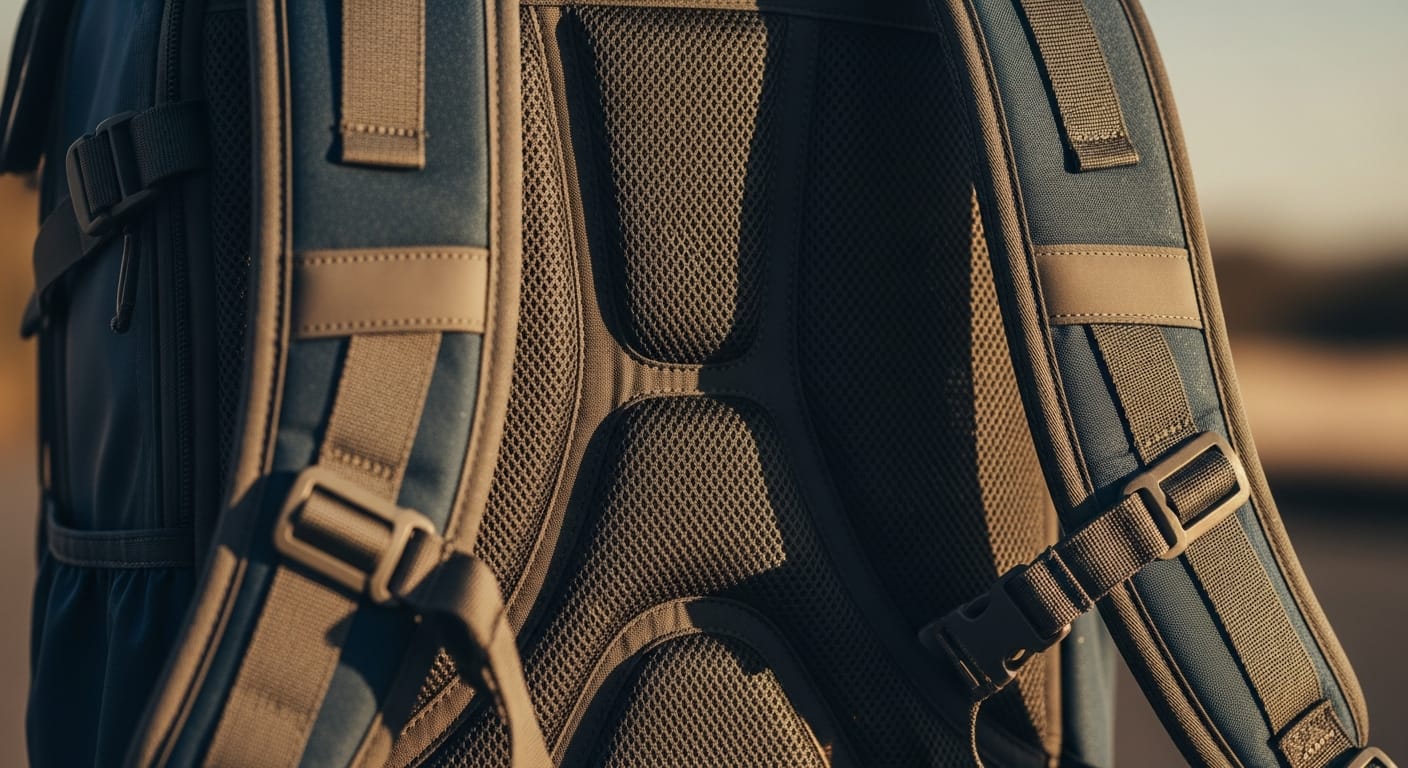
The orthopedic back system: how to protect children's backs
When we talk about an "orthopedic" bag, we don't mean a medical product, but a bag engineered to distribute the load on the child's body in the best possible way. The backs of children and teenagers are at critical stages of growth, and carrying unbalanced weight can lead to back pain, fatigue and even posture problems in the long run.
A quality back system should include three main elements:
- Anatomical padding and ventilation channels: the padding should support the lumbar curve and the shoulder blades. The airflow channels let air move freely, which prevents excessive sweating on hot days on the way to school.
- Wide, padded shoulder straps: straps that are too narrow cut into the shoulders and cause pain. Look for wide, well-padded straps with an anatomical "S" shape that follows the natural curve of the body and spreads the pressure evenly.
- Chest strap: an element that is often skipped, but it is critical. A chest strap keeps the shoulder straps close to the center of the body, stops the bag from swinging while walking or running, and moves part of the load from the shoulders to the chest and core.
Materials and durability: what makes a bag unbeatable for years to come
A school bag goes through a daily obstacle course: it gets thrown on the classroom floor, dragged around the schoolyard, exposed to strong sun and sometimes to pouring rain. For the bag to survive more than one season, the materials have to be of the highest level.
The type of fabric is the most important factor in durability. Fabrics such as high-density polyester (for example 600D and above) or ballistic nylon offer exceptional resistance to tearing and abrasion. In addition, make sure the fabric has a water-resistant treatment to protect books, notebooks and laptops on rainy days.
Don't forget to check the zippers. Zippers are the most common weak point in backpacks. Look for thick, reinforced zippers, preferably with double stitching. The bottom of the bag should be reinforced too, whether with an extra-thick layer of fabric, a durable plastic material or protective feet, to prevent wear when the bag is put on the floor.
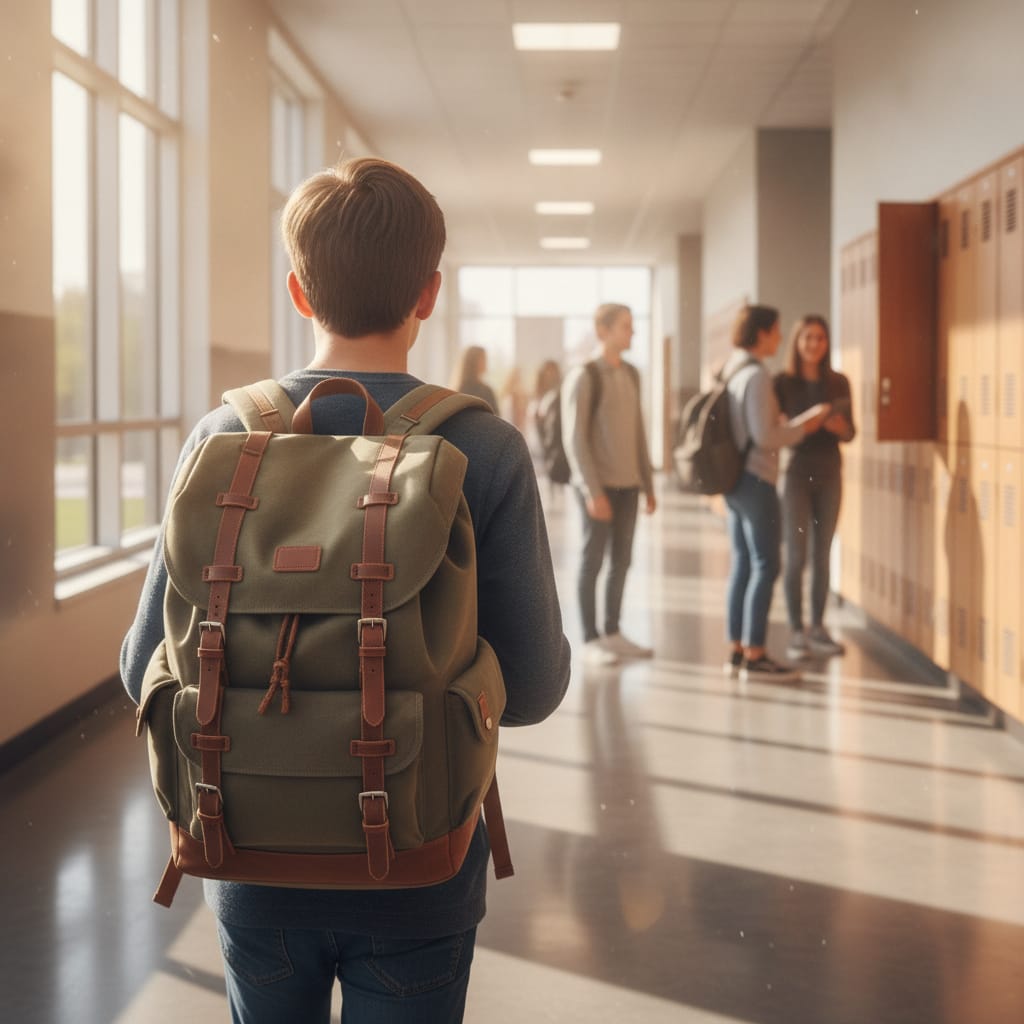
Smart compartments: the secret to easy, safe carrying
Even the most orthopedic bag won't do its job if the gear inside isn't organized correctly. The physics rule of thumb is simple: the closer the heavy items are to the back, the lighter the weight feels and the less pressure there is on the spine.
A quality school bag should offer a logical layout:
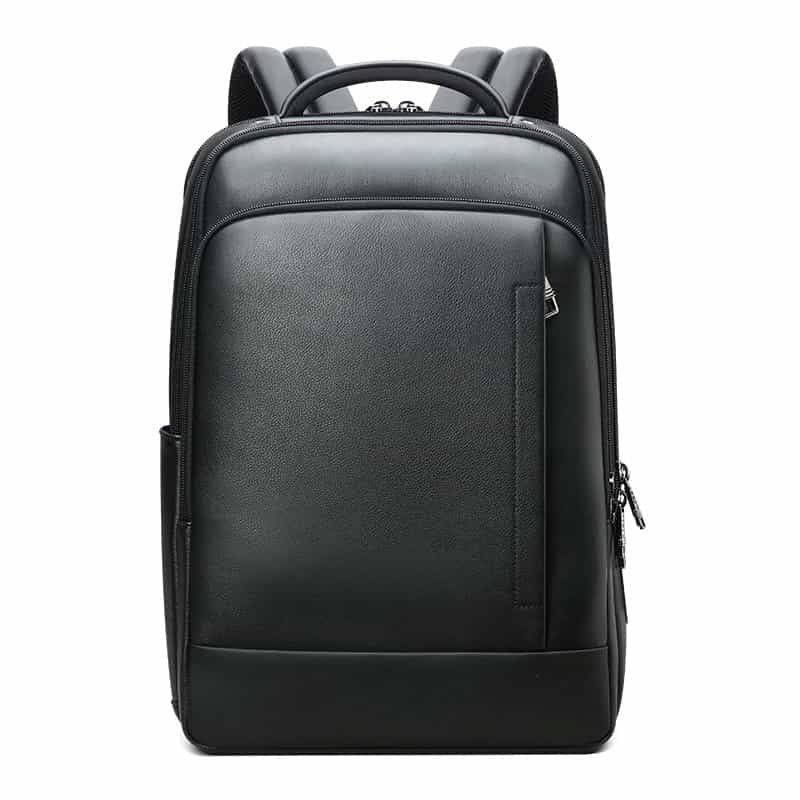
- Heavy back compartment: for large books, binders or a laptop. This is the compartment closest to the student's back.
- Medium main compartment: for notebooks, a pencil case and lighter supplies.
- Small front compartment: for food, keys, a phone and small personal items that need to be within quick reach.
- Side bottle pockets: elastic or zippered pockets that hold a water bottle securely, without it spilling inside the bag and damaging electronics or papers.
Comparison table: recommended volumes and features by age
The size of the bag has to suit the student's body and their school needs. A bag that is too big will make the child lean forward, while a bag that is too small won't hold all the necessary gear.
| School stage | Recommended volume (liters) | Critical orthopedic features | Durability focus |
|---|---|---|---|
| Grades 1 to 3 | 15 to 20 liters | Light rigid back system, chest strap, very padded shoulder straps | Rigid plastic base, full water protection |
| Grades 4 to 6 | 20 to 25 liters | Semi-rigid back system, ventilation channels, multiple compartments | Reinforced polyester fabrics, double zippers |
| Middle and high school | 25 to 35 liters | Dynamic ergonomic support, a dedicated padded laptop compartment | Cordura or durable canvas, reinforced stitching for heavy loads |
Care tips that will extend the life of the bag
Bought a quality, durable bag? Excellent. Now it is worth keeping a few simple habits that will make sure it lasts for many years:
Don't overload it: the full bag should not weigh more than 10% to 15% of the child's body weight. Overloading not only harms health, it also stretches the seams and zippers to their limit.
Clean it correctly: avoid machine washing as much as possible, as it can damage the water-repellent coating and the orthopedic structure of the back. Simple hand cleaning with a damp cloth, lukewarm water and mild soap does a great job and protects the fabric fibers.
Zip it correctly: teach children to close and open the zippers with both hands while the bag is resting steadily, and not to yank them when the bag is half open or overstuffed.
Products to help you on your way
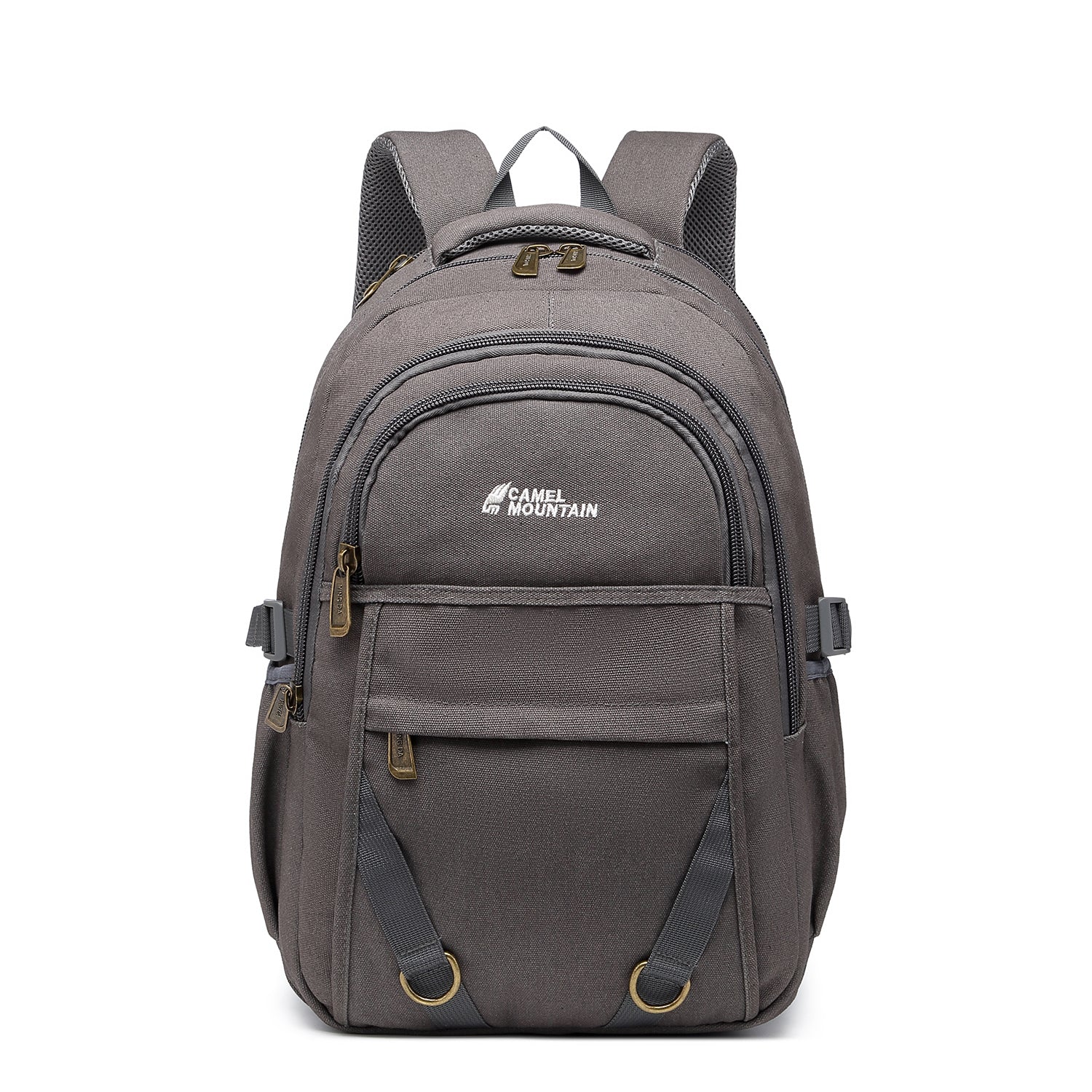


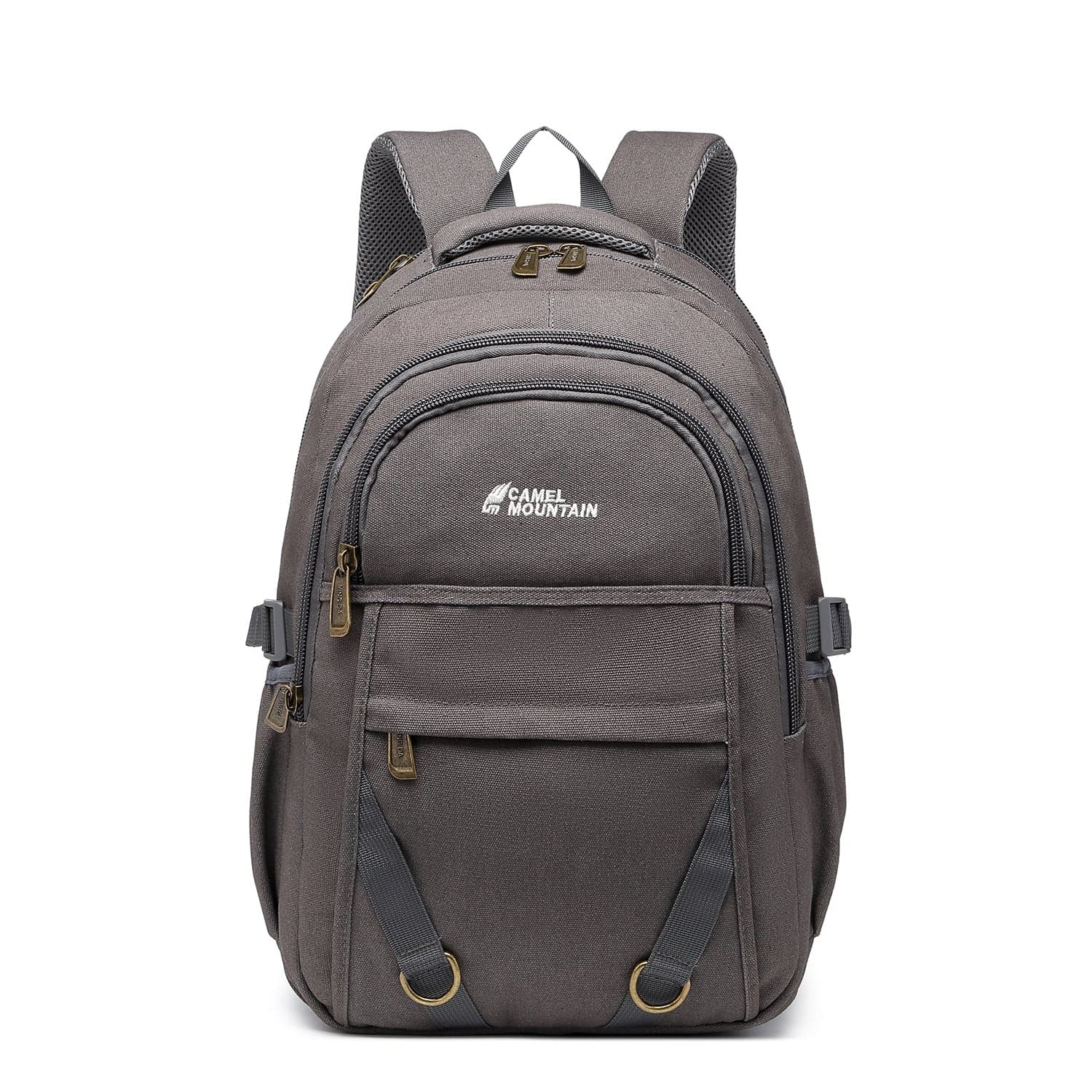
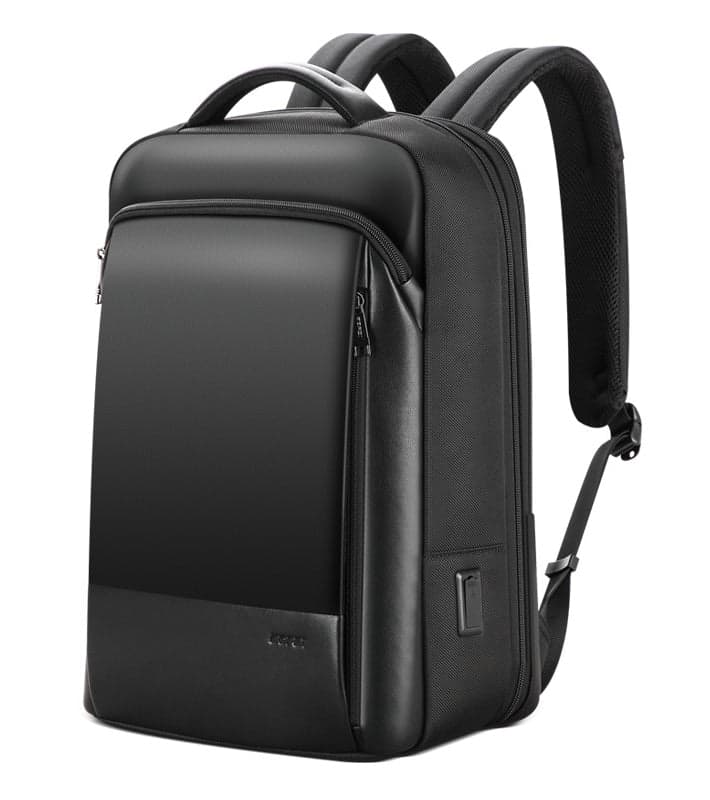
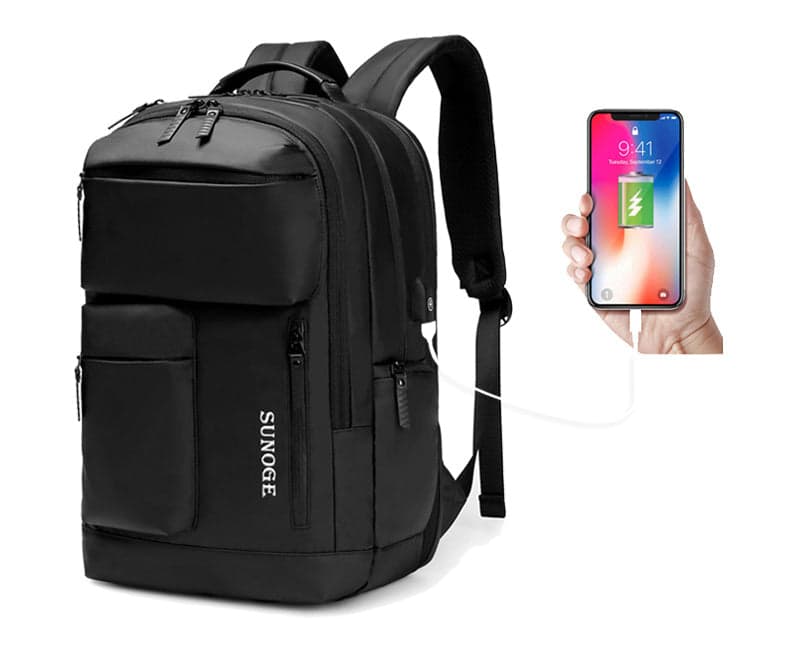
Products in this guide
Frequently asked questions
How do I know if the bag sits correctly on my child's back?
The bag should start at the height of the shoulder blades and end slightly above the waistline, without sagging toward the bottom. Make sure the shoulder straps are tightened evenly so the bag rests against the back along its whole length without noticeable gaps.
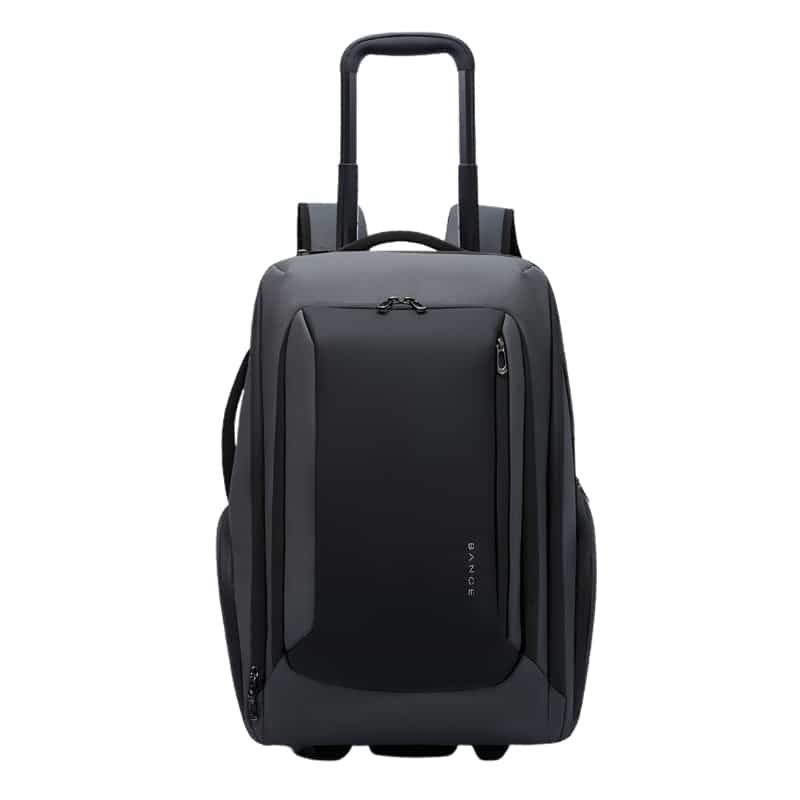
Is it worth buying a bag with wheels (a trolley)?
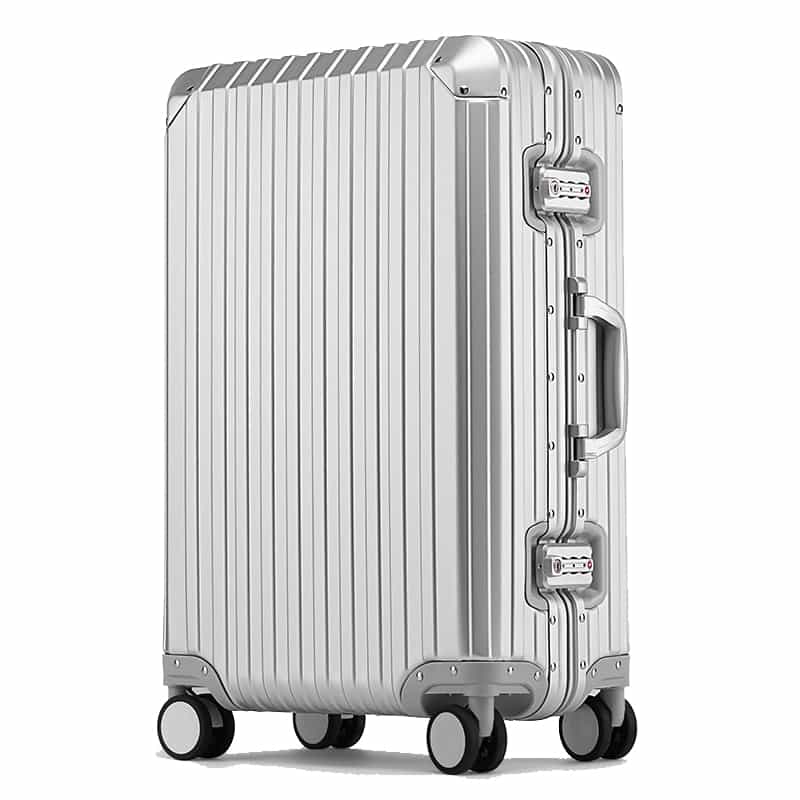
A wheeled bag mainly suits walking on completely flat surfaces, but it adds significant weight of its own (often over 1.5 kg) and makes climbing stairs harder. Usually, a classic quality orthopedic backpack that distributes the weight in a healthy way is the better choice.
How often should a school bag be replaced?
A quality, durable bag made of strong materials can easily last 3 to 5 years. Replacement is usually needed when the child grows and the bag's volume or structure no longer suits their body.
Is a water-resistant bag really completely waterproof?
Most quality bags are defined as water-resistant, not waterproof for submersion. They will protect the contents very well from pouring rain on the way to school, but should not be dunked in water or left exposed to a long storm without a dedicated cover.


