

How to Protect Your Suitcase from Rough Handling at Ben Gurion Airport: Lessons from a Viral Video
October 23, 2026
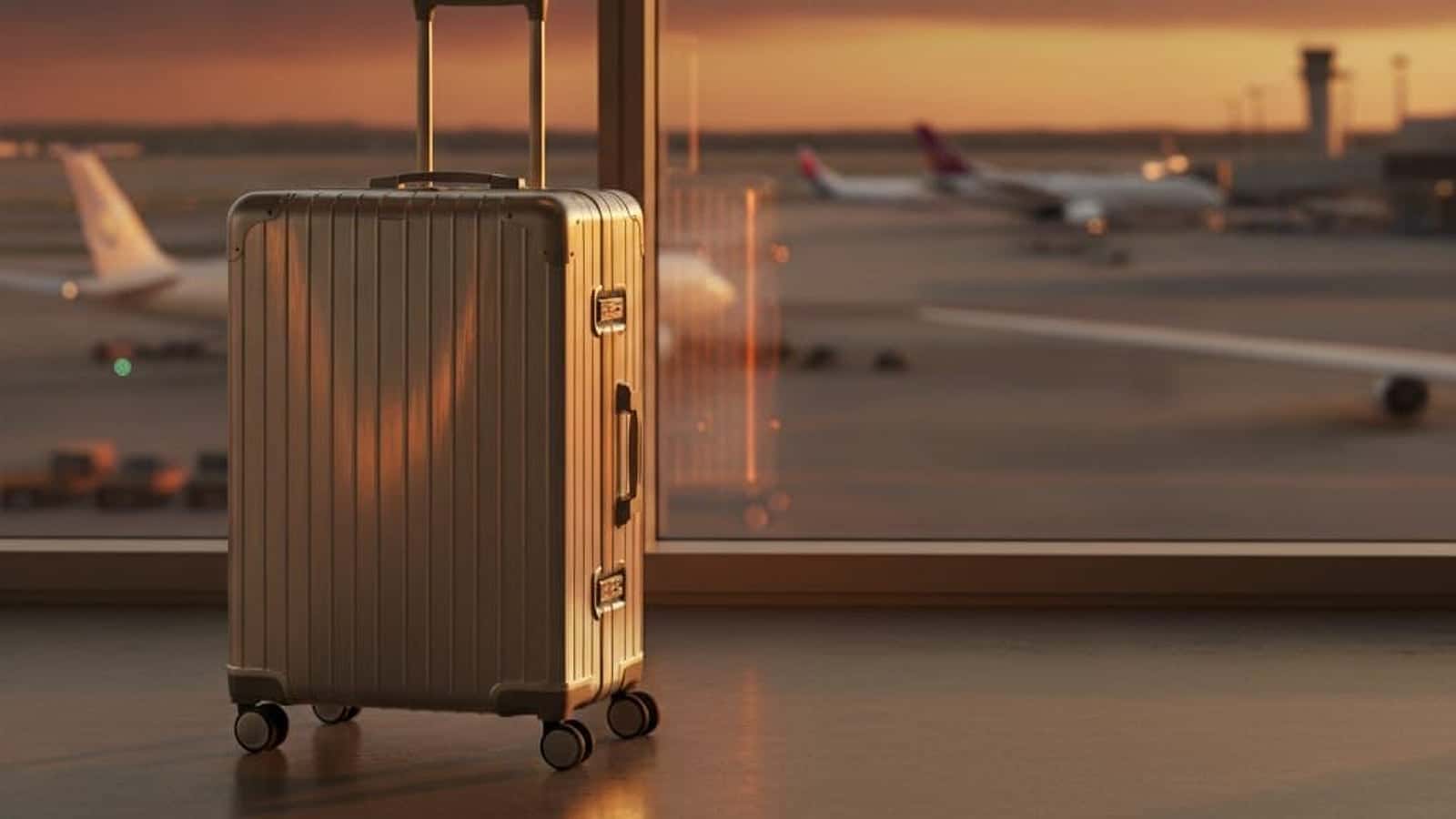
To protect your suitcase from falls and rough handling at Ben Gurion Airport, choose a hard shell suitcase made of energy-absorbing materials such as polycarbonate or aluminum, use an elastic protective cover, and fasten an external luggage strap. If damage occurs, the airline bears full responsibility under the Montreal Convention, and you should file a claim (PIR) while still at the airport.
The video that recently stirred up social media showed a scene every traveler fears: a suitcase falling off a fast-moving baggage vehicle at Ben Gurion Airport straight onto the hot asphalt, dragged and tossed around unattended on the airfield. The incident, which drew thousands of shares and worried comments from shocked Israelis, is not a one-off. Airport baggage handling systems around the world, Ben Gurion included, operate under enormous loads, and human errors or technical failures happen every single day.
As the people behind a luggage brand that grew out of a family business founded in 1975, we at Camel Mountain have seen it all. We know up close the grueling journey your suitcase goes through from the moment it disappears on the check-in belt until it is spat back out on the baggage carousel. Here is the full guide to help you prevent luggage disasters, understand who is to blame when they happen, and choose a suitcase that will survive even a fall from a moving vehicle.
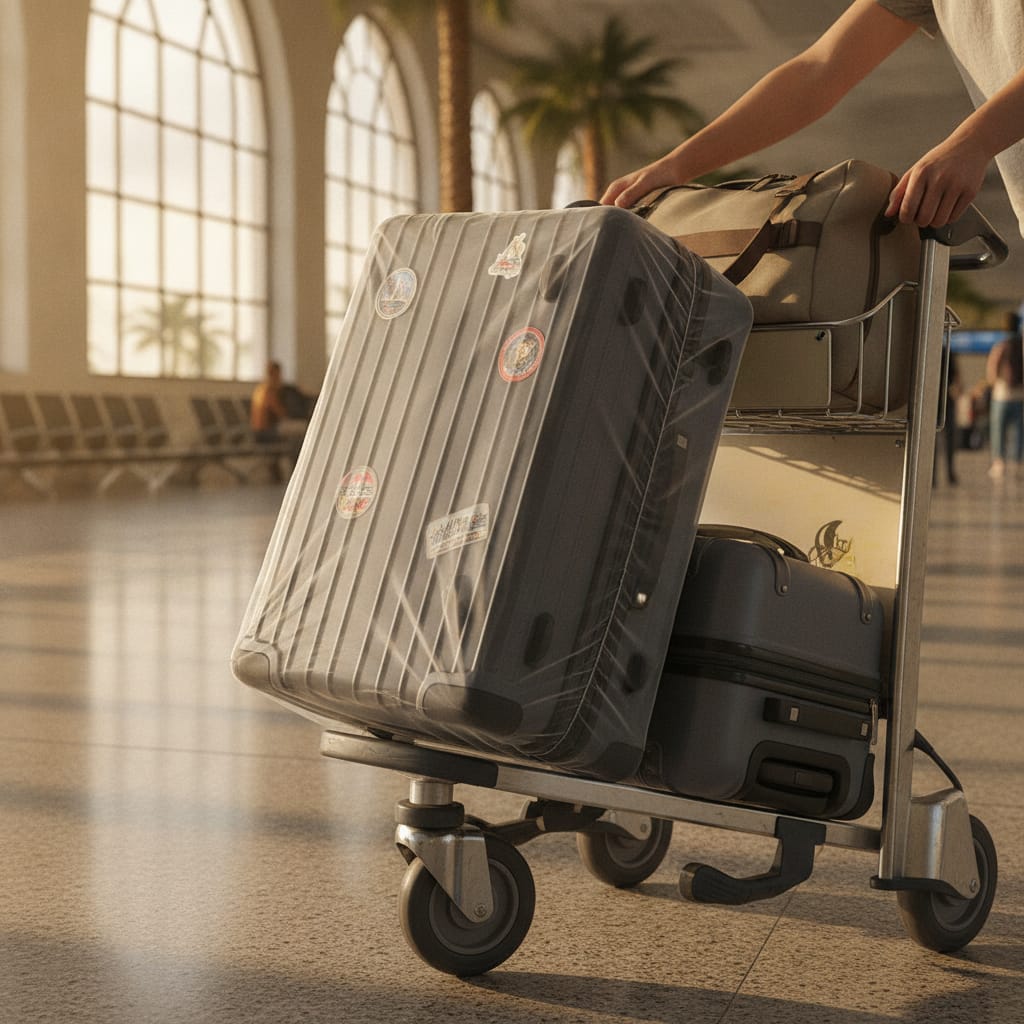
How to physically protect your suitcase from knocks and falls
Protecting your belongings starts at home, at the packing stage and when choosing accessories. Here are some practical steps that will make sure your suitcase stays closed and intact even if it takes a hard hit:
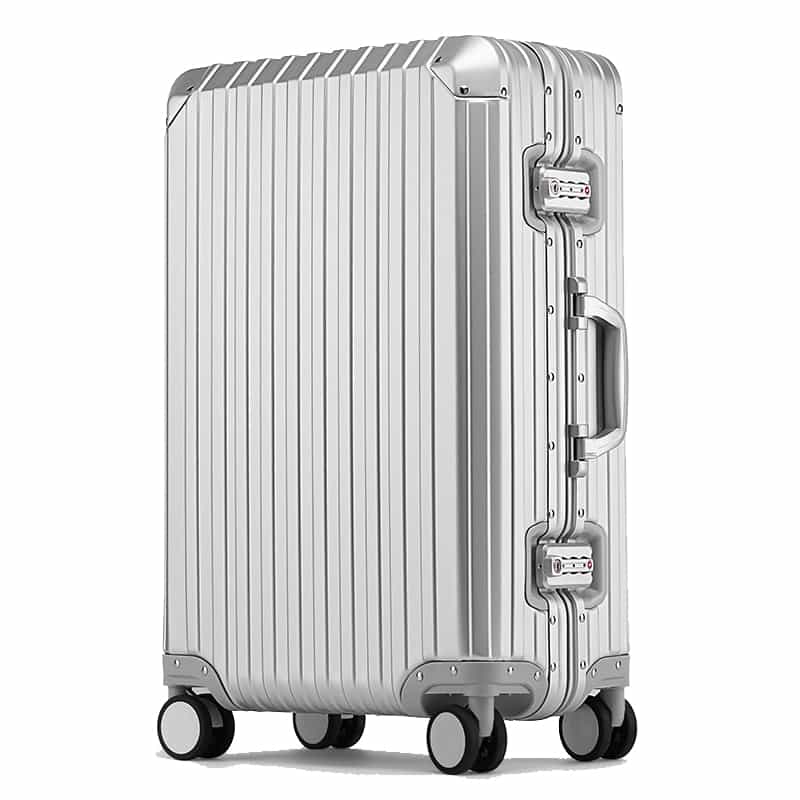
- Choosing the right material: hard shell suitcases are not all equally durable. Cheap ABS plastic tends to break and crack under extreme pressure or a strong blow. Polycarbonate or aircraft-grade aluminum, on the other hand, offer much greater flexibility and durability. Aluminum does not crack, at most it gets small dents that keep the contents intact, while polycarbonate bends under pressure and returns to its original shape.
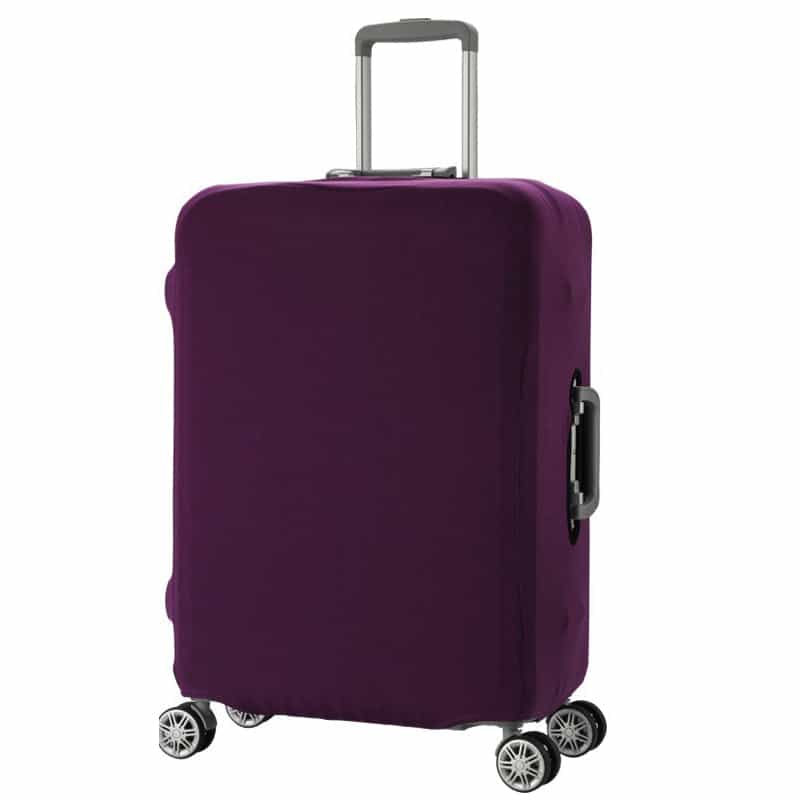
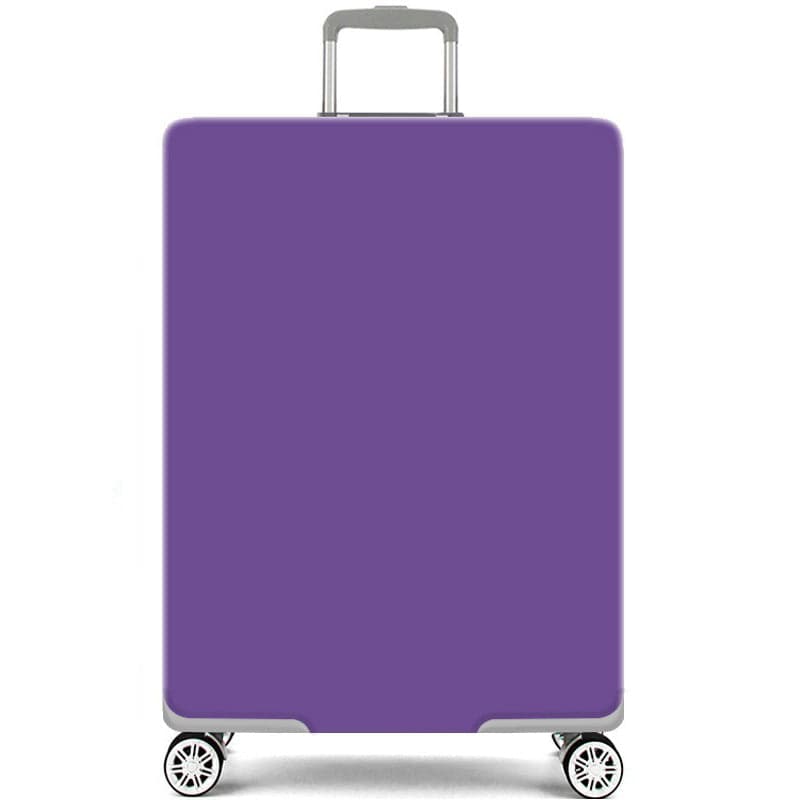
- An elastic protective cover: an essential accessory that gives double protection. It prevents ugly scratches on the body of the suitcase and keeps it tightly closed if the zipper fails after a hard knock.
- External luggage straps: a strong strap around the width of the suitcase prevents it from suddenly opening during a fall or a heavy blow, and takes the load straight off the zippers.
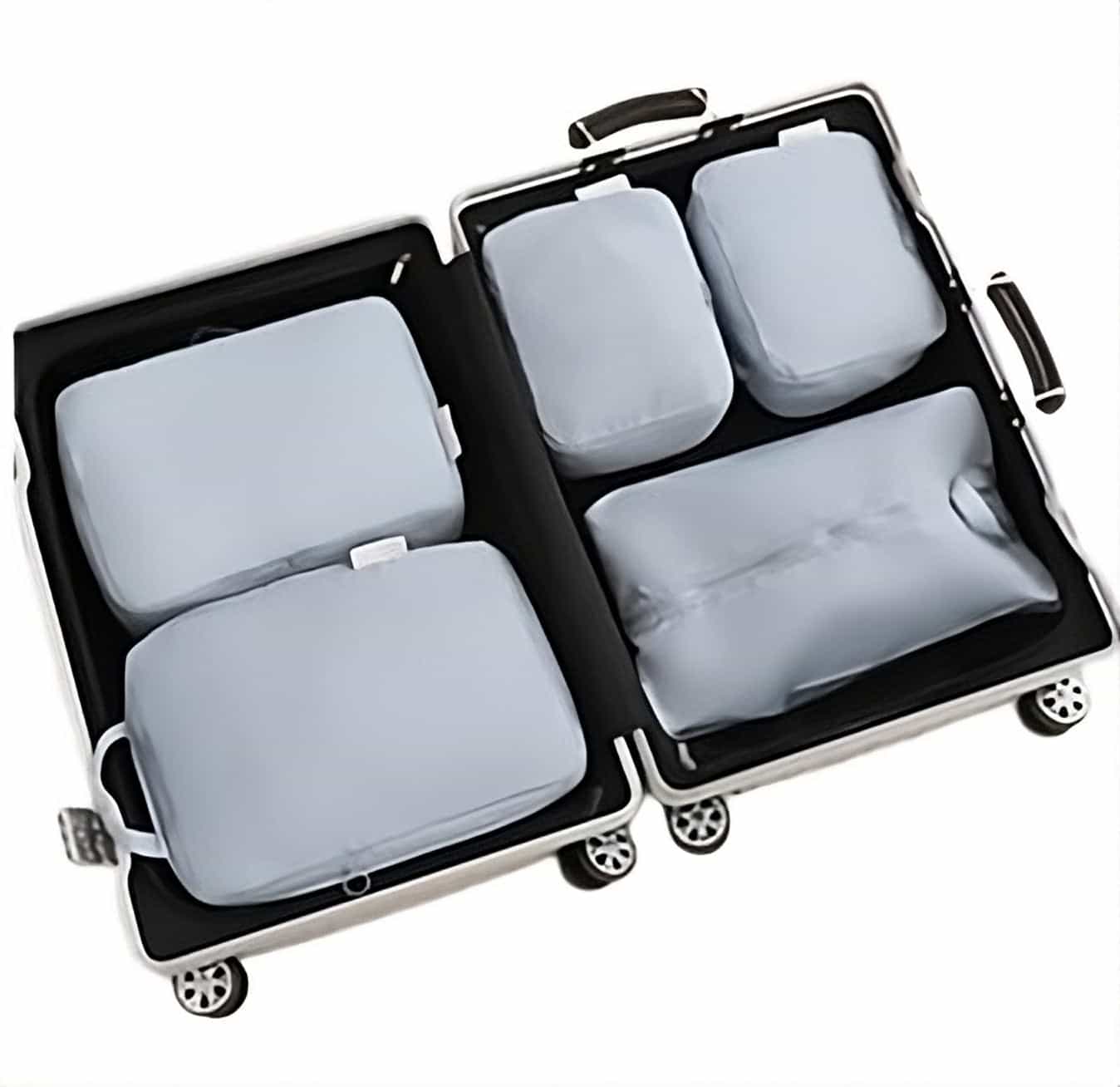
- Smart packing inside: do not leave large empty spaces in the suitcase. Empty space weakens the suitcase's mechanical structure and lets it collapse inward under the pressure of other suitcases. Use packing cubes to stabilize the contents and fill the volume evenly.
What is the airline's responsibility in case of damage or loss?
Many travelers are not aware of their full rights when their baggage is damaged during a flight. International aviation law is very clear on this. Under the Montreal Convention, the airline is solely responsible for the integrity of your baggage from the moment you hand it over at check-in until the moment you get it back.
If you reach the baggage carousel and find that your suitcase is broken, cracked or torn, take the following steps immediately:
- Do not leave the arrivals hall: as soon as you spot damage to the suitcase on the carousel, go straight to the airline's baggage desk or to the company that provides its ground services at the airport (Lost & Found).
- Fill in a PIR (Property Irregularity Report): this is the most important document. Without it, the airline may claim the damage happened after you left the airport and that it is not responsible.
- Document and photograph: photograph the suitcase from every possible angle while still at the airport, including the baggage tags attached to it at check-in.
- Submit a written claim: a formal written claim must be submitted to the airline within 7 days of receiving the damaged baggage, together with the PIR you received at the airport.
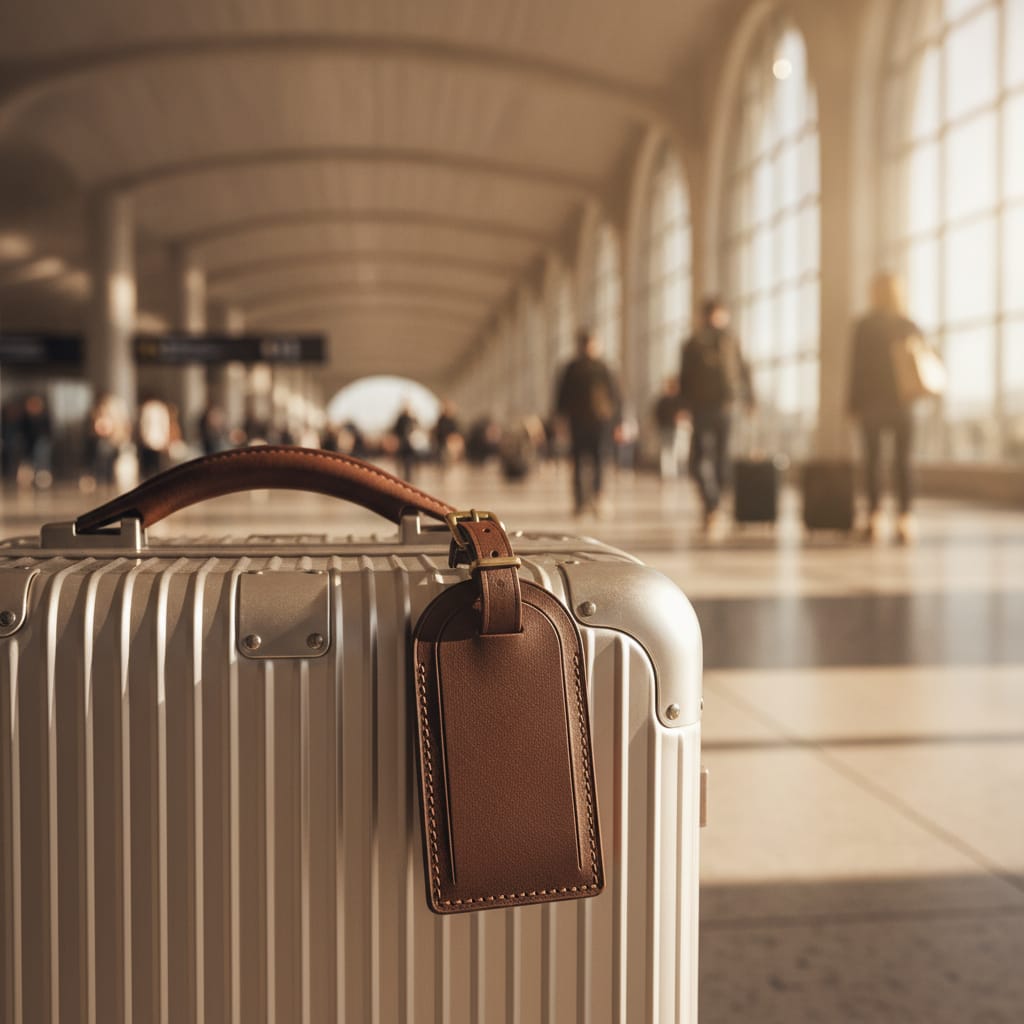
Comparing suitcase materials: what will survive the airport?
To help you understand which materials will best protect your belongings from rough handling, we summarized the pros and cons of the most common materials on the luggage market:
| Material | Resistance to knocks and falls | Own weight | Main advantage |
|---|---|---|---|
| Aluminum | Very high (never cracks or breaks) | Relatively heavy | Maximum protection for fragile contents, lasts for decades |
| Polycarbonate (PC) | High (flexible and excellent at absorbing shocks) | Light to medium | Returns to its original shape after pressure or a hard blow |
| Polypropylene (PP) | Medium to high | Very light | Good resistance to extreme temperatures and good flexibility |
| ABS plastic | Low (tends to crack under pressure) | Light | Cheap and accessible, but less suited to frequent flying |
Advanced pro tips for peace of mind on your flight
Besides choosing the right suitcase, there are a few more small steps that can save you a lot of grief if something goes wrong with ground services:
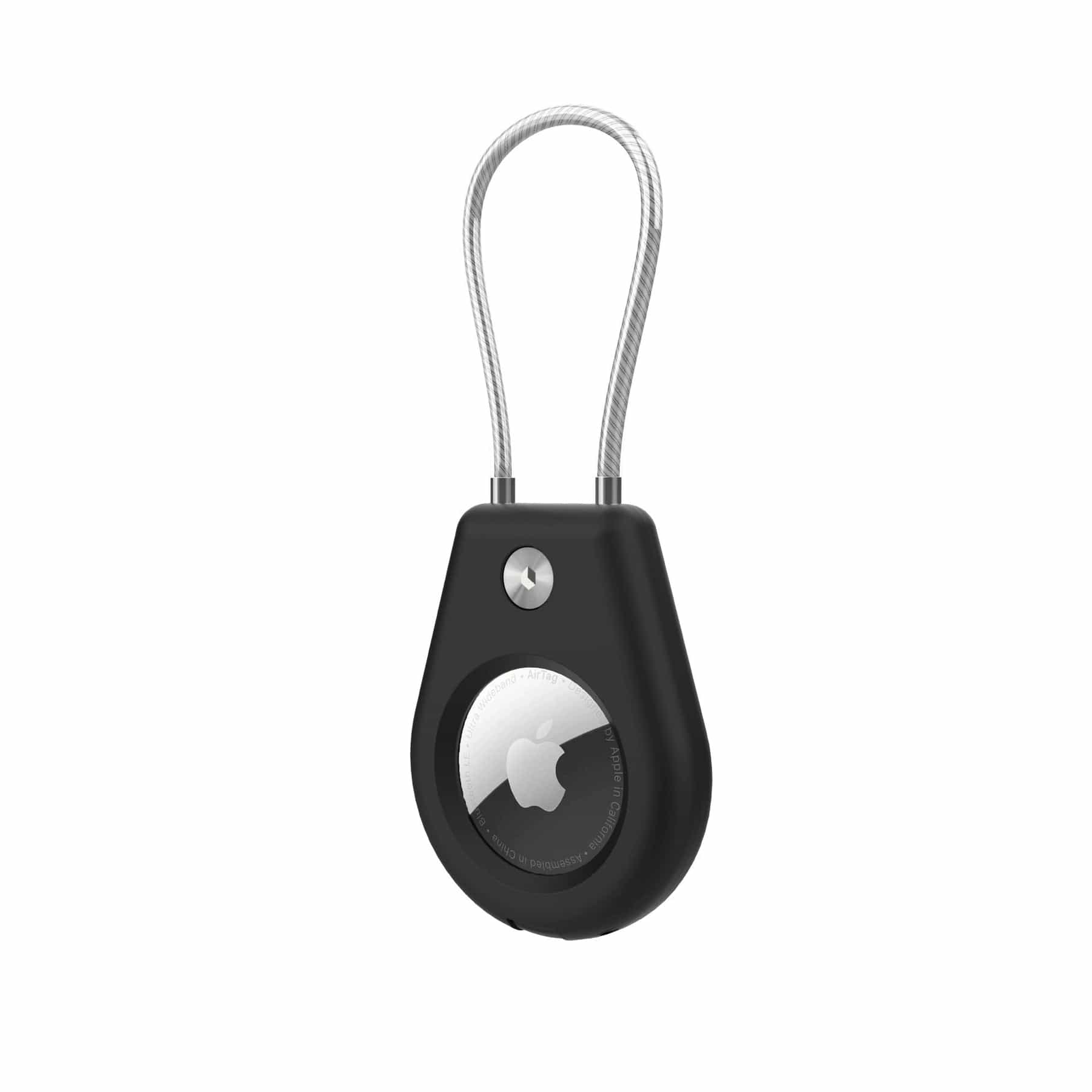
Use tracking technology (AirTag / Smart Tag): although an AirTag will not physically stop the suitcase from falling off the baggage vehicle, it will let you know exactly where it is in real time. If your suitcase fell on the way to the plane or stayed on the airfield, you can show the airline staff its exact location on the map and significantly speed up its return.
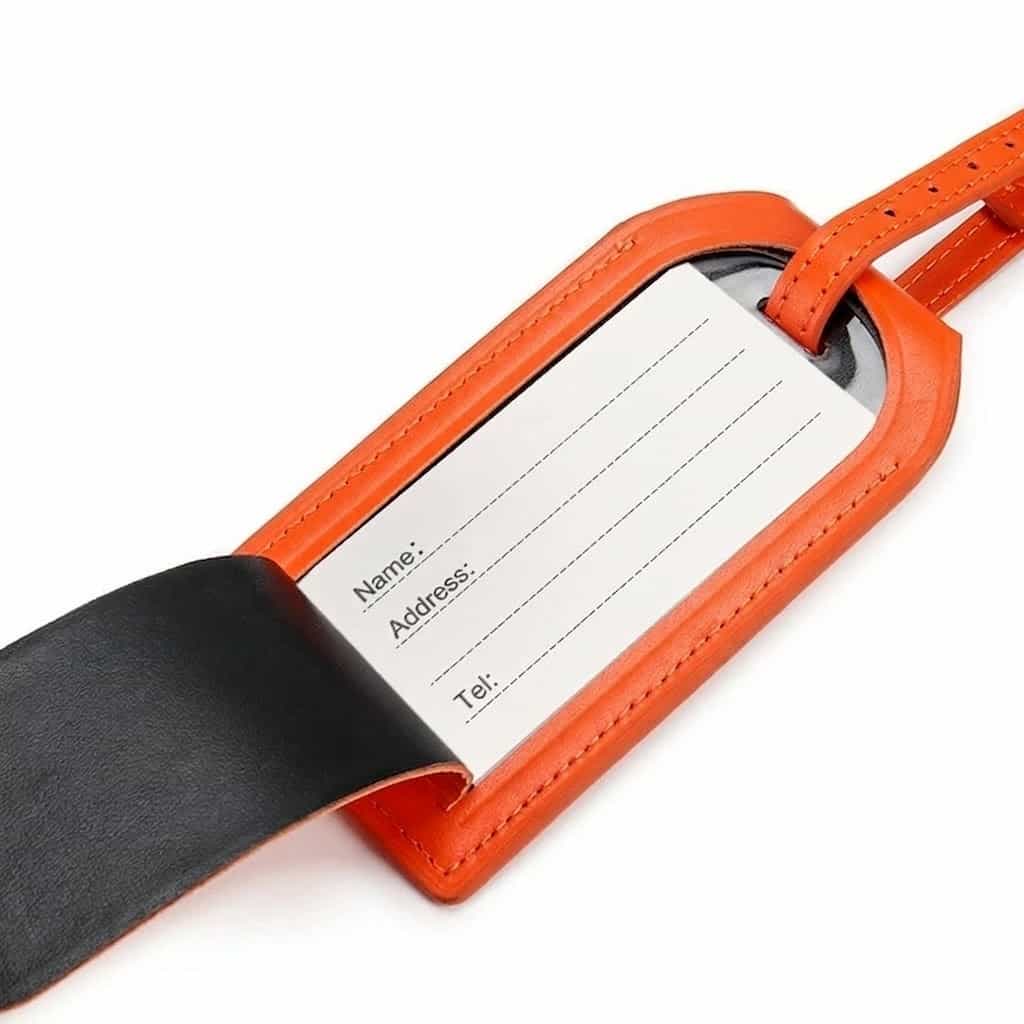
Double, clear labeling: use sturdy, quality ID tags made of leather or silicone, firmly attached to the suitcase handle. It is also a good idea to put a sheet of paper with your contact details (name, phone and email) inside the suitcase, in case the outer tag is torn off during the rough ride on the baggage belts.
Based on a report: It fell off a vehicle carrying suitcases, and this is how Ben Gurion Airport handled it. - Facebook
Products to help you on the way

Products in this guide


Frequently asked questions
Which is better for avoiding damage at the airport, a soft or a hard suitcase?
A hard shell suitcase made of quality materials such as polycarbonate or aluminum gives much better protection from crushing and hard knocks. Soft suitcases suit people who want to maximize volume and pack flexibly, but they protect fragile contents less well against rough handling.
Does the airline have to compensate me for a broken suitcase?
Yes, definitely. Under the Montreal Convention, the airline is responsible for damage to your baggage from the moment you hand it over at check-in. You must report it immediately at the airport and get a damage report (PIR) to exercise your right to compensation or repair.
How does a suitcase cover help prevent physical damage?
A quality elastic cover acts as a second protective layer. It absorbs scuffs and direct knocks, keeping the suitcase intact, and it also stops the zippers from suddenly opening in a hard fall.
Should I put an AirTag inside my suitcase?
Highly recommended. A tracking device lets you know where your suitcase is at any moment. If it falls off a transport vehicle or gets left behind, you can show the airline its exact location and shorten the time it takes to find it.
What is the most durable suitcase material today?
Aircraft-grade aluminum is considered the most durable material because it never cracks or breaks, it only dents slightly under especially hard blows. Right behind it is pure polycarbonate, which offers an excellent combination of flexibility, low weight and high resistance to breaking.


