
How to Spot a Quality Suitcase: The Tests We Run Before a Product Hits the Shelf
October 23, 2026
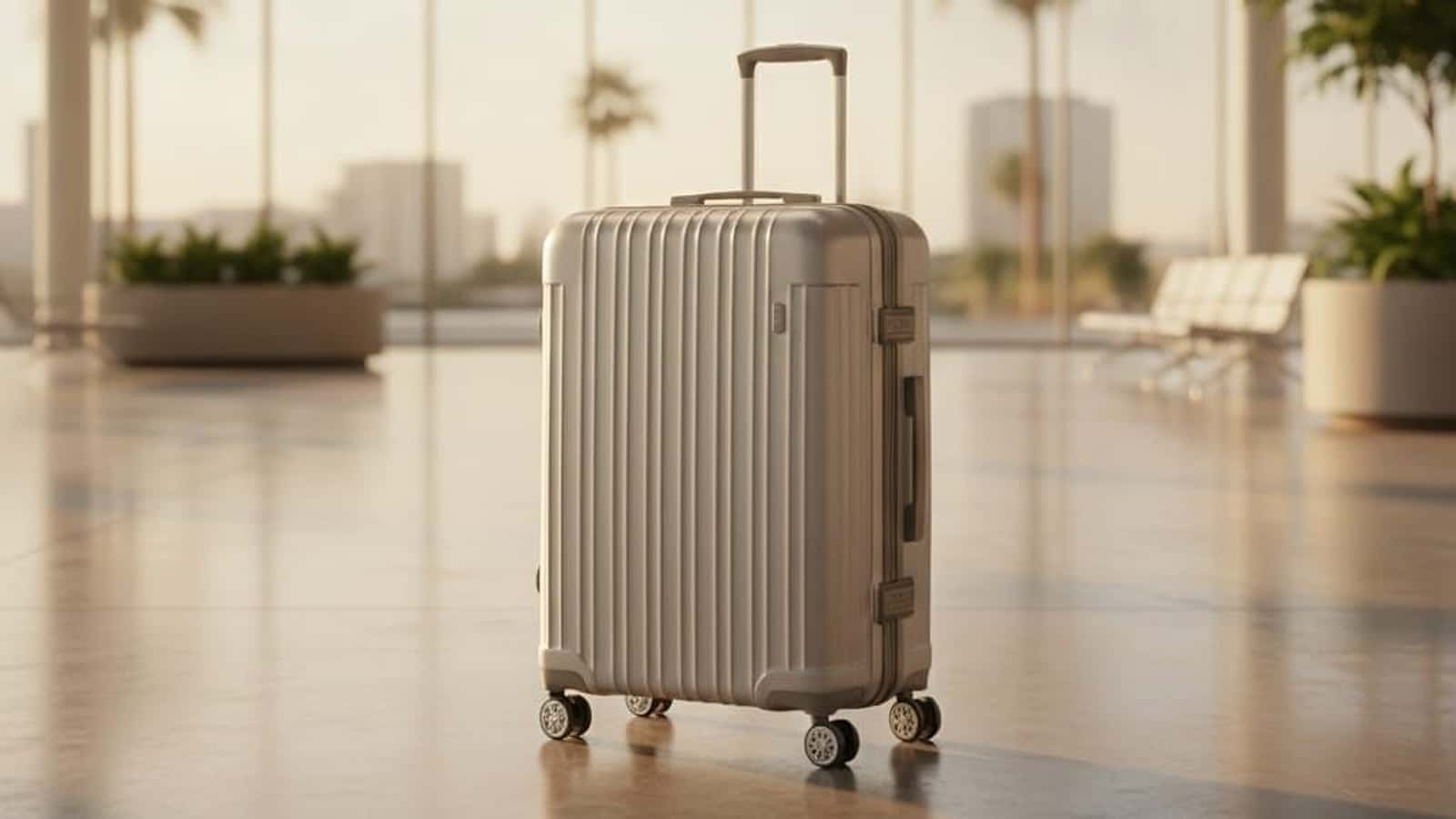
You can spot a quality suitcase by four key signs: a flexible polypropylene shell that doesn't crack under pressure, a double wheel system (360 degrees) with quiet bearings, a thick aluminum telescopic handle that doesn't wobble, and thick zippers with double stitching. A low empty weight relative to volume points to advanced materials that deliver durability and maximum comfort on the road.
When you stand in front of a row of shiny suitcases in a shop, they all look great. They're colorful, smooth and promise you the world. But the real test of a suitcase doesn't happen on the soft carpet of the showroom. It happens the moment an airport baggage handler throws it from two meters onto a cold steel conveyor, or when it's dragged over the rough cobblestones of Rome.
As a family business we've been accompanying travelers for over 50 years, since 1975, and since 2006 as the Camel Mountain brand. As a long-standing family brand, we've seen raw materials evolve and airline requirements change. Our philosophy is simple and summed up in the slogan that goes with us everywhere: Keep On Moving. So that you can keep moving with peace of mind, we put every suitcase and bag model through a strict series of tests before it is approved to go on the shelf at our headquarters and main warehouse. In this article we take you behind the scenes of our professional tests, and give you a practical checklist you can use to test any suitcase yourself, even if it isn't ours.

1. The shell test: flexible polypropylene vs rigid plastic that cracks
The most common mistake suitcase buyers make is looking for the "hardest" suitcase there is. The idea is that rigidity equals strength. In reality, the opposite is true. Hard, inflexible plastic (like cheap ABS or simple plastic compounds) tends to break and crack under pressure or a strong impact at low temperatures (like those in an aircraft hold).
Our preferred material for hard-shell suitcases is polypropylene (PP). It's an advanced polymer with exceptional flexibility. When the suitcase takes a hit, the shell bends inward, absorbs the energy, and then returns to its original shape without breaking or cracking. That flexibility is why we proudly give a 10 year warranty on the shell of our polypropylene hard-shell suitcases.
2. The drive system: double 360 degree wheels with steel bearings
The wheels are the most sensitive part of a suitcase. A suitcase with a broken wheel is just a heavy weight and a terrible nuisance. When you examine the wheels, don't settle for how they look. Here's what we check closely:
- Double wheels: a quality suitcase will always come with 8 wheels (4 double pairs) rather than 4 single wheels. The double wheel spreads the load optimally and gives extra stability.
- Wheel material: cheap wheels are made of hard, noisy plastic. Quality wheels are made of a soft rubber compound or polyurethane (PU), which gives a quiet ride and absorbs shocks.
- 360 degree rotation: the wheel must turn completely freely on its bearing axle. Stuck or stiff movement wears the wheel out quickly.

3. The backbone: the telescopic mechanism and carry handles
The telescopic handle is your main point of contact with the suitcase. A loose or weak handle seriously spoils the travel experience and can even break under load. Our professional test includes:
The wobble test: with the handle fully extended, we shake it from side to side. A slight play of a few millimeters is necessary to stop the mechanism breaking under shocks, but too much play points to thin aluminum tubes and poor build quality.
Mechanism material: we use thick aircraft-grade aluminum, which combines very light weight with high structural strength. It's also important to check the release button: it should work smoothly without needing a lot of force.
4. The small details: zippers, stitching and empty weight
The quality of a suitcase is measured in the smallest details. A zipper that splits in the middle of a trip is every traveler's nightmare. In our quality tests, we focus on three more elements:
- Thick zippers and double stitching: the suitcase's main zipper should be thick, with strong teeth. The stitching that joins the zipper to the body must be double and reinforced with durable nylon thread.
- Empty weight vs volume: a good suitcase should be as light as possible, so you can use the airline's weight limit for your own things. Still, extreme lightness can come at the expense of shell durability: balance is the key.
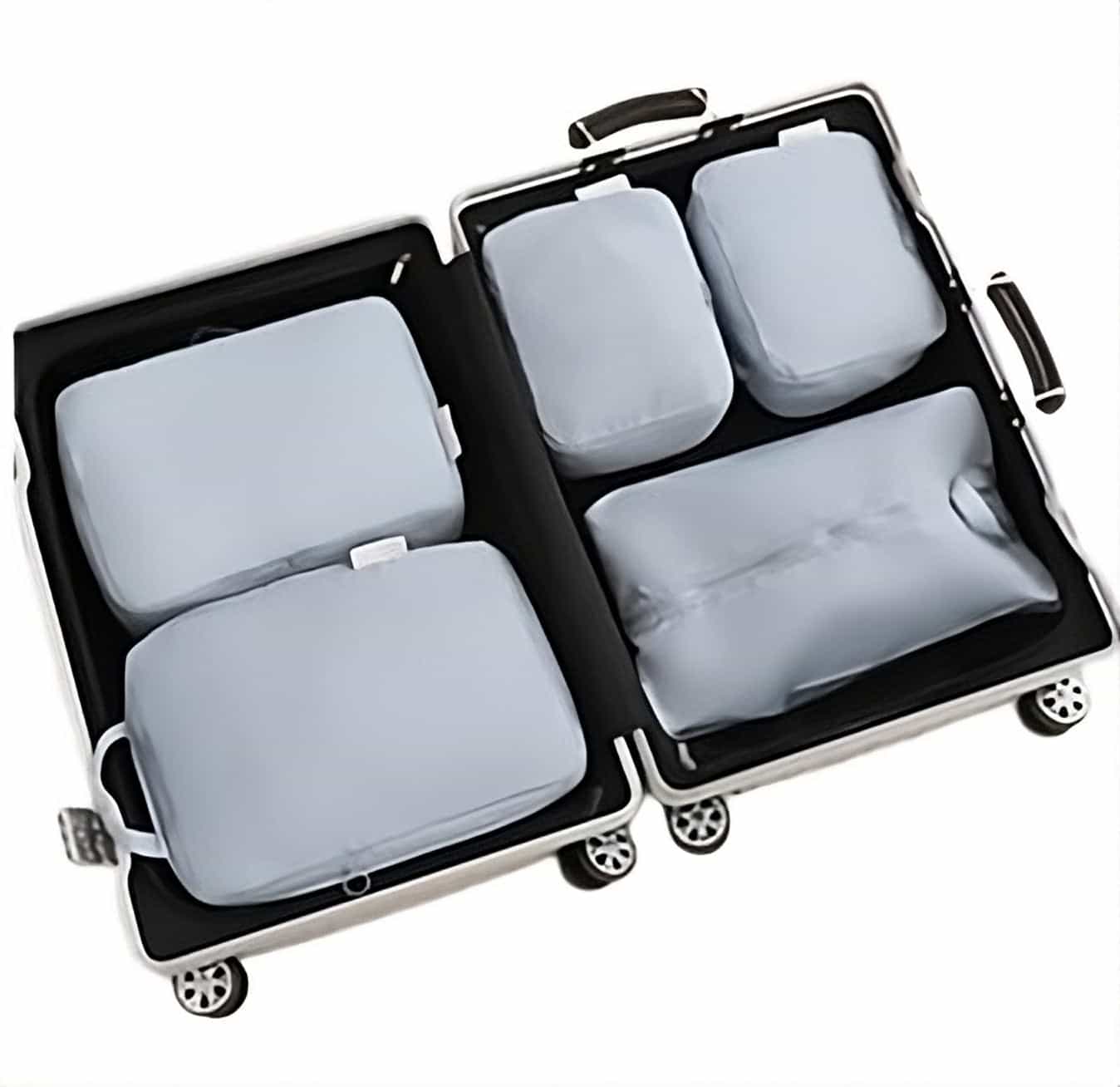
- Interior layout and lining: inside, the suitcase should have a quality lining, elastic compression straps and mesh dividers for organizing your things efficiently.
Comparison table: common suitcase shell materials
| Material | Flexibility and crack resistance | Empty weight | Average lifespan | Who is it for? |
|---|---|---|---|---|
| Polypropylene (PP) | Very high (absorbs impacts and returns to shape) | Very light | Very long (10+ years) | Frequent flyers, tech professionals and seasoned travelers |
| Polycarbonate (PC) | Medium to high | Light | Long (5 to 8 years) | Anyone looking for a mix of rigidity and modern design |
| ABS plastic | Low (tends to crack under pressure and impacts) | Relatively heavy | Short (2 to 4 years) | Occasional trips on a low budget |
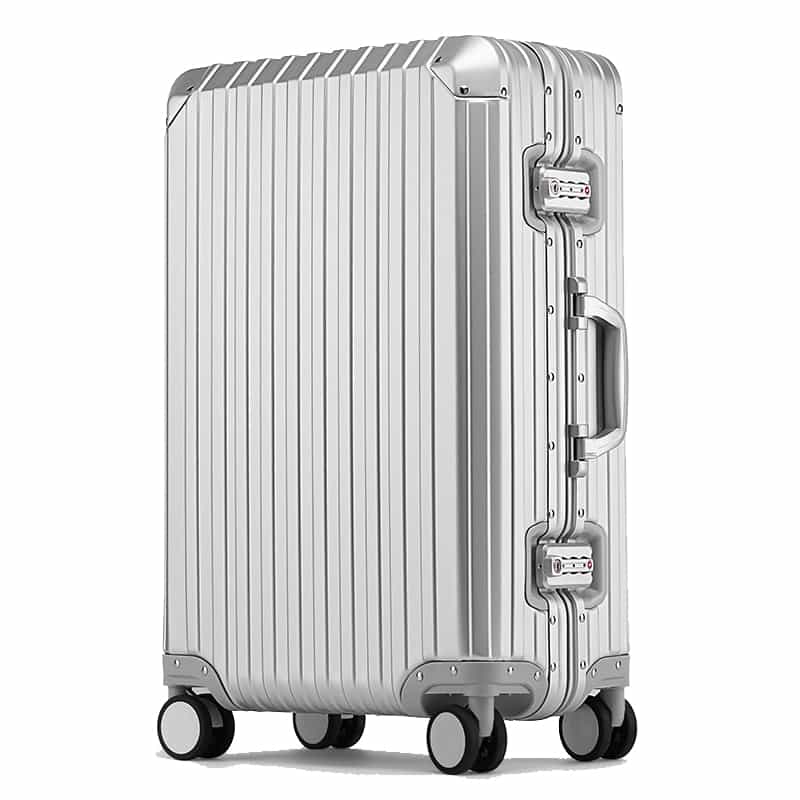
| Full aluminum | Maximum (extremely tough, can dent) | Relatively heavy | A lifetime | Business travelers looking for maximum protection and luxury |
Your practical checklist: how to test any suitcase in a shop
We believe in professional generosity. Even if you're buying another brand's suitcase, we want you to make the best choice for you. Here are 5 simple tests you can do yourself in 2 minutes in a shop:
- The press test: press hard with your thumb on the corners of the suitcase. The corner should give a little under pressure and spring straight back to its original shape. If the plastic feels completely rigid, like glass, it may break at the first knock.
- The free roll test: put the suitcase on the floor and give it a gentle push. It should move in a straight, smooth line without vibration, noise or drifting to one side.
- The three-part handle test: extend the telescopic handle all the way, wiggle it gently, and lift the empty suitcase by the telescopic handle. Then make sure the top and side carry handles are attached to the body with thick screws or rivets, not just glued on.
- The corner zipper test: open and close the main zipper, especially around the curved corners of the suitcase. The zipper should run smoothly, without catching or resistance.
- Check the warranty: see what the warranty covers. A reliable brand gives you long-term cover. At Camel Mountain, for example, you get a 10 year warranty on the shell of our polypropylene hard-shell suitcases, and a full 12 month warranty on the wheels, handles, telescopic handle and zippers.
Camel Mountain's service and reliability
Since 1975, as a family business, we have proudly served our customers, from tech professionals and students, through experienced travelers, to companies that choose us again and again for their employee gifts. We ship our products to every continent through our international website camelmountain.com.
Our goal is for you to set off with complete confidence, because with the right gear, all that's left is to simply Keep On Moving.
Products to help you on your way


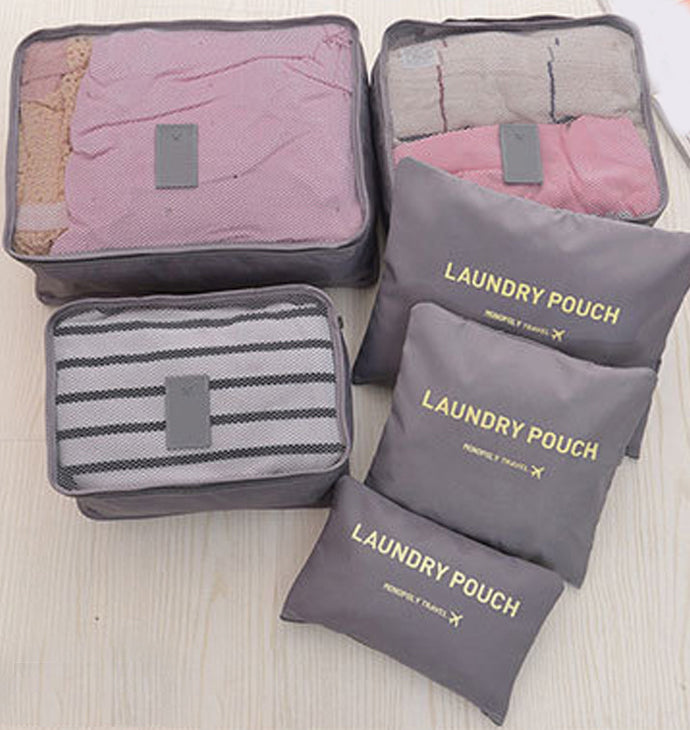
Products in this guide

Frequently asked questions
What is the difference between polypropylene and ABS in suitcases?
Polypropylene is a very flexible, elastic material that absorbs impacts and returns to its original shape without breaking, while ABS is a harder, stiffer plastic that tends to crack and break under pressure or strong impacts, especially at the low temperatures in an aircraft hold.
Why choose double wheels over single wheels?
Double wheels (8 wheels in total) give better stability, spread the suitcase's weight more evenly, and roll far more quietly and smoothly, even on challenging surfaces like cobblestones or carpets.
What does the warranty on Camel Mountain suitcases include?
We give a 10 year warranty on the shell of our polypropylene hard-shell suitcases, and a 12 month warranty on the other moving and essential parts, including the wheels, handles, telescopic mechanism and zippers.


