

How to Use a 35 kg Baggage Allowance Without Paying Fees: The Guide to a Lightweight Suitcase
October 23, 2026

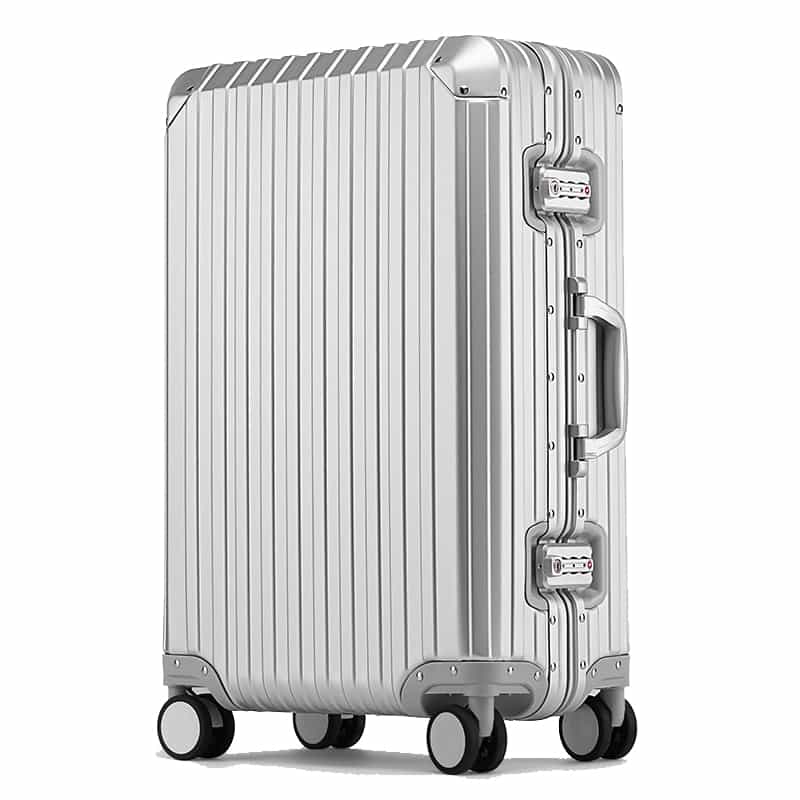
To take advantage of the extra weight airlines allow (up to 35 kg) without paying fees, choose an especially light suitcase that weighs less than 4 kg for a large size. Choosing advanced materials like polypropylene or flexible polycarbonate, along with skipping unnecessary compartments, ensures that the weight goes to your gear and not to the suitcase itself.
The airlines' weight revolution: the opportunity and the trap
It was recently reported in the news that various airlines now offer improved baggage terms, letting passengers fly with suitcases of up to 35 kg on certain fares without having to buy an additional suitcase. This is real good news for travelers who love shopping and long trips. However, behind this tempting benefit lies a physical and health trap: the laws of physics and the materials engineering of your suitcases.
When an airline lets you bring one heavy suitcase, it still applies strict limits on the weight of a single suitcase for the safety of airport baggage handlers (usually up to 32 or 35 kg at most per suitcase). If your empty suitcase weighs 5.5 or 6 kg, as often happens with old or cheap suitcases, you lose almost 20% of your allowance before you've packed a single pair of socks. To really take advantage of this benefit, the key is switching to ultra-light suitcases.

Why is the empty suitcase's weight the most important figure when buying?
In the past, when we bought a suitcase, we mainly checked its size in inches and the number of compartments. Today, in the era of low-cost airlines and dynamic airline pricing, the suitcase's own weight (Tare Weight) is the most important economic parameter. Overweight fees at the airport can reach tens or even hundreds of dollars each way. A heavy suitcase is simply planned waste of money.
Think of it this way: if your suitcase weighs 3 kg instead of 5.5 kg, you've gained 2.5 kg of net gear. In practical terms, that's about 5 more pairs of jeans, or 10 shirts, or another pair of shoes and a camera. For anyone coming back with gifts and shopping from abroad, this difference is worth real money saved directly at the check-in counter.
Materials and technology: how do you make a suitcase that's light but especially strong?
The big challenge for modern suitcase manufacturers is reducing weight without compromising durability. A suitcase that travels in the hold takes blows, throws, pressure and extreme temperature changes. To withstand this load at a minimal weight, advanced materials are used:
1. Polypropylene (PP): flexibility at a featherweight
Polypropylene is considered one of the most popular and effective materials for light hard suitcases. Its unique property is amazing elasticity: under heavy pressure or a blow, the suitcase flexes and returns to its original shape instead of breaking or cracking. Modern manufacturing processes allow the suitcase walls to be thinned to just a few millimeters, which results in an especially low weight of its own.
2. Polycarbonate: the strength of a helmet
Polycarbonate is an incredibly strong material used, among other things, to make protective helmets and aircraft windows. Pure polycarbonate suitcases offer an excellent strength-to-weight ratio. They're very light, scratch resistant and keep an upscale look for years. This material is especially suitable for anyone traveling with sensitive gear or electronics in the large suitcase.
3. Aircraft-grade aluminum for handles, and light wheels
It's not only the body of the suitcase that determines its weight. The trolley handle (the telescopic part) and the wheels make up a large part of the total weight. Using light, durable aircraft-grade aluminum for the handles, along with tiny ball bearings and quiet polyurethane wheels, makes it possible to take critical hundreds of grams off the suitcase's overall structure.
Comparison table: suitcase types and recommended empty weight
To help you sort things out before your next purchase, we've gathered the optimal sizes and weights for modern lightweight suitcases:
| Suitcase size | Average volume (liters) | Recommended empty weight (kg) | Main use |
|---|---|---|---|
| 20 inches (carry-on trolley) | 35 to 45 L | 1.9 to 2.5 kg | Carry-on, short trips of 2 to 3 days |
| 24 inches (medium) | 60 to 75 L | 2.8 to 3.4 kg | One-week trips, suits most airlines |
| 28 inches (large) | 90 to 110 L | 3.5 to 4.2 kg | Long trips, family vacations, making the most of the weight allowance |
Practical tips for making the most of your baggage weight
Bought a light suitcase? Great. Now, to make sure you don't pay a cent more than necessary at the airport, adopt the following packing habits:
- Use a handheld or digital luggage scale at home: don't wait for the check-in counter to find out you're over. Weigh the suitcase when it's full, while still in the hotel room or at home.
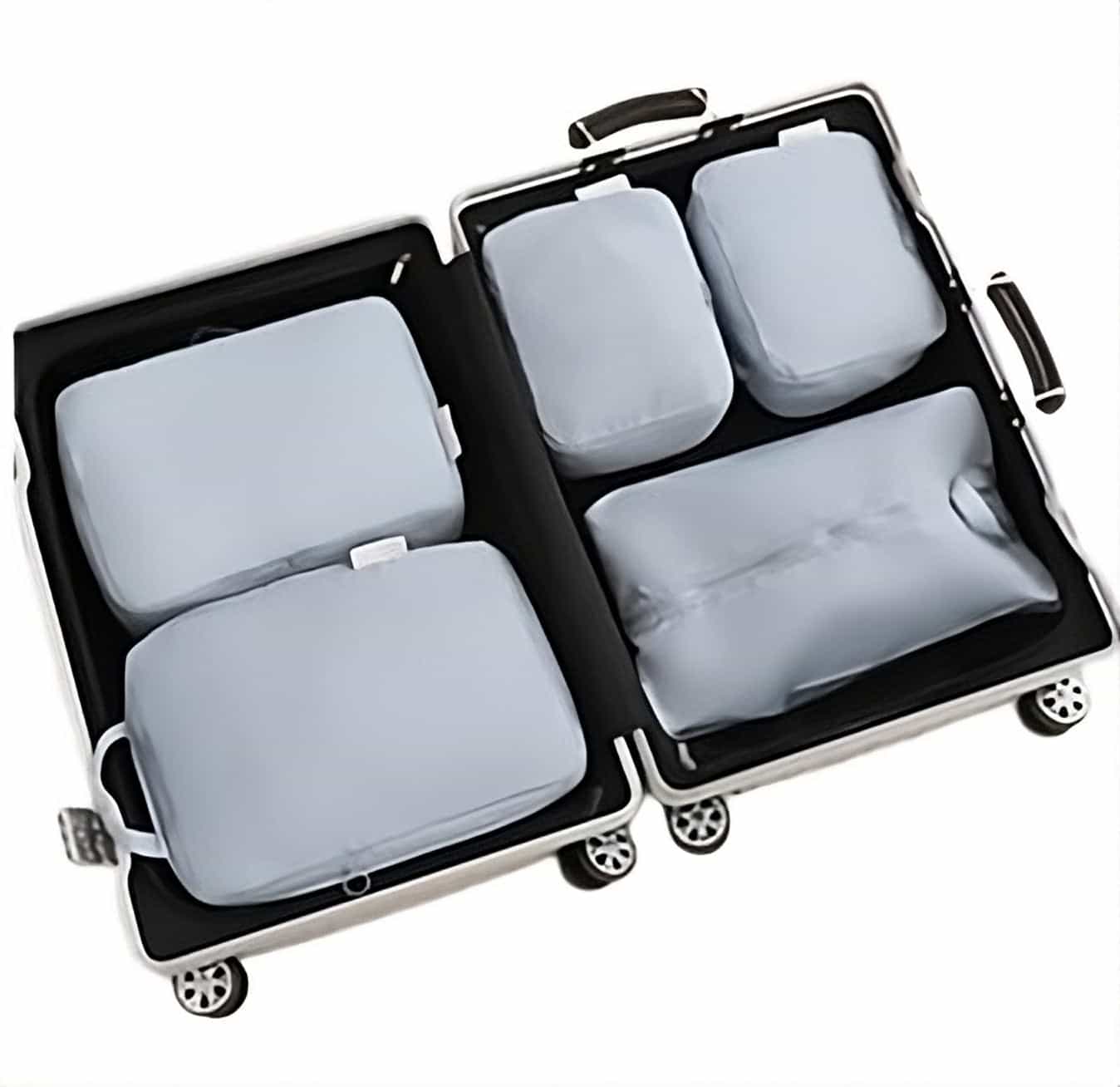
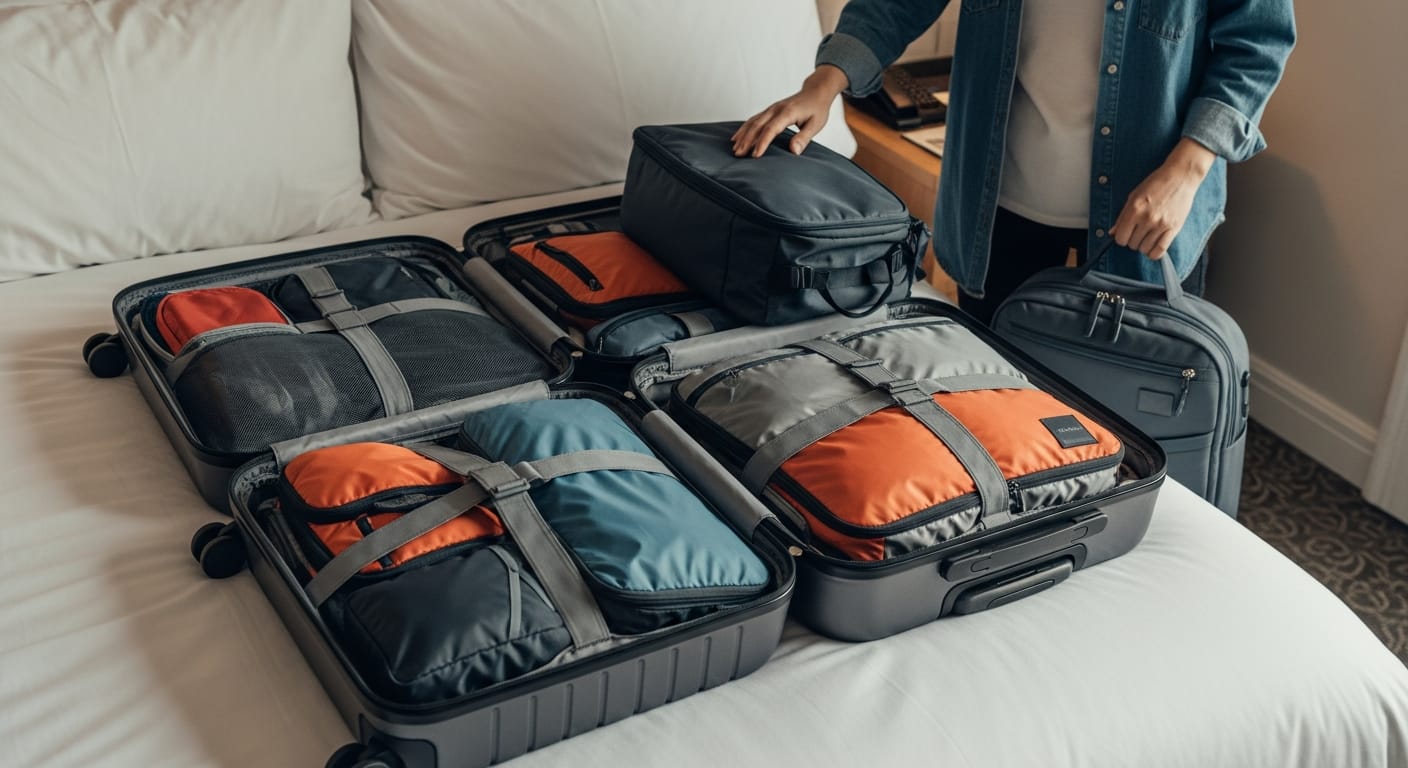
- Organize the suitcase with packing cubes: packing cubes don't only save space, they also let you quickly move items from the large suitcase to your backpack if you discover you're overweight at the last minute.
- Put the heavy items at the bottom: shoes, books and toiletries should be close to the suitcase's wheels. This keeps the suitcase stable and prevents it from tipping over, which makes it easier to pull even when it weighs 30 kg.
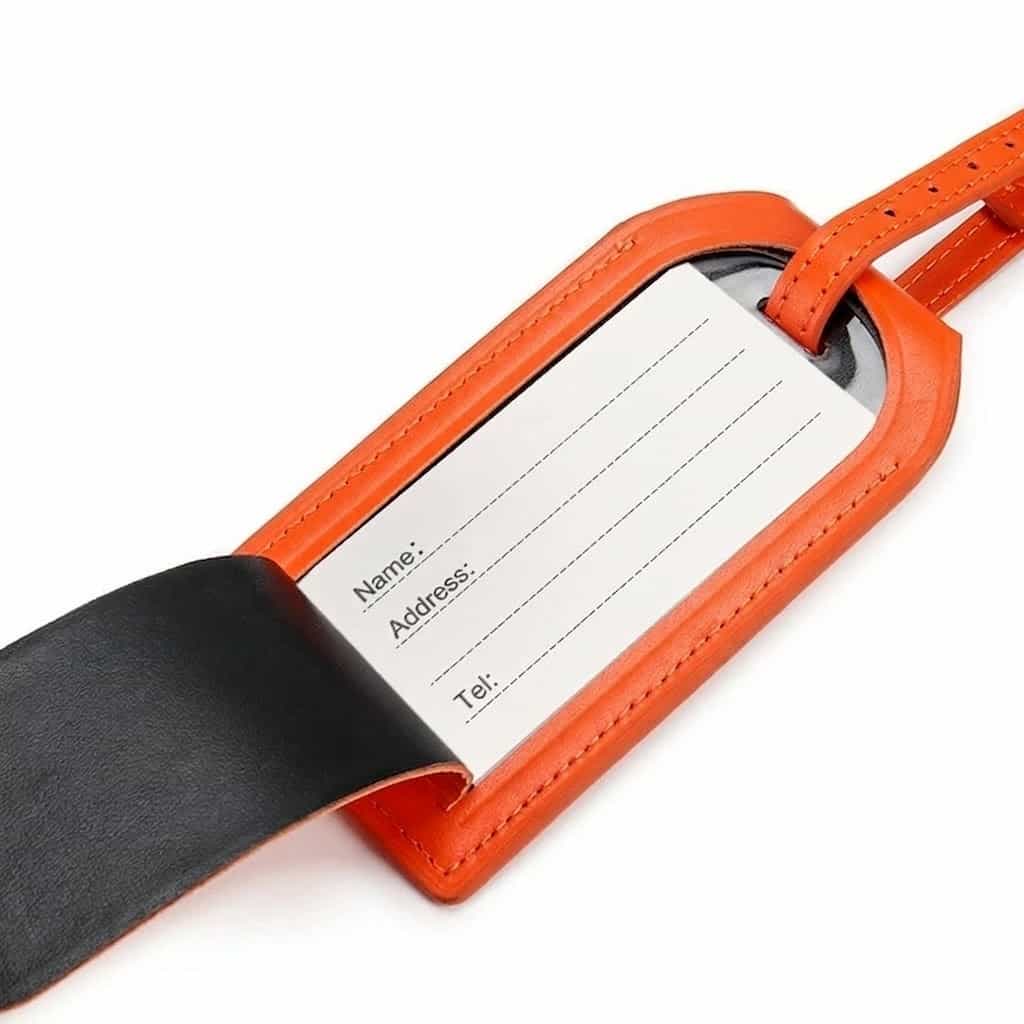
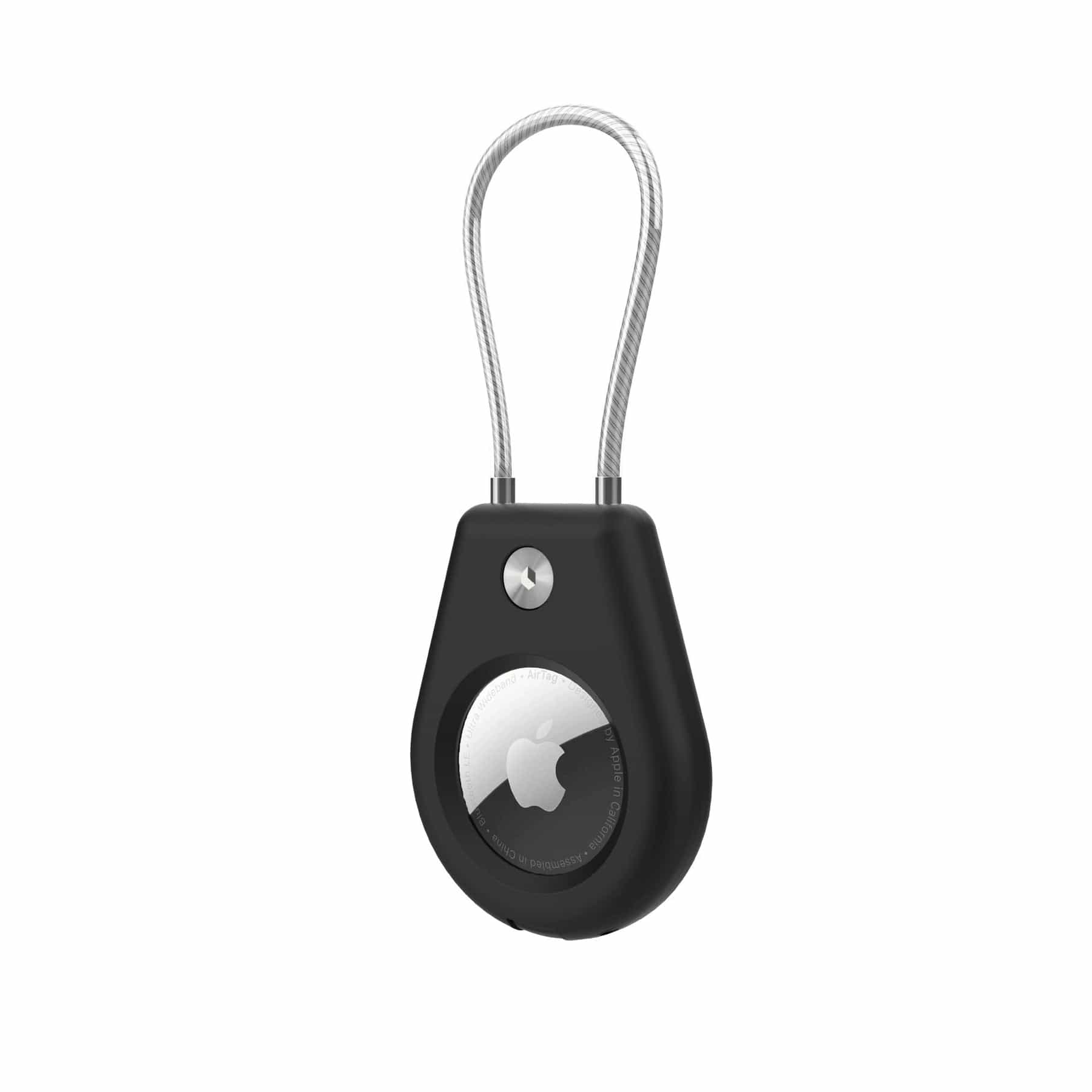
- Keep a clear ID tag and smart tracking: when a suitcase is heavy and holds expensive gear, it's best to use quality ID tags and add a tracking device (like an AirTag) to follow its location at any given moment.
Based on a report: Not just the ticket price: where you can get up to 35 kg of baggage without paying for an extra suitcase (Israel Hayom)
Products to help you on the way


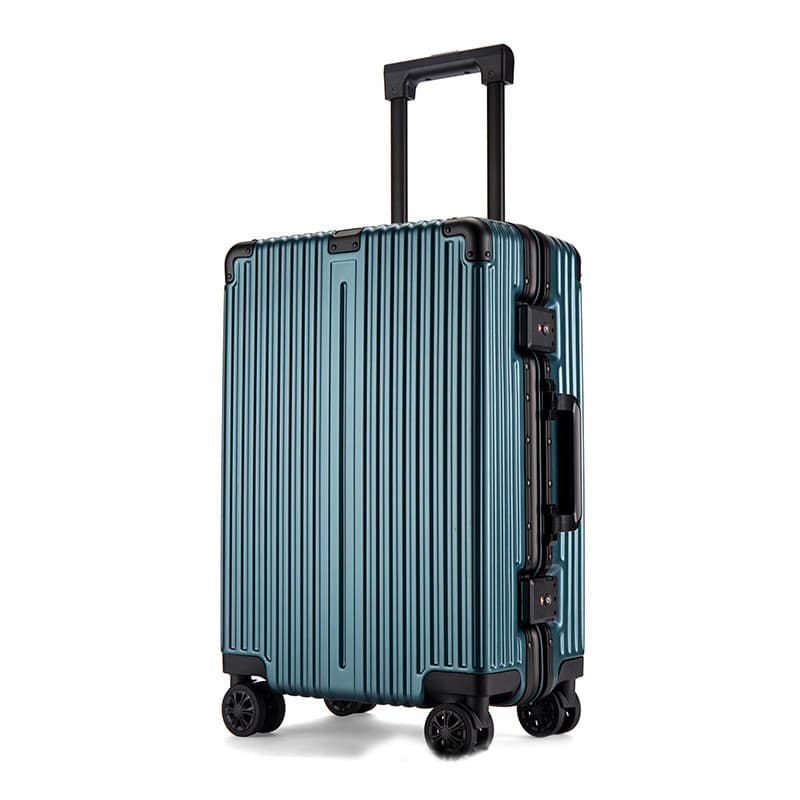
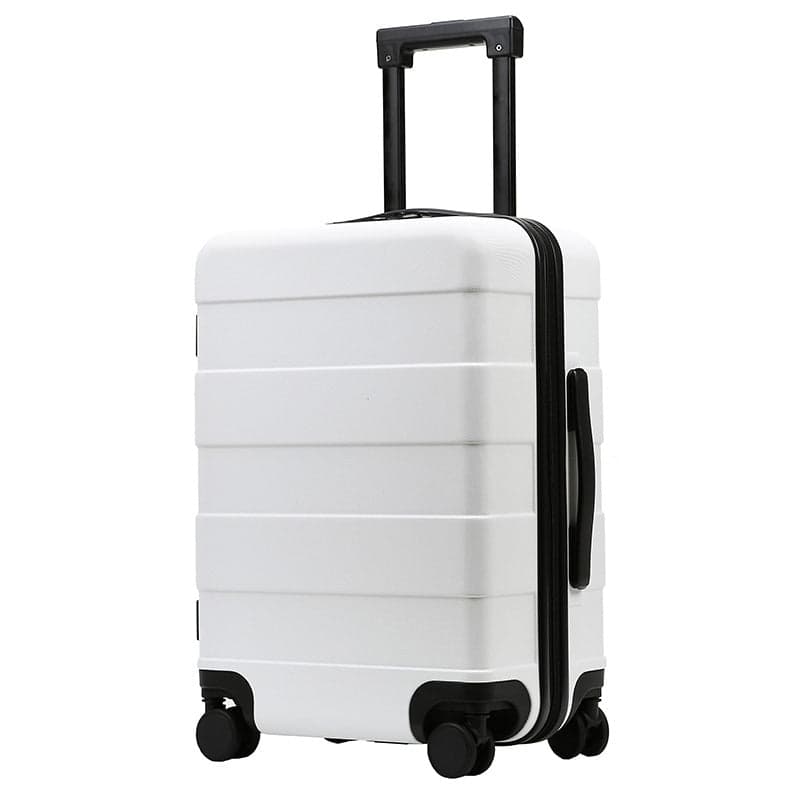
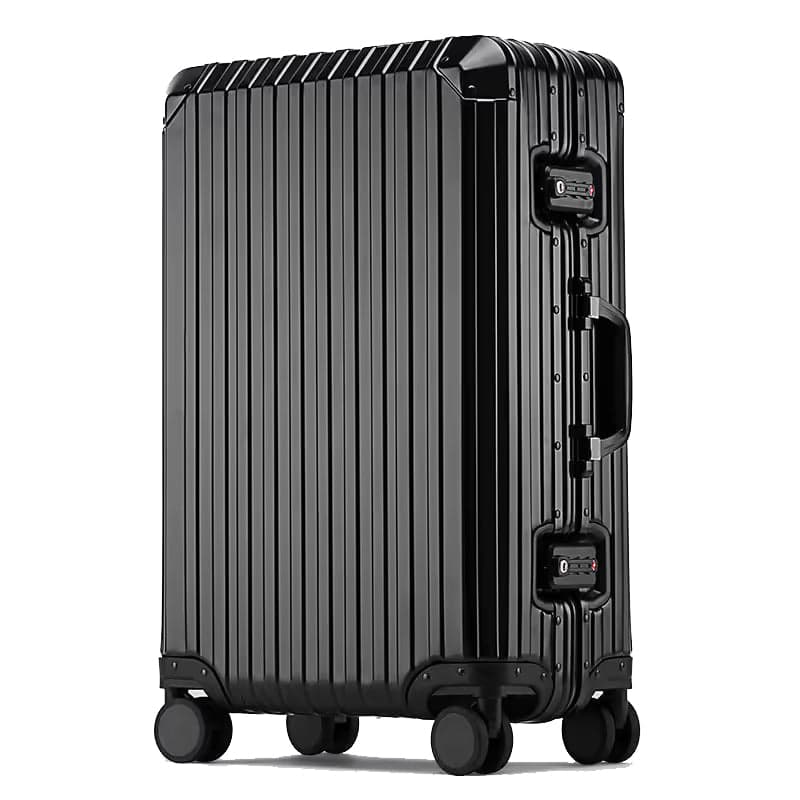
Products in this guide
Frequently asked questions
What is a good weight for a large (28 inch) empty suitcase?
An excellent weight for a modern large suitcase is between 3.5 and 4.2 kilograms. Every gram beyond that directly reduces your ability to pack clothes and gifts without exceeding airline limits.
Are lightweight suitcases less durable?
Not at all, provided they're made of advanced materials like flexible polypropylene or pure polycarbonate. These materials absorb impacts through elasticity and flexing instead of breaking, which lets them be both light and especially durable.
How do the wheels and handle affect the suitcase's weight?
Quality wheels with light bearings and an aircraft-grade aluminum trolley handle take hundreds of grams off the suitcase's total weight. They also provide structural strength without adding weight the way cheap iron parts do.
Which is better: a light hard suitcase or a soft fabric suitcase?
Today the differences in weight have narrowed a lot thanks to new technologies. Hard suitcases offer better protection against water and impacts, while fabric suitcases offer more flexibility thanks to external pockets and easy expansion.


