
Luxury Suitcases vs. Practical Suitcases: Why You Don't Need to Pay a Fortune
October 23, 2026

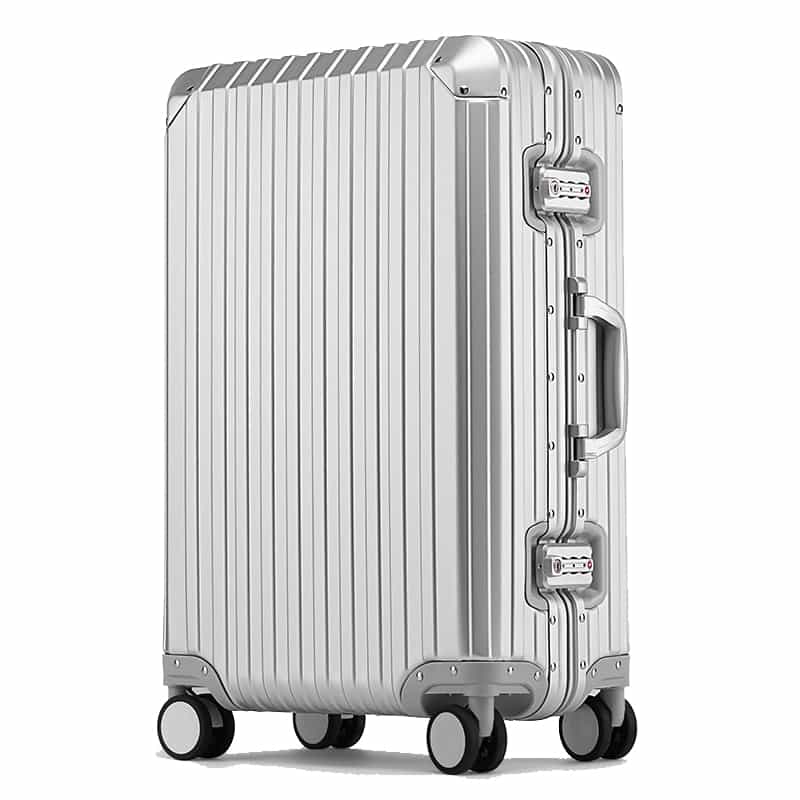
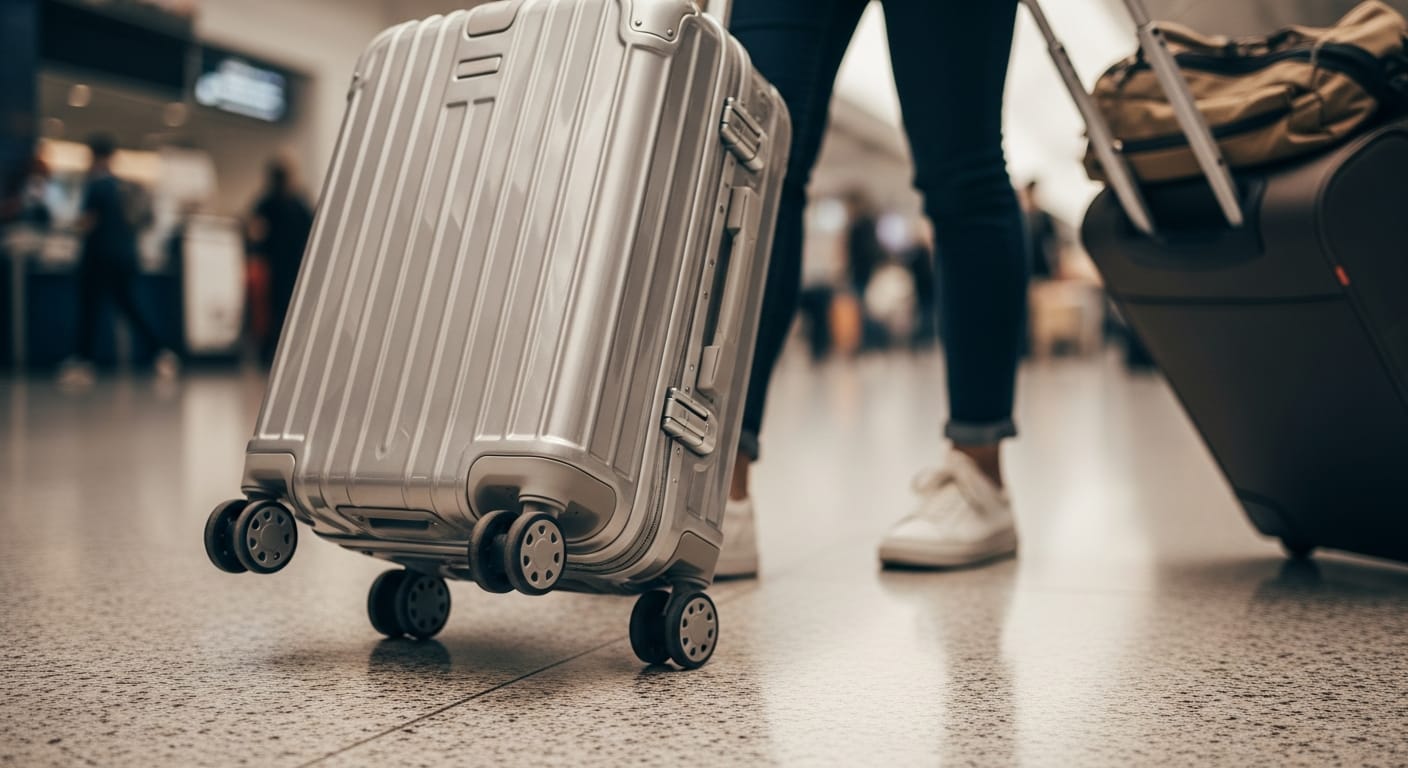
Luxury aluminum suitcases such as Rimowa offer stunning design, but there is no engineering justification for paying a small fortune for them. Modern premium suitcases that combine aircraft-grade aluminum or flexible polycarbonate with double silicone wheels and TSA locks offer exactly the same resistance to shocks and knocks at airports, for a fraction of the price.
Rimowa's campaign and the illusion of the luxury price tag
The international news site Vietnam.vn recently reported on the continuation of the huge "Never Still" campaign by the designer luggage brand Rimowa. The campaign stars big names such as Rosé of Blackpink, Formula 1 driver Lewis Hamilton and superstar Jay Chou. There's no doubt the videos are stunning and inspiring, presenting the suitcase as the ultimate status symbol for people constantly on the move. These suitcases are beautiful, iconic and instantly recognizable in first-class cabins around the world.
But for the average traveler, and even for the frequent flyer who flies to business meetings three times a month, a practical and painful question arises: are we paying for groundbreaking engineering that will protect our gear, or are we simply funding Lewis Hamilton's and Rosé's advertising contracts? The answer, as our luggage and travel experts at Camel Mountain know well, lies somewhere between the materials and the production lines.
What really makes a suitcase strong? The manufacturing secrets designer brands don't want you to know
To understand why there's no need to spend a month's salary on a suitcase, you have to break it down into its parts and understand what it's made of. Luxury brands use two main materials: aluminum and polycarbonate. Here is the truth about these materials:
- Aluminum-magnesium alloy: the material most associated with luxury suitcases. It's especially rigid, protects the contents from severe crushing, and gives a premium industrial look. Is the aluminum of a designer brand chemically different from the aluminum of a premium brand that costs a fraction of the price? Chemically and from an engineering standpoint, the answer is no. Both use light, strong aircraft-grade aluminum.
- Polycarbonate: an advanced, especially flexible plastic. Unlike cheap ABS, which tends to break at low temperatures (such as in the hold), polycarbonate absorbs impacts and returns to its original shape. It's an excellent, lightweight material, available in quality suitcases at entirely affordable prices.
- The wheel system: the wheels are the weak point of any suitcase. Luxury brands boast about quiet wheels, but in practice, any suitcase fitted with double silicone wheels (double spinner) on quality metal bearings will give an equally smooth, quiet ride, and will last for many years.
An engineering comparison: luxury vs. practical premium vs. low-cost
To make sense of it all and make a smart consumer decision, we gathered the main differences between the three categories of suitcases on the market:
| Feature | Ultra-luxury suitcase (for example: Rimowa) | Practical premium suitcase (Camel Mountain) | Simple low-cost suitcase |
|---|---|---|---|
| Main material | Full aluminum or pure polycarbonate | Aircraft-grade aluminum or reinforced polycarbonate/ABS | Simple ABS or thin nylon fabric |
| Closure type | Latches with a built-in TSA lock (no zipper) | Aluminum latches or reinforced zippers + TSA | Simple plastic zipper, no built-in lock |
| Wheel quality | Extra-quiet double bearing wheels | Double 360° silicone wheels with steel bearings | Single plastic wheels, prone to breaking and noise |
| Service and warranty | Global warranty (sometimes limited to expensive repairs) | Full warranty and fast, direct customer service | No warranty, or only the most basic warranty at purchase |
The real-world test: why a practical suitcase beats status on the road
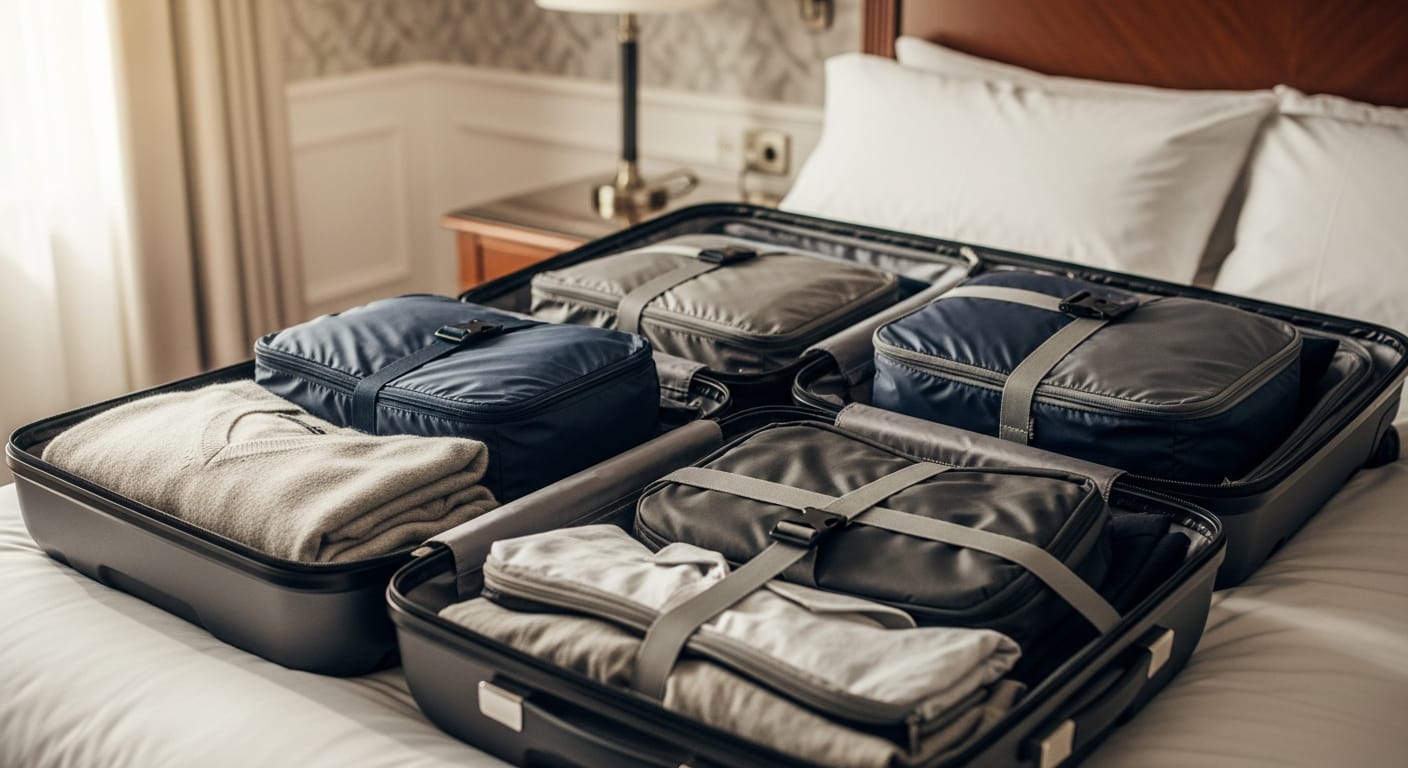
Let's be honest. We've all seen how our suitcases get thrown onto baggage carts at airports. A luxury aluminum suitcase that costs as much as a whole family vacation will pick up scratches, dents and scuffs on its very first flight. When you've paid a small fortune for it, every scratch is a stab in the heart and a direct hit to the value of your "status product".
By contrast, when you fly with a strong, reliable, well-designed premium suitcase bought at a sensible price, those scratches become what they're meant to be: marks of adventure, memories of trips and stories from around the world. You don't need to tremble with fear every time your suitcase disappears behind the black rubber flaps of the conveyor.
And the money you saved by not buying a luxury-brand suitcase can pay for three more hotel nights in Paris, an upgrade on your flights, or simply stay in your savings. The smart consumer of 2026 understands that style and quality don't have to come with an inflated price tag designed to fund pop star campaigns.
How to choose a strong suitcase without breaking the bank: a short guide
If you've decided to move up to a new suitcase, don't look at the logo; look at the technical specs. Here are the four most important parameters that will give you a suitcase that lasts for many years:
- Reinforced corners: the corners are the areas most exposed to knocks when baggage is unloaded. Make sure your suitcase has external corner guards (preferably aluminum or thick hard plastic).
- Internal telescopic handle mechanism: pull the handle all the way out and shake it gently. A quality handle is made of thick aluminum and has minimal play (a little play is necessary to prevent breaking under shocks, but a lot of play indicates cheap assembly).
- TSA-approved lock: don't settle for an external padlock. The suitcase should come with a combination lock recessed into the body and approved by the US security authorities (TSA), which prevents your suitcase from being forced open during security checks.
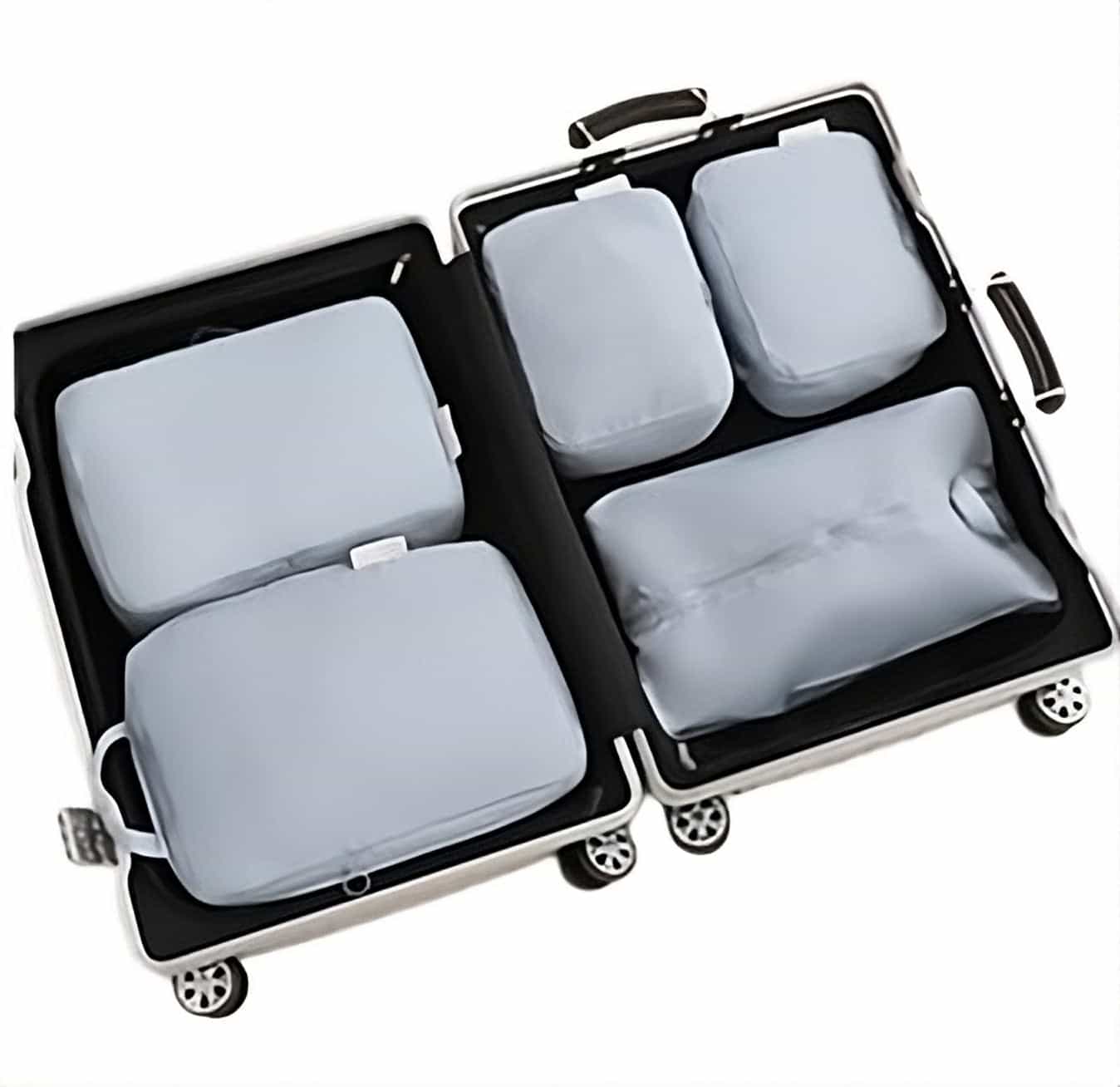
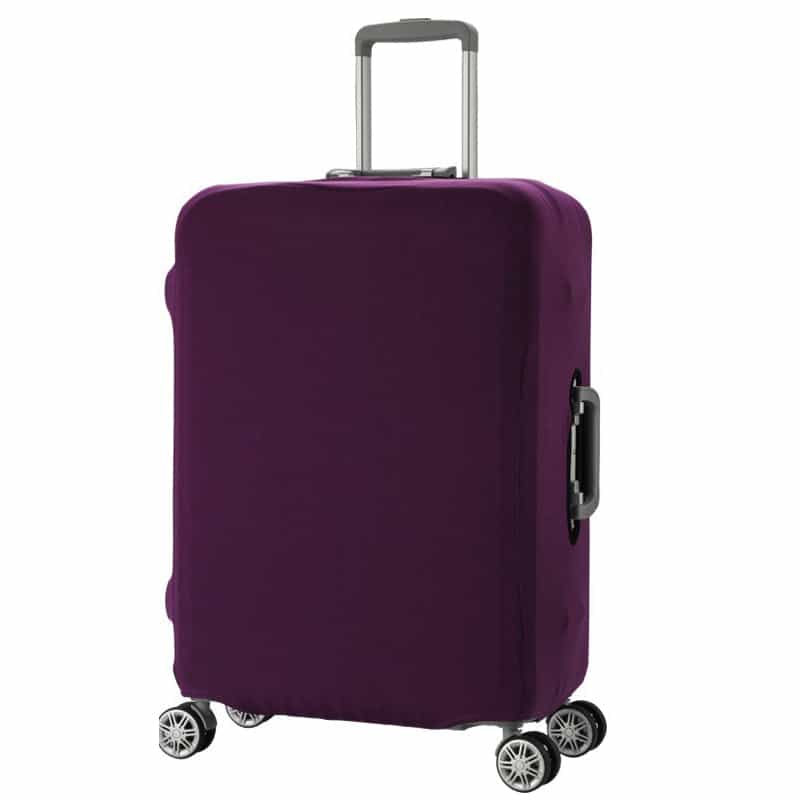
- Interior layout and zippers: open the suitcase and check the quality of the lining. Look for mesh dividers, elastic compression straps and thick zippers (preferably YKK or double anti-theft zippers).
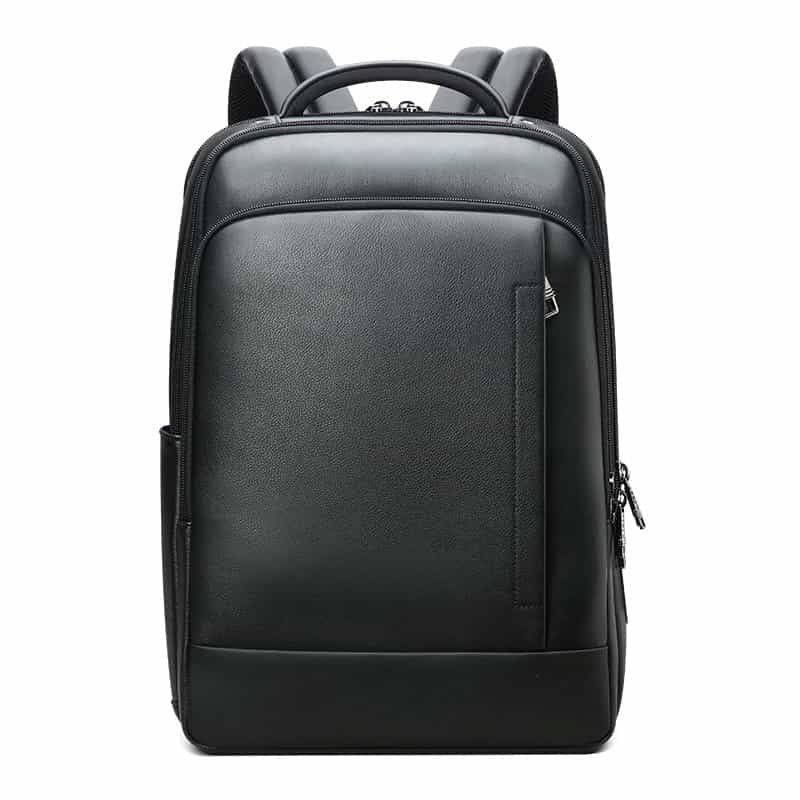
In the end, your journey is yours. Whether you travel with a light backpack or a hard aluminum suitcase, what matters is the experiences you collect along the way, not the brand written on your suitcase. Choose smart, travel a lot, and never stand still.
Based on a report: Rosé, Hamilton, Jay Chou and Rimowa continue the "Never Still" theme, Vietnam.vn
Products that will help you on the way

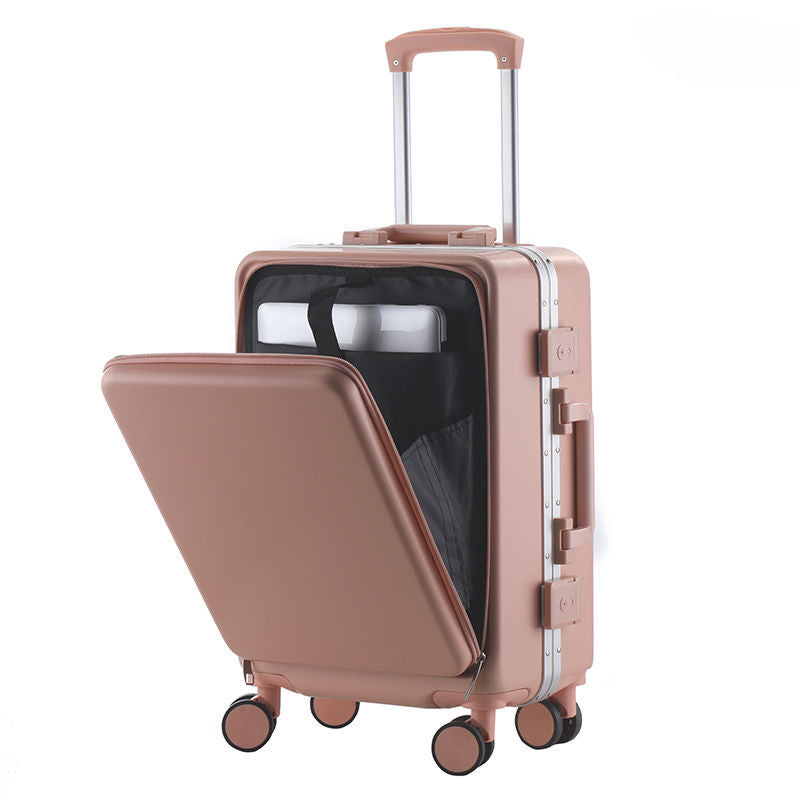
Products in this guide

Frequently asked questions
Are aluminum suitcases really stronger than polycarbonate ones?
Aluminum gives maximum protection against crushing and water thanks to a rigid shell and zipperless latch closure. Quality polycarbonate, however, offers flexibility that prevents cracks and a lower empty weight, so both materials are excellent for different purposes.
Why do luxury suitcases cost so much if the materials are similar?
Designer brand pricing comes mainly from huge marketing budgets, international brand ambassadors, positioning as a status brand and high profit margins. In practice, fairly priced premium suitcases use the same engineering features and the same aluminum alloys.
How do you recognize quality wheels that will last?
Always look for double wheels (360-degree spinner) coated in silicone or soft rubber, not noisy hard plastic. Quality wheels are mounted on metal bearings and attached to the suitcase body with internal screw reinforcements.
Is it worth buying a suitcase without a zipper?
Zipperless suitcases, built on an aluminum frame with latch locks, are much safer against break-ins and theft. They also avoid the common wear of zippers tearing under load.


