



Recommended Lightweight Suitcases: How to Choose Right and Fly Worry-Free
October 23, 2026

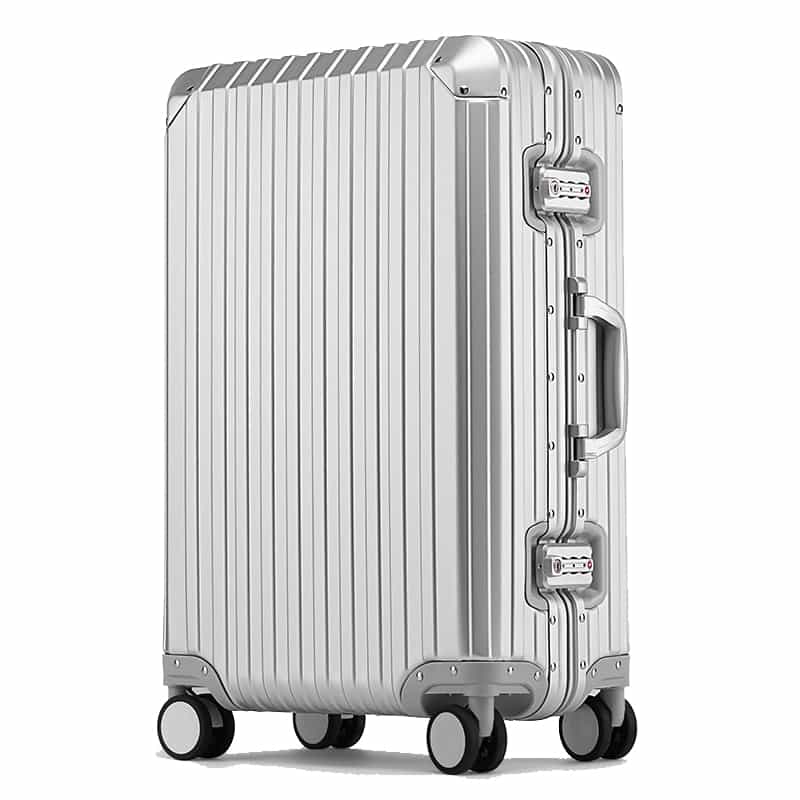
To choose a recommended lightweight suitcase, look for a trolley suitcase (20 inches) that weighs up to 2.3 kg, or a large suitcase (28 inches) that weighs up to 4.2 kg. The right choice is based on advanced materials like polypropylene or polycarbonate in hard suitcases, and ballistic nylon or dense polyester in soft suitcases, which balance a low weight of their own with high resistance to shocks.

Why is the suitcase's own weight the most important factor on your flight?
In the past, when airlines were more flexible, the weight of the empty suitcase hardly concerned us. Today, in the era of low-cost airlines and the strict rules of full-service airlines, every gram counts. The weight of the empty suitcase is deducted directly from the weight of the gear you're allowed to bring. If the airline limits you to 20 kg for a large suitcase, and an old, heavy suitcase weighs almost 6 kg empty, you've lost almost a third of your packing capacity before putting in a single pair of socks.
Beyond the obvious financial savings and avoiding overweight fees at the check-in counters, choosing from the lightweight suitcases category is first of all a matter of health and comfort. Lifting the suitcase into the overhead bin on the plane, putting it in the trunk of a taxi, or pulling it along cobblestone streets in Europe all become much easier and more pleasant when the luggage itself isn't an unnecessary dumbbell.
Hard vs soft: which materials make truly lightweight suitcases?
The eternal question is whether to choose a hard or a soft suitcase. Both types have excellent representatives in the lightweight category, but the materials are completely different:
- Hard suitcases: in the past they were considered heavy, but today, thanks to flexible polypropylene and polycarbonate, they offer a featherweight together with tough protection for fragile contents. Polypropylene is the lightest and most durable material on the hard suitcase market today.
- Soft suitcases: usually made of high-density (denier) nylon or polyester. Their big advantage is flexibility and the ability to expand, along with accessible external pockets, which hard suitcases usually lack.
What do you give up when choosing an especially light suitcase?
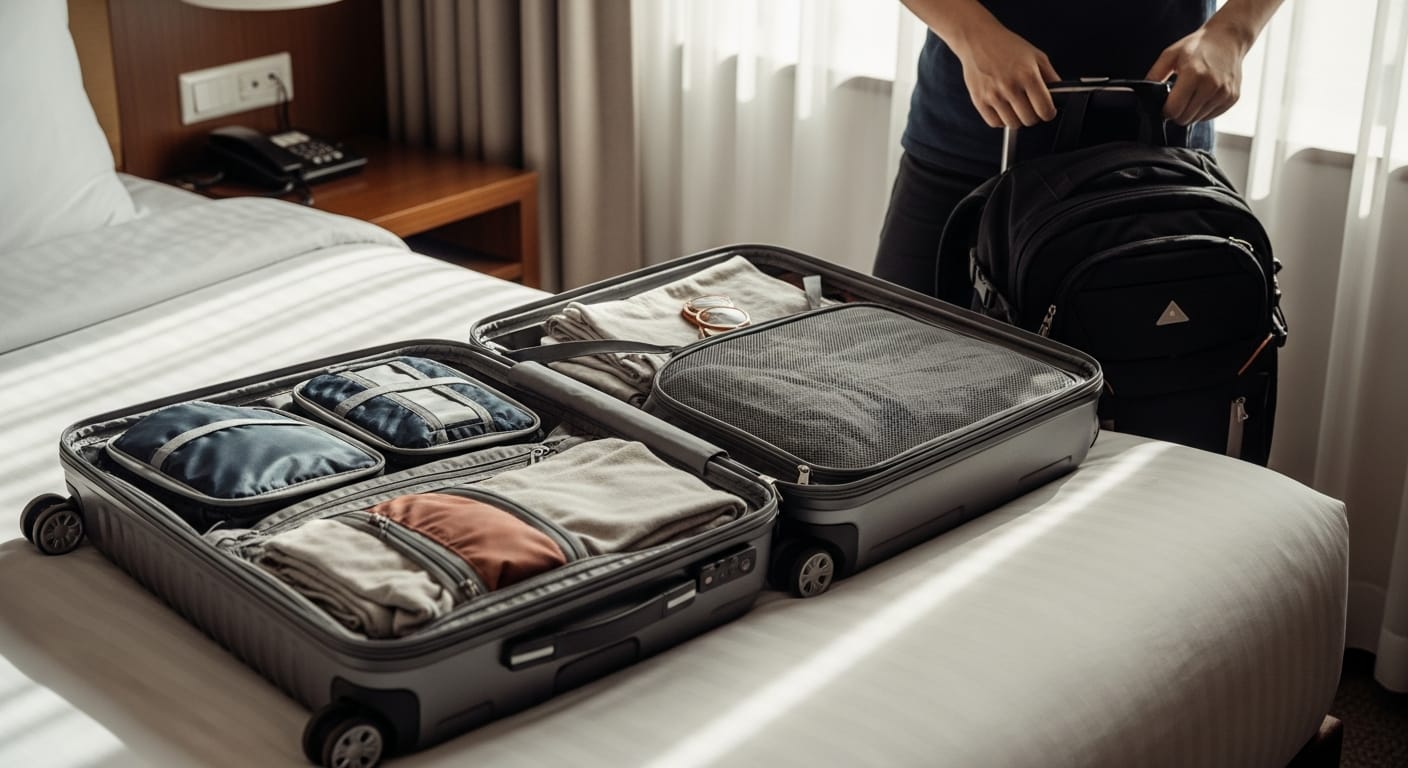
It's important to be honest: to reach a minimal weight, suitcase manufacturers have to make certain engineering compromises. Understanding these compromises will help you choose the model that suits your needs:
First, expansion mechanisms are often dropped (a double zipper that adds volume but also several hundred grams of weight). Second, the internal compartment layout may be more basic, with fewer thick linings and heavy zippered pockets. Third, the carry handles and wheels are designed from light polymer materials instead of heavy metals. Quality brands know how to make these trade-offs wisely, so the suitcase's structural durability isn't harmed, while cheap brands may offer suitcases that are light but fragile and sensitive to blows.
Comparison table: recommended weights by suitcase size
To help you sort through your search, we've gathered the recommended weight ranges for quality lightweight suitcases, according to their standard size:
| Suitcase size | Ideal target weight (lightweight) | Recommended materials | Suitable for these flights |
|---|---|---|---|
| 20 inches (carry-on trolley) | 1.8 to 2.3 kg | Polypropylene, light ballistic nylon | Short flights (weekends), strict low-cost airlines |
| 24 inches (medium suitcase) | 2.8 to 3.4 kg | Polycarbonate, dense polyester | Trips of a week to 10 days |
| 28 inches (large suitcase) | 3.6 to 4.2 kg | Polypropylene, advanced polycarbonate | Long family vacations, relocation |
Practical tips for checking weight and quality before buying
When you come to choose your next suitcase, don't settle for just reading the weight label. Here are a few things worth checking physically or confirming in the technical specifications:
Double wheels vs single wheels: double wheels (8 wheels in total) add a little weight, but they dramatically improve the suitcase's stability and how easily it pulls. Don't give them up lightly, especially on large suitcases.
Zipper quality: the zipper is the first weak point of any suitcase. Make sure the zippers are strong, preferably YKK or double anti-theft zippers, which give you confidence even when the suitcase is packed tight.
Manufacturer's warranty: a reliable brand that stands behind its products will give comprehensive warranty coverage on the wheels, handles and zippers. A light, quality suitcase is a long-term investment that will accompany you on dozens of flights around the world.
Products to help you on the way


Products in this guide
Frequently asked questions
What is a good weight for a lightweight carry-on suitcase (trolley)?
An excellent weight for a 20 inch trolley suitcase is between 1.8 and 2.3 kg. Anything under 2.5 kg is considered light and lets you use most of the airlines' weight allowance for your personal gear.
Are lightweight suitcases less durable than heavy ones?
Not necessarily. In the past, heavy weight indicated toughness, but today advanced material technologies like polypropylene and polycarbonate make it possible to produce especially light suitcases that are also very flexible, so they absorb blows and shocks better without breaking.
Which is better for a lightweight suitcase: two wheels or four?
Four double wheels (spinner) are significantly better for ease of travel, since they allow 360-degree movement without straining the wrist. Although they add a few grams to the total weight, their ergonomic advantage is huge.
How does the type of handle (mechanism) affect the suitcase's weight?
The telescopic handle mechanism is usually made of lightweight aluminum. In especially light suitcases, manufacturers use thin but strong aluminum tubes, and sometimes a single-bar design to save even more weight, without compromising grip stability.
What is the average weight of a recommended lightweight cabin suitcase?
A recommended lightweight cabin suitcase (20 inches) should weigh between 1.8 and 2.2 kg. Anything over 2.5 kg is considered relatively heavy in this category today.


