
School Backpacks from First Grade to Middle School: How to Choose by Age and Size
October 23, 2026

To choose the right school backpack, match the bag's volume to the child's age: grades 1 to 3 need a bag of 12 to 15 liters; grades 4 to 6 need 18 to 22 liters; and middle school students need 25 to 30 liters. The bag should not be wider than the shoulders or go below the waistline, and its empty weight should not exceed 800 grams to protect the back.
The iron rules of anatomical fit: size does matter
As parents, it is easy to be tempted by the colorful designs or trendy brands the kids ask for, but the child's physical health must come first. The backs of elementary and middle school children are in critical stages of growth, and carrying unbalanced weight or a bag that is too big can lead to posture problems and chronic back pain.
The first and most important rule is matching the bag's size to the child's body. The bag should never be wider than the child's back, and its bottom should not drop below the waistline (the buttocks). When the bag sits too low, it pulls the child's shoulders backward and forces them to lean forward to compensate for the shifting center of gravity.
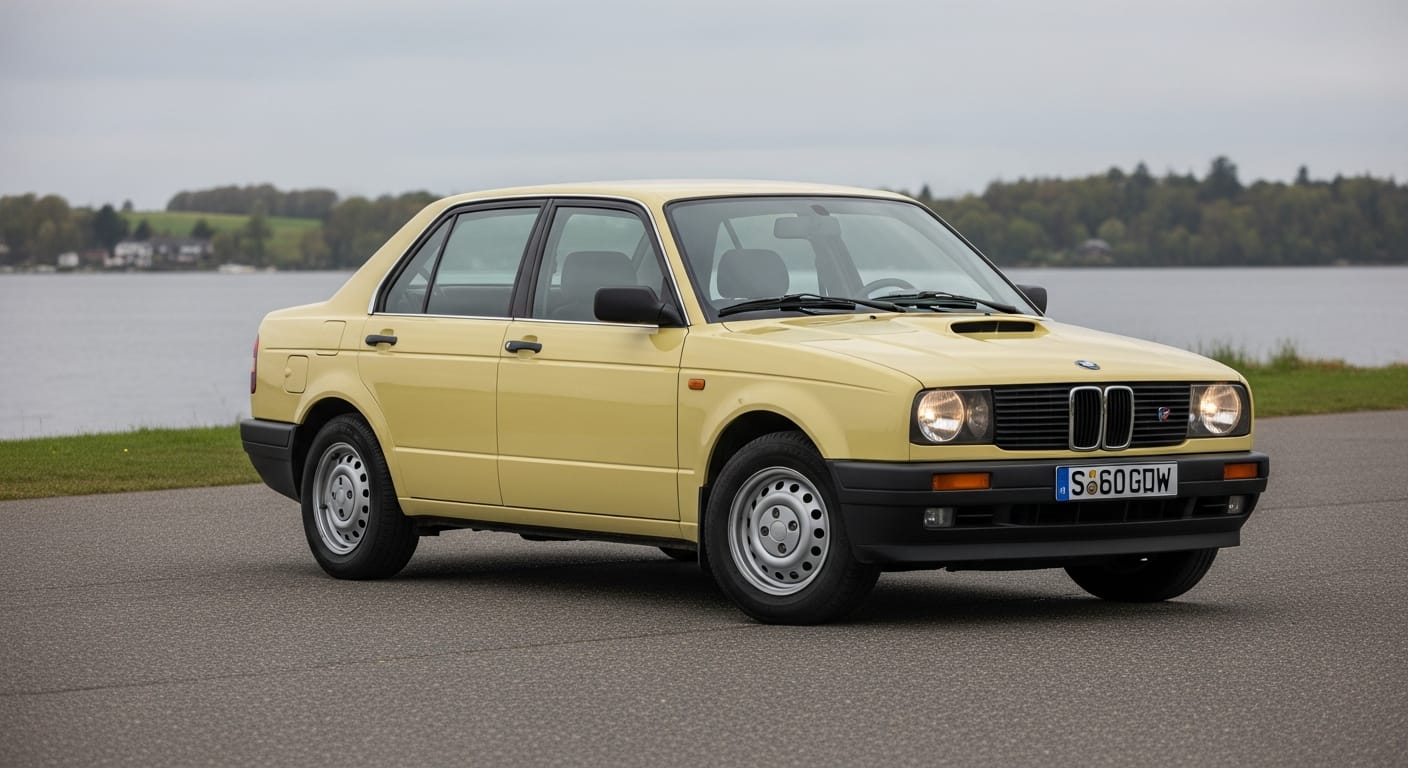
Volume in liters by age group
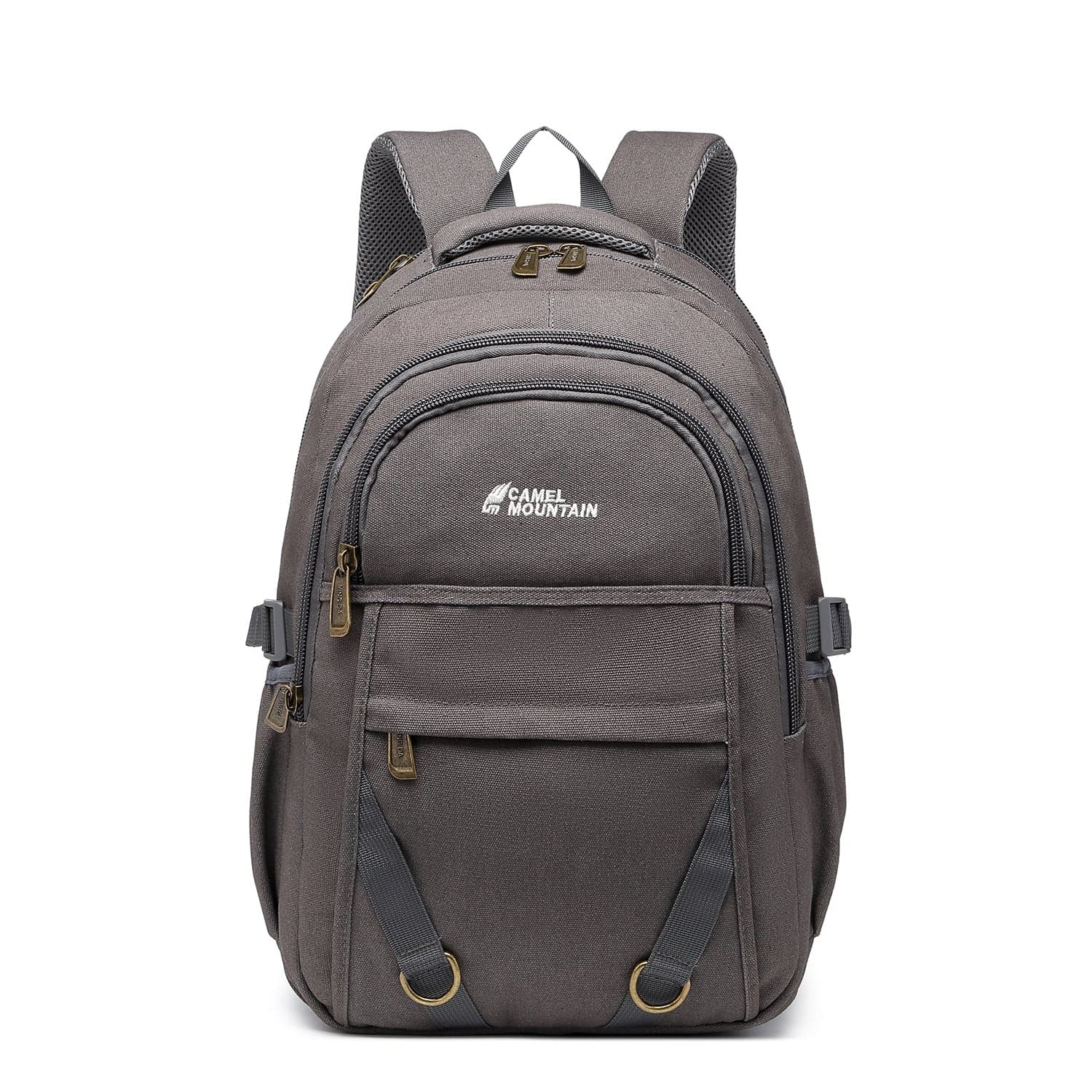
To bring some order to the chaos, we gathered our professional recommendations at Camel Mountain, based on decades of developing ergonomic bags, into a clear breakdown by age and volume:
Grades 1 to 3: light and focused (12 to 15 liters)
At these ages, children are physically small but have to carry quite a bit of gear. The bag must be especially compact, with a volume of no more than 15 liters. The emphasis here is on a minimal empty weight (no more than 800 grams) and a relatively rigid back system that keeps the bag's shape and spreads the load evenly.
Grades 4 to 6: moving to semi-orthopedic (18 to 22 liters)
At this stage the number of books and notebooks grows, and children start to develop a more grown-up personal taste. A volume of 18 to 22 liters is ideal. Bags in this category should offer a smart compartment layout that lets you place the heaviest books against the back and the lighter items in the front compartments.
Middle school: function and technology (25 to 30 liters)
Middle school students often carry a tablet or laptop, along with thick binders and sports gear. Here we need a volume of 25 to 30 liters with dedicated padded compartments for screens, and especially tough, durable fabrics that can survive the daily load. (If your kids are already heading to high school or preparing for the next stages, read our full guide to a backpack for the 2026 school year.)
| Age group | Recommended volume (liters) | Maximum empty bag weight | Key features needed |
|---|---|---|---|
| Grades 1 to 3 | 12 to 15 liters | Up to 800 grams | Rigid or orthopedic back, reflectors, an outer bottle pocket |
| Grades 4 to 6 | 18 to 22 liters | Up to 900 grams | Smart compartment layout, reinforced base, wide shoulder straps |
| Middle school | 25 to 30 liters | Up to 1 kg | Dedicated laptop or tablet compartment, chest or hip strap, water-resistant fabric |
Straps, hip belts and back systems: the anatomy of a healthy bag
Beyond volume, the bag's anatomical structure decides whether your child comes home with a smile or with sore shoulders. Here are the parameters you must check closely:
- Wide, padded shoulder straps: straps that are too thin dig into the shoulder muscles and restrict blood flow. Look for straps at least 5 cm wide, padded with quality foam and shaped ergonomically in an S curve that follows the body's contours.
- Chest and hip straps: a lifesaving addition (or at least a backsaving one). A chest strap stops the straps from slipping off the shoulders, while a hip belt transfers about 50% of the bag's weight from the shoulders straight to the pelvis, the strongest weight-bearing area of the body.
- A sweat-wicking back system: hot summers show no mercy to any student. Make sure the back of the bag has a 3D mesh and ventilation channels that let air flow freely between the child's back and the bag.
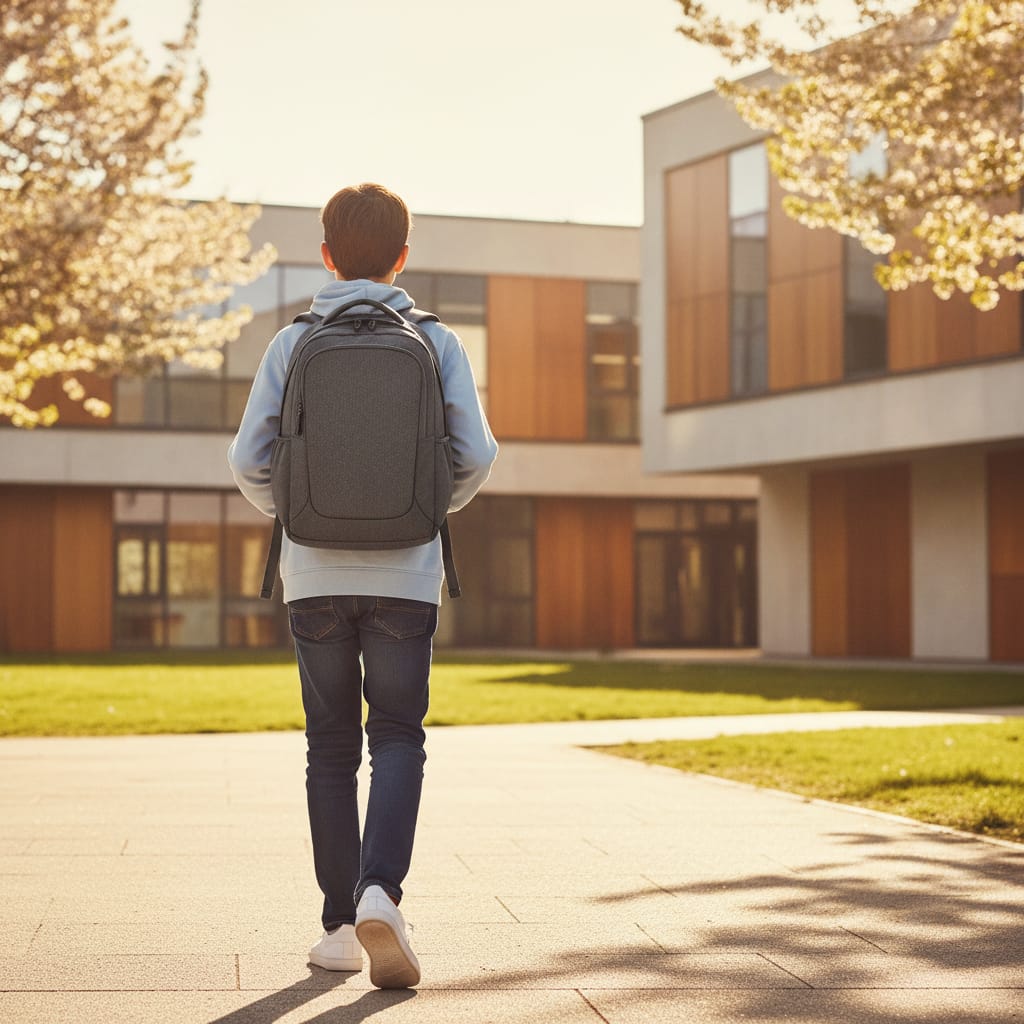
Durable for a whole year (and even longer): the materials that make the difference
A school bag goes through a daily obstacle course: it is thrown onto the dusty classroom floor, dragged across the asphalt in the schoolyard, and exposed to blazing sun and sudden rain. For the bag to survive the whole year (and beyond), the materials it is made of must be first-rate.
Look for bags made of high-density polyester (600D and up) or ballistic nylon. These fabrics excel in resistance to abrasion and tearing, and are very easy to clean with a damp cloth. Also check the bottom of the bag: a reinforced base or one coated with a water-repellent material will stop moisture from the classroom or yard floor from seeping into the precious notebooks and books.
Products to help you on the way


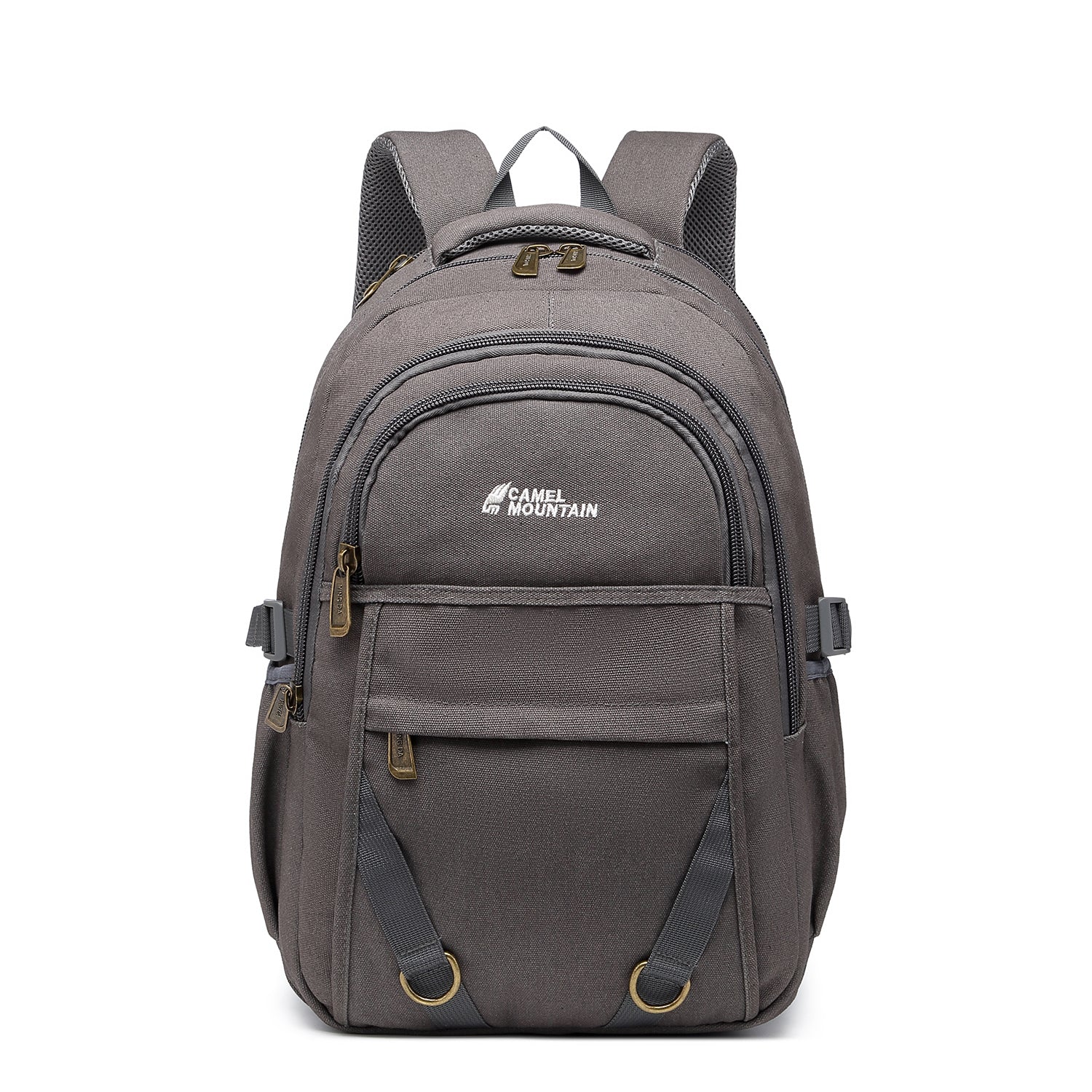
Products in this guide

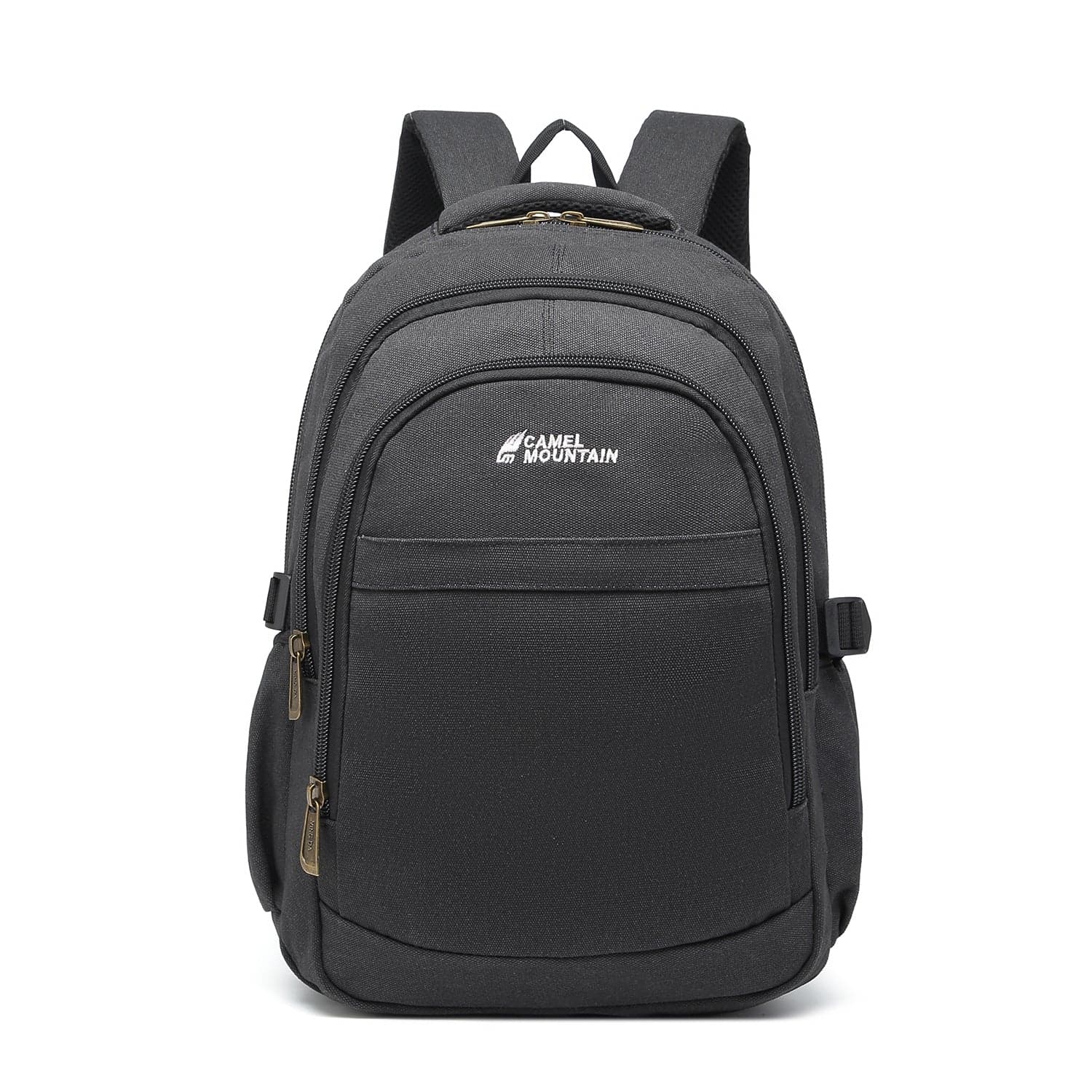
Frequently asked questions
What is the maximum weight a child can carry on their back?
Health experts recommend that a full bag should not weigh more than 10% to 15% of the child's body weight. For example, a child weighing 30 kg should not carry a bag heavier than 3 to 4.5 kg, including books, a pencil case and a full water bottle.
Should I buy a wheeled bag (trolley) for first grade?
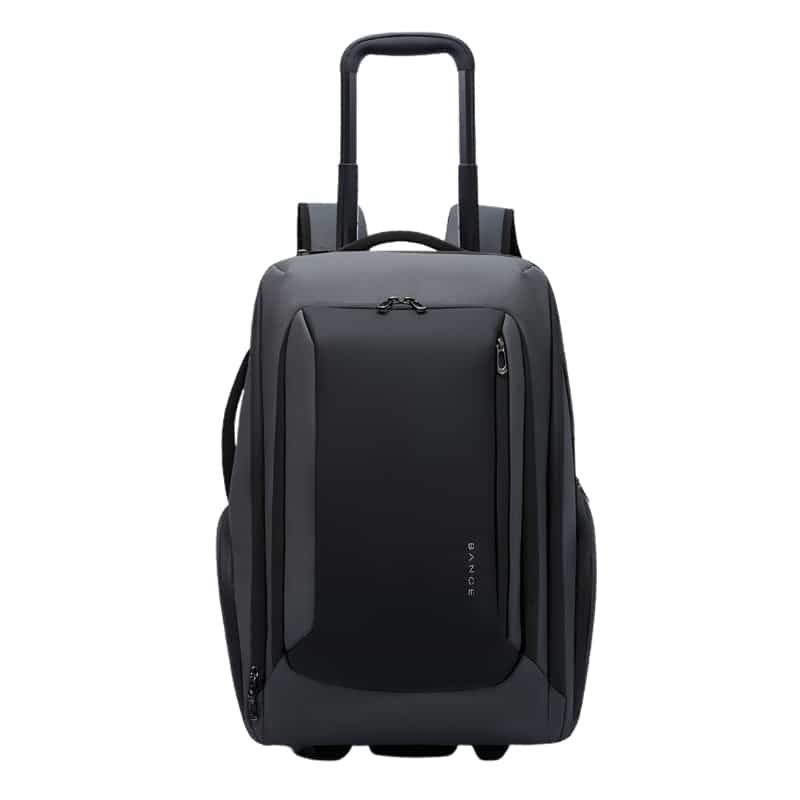
A wheeled bag makes things easier on smooth flat ground, but it adds a lot of empty weight to the bag (often over 1.5 kg empty). In addition, pulling it asymmetrically can strain one shoulder, and it is uncomfortable and even dangerous on the school stairs.
How do I make sure the bag is really water-resistant in a rainy winter?
Look for bags made of high-density polyester or nylon with a water-repellent (DWR) coating. Covered or waterproof zippers are a huge advantage that will keep rain away from notebooks and the laptop.
How often should a school bag be replaced?
A quality bag chosen well can easily last two to three years. The main transitions that call for a replacement are physical and academic ones, for example moving from third to fourth grade, and from elementary to middle school, when needs and volumes change.
Why is a hip or chest strap so important in middle school bags?
A chest or hip strap moves a large part of the bag's weight from the shoulders and upper back to the pelvis and legs, which are much stronger and more stable muscles. This prevents the strained forward lean of the body and reduces neck and back pain.


