
Structured School Bag or Backpack? How to Choose the Right Bag
October 23, 2026
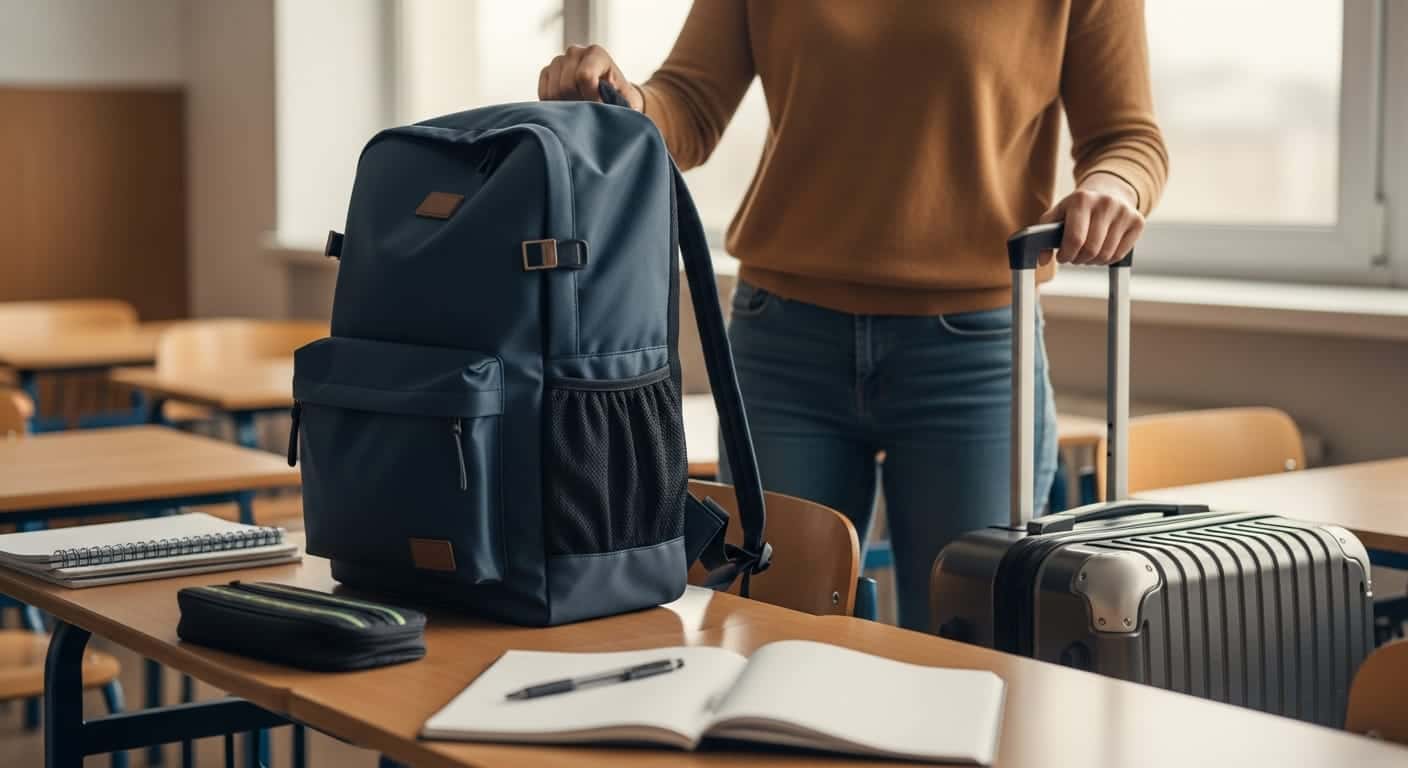
The choice between a structured (orthopedic) school bag and a regular backpack depends on the child's age and needs: a structured bag is better for the lower grades (1st to 3rd) thanks to optimal weight distribution, back protection and a stable base that keeps it from falling over. A semi-rigid or flexible backpack is better from 4th grade up, thanks to a much lower weight of its own, flexible capacity and a more grown-up look that suits the changing study load.
Structured (orthopedic) school bag vs semi-rigid backpack: the main differences
Many parents facing the new school year find themselves confused by the huge range of bags. On one hand, the rigid structured school bag (known as an orthopedic school bag) promises maximum protection for the child's back. On the other, modern backpacks offer light weight and fashionable designs that children prefer as they grow older. To make sense of it, it's important to understand the anatomy of each bag.
A structured school bag has a rigid or semi-rigid frame that keeps the bag's shape even when it's completely empty. It includes a molded plastic base that lets it stand steadily on the floor without tipping over, and a rigid, padded back system that keeps books and binders from pressing directly on the child's spine. A classic backpack, by contrast, is based on a softer, more flexible structure. Although quality backpacks today come with ergonomic back padding, they lack the rigid frame, which lets them shrink or expand according to what's inside.
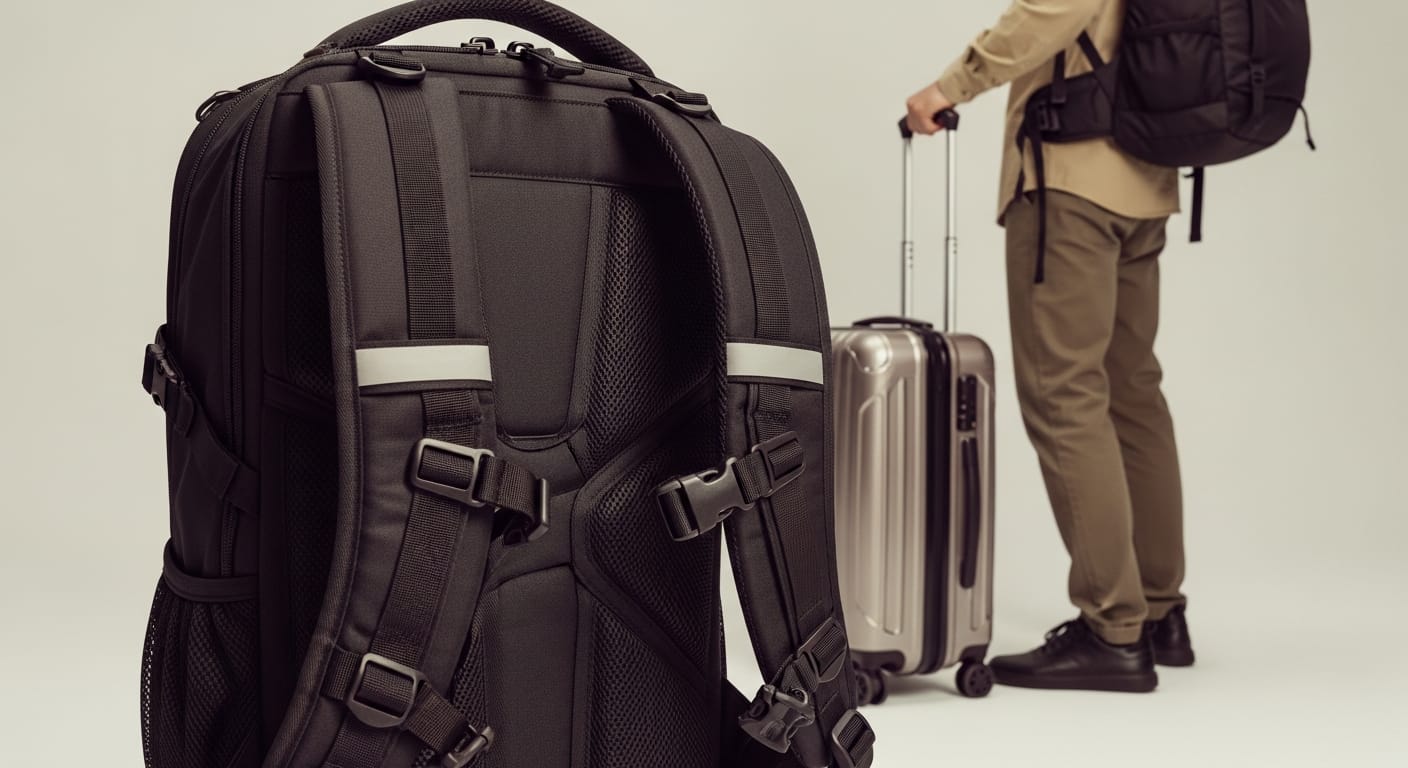
Stability vs flexibility: what happens when you fill the bag?
One of the biggest problems at school is the weight of the gear. Thick textbooks, notebooks, binders, a big water bottle and a lunch box all create a heavy load. This is where the difference in how each bag behaves under weight comes in:
- Weight distribution in a structured bag: thanks to the rigid frame, the weight spreads evenly across the back and pelvis. The books stay close to the back (the physiologically optimal position) and don't shift or swing while walking or running.
- The flexibility of a backpack: a regular backpack allows more freedom. If the child needs to put sports clothes, a ball or a big art project in the bag, the flexible structure will expand and hold them easily. In a rigid school bag, by contrast, the capacity is limited and not flexible, which can make it hard to fit unusual items.
However, in a flexible backpack that isn't organized properly, heavy books may slide to the outer part of the bag, which creates a backward pull and forces the child to lean forward to balance, a posture that isn't healthy over time.
The bag's own weight and back health: the orthopedic myth
There's a common myth that a structured orthopedic school bag is always the healthiest choice. In practice, you need to consider the bag's own weight. The plastic frame, thick padding and rigid base of a structured bag add significant weight before the first pencil goes in. An empty structured school bag can weigh between 900 grams and 1.3 kilograms.
According to common health recommendations, the weight of the full bag should not exceed 10% of the child's body weight. For a first grader weighing about 20 kilos, the maximum allowed weight is only 2 kilograms. If the bag alone weighs a kilogram, there's very little room left for school supplies. A quality semi-rigid or flexible backpack, on the other hand, usually weighs only between 400 and 700 grams, freeing up precious weight for books and notebooks.
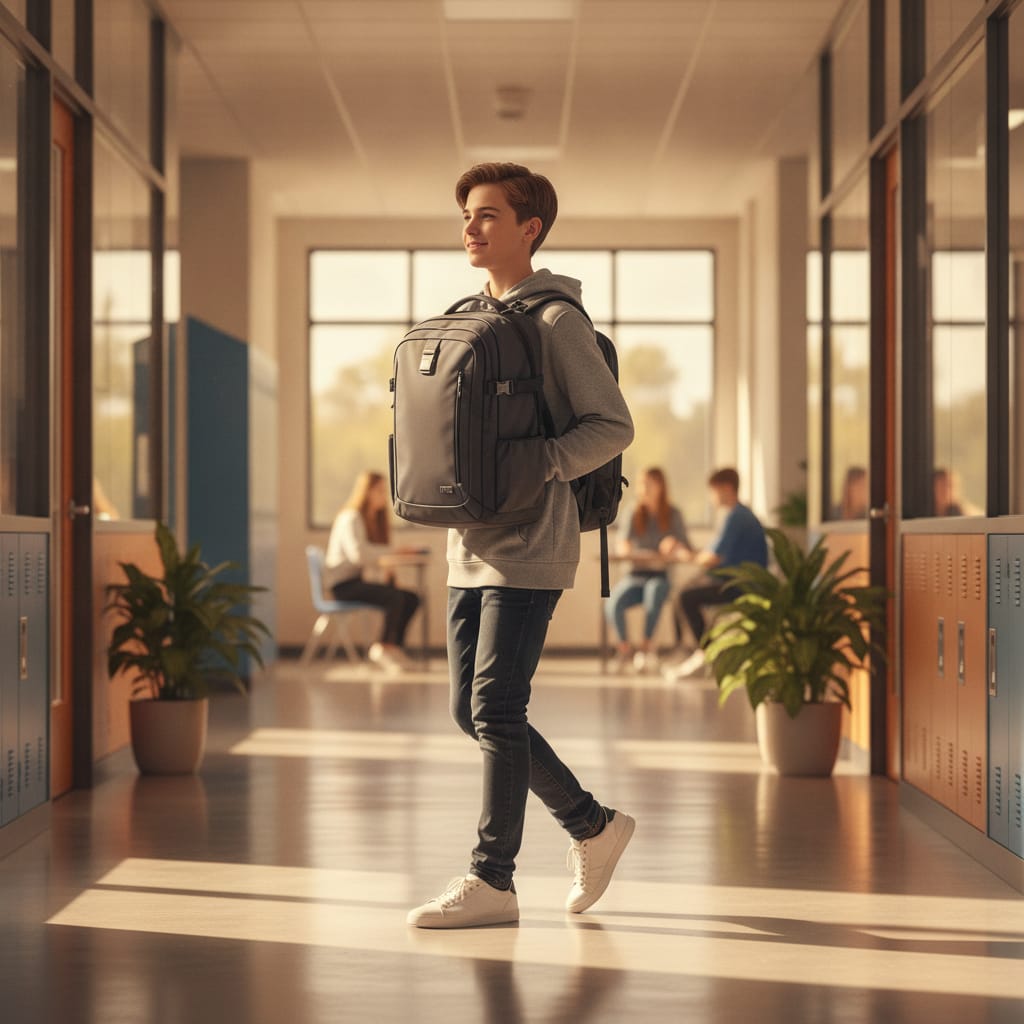
Comparison table: structured school bag vs school backpack
To help you make an informed decision, we've gathered the main differences in the following table:
| Feature | Structured school bag (rigid orthopedic) | Backpack (semi-rigid or flexible) |
|---|---|---|
| Own weight | Relatively high (900 to 1300 grams) | Lightweight (400 to 700 grams) |
| Stability on the floor | Excellent (rigid plastic base) | Medium to low (tends to slump or fall over) |
| Protection of the contents | Very high (keeps books from getting creased) | Medium (depends on proper packing) |
| Recommended ages | Grades 1 to 3 | Grade 4 and up, middle school and high school |
| Versatility | Low (for school only) | High (also suits after-school activities, trips and everyday use) |
So which is better, and for whom? Recommendations by age and use
At Camel Mountain, drawing on our family's experience in designing and making bags since 1975, we recommend matching the type of bag to the child's stage of development:
Grades 1 to 3: the structured school bag wins
At these ages, children are still developing their posture, and they need the structural help a structured school bag gives. The bag's ability to stand steadily beside the desk makes it easier for them to take out their things without the bag getting dirty on the floor. In addition, the built-in compartments help them develop habits of order and organization.
Grades 4 to 6: the move to a semi-rigid bag
At this stage, children are already developing personal taste and refuse to go to school with their "babyish" first-grade bag. It's the perfect time to move to a semi-rigid backpack. These bags offer a well-padded ergonomic back system, but without the heavy plastic frame. They give a more grown-up look, protect back health and allow more storage space to match the growing amount of study material.
Middle school and high school: a flexible, functional backpack
In middle school and high school, the requirements change completely. Students need a bag that can hold a laptop or tablet, a thermal water bottle, and sometimes training clothes too. A flexible, water-resistant backpack with dedicated compartments for devices and a light, ventilated back system is the ultimate choice. These bags go with teens beyond school hours too: to meet friends, youth groups and trips.
In short, there's no single choice that's right for everyone. The key is to listen to the child's needs, take their age and weight into account, and choose a quality bag made of durable materials (like Cordura or high-density polyester) with strong zippers that will last the whole school year.
Products to help you on your way
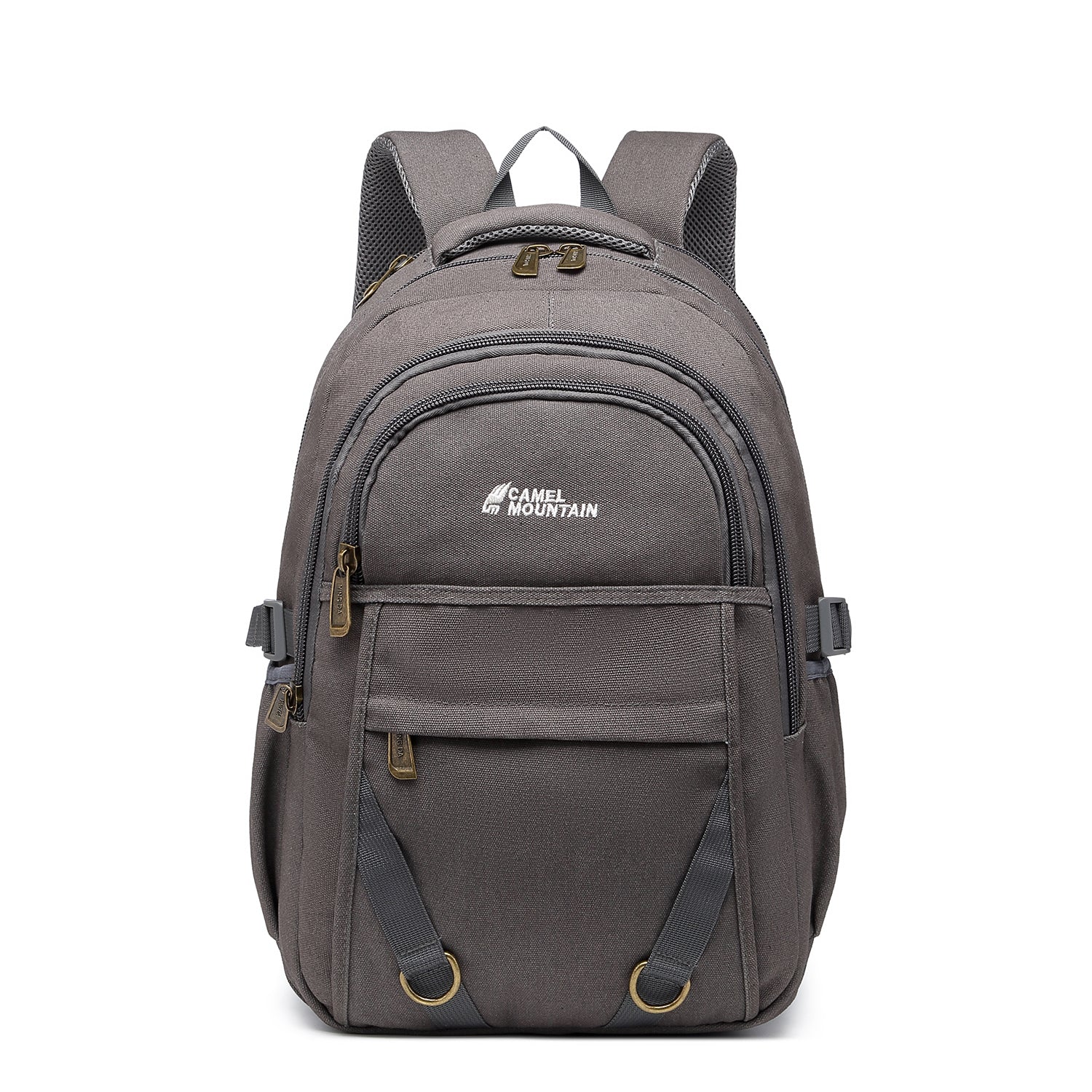


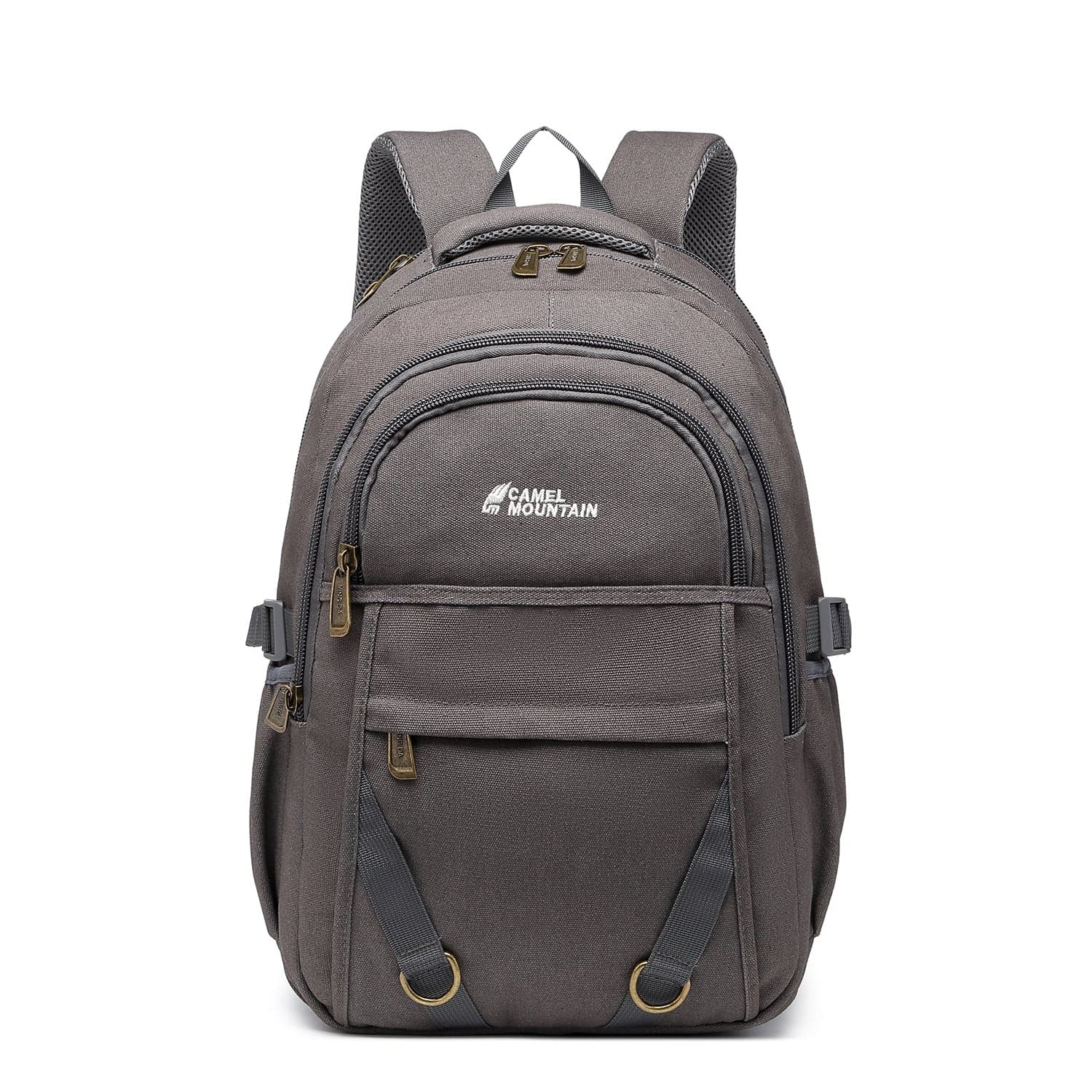
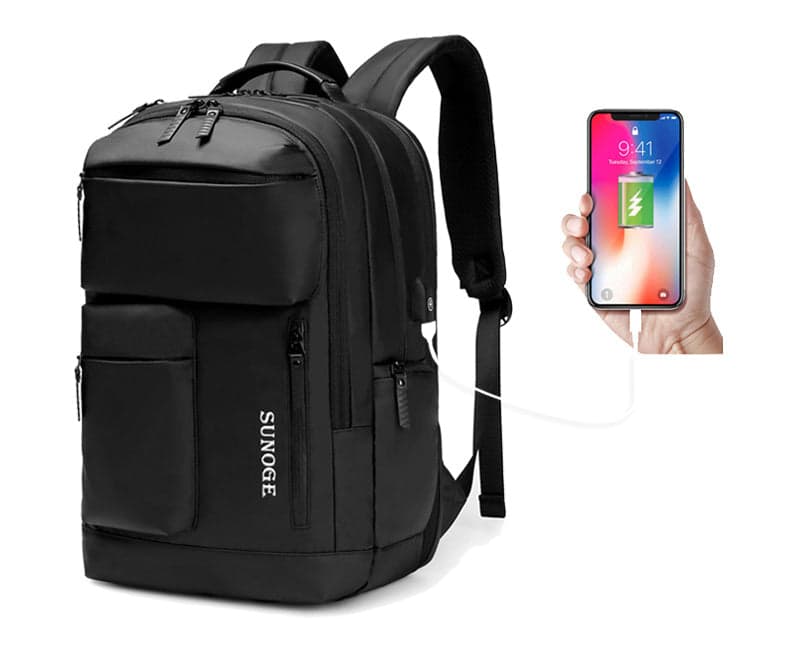
Products in this guide

Frequently asked questions
At what age should a child move from an orthopedic school bag to a regular backpack?
The recommended move is usually around 4th grade. At this age children are strong enough, need a more flexible capacity for their growing gear, and prefer a more grown-up, fashionable design over the rigid structure of an orthopedic school bag.
How do I know if the bag is too heavy for my child?
The guiding medical rule is that the full bag should not weigh more than 10% of the child's body weight. In addition, if you notice the child leaning noticeably forward while carrying the bag or complaining of shoulder pain, the bag is too heavy or not adjusted properly.
Can a backpack without a rigid frame be healthy for the back?
Absolutely. Modern quality backpacks come with ergonomic back systems, thick anatomical padding and wide, padded shoulder straps that spread the load very well, even without a heavy plastic frame.
How should gear be arranged inside the bag to ease the load on the back?
The heaviest items (like thick books and binders) should go in the rearmost compartment, against the child's back. Lighter items and lunch boxes go in the front compartments. This arrangement keeps the weight from pulling the child backward.


