
What Bag Is That? The Complete Guide to Identifying and Choosing Backpacks and Shoulder Bags
October 23, 2026

The question "what bag is that" usually comes down to identifying the type of bag by its structure and use: a classic everyday backpack, a business laptop bag, a compact sling (crossbody) bag, or a travel backpack (rolltop or trekking). To know which bag suits you, look at the volume (in liters), the compartment layout, water resistance and the carrying style that fits your needs.
A style dictionary: how to identify each type of bag on the street
The world of bags has evolved remarkably in recent decades. Where once almost everyone carried the same simple school-style backpack, today every activity, profession and lifestyle has its own dedicated bag. When you see someone on the street or on the train and ask yourself "what bag is that?", you are probably looking at one of the following categories:
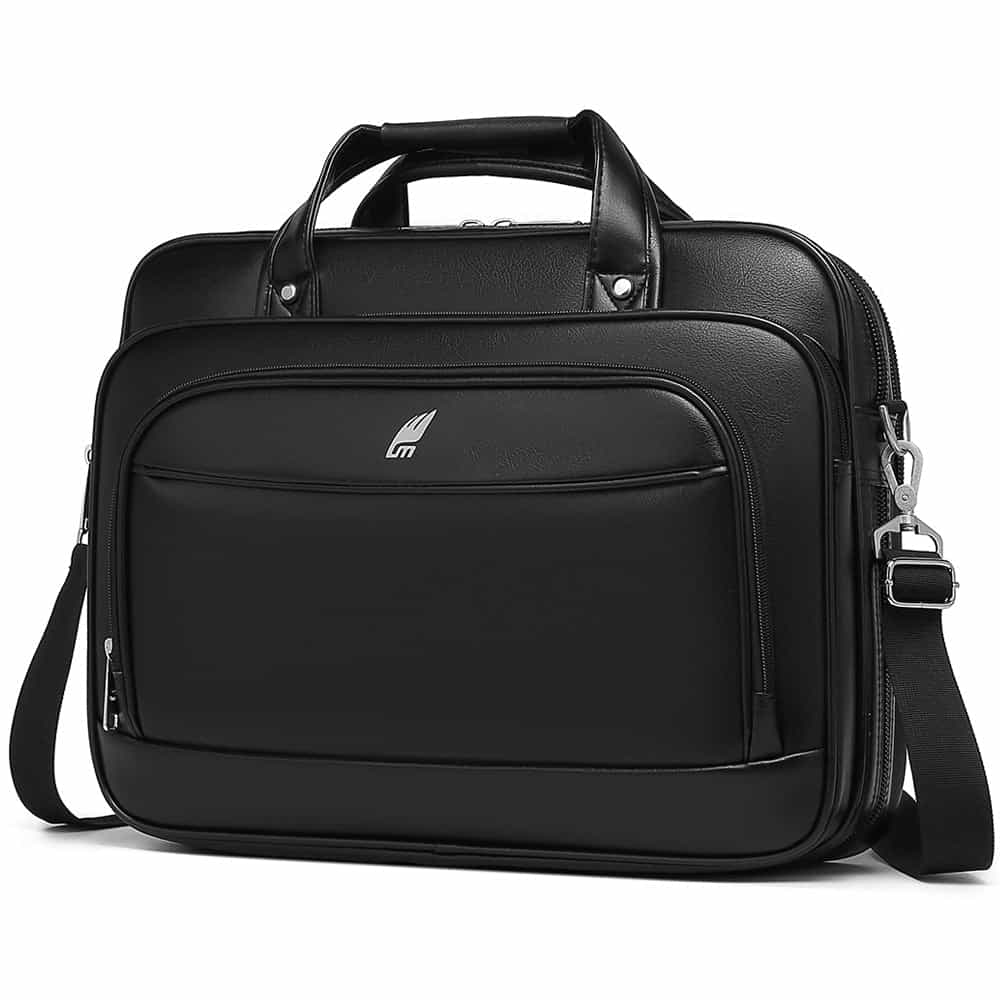
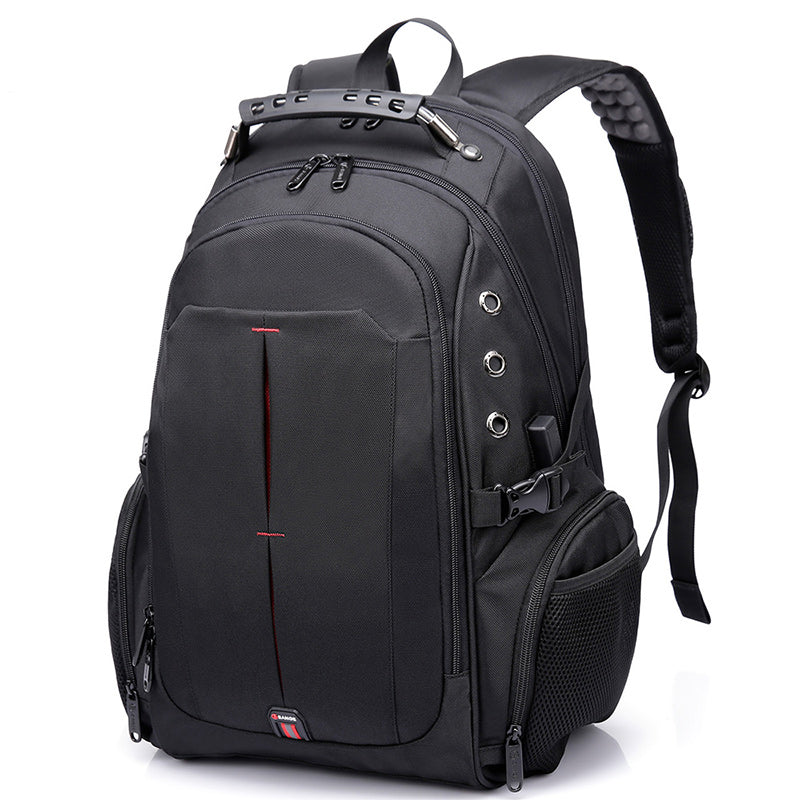
1. Laptop and business backpack
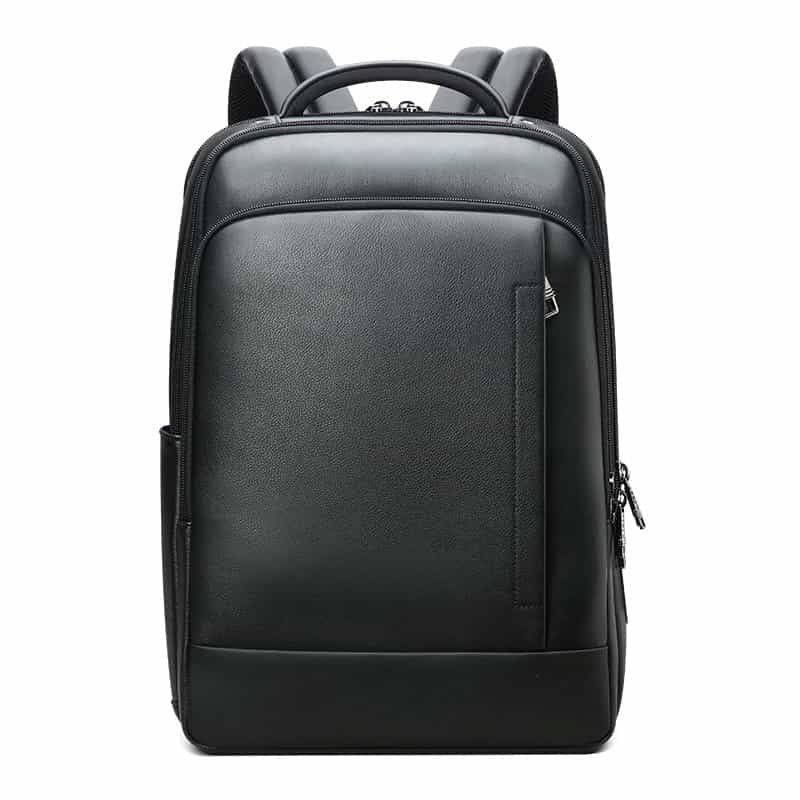
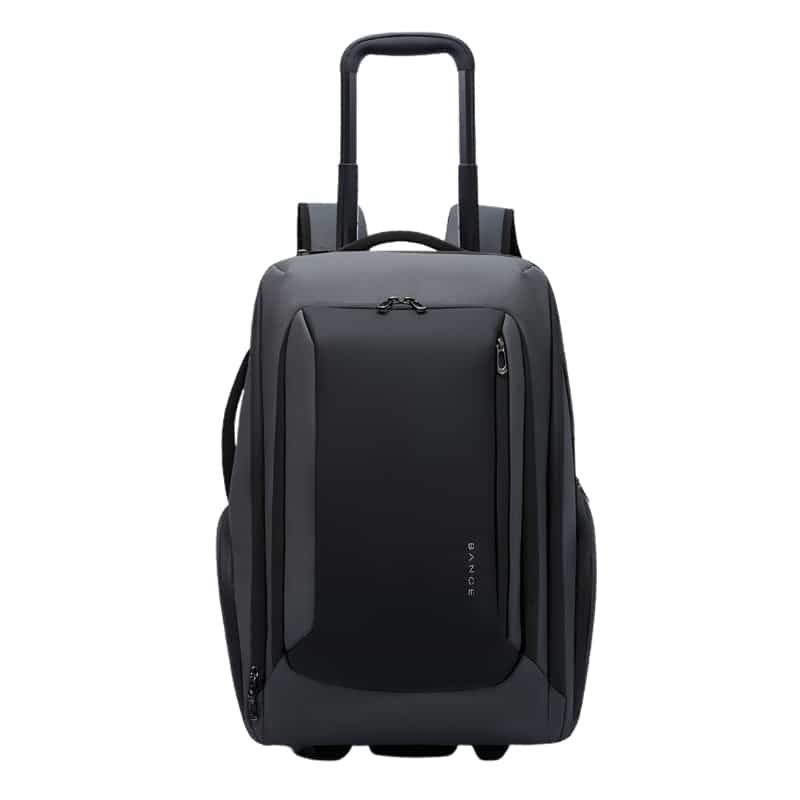
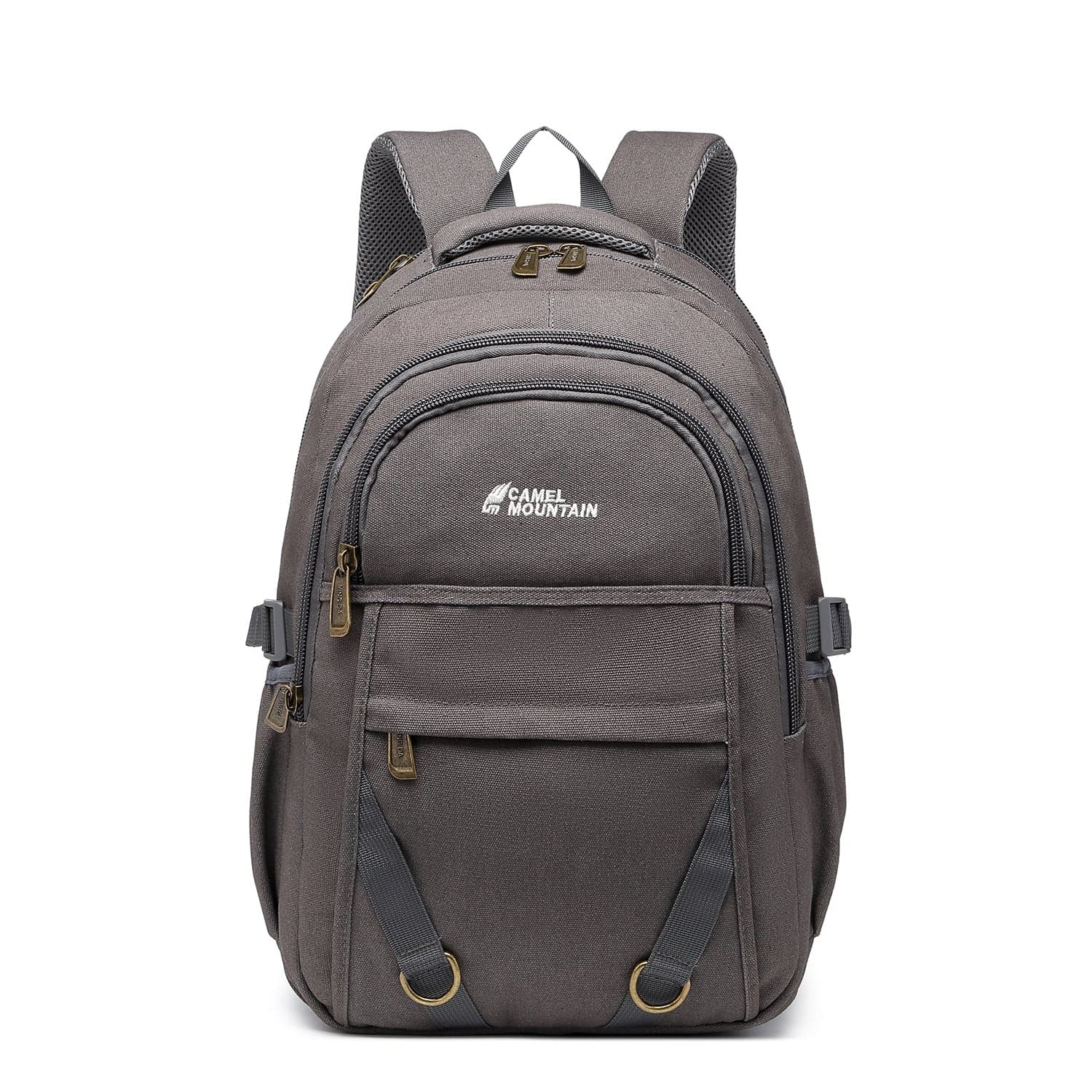
This is the most common bag among tech workers, students and urban professionals. It has a semi-rigid structure and keeps its shape even when empty. Its main purpose is protecting valuable electronics. You will find a dedicated, well-padded laptop compartment (usually up to 15.6 or 16 inches), small pockets for pens, chargers and power banks, and often an external USB port for conveniently charging your phone on the go.
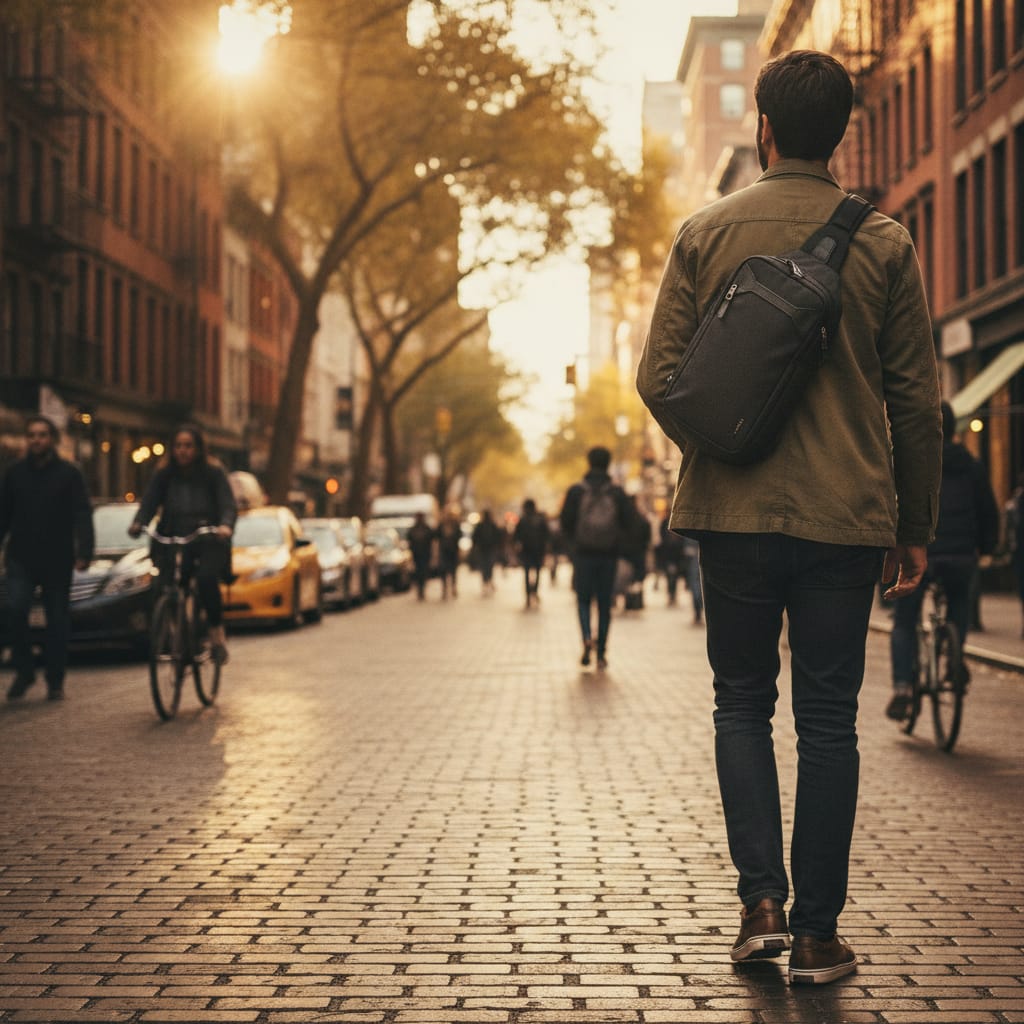
2. Sling bag
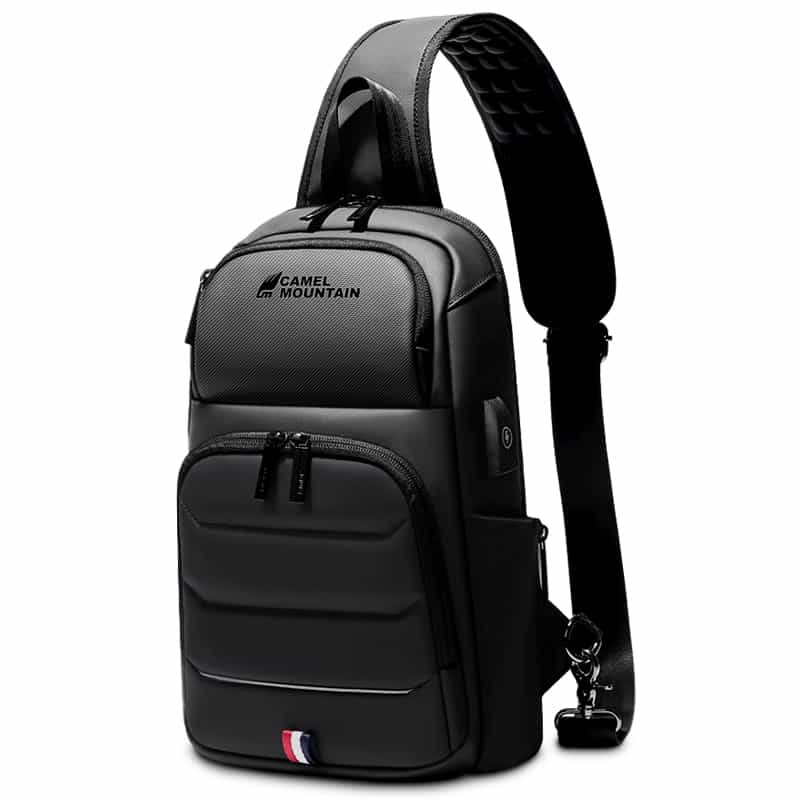
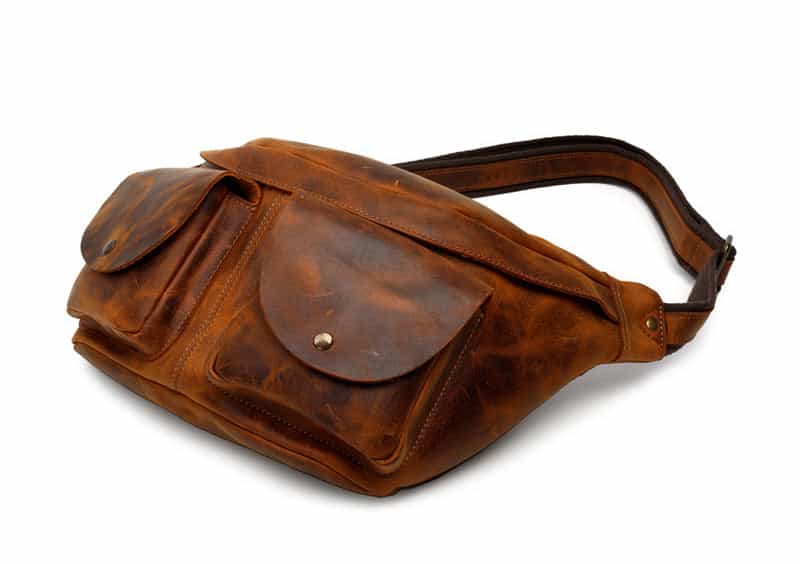
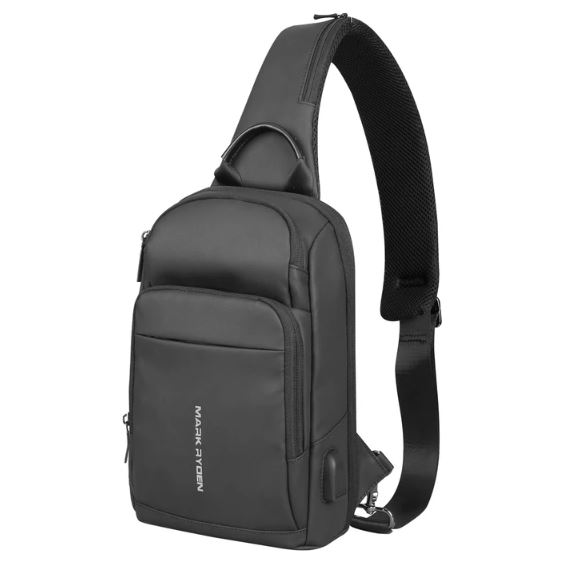
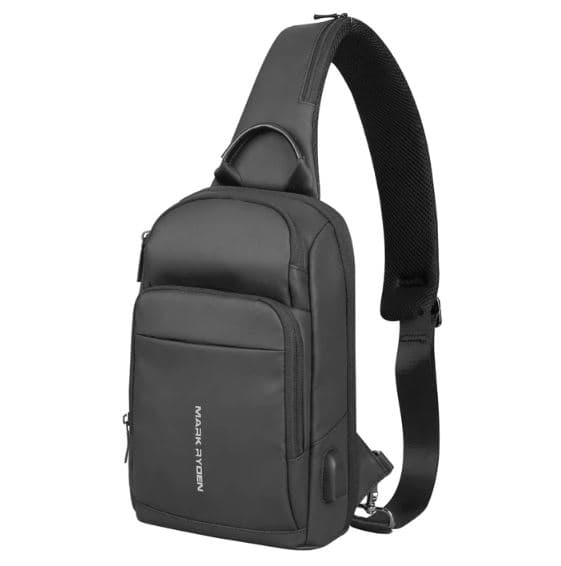
If you have seen a small, stylish bag worn diagonally across the chest or back, that is a sling bag. It is made for people who want to get around without feeling weighed down. It is perfect for city errands, short trips abroad, or riding a bike or scooter. This bag holds exactly what you need: wallet, keys, phone, sunglasses and maybe a small tablet. Its big advantage is especially quick access: you simply swing it to the front without taking it off.
3. Rolltop backpack
The rolltop bag is recognizable by its top section, which rolls down and closes with a buckle or strap. This design, which originally came from bike messengers, has become a much sought-after fashion item. Its huge practical advantage is dynamic volume: need to carry only a laptop and a book? Roll it all the way down for a compact look. Need to stuff in groceries or gym clothes? Unroll it and you have added a good few liters.
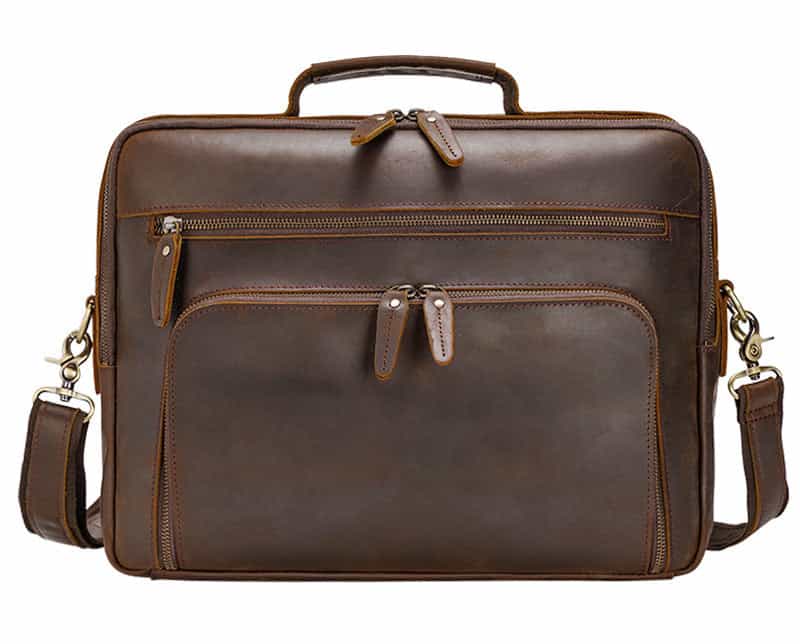
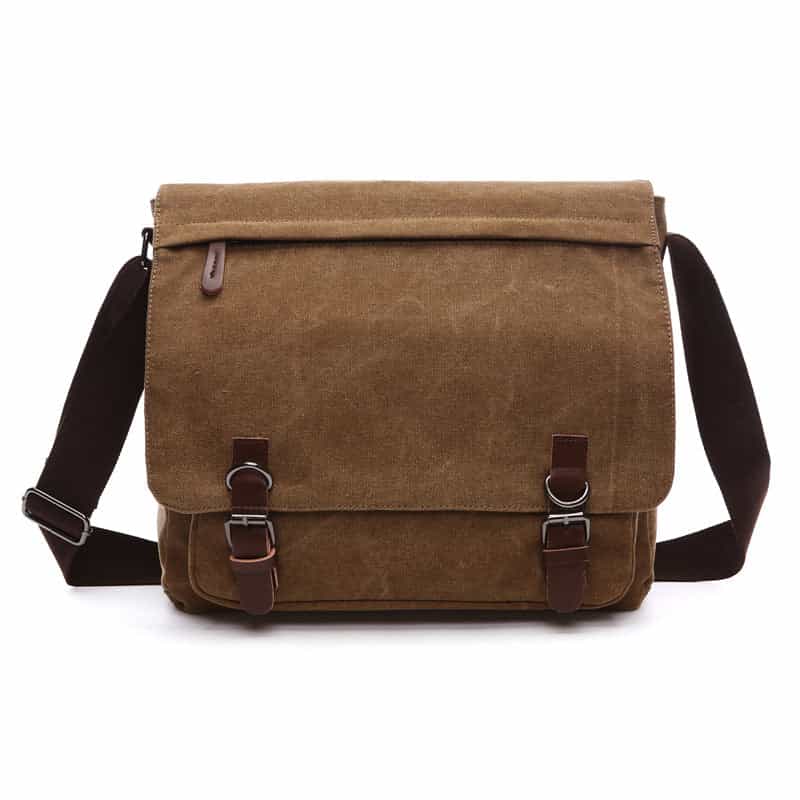
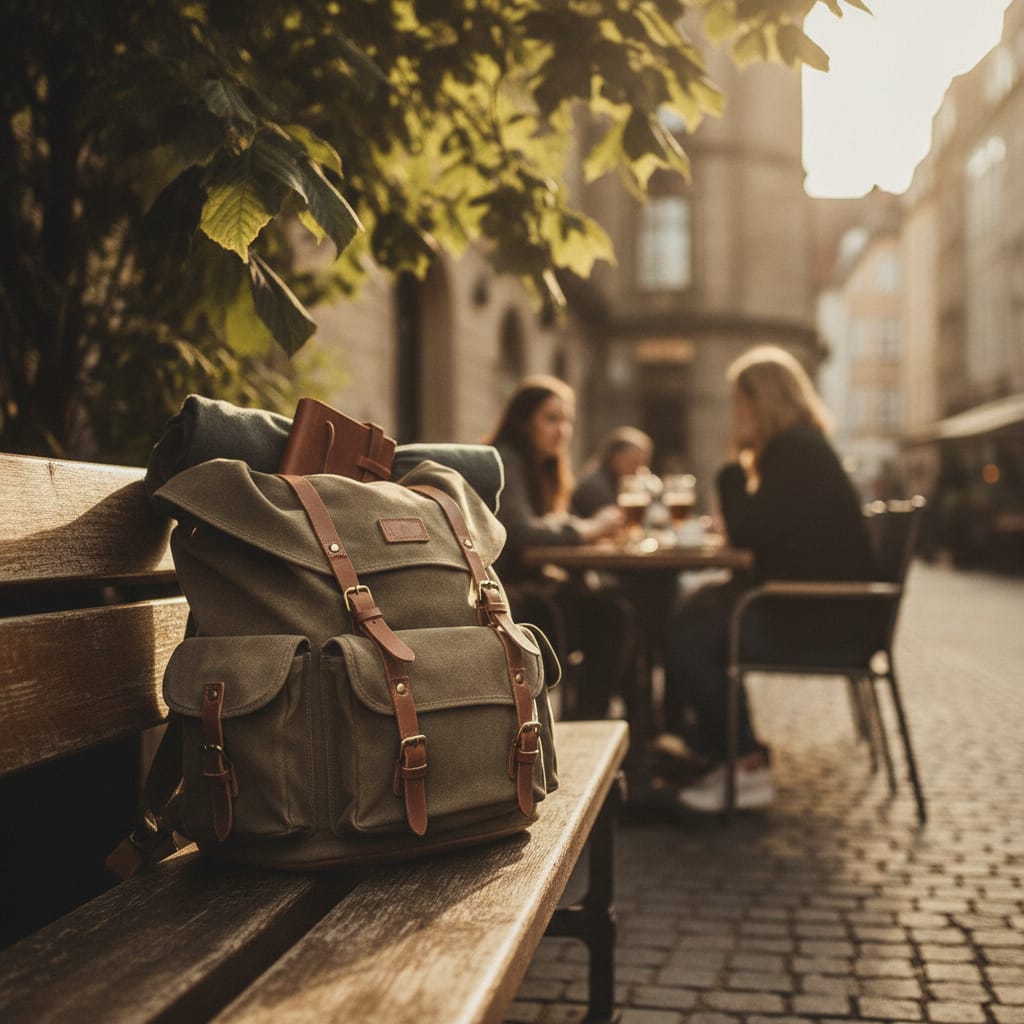
4. Canvas or vintage bag
These bags are made of canvas (a thick, especially durable cotton) and often combine elements of genuine leather. They give off a warm, classic and nostalgic look. Canvas bags are especially loved by people looking for exceptional durability over the years: the fabric only looks better as it ages and takes on a unique character.
Comparison table: types of bags and the activities they suit
To bring some order to the choice, we have summarized the main features of the most popular types of bags:
| Type of bag | Average volume (liters) | Main use | Standout advantage |
|---|---|---|---|
| Business or laptop backpack | 15 to 25 liters | Work, studies, meetings | Maximum laptop protection and careful internal organization |
| Sling (crossbody) bag | 4 to 8 liters | Daily errands, short trips | Lightweight, especially quick access to your things |
| Rolltop bag | 20 to 30 liters (variable) | City cycling, a dynamic daily routine | Flexible volume that adjusts to your needs |
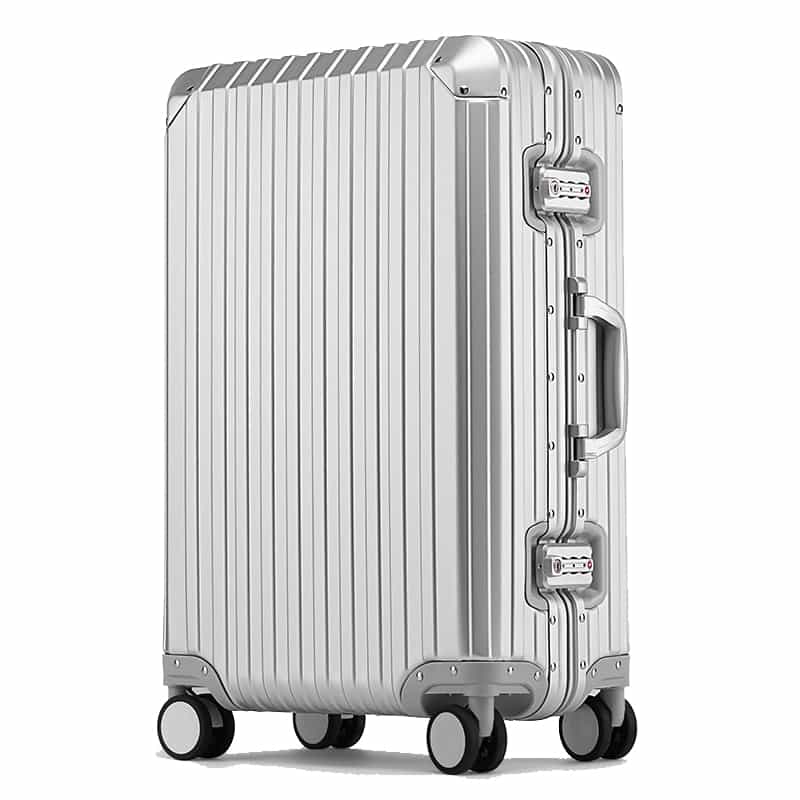
| Travel or low-cost backpack | 35 to 45 liters | Short flights, weekends | Makes full use of carry-on dimensions with no need for a suitcase |
How to choose the right bag by volume (liters)
One of the most common mistakes when buying a new bag is not understanding what "volume in liters" means. As a family business we have been in the bag trade since 1975 (and since 2006 as the Camel Mountain brand), and one of the most important tips we give our customers is to match the liters to their real lifestyle:
10 to 15 liters (minimalist): suits people who carry only the bare essentials: a tablet or a small laptop, a compact water bottle and a wallet. It is an excellent bag for women and men who want a clean, uncluttered look.
20 to 30 liters (the perfect standard): this is the "sweet spot" for backpacks. This volume lets you easily fit a full-size laptop, chargers, a binder or notebooks, a lunch box, and even a light jacket or gym clothes. It suits 90% of people for everyday use.
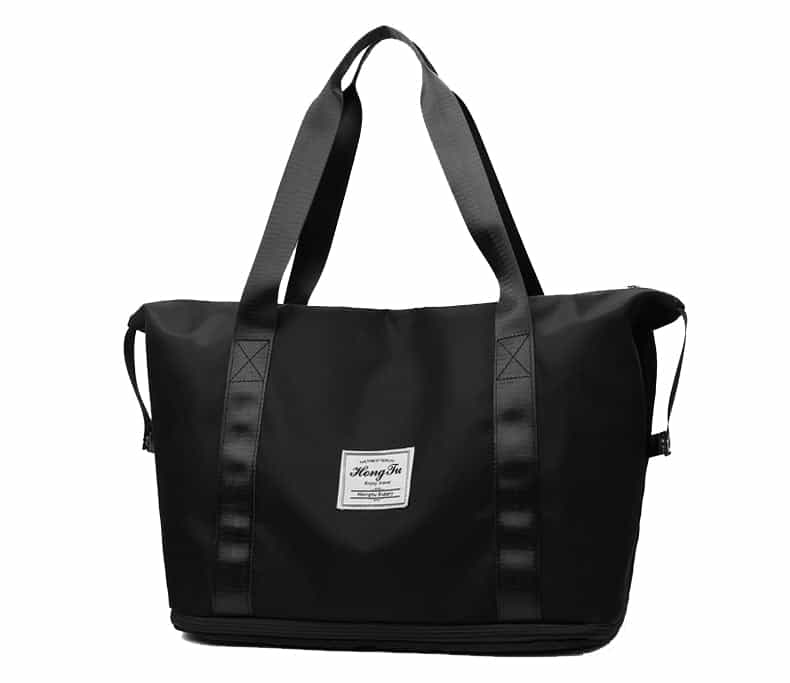
35 to 50 liters (for trips and journeys): bags of this volume border on the category of hiking backpacks or dedicated low-cost travel bags. They are perfect for trips of a few days, at home or abroad, and let you pack clothes, shoes and a full set of personal gear without dragging a big trolley suitcase around.
The small features that make a big difference in your bag
Once you understand what type of bag you are looking for and what volume suits you, pay attention to the small details that separate a simple bag from a quality bag that will serve you for years:
- Water resistance: even where it rarely rains, when it does, it can pour. Look for bags made of water-repellent fabrics such as high-density polyester, treated canvas or Cordura. That will keep your laptop and documents completely dry.
- An ergonomic, sweat-wicking back system: hot summers call for smart solutions. A quality backpack should have a back panel with 3D mesh that lets air flow and reduces back sweat, along with padded shoulder straps that spread the weight correctly across your body.
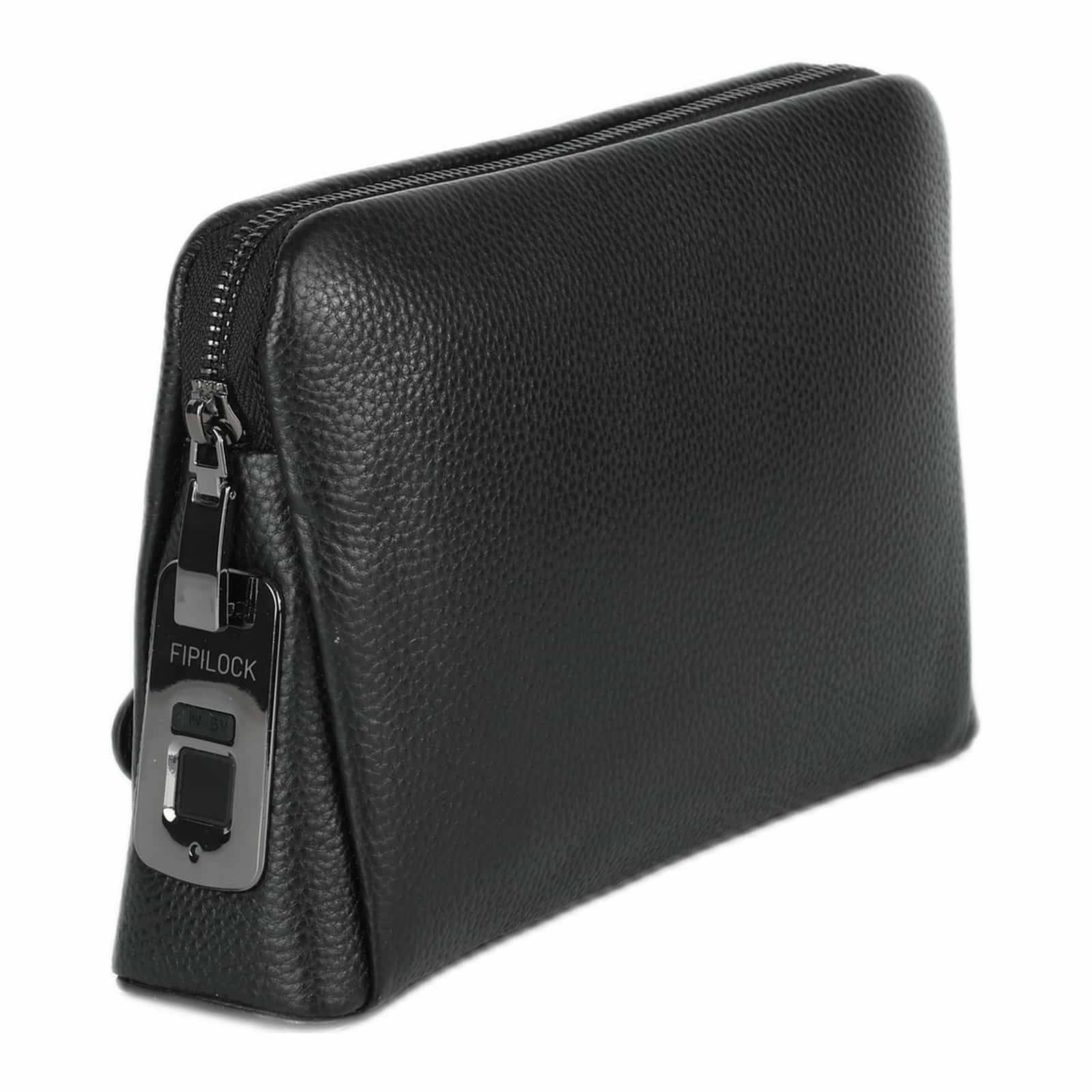
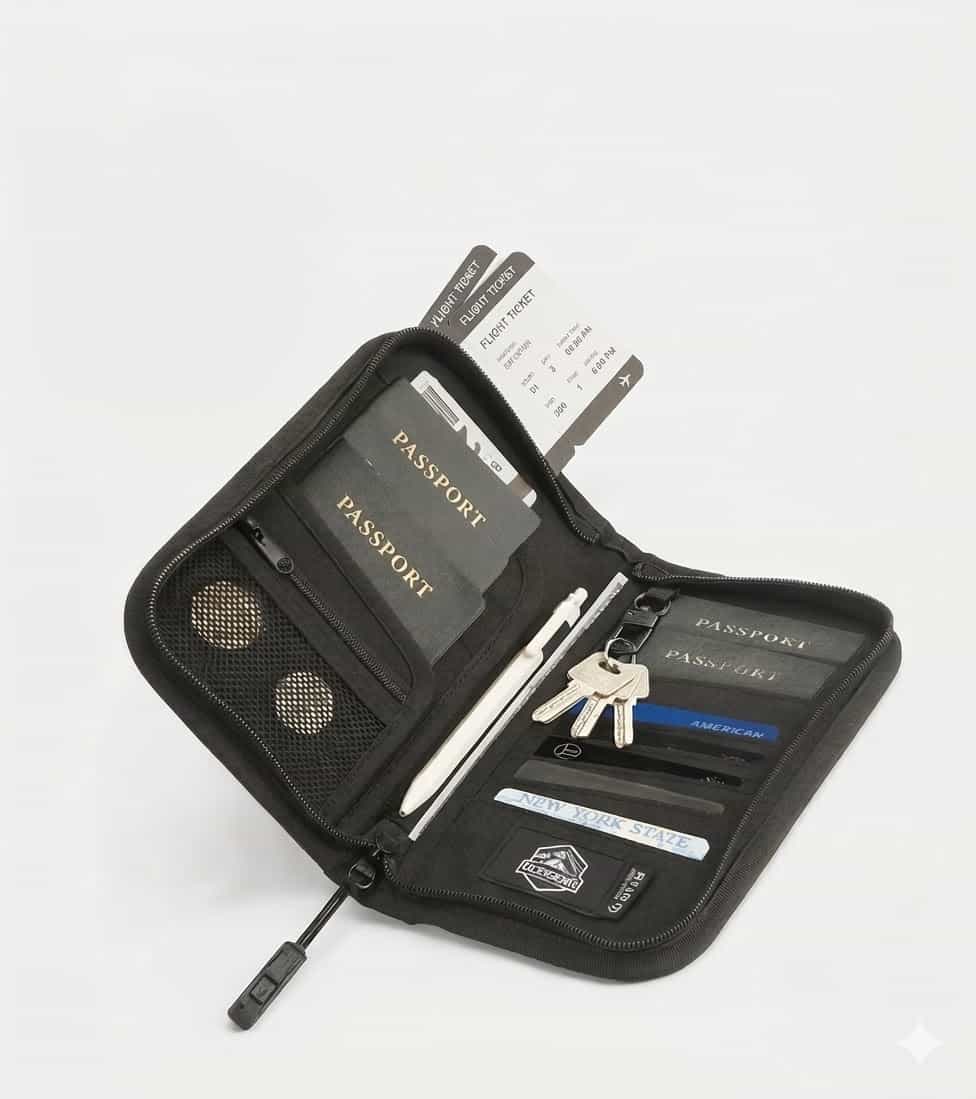
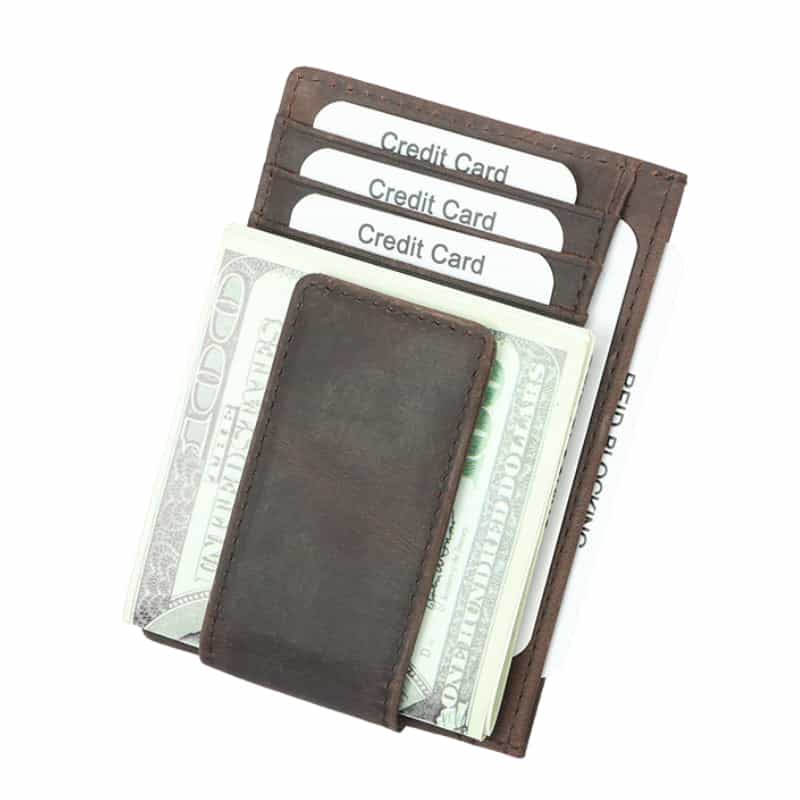
- Security and anti-theft protection: if you travel a lot on public transport or travel abroad, features such as hidden zippers facing your back, secret pockets for your passport and wallet, and RFID-blocking technology in wallets and bags will give you real peace of mind against pickpockets.
How to fit the bag to your body
Beyond design and volume, physical comfort is critical. A bag that doesn't sit right on your back can cause shoulder and neck pain in the long run. Here are a few golden rules for a perfect fit:
- Bag height: the bottom of the bag shouldn't hang below your waistline, and the top shouldn't rise above shoulder height. A bag that sits too low pulls your body backward and strains your muscles unnecessarily.
- Strap width: wide, well-padded straps are a must, especially in bags meant for carrying weight such as laptops or travel gear. They spread the pressure over a larger area of the shoulder.
- Chest strap (if there is one): on large bags (over 30 liters), a chest strap that runs between the two shoulder straps helps stabilize the bag and takes a significant load off your shoulders.
A legacy of quality: why choose Camel Mountain?
As a family business, we have been accompanying travelers, students and business people since 1975, and since 2006 as the Camel Mountain brand. Our many years of experience let us understand exactly what customers need: from coping with heat and humidity in summer, through the need for strong, durable bags that move easily from the office to the train, to modern designs that meet the highest international standards. Every bag of ours is carefully designed, using the best materials, to make sure it accompanies you faithfully wherever you go.
Products to help you on your way
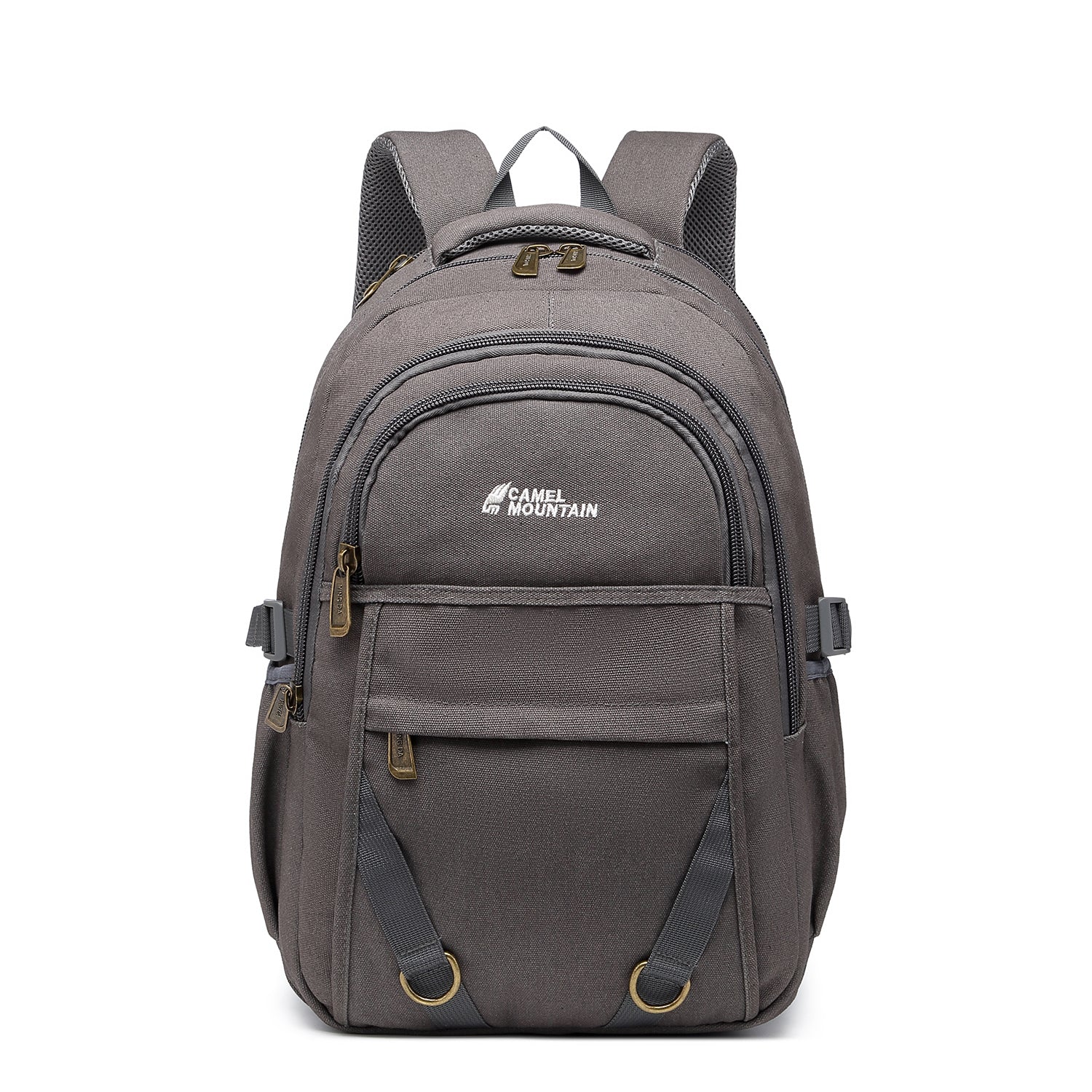
Products in this guide
Frequently asked questions
How do you measure a bag's volume in liters?
A bag's volume is calculated by multiplying its dimensions (height, width and depth in centimeters) and dividing by 1,000. For example, a bag 45 cm high, 30 cm wide and 15 cm deep has a volume of about 20 liters.
What is the difference between a water-resistant bag and a waterproof bag?
A water-resistant bag keeps out light raindrops and brief moisture thanks to a special coating. A waterproof bag is usually made of fully sealed materials and welded zippers, and it can survive long exposure to heavy rain or a brief dunk in water.
Is a laptop backpack suitable as a carry-on for low-cost airlines?
Yes, most backpacks of 20 to 30 liters fit the definition of a personal item at airlines such as Ryanair or Wizz Air, and slide easily under the seat in front of you at no extra cost.
How do you clean a backpack properly without ruining it?
The best way is to clean it by hand with a damp cloth, lukewarm water and mild soap. Avoid machine washing or a dryer completely, as they can ruin the water-repellent coating and the bag's padding.


