

What Is a Load-Reducing Orthopedic Backpack and How Does It Protect Children's Health?
October 23, 2026

A load-reducing orthopedic backpack is a bag engineered to spread the weight of the gear evenly across the child's skeleton and strong muscles (the shoulders, back and pelvis), instead of concentrating it in one point. It protects children's health by preventing spinal deformities, reducing pressure on the vertebrae, and preventing chronic muscle pain caused by carrying excess weight.
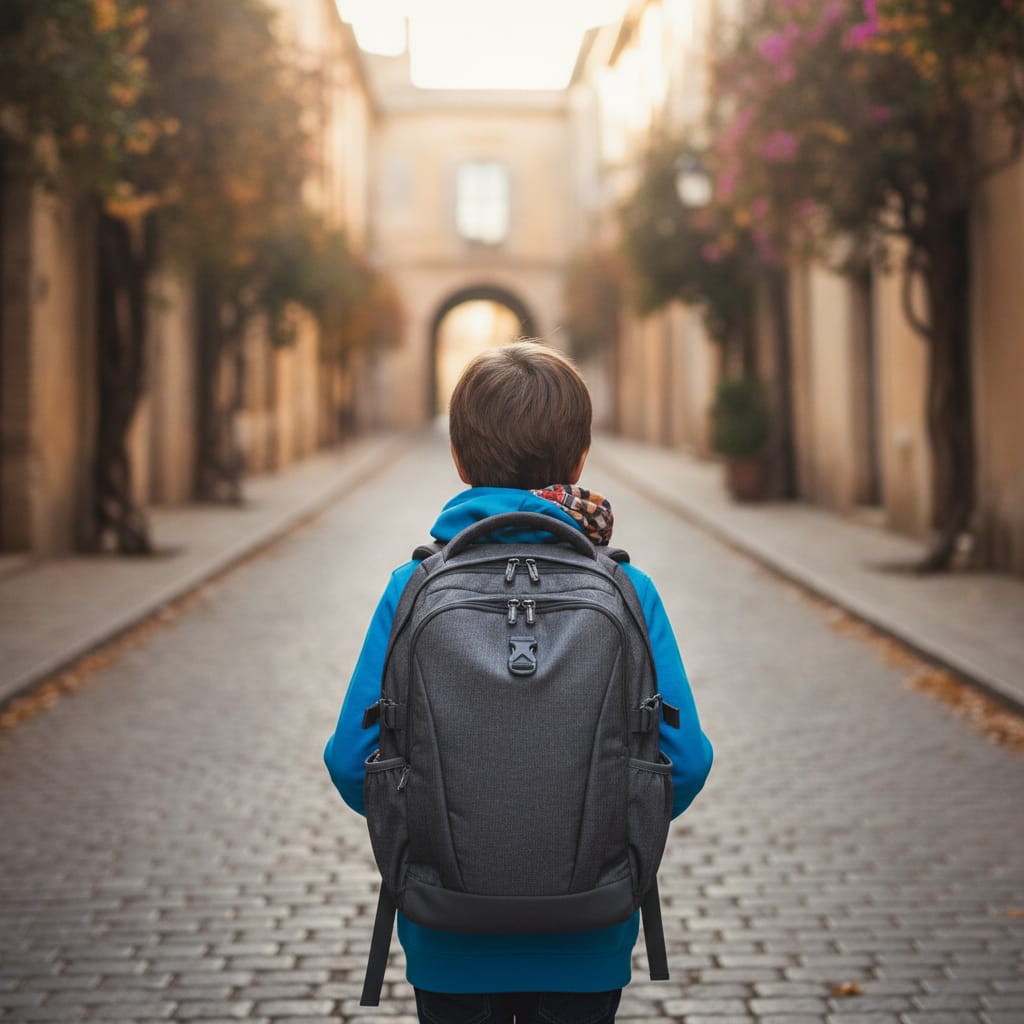
The anatomy of the load: why a heavy bag really harms children's backs
The bodies of children and teenagers are constantly growing and developing. Their spine, made of vertebrae and elastic cartilage, is especially sensitive to continuous external pressure. When a child carries a backpack that is too heavy or not anatomically fitted, their body has to make complex movement compensations to keep its balance.
The most common compensation is leaning forward. To avoid falling backward under the bag's weight, the child tilts the upper body forward, hunches the shoulders and stretches the neck. This posture, sometimes called "forward head posture", puts enormous strain on the muscles of the neck and upper back. Over time, this strain can lead to micro-tears in the muscles, persistent headaches, and even permanent postural changes such as kyphosis (a hunched back). In addition, uneven pressure on the intervertebral discs during the growth phase can harm the normal development of the spine.
The 10% to 15% rule: how much are they really allowed to carry?
Health organizations and pediatricians around the world agree on a clear, steady rule of thumb: a loaded backpack should not weigh more than 10% to 15% of the child's body weight. For a first grader weighing about 22 kilos, this means the whole bag (including textbooks, notebooks, a pencil case, a water bottle and a snack) should weigh no more than 2.2 to 3.3 kilos at most.
To make this simple, we gathered a table of recommended weights by the child's weight:
| Child's weight (kg) | Recommended bag weight, 10% (kg) | Maximum bag weight, 15% (kg) |
|---|---|---|
| 20 kg | 2.0 kg | 3.0 kg |
| 25 kg | 2.5 kg | 3.75 kg |
| 30 kg | 3.0 kg | 4.5 kg |
| 40 kg | 4.0 kg | 6.0 kg |
Carrying weight beyond these ranges puts the body into a state of extreme overexertion. The stabilizing muscles of the back tire quickly, and the mechanical load passes directly to the joints and ligaments, which significantly increases the risk of injury and wear.
Correct adjustment: the physiotherapy guide to fitting the bag to the body
Buying an orthopedic bag is only half the solution; the other half, and no less important, is adjusting it correctly on the child's body. An excellent orthopedic bag that is not adjusted properly will work just like a simple bag and cause the same damage. Here are the main steps for an optimal physiological fit:
- Wide, padded shoulder straps: tighten the shoulder straps evenly so the bag sits firmly against the back. The bag should not "swing" or hang loose. However, make sure the straps are not so tight that they restrict arm movement or press on blood vessels and nerves around the armpits (which can cause numbness).
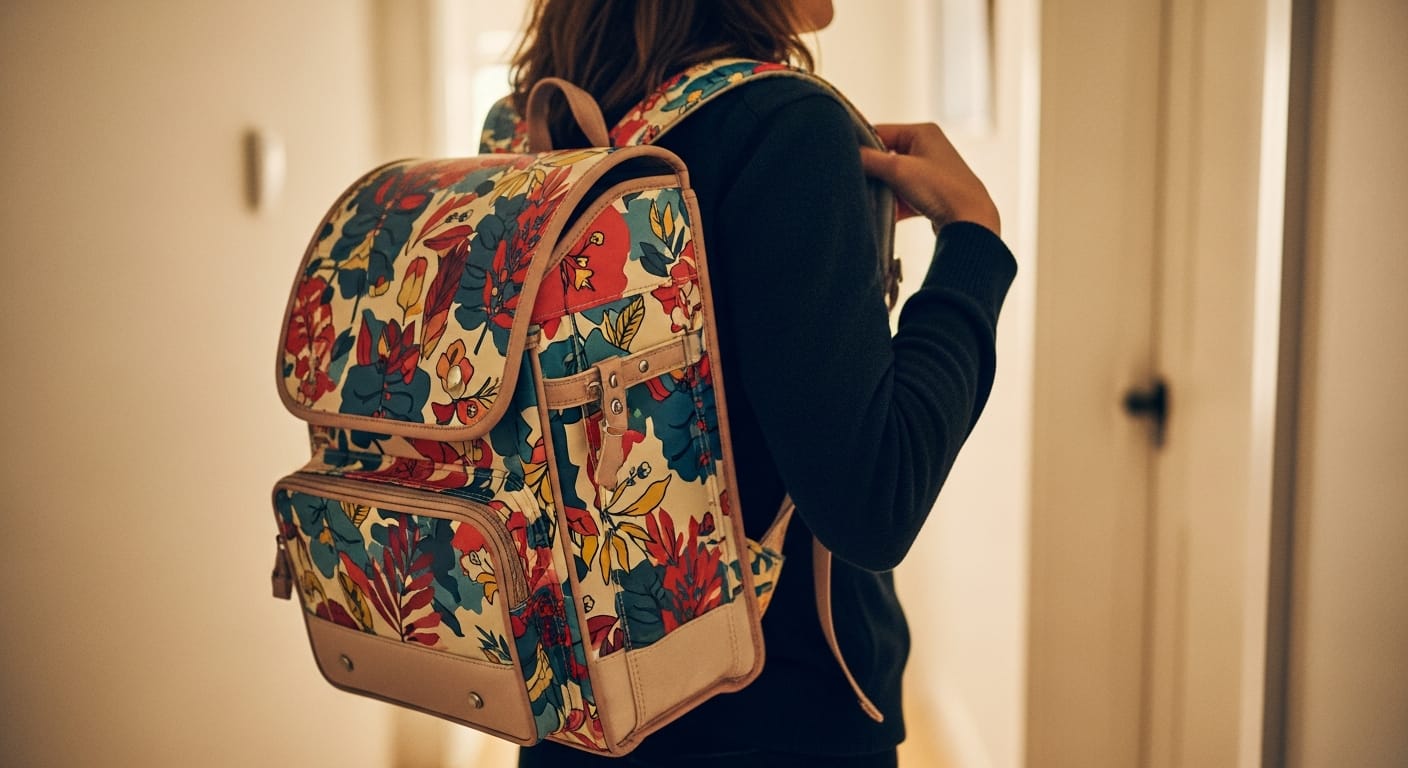
- Position of the bag on the back: the top of the bag should reach the shoulder line (not go above it), and the bottom should sit slightly above the waistline. A bag that slips down to the bottom pulls the child backward and forces them to lean forward excessively.
- Using a hip belt and chest strap: these straps are not decoration. The hip belt is the most effective tool for taking load off the shoulders, as it transfers about 50% of the bag's weight to the pelvic bones and legs, the strongest and most stable part of the skeleton. The chest strap stops the shoulder straps from slipping and stabilizes the bag while walking or running.
Warning signs: when is your child's back signaling distress?
Children do not always know how to point to the source of pain or link it directly to their school bag. So our job as parents is to stay alert and notice the following physical and behavioral signs:
- Red marks on the shoulders: red pressure or rub marks around the shoulders show that the straps are carrying too much load or are not adjusted correctly.
- A change in posture while carrying the bag: if you notice the child bending their head forward, rounding their back or tilting their pelvis unusually while walking with the bag, the bag is too heavy or not fitted.
- Complaints of pain or numbness: complaints of back, neck or shoulder pain, or a feeling of "pins and needles" and tingling in the hands and fingers are a bright warning light that needs immediate attention.
- Difficulty putting on or taking off the bag: if the child physically struggles to lift the bag onto their back or constantly needs help, the weight exceeds their physical ability.
Important: the information in this article is based on accepted health recommendations and is not a substitute for medical advice. Whenever a child complains of chronic, persistent or worsening pain, consult a pediatric physiotherapist or an orthopedic specialist promptly for a professional diagnosis.
Smart packing inside: the complementary secret to reducing pressure
Beyond adjusting the straps, the way we arrange the gear inside the bag directly affects the body's center of gravity. The physics rule is simple: the closer the heavy item is to the center of the body (that is, close to the child's back), the smaller the leverage and load it puts on the spine.
So make sure to put the thickest, heaviest books in the rearmost compartment, against the back. Lighter items such as pencil cases, lunch boxes or sports clothes should go in the front or side compartments. Packing this way stops the bag from pulling the body backward and makes it much easier to keep an upright, healthy posture.
For more on choosing the bag that will handle this task for years, visit our detailed guide: how to choose a durable orthopedic school bag that lasts.
Products to help you on the way


Products in this guide

Frequently asked questions
Is a bag with wheels (trolley) better than an orthopedic backpack?
Not necessarily. A wheeled bag solves the problem of carrying weight on flat ground, but it forces the child to pull it with one hand, which creates an asymmetric twisting movement in the spine. Also, on stairs the child has to lift a very heavy weight with one hand, which is not recommended.
At what age is an orthopedic bag most important?
It matters throughout the growing years, but it is especially critical in the first years of elementary school (grades 1 to 6) and in adolescence, periods of rapid growth spurts when the skeleton is especially vulnerable to deformities and external pressure.
How do I know if the bag sits too low on the back?
If the bottom of the bag touches or goes below the buttocks, the bag is too low. The ideal position for the bottom of the bag is about 5 centimeters above the waistline, so the weight is supported by the lower back and pelvis and does not pull the body backward.
Should I wash an orthopedic backpack in the washing machine?
Usually not recommended. Orthopedic bags contain rigid or semi-rigid back systems, special anatomical foams and water-repellent coatings that may be ruined in a machine wash. Clean them by hand with a damp cloth and mild soap only.


