What's the Difference Between Waterproof and Weatherproof?
October 24, 2026
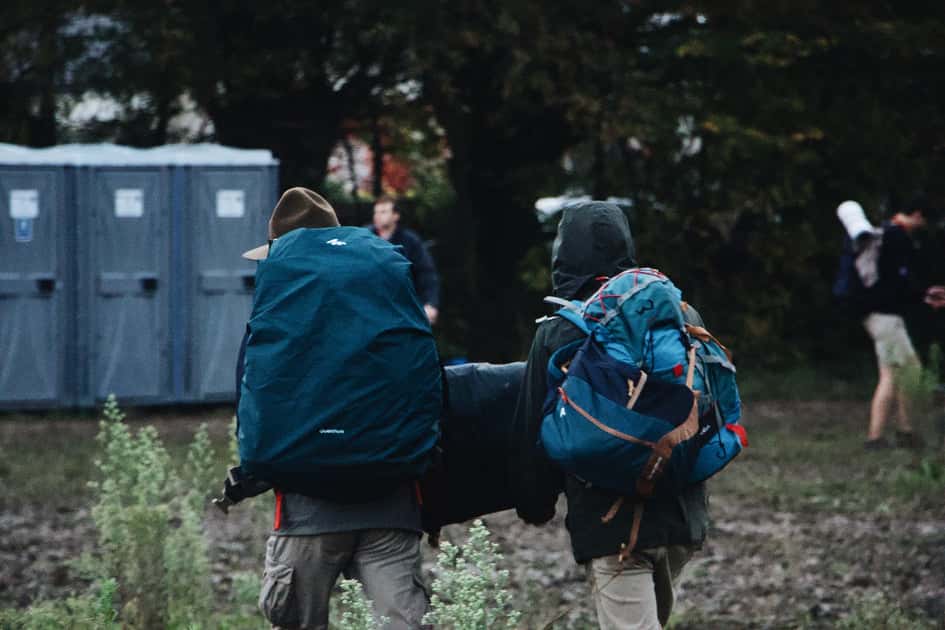
The difference between waterproof and weatherproof comes down to what each one protects against. A waterproof material stops water from getting through. A weatherproof material is built to survive the weather as a whole: rain, but also sun, heat, cold, wind and the slow wear of years outdoors. The two often overlap, but they are not the same thing, and a bag can be one without being the other.
What waterproof means
A waterproof material does not let water pass through it, even when it is soaked or submerged for a while. Plastic, rubber and metal are waterproof: water runs off the surface and never reaches the other side. On a bag, true waterproofing also needs sealed seams and waterproof zippers or a roll-top closure, because water finds its way in through stitching holes and zipper teeth long before it gets through the fabric.
What weatherproof means
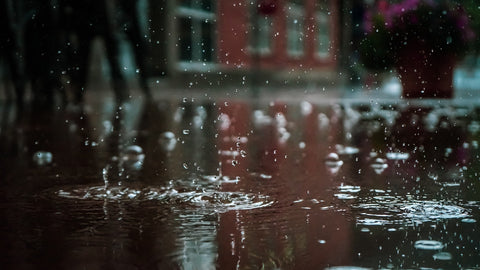
Weatherproof is about durability over time. A weatherproof material keeps its strength, color and shape after long exposure to the elements. Think of a blue backpack that turns gray after a few summers of hiking: the fabric may still keep rain out, but the sun has broken it down. Weatherproof materials and coatings are made to slow down exactly that kind of aging, cracking and fading.
So the rule of thumb is simple:
- Waterproof answers the question "will my things stay dry?"
- Weatherproof answers the question "will this bag still be in good shape after years of rain, sun and cold?"
Not every waterproof material is weatherproof, and not every weatherproof material is fully waterproof.
Waterproof, water-resistant and water-repellent: the labels you will see
Most everyday bags are not waterproof at all, and that is fine. Here is how the common labels compare, from least to most protection:
| Label | What it handles | Typical use |
|---|---|---|
| Water-repellent | A coating makes water bead and roll off. Fine for drizzle and splashes. | Commuter and laptop backpacks |
| Water-resistant | The fabric itself slows water down. Handles steady rain for a while. | Travel and outdoor backpacks |
| Waterproof | Sealed fabric, seams and closures. Handles heavy rain and short submersion. | Dry bags, kayaking, boating |
| Weatherproof | Built to resist sun, cold and wear over the long term, usually with good water protection too. | Hiking packs, bags used outdoors every day |
When you shop, read the label carefully. A bag described as water-repellent will keep your laptop dry on a rainy walk to the office, but it is not the bag to take on a kayak.
Where leather fits in
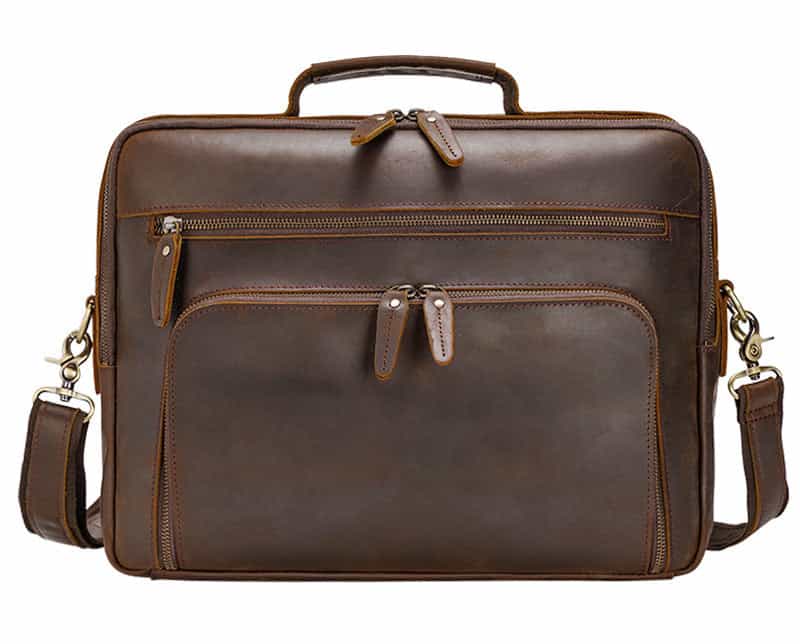
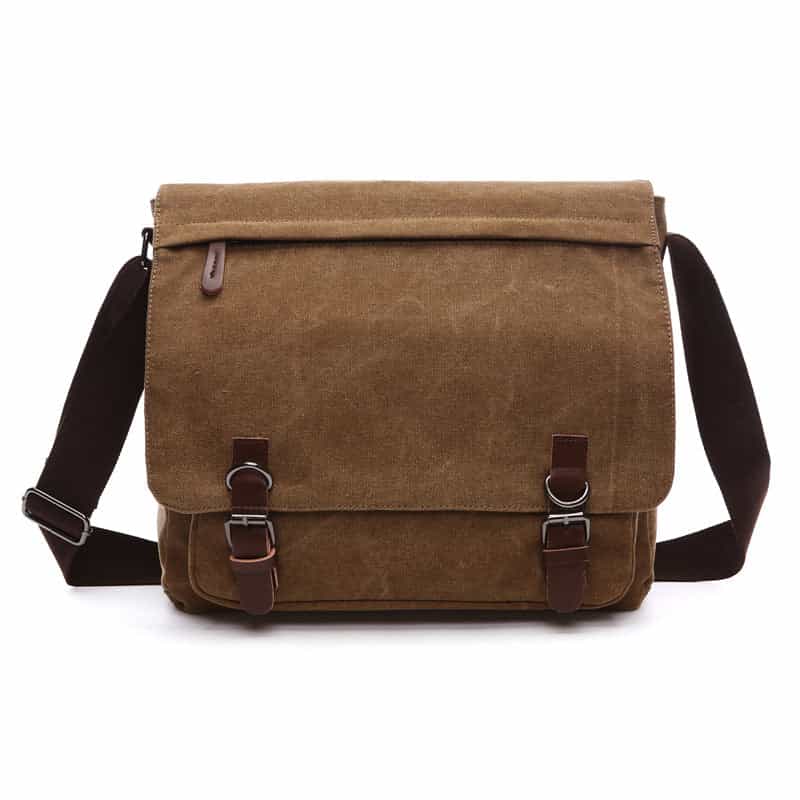
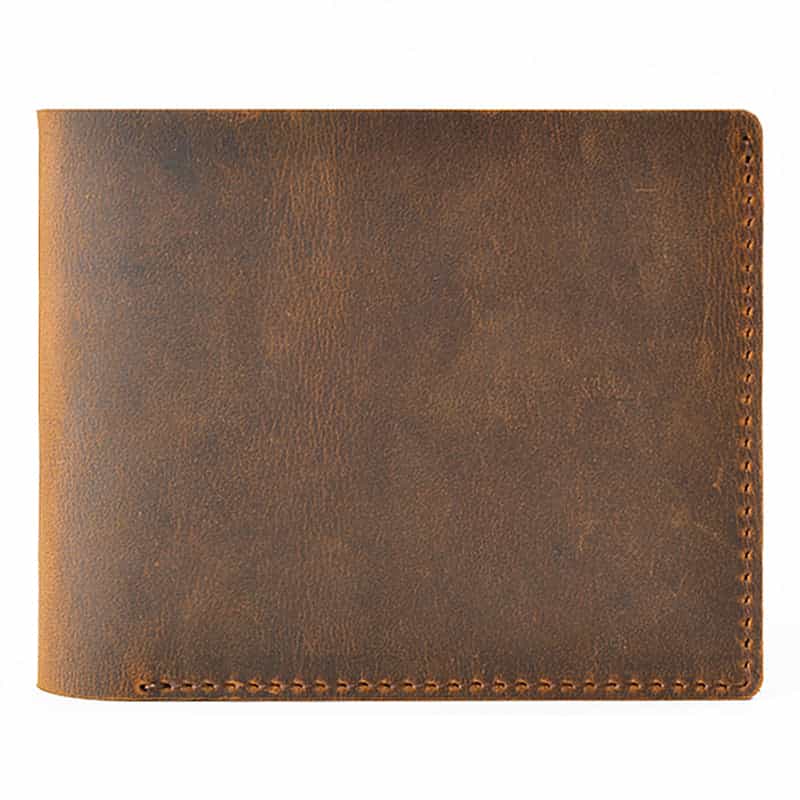
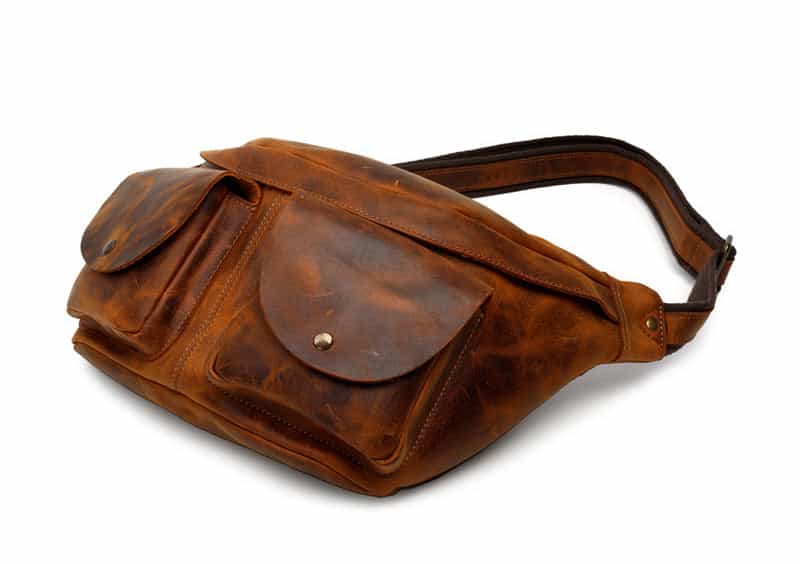
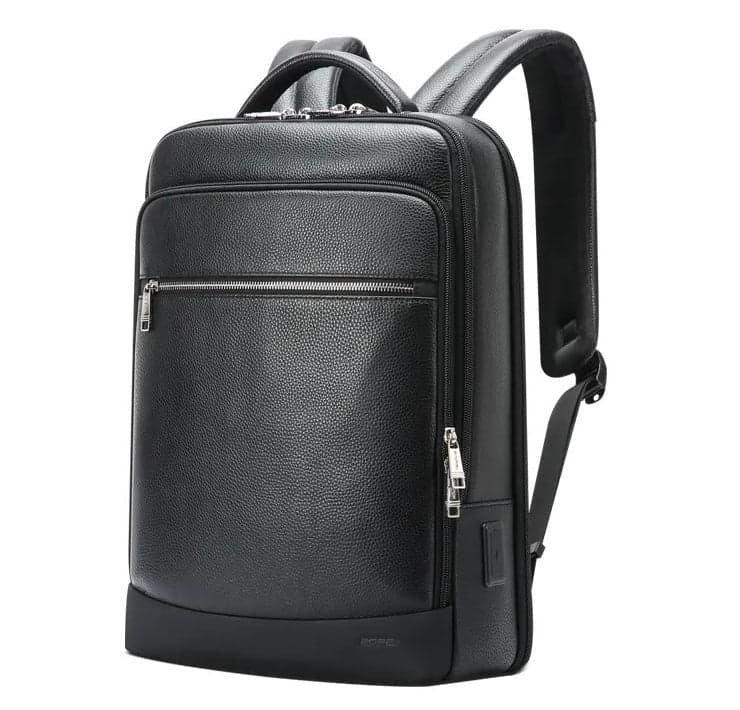
Good genuine leather is an interesting case. It naturally sheds light rain, and with proper care it can last for decades, which makes it one of the most weather-tolerant natural materials. It is not waterproof, though: leather that gets soaked can stain, stiffen and crack as it dries. Regular conditioning and a protective treatment keep it in shape. Our guides on how to maintain leather bags and how to winter-proof them cover the details.
Modern coated fabrics
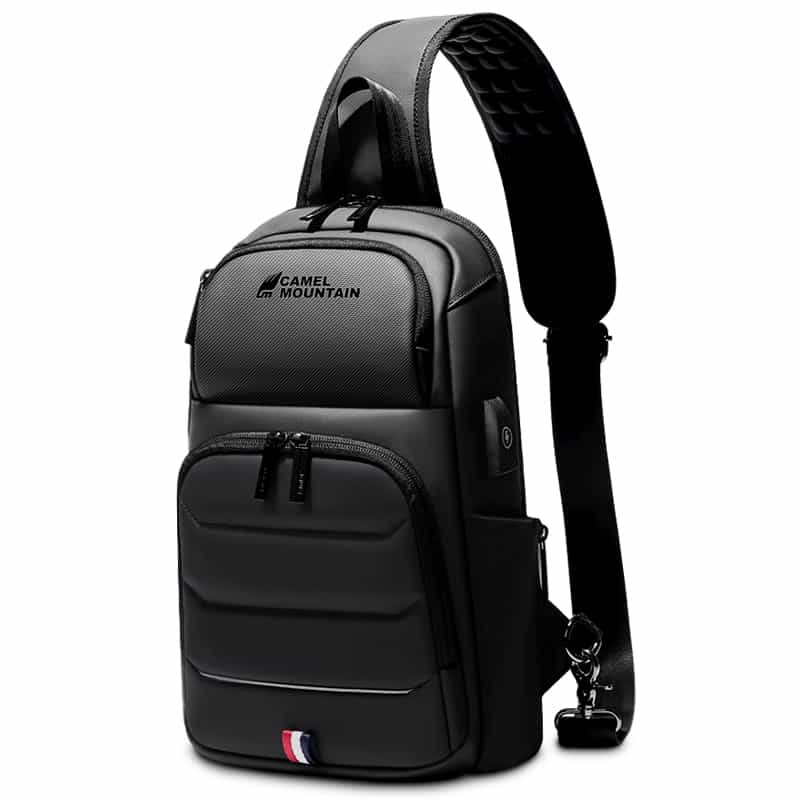
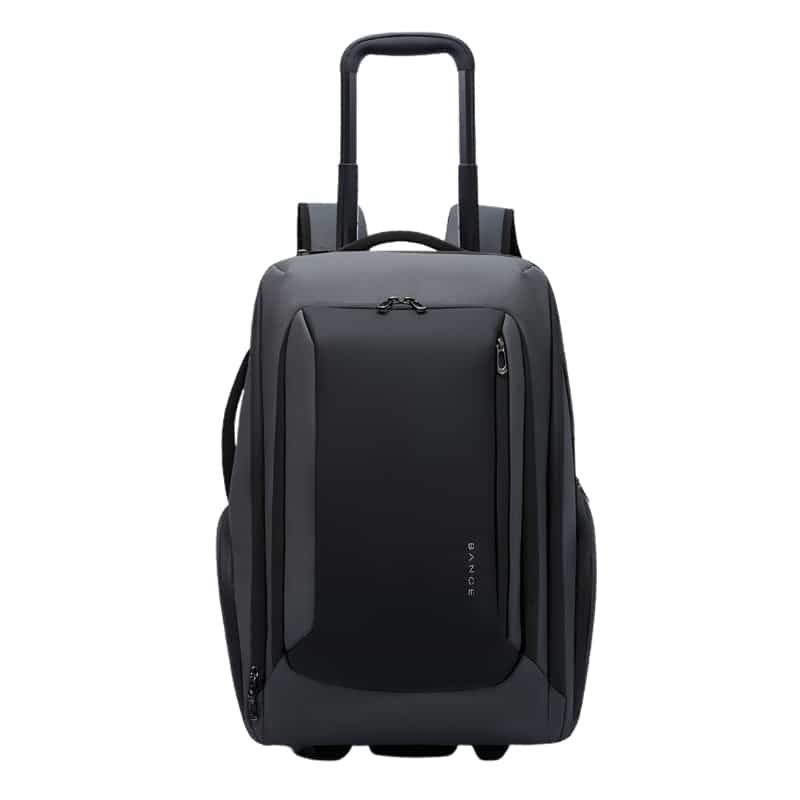
Most backpacks today use synthetic fabrics such as nylon, polyester and Oxford, treated with a water-repellent coating. They are lighter than leather, easy to wipe clean and handle everyday rain well. Denser fabrics (a higher denier number, such as 600D or 900D) are generally more resistant to abrasion and wear. You can browse our backpacks and leather bags to compare both approaches.
Which one do you need?
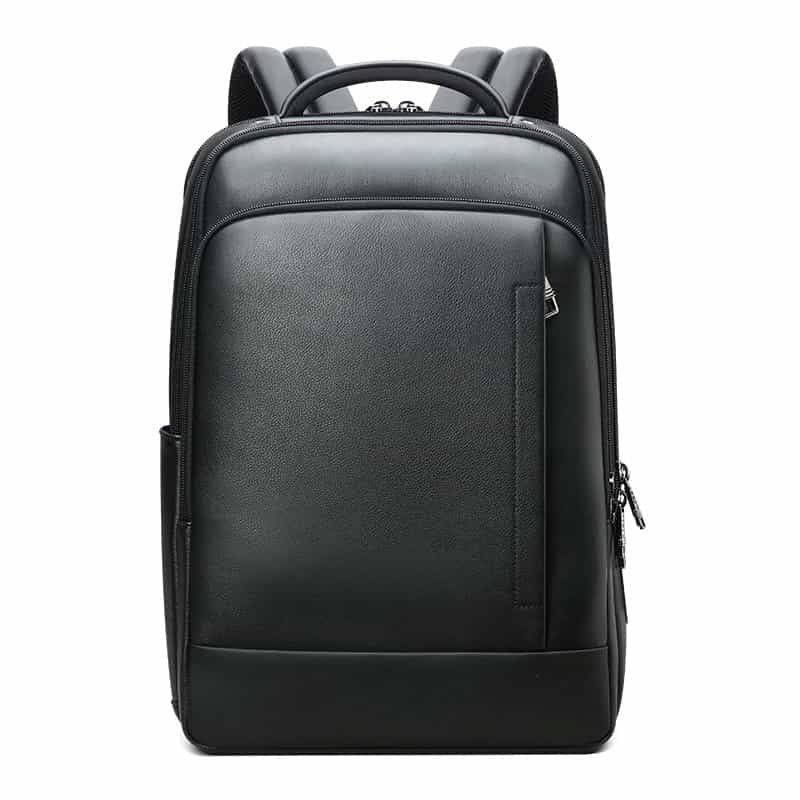
- Daily commute in a rainy city: a water-repellent or water-resistant laptop backpack is enough. Look for a padded laptop compartment that sits away from the outer shell.
- Hiking and outdoor trips: choose a weatherproof, water-resistant pack in a dense fabric, and add a rain cover for long days in the rain.
- Water sports or boat trips: only a truly waterproof dry bag with a roll-top closure will do.
- A bag you want to keep for years: weatherproof materials, or genuine leather that you care for regularly.
Whatever you choose, a few habits help any bag last longer: let it dry at room temperature after rain, keep it out of strong direct sun when you are not using it, and clean off dirt before it settles into the fabric.
Products in this guide
Frequently asked questions
Is weatherproof the same as waterproof?
No. Waterproof means water cannot get through the material. Weatherproof means the material is built to withstand the elements over time, including sun, cold and wind, without breaking down. A weatherproof bag usually resists rain well, but it is not necessarily fully waterproof.
Which is better, waterproof or water-resistant?
Waterproof gives more protection, but it is heavier, stiffer and usually unnecessary for everyday use. For commuting and travel, a water-resistant or water-repellent bag keeps your things dry in normal rain and is more comfortable to carry.
Can I take a water-resistant backpack out in heavy rain?
For a short walk, usually yes. In long, heavy rain water can eventually soak through seams and zippers, so use a rain cover or keep electronics in an inner sleeve.
Is leather waterproof?
Not fully. Genuine leather sheds light rain and lasts a long time with care, but a soaking can stain or stiffen it. Dry it slowly at room temperature and condition it regularly.