

The Air Canada Gold Heist: Why You Should Never Put Valuables in Checked Luggage
October 23, 2026
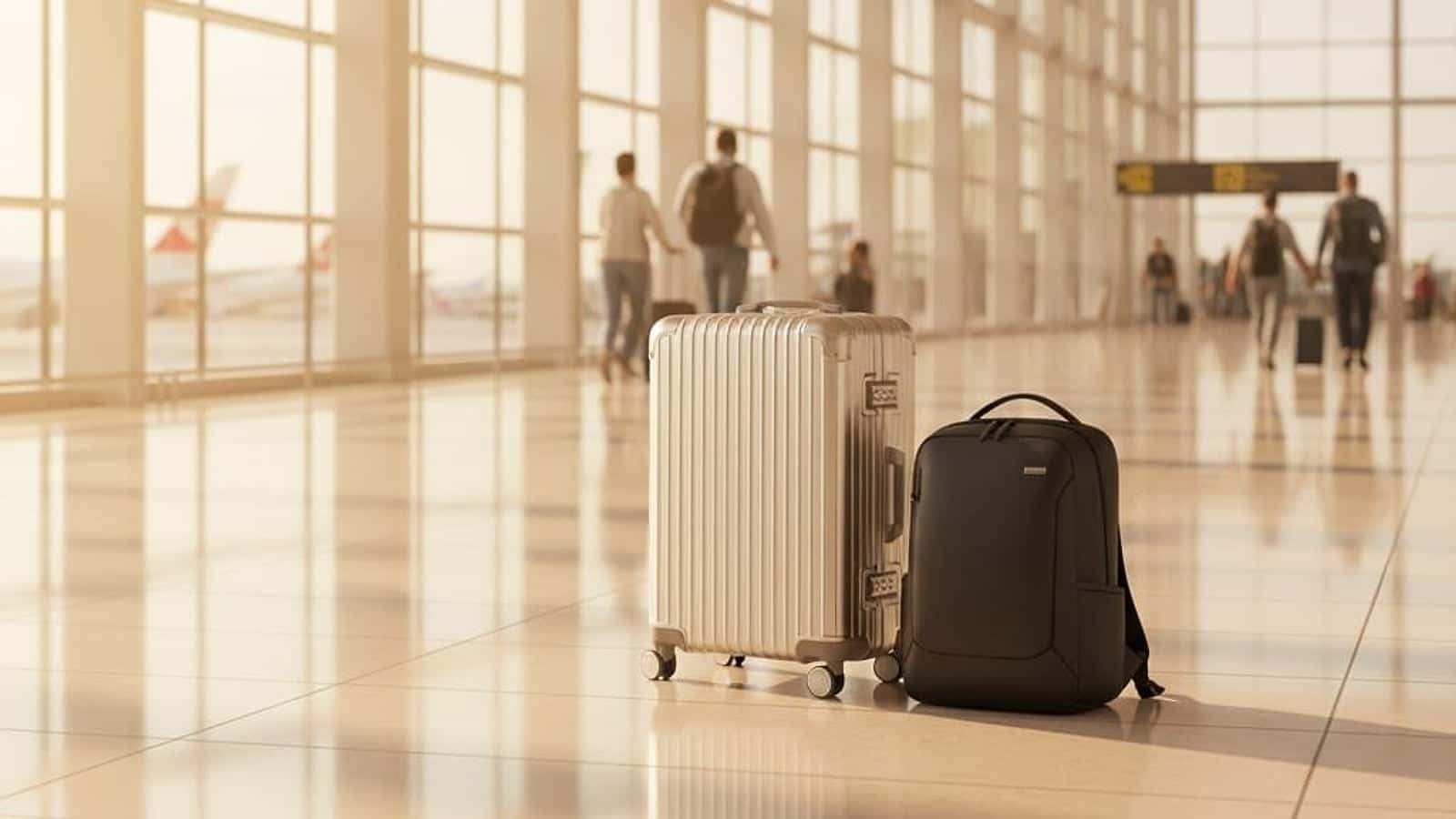
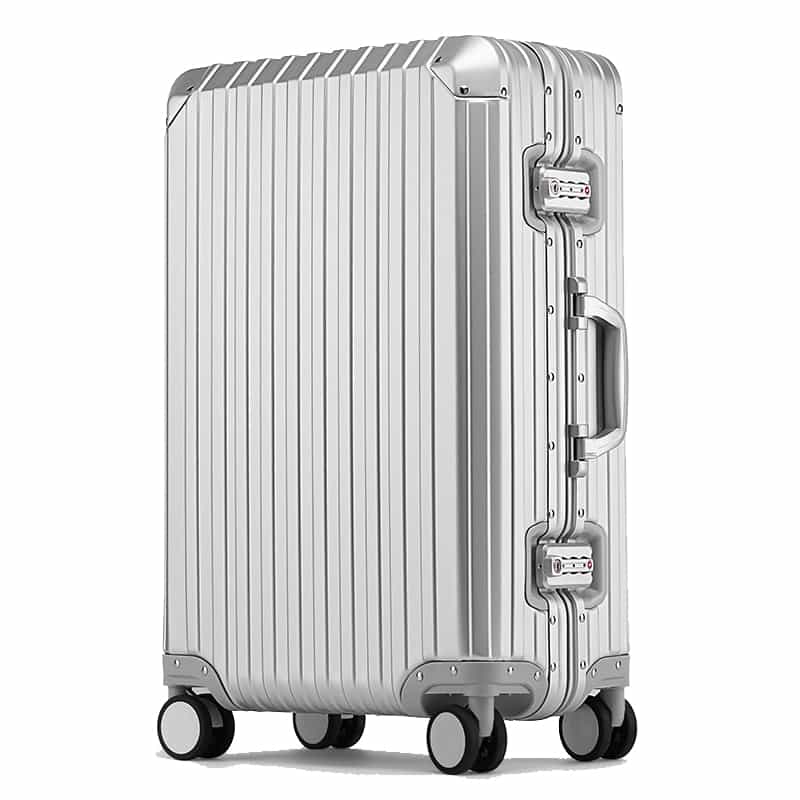
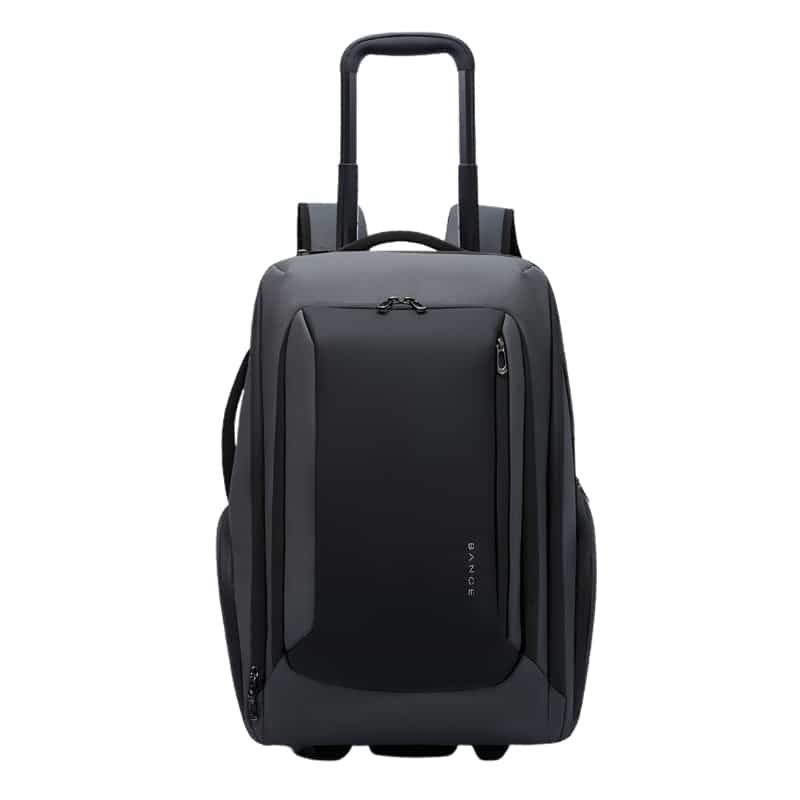
Airlines do not compensate for valuables lost in the hold beyond the Montreal Convention cap (only about $1,700), regardless of the item's value. To protect jewelry, laptops, cash or documents, you must carry them in a backpack or hard-shell trolley that goes with you into the cabin, where they stay under your full supervision.
The big heist and the small settlement: what happened between Air Canada and Brink's?
In April 2023 one of the most daring and largest heists in Canadian history took place: a container holding gold bars worth over 20 million Canadian dollars, plus cash, disappeared from Air Canada's cargo facility in Toronto. The international security company Brink's, which was responsible for the shipment, filed a huge lawsuit against the airline, claiming gross negligence. Recently, as reported by Money.ca, the two reached an out-of-court settlement whose details remain confidential, but the legal battle brought to the surface a very troubling legal and commercial truth for every traveler in the world.
During the case, Air Canada's main line of defense rested on international aviation law, especially the Montreal Convention. The airline argued that even if it had been negligent, international law severely limits the compensation it must pay for loss of or damage to cargo. If a global security company that handles gold shipments worth millions has to deal with such strict liability limits, what does that mean for us, private travelers, when we hand over our suitcase at check-in?
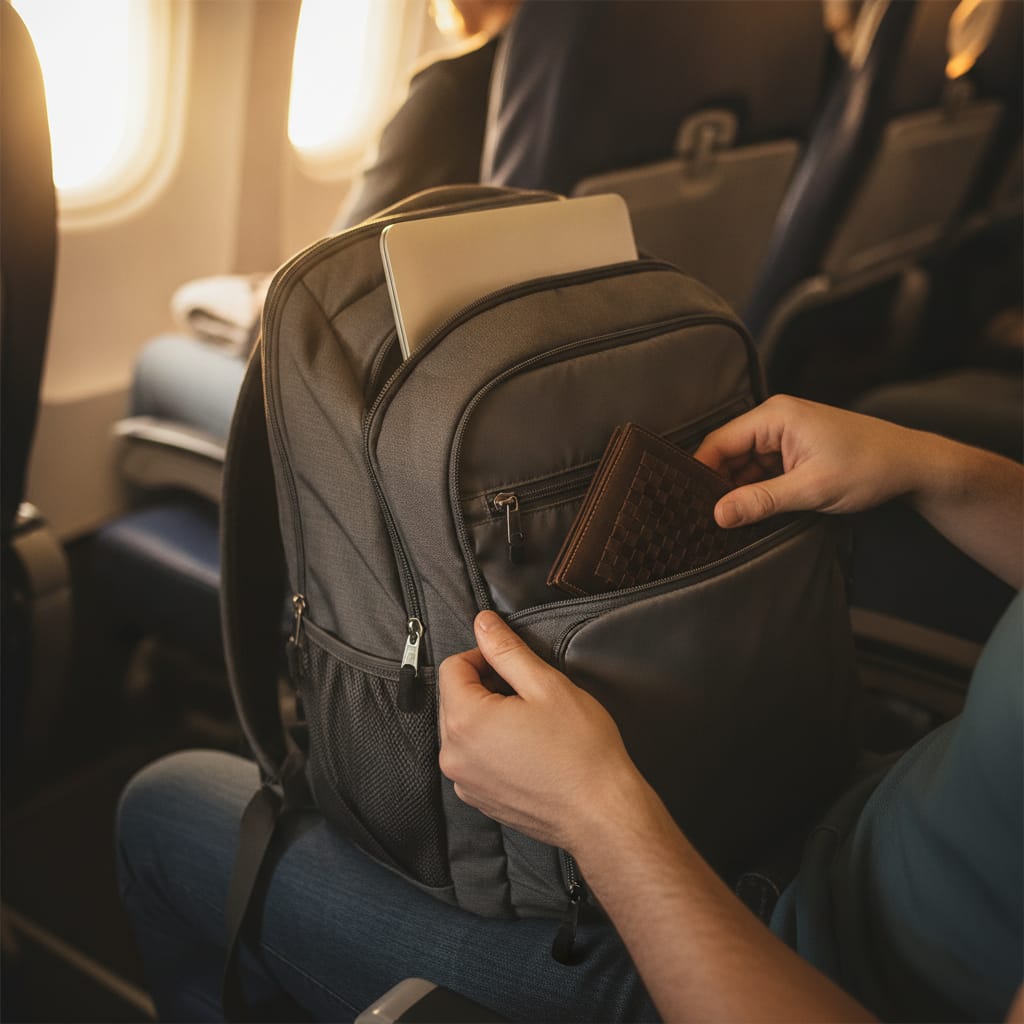
The Montreal Convention and the fine print: how much will you really get if your suitcase is lost?
Many travelers live under the illusion that if the airline loses their suitcase, they will be compensated for the full value of its contents. The legal reality is completely different. Airline liability for luggage is governed by the Montreal Convention, an international treaty binding almost every country and airline in the world.
The convention sets a maximum compensation cap for loss, delay or damage to luggage. The cap is measured in a special International Monetary Fund currency unit (SDR) and currently stands at about 1,288 SDR, equivalent to only about $1,700 per passenger. That is the upper limit, regardless of whether your suitcase held simple clothes or a luxury watch and a laptop worth a small fortune.
What's more, the Conditions of Carriage of almost every airline include an explicit exclusion clause: the airline bears no liability whatsoever for valuables sent in the hold. This list usually includes:
- Laptops, tablets and mobile phones
- Cameras and professional photography equipment
- Jewelry, watches and precious metals
- Cash, credit cards and securities
- Medical documents, ID cards and passports
- Life-saving medicines
The meaning is simple: if you sent your laptop in your big suitcase and it was stolen or broken, the airline is legally entitled to refuse to pay you a single cent for it, even within the general compensation cap.
Comparison table: hand luggage (carry-on) vs checked luggage (the hold)
To understand the huge differences in safety and legal liability, we put together the following comparison:
| Feature | Hand luggage (carry-on or backpack) | Checked luggage (the hold) |
|---|---|---|
| Supervision and control throughout the journey | With you in the cabin, under your watchful eyes | Passes through dozens of hands, conveyors and handlers unsupervised |
| Legal compensation cap in case of loss | The risk of loss is close to zero, but compensation is subject to the same legal limits | Limited to about $1,700 at most (and usually less, depending on proof of value) |
| Coverage for valuables and electronics | Covered (your responsibility, and according to your travel insurance policy) | Completely excluded in most airlines' conditions (zero compensation) |
| Risk of physical damage from pressure or jolting | Very low (the bag sits in the bin above you or under the seat) | High (suitcases are thrown and stacked on top of each other under heavy pressure) |
The golden rules for protecting valuables when you travel
So you don't find yourself helpless in front of the airline's claims department, Camel Mountain's travel experts recommend adopting four iron rules for every flight:
1. The "never at check-in" rule
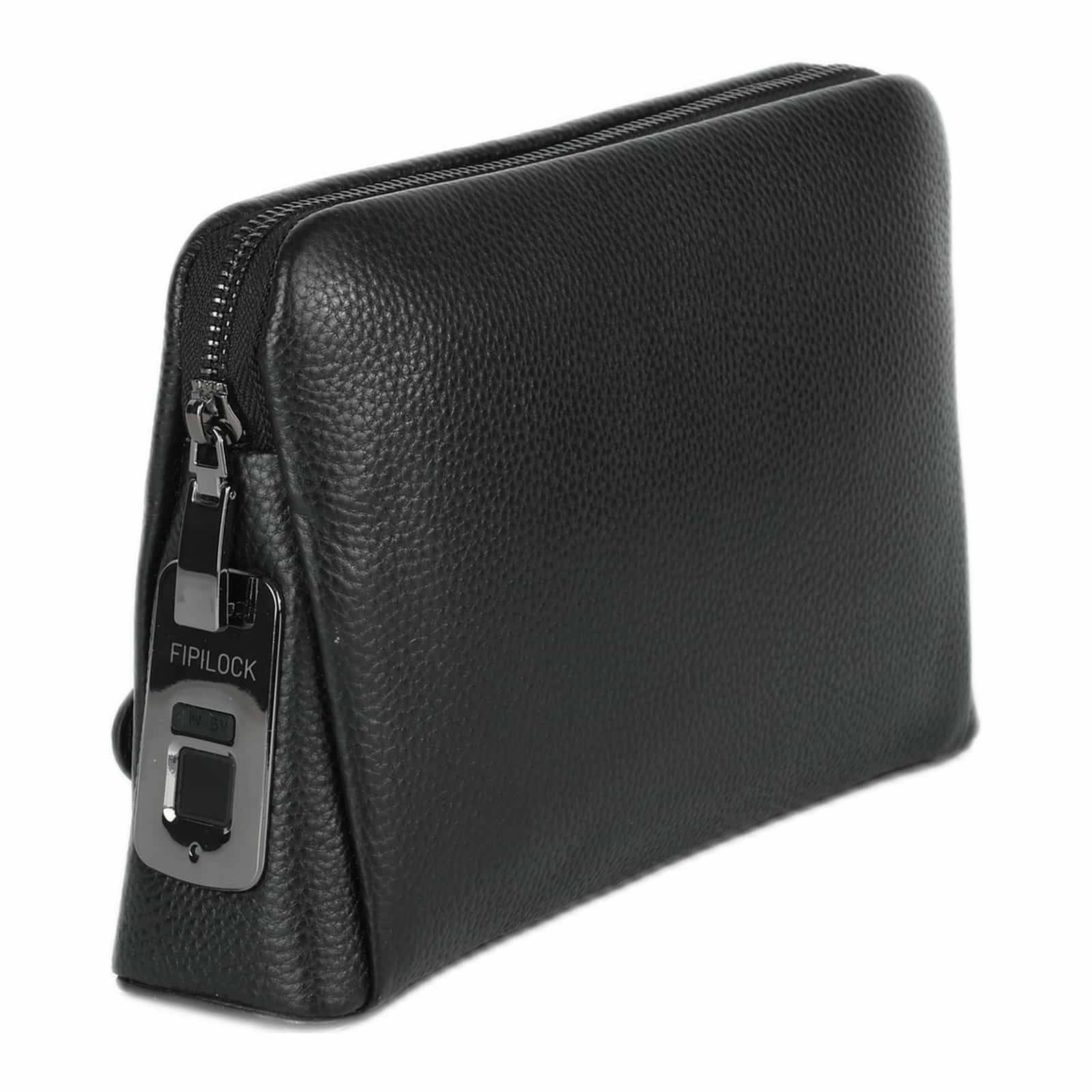
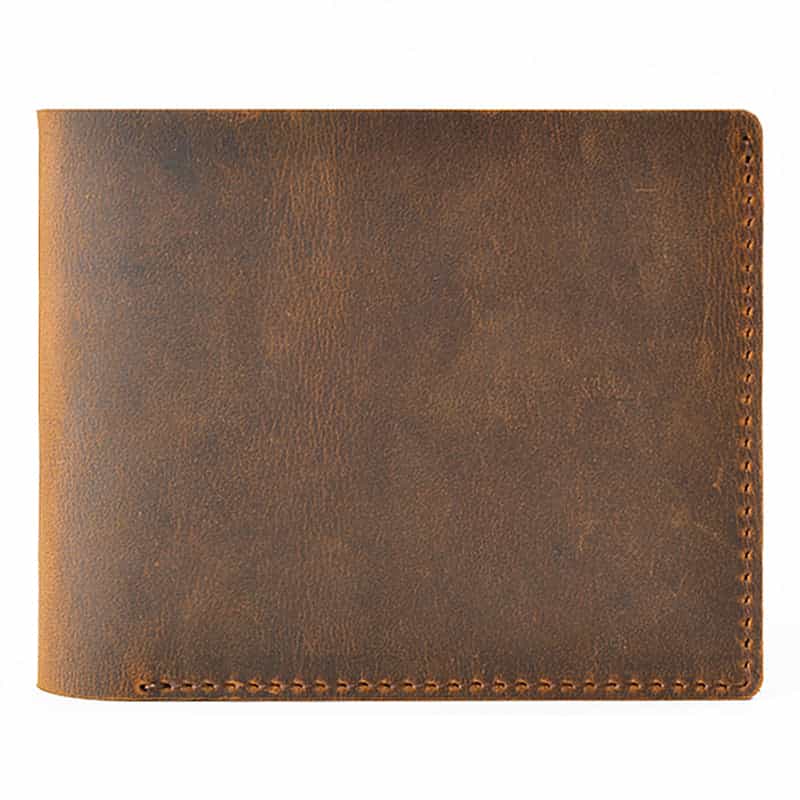
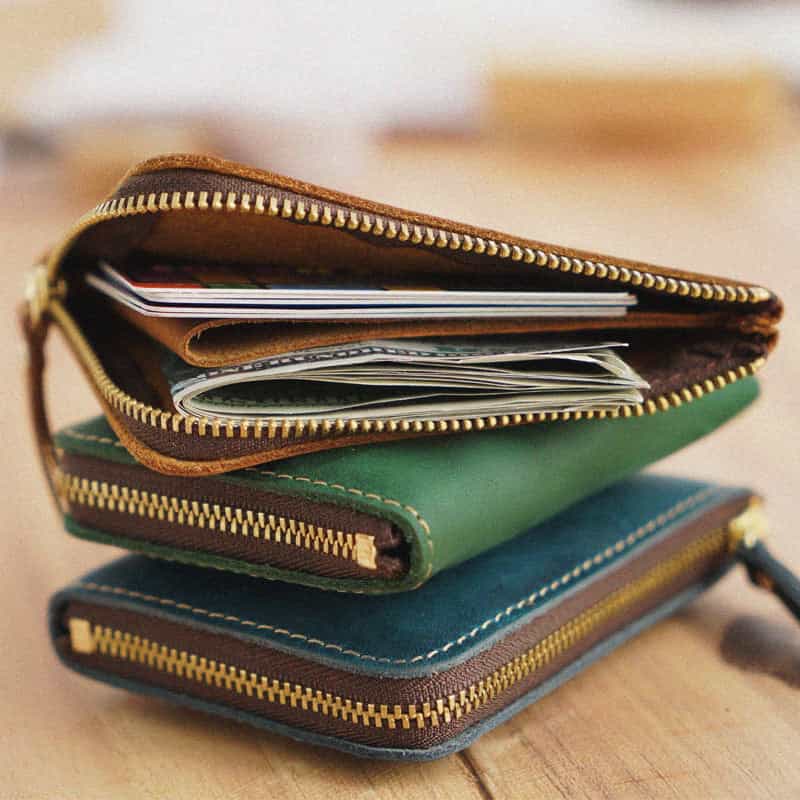
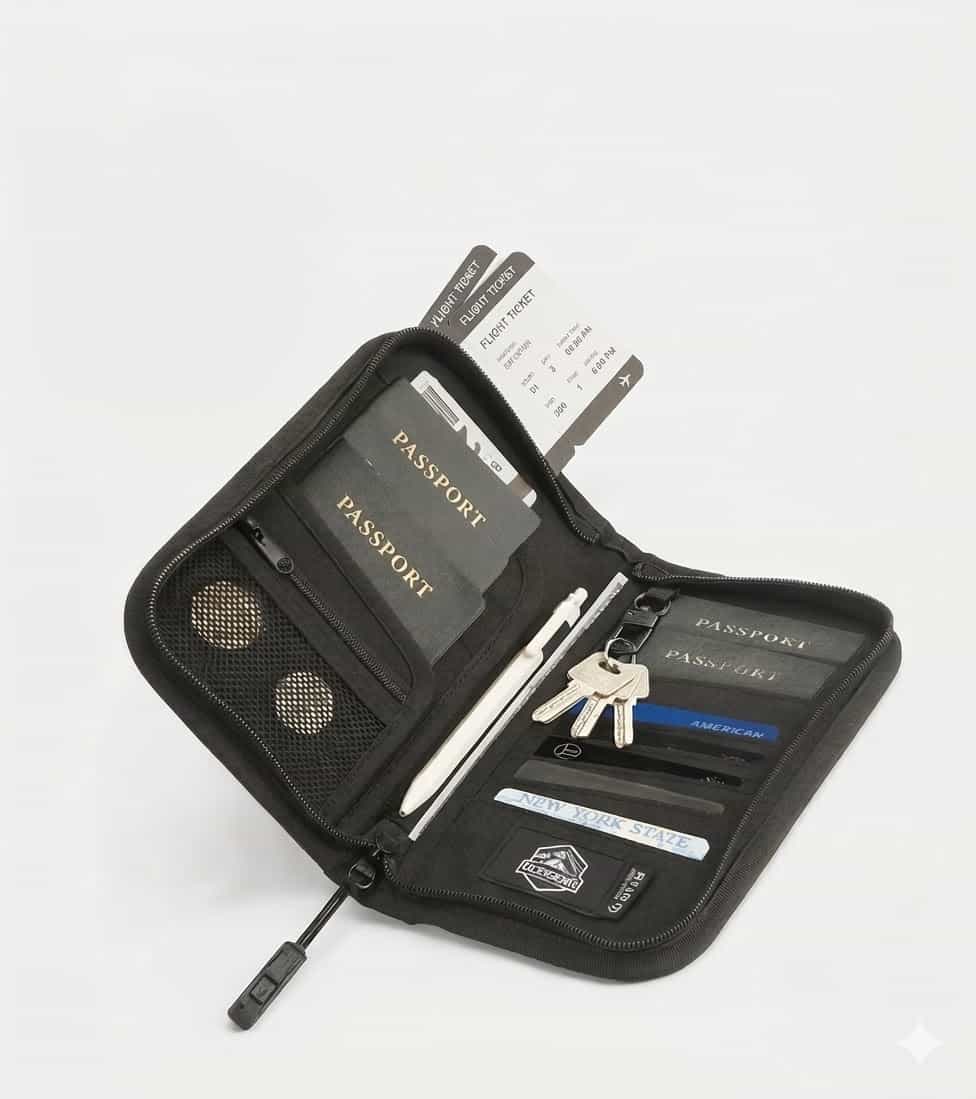
Anything you can't afford to lose, whether because of its monetary value or its emotional or practical value, must board the plane with you. Laptop, phone, chargers, medicines, house and car keys, passports, cash and jewelry should be in your backpack or carry-on trolley only.
2. Get a smart, anti-theft backpack
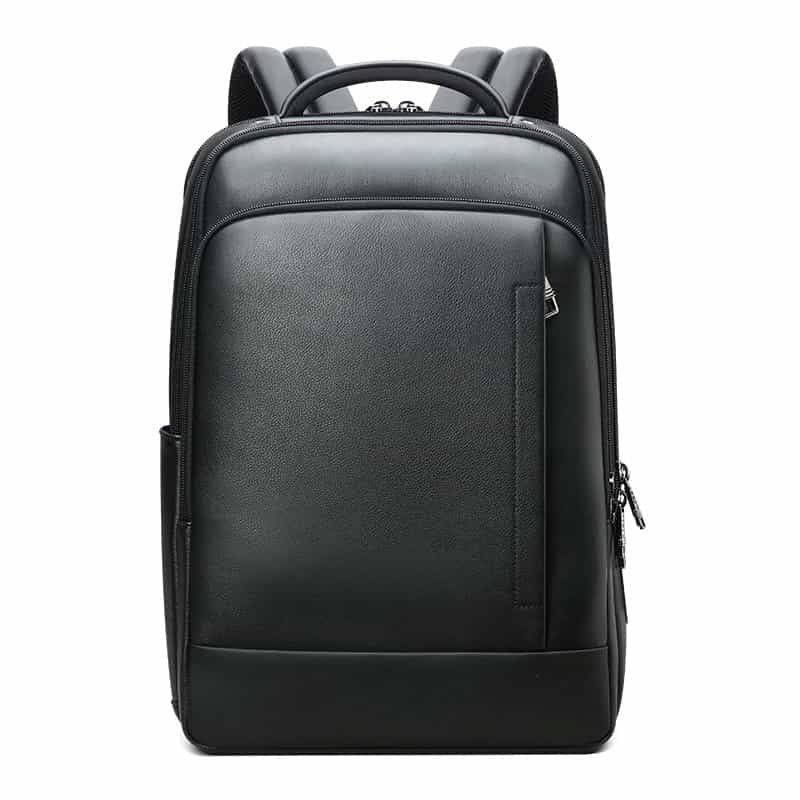
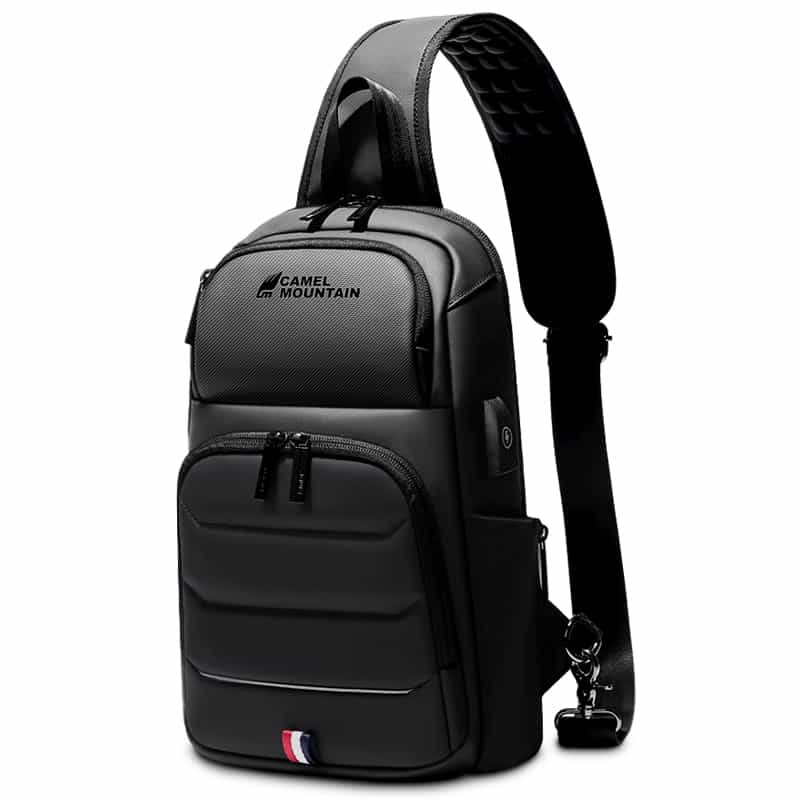
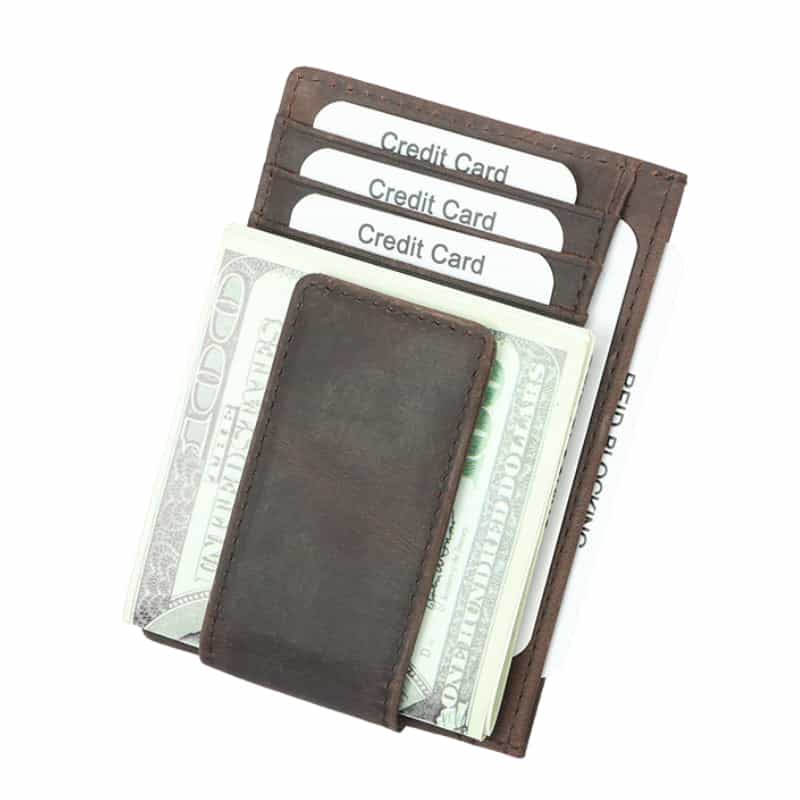
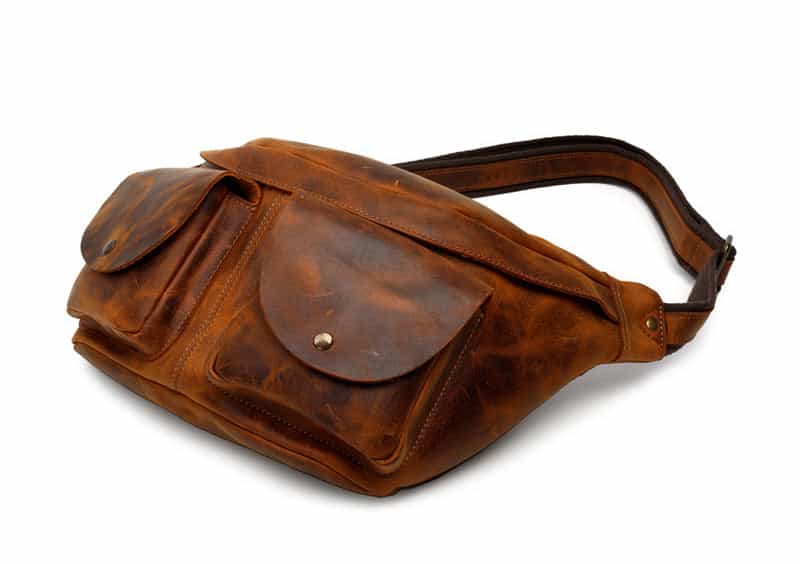
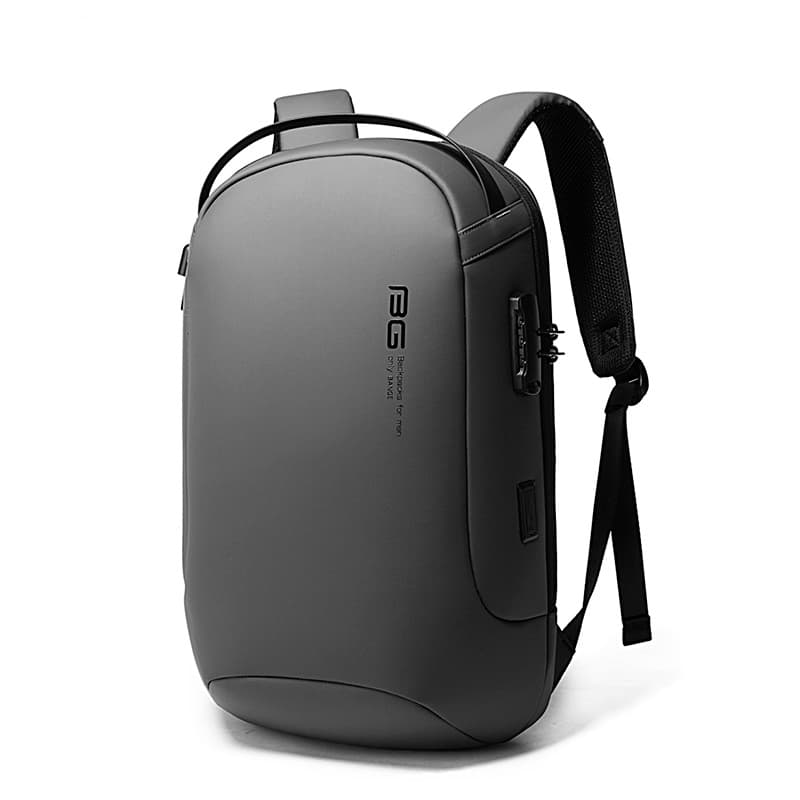
The cabin is much safer than the hold, but it has risks too (for example, while you sleep or go to the restroom). A dedicated laptop backpack with hidden zippers, RFID protection for your credit cards and padded inner compartments makes sure your expensive gear stays protected physically and digitally.
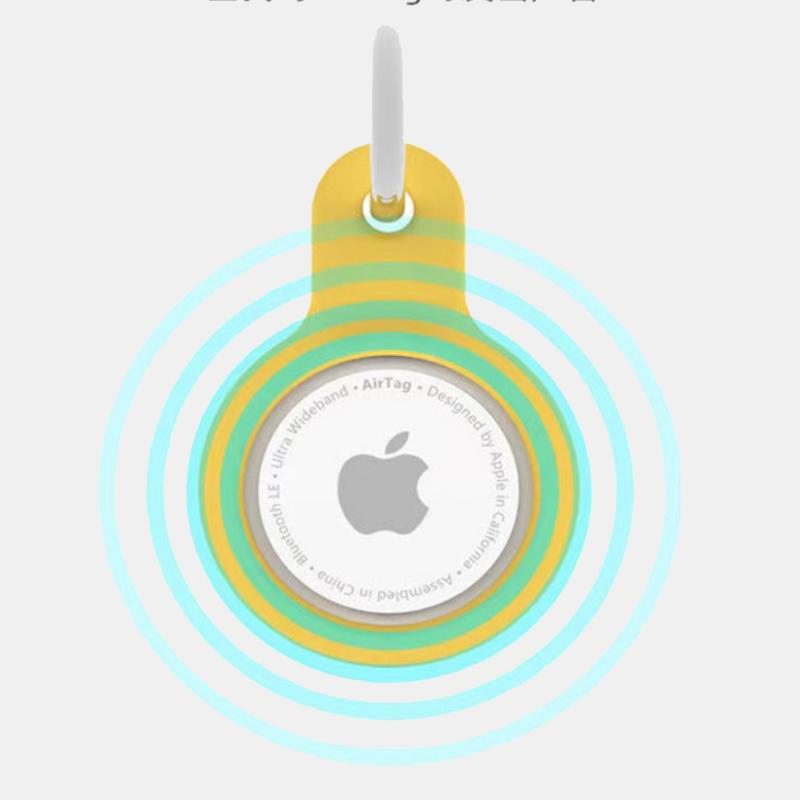
3. Don't skip smart tracking (AirTag)
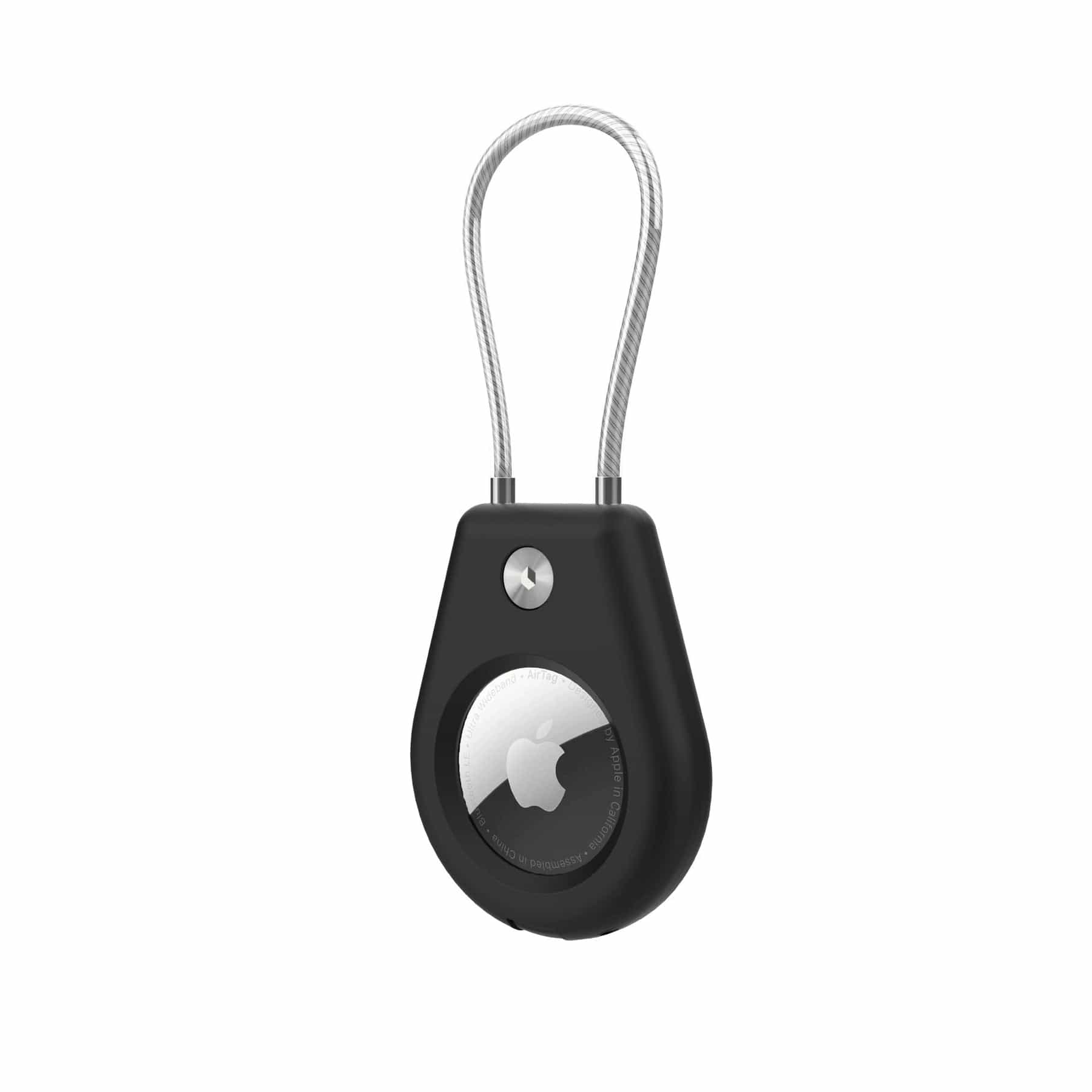
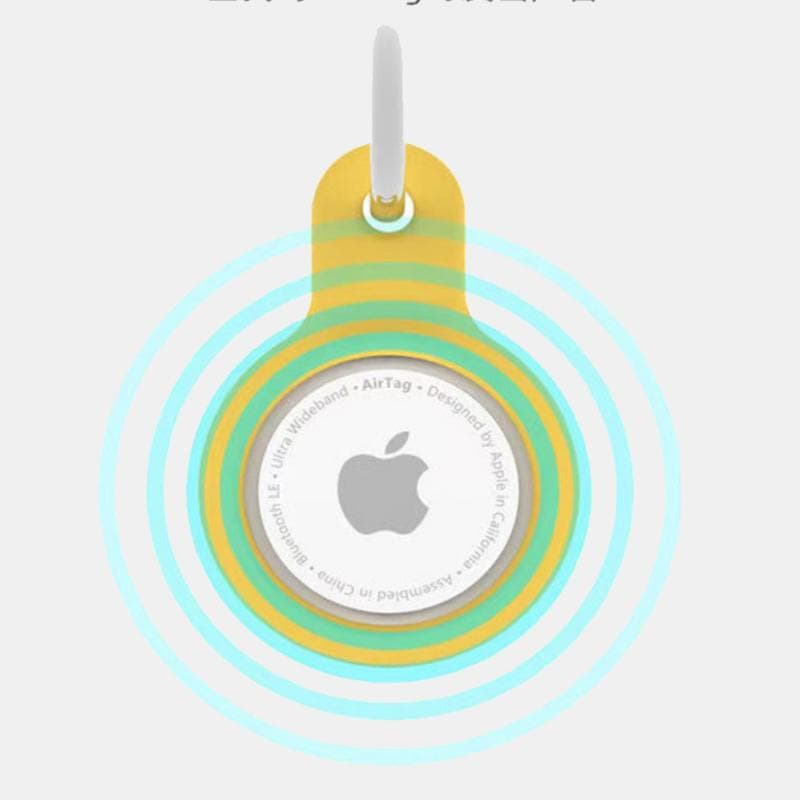
Technology is the modern traveler's best friend. Slipping a smart tracking tag (like an Apple AirTag) into your backpack, wallet or suitcase lets you know exactly where your gear is at any moment, straight from your phone. It is a critical tool especially when the airline claims it doesn't know where your luggage is.
4. Buy extended private travel insurance
Airlines won't compensate you for valuables, but good private travel insurance can. Make sure you extend the basic policy to include explicit coverage for a laptop, mobile phone or camera, and read the coverage cap for each single item carefully.

How to choose the perfect carry-on bag?
As a family business since 1975, and as the Camel Mountain brand since 2006, we have been accompanying travelers around the world and developing smart carrying solutions that match the requirements of modern airlines. When you choose a carry-on bag, pay attention to a few key features:
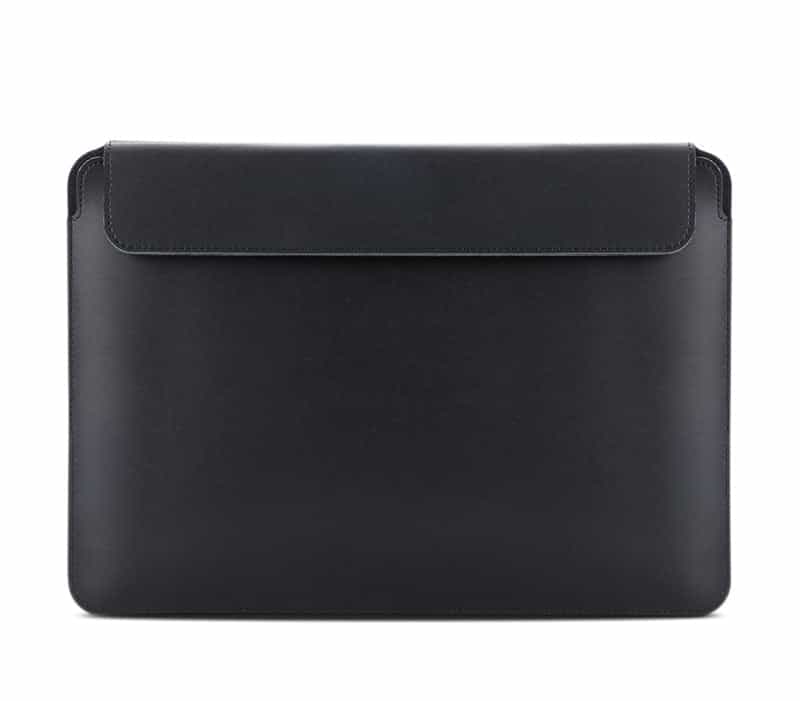
First, smart compartments. A quality business bag or travel backpack must include a separate, well-padded laptop compartment that lets you pull it out quickly at the airport security check. Second, water resistance. Materials like Cordura or treated canvas protect your electronics from sudden rain when moving between terminals. Finally, ergonomics and comfort. Padded shoulder straps and a dedicated trolley sleeve make moving through large airports much easier and make the whole trip far more relaxed and safe.
Based on a report: Air Canada and Brink's just settled their $20M gold heist lawsuit, and it reveals how little airlines owe for lost valuables - Money.ca
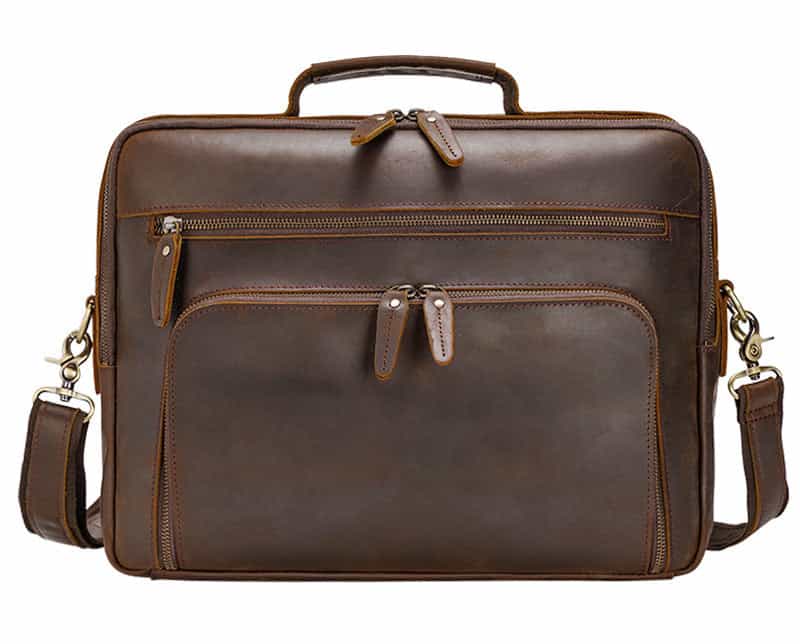
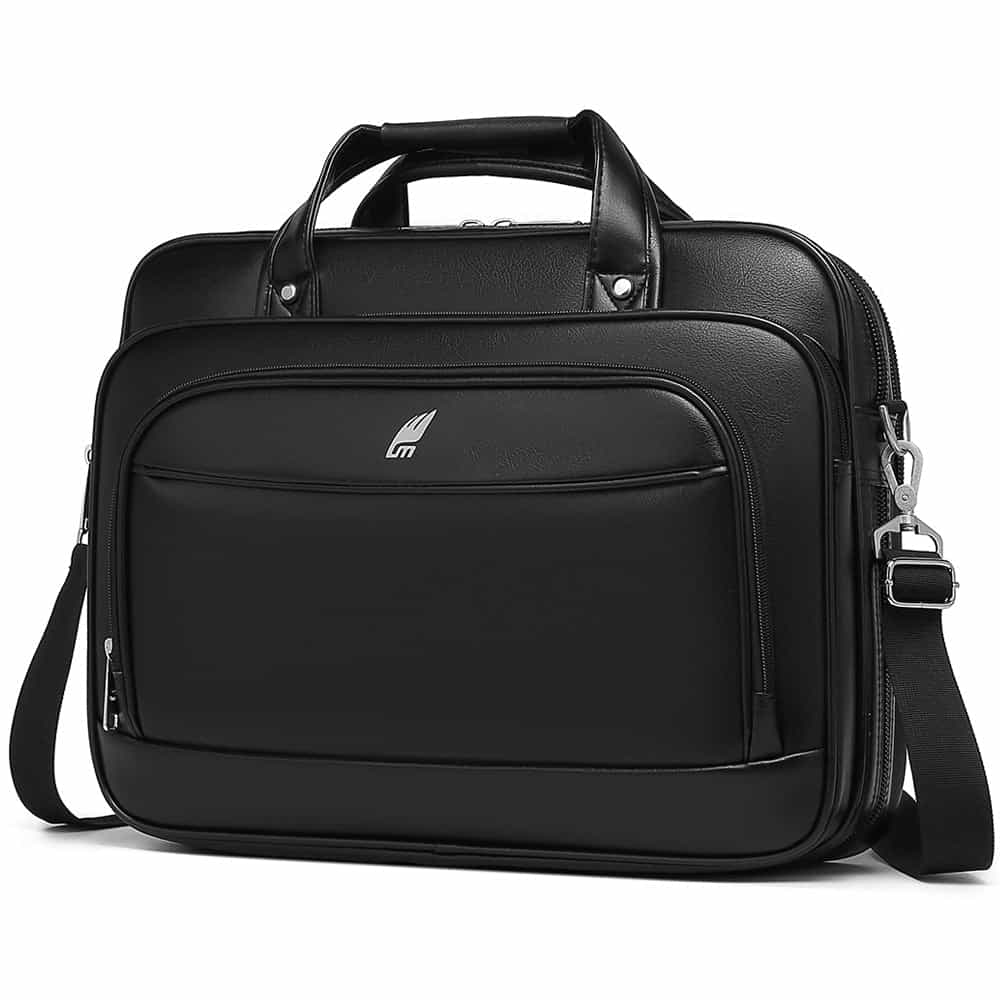
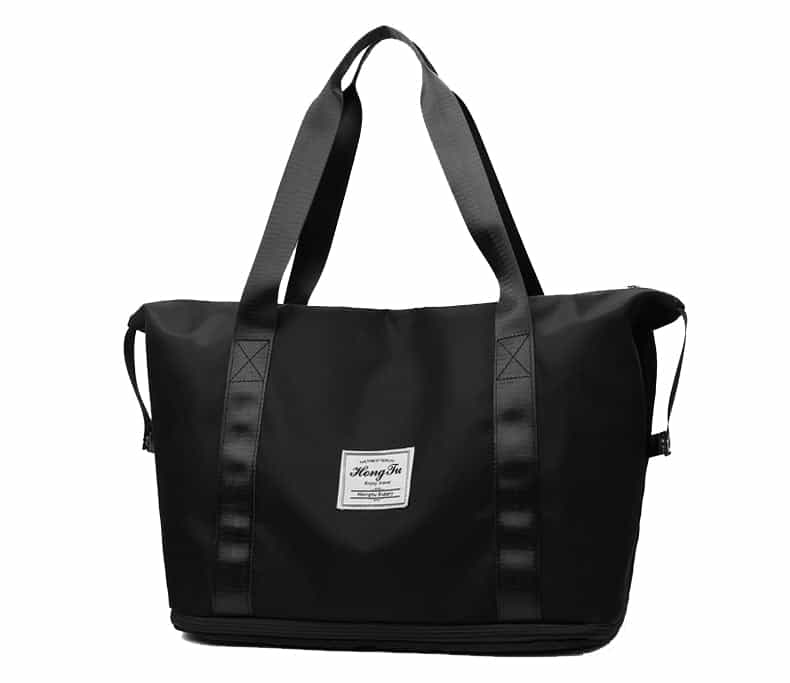
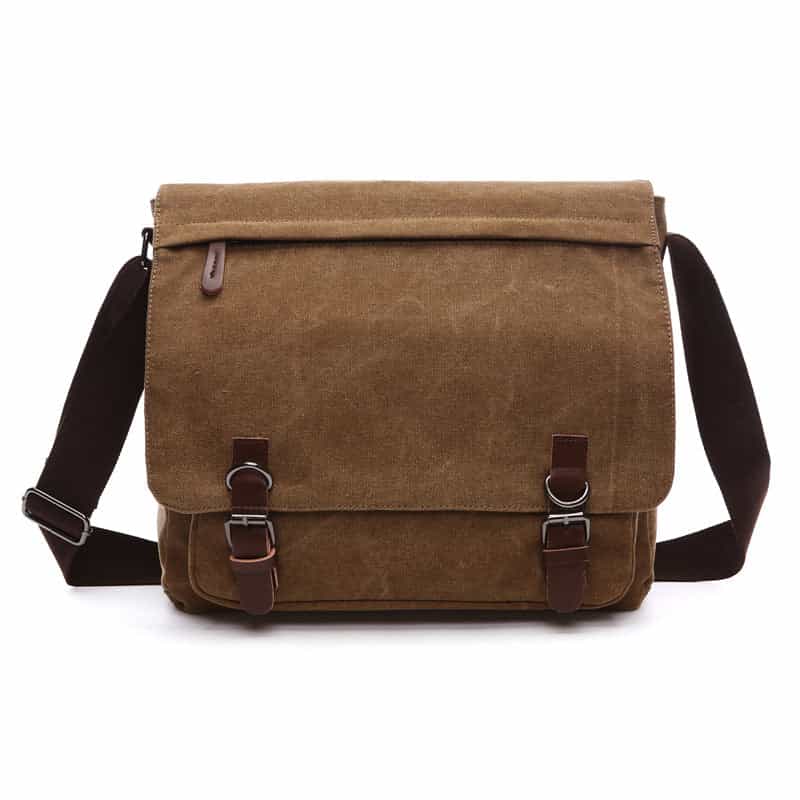
Products that will help you on the way


Products in this guide
Frequently asked questions
What if the airline makes me check my trolley at the boarding gate?
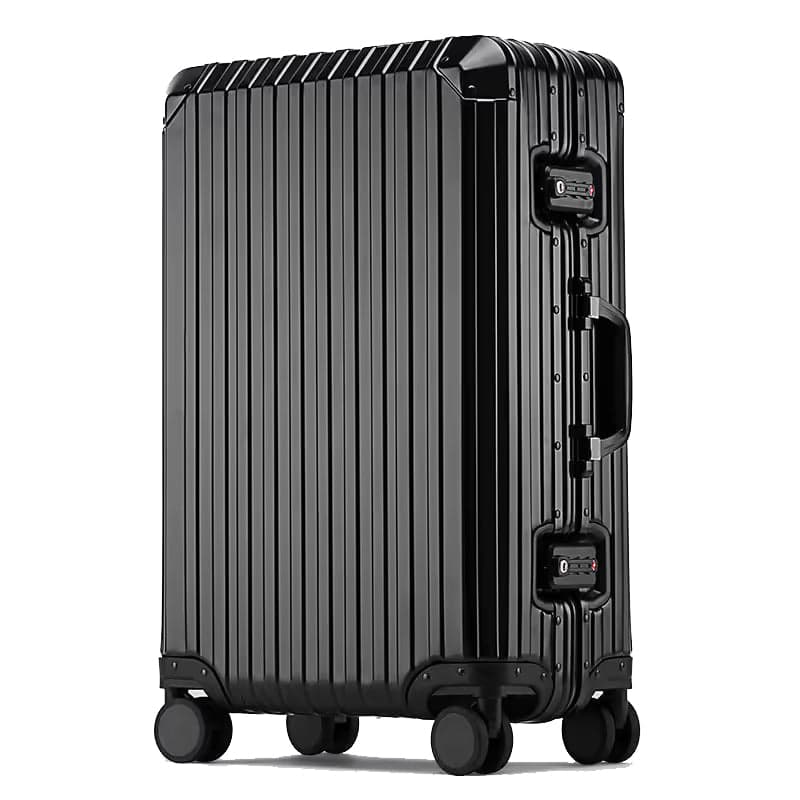
When the flight is full and the airline requires your carry-on trolley to go in the hold, stop immediately and take out all your valuables: laptop, phone, money, passports, medicines and jewelry. Move them to a small backpack or bag and take them with you into the cabin. Never agree to send valuables to the hold.
Does private travel insurance cover the loss of expensive valuables in my checked suitcase?
In the vast majority of cases, no. Travel insurance policies require the insured to show 'reasonable care'. Sending valuables, expensive electronics or jewelry in checked luggage is often considered negligence on the traveler's part, and the insurer may reject the claim based on the policy's exclusions.
Which items count as 'valuables' that should never go in the big suitcase?
The list includes laptops, tablets, cameras, mobile phones, cash, credit cards, jewelry, luxury watches, ID documents (passport, driver's license), keys, critical prescription medicines and any item of irreplaceable sentimental value.
How can an AirTag help if my luggage is lost?
A smart tracking tag lets you independently follow your suitcase's location through Apple's or Google's device network. If it is lost, you can show the airline exactly which airport or warehouse the suitcase is in, which significantly shortens the search and stops them from disclaiming responsibility.


