






Analyzing "It Is Better to Travel Well Than to Arrive" Quote from Buddha
October 24, 2026

"It is better to travel well than to arrive."
"It is better to travel well than to arrive" is one of the most widely shared travel quotes, and it is usually attributed to the Buddha. The exact words have not been traced to the early Buddhist texts, so it is probably a modern paraphrase rather than a direct quotation. Still, the idea fits Buddhist teaching about being present very well, and it captures something every traveler eventually learns: the journey itself matters as much as where it ends.
What the quote means
When we travel, the destination is usually on our mind. Arriving is a great moment, but if we spend the whole trip waiting for it, we miss most of what the journey has to offer. The quote asks us to appreciate every step of the way: the train ride, the wrong turn that leads somewhere unexpected, the conversation with a stranger at a bus stop.
It reaches beyond travel, too. Most of us are always looking ahead to the next goal, the next adventure, the next chance to be happy, and we put so much weight on a future that does not exist yet that we forget to enjoy the present. Traveling well means paying attention to where you are now. The destination will come.
What traveling well looks like
Traveling well means something different to everyone, and that is part of its beauty. A few ideas that most travelers would recognize:
- Be present. Look out of the window, notice the details, put the phone down for a while.
- Leave room for the unplanned. The best moments of a trip are often the ones nobody scheduled.
- Take care of yourself. Rest, eat well, drink water. A tired traveler sees less.
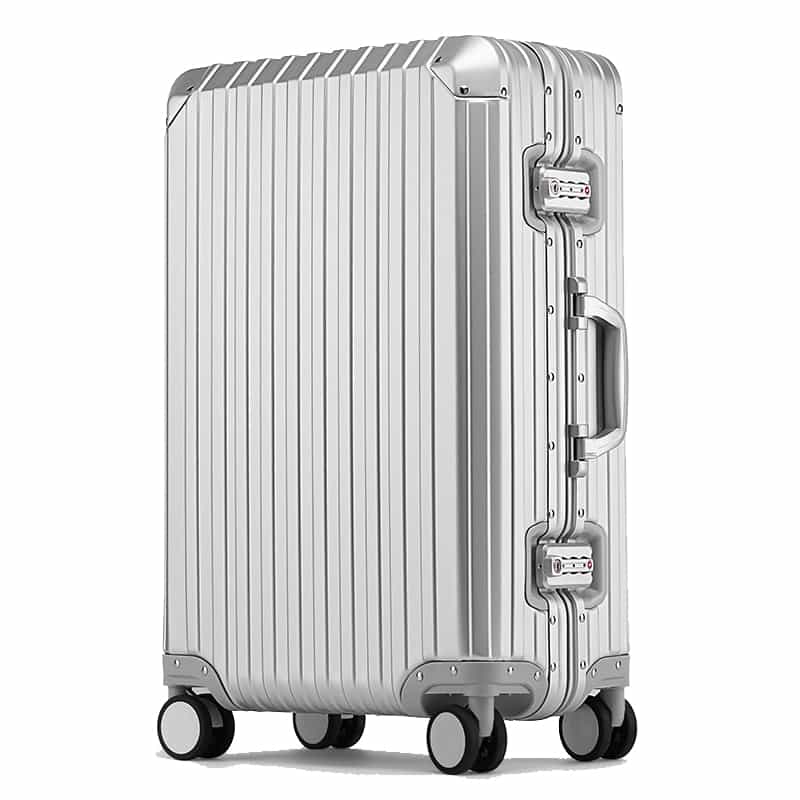
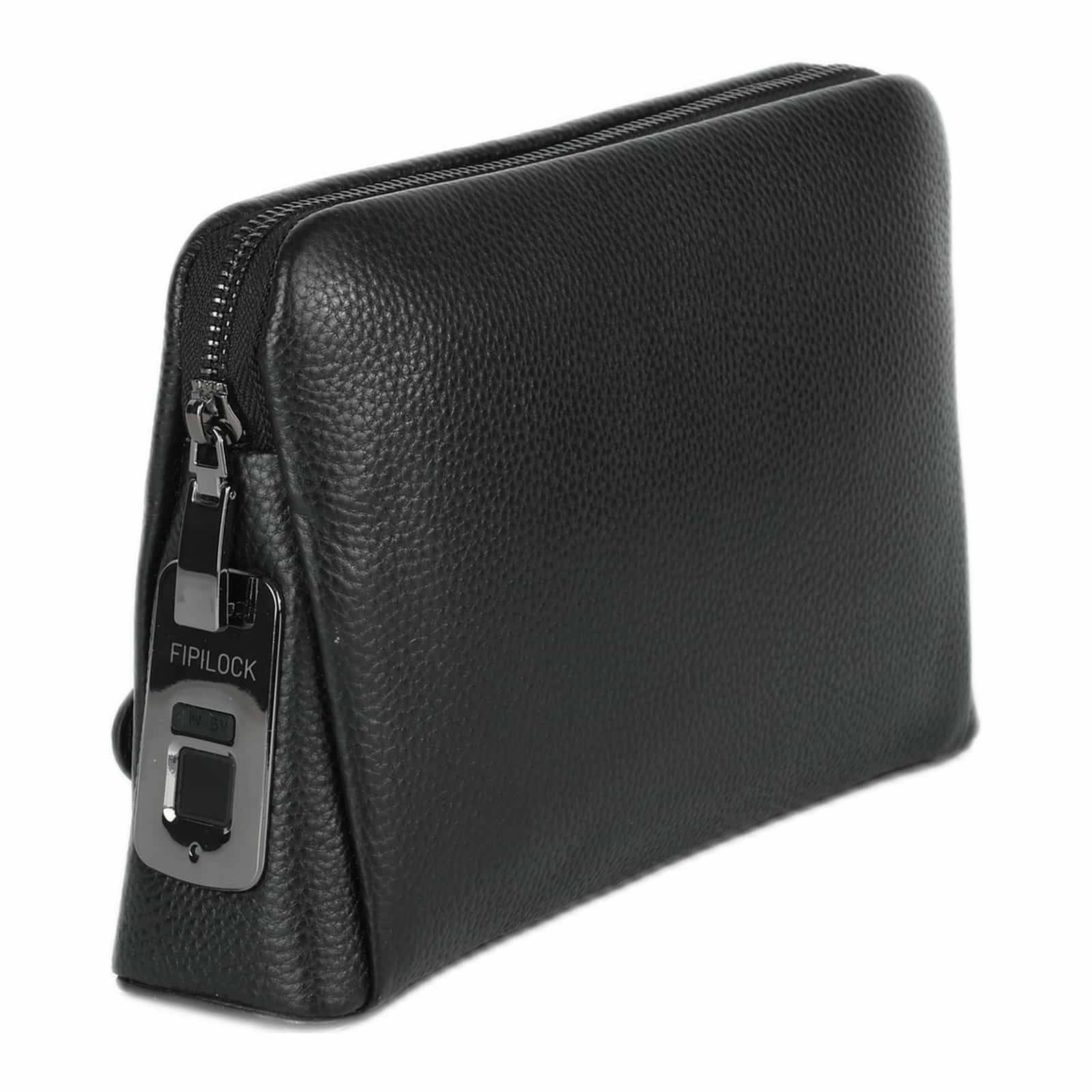
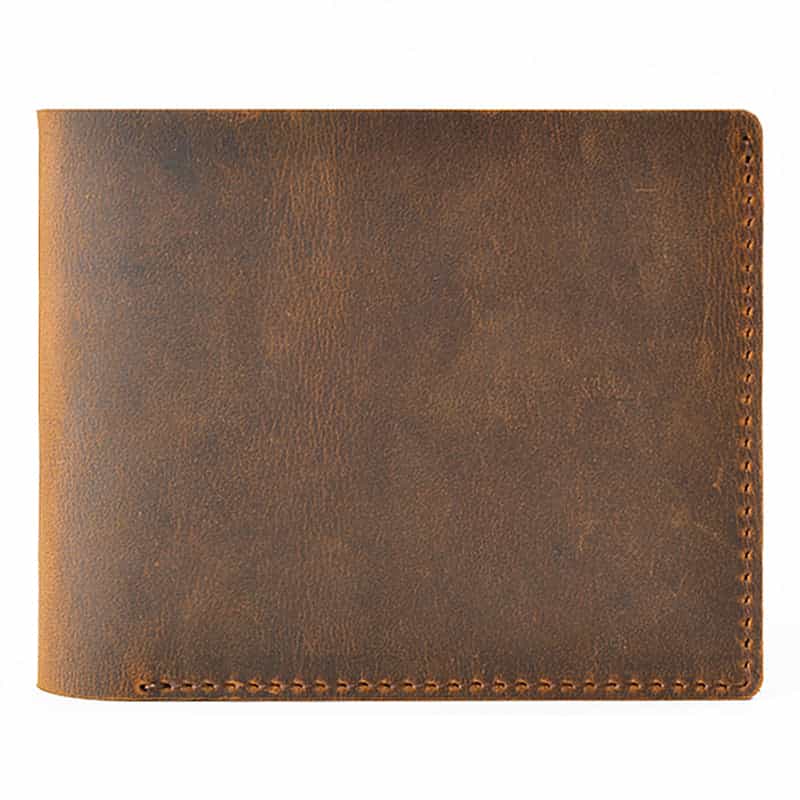
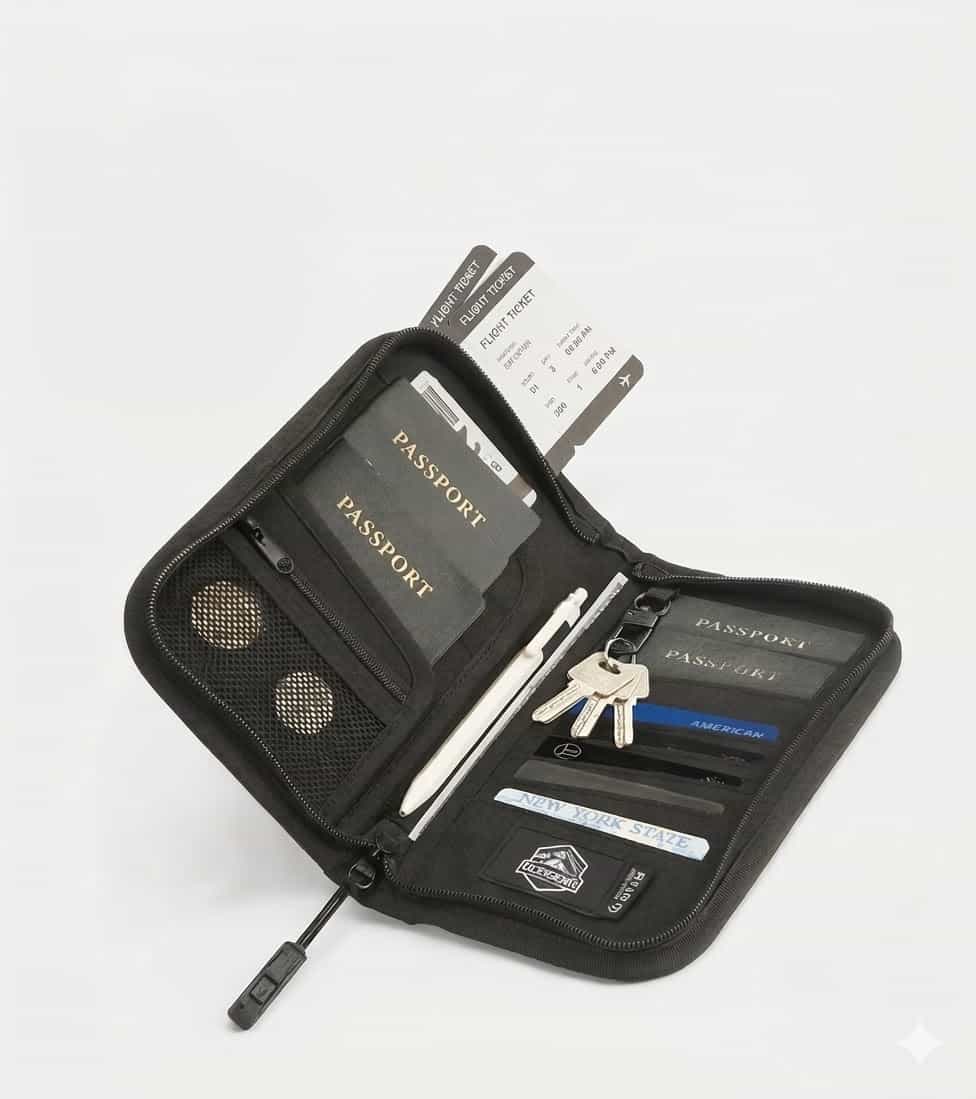
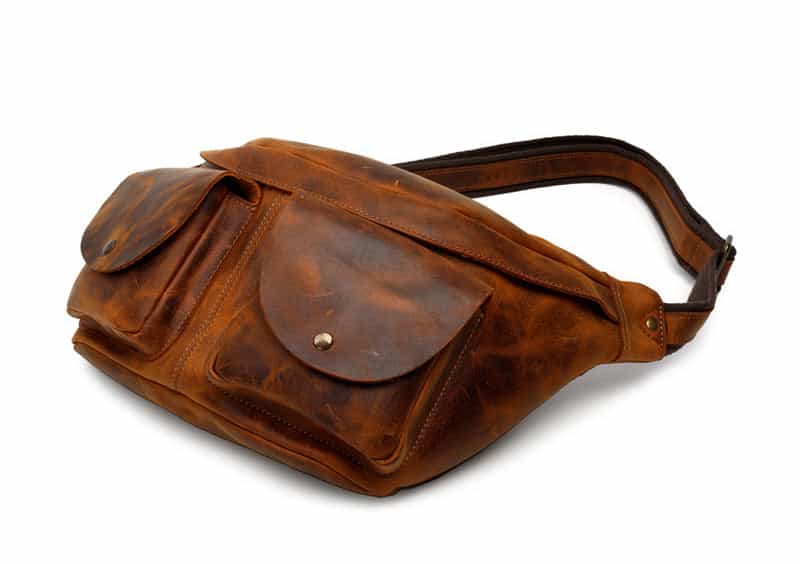
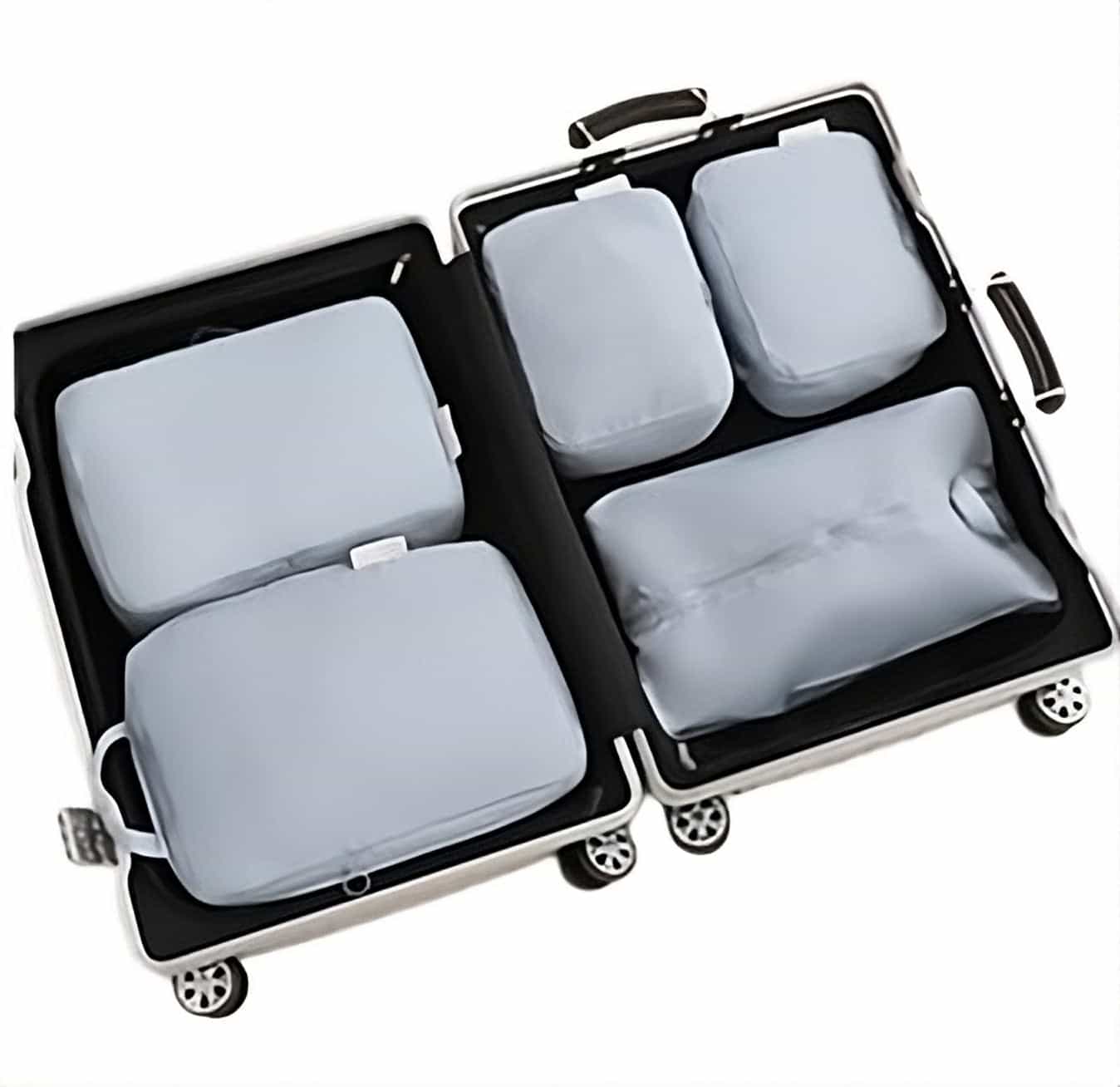
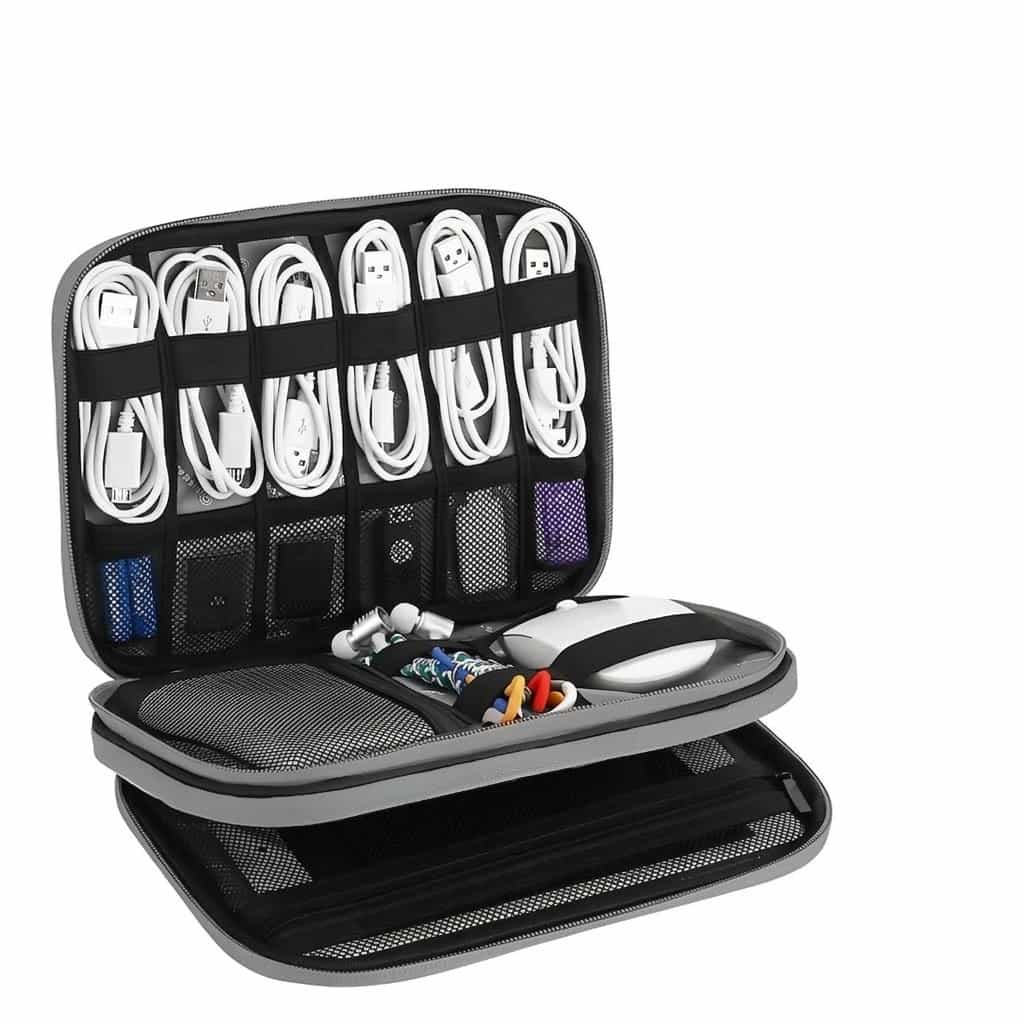
- Travel light and organized. When your essentials are easy to find and easy to carry, logistics stop eating your attention.
- Be open to people. Everyone you meet is on their own journey, and many of them have something to teach you.
Why the journey matters
The world is vast and full of places you might think exist only in your imagination: waterfalls, mountains, quiet forests, beaches with water so clear it is hard to believe. You cannot know whether a place speaks to you until you are really in it. Seeing the world gives us more perspective, appreciation and understanding, and the journey between the highlights is where much of that happens.
Bringing the right gear
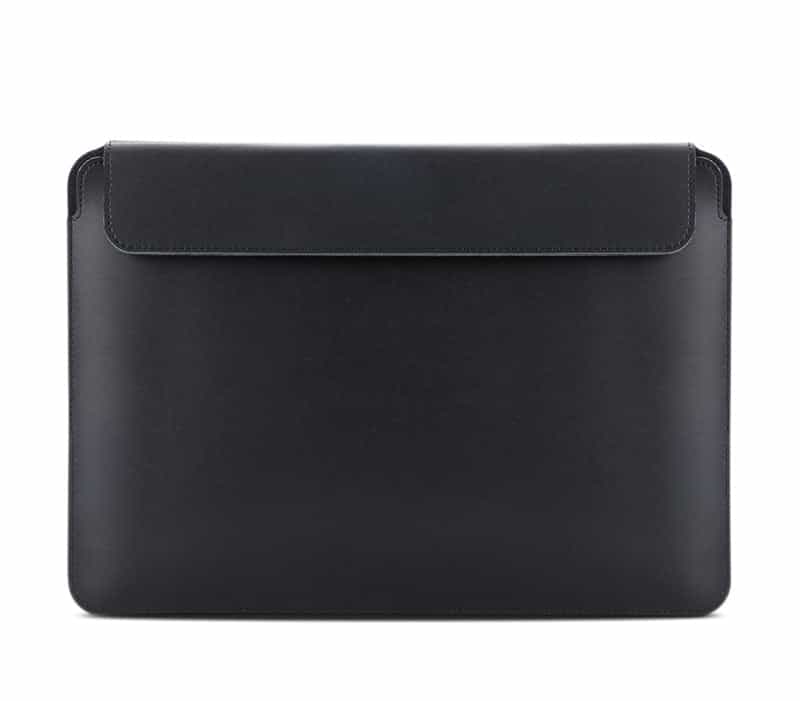
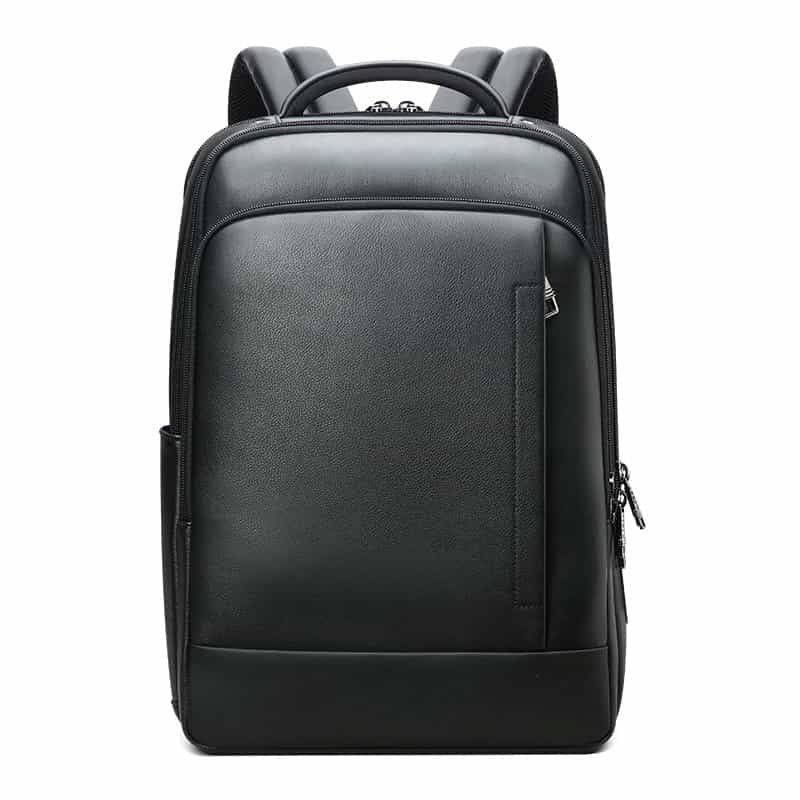
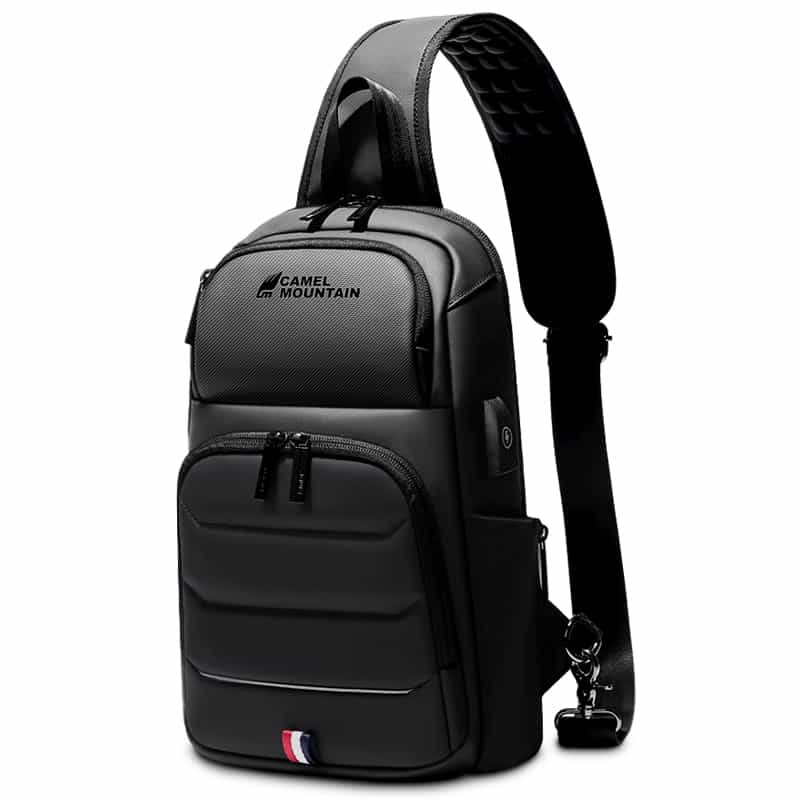
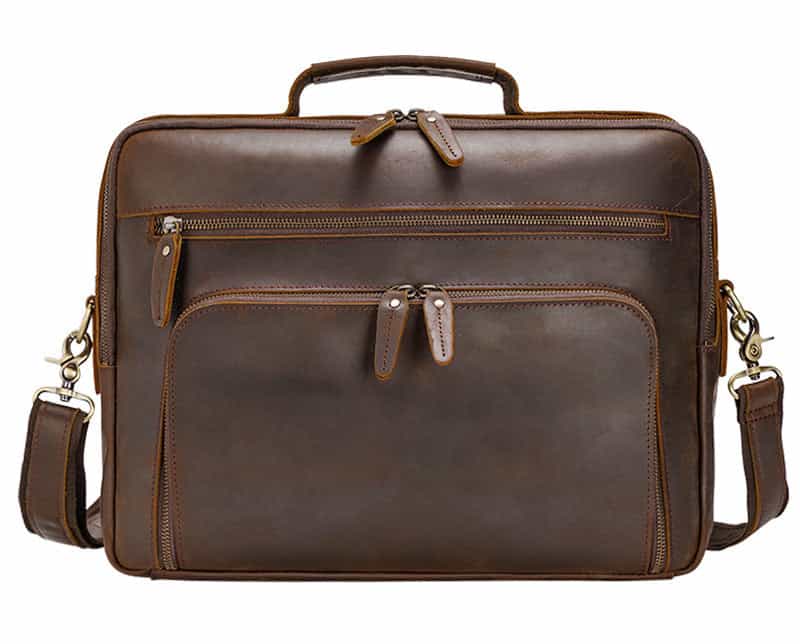
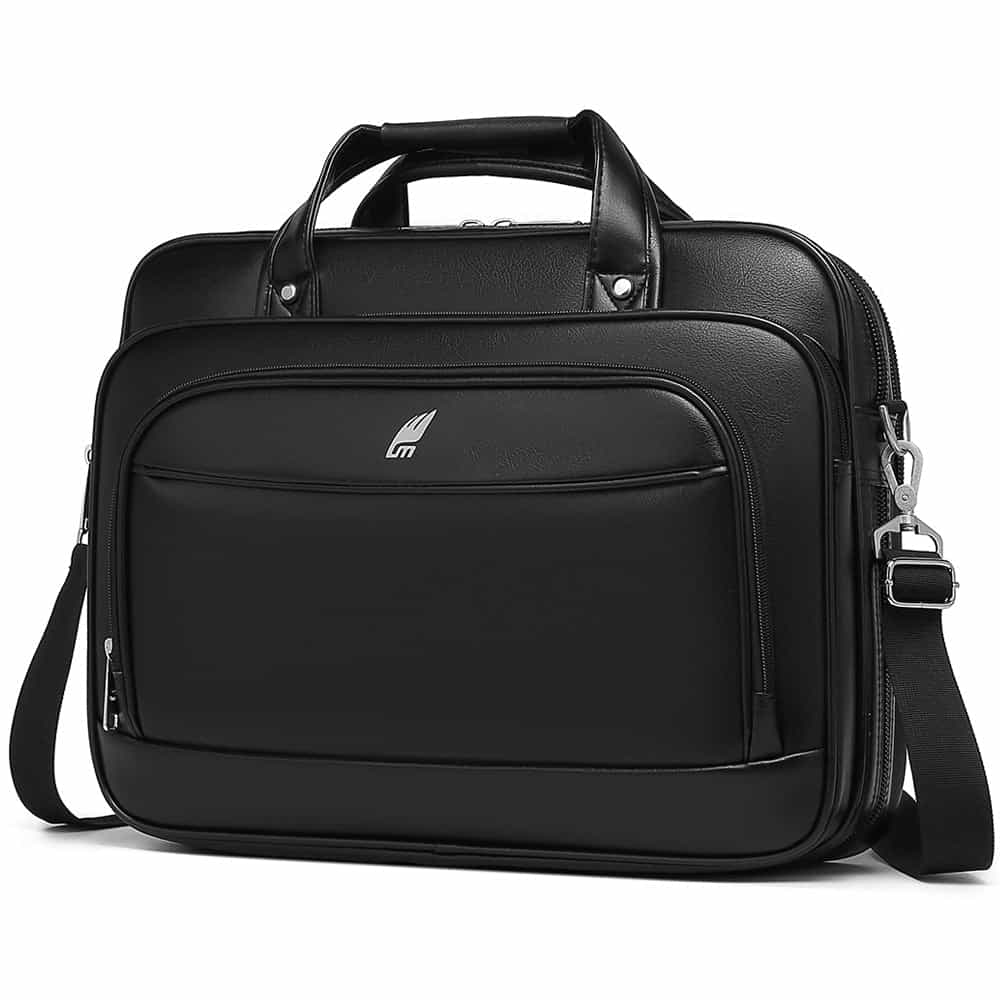
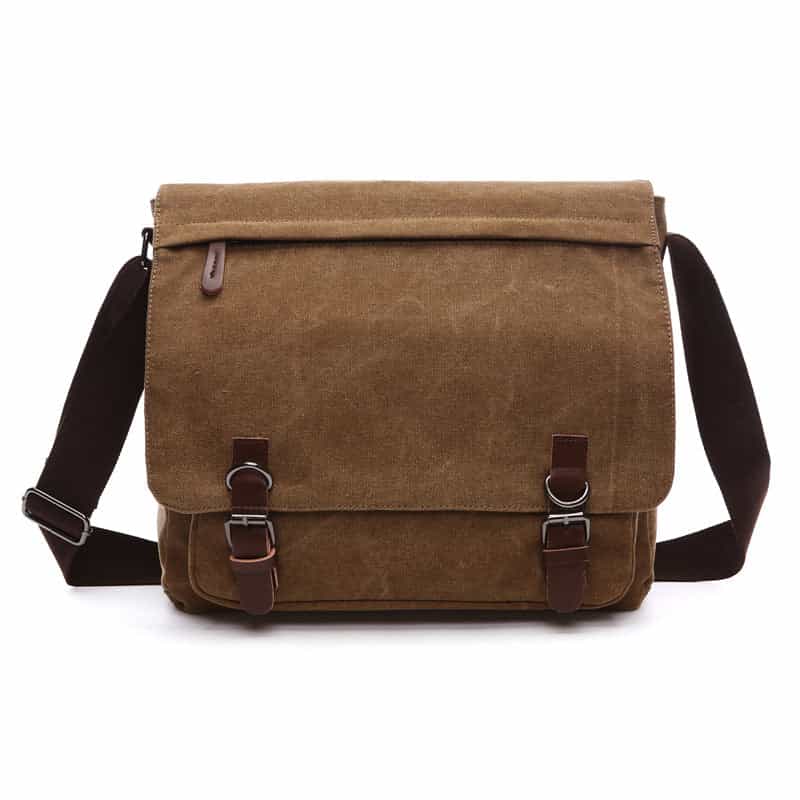
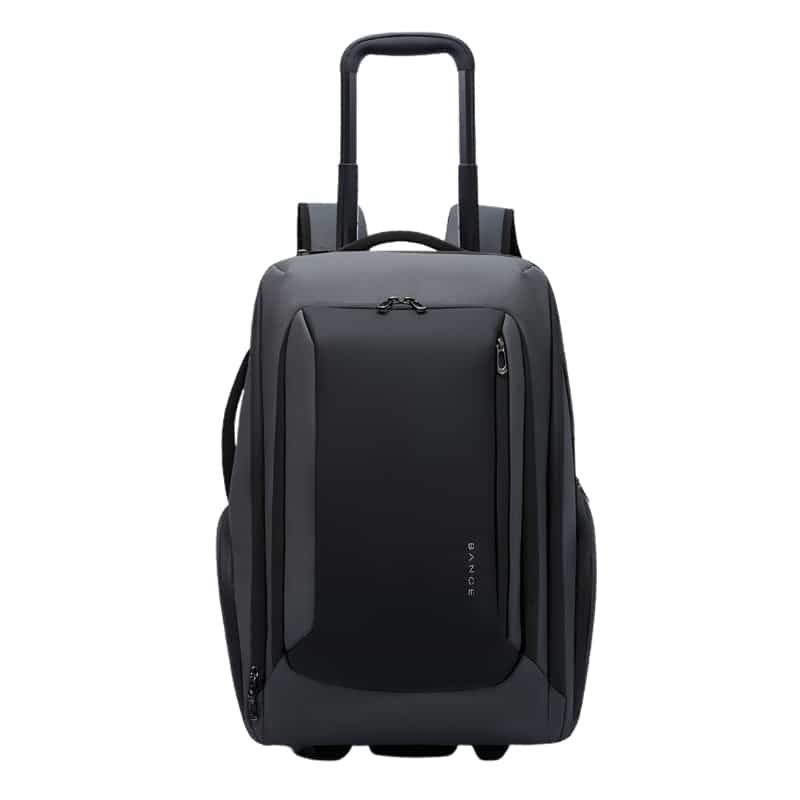
Traveling well is also practical. A comfortable bag that holds your laptop, camera, clothes and travel accessories in their own places makes every leg of a trip easier. That is what we have focused on since the Camel Mountain brand began in 2006: bags that let you think about the journey instead of your luggage. Browse our backpacks and travel accessories when you are getting ready for your next trip.
Conclusion
"It is better to travel well than to arrive" reminds us that every step of a journey deserves our attention, not only the moment we reach the end. Get out, see the world, and enjoy the road. For another quote that every traveler can relate to, read our piece on "Travel far enough, you meet yourself".
Frequently asked questions
Did the Buddha really say "It is better to travel well than to arrive"?
The quote is widely attributed to the Buddha, but the exact words have not been found in the early Buddhist texts. It is best seen as a modern saying inspired by Buddhist ideas about living in the present.
What does "It is better to travel well than to arrive" mean?
It means the journey is as important as the destination. Enjoying and paying attention to each step, rather than only waiting to arrive, is what makes a trip, and life, rewarding.