

How Much Can Your Carry-On Weigh? The Complete Guide to Boarding Without Surprises
October 23, 2026

The carry-on weight allowed on board at most airlines ranges from 7 to 10 kilograms, with 8 kg the most common limit. Many low-cost airlines enforce a maximum of 10 kg (sometimes for an extra fee), while full-service airlines sometimes allow up to 12 or even 23 kg (like British Airways). Always check the terms of your specific ticket.
Weight and size differences between leading airlines
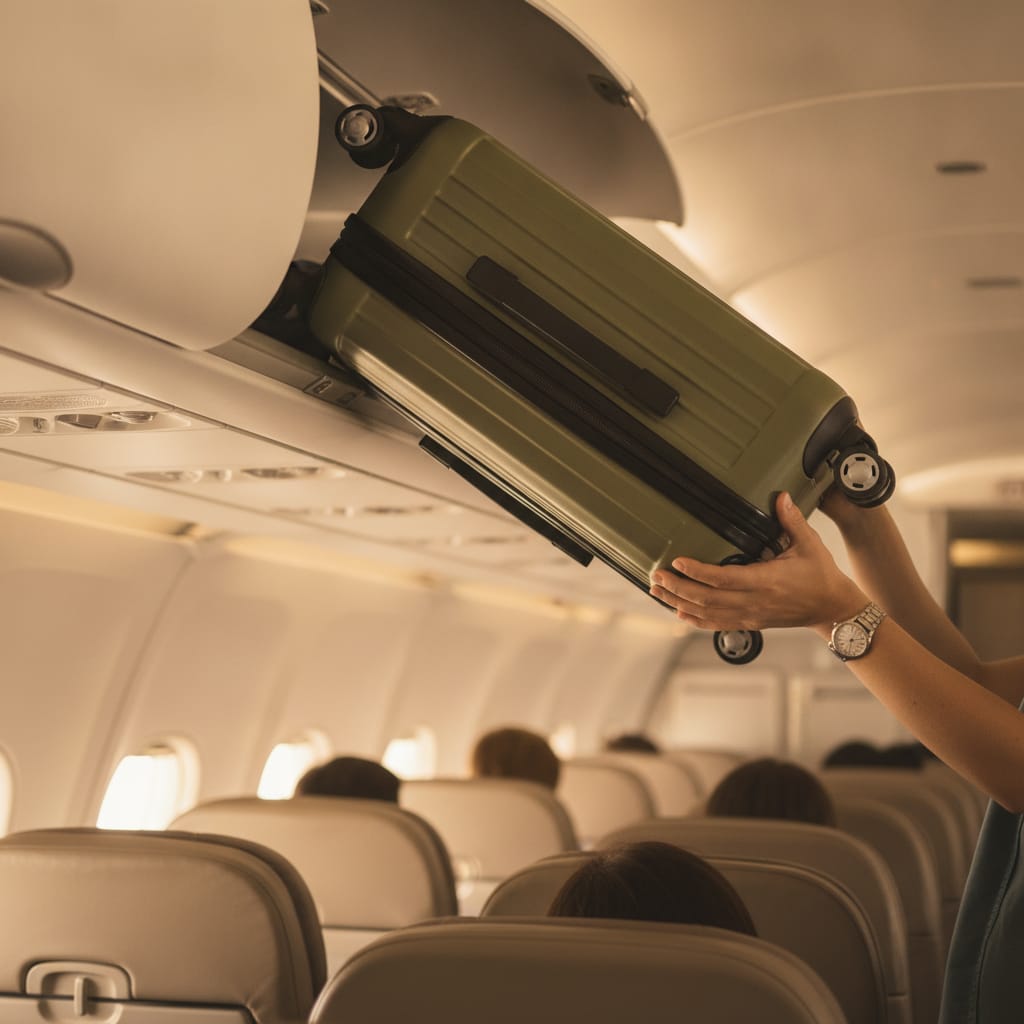
When you set off on vacation or a business trip, one of the most tense moments at the airport is the check-in counter or the boarding gate. In recent years, airlines have become especially strict about the weight and size of carry-on baggage. The reason is simple: a lighter plane burns less fuel, and free space in the overhead bins prevents takeoff delays.
So you don't find yourself paying heavy fees at the last minute, we've gathered the exact figures for some of the most popular airlines. Note that the listed dimensions always include the suitcase's wheels, handles and outer pockets.
Here's a quick comparison table to help you get organized before packing:
| Airline | Weight allowed (kg) | Maximum dimensions (cm) | Important notes |
|---|---|---|---|
| El Al | 8 kg | 56 x 45 x 25 | Includes wheels and handles. More is allowed in premium and business classes. |
| Wizz Air | 10 kg | 55 x 40 x 23 | Only with a Wizz Priority ticket. A small backpack is free for everyone. |
| Ryanair | 10 kg | 55 x 40 x 20 | A Priority ticket is required. A small bag under the seat is free. |
| EasyJet | 15 kg | 56 x 45 x 25 | A generous weight limit, but the large carry-on requires a suitable ticket. |
| Turkish Airlines | 8 kg | 55 x 40 x 23 | Also allows an additional personal item (like a laptop bag) free of charge. |
As you can see, while some airlines offer a relatively generous weight, the physical dimensions stay very similar. A standard 20 inch carry-on will suit the vast majority of airlines, but its empty weight is a critical factor that decides how much you can fit inside.
How to weigh your carry-on at home and avoid surprises at the gate
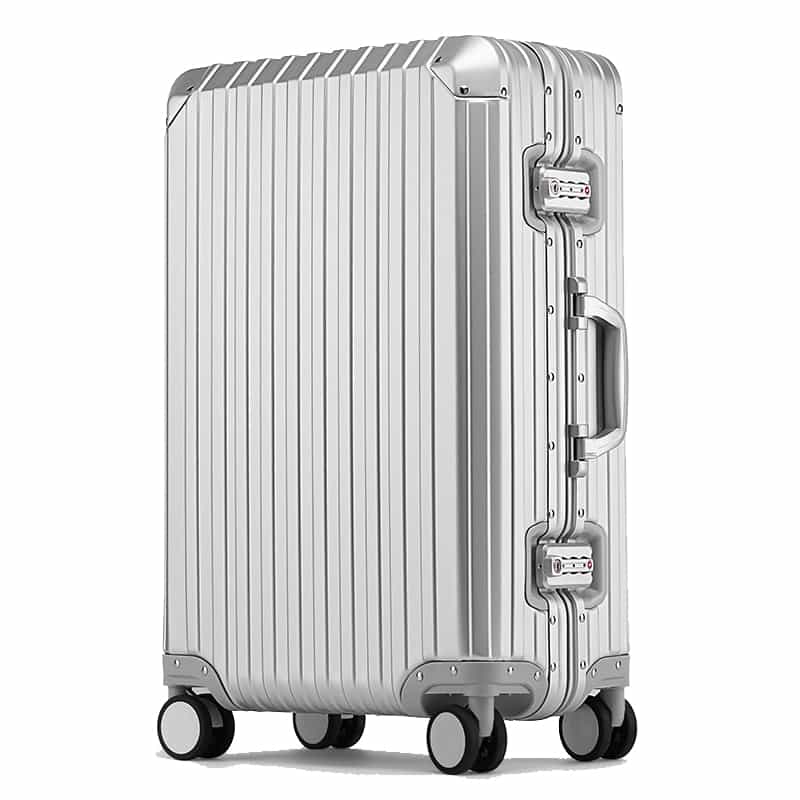
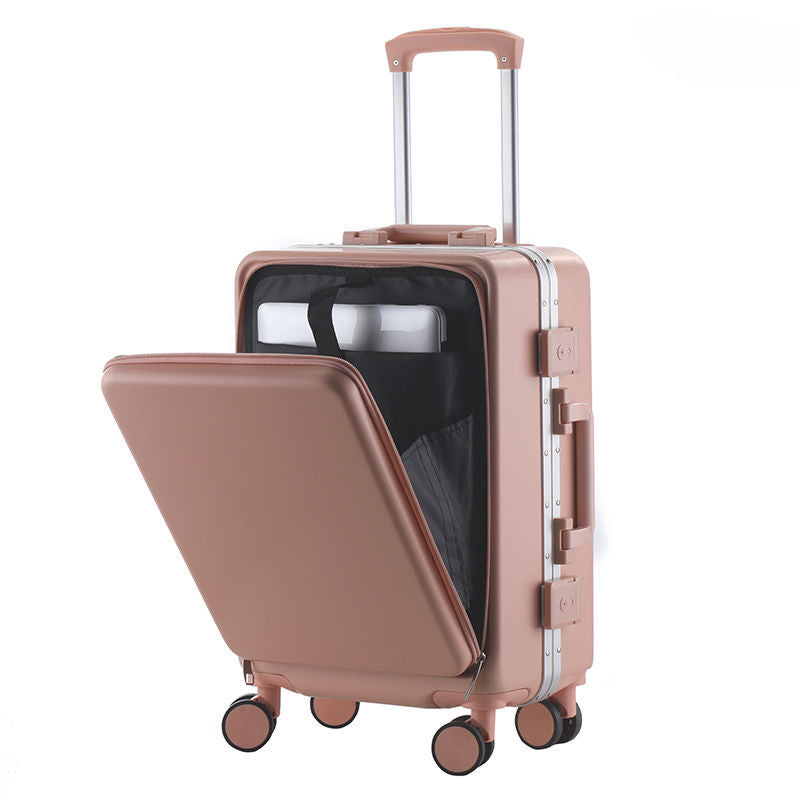
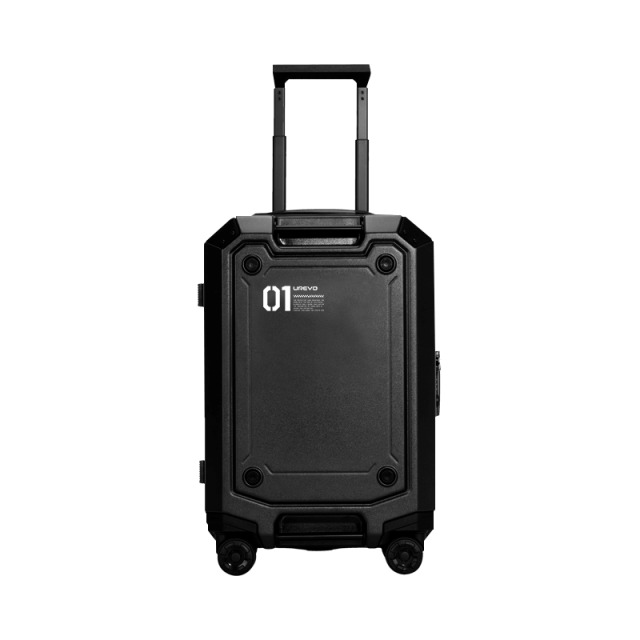
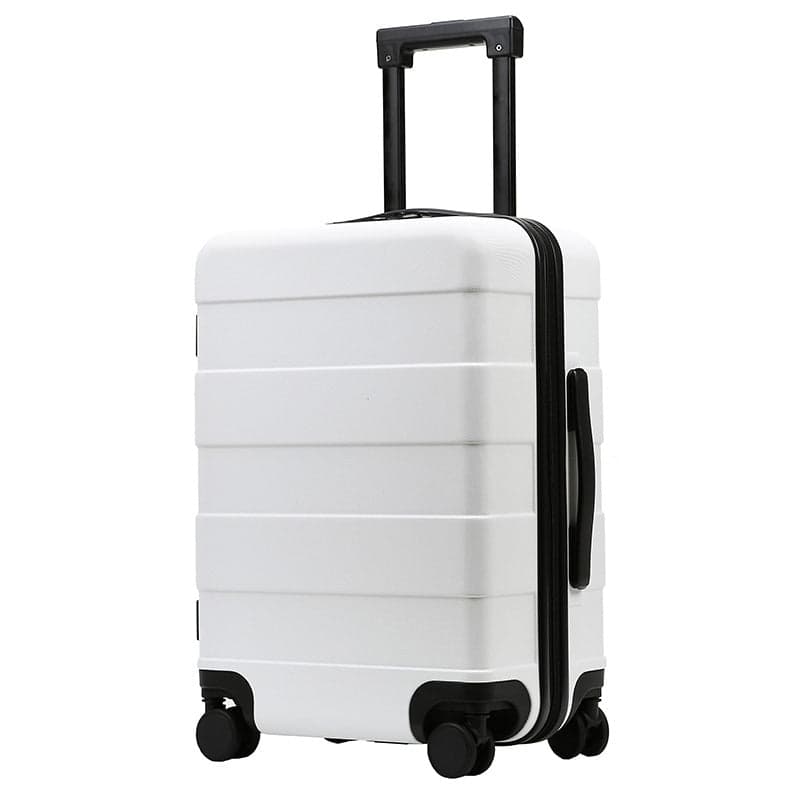
As a family business we've been accompanying travelers since 1975 (and since 2006 as the Camel Mountain brand), and we understand that the weight of the suitcase itself is half the battle. An old or heavy carry-on can weigh 3 to 4 kilograms completely empty! That means if the airline limits you to 8 kg, you're left with only 4 kg for clothes, shoes and toiletries. So the first step is choosing a lightweight carry-on made of advanced materials like polycarbonate or light aircraft-grade aluminum.
To weigh your carry-on accurately at home, it's best to use a dedicated digital luggage scale (a hanging scale). If you don't have one, you can use an ordinary bathroom scale like this: first weigh yourself alone, then weigh yourself again holding the carry-on, and subtract the first weight from the second. The difference is the weight of your carry-on.
Golden tip: always leave a safety margin of 300 to 500 grams. Airport scales aren't always calibrated the same way as your scale at home, and it's a shame to take a risk over an extra half kilo.
What happens if you go over the weight limit?
If your carry-on is weighed and found to be over the limit, the airline won't easily turn a blind eye. On low-cost airlines like Ryanair or Wizz Air, going over the weight or size limit means an immediate fee at the boarding gate. These fees can reach 50 to 80 euros per direction, and the suitcase will be sent to the hold.
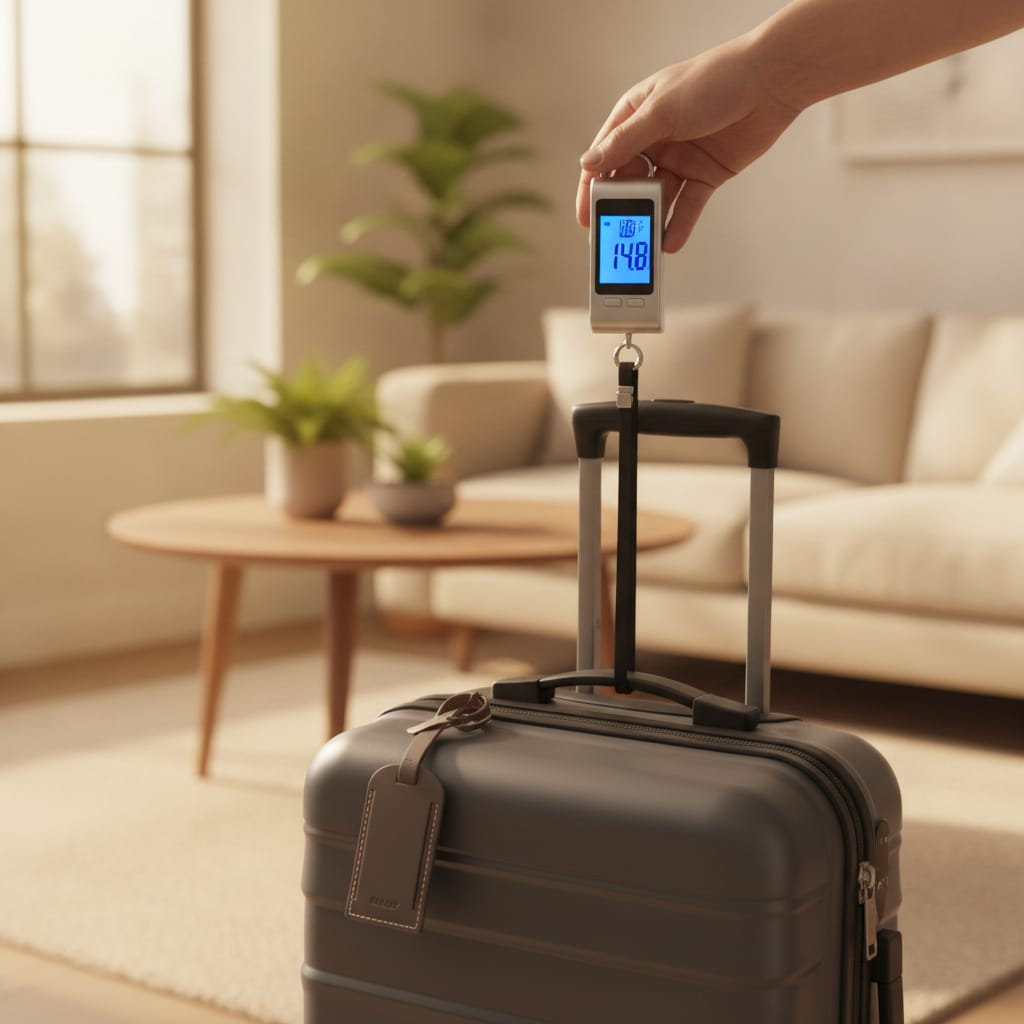
If you got to the gate and realized the weight is borderline or over, there are a few quick emergency fixes:
- The layering method: wear your heaviest clothes: a thick coat, jeans and a sweater. Wear your heaviest walking shoes during the flight instead of packing them.
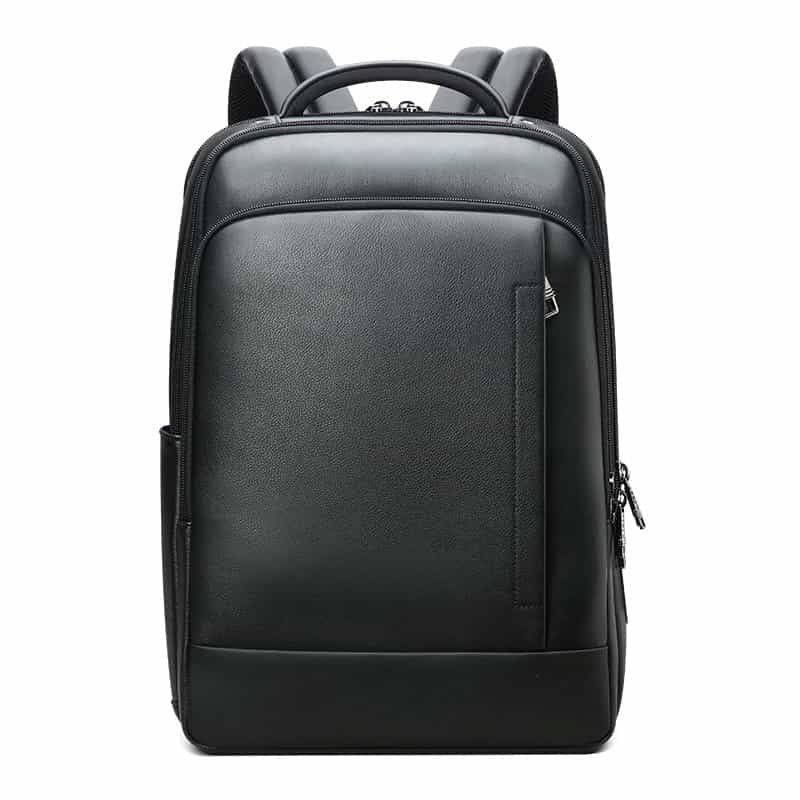
- Move weight to your personal item: most airlines also let you board with a small backpack or bag that fits under the seat. Move small but very heavy items (like power banks, books, cameras or a laptop) from the carry-on to the backpack. These personal items are very rarely weighed.
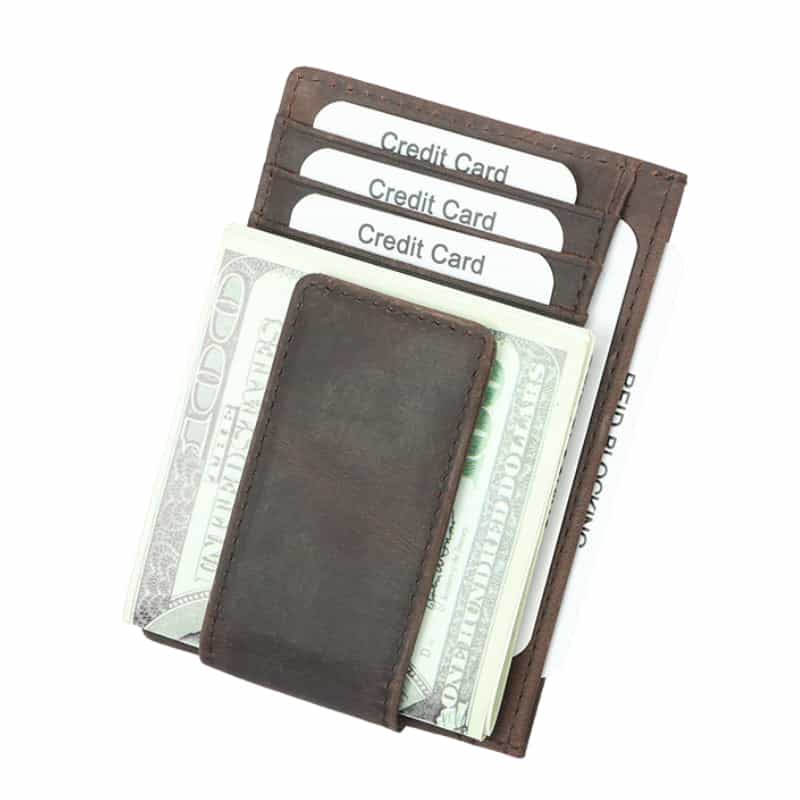
- Use your pockets: your coat or trouser pockets are completely legitimate packing space. Put heavy items like your wallet, phones and chargers in them during the weigh-in.
Professional tips for smart, efficient packing
Packing properly is a whole science, and with a small carry-on every centimeter and gram counts. Here are some proven methods to help you pack smarter:
Roll instead of fold: rolling shirts, trousers and sportswear saves a huge amount of space and prevents creases. It lets you squeeze clothes into the corners of the suitcase in the best possible way.
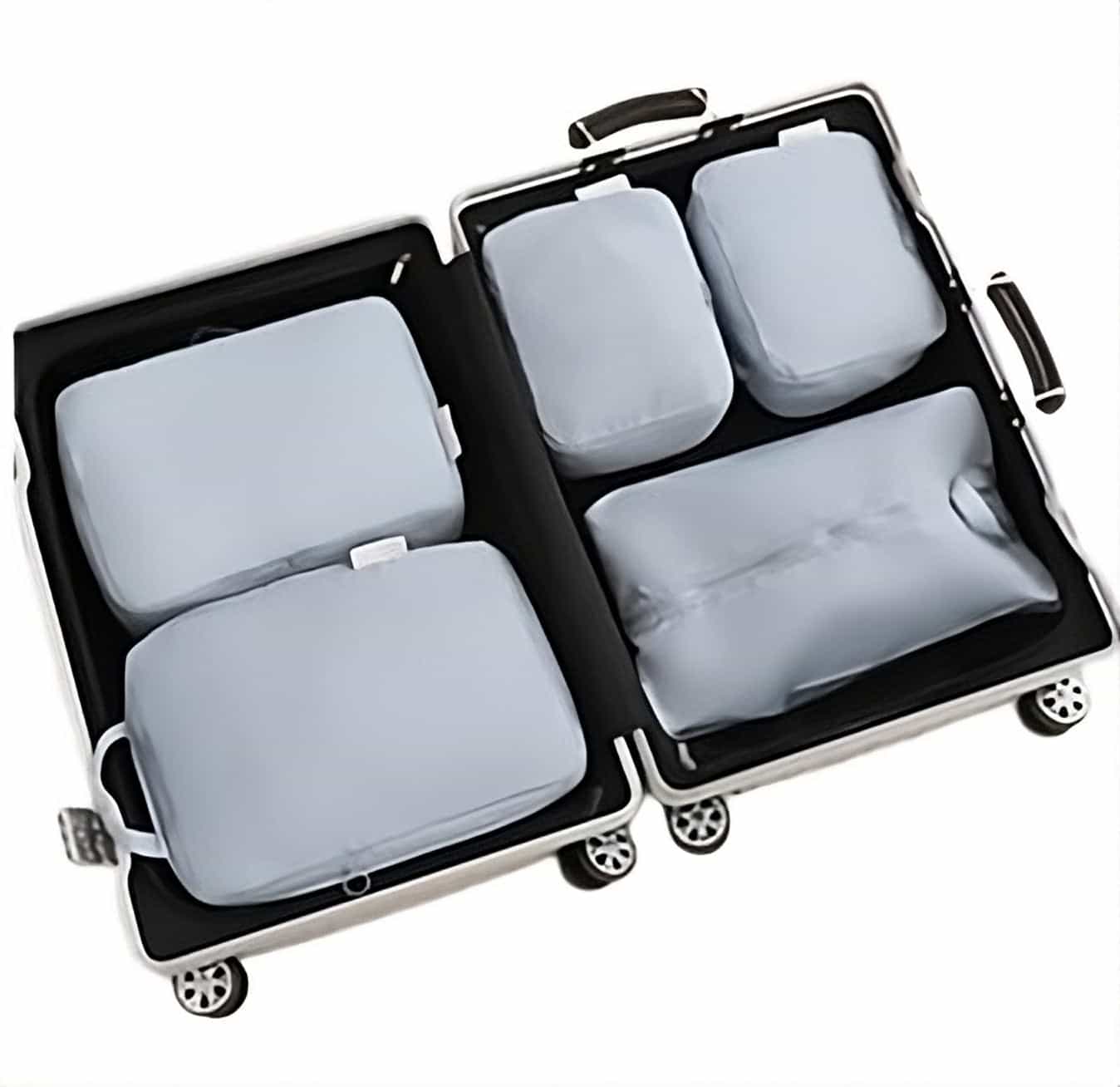
Use packing cubes: a set of quality packing cubes lets you divide your things by category and compress them. Beyond the perfect order, the cubes stop clothes from shifting and spreading, making better use of the carry-on's volume.
Travel-size toiletries: remember that international security rules limit liquids to bottles of up to 100 ml, in a single clear bag. Leave the big shampoo at home and buy small refillable bottles, or buy your toiletries at the destination.
Products to help you on your way

Products in this guide
Frequently asked questions
Does the carry-on weight include the suitcase itself?
Yes, the weight measured at the airport is the gross weight, including the empty suitcase and everything inside it. That's why choosing a lightweight carry-on is critical to getting the most out of your packing space.
What is the difference between a carry-on and a small backpack (personal item)?
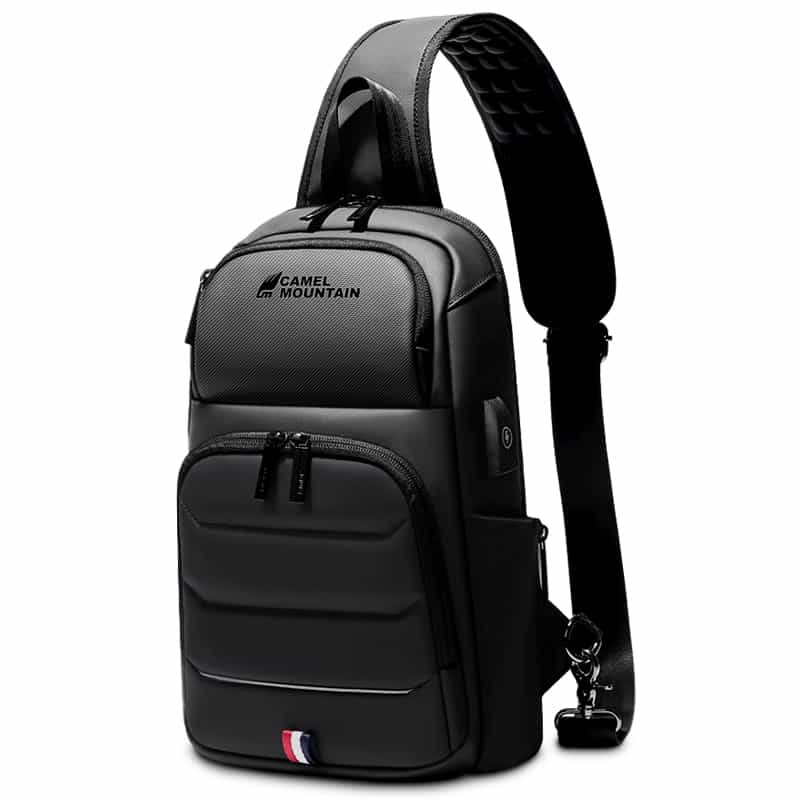
A carry-on is a small suitcase (usually 20 inches) stored in the overhead bin on the plane. A personal item is a small backpack or crossbody bag that must fit under the seat in front of you, and it usually has no strict weight limit, only a size limit.
Is the carry-on weighed on every flight?
Not always, but it's very common on low-cost airlines and busy flights. Airlines carry out random checks at the boarding gate or at check-in counters, so it's not worth relying on luck.
Can I bring a laptop in addition to the carry-on?
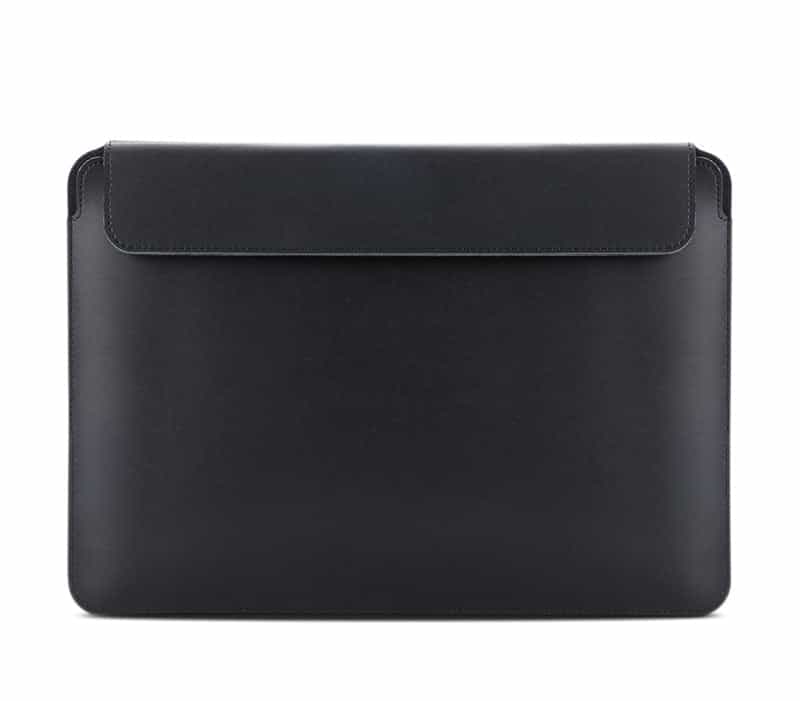
Some airlines (like El Al or Turkish Airlines) allow a laptop bag in addition to the carry-on. On low-cost airlines, if you didn't buy an upgraded ticket, the laptop must go inside the single personal item you're allowed.
What do I do if my carry-on weighs 9 kg and the limit is 8 kg?
The fastest fix is to take out heavy items and wear them (like a jacket or heavy shoes), or move small but heavy items (like a power bank or a book) to your pockets or your small backpack.
What is the difference between the carry-on weight limit and the checked suitcase weight limit?
A carry-on (hand luggage) is usually limited to 8 to 10 kg and is stored with you in the cabin. A checked bag is much larger, and its weight limit usually ranges from 20 to 23 kg (or 32 kg in business class).
Are small backpacks (personal items) weighed before boarding?
Small backpacks used as a personal item are usually not weighed, unless they look bulging and clearly exceed the allowed dimensions. Airlines mainly focus on checking the bag's size to make sure it fits easily under the seat in front of you.


