



The Huge Fine on Emirates: What Are Your Rights for Lost or Damaged Luggage?
October 23, 2026

If your suitcase is lost, delayed or damaged on an international flight, you're entitled to financial compensation of up to about 1,700 dollars under the Montreal Convention. Airlines are obligated to pay for buying immediately necessary items and for the value of the lost baggage, without putting illegal bureaucratic obstacles in your way, as was recently made clear by the fine imposed on Emirates.
The Emirates affair: what happened and what it means for your rights
The leading business news outlet Arabian Business recently reported that the US Department of Transportation (DOT) imposed a fine of 100,000 dollars on the giant airline Emirates. The reason for the fine? The airline put unreasonable bureaucratic obstacles in the way of passengers who claimed compensation for lost or delayed suitcases. Instead of providing the quick, direct response required by international law, the airline demanded duplicate documents, arbitrarily limited passengers' daily spending cap for essential items, and delayed payments in a way that caused enormous frustration.
This case is a bright warning light for consumers around the world. Airlines, even the most prestigious and largest of them, often try to cut costs at the expense of passengers left without clothes, medication or personal items at a distant destination. Understanding your legal rights, alongside being properly prepared with durable, smart gear, is the only way to make sure you reach your destination with peace of mind, or at least that you get everything you're entitled to if something goes wrong.
The Montreal Convention: the iron-clad international law that protects you
When you board an international flight, the relationship between you and the airline regarding baggage is governed by a binding international agreement called the Montreal Convention. Most countries in the world, including Israel, have signed this convention. It sets clear, strict rules about the air carrier's liability in cases of lost, delayed or damaged suitcases.
Under the convention, the airline bears almost absolute responsibility for your suitcase from the moment you hand it over at check-in until the moment you receive it at your destination. The maximum compensation limit currently stands at about 1,288 Special Drawing Rights (SDR), a virtual currency of the International Monetary Fund whose value is around 1,700 US dollars per passenger (not per suitcase). This compensation is meant to cover both the value of the suitcase and its contents in the case of total loss, and the necessary expenses you had to pay while your suitcase was delayed.
It's important to distinguish between two main situations:
- A delayed suitcase: a suitcase that didn't arrive on time is considered "delayed". In this case, the airline must reimburse you for buying basic, necessary items (such as underwear, toiletries, a change of clothes and a phone charger). Keep every single receipt so you can file a proper claim.
- A lost suitcase: if the suitcase hasn't been located within 21 days of the date it was supposed to arrive, or if the airline admits earlier that it lost it, the suitcase is officially considered "lost". At this point you're entitled to claim full compensation for the value of the contents and the suitcase itself, up to the convention's limit.
How to act in real time at the airport: a survival guide
If you've reached the baggage belt and realized your suitcase didn't arrive, or that it came out broken and torn, don't leave the baggage claim area before taking the following steps. Handling the first hour correctly will determine whether you get compensation or walk away empty-handed:
- Go straight to the Lost & Found desk: don't leave the arrivals hall. Insist on filling out a baggage irregularity report, known as a PIR (Property Irregularity Report). This is the most important legal document proving that the damage or loss happened while the suitcase was the airline's responsibility. Make sure you receive a physical or digital copy with a unique reference number.
- Document everything: if the suitcase was damaged, photograph it from every possible angle while still at the airport. Photograph the breaks, the missing wheels or the torn zippers. Keep your ticket and the luggage tag stuck to your boarding pass.
- Keep original receipts: if the suitcase was delayed and you had to buy clothes or hygiene products, keep the original receipts. Airlines won't compensate you based on verbal statements; they require detailed proof of purchase.
- Meet the strict deadlines: the Montreal Convention sets rigid timelines for submitting written claims to the airline. In the case of a damaged suitcase, you must submit a written claim within 7 days of receiving it. In the case of a delay, you must submit the claim within 21 days of the day the suitcase was actually delivered to you. Missing these deadlines may lead to the claim being rejected automatically.
Smart prevention: how to choose gear that saves you the headache
With all due respect to laws and compensation, the best way to deal with a lost or damaged suitcase is simply to prevent it in the first place. Investing in quality, smart travel gear completely changes the balance of power between you and the airlines. When you travel with professional gear, the chance of your suitcase being physically damaged drops significantly, and your ability to locate it on your own increases enormously.
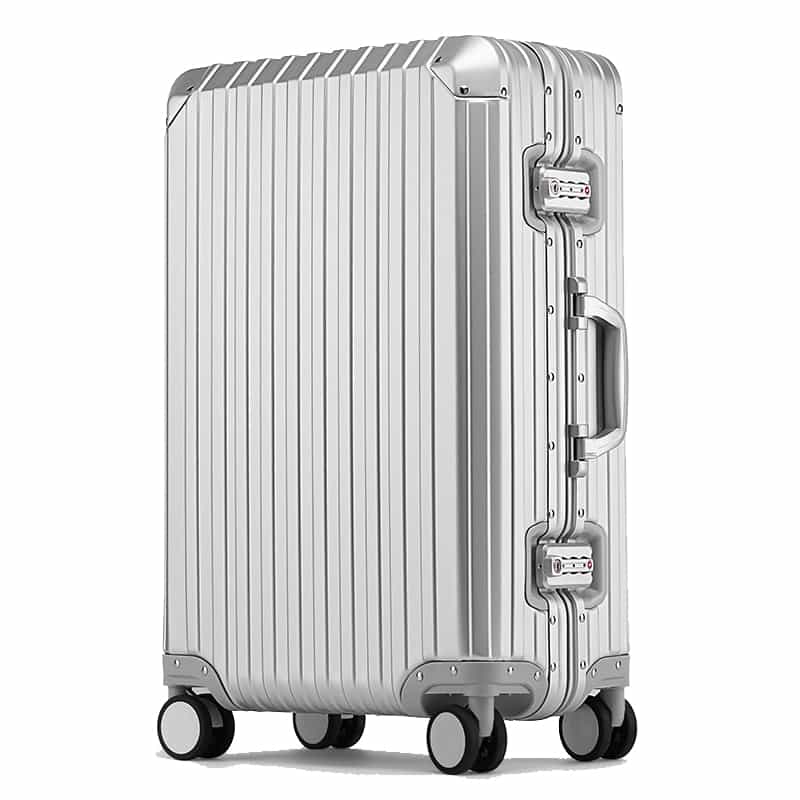
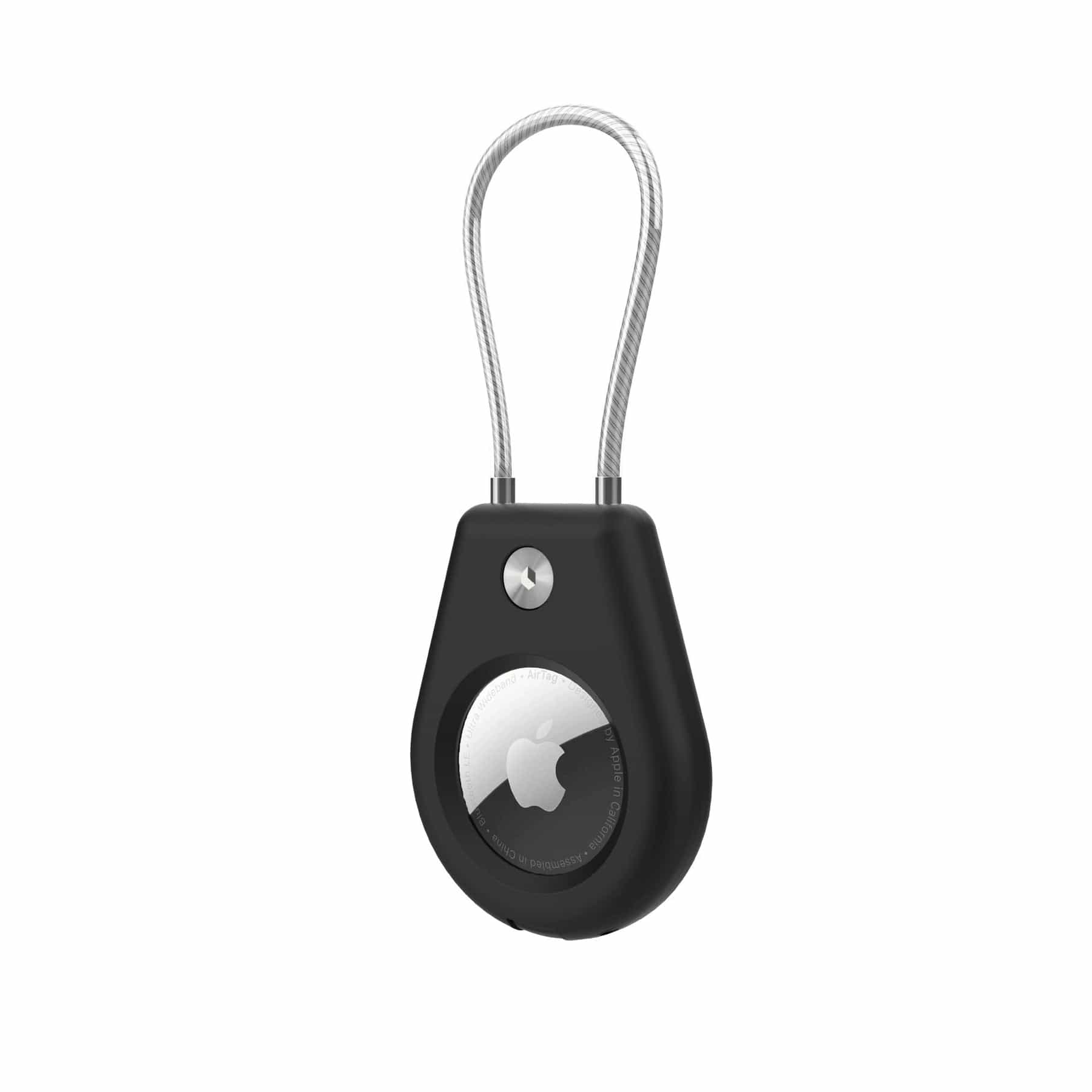
First, the durability of the materials is critical. Airport baggage handlers show suitcases no mercy, and automated baggage belts put enormous physical stress on them. Suitcases made of solid aluminum or quality polycarbonate prevent tears and breaks that airlines tend to dismiss as "reasonable wear" to avoid paying. Second, self-tracking technology is a game changer. Using smart tracking tags (like the Apple AirTag) placed in dedicated pockets or silicone holders in the suitcase lets you know exactly where your suitcase is at any given moment, sometimes even before the airline's ground staff are aware of it.
| Protection strategy | Effectiveness | What does it prevent? | Recommended solution |
|---|---|---|---|
| Hard aluminum suitcase | Very high | Breaks in the body of the suitcase, water getting in, unauthorized opening of zippers. | Luxury aluminum suitcases with double TSA clip locks. |
| Smart tracking tag (AirTag) | Very high | Total loss, and helplessness in front of the airline's customer service. | A dedicated silicone or leather AirTag holder inside a protected inner compartment. |
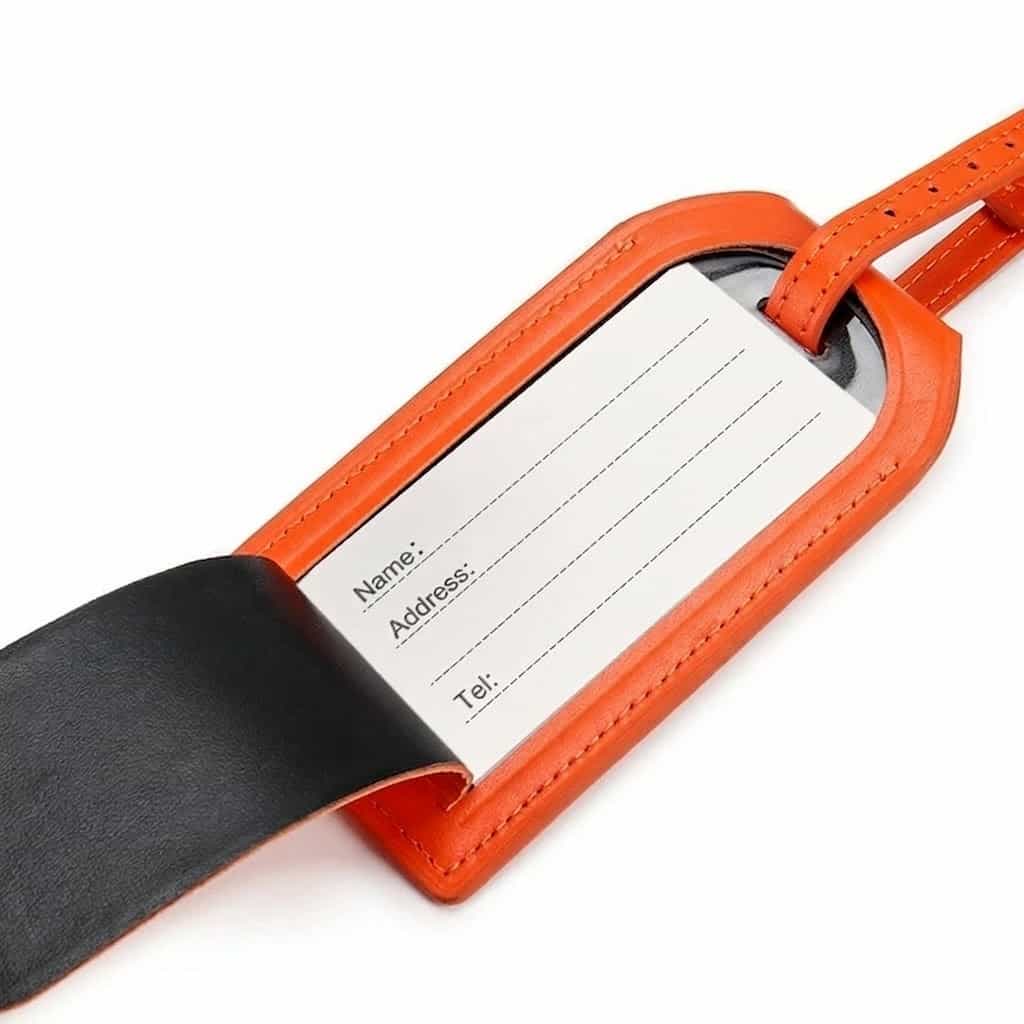
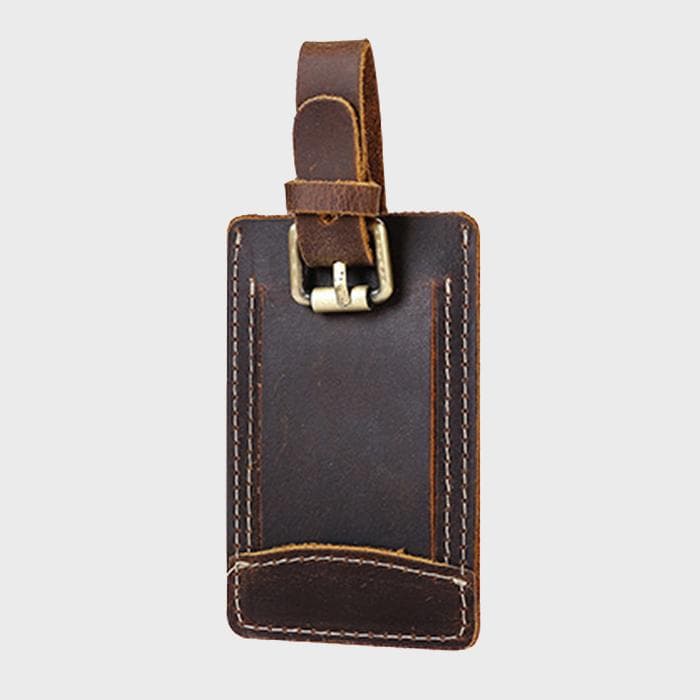
| External leather ID tag | Medium | Another passenger taking the suitcase by mistake at the baggage belt. | A durable, eye-catching ID tag with clear contact details and a privacy cover. |
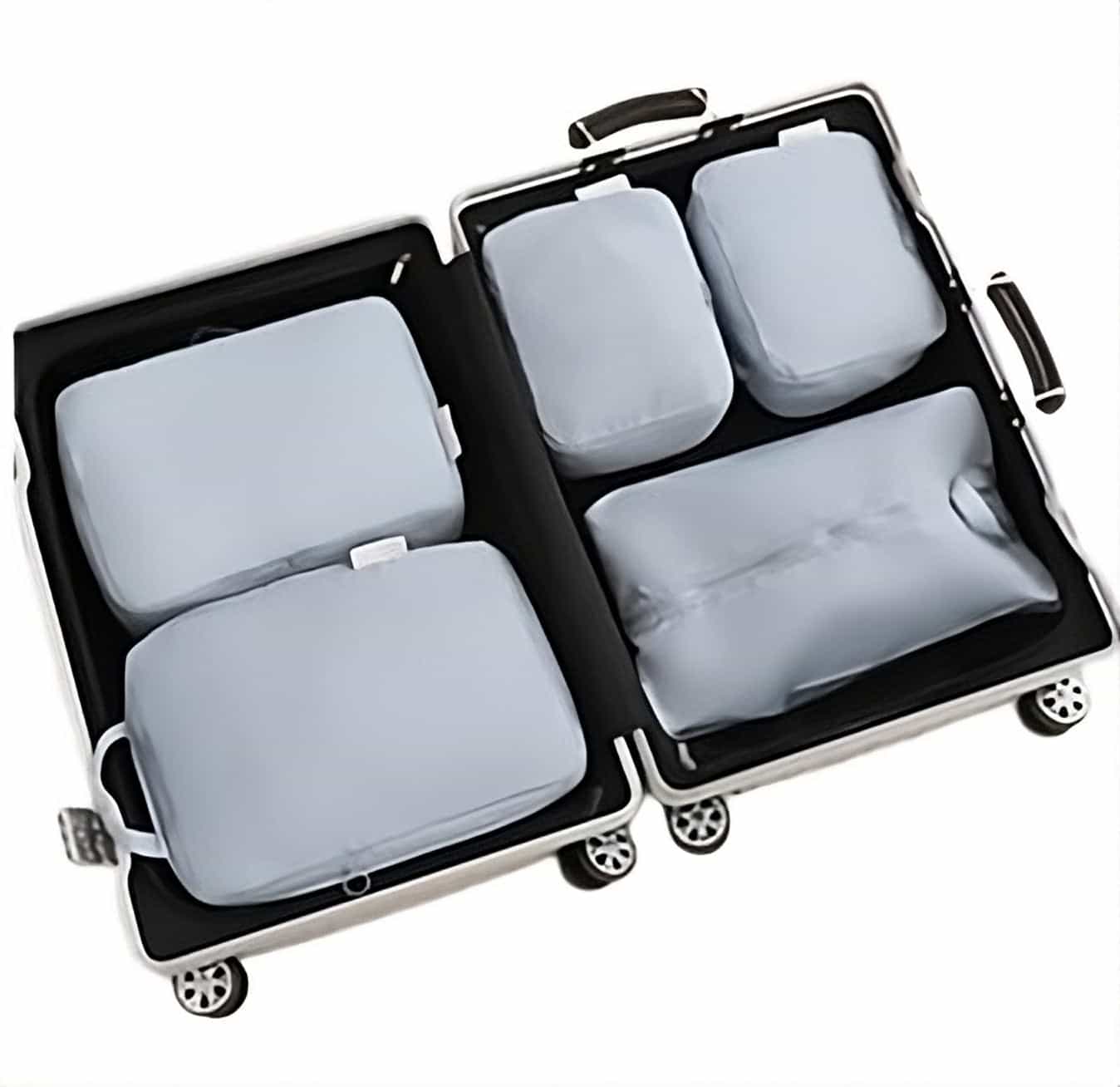
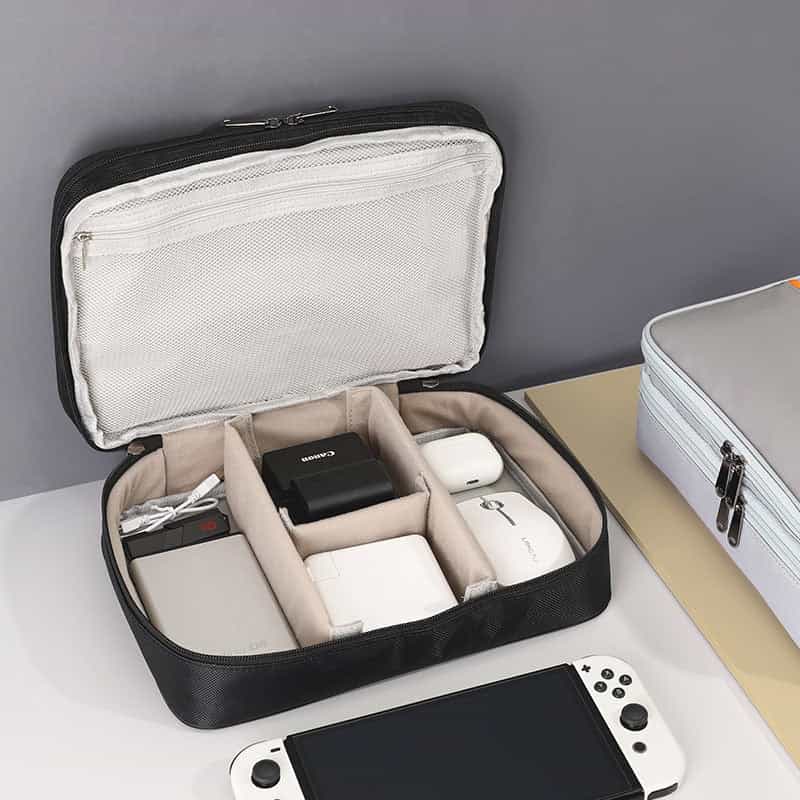
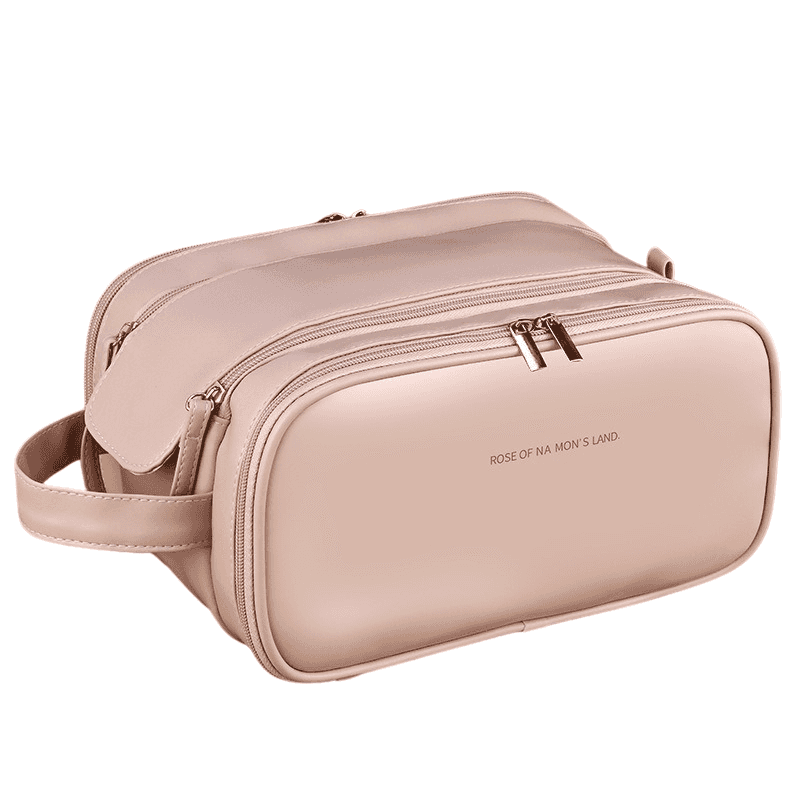
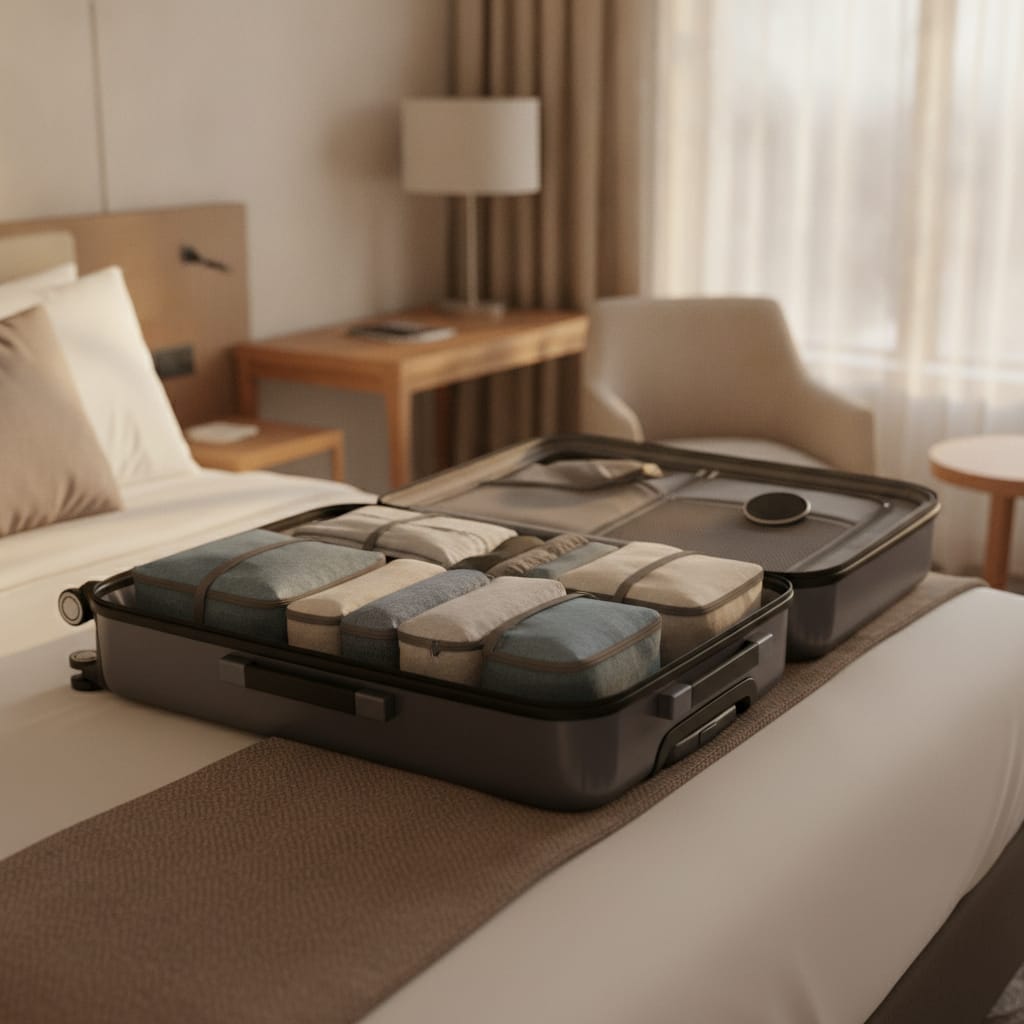
| Set of internal packing cubes | Medium | Clothes and personal items scattering if the suitcase opens by accident. | Durable fabric organizers that divide the suitcase into closed compartments. |
Summary: don't rely on luck, rely on your gear
The fine imposed on Emirates proves once again that in the modern aviation world, passengers must be proactive and protect their own interests. Don't count on the airline handling your suitcase with kid gloves, and don't assume they'll compensate you easily if something goes wrong. The best way to fly with peace of mind is to combine solid legal knowledge with choosing quality, durable, high-tech travel gear. When you're equipped with a hard suitcase, smart tracking tags and clear ID tags, you reduce the risk to a minimum and make sure that even if something goes wrong, you're the one in control of the situation.
Based on a report: Emirates Damaged Baggage - US fines Emirates 100k over lost luggage payments Arabian Business - defensorianna.gob.ar
Products to help you on the way



Products in this guide


Frequently asked questions
What's the legal difference between a delayed suitcase and a lost one?
A suitcase is considered delayed from the moment it doesn't arrive on the belt until 21 days have passed. During this period, the airline must compensate you for buying essential items only. After 21 days, the suitcase is officially considered lost, and you're entitled to compensation for the value of the suitcase and its contents up to the limit set by law.
Can the airline limit my daily spending when my suitcase is delayed?
No, airlines aren't allowed to set arbitrary daily caps on buying essential items. The compensation should be based on reasonable and necessary expenses you actually incurred according to the circumstances of the trip (for example, a suit for a meeting or warm clothes for a freezing destination), up to the overall limit of the Montreal Convention.
What do I do if the airline refuses to compensate me or ignores my claim?
If the airline ignores or rejects your justified claim, you can file a small claims suit against the airline or its local representative. In Israel, for example, the courts are very strict with airlines that violate the Montreal Convention and sometimes even award additional compensation for distress.
Does my private travel insurance cover lost or delayed luggage?
Yes, most travel insurance policies include coverage for baggage delay (which gives you an immediate sum for urgent purchases) and compensation for lost baggage. Note, however, that travel insurance usually requires you to first exhaust the process with the airline, or deducts the compensation you received from it.
How does an AirTag help me if my suitcase didn't arrive?
Using a smart tracking tag lets you prove to the airline exactly where the suitcase is (for example, that it stayed at the departure airport). This proof prevents them from shirking responsibility or claiming the suitcase hasn't been located yet, and significantly speeds up finding it and returning it to you.


