







How Does a Wheeled Dolly Make Moving Appliances Easier? A Guide to Smart Mobility
October 23, 2026

A wheeled dolly makes moving heavy appliances easier by turning static sliding friction into dynamic rolling friction, which is much lower. The dolly spreads the appliance's weight evenly, lowers its center of gravity, and lets you move hundreds of kilos with minimal physical effort while protecting the floor and preventing back and shoulder injuries.
The simple physics behind the wheel: why does it work?
To understand why a wheeled platform (or dolly) turns a hard, exhausting task into child's play, we need to go back for a moment to physics lessons at school. When you try to push a fridge, a washing machine or even a wardrobe directly across the floor, you are fighting static friction. This is the force that resists the start of movement between two bodies touching each other. The heavier the appliance, the stronger the static friction, and often it is simply greater than your muscle power.
When we place the appliance on a wheeled platform, we completely change the rules of the game. The wheels turn this friction into rolling friction. The coefficient of rolling friction is tens or even hundreds of times lower than the coefficient of sliding friction. Instead of two wide surfaces rubbing against each other (the bottom of the appliance and the floor), the only contact point with the floor is the tiny surface area of the wheels. In addition, quality bearings inside the wheel itself reduce internal friction almost to zero.
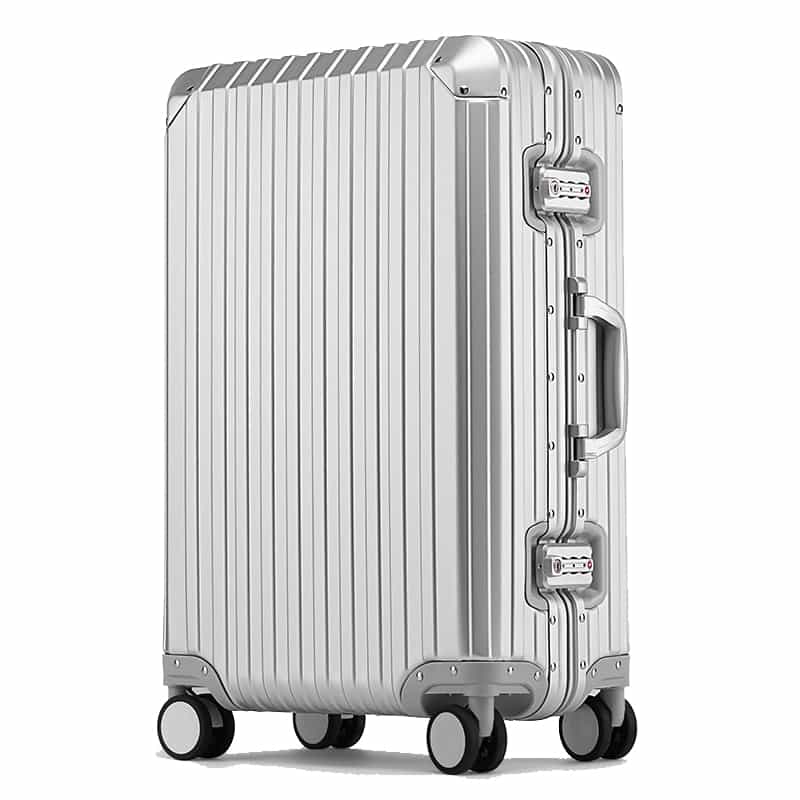
At Camel Mountain, a family business developing carrying and transport solutions since 1975, we know this physics well. The same engineering principles that let you guide a 30 kilo suitcase through the airport with a single finger are the ones that help you move an 80 kilo washing machine during cleaning or a house move.

Types of wheeled dollies and the differences between them
Not every wheeled dolly suits every task. Choosing the right type of platform and wheel material directly affects how easily it moves and how well it protects your equipment and floors. Here is a comparison of the most common types on the market:
| Type of platform | Platform material | Average load capacity | Recommended wheel type | Best use |
|---|---|---|---|---|
| Wooden dolly | Plywood or solid hardwood | 200 to 400 kg | Polyurethane (PU) or hard rubber | Moving furniture, heavy boxes and large appliances. |
| Reinforced plastic platform | High-pressure-resistant polymers | 150 to 300 kg | Hard nylon or polyurethane | Humid environments (such as kitchens or storerooms) thanks to rust resistance. |
| Adjustable metal bases | Steel or aluminum with rails | 100 to 250 kg | Hard plastic with brakes | Permanent placement under washing machines and fridges for easy cleaning. |
Beyond the platform material, the type of wheels plays a decisive role. Hard nylon wheels suit smooth industrial surfaces and especially heavy weights, but they can be noisy and scratch parquet or delicate marble. Polyurethane (PU) or thermoplastic rubber wheels offer the perfect combination: they are quiet, shock-absorbing, protect home floors and give excellent grip that stops the platform from sliding while it is being loaded.
The health and safety benefits of using a wheeled dolly
Moving a heavy appliance the wrong way is one of the most common causes of orthopedic injuries at home and at work. When we try to lift or push a heavy weight without aids, we put enormous pressure on the lumbar vertebrae (L1 to L5) and on the core and shoulder muscles.
Using a wheeled platform gives several critical health and safety benefits:
- Preventing back injuries: the platform removes the need to lift the appliance fully off the floor. All you need is to tilt the appliance slightly to slide the platform under it.
- Control of direction: wheels that turn 360 degrees (swivel casters) let you maneuver the heavy appliance even in narrow hallways and tight corners without twisting your body.
- Optimal load distribution: the platform spreads the appliance's pressure points. Instead of two people holding an unbalanced weight, the platform carries 100% of the static weight, and the operator only guides the movement.

How to choose the right wheeled dolly for your appliances
Before you buy or use a wheeled dolly, make sure it suits the task at hand exactly. Here are three parameters you must check:
1. Load capacity
Never load the platform with a weight close to its maximum capacity. Allow a safety margin of at least 20%. For example, if your fridge weighs 120 kg, choose a platform with a load capacity of at least 150 kg. Overloading can bend the wheel axles and harm their ability to steer.
2. Locking mechanism and brakes
If you plan to leave the appliance on the platform permanently (like a washing machine), or if you are working on a slightly sloped surface, choose a platform where at least two of the wheels have a strong, accessible brake. Locking the wheels stops the appliance from moving because of vibrations (during the spin cycle, for example) or accidental bumps.
3. Friction and grip of the top surface
A surface that is too smooth can make the appliance slide off while you push, which can damage the appliance and its surroundings. Look for platforms with anti-slip rubber pads or a rough felt mat that increases friction between the bottom of the appliance and the platform.
Practical tips for safely moving heavy appliances
To make sure working with the wheeled dolly goes smoothly and without mishaps, adopt a few professional working methods:
Plan the route in advance: before you start moving the appliance, make sure the route is clear of objects, small rugs or cables that could get stuck in the wheels and cause a sudden stop and the load to tip over.
Push low: always push the appliance from its lower part or the middle of its height, not from the top. Pushing from the top creates a torque that can tip the appliance forward, especially when crossing thresholds or gaps in the floor.
Secure with straps: for especially tall appliances (such as a fridge or a narrow wardrobe), use a ratchet strap to tie the appliance to the wheeled platform. This prevents any chance of it shifting or falling sideways while maneuvering.
Products to help you on the way


Products in this guide
Frequently asked questions
What is the difference between rubber and hard plastic wheels on moving dollies?
Rubber or polyurethane wheels absorb shocks, protect delicate floors such as parquet or marble, and give a quiet ride. Hard plastic or nylon wheels, on the other hand, suit especially heavy loads on concrete or industrial surfaces, but they can be noisy and scratch home floors.
Can a wheeled dolly be used on carpets?
Yes, but it needs larger, wider wheels. Small wheels tend to sink into the carpet fibers, which increases resistance and makes movement harder. For carpets, choose wheels 3 inches in diameter or larger.
How do I stop a heavy appliance from sliding off the dolly while moving?
The best way is to use platforms with built-in anti-slip rubber pads, or to place a rough silicone sheet between the appliance and the platform. For tall appliances, secure them to the platform with a ratchet strap.
How much weight can a standard home wheeled dolly carry?
A standard home wheeled dolly (made of wood or reinforced plastic) can usually carry between 150 and 300 kilos. Industrial steel platforms can easily carry 500 kilos or more, depending on the quality of the bearings and wheels.


