









How Not to Lose Your Suitcase: A Luggage Survival Guide for Flights
October 23, 2026

To deal with a lost suitcase on a flight, equip yourself in advance with a sturdy ID tag and a digital tracker (like an AirTag), photograph your suitcase before checking it in, and pack a small carry-on backpack with a change of clothes and essentials for the first two days. If your suitcase is lost, go straight to the airport's Lost & Found desk and fill in a PIR report before leaving the terminal.
The story behind the queue: what happens when your luggage disappears?
This week a heated discussion made headlines in the Reddit community of British Airways passengers, where dozens of travelers shared their deep frustration that their suitcases had been lost without a trace since last Tuesday. Passengers reported feeling helpless in front of an overloaded customer service team and unable to find out where their belongings physically were. The case reminds us again that in modern aviation, airport congestion, short connections and failures in automated sorting systems are part of the travel experience. Lost luggage is not just an administrative nuisance: it can ruin a whole vacation that was planned for months.
At Camel Mountain, a family business brand that has been accompanying travelers since 1975, we have seen it all. We know that every traveler's biggest nightmare is standing in front of an empty carousel at a foreign airport. So we put together the most practical and complete guide to dealing with lost luggage, from prevention at home to the moment of truth at the airport.
Prevention is the best cure: how to prepare your suitcase for the flight
Most cases of lost suitcases happen because of human error or simple technical faults that can be prevented in advance. Here are some critical steps that will dramatically reduce the chance of your suitcase getting lost:
1. Real-time tracking technology
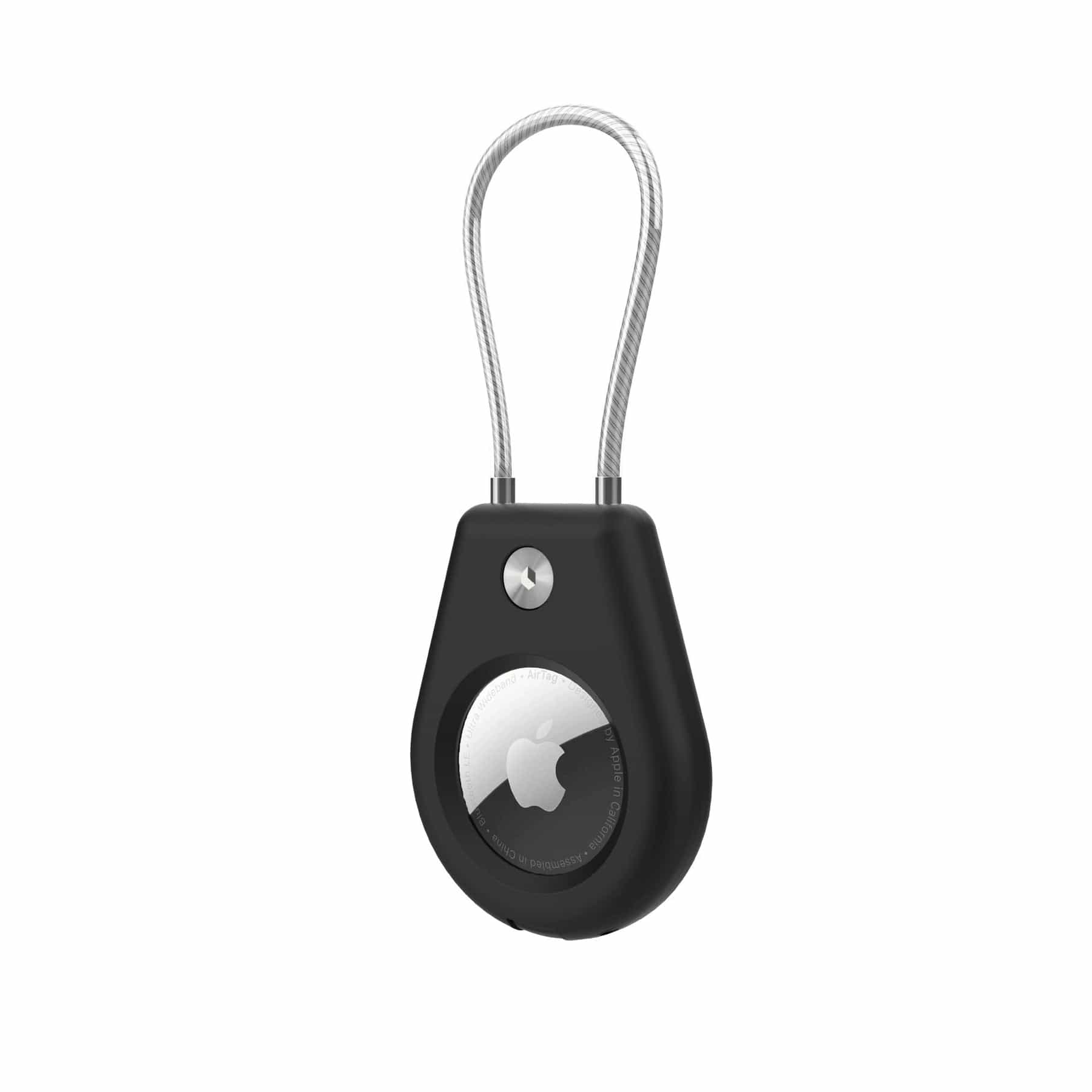
The most powerful tool available to the modern traveler is a small location tracker (like an Apple AirTag or a Samsung SmartTag). Dropping one into an inner pocket of the suitcase lets you know exactly where it is, whether it stayed at your departure airport, traveled with you to the connection or is waiting at another terminal. In many cases, passengers have managed to prove to airlines where their suitcase was thanks to the app on their phone.
2. Smart, durable physical tagging
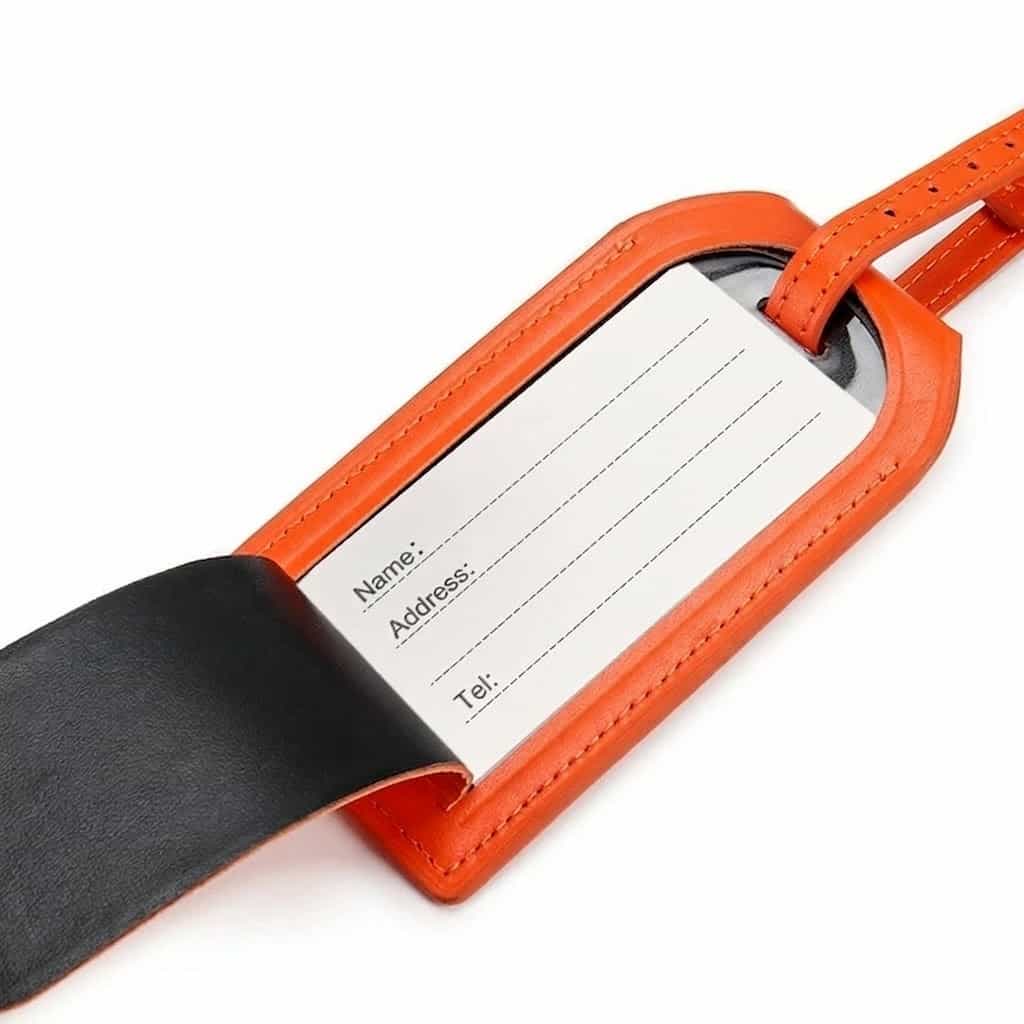
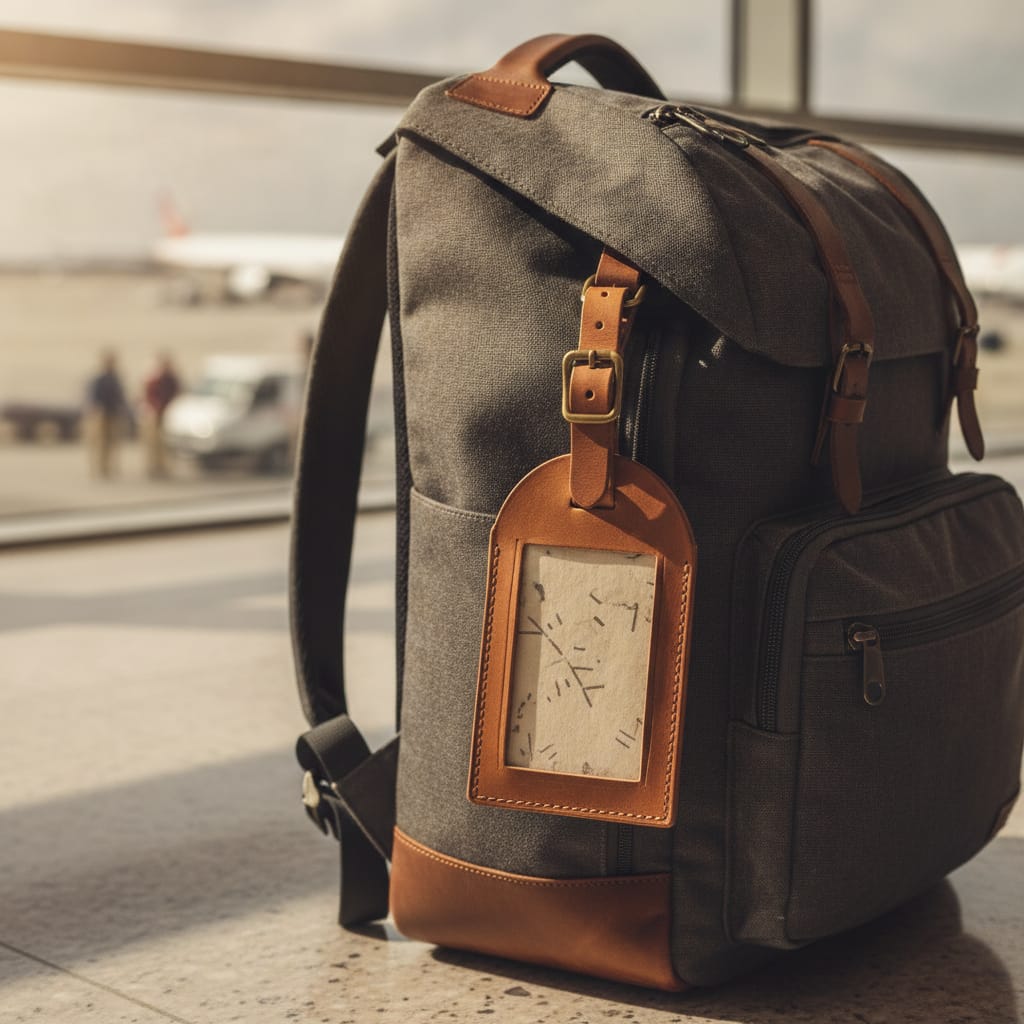
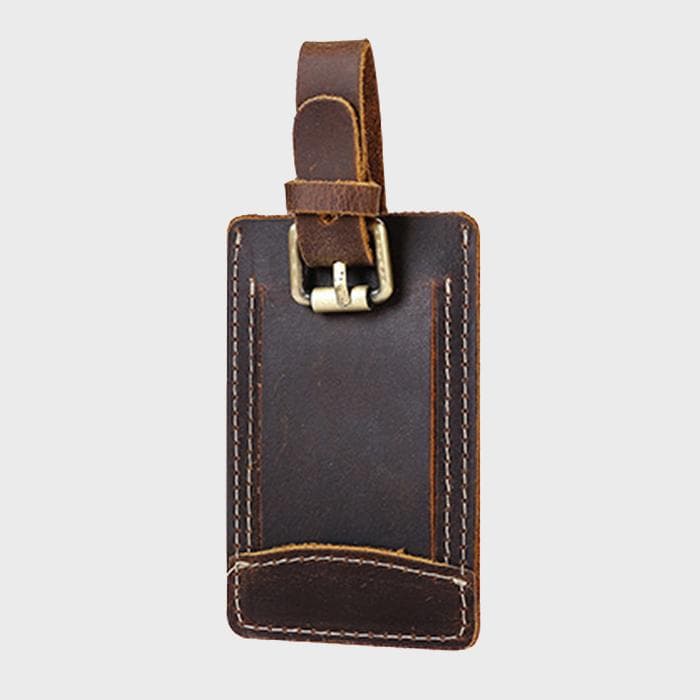
Don't rely only on the barcode sticker the airline puts on the suitcase at check-in. These stickers can tear, get dirty or get scratched during automated sorting. Attach a quality, sturdy ID tag (ideally leather or durable silicone) with the essential details: full name, phone number (including the international prefix) and email address. A pro tip: for personal security, don't write your home address openly. Use the hotel's address or simply your digital contact details.
3. Remove old stickers
Many travelers leave barcode stickers from previous flights on their suitcase as a kind of "badge of honor". This is a serious mistake. Optical sorting systems at airports may scan an old barcode by mistake and send your suitcase to the destination you visited last year. Make sure to remove every sticker or tag from previous flights before you get to the counter.
Smart packing strategy: spreading the risk properly
Even if you did everything right, there is always a small chance the suitcase will be delayed. So your packing strategy must take this scenario into account. The most important rule is: never put all your eggs in one basket.
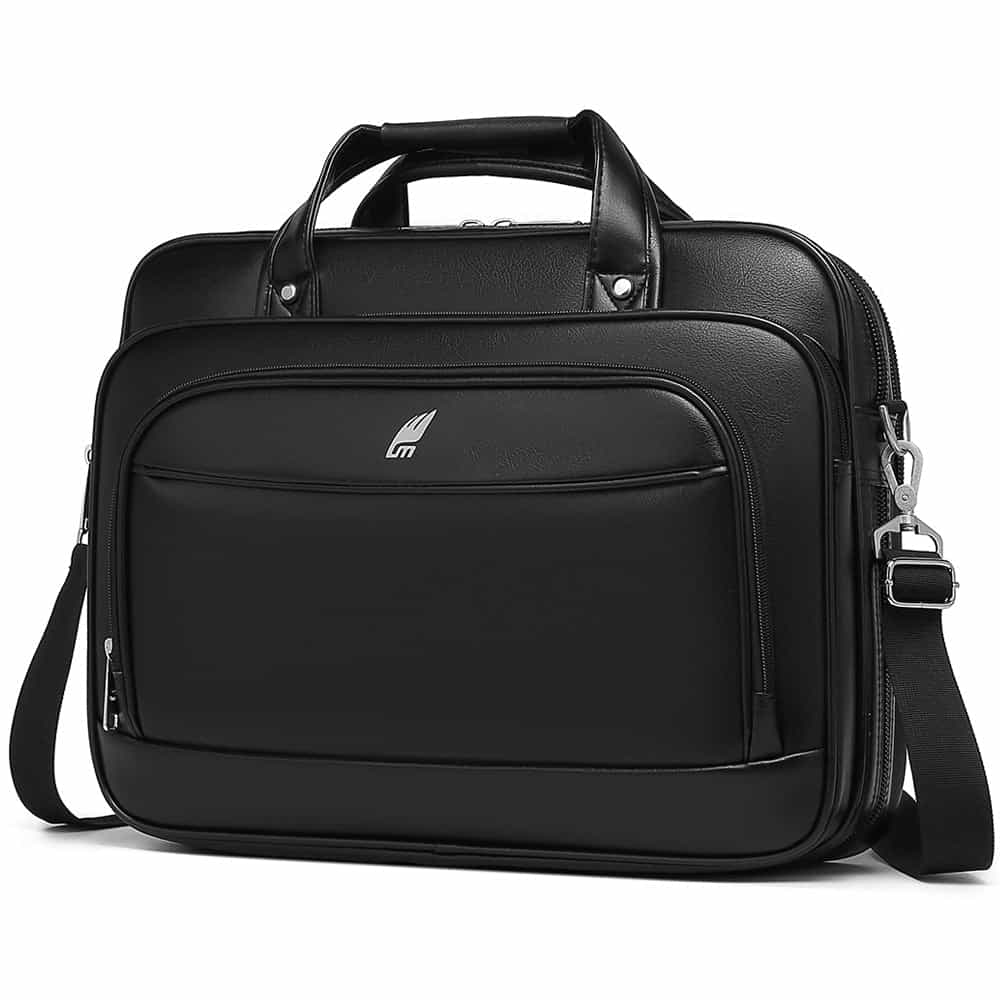
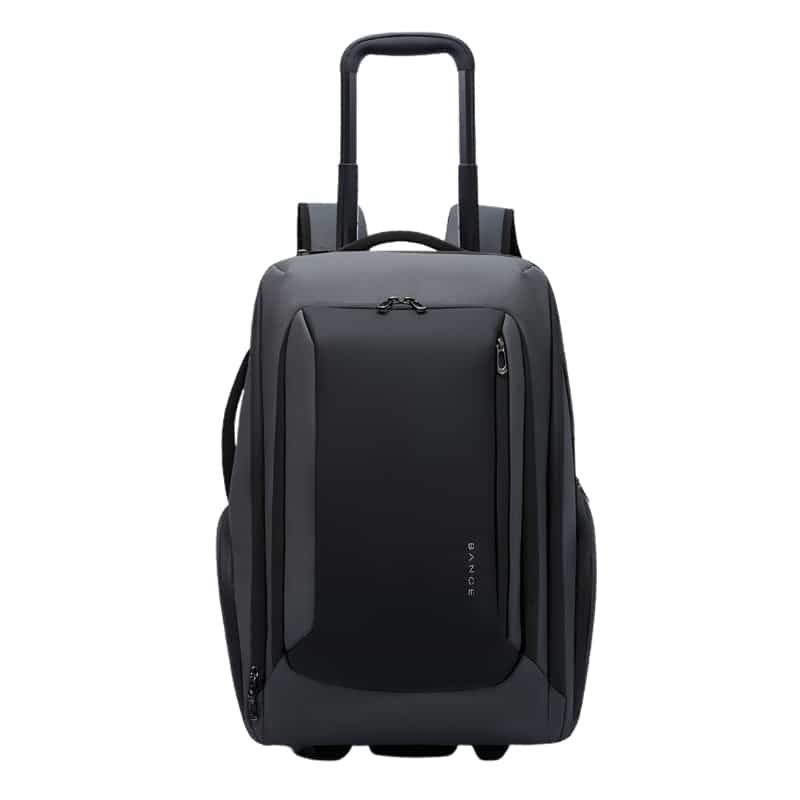
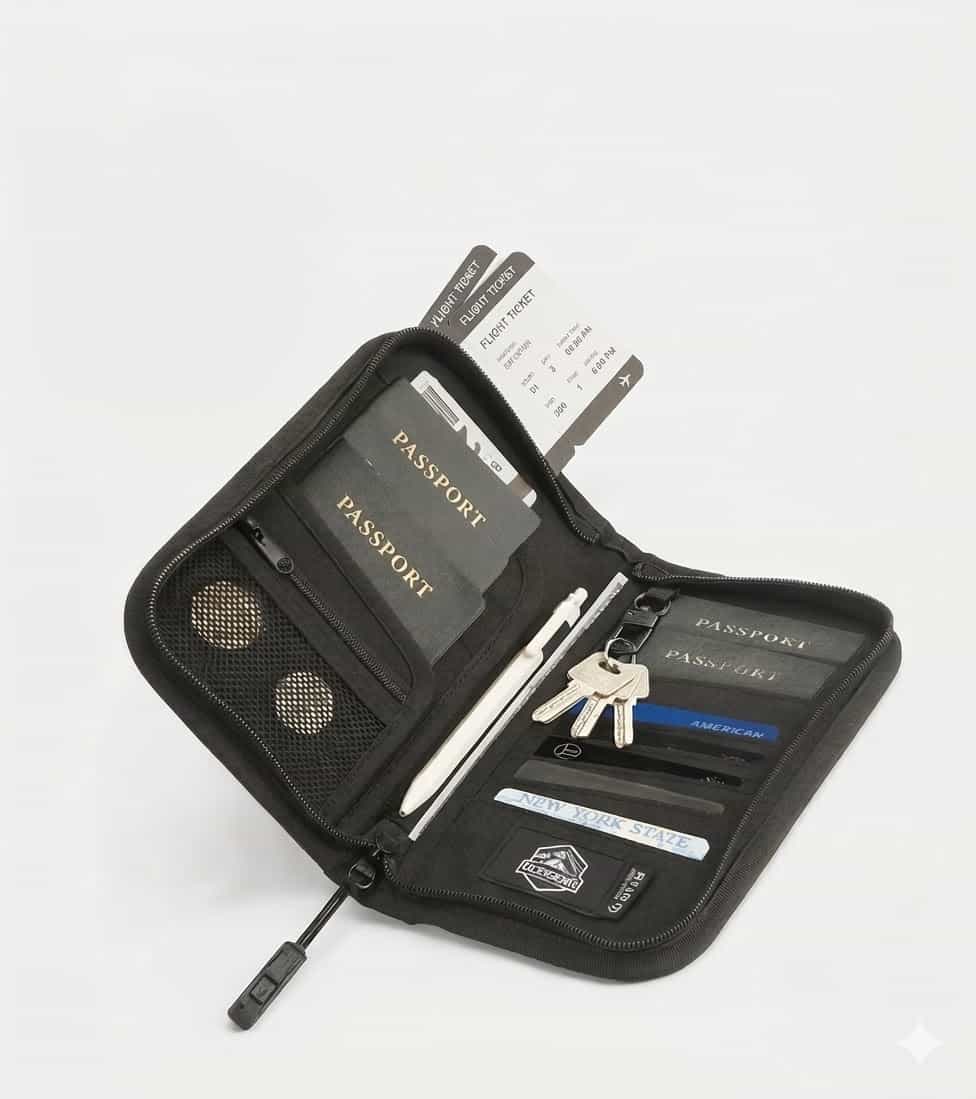
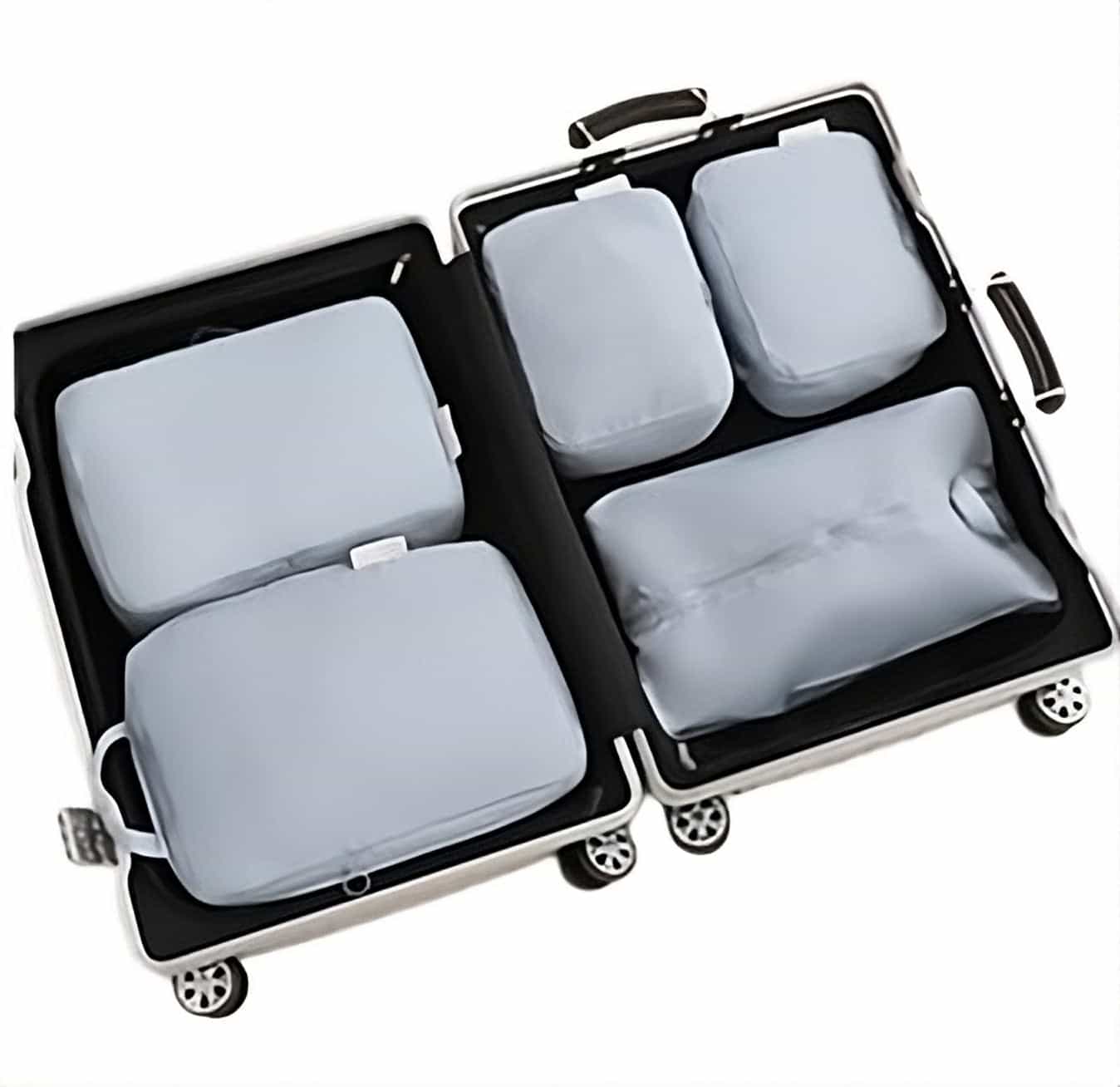
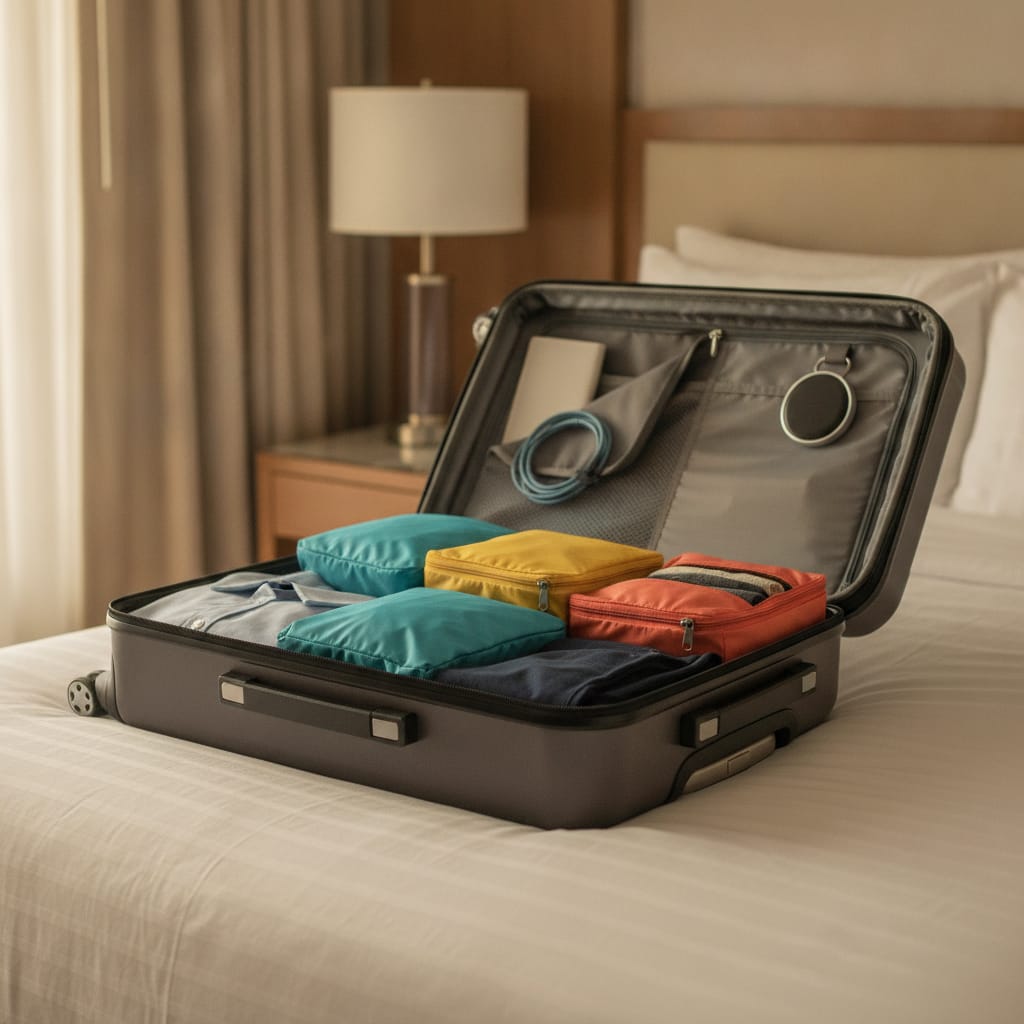
Use a quality backpack or small trolley as your carry-on. In it, pack everything you can't manage without even for one day: prescription medicines, medical documents, passports, phone chargers, and of course, one full change of clothes (including underwear and socks). If you are traveling as a couple or a family, mix the clothes across the different suitcases. That way, if one suitcase is lost, each family member still has some of their things available in the other suitcase.
Comparison table: ways to track and locate luggage
To help you choose the best way to protect yourself, here are the pros and cons of the different tracking methods:
| Tracking method | Main advantages | Disadvantages and limits | Effectiveness (1-5) |
|---|---|---|---|
| Digital tracker (AirTag / SmartTag) | Maximum accuracy, independent real-time tracking straight from your phone. | Depends on the battery and on supported devices being nearby. | 5 / 5 |
| Sturdy physical ID tag | Lets ground staff contact you directly without any computer systems. | Can be physically torn off when moving between conveyors. | 4 / 5 |
| The airline's app | Official sync with the flight's baggage routing system. | Not always updated in real time, and not offered by every airline. | 3 / 5 |
Immediate steps at the airport: what to do in real time?
You have arrived at your destination, the carousel has stopped turning, and your suitcase isn't there. Don't panic, and follow these steps in order:
- Don't leave the arrivals hall: the Lost & Found desk is always inside the baggage claim hall, before customs. Once you leave the restricted area, it will be very hard to get back in to file a report.
- Fill in a PIR report: this is the most important step. Ask the agent to fill in a Property Irregularity Report. It contains a description of the suitcase and a unique tracking number. Make sure you get a physical or digital copy of the report with the file reference number. Without it you won't be able to claim compensation or track the suitcase.
- Keep receipts: airlines must reimburse you for buying essentials (toiletries, basic clothes) while your suitcase is delayed. Keep every receipt for purchases you made because of the delay.
- Contact your insurance company: many travel insurance policies offer immediate compensation (sometimes by direct transfer to a dedicated card) when luggage is delayed beyond a set number of hours. Don't wait until you get home to use your insurance.
In short, travel is a wonderful experience, but it asks us to take responsibility and prepare in advance. The right gear, simple technology and well-thought-out packing can turn a stressful lost luggage incident into a minor nuisance, and keep your vacation enjoyable and safe.
Based on a report: Missing baggage since Tuesday : r/BritishAirways - Reddit
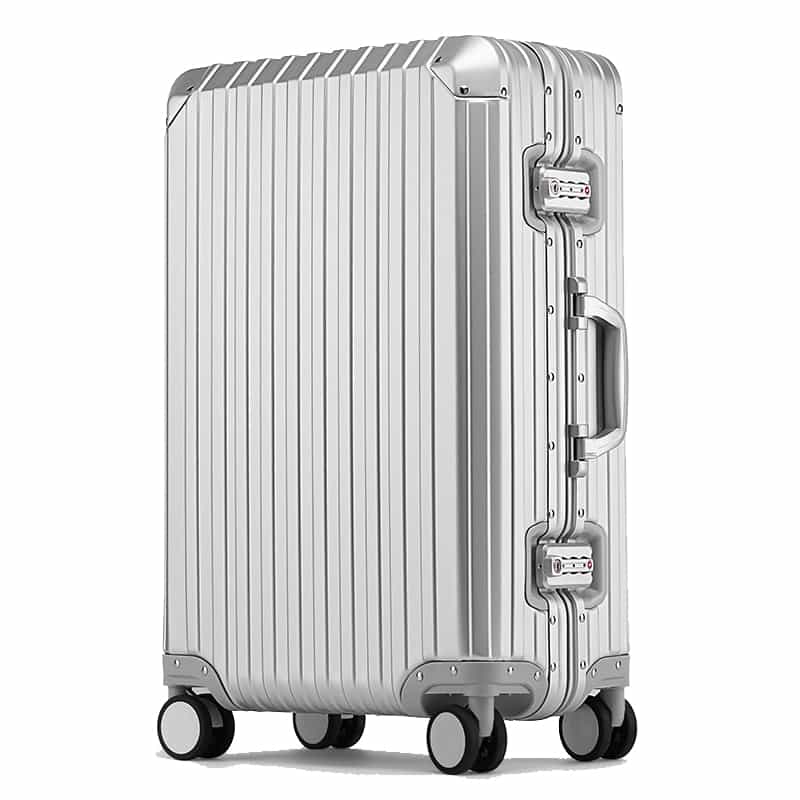
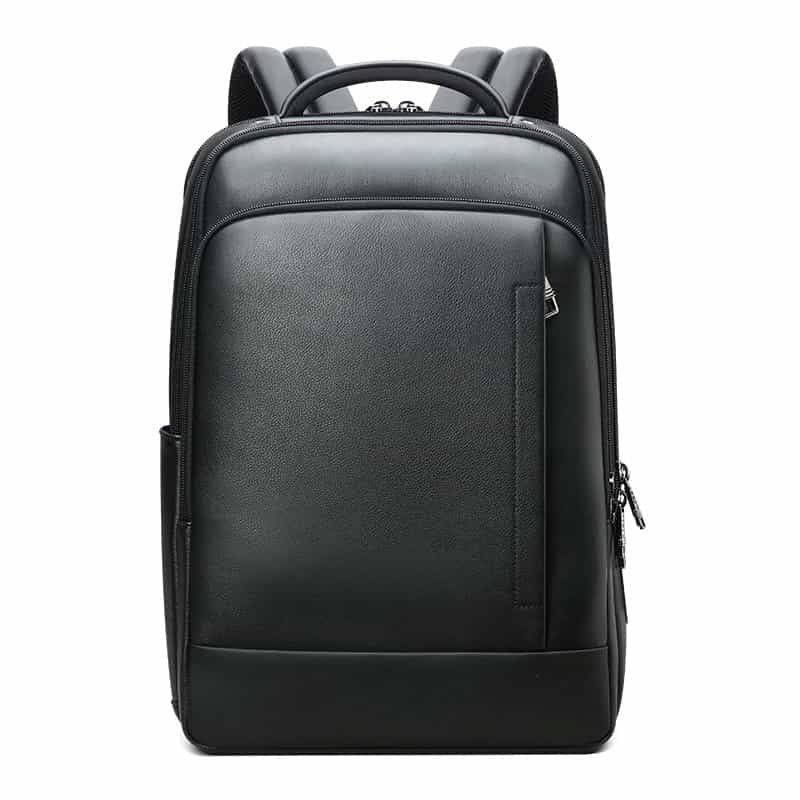
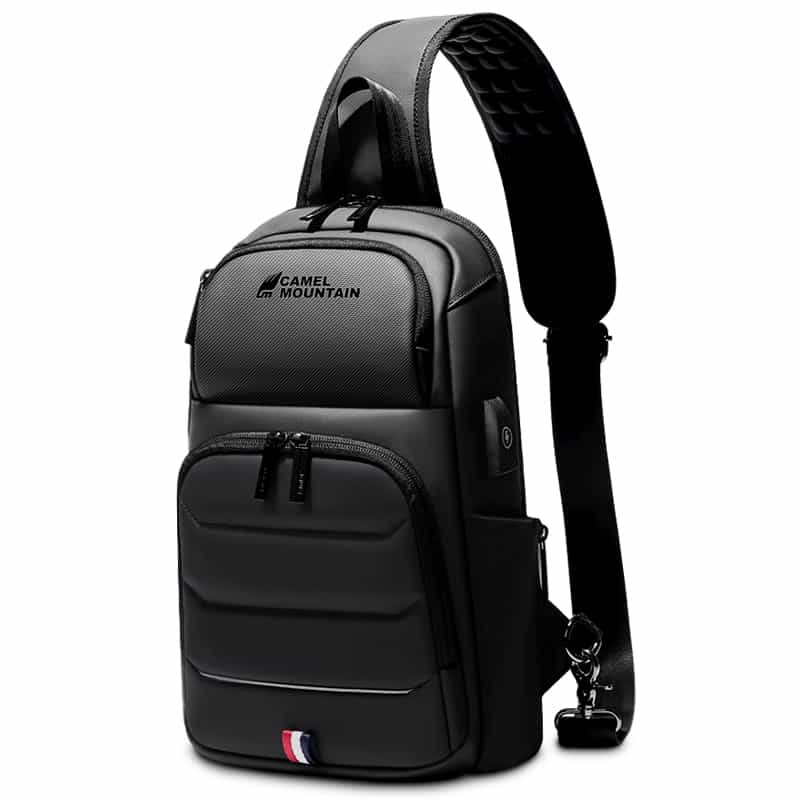
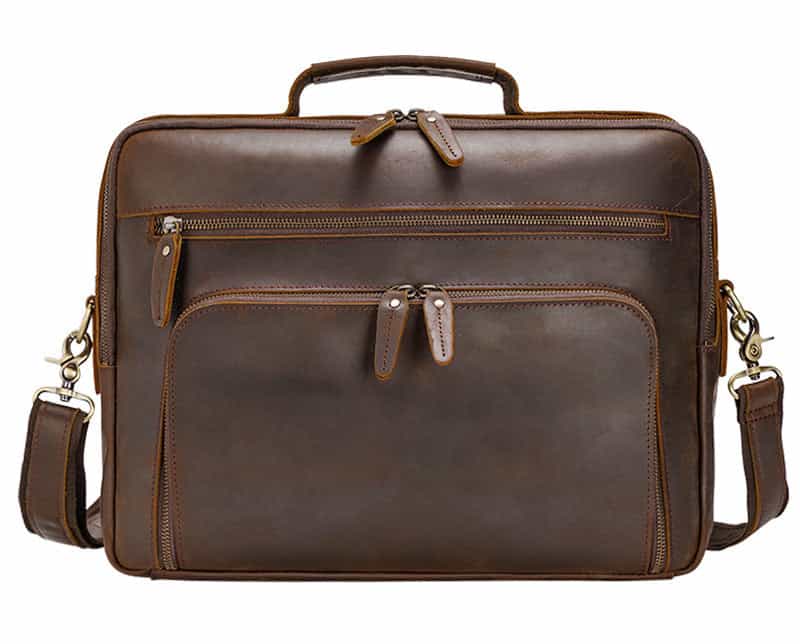
Products that will help you on the way



Products in this guide


Frequently asked questions
What is a PIR report and why is it critical?
A PIR (Property Irregularity Report) is the official document confirming that the airline lost or delayed your suitcase. You must fill it in at the airport's Lost & Found desk before leaving the arrivals hall, because it is the legal basis for any compensation claim or search later on.
Can AirTag batteries go in the hold?
Yes, absolutely. Personal trackers like the Apple AirTag or SmartTag use small coin batteries (CR2032) that meet the airlines' international safety standards, and there is nothing stopping you from putting them inside your checked suitcase.
What should I put in my carry-on backpack just in case?
It is always a good idea to pack one change of clothes, underwear, prescription medicines, chargers, important documents and valuables in your carry-on. That way, even if the big suitcase is delayed, you can manage the first two days of your vacation without trouble.
How long does the airline have to return my suitcase?
Most delayed suitcases are found and returned within 24 to 72 hours. Under the Montreal Convention, a suitcase is officially considered lost only after 21 days from the date it should have arrived, and then the passenger is entitled to monetary compensation for a total loss.
Should I lock my suitcase with a regular lock?
It is better to use a TSA-approved lock only. If you use a regular lock and airport security staff want to inspect the suitcase, they will force it open and break it, which can leave your suitcase open and vulnerable for the rest of the journey.


