


How to Add a Suitcase in a Chat with AI and Get Past the Bot Smoothly
October 23, 2026

Adding a suitcase to a flight through artificial intelligence (AI) bots cuts waiting times, but it requires complete accuracy. To avoid rejections or fees from the automated systems, enter the exact weight and dimensions of the suitcase in advance (including wheels and handles), and match them precisely to your airline's rules before you reach the counter.
The AI revolution in airline customer service: what is really happening?
The latest news in aviation reveals a dramatic change: instead of waiting long minutes (and sometimes hours) on the phone for a human agent, the leading airlines are rolling out advanced AI systems. These systems, usually available through messaging apps like WhatsApp or inside the airline's app, let travelers carry out complex actions such as adding a suitcase, changing a seat and even upgrading tickets within a few seconds of a digital conversation.
For travelers, this is real good news. The tedious phone queue or the stress before the flight at the airport is replaced by a fast, efficient interface. However, the move to AI-based service shifts full responsibility onto us, the travelers. Artificial intelligence works by dry rules and exact data. If in the past a human agent at the counter could turn a blind eye to a slight excess in the suitcase's weight or size, the computerized systems and automatic scanners at the airport will show no leniency at all.
The bot trap: why accurate dimensions matter more than ever
When you chat with an AI bot to add baggage, it will ask you to choose the type of suitcase (cabin baggage or a checked suitcase) and show you the airline's official weight and size limits. The confirmation you get from the bot is based on your declaration. The real trap waits for you at the airport, at the self bag drop counters and at the boarding gates.
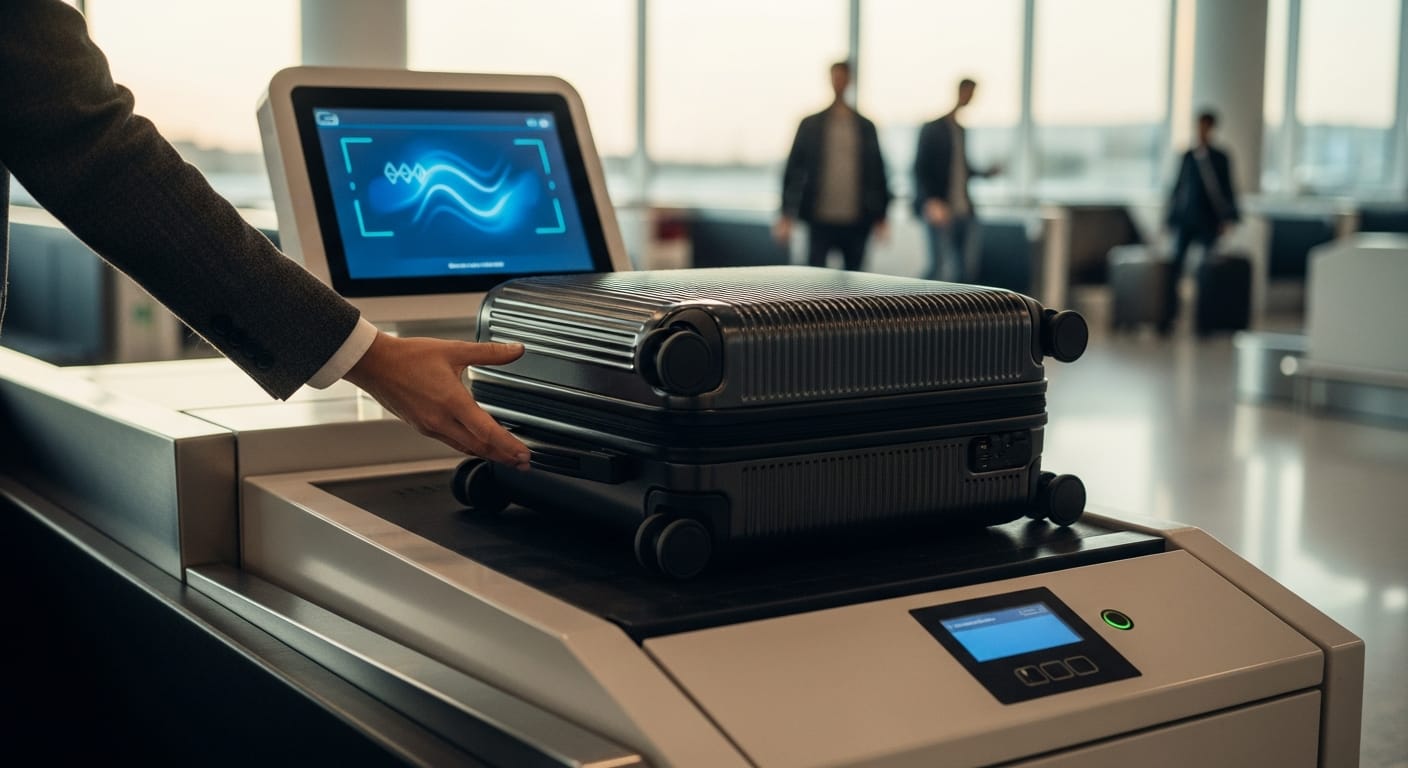
In recent years many airports around the world, including Terminal 3 and Terminal 1 at Ben Gurion Airport, have moved to laser scanners and 3D cameras that measure the suitcase automatically as it moves along the belt. If your suitcase exceeds the dimensions you entered in the bot (or the allowed standard) by even one centimeter, the system will stop the process, demand an especially high fee, or force you back into the long human queue, exactly what you were trying to avoid in the first place.
How to prepare your suitcase for the AI era
To get past the bots and the automatic scanners without trouble, stick to three golden rules of baggage preparation:
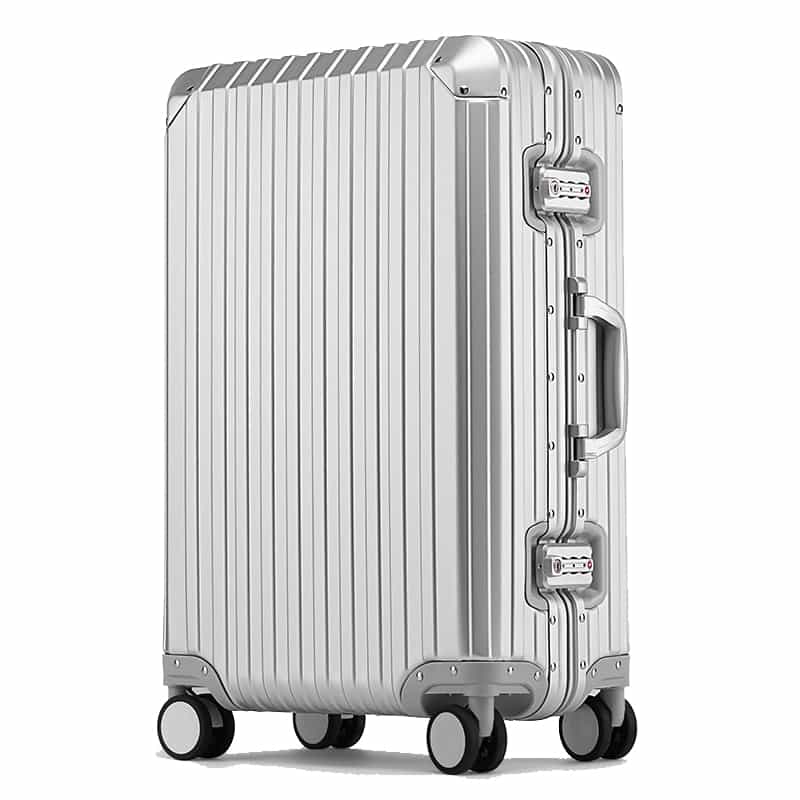
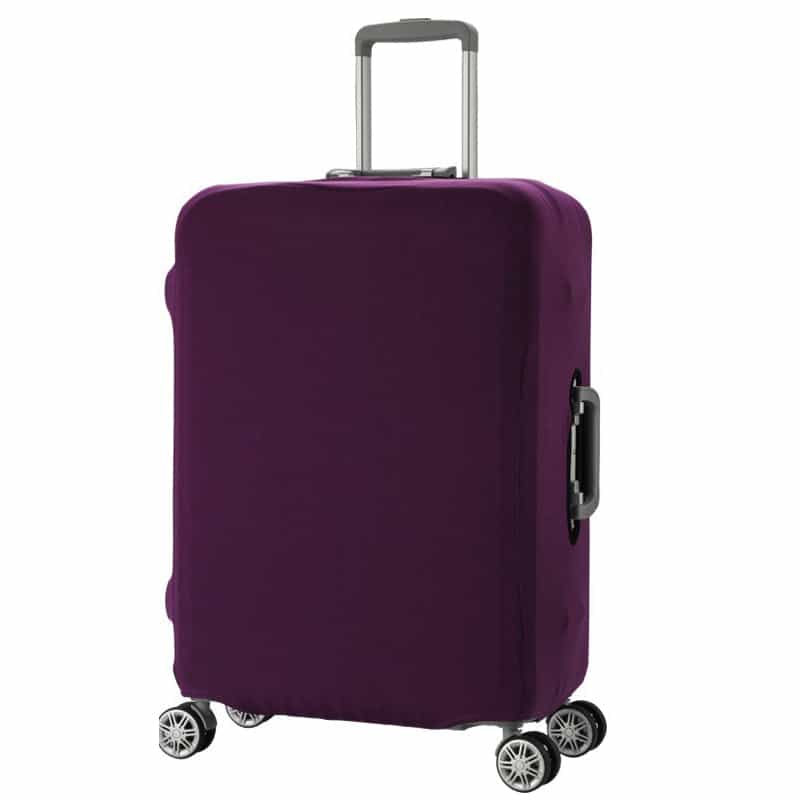
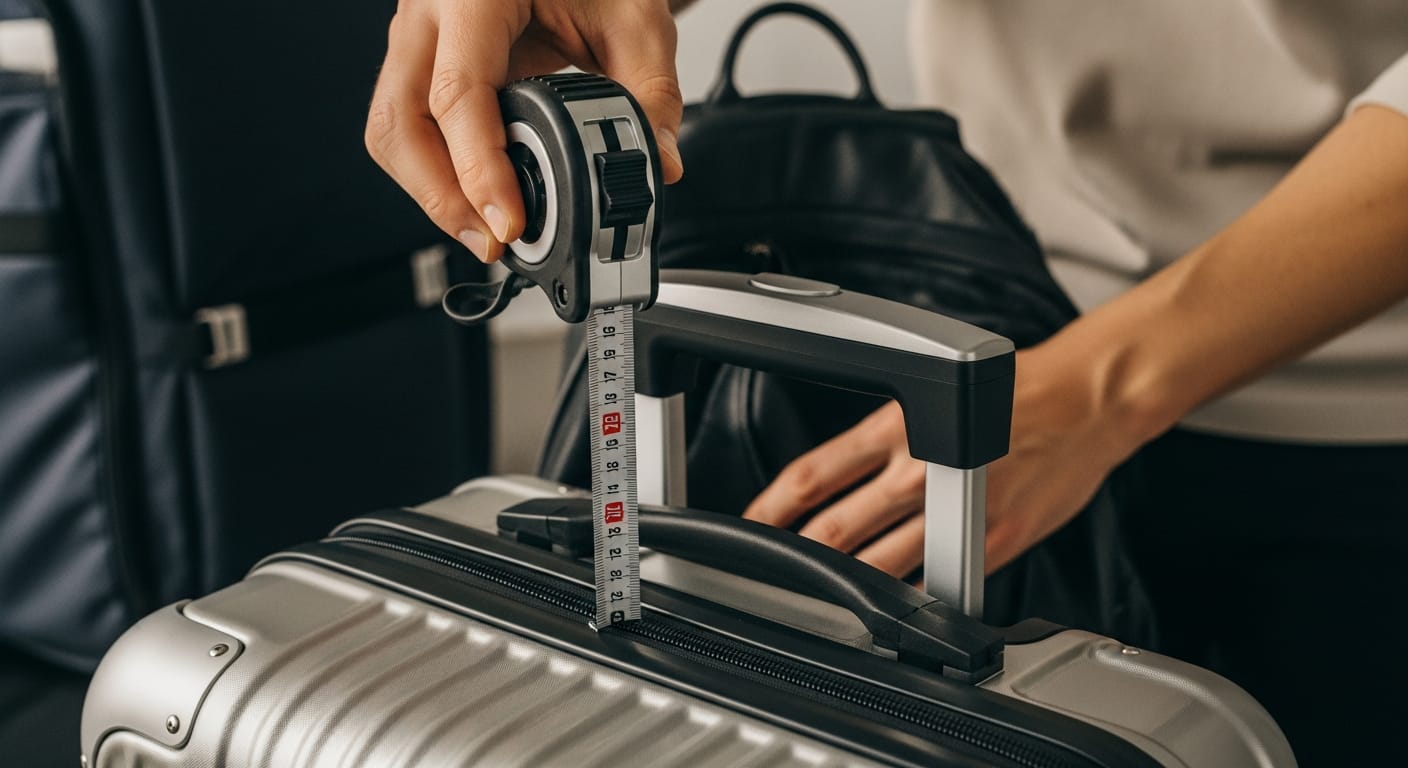
- Full measurement (everything included): airlines define suitcase dimensions including the wheels, the top and side handles when closed, and protruding outer pockets. When you measure the suitcase at home with a tape measure, do not measure only the plastic or fabric body: start from the floor (including the wheels) up to the highest point of the folded handle.
- Digital weighing at home: the suitcase's weight is the most sensitive figure for the AI systems. Use a digital hand scale and weigh the suitcase when it is fully packed. Always leave a safety margin of at least half a kilo below the limit, since there may be small calibration differences between your home scale and the airport scale.
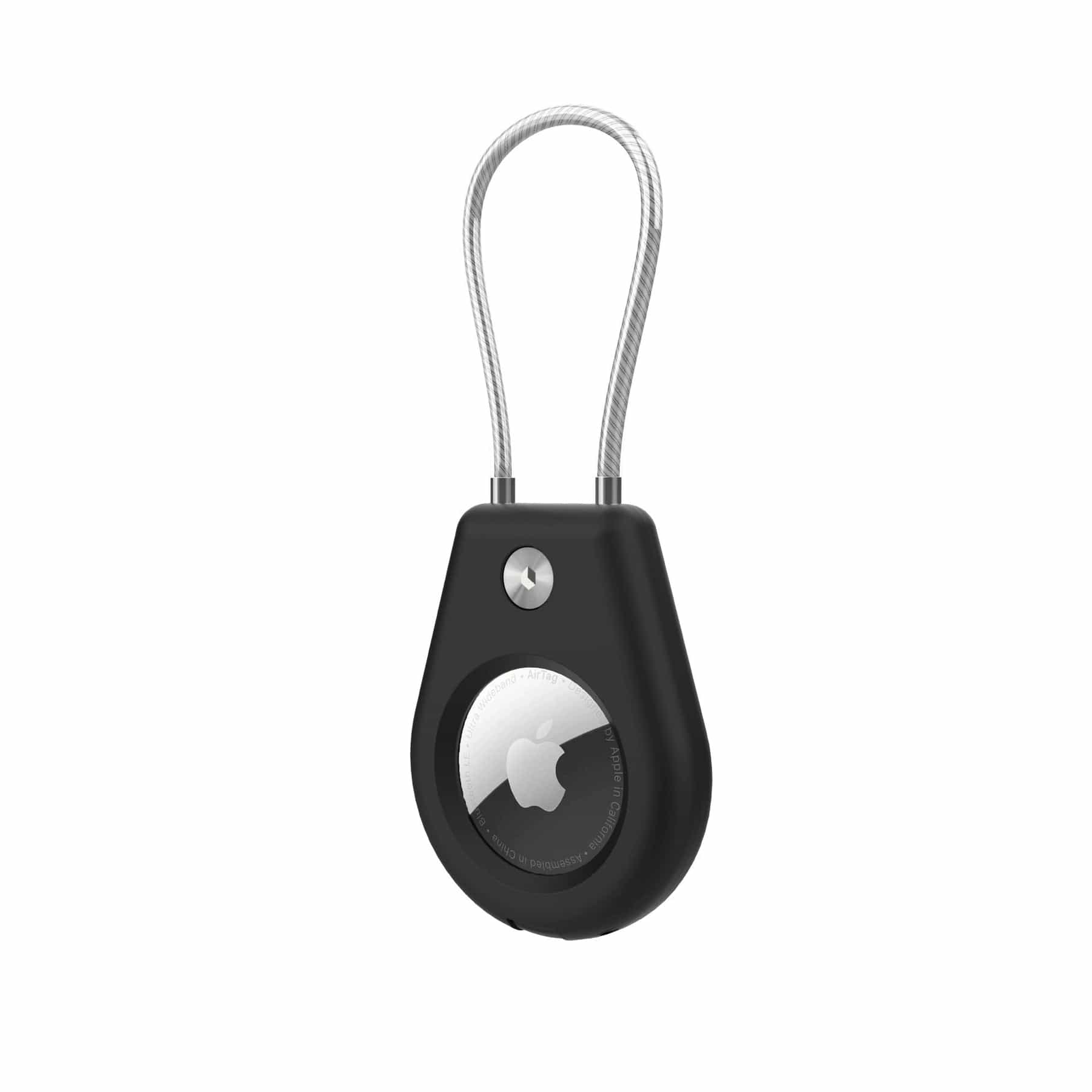
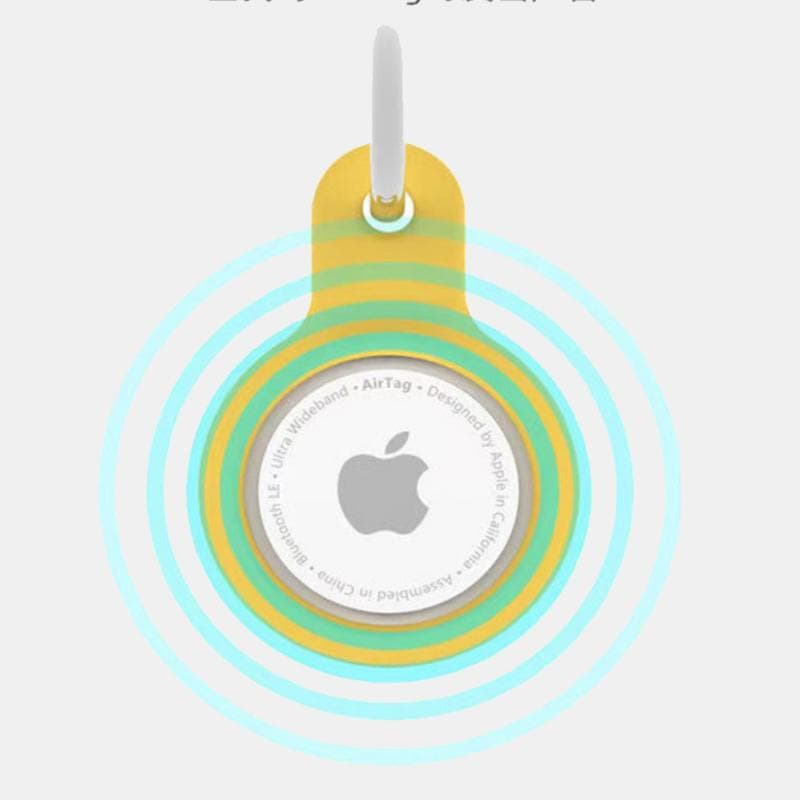
- Independent tracking technology: in an era when baggage handling is becoming automated and computerized, it is a good idea to add a smart tracking tag (such as an Apple AirTag or a compatible tag) to the suitcase in a durable dedicated holder. That way, even if the airport's automated system routes the suitcase wrongly, you can know exactly where it is straight from your smartphone.
Comparison table: common baggage types and what the digital systems require
To bring some order, we gathered the common baggage types and the data you should know before you start chatting with the airline's bot:
| Type of baggage | Common standard dimensions (cm) | Average weight allowance | What is important to enter in the bot? |
|---|---|---|---|
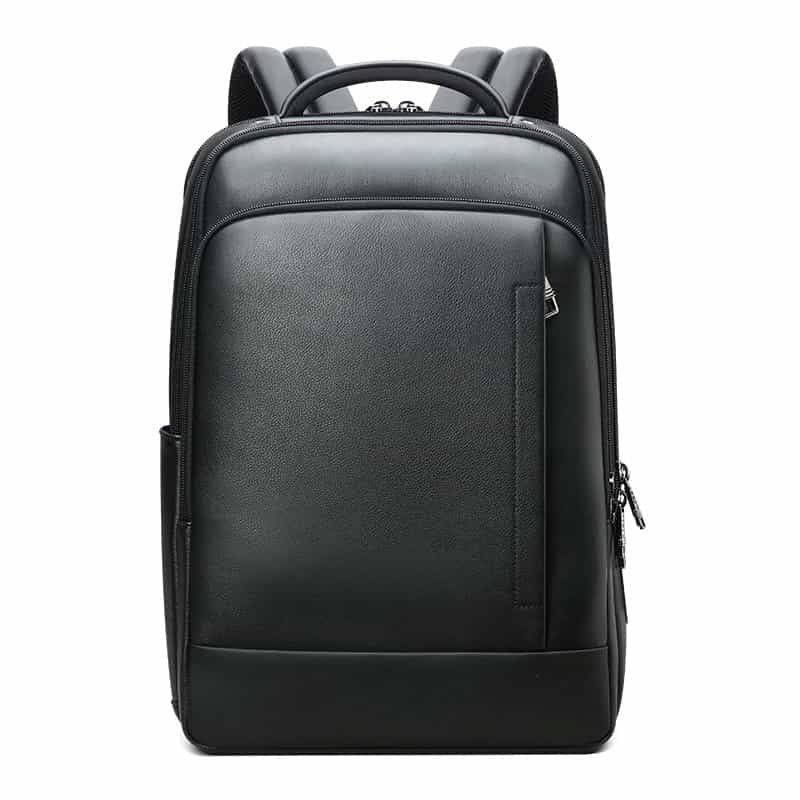
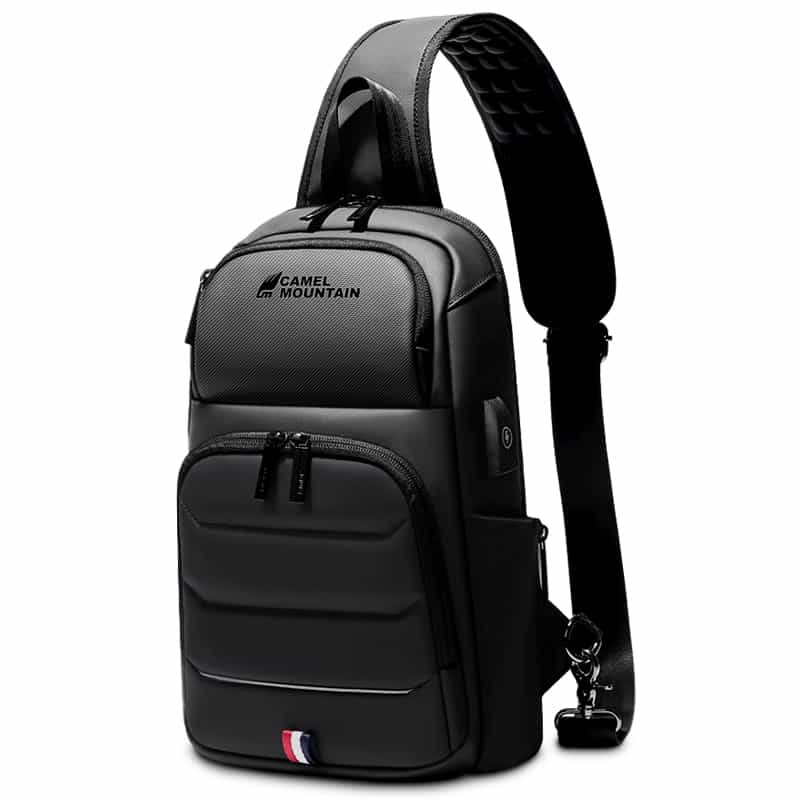
| Personal backpack (underseat) | 40 x 30 x 20 | Up to 8 kg | Make sure the bag fits under the seat in front of you and is not overstuffed. |
| Carry-on suitcase (20 inch) | 55 x 40 x 20 | 8 to 10 kg | You must measure including wheels and handles. Gate scanners are especially sensitive to carry-ons. |
| Medium suitcase (checked, 24 inch) | 68 x 45 x 26 | Up to 23 kg | Weight is the most critical. Declare it in advance to save costs. |
| Large suitcase (checked, 28 to 29 inch) | 78 x 52 x 30 | 23 to 32 kg | Pay attention to the airline's maximum weight limit (usually 23 kg with no extra charge). |
Practical tips for a smooth pass at the self drop-off counter
Once you have successfully added the suitcase through the AI interface and received a digital confirmation, here are a few steps that will ensure a quick pass at the airport:
First, keep the purchase confirmation and the digital receipt somewhere easy to reach on your phone (you can take a screenshot or save it to Apple Wallet or Google Pay). Sometimes the airport's internal systems take a few minutes to update, and if you run into a problem at the automated counter, showing the receipt to the human service agent walking around the area will solve it in seconds.
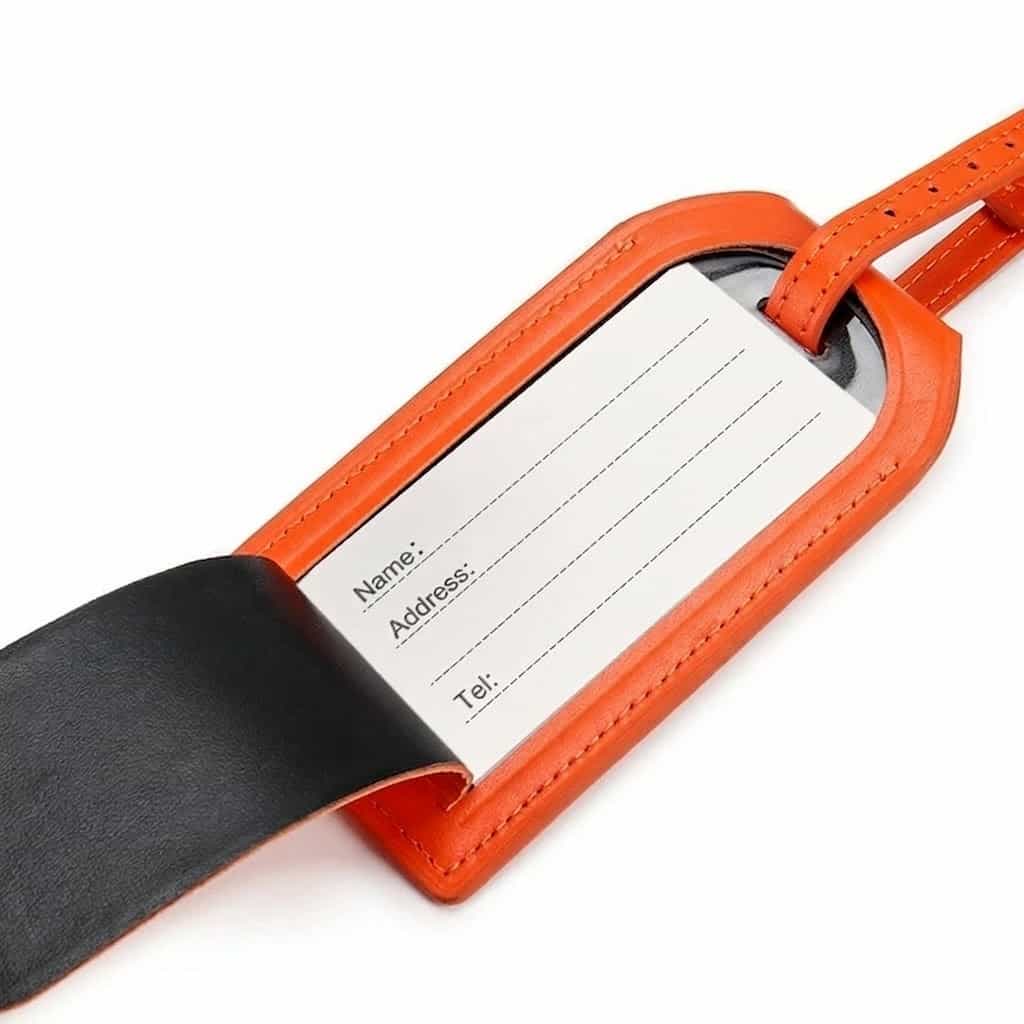
Second, make sure you remove all the old stickers from previous flights. Automatic barcode scanners may get confused by old stickers, which will make the system reject your suitcase and send you to a long, tedious manual lane. Use quality, clear aluminum or leather ID tags so you can easily spot your suitcase on the belt at the end of the flight.
In short, the AI revolution in airline services is a wonderful tool for saving precious time, but it requires us to be more accurate and organized. Quality suitcases that meet international standards, together with careful measuring and weighing at home, will ensure a smooth, quick and worry-free pass on the way to your next vacation.
Based on a report: Instead of waiting for an agent: how to add a suitcase in a chat with AI - Israel Hayom
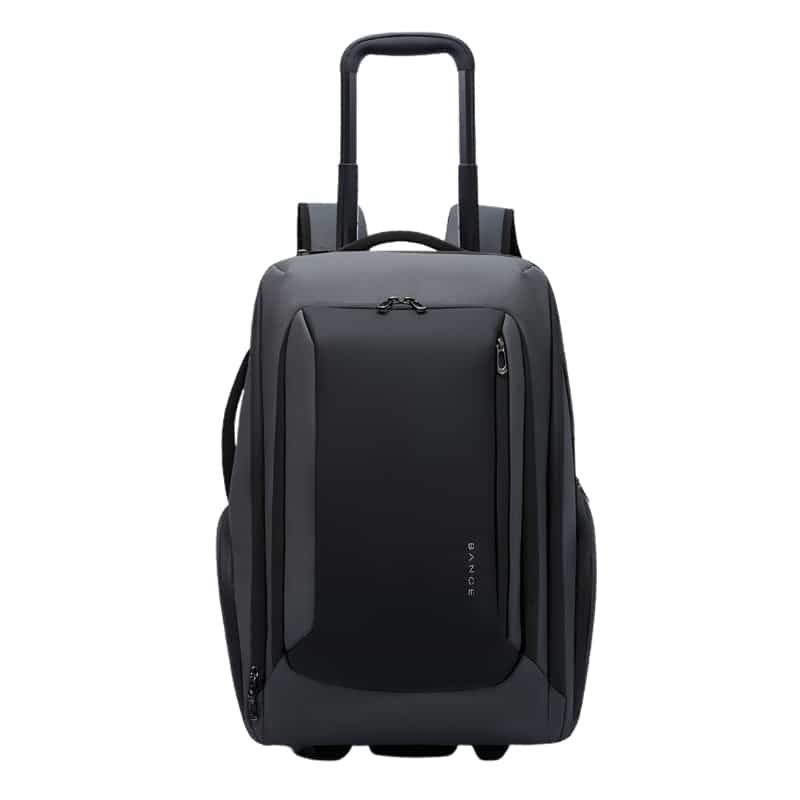
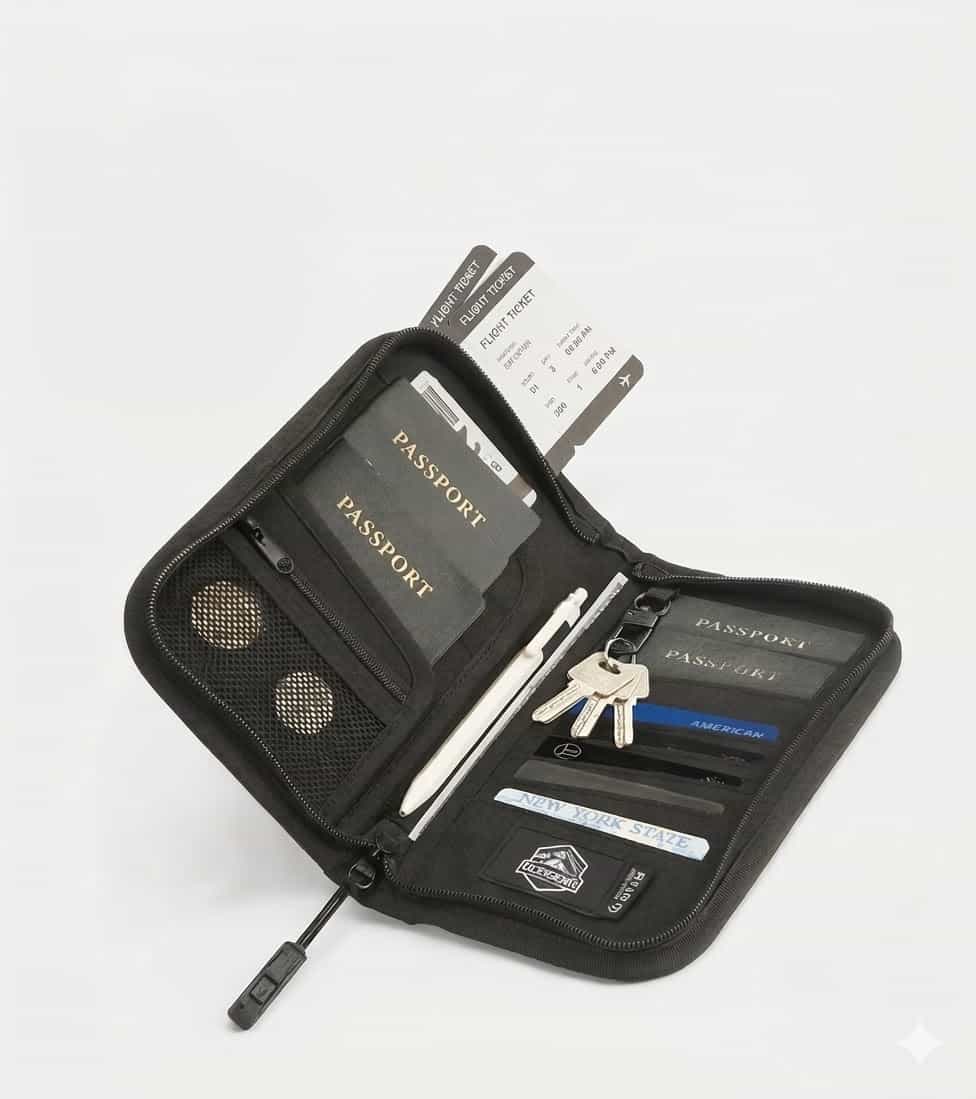
Products to help you on the way
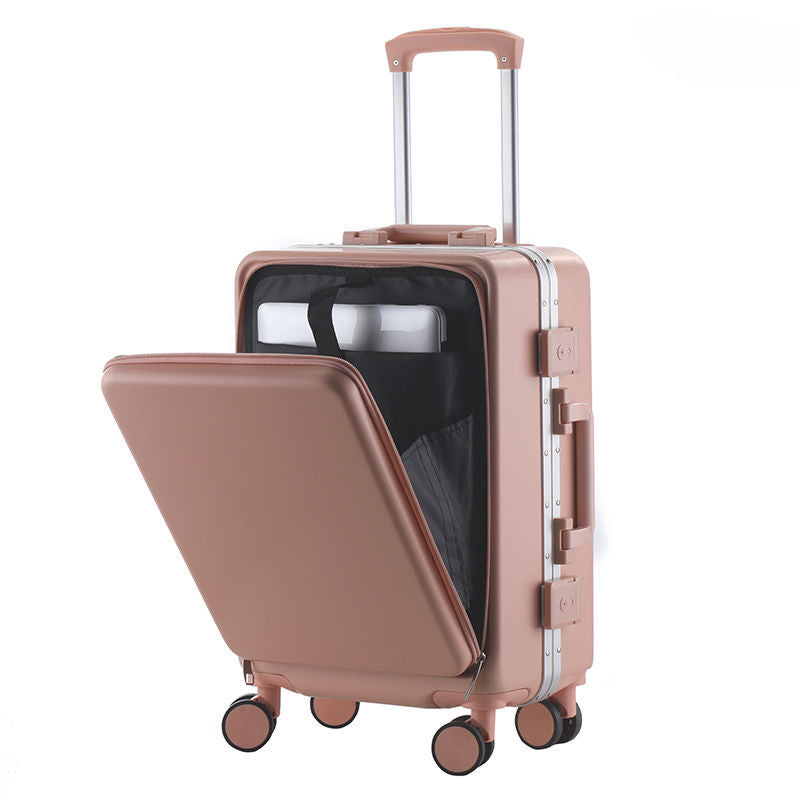

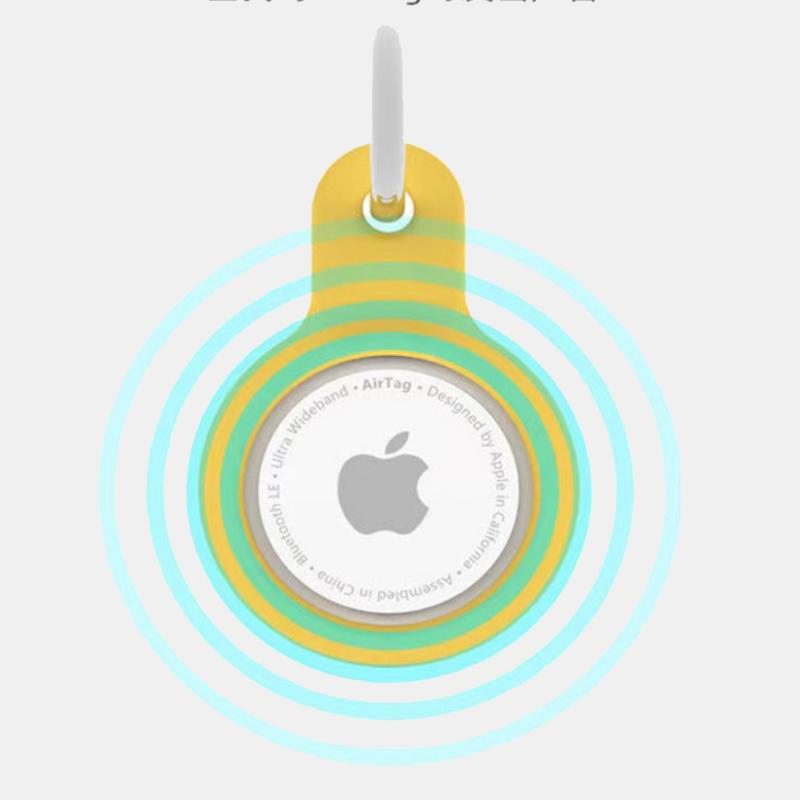
Products in this guide
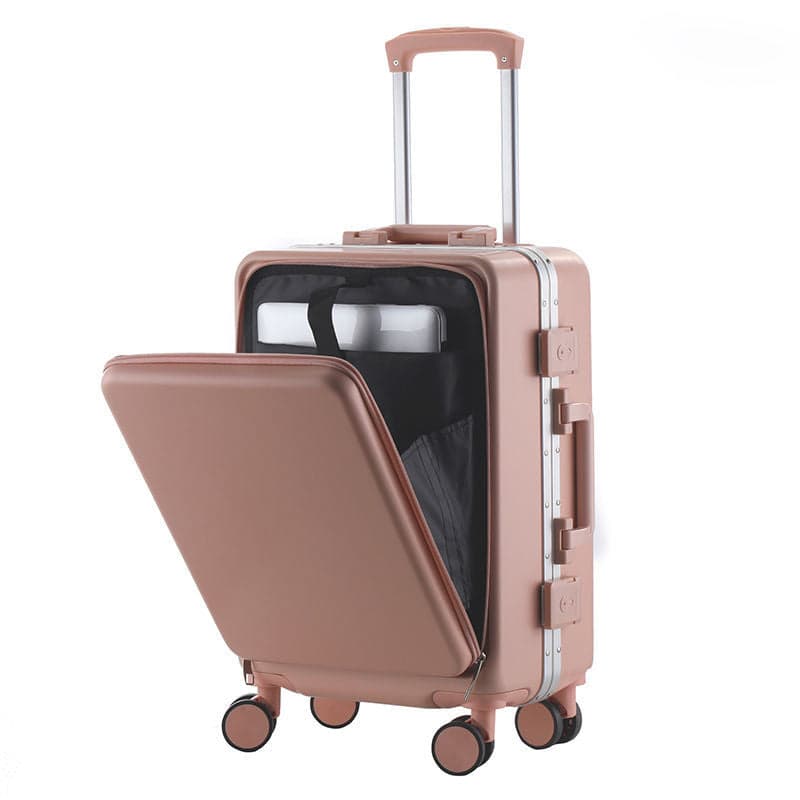
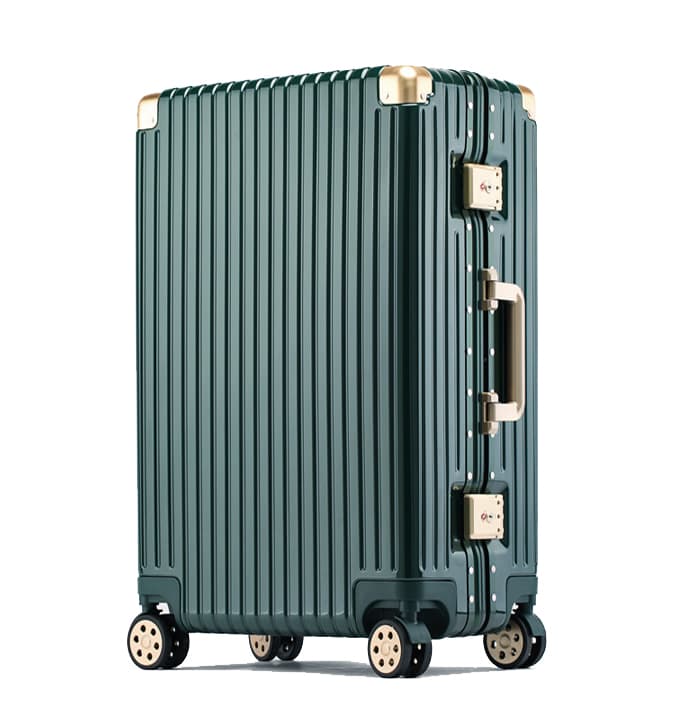
Frequently asked questions
Does the airline's bot really approve the suitcase right away?
Yes, the automated systems update your flight ticket in real time and send a digital confirmation. However, the confirmation depends on the actual suitcase matching the data you declared when it is weighed and measured at the airport's self-service point.
What happens if I entered a lower weight in the bot and the suitcase weighs more at the airport?
In that case, the automated system at the self bag drop counter will detect the excess weight and block the suitcase. You will have to pay an overweight fee at the counter's payment terminal, which is sometimes much more expensive than buying in advance.
How can I make sure my suitcase fits low-cost airline dimensions?
Low-cost airlines use rigid measuring frames (sizers) and automatic laser scanners. Choose suitcases designed specifically to meet these standards (such as regulation 20 inch suitcases) and measure them at home when full, since soft suitcases can bulge beyond the limit.
Is it worth using an AirTag when dealing with automated baggage systems?
Definitely. When baggage handling becomes fully automated with no human touch, being able to track your suitcase's location independently with an AirTag gives you peace of mind and lets you find it quickly if the airport's sorting system fails.


