



How to Avoid Losing Your Luggage at Ben Gurion Airport: A Guide to Peace of Mind on Your Next Flight
October 23, 2026

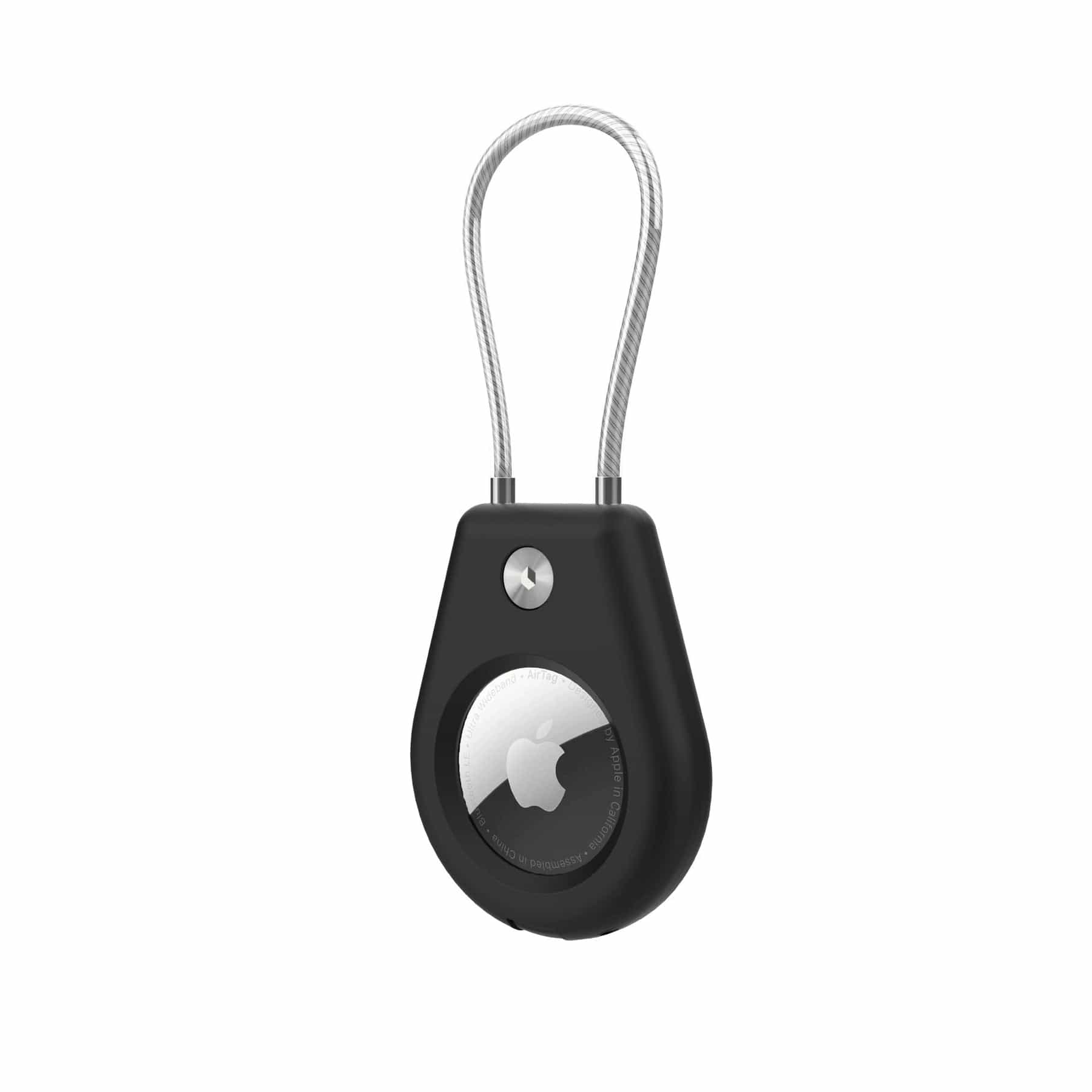
To deal with lost or delayed suitcases at Ben Gurion Airport, the most effective approach combines prevention with tech preparation: switch to flying with a carry-on trolley only, which gives you full control over your baggage, and equip yourself with a smart tracker (such as an AirTag) that lets you follow your suitcase's location in real time straight from your phone, even when it is behind the scenes at the airport.
The lesson from Ben Gurion Airport: why do our suitcases get left behind?
Recent media reports, led by a troubling item on the site Rotter.net ("A week after the strike at Ben Gurion Airport: hundreds of suitcases still waiting in the sun"), painted a painful picture for every traveler: hundreds of suitcases belonging to passengers flying in or out of Israel were left lying on the airfield, exposed to the heavy summer heat, for long days after the strike and the official disruptions had ended. These images of piles of orphaned baggage highlight one simple truth: in an era of air traffic congestion, sudden strikes and labor shortages, blindly relying on the airports' baggage handling systems is a wild gamble with your peace of mind.
When a strike or an operational disruption happens, it creates a domino effect. Suitcases that weren't loaded on time pile up in temporary storage or in open areas, and ground crews struggle to close the gap even weeks later. For the passenger at the end of the chain, that means a vacation ruined before it even started, or coming home without their most precious personal belongings. As a family bag and luggage business that has accompanied travelers since 1975, we at Camel Mountain believe the solution is not to give up on the trip, but to change the way we prepare for it.
The trolley strategy: why switch to carry-on only?
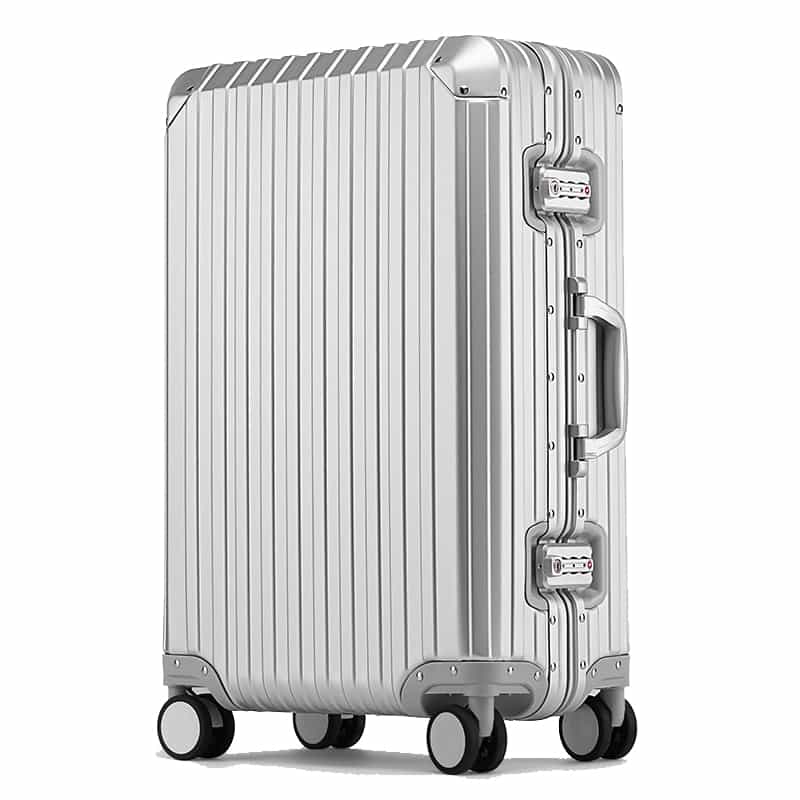
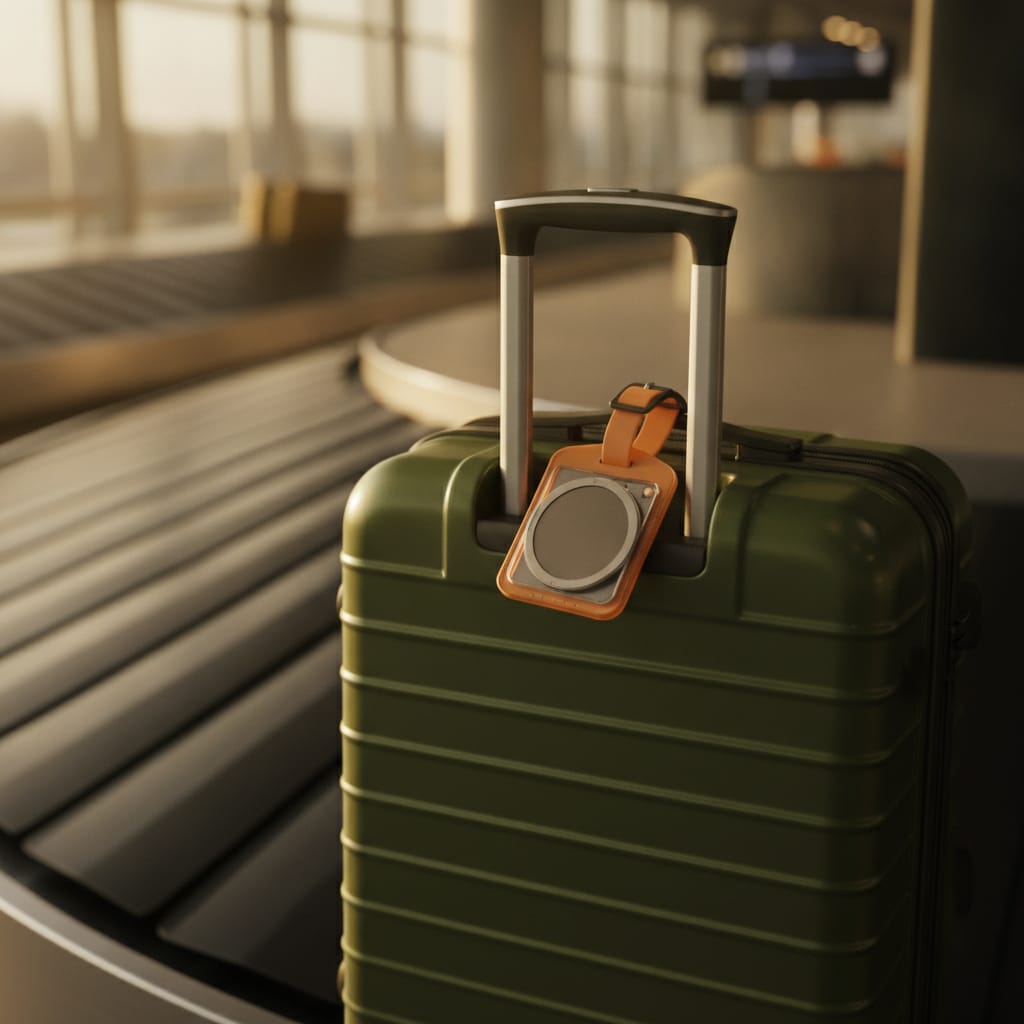
The safest way to make sure your suitcase doesn't end up sitting in the sun on the airfield is simply not to let anyone take it from you. Traveling with a carry-on trolley stopped being just a backpacker trend long ago; it is how professional travelers and business people all over the world work.
When you fly with a cabin-size trolley that boards with you, you enjoy a few critical advantages:
- Zero chance of loss: the suitcase is with you in the cabin, above your head. It can't get lost in the hold or be left on the airfield.
- Dramatic time savings: no need to stand in long check-in lines on the way out, and no need to wait nerve-racking hours by a faltering baggage carousel on the way back.
- Mobility and ease of movement: traveling light forces you to pack more smartly and precisely, which makes moving between trains, taxis and hotels much easier and faster.
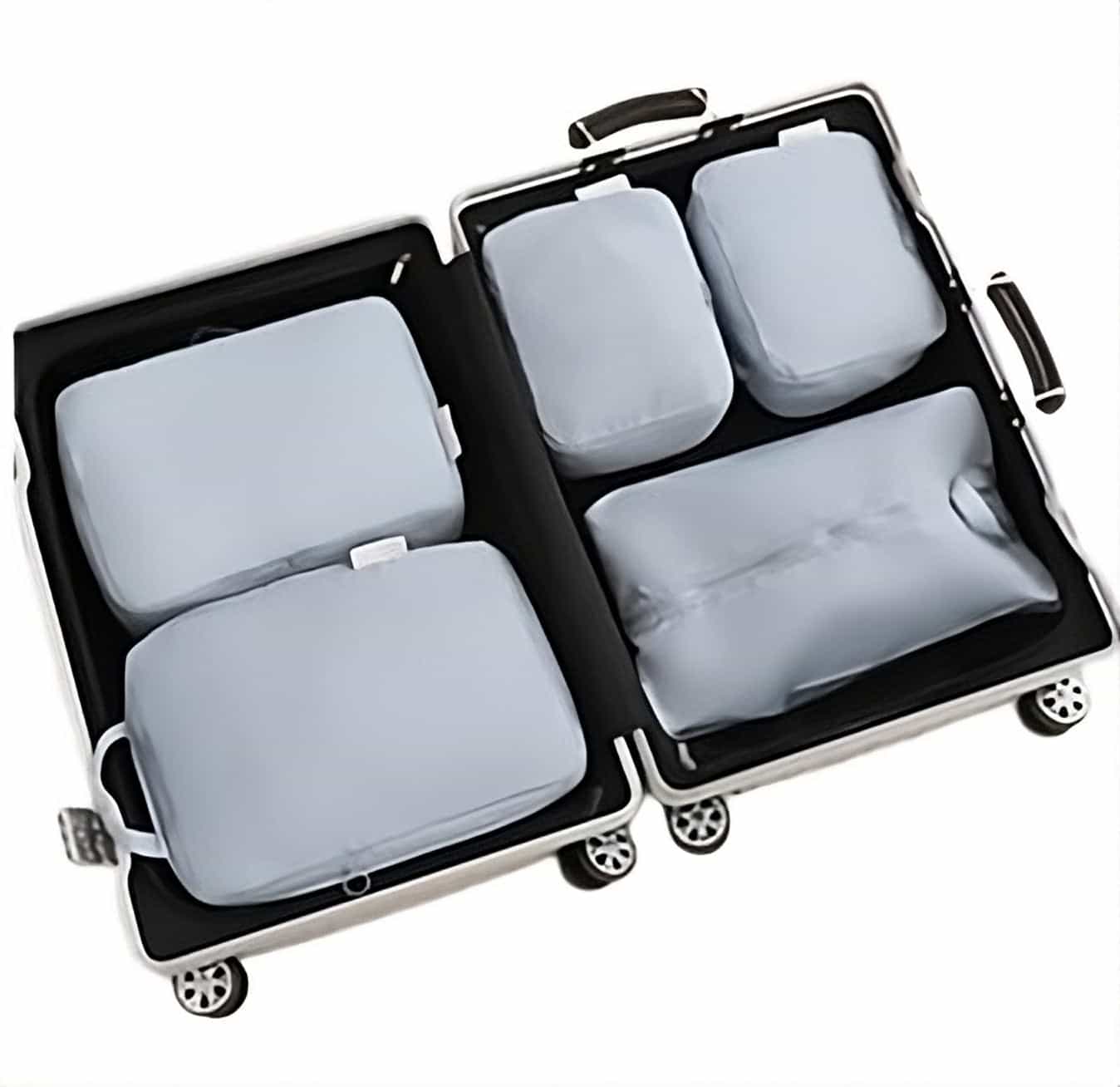
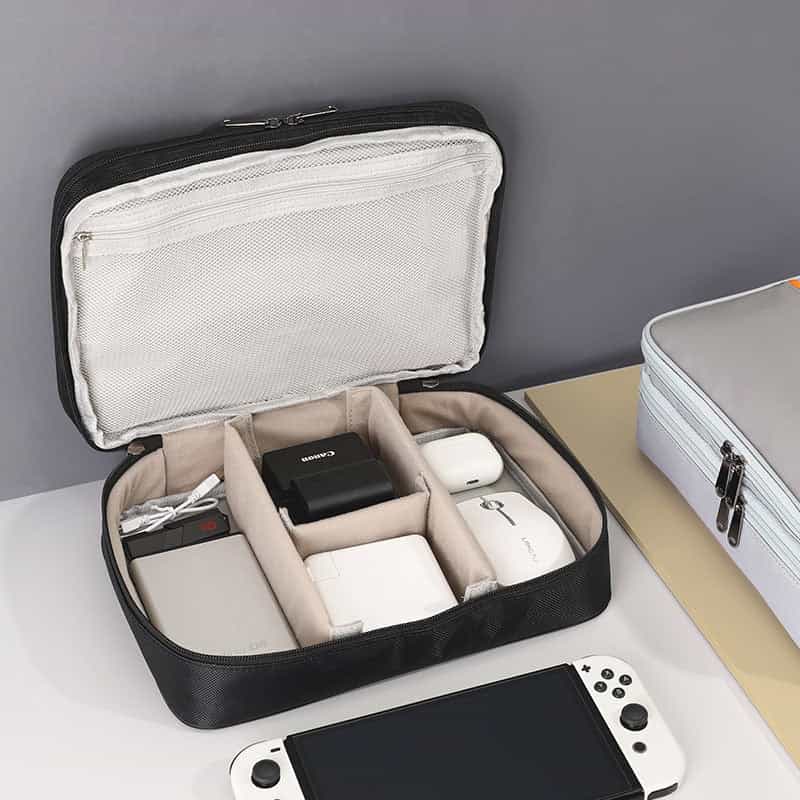
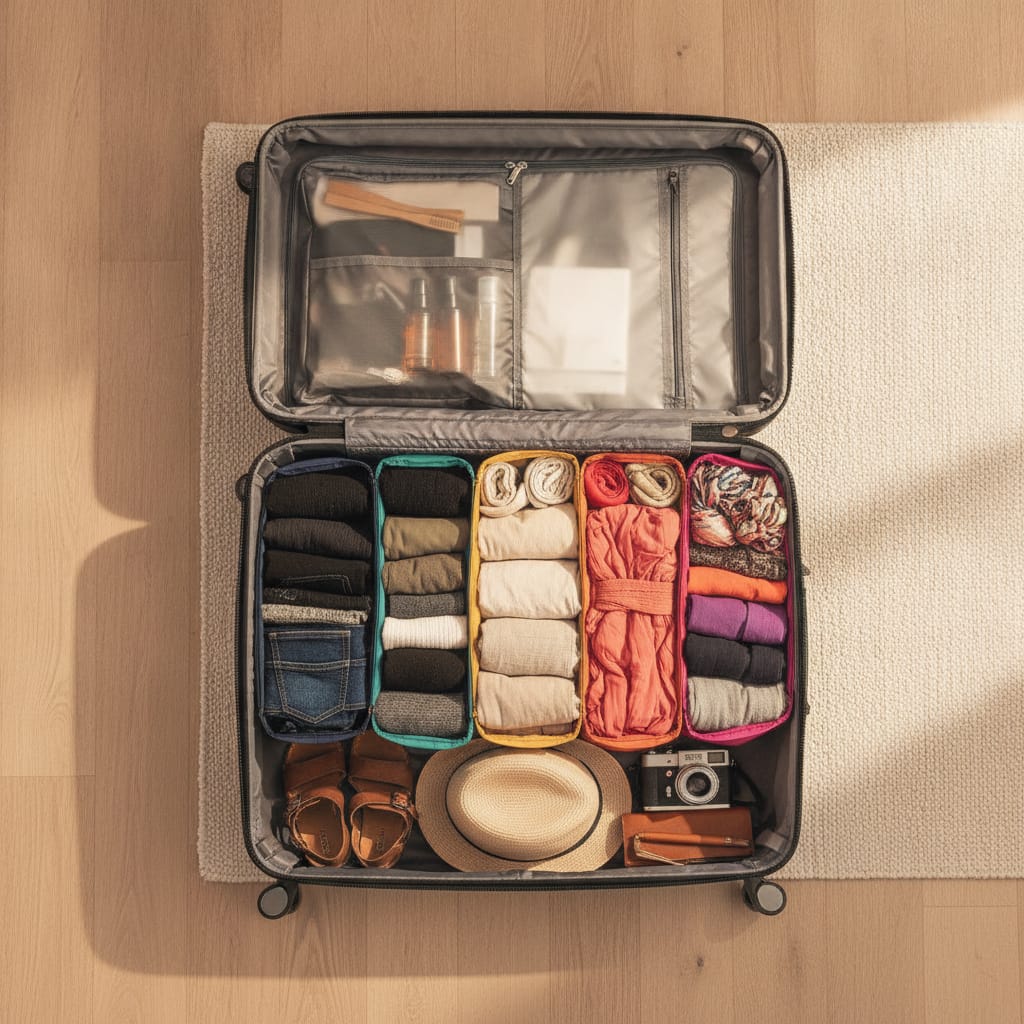
To make this switch successfully, use advanced packing solutions such as packing cubes, which let you compress and organize clothes optimally and use every free inch of your trolley without wrinkles.
| Feature | Large suitcase (checked bag) | Cabin trolley (carry-on) |
|---|---|---|
| Risk of loss or delay | High (especially at busy times and during disruptions) | None (stays right with the passenger) |
| Waiting time at the airport | Long (check-in lines plus waiting at the carousel) | Short (straight to security) |
| Packing volume | Very large (70 to 100 liters) | Limited but efficient (35 to 45 liters) |
| Extra costs | Usually an extra fee on low-cost airlines | Included in most standard fares |
The tracking revolution: how AirTag technology changes the rules of the game
If you have to fly with a big suitcase in the hold (for example on long family trips or winter flights that require heavy clothing), you need tech backup. Smart trackers based on Bluetooth technology and global device networks (such as the Apple AirTag or Samsung SmartTag) have become a must-have item in every checked suitcase.
How does it work in practice? You place the tracker inside the suitcase (ideally in a secure inner pocket or in a dedicated holder attached to the frame). The tag broadcasts an encrypted, secure signal that is picked up by any compatible smartphone nearby, including those of ground workers, gate agents or other passengers. The exact location is sent straight to the app on your phone.
The real power of this technology shows in moments of crisis. When the airline claims it "doesn't know where the suitcase is", you can open your phone and show them exactly in which terminal, warehouse or even on which part of the airfield your suitcase is sitting. This information dramatically shortens the search time and gives you strong leverage with the airlines' customer service.
Practical steps: what to do in real time if your suitcase didn't arrive
If you landed at your destination and your suitcase didn't show up on the carousel, don't panic. Follow these steps to secure your rights:
- Don't leave the arrivals hall: go straight to the baggage tracing desk (Lost & Found) located in the baggage claim hall.
- File a PIR: ask to fill in a lost or delayed baggage report (Property Irregularity Report). This is the official document that proves the suitcase was not delivered to you. Make sure you get a physical copy and a reference number for tracking.
- Use the tracking app: check where your AirTag is and share the information with the service agent. Often the suitcase is right in the next room but hasn't yet been sorted in the system.
- Document everything: photograph your boarding pass, the baggage tag sticker you received at check-in, and the PIR.
- Activate your travel insurance: contact your insurer. Most policies give immediate compensation for buying initial items and a change of clothes when baggage is delayed for more than a few hours.
In summary, the disruptions at Ben Gurion Airport remind us that smart travel requires us to take responsibility for our gear. Whether you choose to switch to light travel with a quality trolley only, or to equip your big suitcase with advanced trackers, advance preparation is what makes the difference between a dream vacation and an ongoing nightmare in the sun.
Based on a report: A week after the strike at Ben Gurion Airport: hundreds of suitcases still waiting in the sun, Rotter.net
Products to help you on the way


Products in this guide


Frequently asked questions
Do airlines approve the use of trackers like the AirTag in suitcases?
Yes, absolutely. International aviation authorities (such as the FAA and EASA) have officially confirmed that smart trackers may be used inside checked suitcases, because they use very small batteries and transmit at low power that does not interfere with flight systems.
How do cabin trolley dimensions differ between airlines?
Most full-service airlines allow a trolley of the standard size of 55x40x20 cm (or 20 inches). However, low-cost airlines may limit the weight to 8 or 10 kg, or charge extra for a trolley compared with a small backpack that fits under the seat. Always check the specific fare conditions before packing.
My suitcase didn't arrive on the carousel. What is the first thing I should do?
Don't leave the arrivals hall before going to the airport's baggage tracing desk (Lost & Found). There you need to fill in a lost or delayed baggage report called a PIR (Property Irregularity Report) and get a copy with a unique tracking number. This report is the most important document for following up with the airline and the insurer.
Does travel insurance cover buying emergency items when a suitcase is delayed?
Yes, most travel insurance policies include coverage for buying clothes and basic hygiene products when baggage is delayed for a long time (usually more than 8 to 12 hours). Keep all the original receipts for the purchases you made abroad and present them to the insurer together with the PIR you received at the airport.
Is it allowed to put a tracking device like an AirTag inside a checked suitcase?
Yes, completely. The major airlines and international aviation organizations (such as IATA) have officially confirmed that personal tracking devices using very small lithium batteries may be used inside checked baggage, since their transmission and energy levels are especially low and pose no safety risk.
What should I do if I discover in the app that my suitcase didn't board the plane with me?
Go straight to the baggage loss desk (Lost & Found) at the airport where you landed, show them the exact location in the app and fill in a PIR (Property Irregularity Report). The information from the app will help them speed up returning the suitcase to you.
What should I do if someone took my suitcase by mistake at the airport?
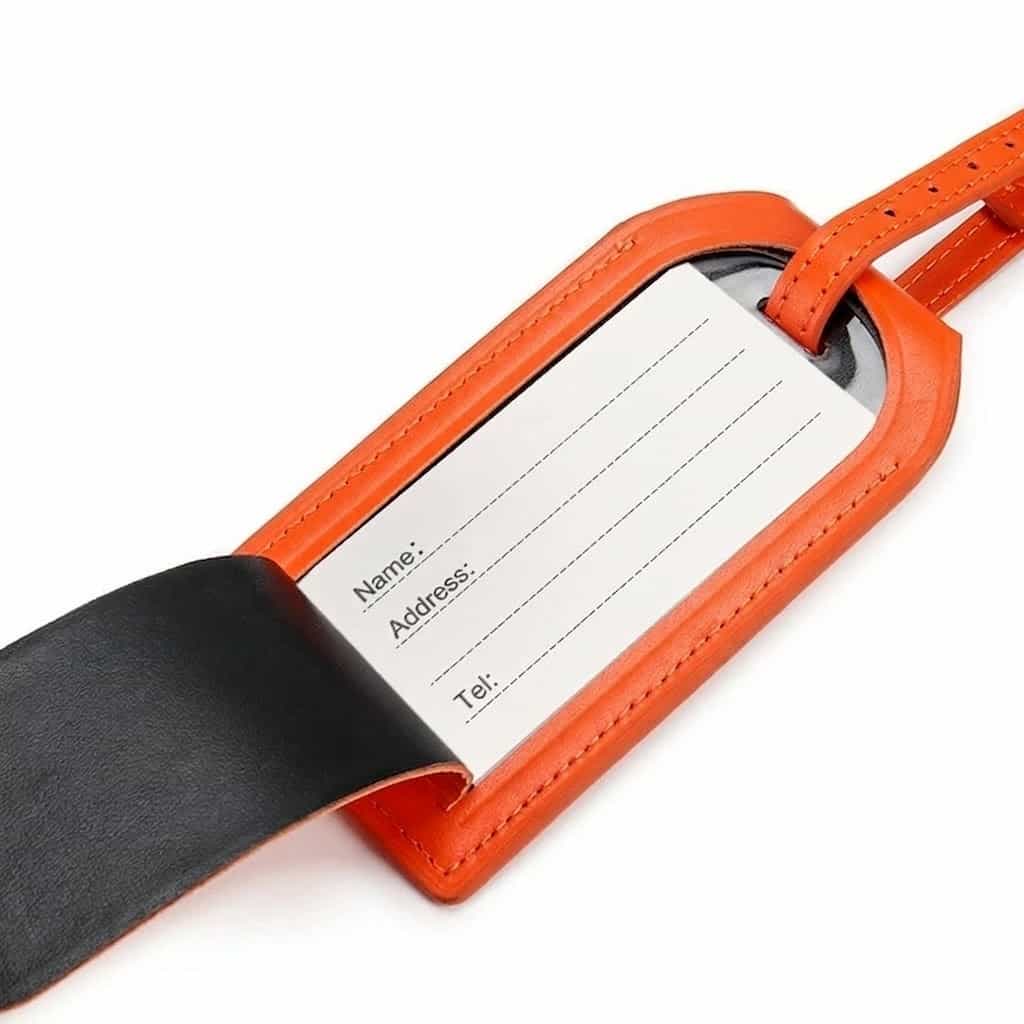
If you discover your suitcase was taken, contact the baggage services team in the arrivals hall right away. Usually the passenger who took it by mistake discovers this when they get home and contacts the airport. If you have a clear name tag on the suitcase or an active tracker, you can locate it and contact the airline to arrange a quick return.


