

How to Avoid Overweight Luggage: The Complete Guide for the Smart Traveler
October 23, 2026

To avoid overweight luggage, weigh your suitcase at home with a portable digital scale, use a very light suitcase (up to 3 kg empty), and pack with packing cubes that limit the volume. In addition, wear your heaviest clothes for the flight and move heavy items such as chargers and books to your backpack or carry-on, which usually isn't weighed as strictly.
Planning ahead: the golden rules of suitcase weight
Anyone who has ever stood in the check-in line at the airport knows the slight anxiety as the suitcase goes onto the belt and the digits start to climb. Going over by just a few kilos can cost you tens or even hundreds of dollars in unnecessary fees. At Camel Mountain, the bag and travel brand of an Israeli family business operating since 1975, we have seen it all. The first and most important step in avoiding surprises is simply to know the enemy: the weight of the empty suitcase itself.
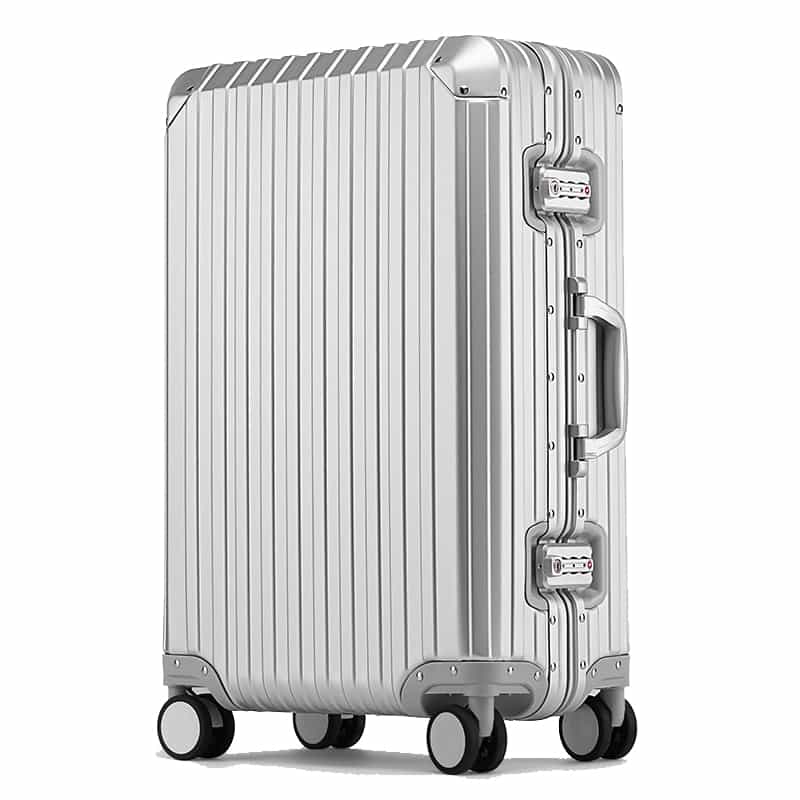
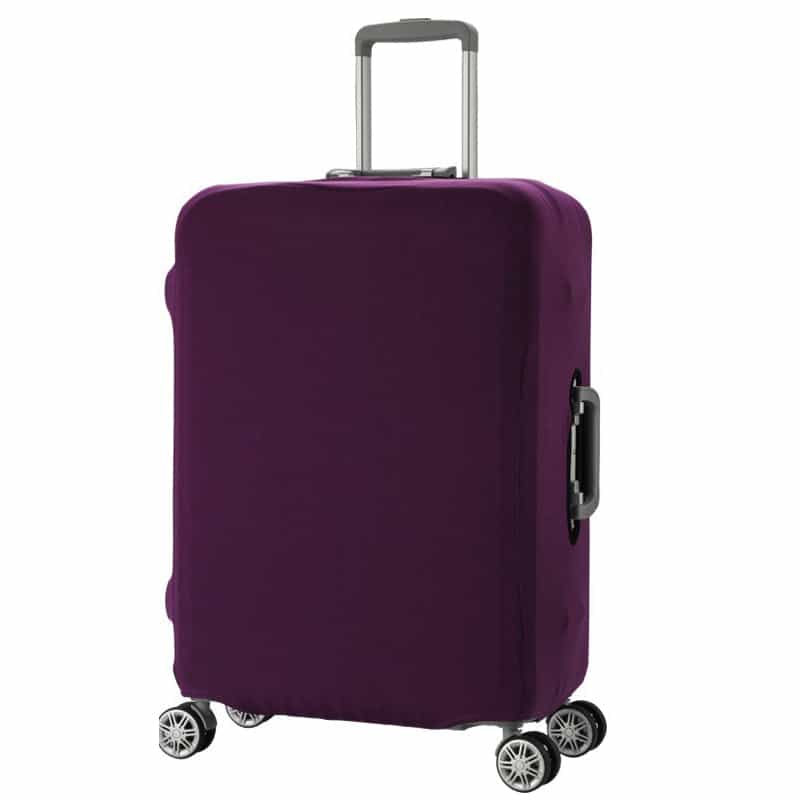
Many travelers invest a fortune in heavy luggage brands made of outdated materials. An old large hard-shell suitcase can weigh 5 to 7 kilos before you have put a single sock inside! Switching to a modern lightweight suitcase (made of quality polycarbonate or dense, durable nylon fabric) gives you an immediate advantage of 2 to 3 more kilos of actual gear for the flight.
Advanced packing techniques to save weight and space
The way you arrange your clothes directly affects how many items you squeeze in. The most common mistake is loose packing or classic folding, which create big air pockets and tempt us to fill them with more and more unnecessary items. Using defined packing strategies creates self-discipline and makes it easier to control the total weight.
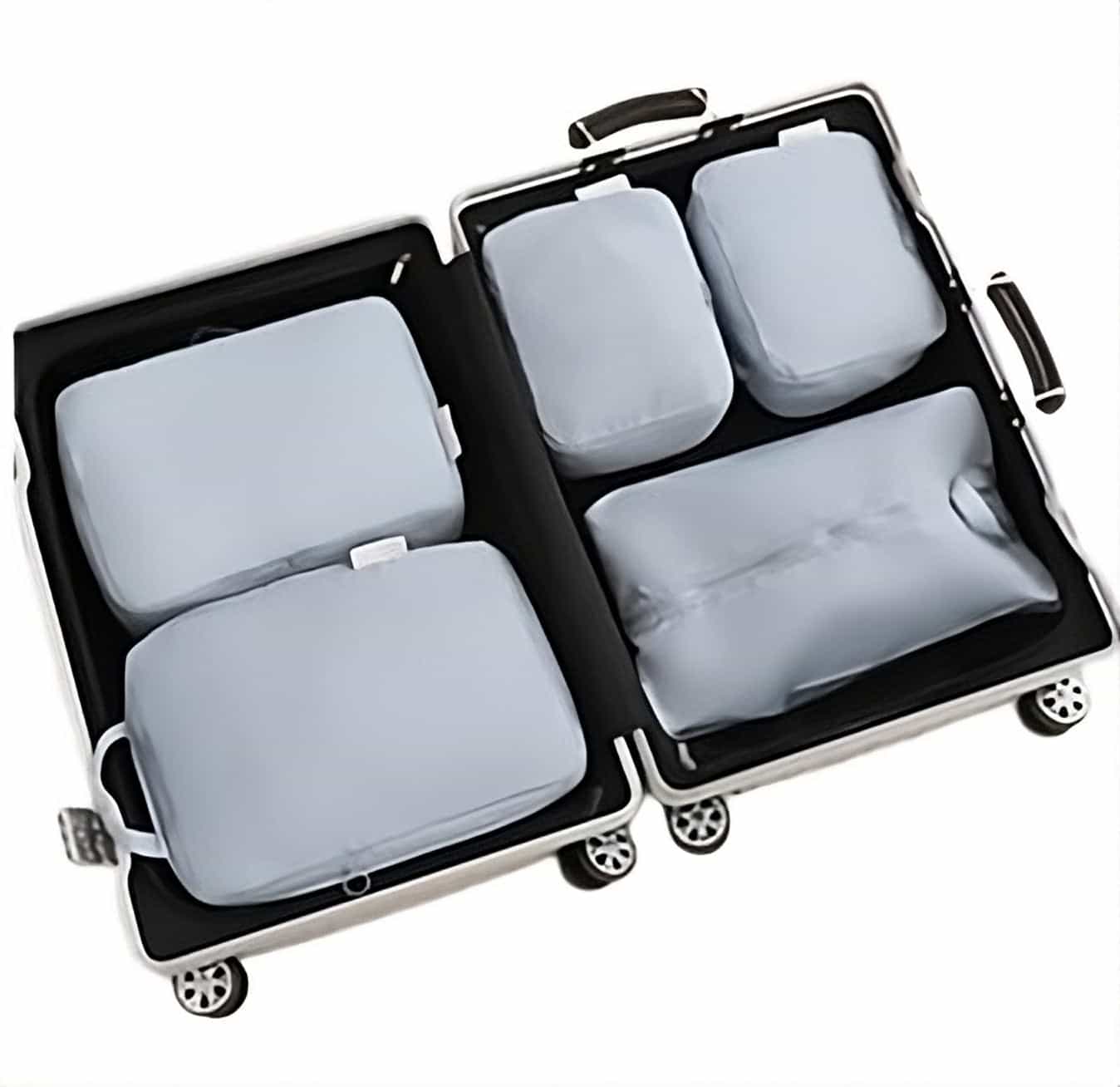
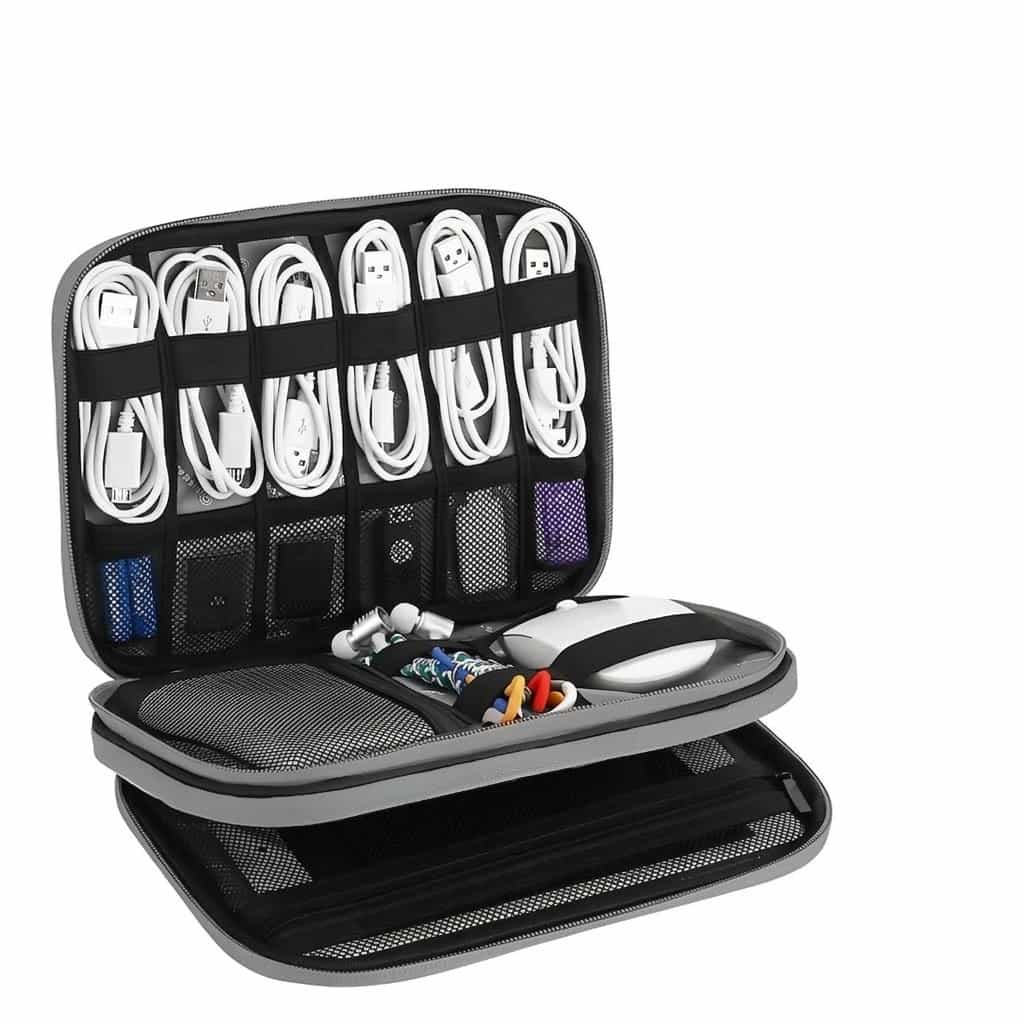
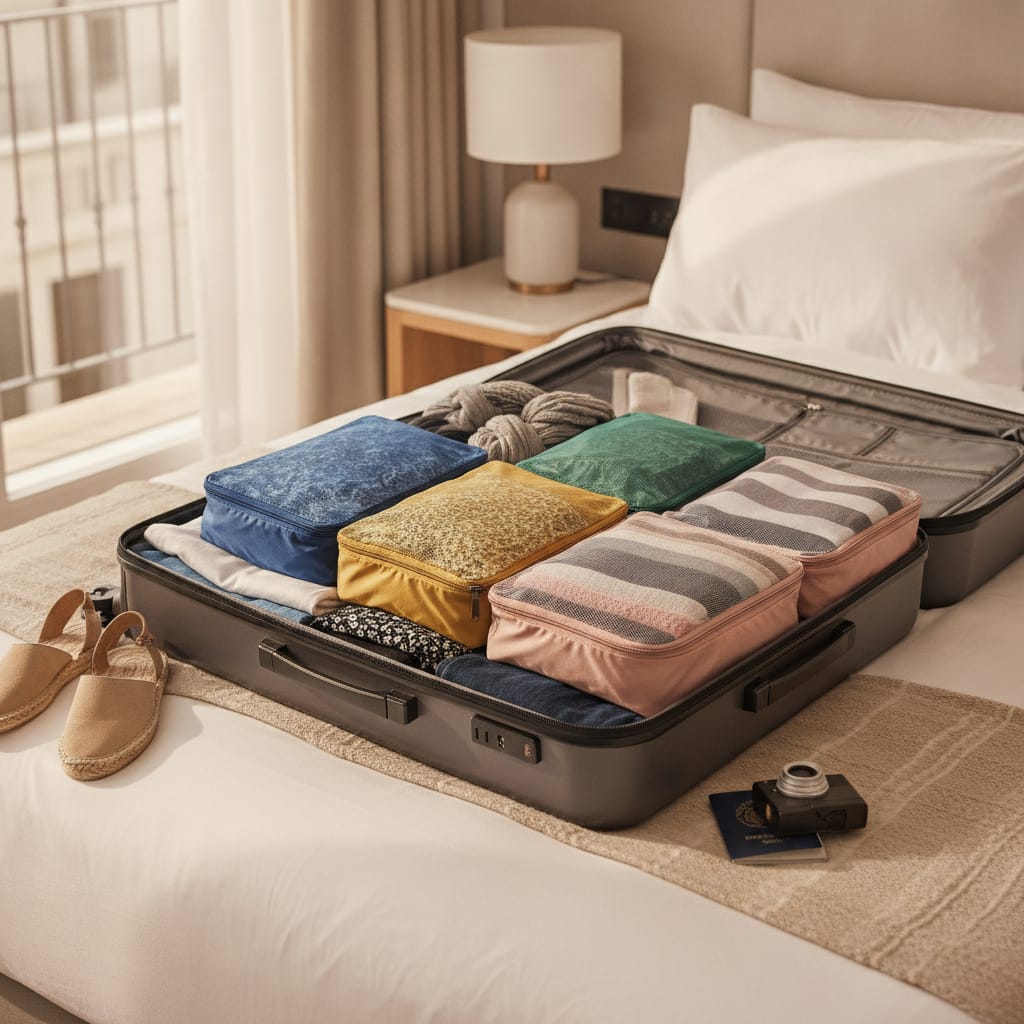
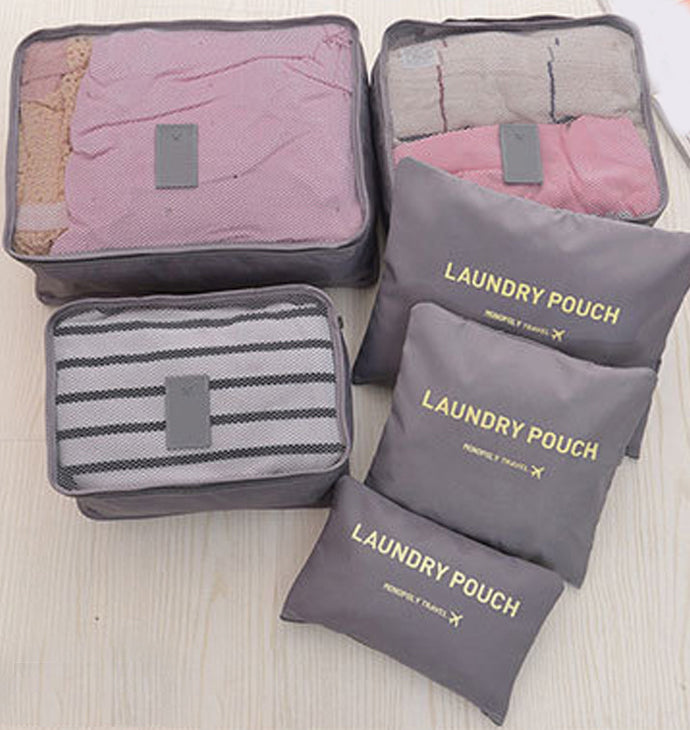
One of the most effective methods is using a set of packing cubes. These cubes don't just keep things tidy, they set clear physical limits. The moment the cube for shirts is full, that is your sign to stop. In addition, rolling your clothes instead of folding them flat saves significant space and prevents wrinkles.
| Packing method | Space saving | Effect on weight | Organization and access |
|---|---|---|---|
| Classic folding | Low (creates many air pockets) | Neutral (easy to overload without noticing) | Medium (hard to pull out an item at the bottom) |
| Rolling clothes (Ranger Roll) | Very high | Can lead to overpacking because of the free space it creates | Very good (you see all your clothes at once) |
| Packing cubes | Maximum (controlled compression) | Prevents overpacking thanks to a fixed volume limit | Excellent (perfect sorting by category) |
What to wear and what to move to your backpack
An iron rule of experienced travelers: the heaviest and bulkiest clothes fly on you. Don't pack the thick winter coat, the hiking boots or the heavy jeans in the big suitcase. Wear them on the day of the flight. Even if you are warm on the way to the airport, the plane's air conditioning is cold anyway, and you can take off the coat as soon as you board and put it in the overhead bin.
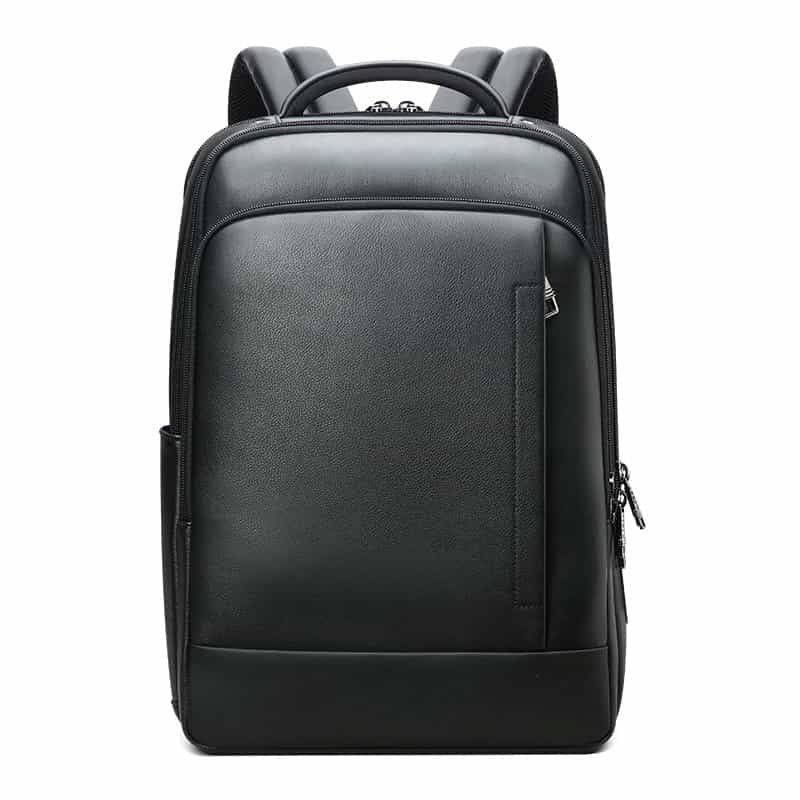
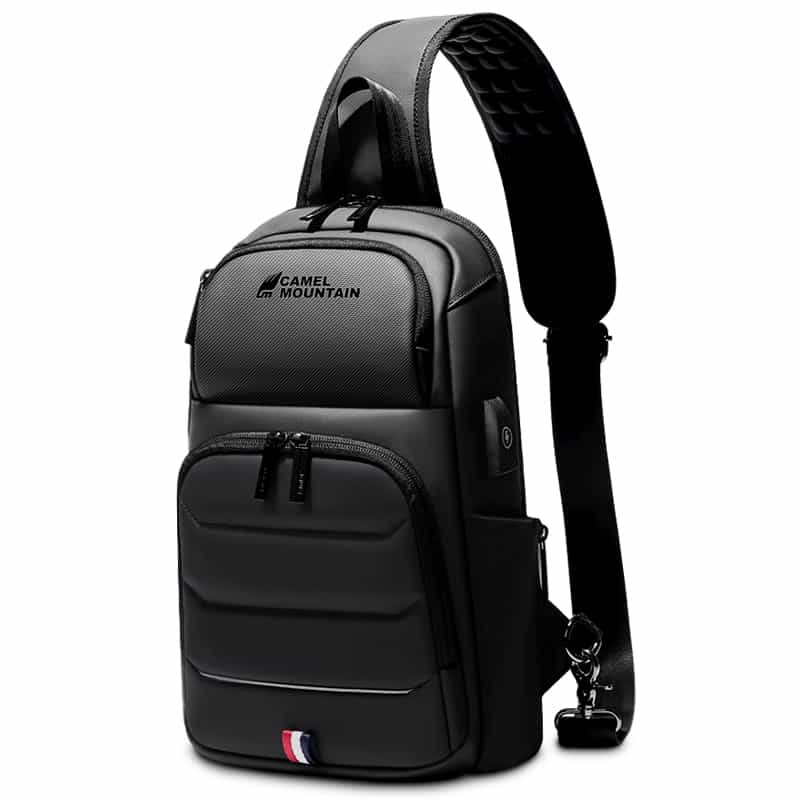
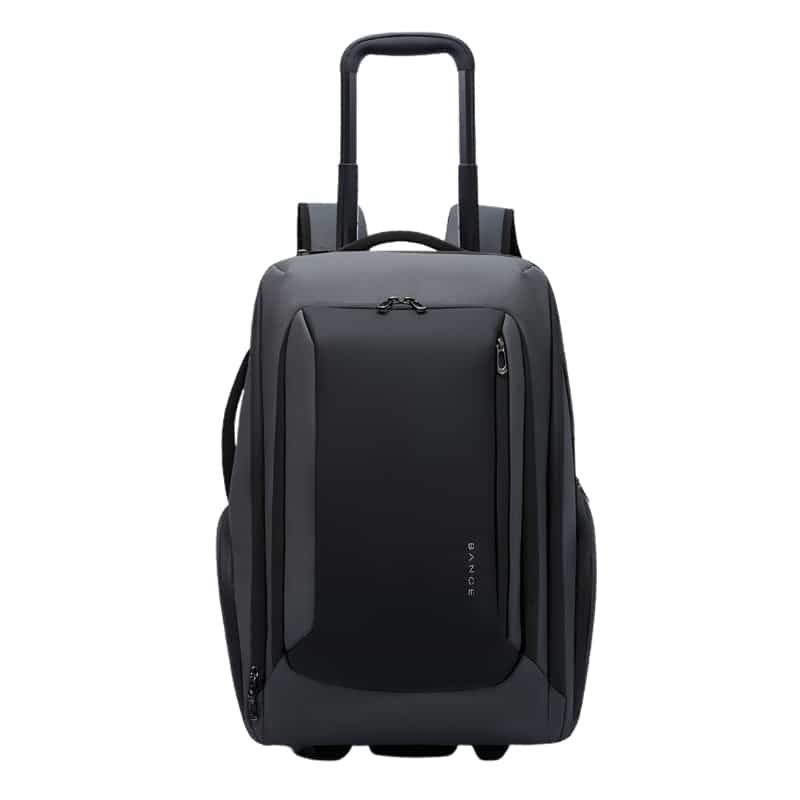
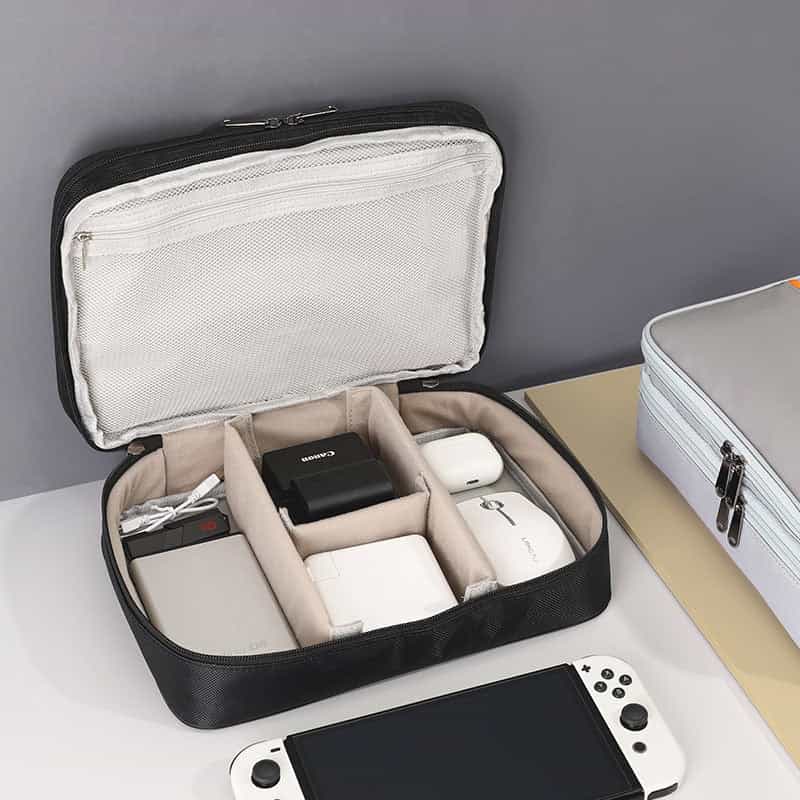
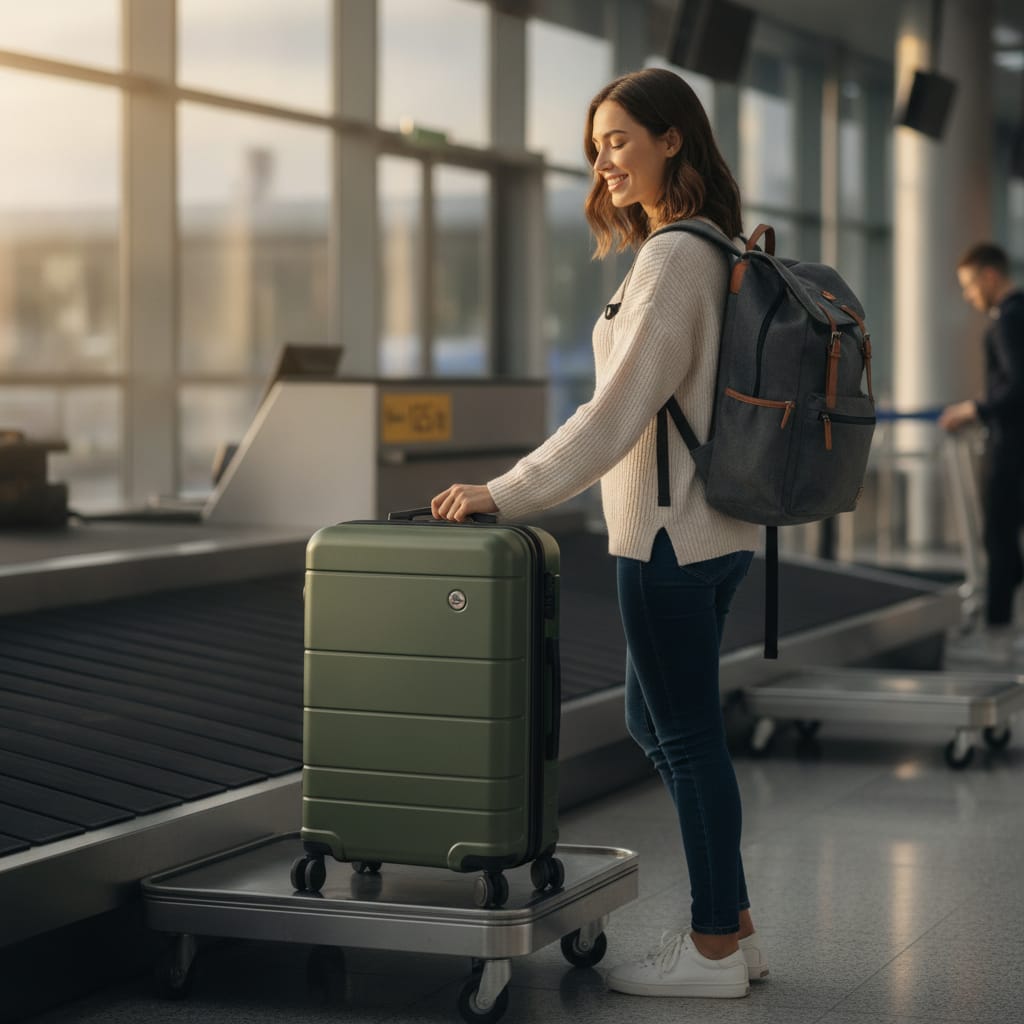
In addition, make smart use of your personal item or backpack. Many airlines, including low-cost carriers, let you board with a small backpack that fits under the seat in front of you. That is the perfect place for your smallest but heaviest items: power banks, books, a laptop, cameras and small toiletries. If these items stay in the big suitcase, they will push its weight up quickly.
Common mistakes that inflate the weight at the last minute
Here are three classic mistakes that make many travelers pay unnecessary fees at the airport:
- Packing full-size toiletry bottles: shampoo, conditioner and creams weigh a lot. Switch to small 100 ml travel bottles or buy the basic toiletries at your destination.
- Too many pairs of shoes: shoes are heavy and take up space. The ideal rule is a maximum of two pairs of shoes per trip: one on your feet (the heavier pair) and one in the suitcase.
- Not leaving a safety margin for shopping: if your suitcase weighs exactly 22.9 kg on the way out (when the limit is 23 kg), you have no chance of coming back without paying a fee. Always leave a safety margin of at least 2 to 3 kg free for shopping, souvenirs and gifts.
To sum up, avoiding overweight luggage is a combination of good planning, smart packing accessories and understanding the airlines' rules. Invest a few minutes of thought before you close the zipper, and enjoy a calm, light and much cheaper flight.
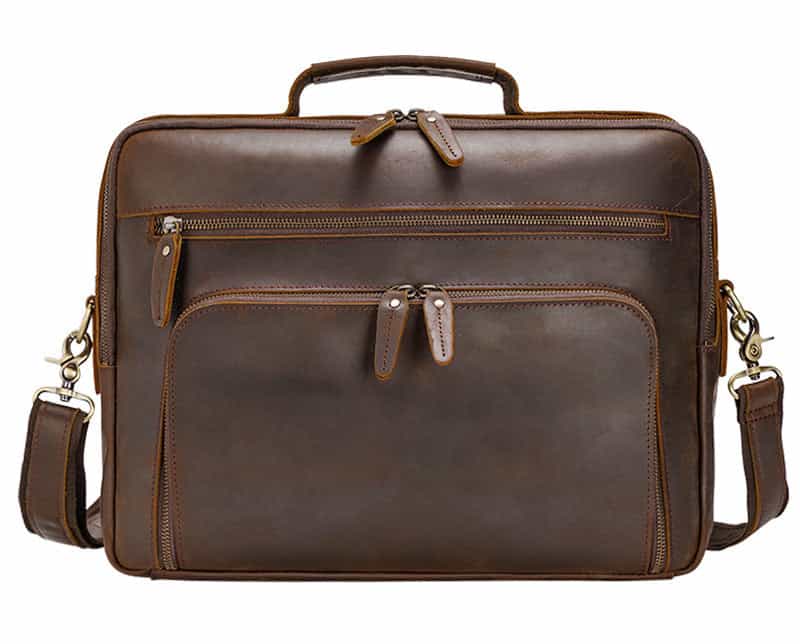
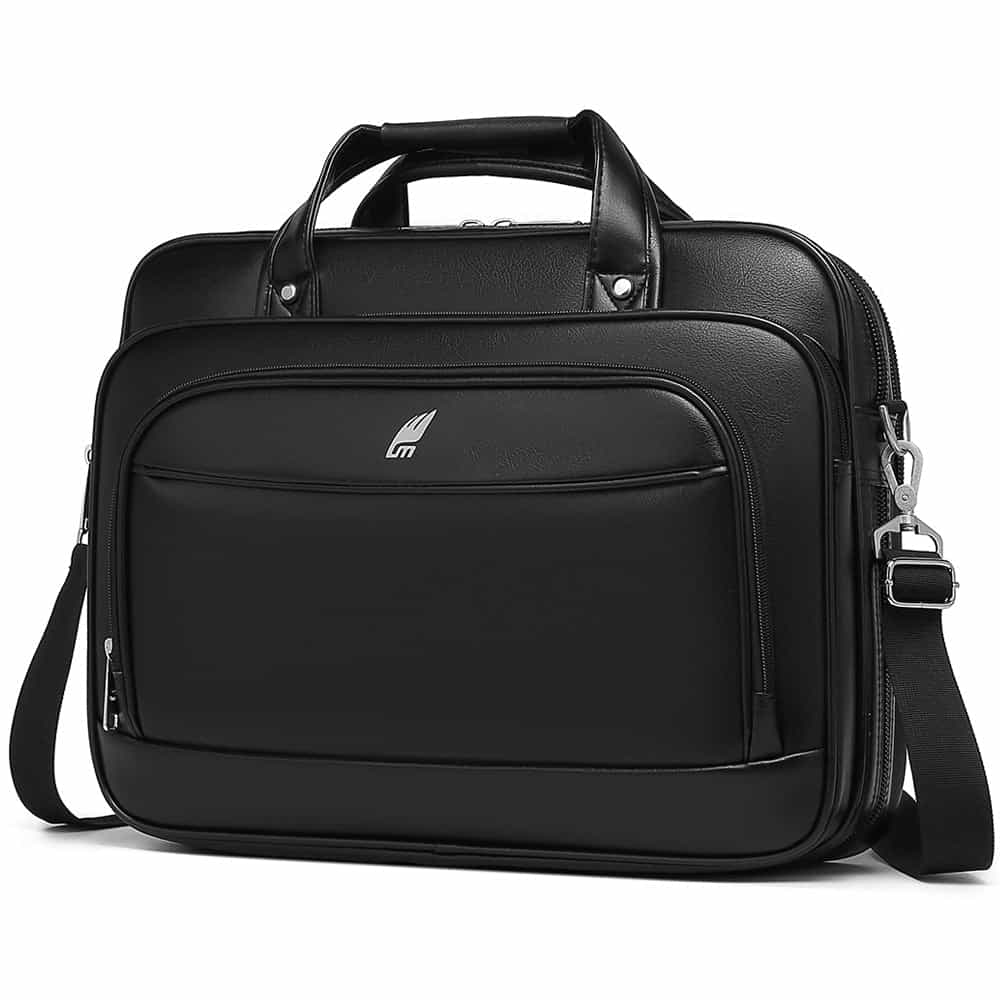
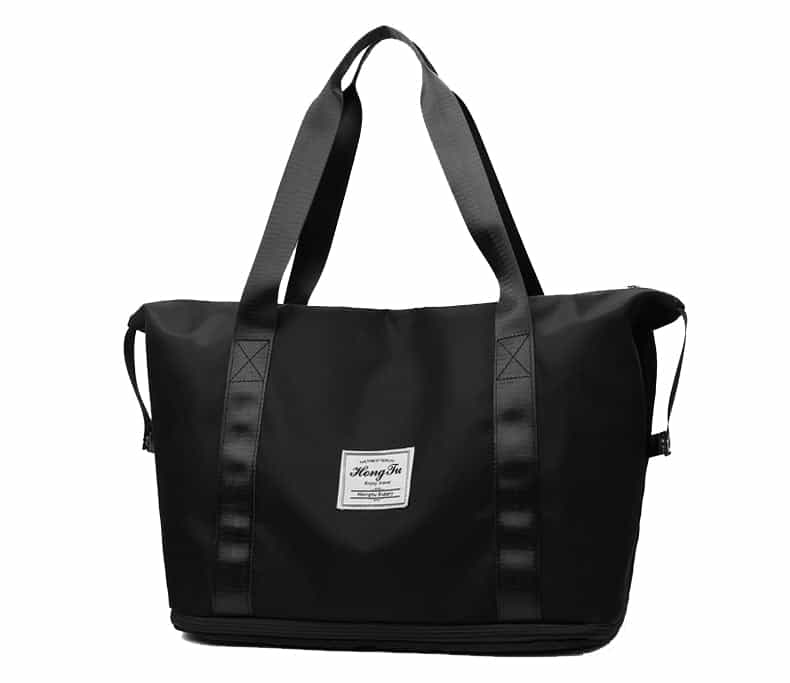
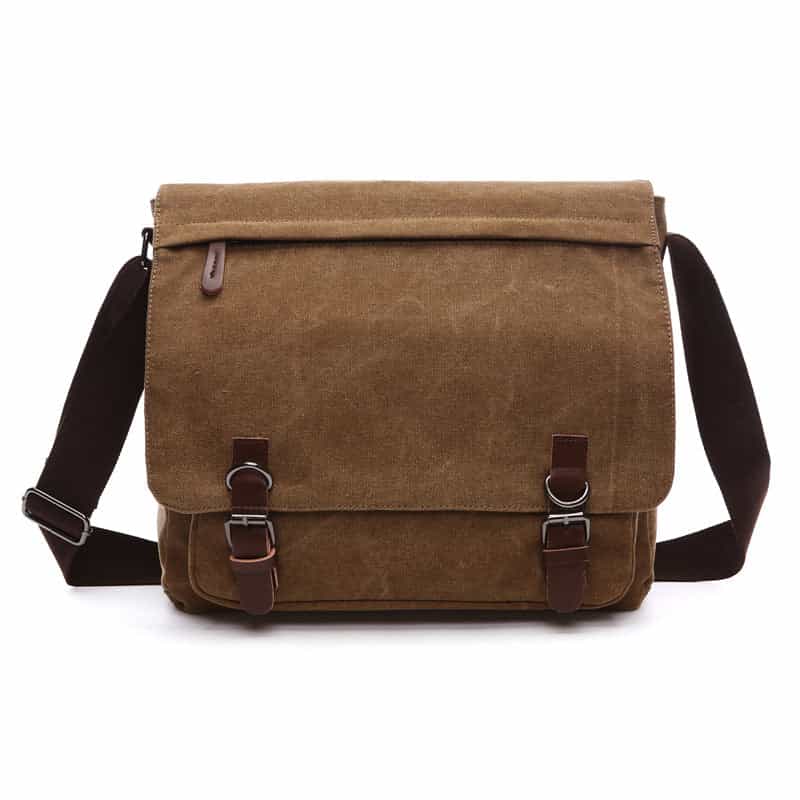
Products to help you on your way


Products in this guide



Frequently asked questions
How much does an average empty suitcase weigh?
A large hard-shell suitcase (28 inch) usually weighs between 4 and 5.5 kg empty. Modern lightweight suitcases or quality fabric suitcases can get down to around 3.2 kg, which gives you another kilo and a half of actual gear for the flight.
Do airlines really weigh your backpack on the plane?
Low-cost airlines (such as Ryanair or Wizz Air) check bag sizes and fees very strictly, and sometimes their weight too (up to 8 to 10 kg). Full-service airlines tend to overlook the weight of a backpack as long as it looks a reasonable size and isn't unusually overloaded.
What should I do if my suitcase is over the weight limit at the airport?
Don't panic. The quickest fix is to wear the heaviest item (such as a coat or jacket), move chargers and books to your carry-on, or wear extra layers for the flight. If you are traveling as a couple or family, check whether you can balance the weight between your suitcases.
How does a portable digital scale help avoid surprises?
A small digital scale that you can pack in your bag lets you weigh the suitcase in your hotel room before the flight home. It is especially important on the way back, when the suitcase fills up with gifts, chocolates and shopping that can easily go over the limit.


