
How to Choose Non-Woven Bags: The Complete Guide to Thickness, Durability and Branding
October 23, 2026

To choose the right non-woven bags, focus on three parameters: fabric thickness (measured in grams per square meter, GSM, where 70 to 80 GSM suits shopping and 100+ GSM suits heavy use), handle type (heat-sealed, or stitched for maximum strength), and printing method (flexo for simple designs, or lamination for complex designs and water resistance).
What exactly is non-woven fabric, and why has it taken over the market?
Non-woven fabric, or Non-Woven Polypropylene, is a revolutionary material that isn't made in the traditional way of weaving threads (warp and weft), but by bonding synthetic fibers together through mechanical, chemical or thermal processes. The result is a fabric that is lightweight, flexible, very strong and relatively cheap to produce. In many countries, non-woven bags have become an inseparable part of shopping and marketing, especially since laws restricting single-use plastic bags made them unwanted and uneconomical.
Beyond the legal aspect, non-woven bags offer a huge marketing and environmental advantage. They're reusable, recyclable, and offer a wide, prominent advertising surface that moves around the streets for months and even years. Whether you're a business owner looking for a branded packaging solution or a consumer who wants to get organized at home or when shopping, understanding the different types of non-woven bags will save you money and spare you the frustration of bags that tear at the worst moment.
The deciding parameters when choosing a non-woven bag
When you set out to choose or order non-woven bags, there are three technical characteristics that will determine the quality of the bag, its durability and its price:
1. Fabric thickness and weight (GSM)
This is the most important measure of a bag's durability. GSM stands for Grams per Square Meter. The higher the number, the thicker, stronger and more premium the bag:
- 40 to 50 GSM: very thin bags, usually single-use or meant for especially light products such as swimwear or light cosmetics.
- 70 to 80 GSM: the standard for retail chains and supermarkets. Bags strong enough to carry weekly groceries, durable for many uses.
- 100 to 120 GSM: extra-thick premium bags. Suitable for carrying bottles, heavy catalogs, electronics, or for long-term reuse as an everyday tote.
2. Handle type and attachment method
The handle is the weak point of any bag. There are two main methods of attaching the handle to the body of the bag:
- Heat sealing (Heat-Sealed): attachment using heat, without thread. This method is faster and cheaper, and suits bags meant for light to medium loads.
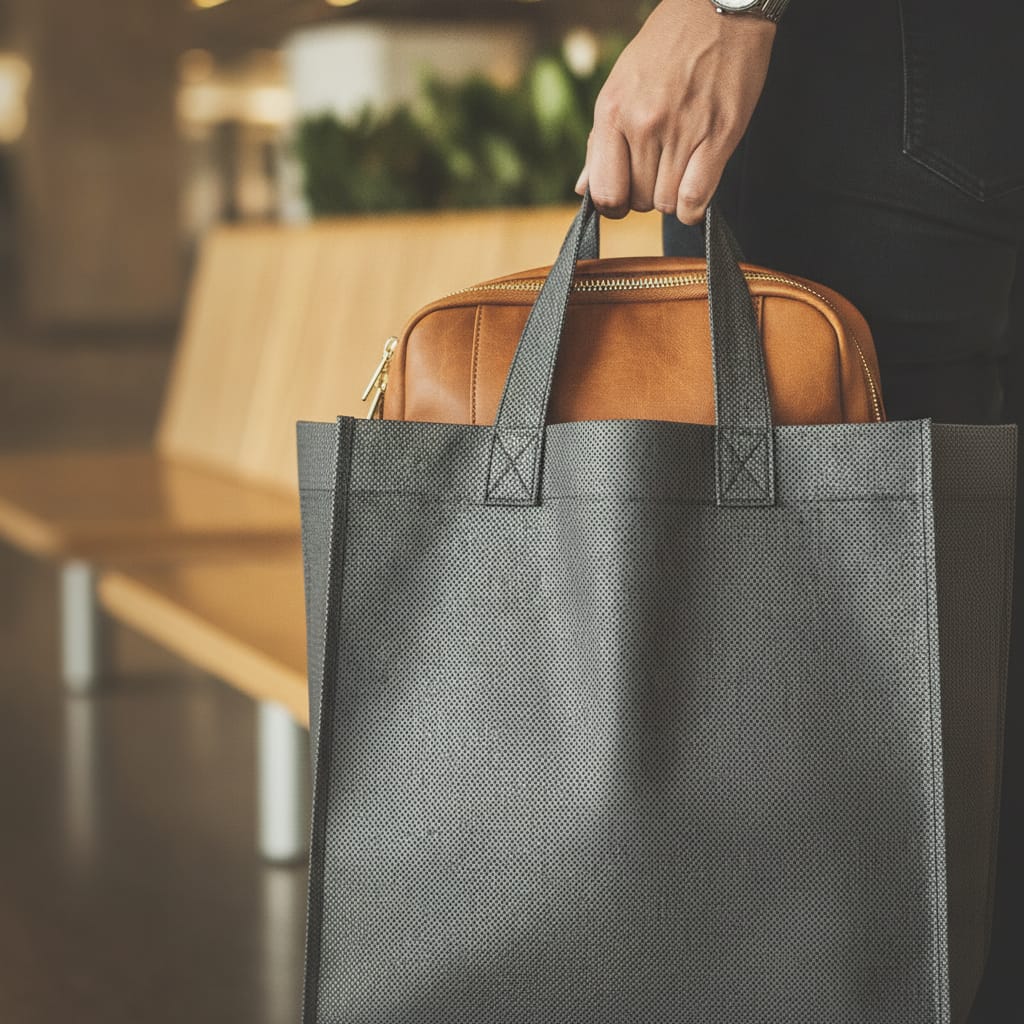
- Stitching (Stitched): classic stitching with thread, often with an X-shaped reinforcement (X-stitch) at the base of the handle. This is the recommended method for heavy bags, since it keeps the handle from tearing off under load.
Comparison table: types of non-woven bags and their recommended uses
To make sense of the range of options, we've gathered the most common types of bags and how they match different needs:
| Bag type | Recommended thickness (GSM) | Recommended handle type | Ideal use | Durability |
|---|---|---|---|---|
| Flat Bag | 50 to 70 GSM | Heat-sealed / die-cut handle | Conferences, exhibitions, flyer handouts, light clothing | Medium to low |
| Bottom Gusset bag | 70 to 80 GSM | Heat-sealed or stitched | Shoe stores, fashion, general shopping | Medium to high |
| Three-dimensional Box Bag | 80 to 120 GSM | Stitched with X reinforcement | Supermarkets, carrying bottles, heavy gift packages | Very high |
| Laminated non-woven bag | 100 to 120 GSM | Reinforced stitching | Premium products, beach bags, upscale water-resistant branding | Maximum |
Printing and branding methods for non-woven bags
If you're choosing bags for your business, branding is critical. The way your logo is printed on the bag will affect not only the look, but also how long the branding lasts:
- Screen printing (Silk Screen Printing): the most common method for small and medium runs. Suitable for simple designs with a limited number of colors (no gradients). The print is fairly durable but may wear over the years.
- Flexographic printing: suitable for huge orders (tens of thousands of units). Very fast and cheap per unit, but requires expensive printing plates and is limited in how precisely it reproduces small details.
- Lamination (BOPP): the most advanced method. The design is printed in full process color (like a color photo) on a thin layer of plastic, and the non-woven fabric is then coated with that layer. The result is a glossy or matte bag, completely waterproof, rigid and easy to clean, with a print that never fades.
Non-woven bags vs other packing and organizing solutions
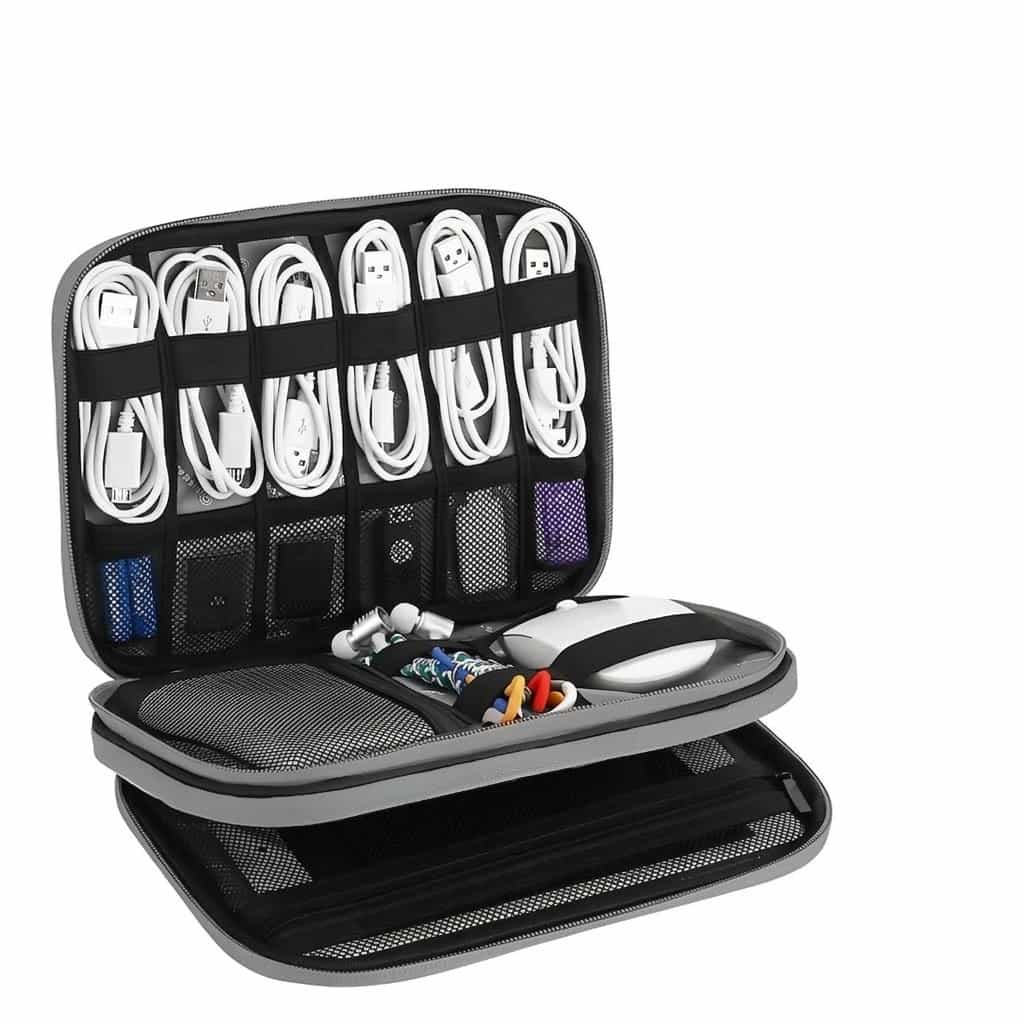
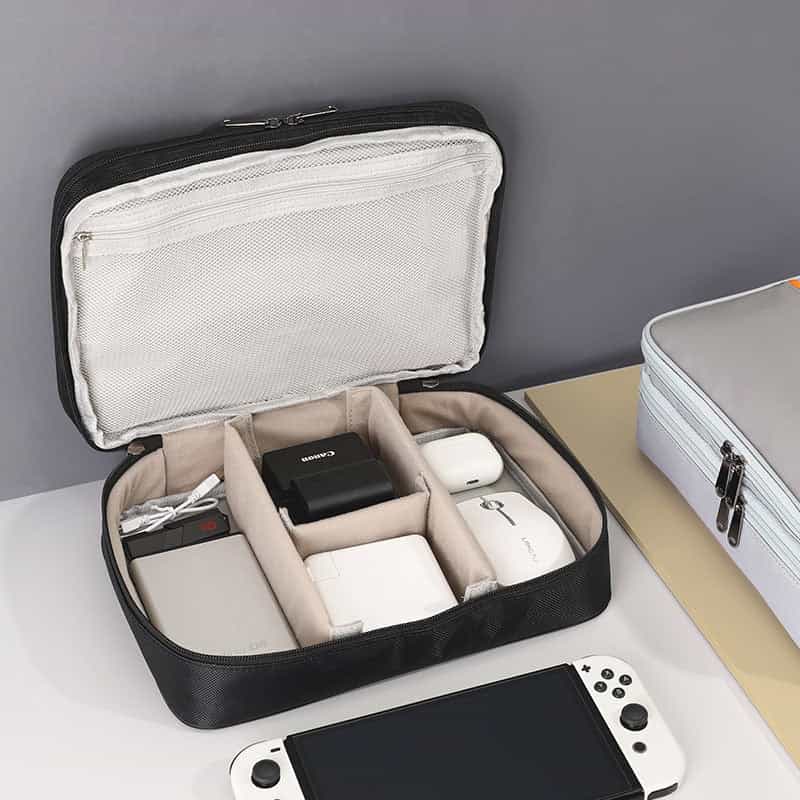
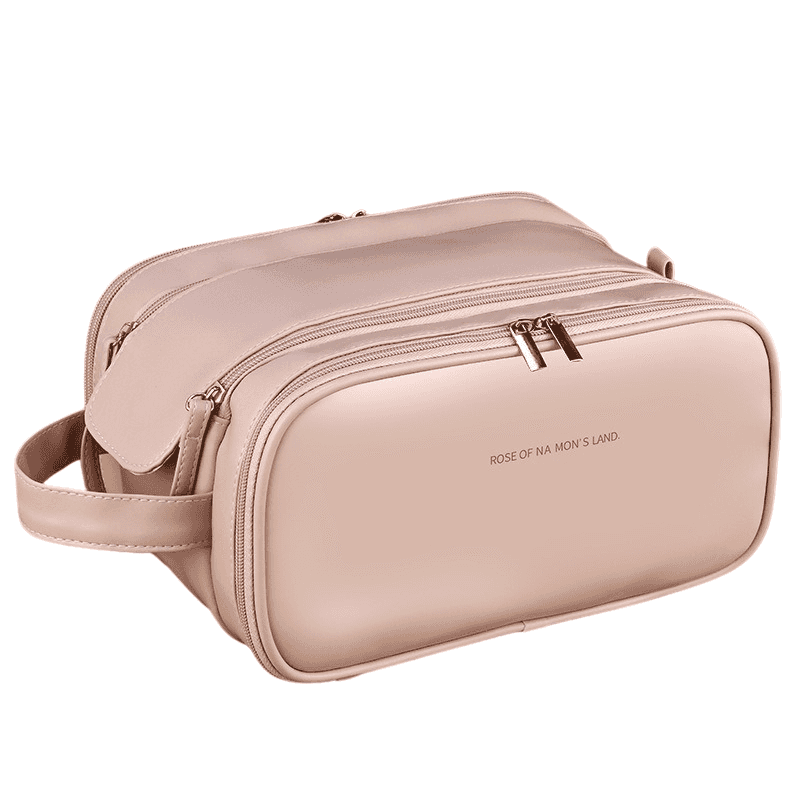
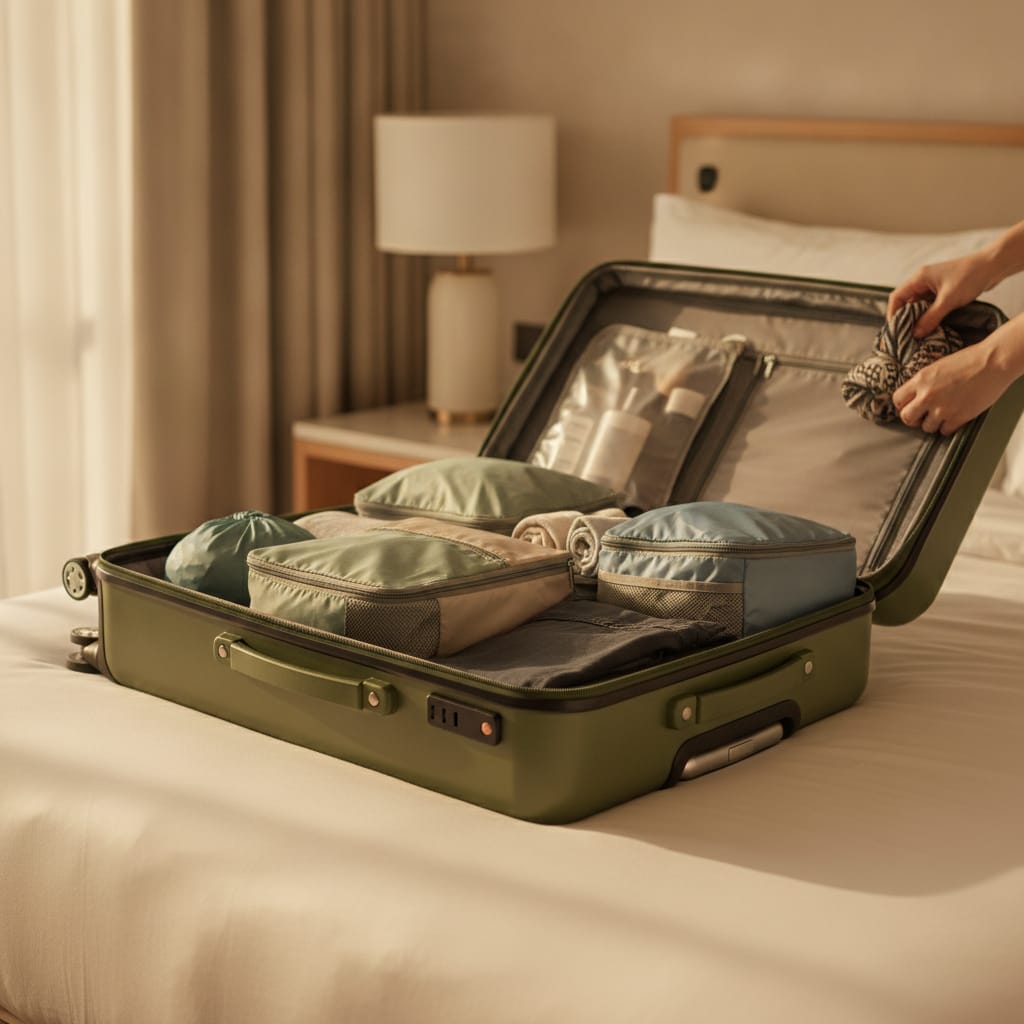
When it comes to smart packing, whether for carrying everyday groceries or organizing your personal gear for travel, the material the bag is made of determines the quality of the experience. While non-woven bags are an excellent, cheap and accessible solution for mass distribution and supermarket shopping, we often need more durable and sophisticated solutions for organizing our personal gear.
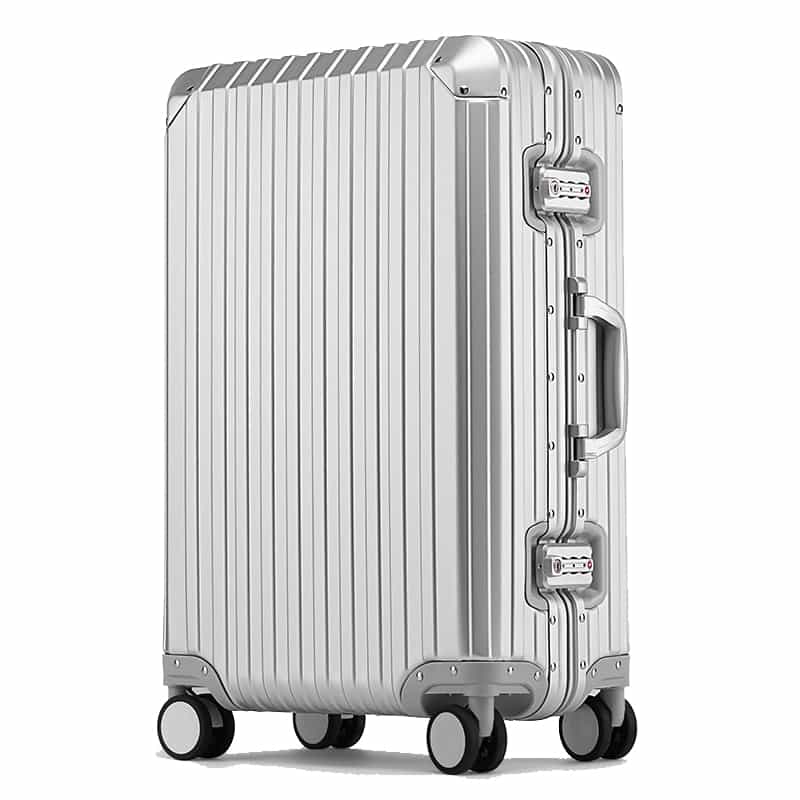
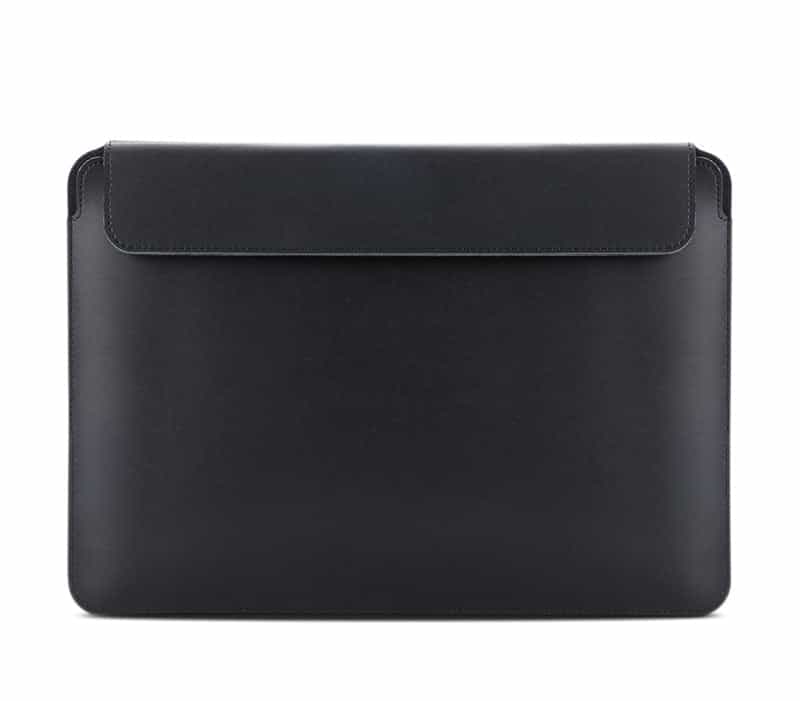
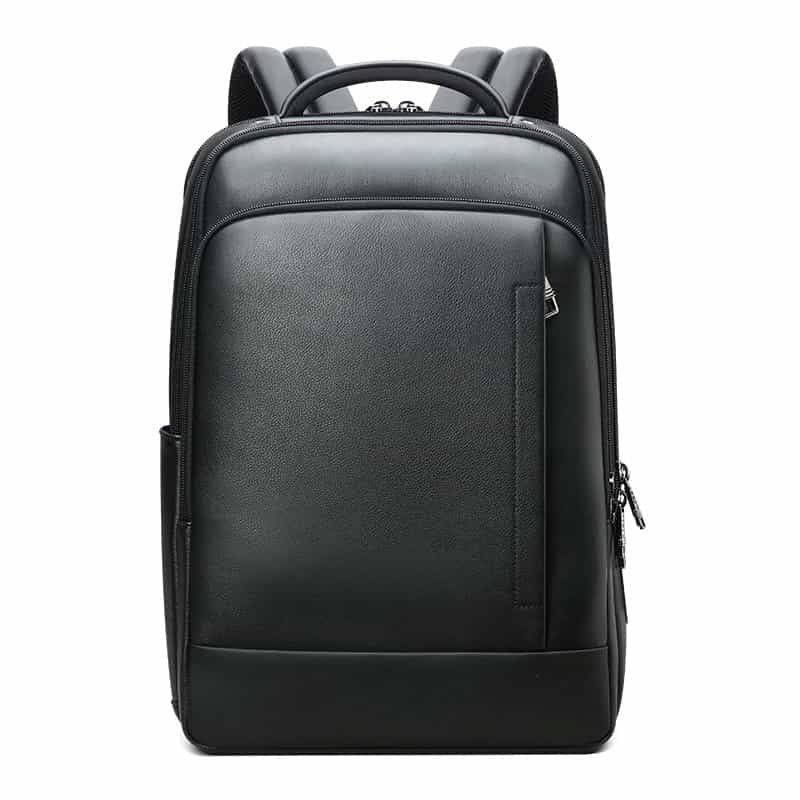
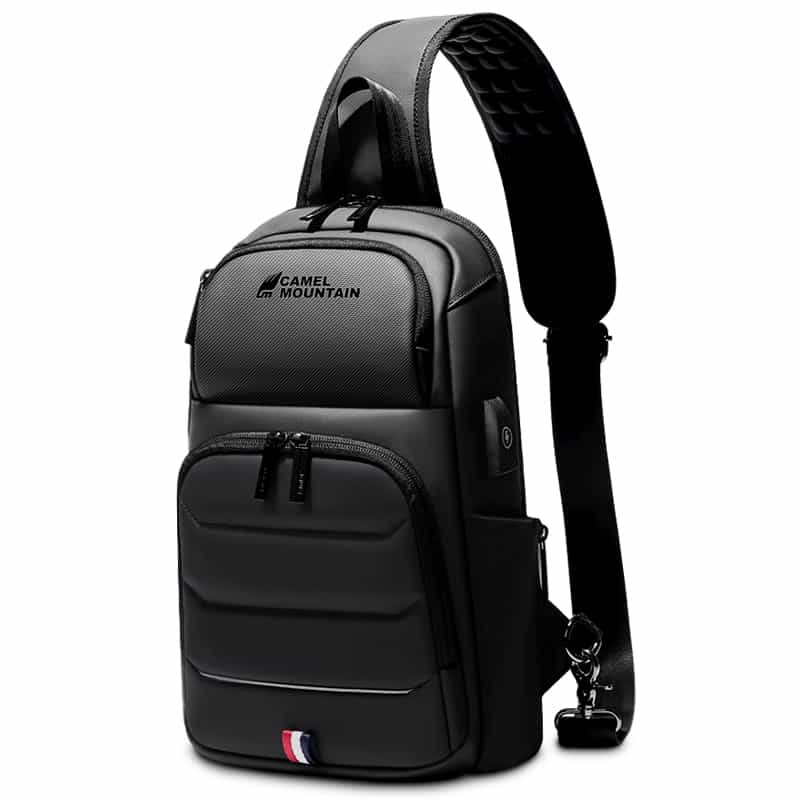
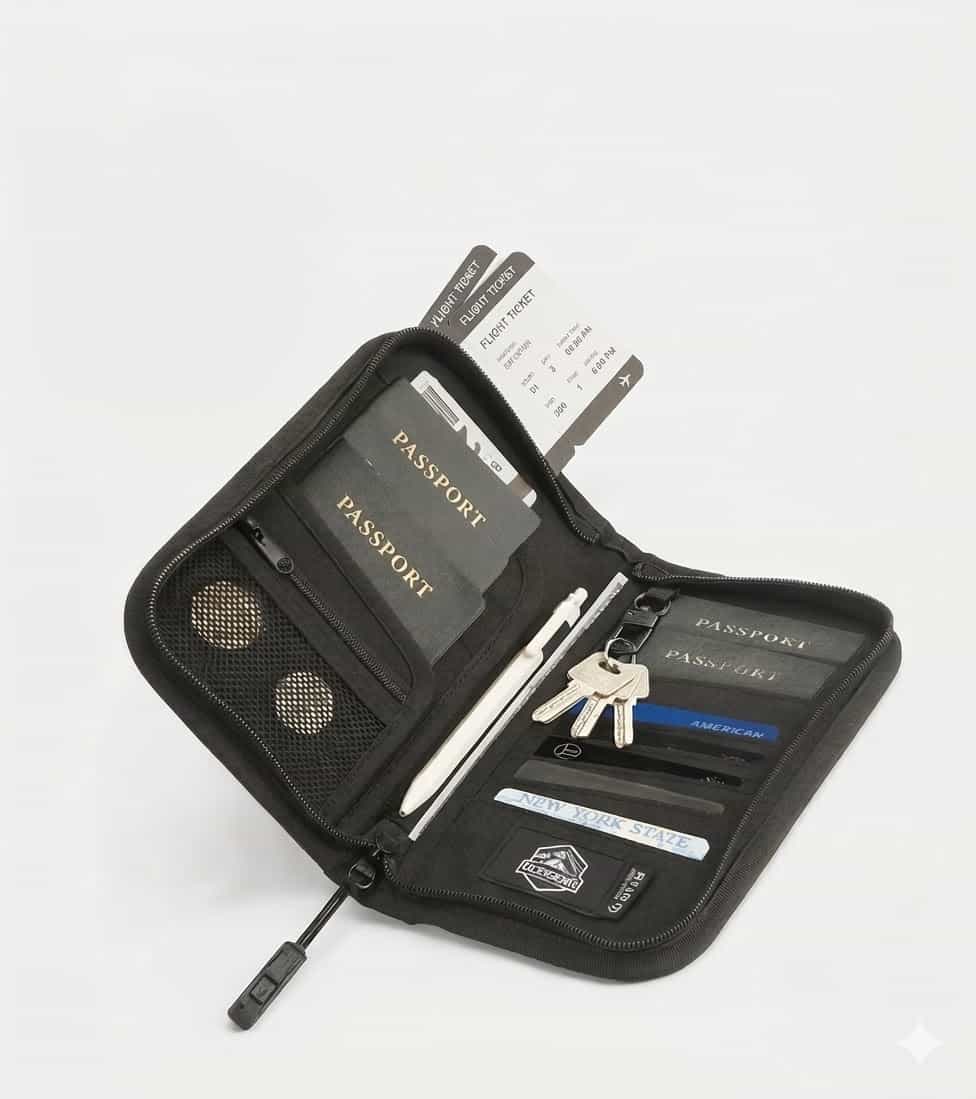
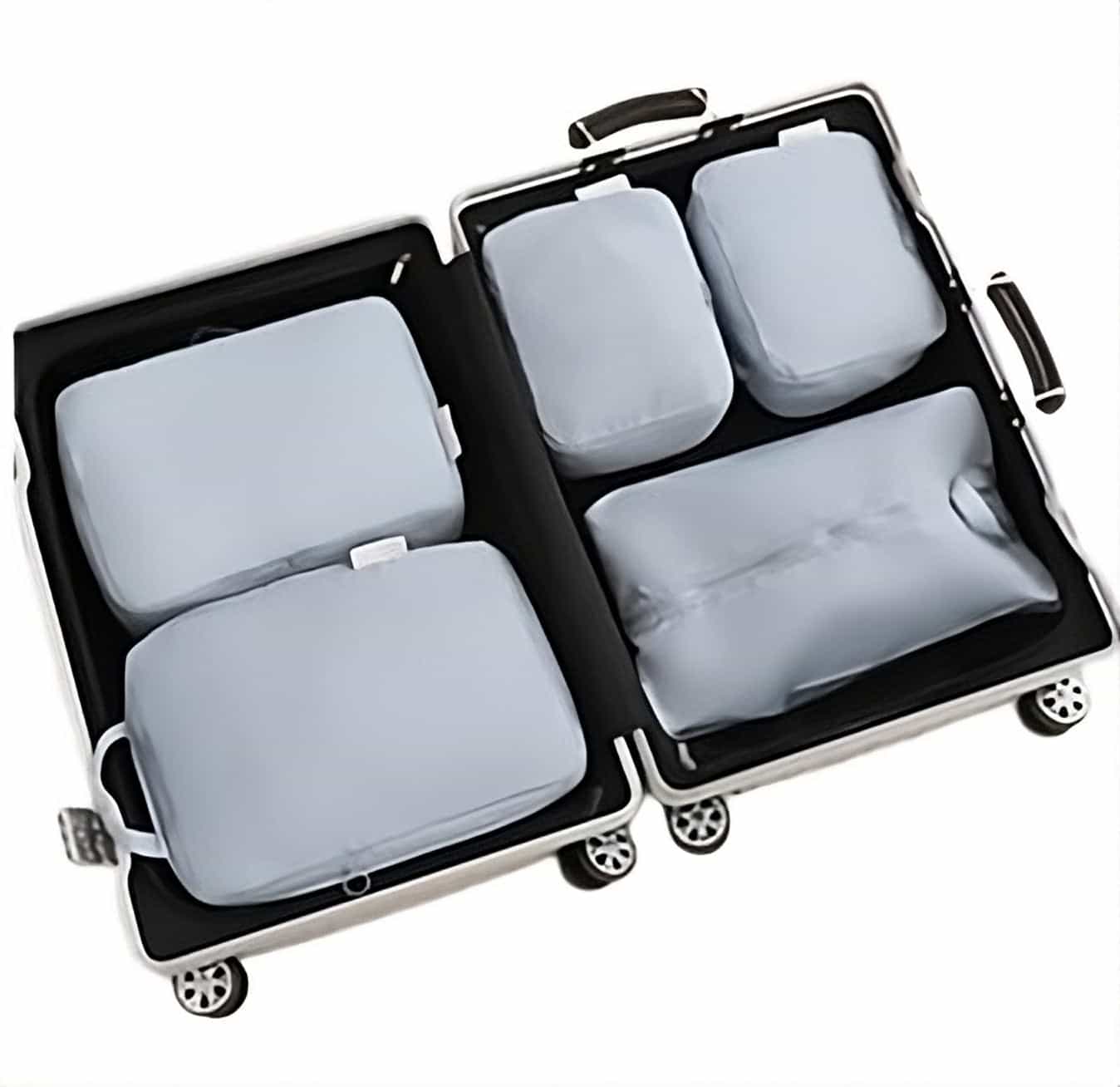
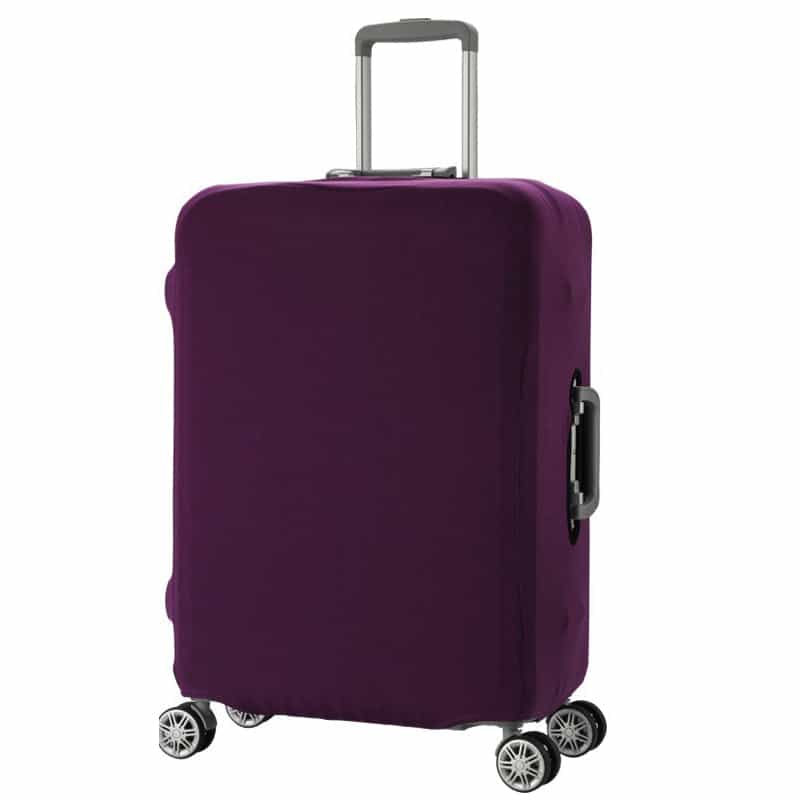
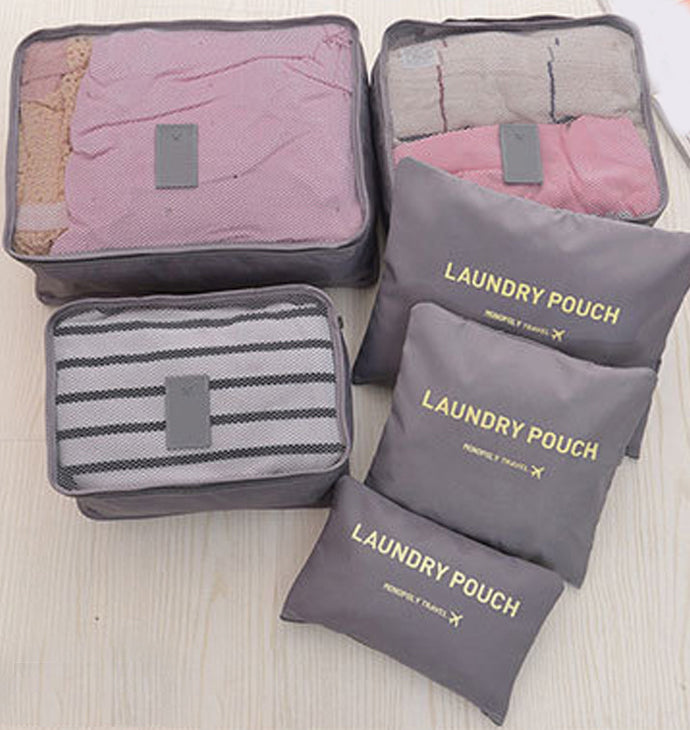
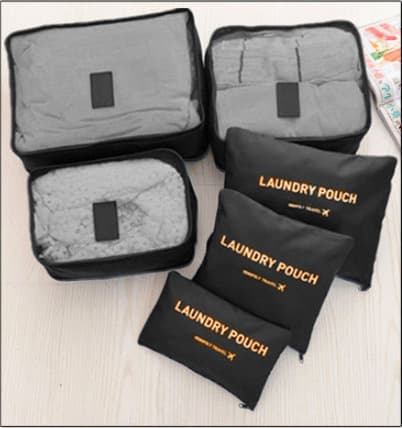
For example, in the world of travel and trips, materials like canvas, ballistic nylon or durable polyester replace non-woven fabric to give gear maximum protection. Using dedicated packing organizers made of light, durable materials lets you divide your suitcase or backpack smartly, much like non-woven bags divide our groceries, but with durability for many years and convenient zippered compartments.
Products to help you on the way

Products in this guide

Frequently asked questions
What is GSM in non-woven bags?
GSM is a measure of fabric weight per square meter (Grams per Square Meter). The higher the GSM, the thicker and stronger the fabric, and the more weight it can carry without tearing.
Can non-woven bags be washed?
Yes, but it's best to hand wash them in lukewarm water with a little mild soap and let them air dry. Machine washing at a high temperature or using a tumble dryer can warp the polypropylene fibers and ruin the bag.
What's the difference between a regular non-woven bag and a laminated one?
A regular non-woven bag is breathable and has a slightly rough fabric texture. A laminated bag is coated with a thin layer of plastic that gives it a glossy or matte look, makes it completely waterproof to water and liquids, and allows printing of colorful, complex images.
How much weight can a standard non-woven bag carry?
A standard supermarket non-woven bag (75 to 80 GSM) with stitched, reinforced handles can easily carry between 8 and 12 kilograms, provided the weight is evenly distributed.


