
How to Choose the Perfect Backpack: The Complete Guide for Study, Work and Travel
October 23, 2026
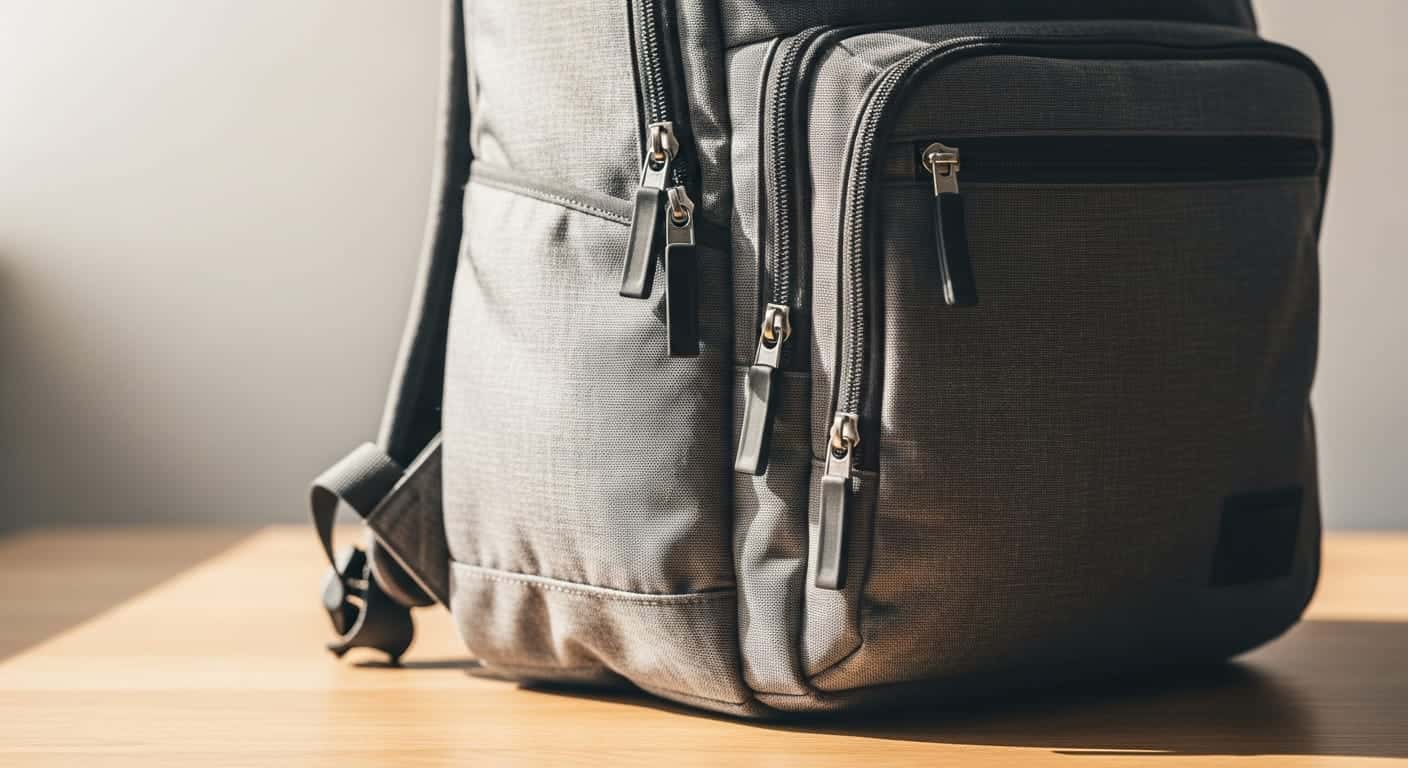
Choosing the right backpack means matching its capacity to its intended use: 15 to 25 liters for work and study, and 30 to 45 liters for travel. Make sure it has a padded ergonomic back system, a dedicated protected laptop compartment, water-repellent fabrics like Cordura or quality canvas, and a smart compartment layout that balances the weight on your body to prevent pain.
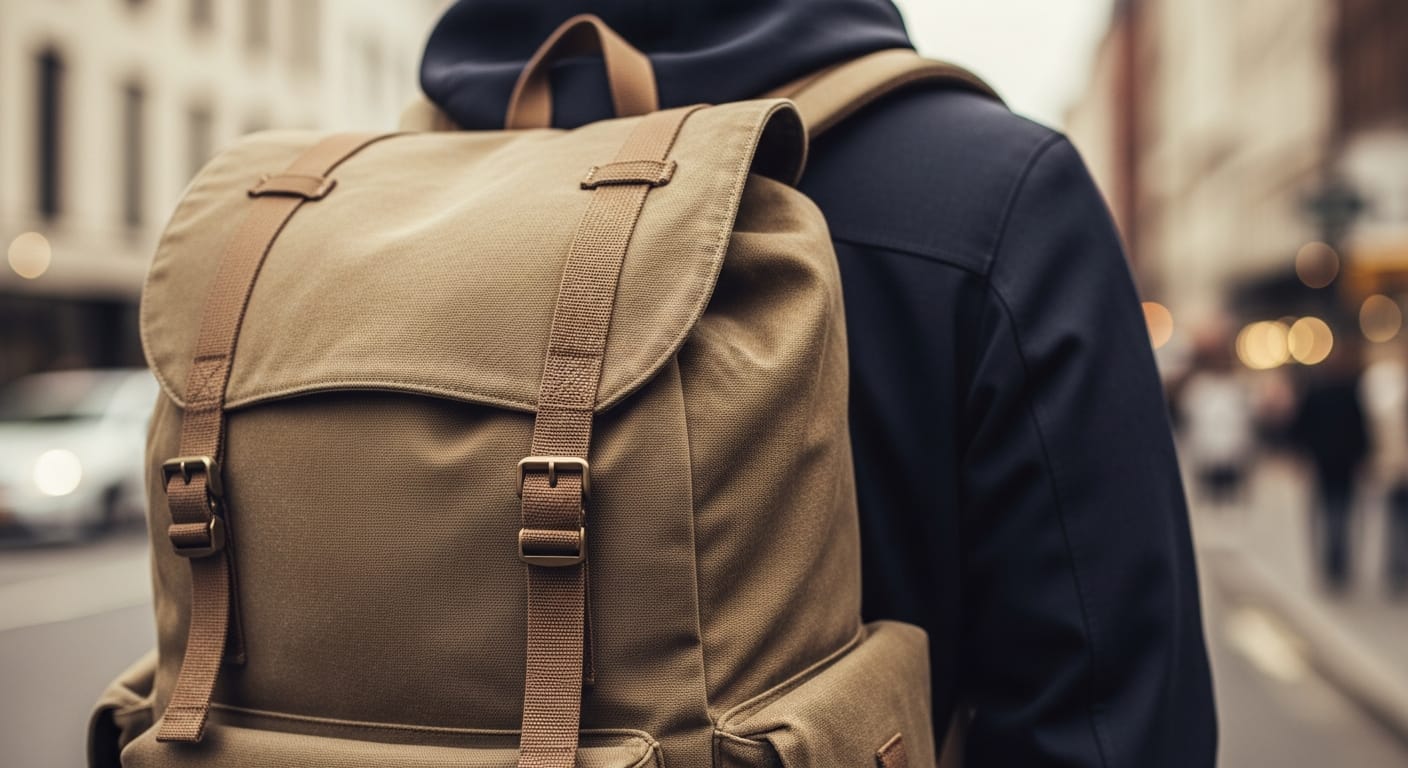
Capacity and size: how many liters do you really need?
One of the most common mistakes when buying a backpack is choosing a capacity that doesn't match your real needs. A bag that's too small will force you to cram things in and damage the zippers, while a bag that's too big will look empty, sag backward and put unnecessary strain on your shoulder blades and lower back. To make sense of it, we've divided the world of backpacks into four main capacity categories:
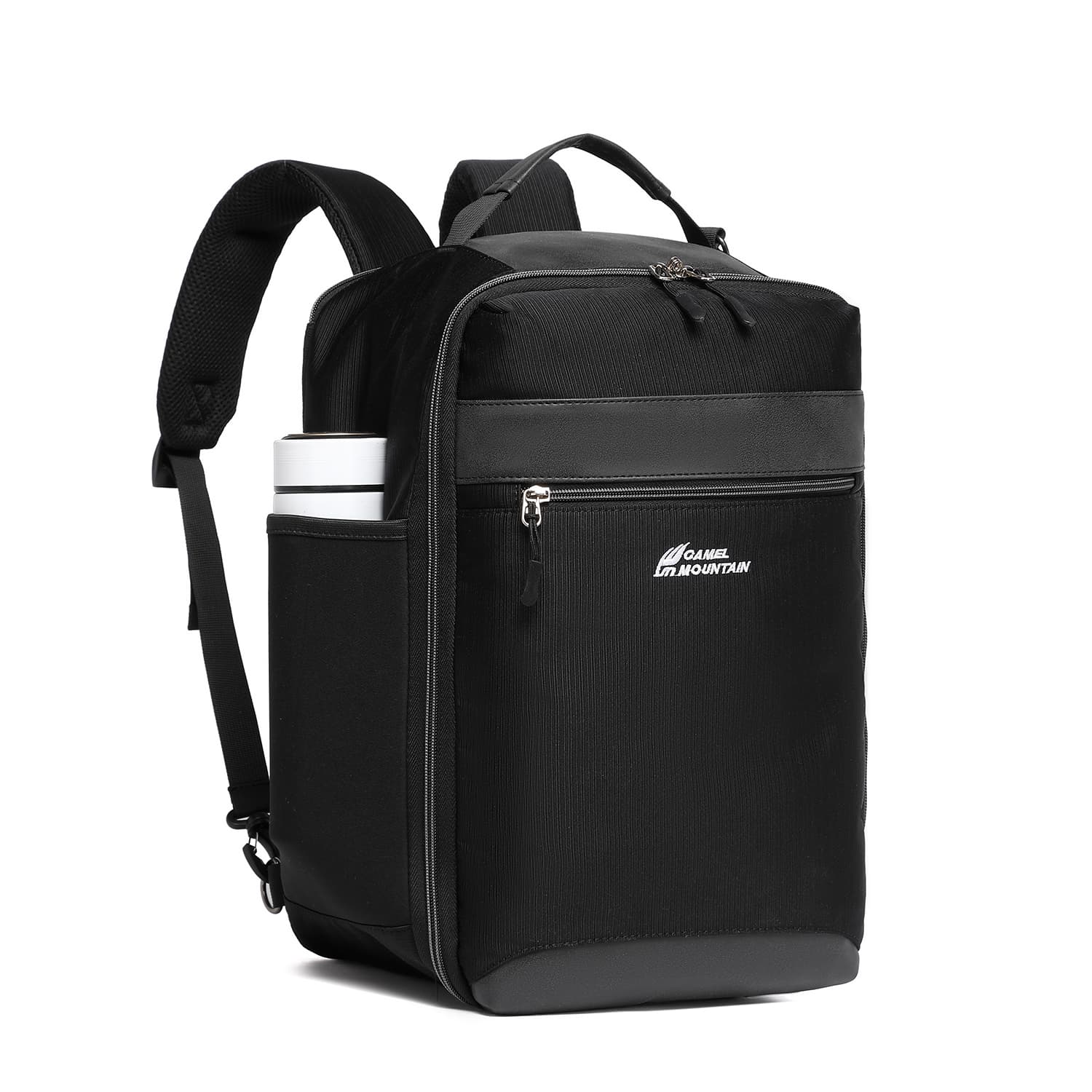
- Compact daypacks (15 to 20 liters): suited to those who carry only the bare essentials: a thin laptop, a notebook, a water bottle and a wallet. They're great for business meetings, short train rides or anyone who prefers a minimalist, tech look.
- Classic work and study bags (25 to 30 liters): this is the sweet spot for most people. This capacity easily fits a large laptop (up to 16 or 17 inches), a binder or books, chargers, a lunch box and even a change of clothes for an evening workout.
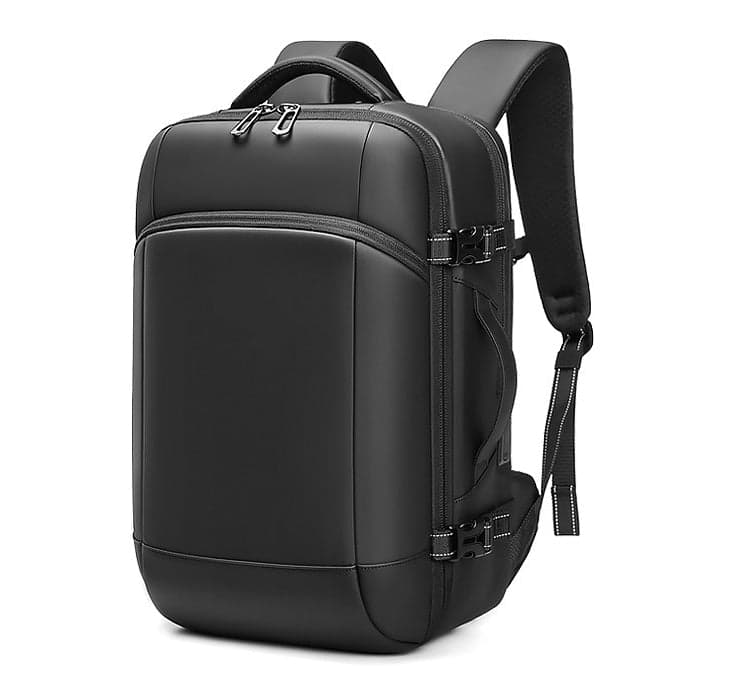
- Travel and weekend bags (35 to 45 liters): designed for people on the move. These bags are usually sized to airline dimensions as a carry-on, and let you pack clothes for several days alongside your tech gear.
- Travel and trekking packs (50 liters and up): designed for long trips and trails at home and abroad, and require a substantial back system with a supportive hip belt for carrying heavy loads over time.
Here's a quick comparison table to help you understand the differences and recommended uses:
| Capacity (liters) | Main use | Typical contents | Suitable as carry-on? |
|---|---|---|---|
| 15 to 20 liters | Light everyday use, business meetings | Thin laptop, tablet, documents, water bottle | Yes, fits easily under the seat |
| 25 to 30 liters | Students, work, a long day | 15.6" laptop, binder, sports clothes, lunch box | Yes, fully standard as a main backpack |
| 35 to 45 liters | Short trips, a weekend abroad | Clothes for 3 to 4 days, toiletries, laptop, shoes | Yes (on most airlines, check the dimensions) |
| 50+ liters | Treks, backpacking trips | Camping gear, sleeping bag, lots of clothes, food | No, must be checked into the hold |
Ergonomics and health: how to look after your back every day
The average backpack of a student or tech worker weighs between 5 and 8 kilograms. Carrying that kind of weight for hours without proper support can lead to shoulder, neck and lower back pain. When choosing a backpack, don't compromise on the following ergonomic features:
First, the shoulder straps must be wide, well padded and curved (an S shape) to fit the body's anatomy. Straps that are too thin will cut into your shoulders and restrict blood flow. Second, look for bags with a chest strap: this small strap connects the two shoulder straps and spreads the load more evenly, while keeping the bag from slipping off your shoulders when you walk fast.
Another critical element is the ventilation system in the back panel. In hot, humid climates, a bag that sticks to your back without airflow will make you arrive with a back soaked in sweat. Look for a back panel made of 3D mesh, or one with built-in ventilation channels that keep the center of the bag away from your body and allow constant airflow.
Materials and durability: what makes a backpack indestructible?
A good backpack is a long-term investment. It has to survive being thrown on the classroom floor, rubbing in a bus luggage hold, and sudden rain in the middle of the street. The type of fabric and the quality of the stitching determine whether the bag lasts one season or a whole decade.
The leading fabrics in the quality bag industry today are:
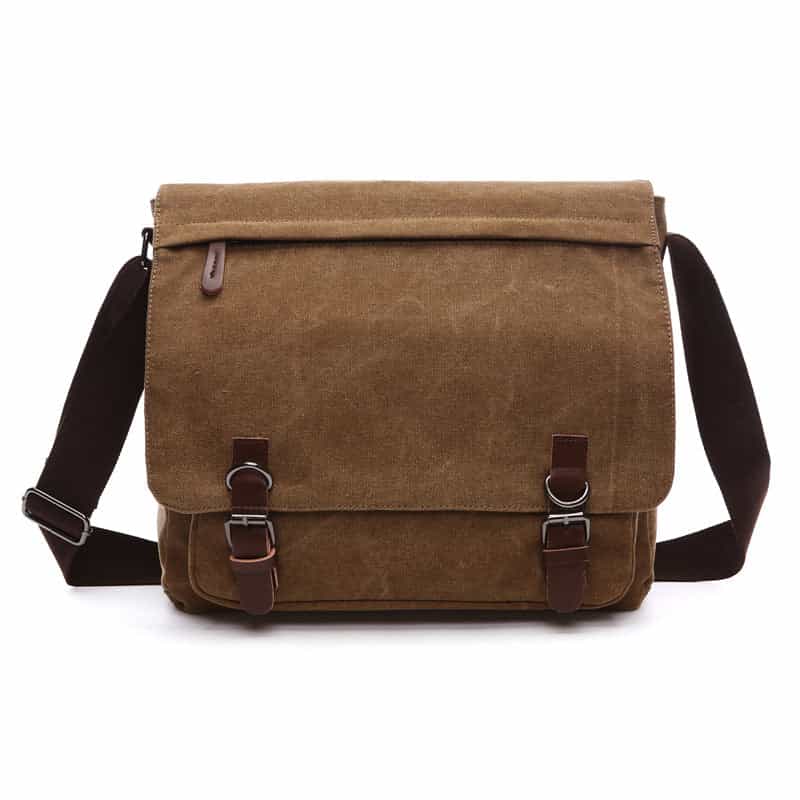
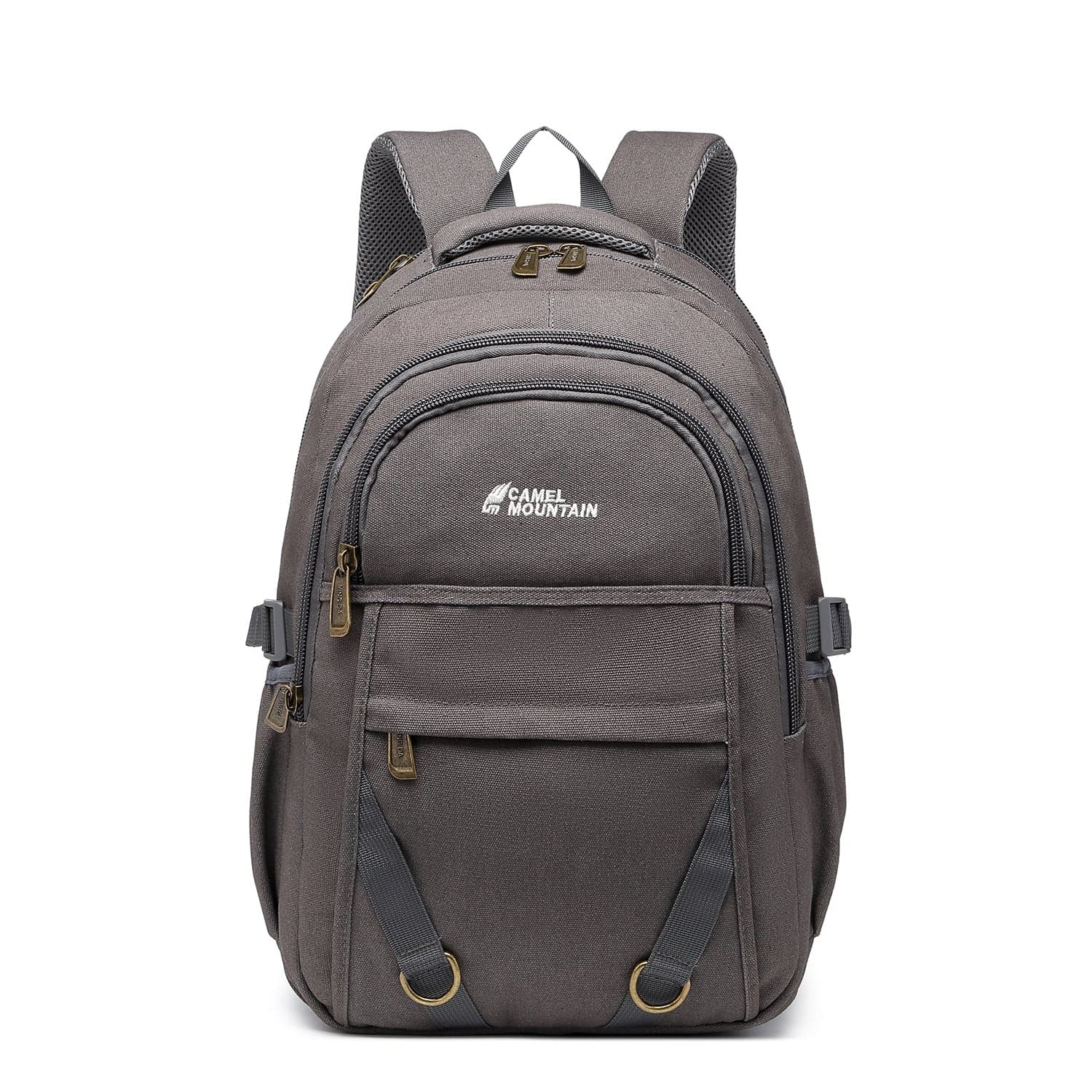
- Canvas: a thick, dense cotton fabric that gives a warm, unique vintage look. Modern canvas usually comes with a water-repellent coating or blended with synthetic fibers for better abrasion resistance.
- Cordura and ballistic nylon: the strongest fabrics on the market. They were originally developed for military use, and they're highly resistant to tears, abrasion and water. If you're looking for a bag that will survive tough conditions, this is the material for you.
- High-density polyester (600D and up): a lightweight, flexible, water-repellent material that gives a clean, modern look and is great for business and everyday bags.
Don't forget to check the zippers. The zipper is the weak point of every bag. Look for zippers from leading brands, or zippers with a polyurethane (PU) coating that keeps water from getting through the zipper teeth into your laptop compartment.
A smart compartment layout: from the laptop compartment to the USB port
The difference between an annoying backpack and an excellent one lies in the small details and the way you organize your things. A bag with only one big space will make you waste precious time looking for your keys or a pen at the bottom of the bag. A good layout includes:
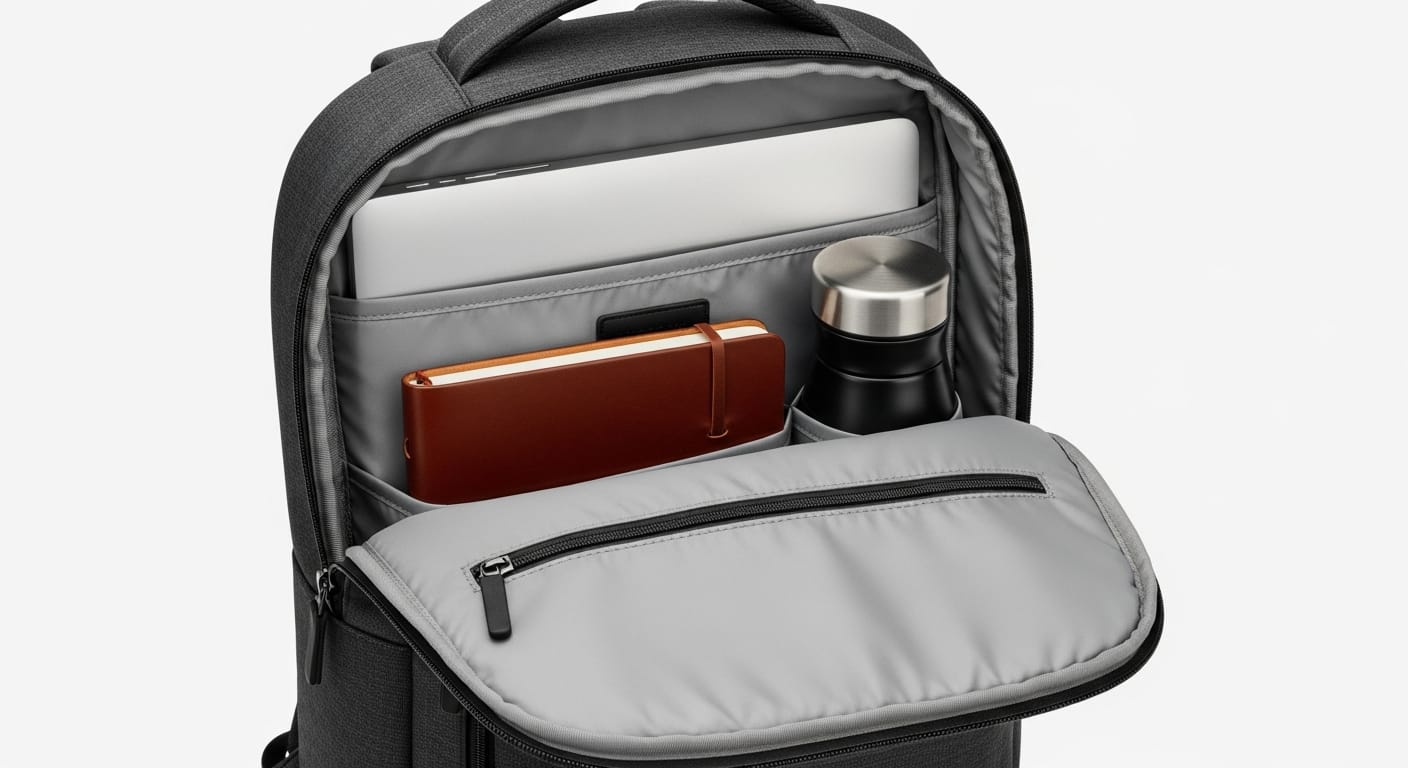
A dedicated, padded laptop compartment: the compartment should be raised off the bottom of the bag (a floating pocket). That way, when you put the bag down hard on the floor, the laptop doesn't absorb the impact directly. In addition, an elastic security strap keeps the laptop stable and stops it from moving side to side while you walk.
A hidden (anti-theft) compartment: usually located in the back panel of the bag, right against your back. This is the perfect place to keep a passport, wallet, phone or cash, because no one can get to it while the bag is on your back.
Tech connections: many modern backpacks now include a built-in external USB port. You connect your power bank inside the bag, and can comfortably charge your phone while walking down the street or riding the train, without holding the heavy battery in your hand.
In short, when you choose your next backpack, don't just look at the outside design. Define the exact capacity you need, make sure the back system is padded and ventilated enough, and choose durable materials that will keep your valuable gear dry and safe for years.
Products to help you on your way
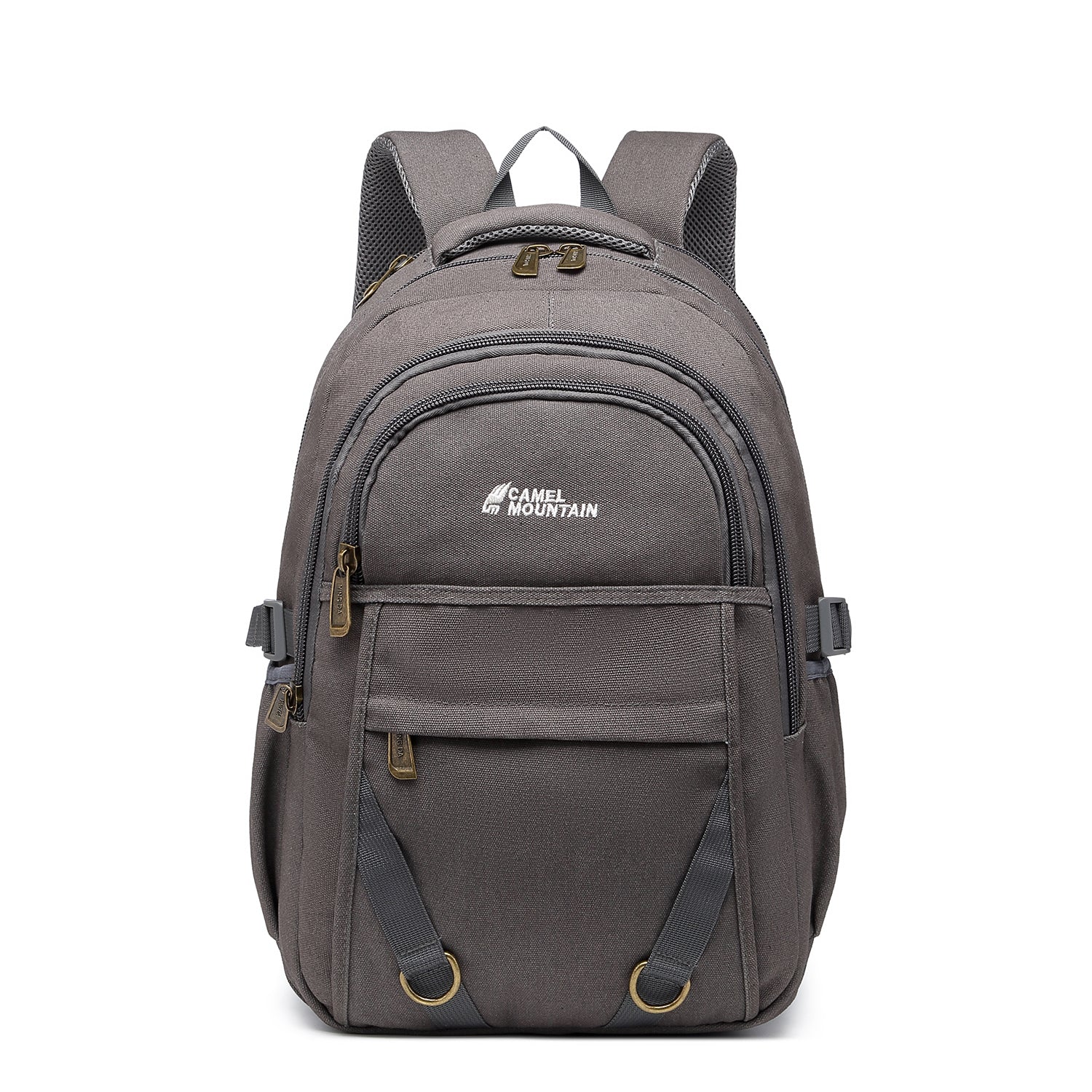


Products in this guide
Frequently asked questions
What's the difference between a water-resistant backpack and a waterproof one?
A water-resistant backpack is made of fabrics and zippers that repel light to moderate rain and protect your gear in everyday use. A fully waterproof backpack is designed for extreme conditions or water sports, made of fully sealed materials like PVC with welded seams, and can be submerged without liquids getting in.
How do I clean a backpack properly without damaging it?
The best way is to hand wash it in lukewarm water with mild soap and a soft brush. It's best to avoid the washing machine and the dryer entirely, since they may ruin the fabric's water-repellent coating, distort the ergonomic back system and damage the zippers.
Is a 40-liter backpack suitable as carry-on luggage?
Yes, on most full-service airlines a 35 to 40 liter bag meets the size limits of the overhead bin. However, on low-cost airlines (like Ryanair or Wizz Air) the policy is stricter, and it's best to choose a dedicated bag sized exactly for the free under-seat backpack.
What does a USB port on a backpack mean and how do I use it?
These bags include a built-in internal USB cable. You connect your own power bank to it and place it in a dedicated compartment inside the bag. Then you can plug your phone's charging cable into the external USB port on the side of the bag and charge easily on the move.
What's the difference between a water-repellent backpack and a fully waterproof one?
A water-repellent backpack protects your gear from light rain or occasional splashes thanks to a special coating on the fabric. A fully waterproof backpack is designed for extreme conditions and made of fully sealed materials with welded seams, so it can be submerged without any water getting in.
How do I adjust backpack straps properly to prevent pain?
First, position the bag so its bottom sits at your waist and no lower. Tighten the shoulder straps evenly so the bag sits close to your back, and fasten the chest strap (if there is one) to spread the load and keep the straps from shifting while you walk.
Can I bring a 40-liter backpack on board as a personal item?
A 40-liter bag usually exceeds the dimensions allowed for a "personal item" placed under the seat on low-cost airlines, but it's perfectly suitable as a cabin bag in the overhead bin. Always check the airline's exact dimensions before the flight.
What is Cordura and why is it recommended for backpacks?
Cordura is a brand of synthetic fabric based on high-density nylon, known for its phenomenal resistance to abrasion, tears and wear. Bags made of Cordura last for many years, don't wear easily under intensive daily use and offer excellent durability even in tough outdoor conditions.


