
How to Fold Clothes for a Suitcase: The Complete Guide to Saving Space and Preventing Wrinkles
October 23, 2026

To fold clothes for a suitcase most efficiently, use the rolling method for everyday items such as shirts and jeans to prevent wrinkles and save space. Fold tailored items in a classic flat fold and place them on top. We recommend adding packing cubes for smart organization, and filling empty gaps with socks and small accessories to use the maximum volume.
Rolling versus flat folding: when to use each one?
The age-old debate among travelers is whether to roll or fold. The professional answer is a winning combination of both. Rolling is excellent for flexible, everyday fabrics such as cotton, polyester, denim and nylon. Rolling squeezes the air out of the fabric, prevents sharp fold creases and lets you slip items into small gaps in the suitcase.
On the other hand, a classic flat fold is a must for stiff or delicate fabrics that wrinkle easily, such as linen, silk, tailored jackets or evening dresses. Folding them gently and placing them in the top part of the suitcase will make sure you reach your destination without urgently needing an iron.
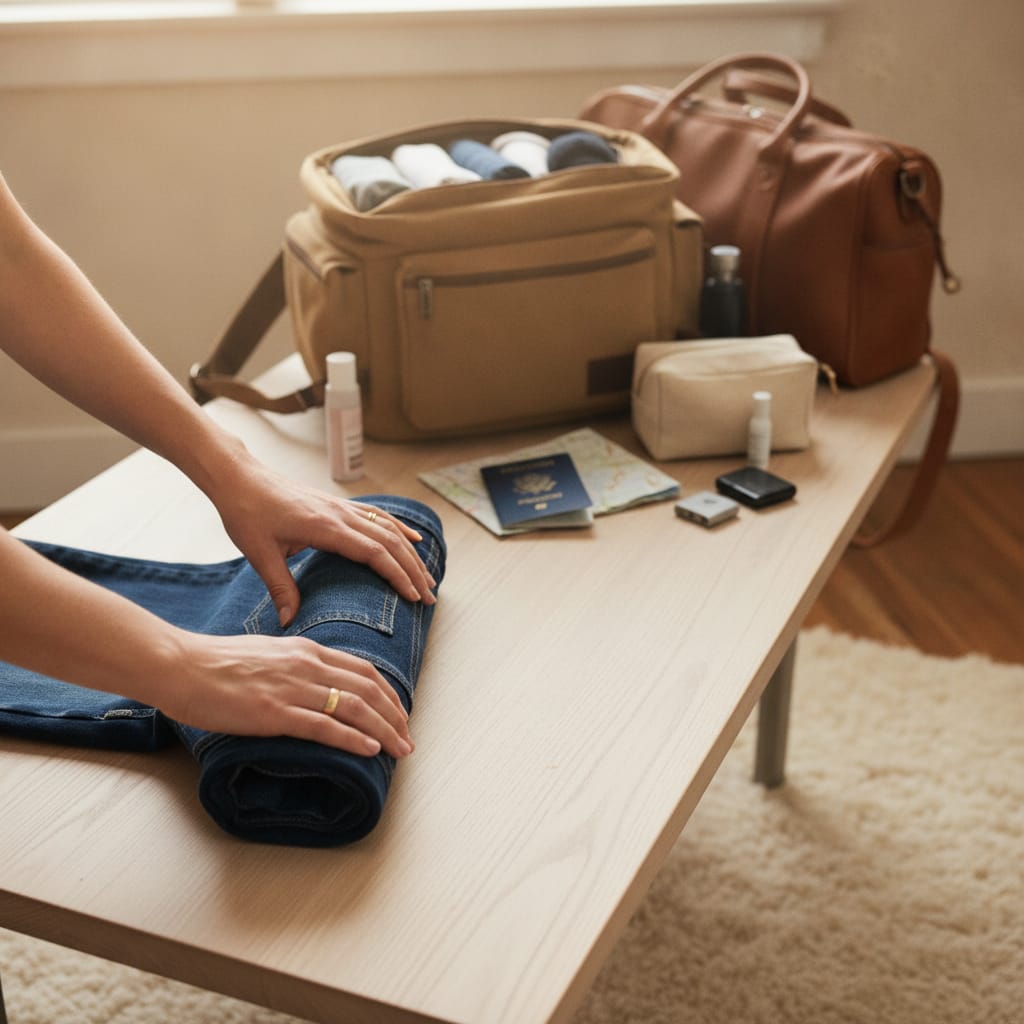
To bring some order to the mess, here is a full comparison of the different methods:
| Packing method | Best suited for | Space saving | Wrinkle prevention |
|---|---|---|---|
| Rolling | T-shirts, jeans, sportswear, pajamas | Very high | Excellent (prevents fold creases) |
| Flat fold | Button-down shirts, dress pants, dresses, linen | Medium | Good (for stiff items) |
| Military fold (ranger roll) | Hiking clothes, underwear, small items | Maximum | Medium (may put pressure on the fabric) |
How to do the ranger roll, step by step
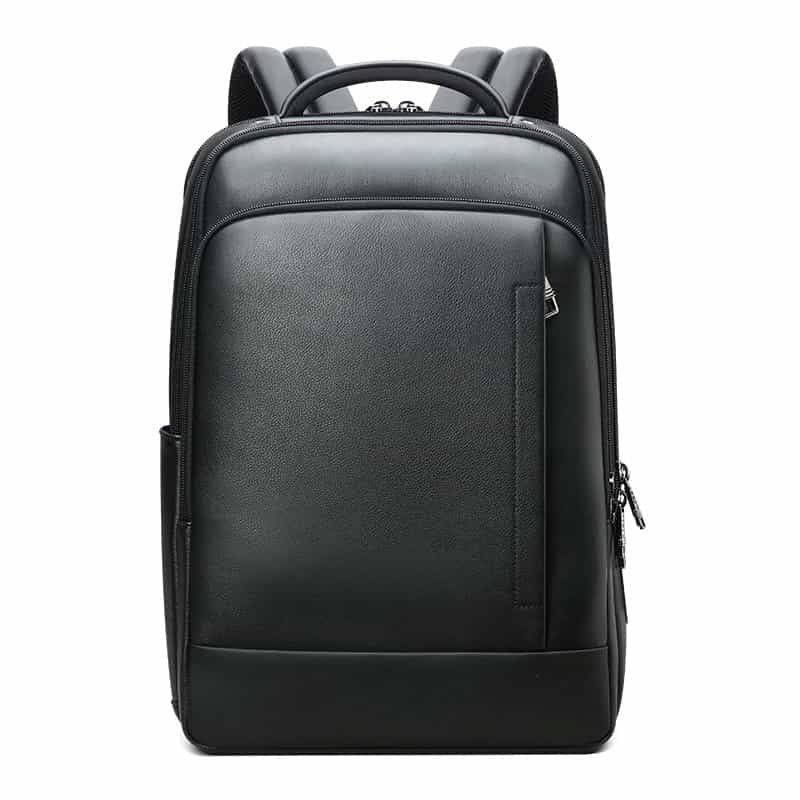
This is the ultimate method for extreme space saving, especially if you fly with a trolley only or with a weekend backpack. Here is how to do it right with a T-shirt:
- Lay the shirt completely flat on the bed or table.
- Fold the bottom hem of the shirt outward (like an inside-out cuff) about 5 to 10 centimeters wide.
- Fold the sleeves and the sides of the shirt in toward the center, so you get a long, narrow rectangle.
- Start rolling the shirt tightly and firmly from the collar down.
- When you reach the end, use the inside-out cuff you folded at the start to "wrap" the roll and lock it. The result: a compact roll that won't come undone as it gets jostled on the way.
Suitcase layout strategy: the rule of weight and layers
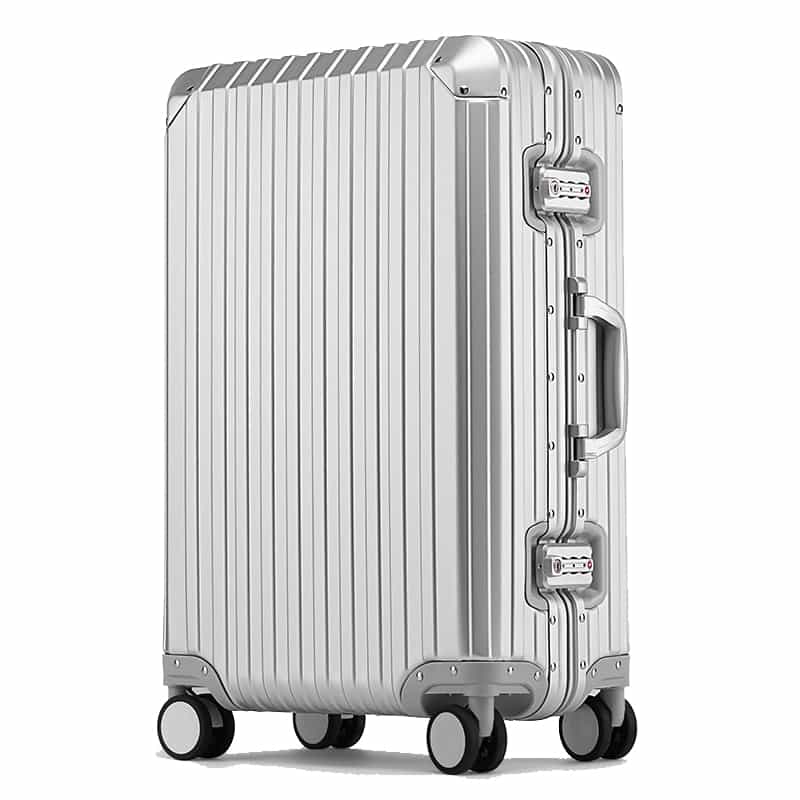
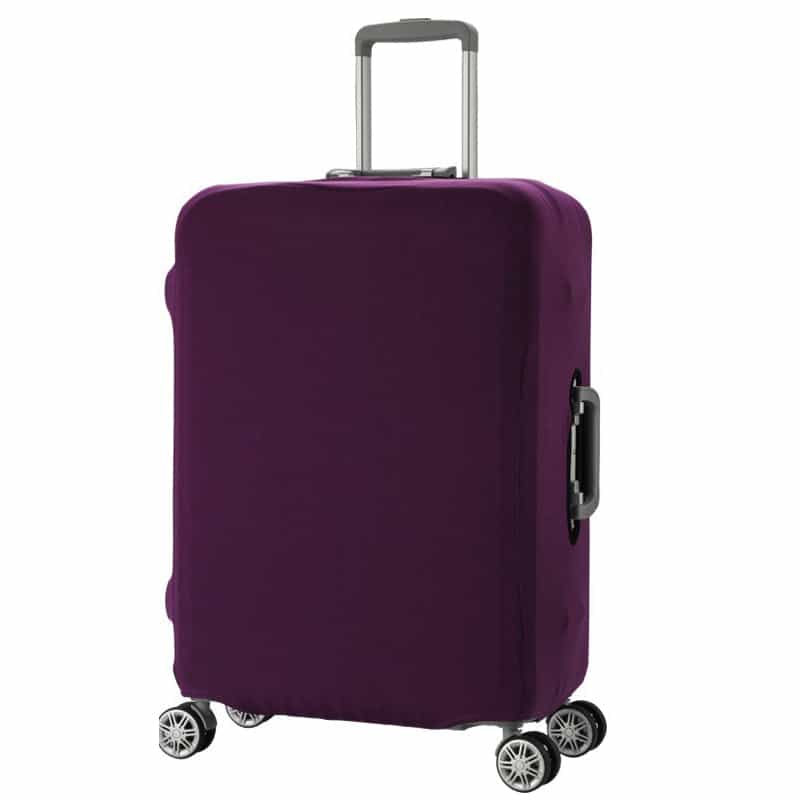
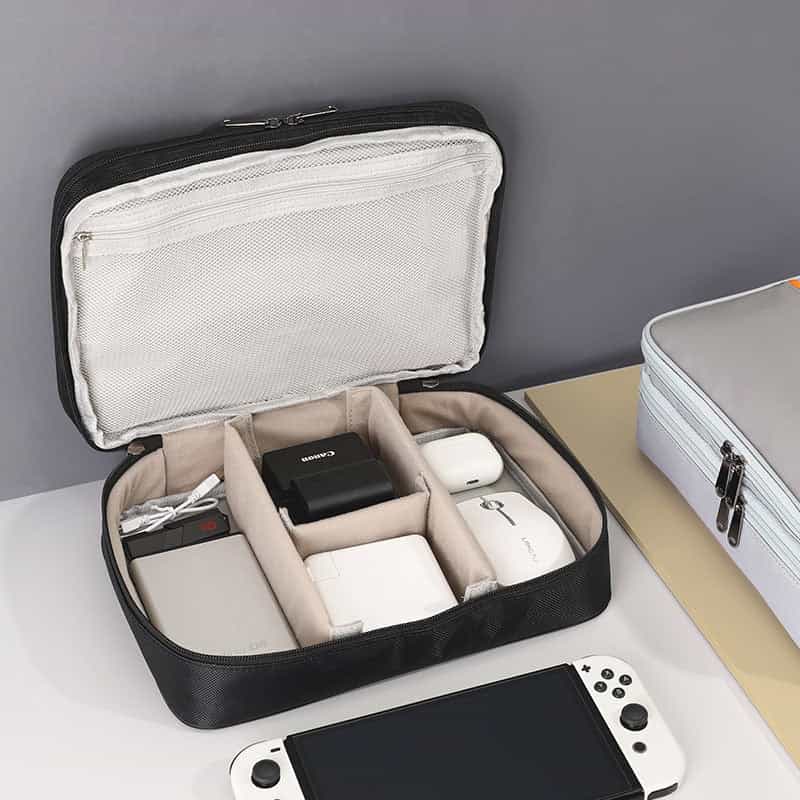
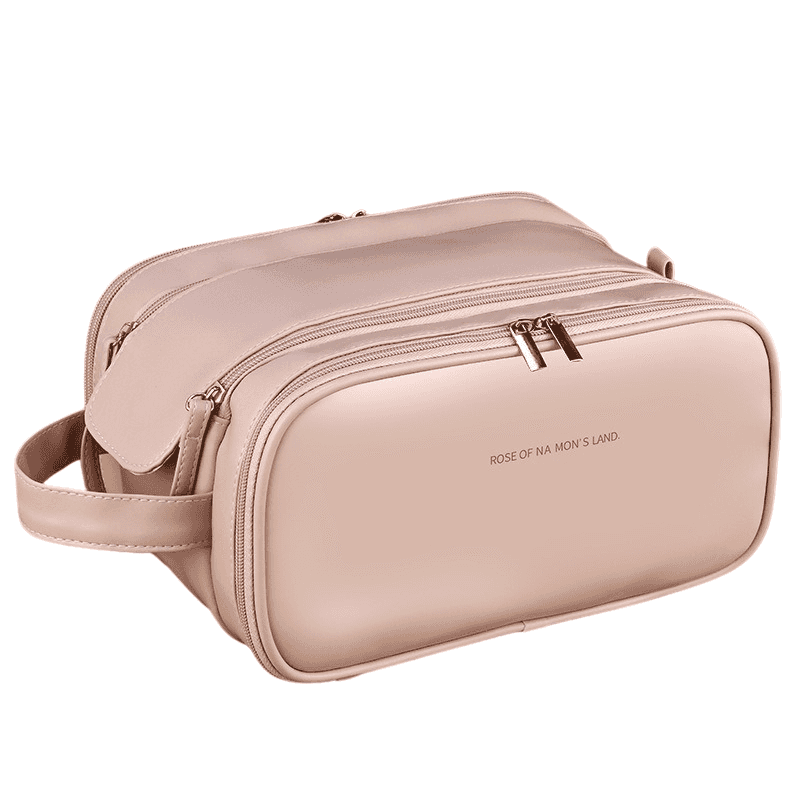
Once you have folded and rolled, the way you arrange the items inside the suitcase decides whether the clothes stay in place or get crushed. The most important rule is the rule of weight: heavy items such as shoes, toiletry bags, jeans and electronic devices should be placed at the bottom of the suitcase (the area near the wheels when the suitcase is standing). This stops them from crushing lighter clothes and keeps things stable on the move.
In the middle of the suitcase, place the rolled clothes tightly side by side. They form a kind of shock-absorbing layer. On the very top, place the delicate items you folded flat, so nothing presses on them from above.
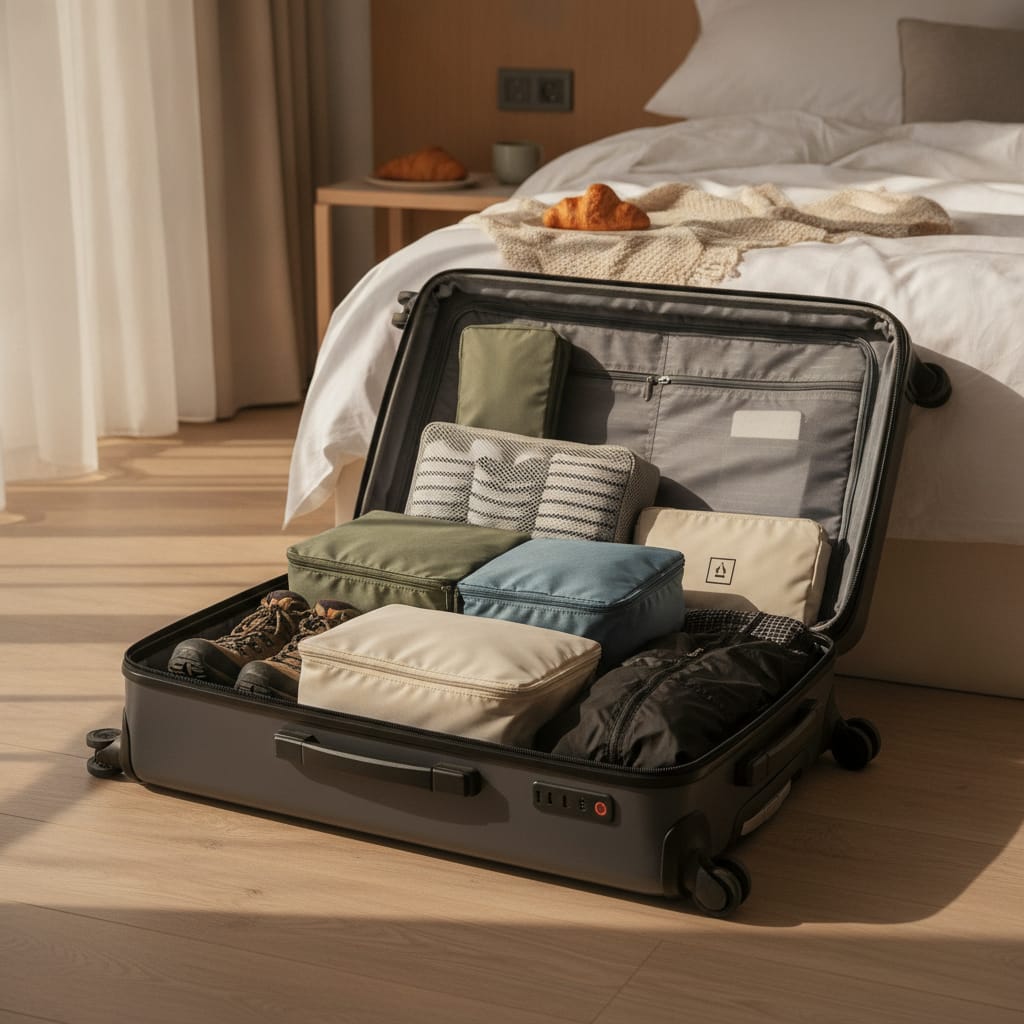
The pros' secret: using packing cubes
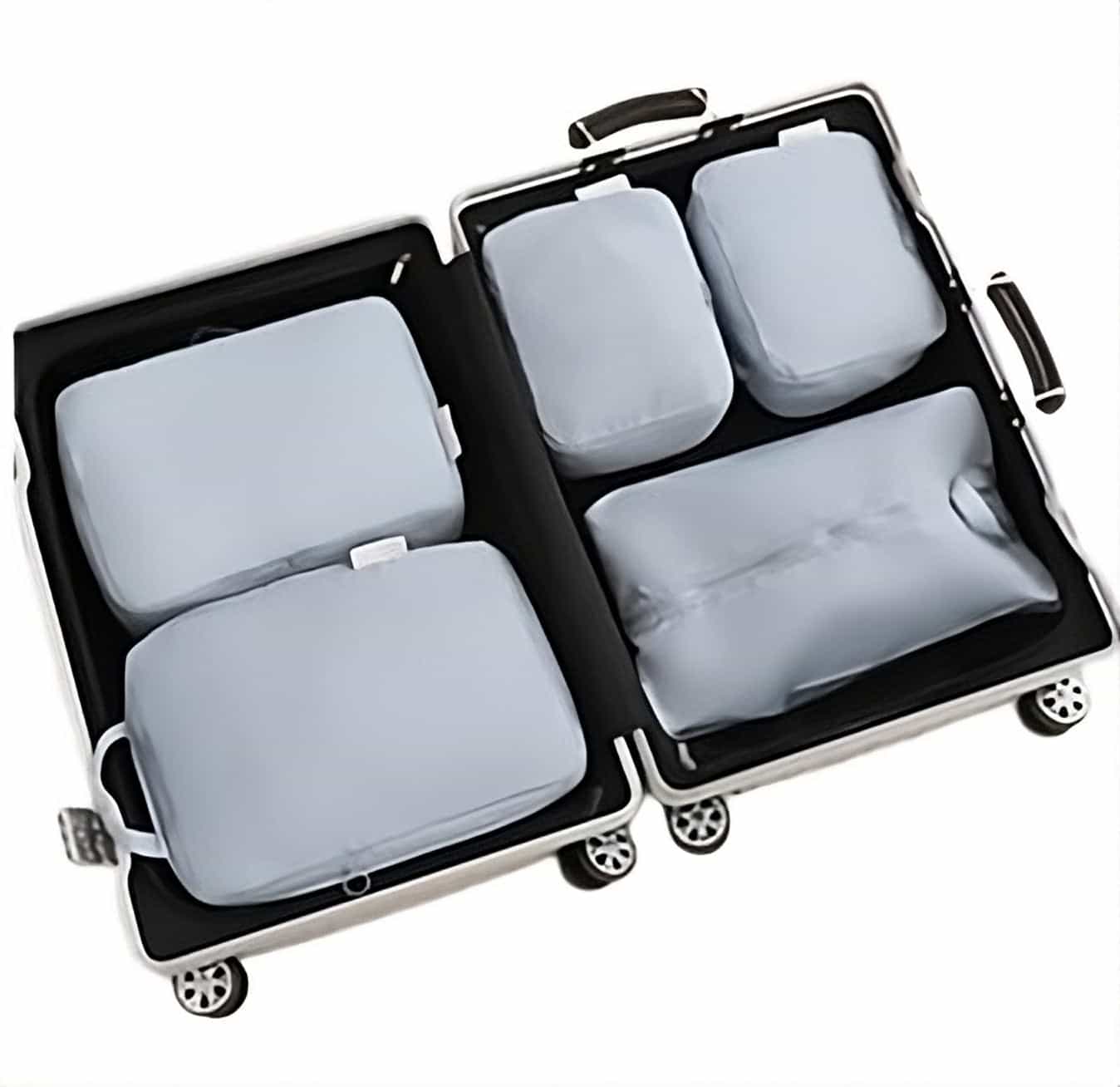
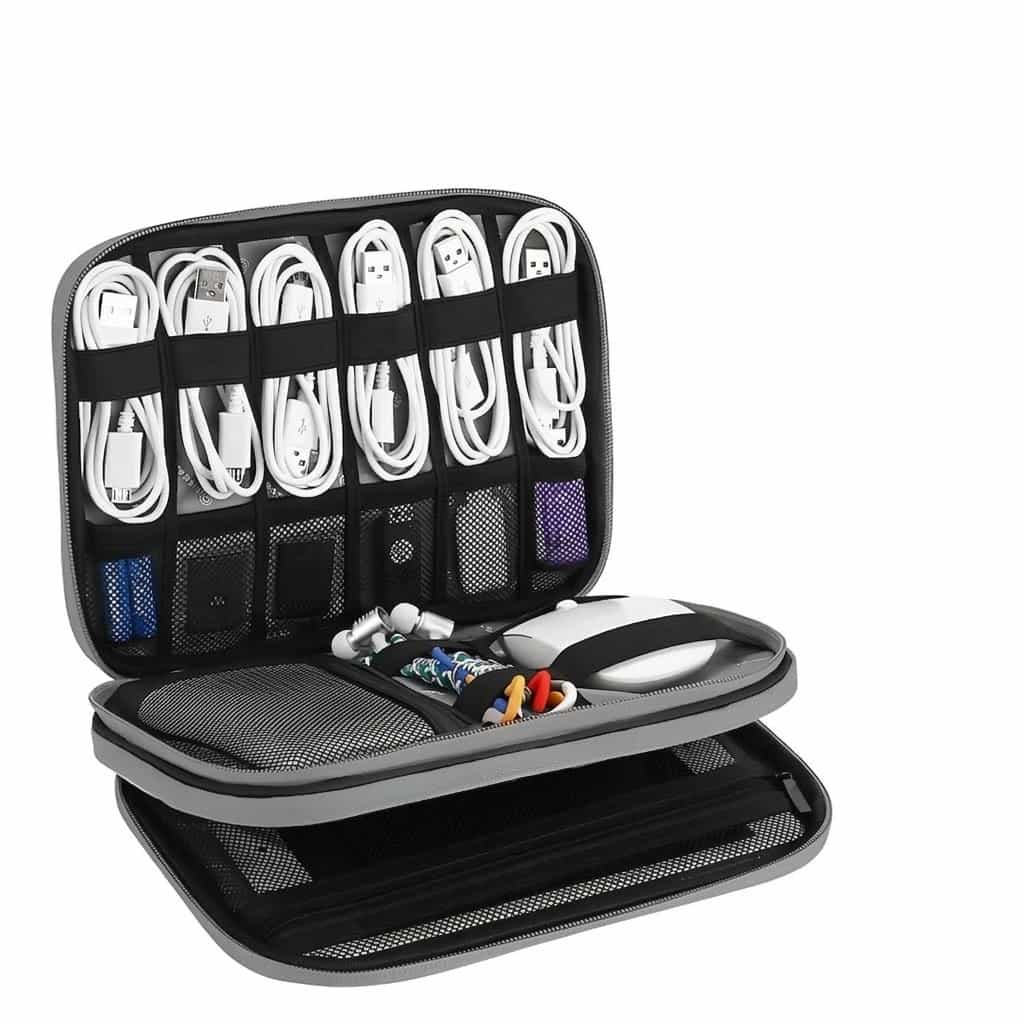
If you haven't tried packing cubes yet, you are missing the biggest travel upgrade of the last decade. Packing cubes are small, light fabric bags with a zipper that let you divide the suitcase into portable drawers.
Using them is simple: one cube for shirts, a second for pants and a third for underwear. Beyond the perfect order, the cubes keep your rolled clothes tight and stop them from unrolling or shifting during the flight. When you reach the hotel, you simply take the cubes out and put them straight in the closet, without unpacking item by item.
Small tips that make a big difference in packing
To become true packing masters, here are a few more tricks from frequent flyers:
- Use the inside of your shoes: shoes take up a lot of space and they are hollow. Stuff rolled socks, belts or chargers inside them. It saves space and also protects the shoe's shape from being crushed.
- The tissue paper method: fold especially delicate items such as silk dresses or chiffon blouses with a sheet of fine tissue paper between them. The paper reduces friction between the fabric fibers and prevents wrinkles completely.
- Dryer sheets: place a dryer sheet between the layers of clothes in the suitcase. It keeps the fresh smell of clean laundry even after especially long flights.
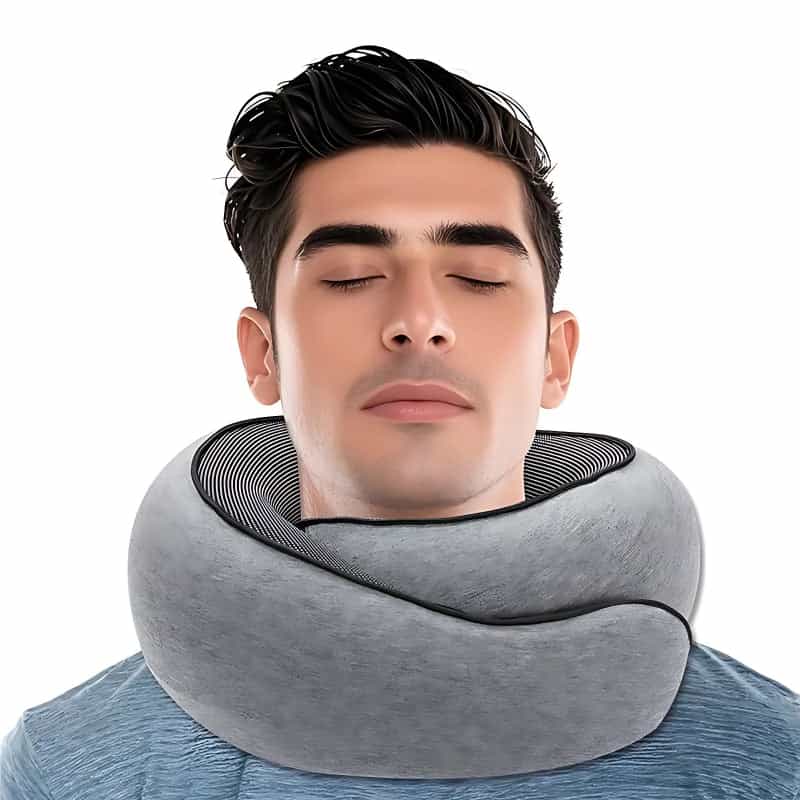
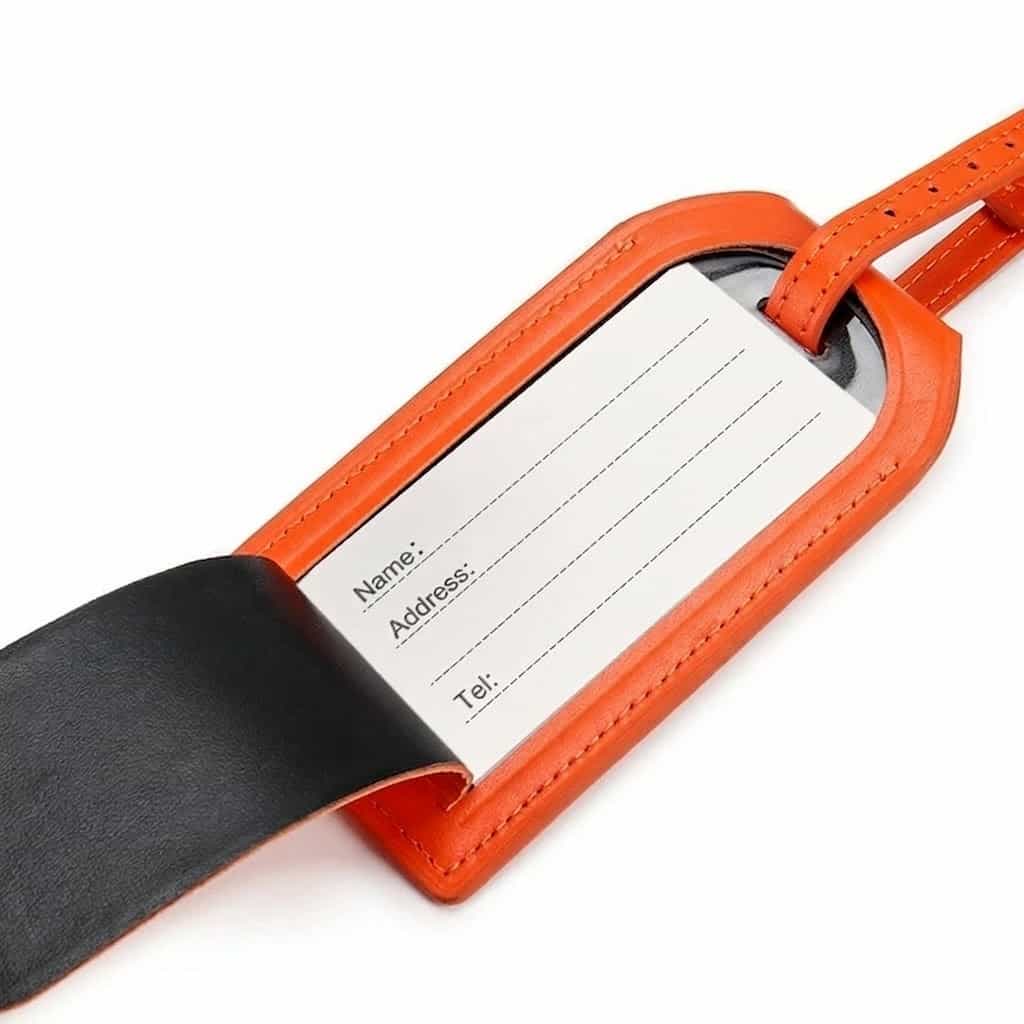
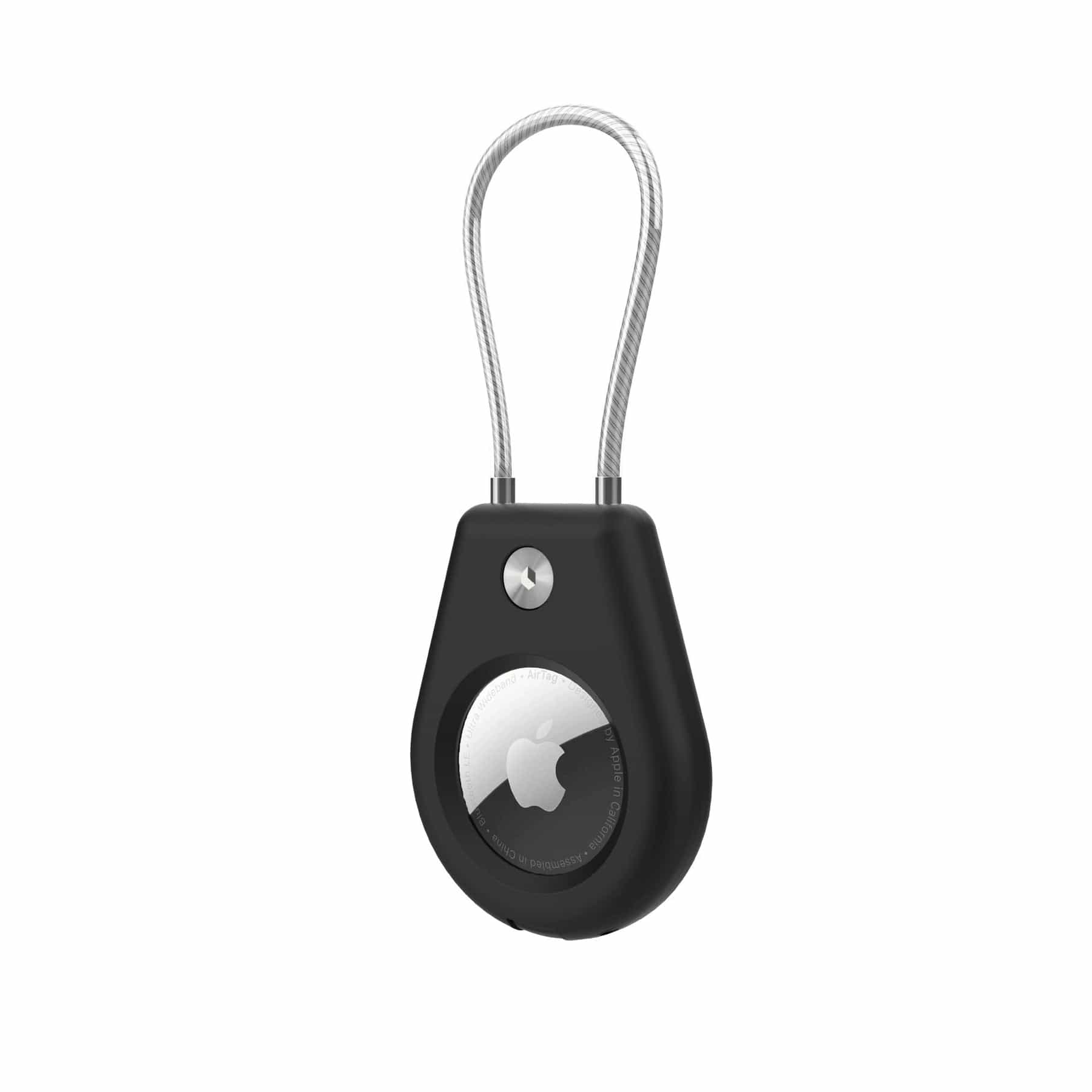
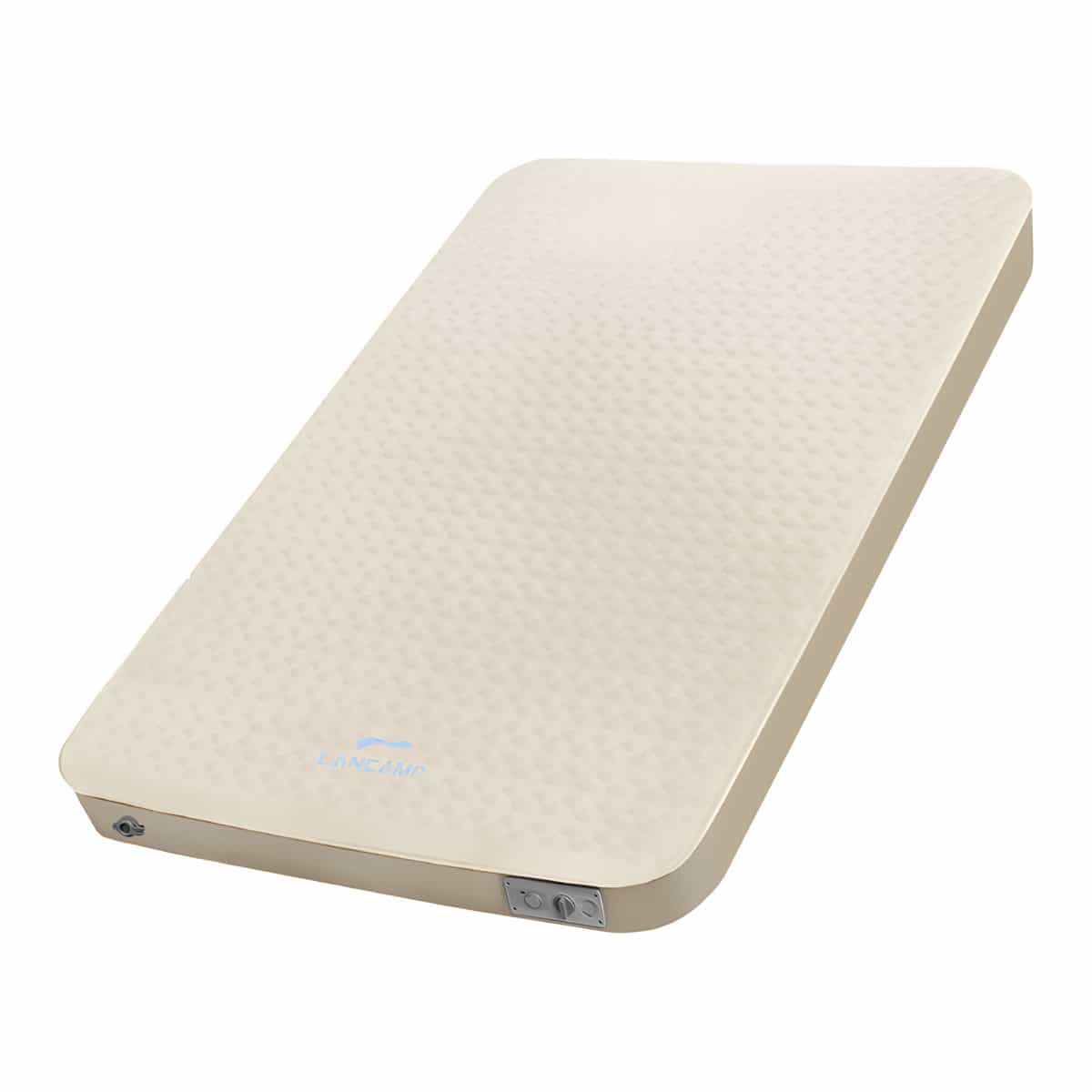
Products to help you on the way
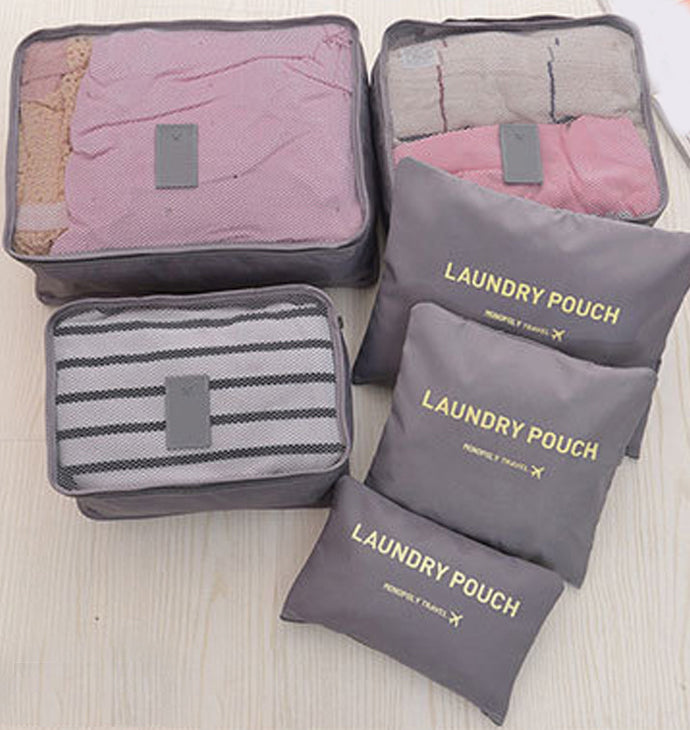


Products in this guide
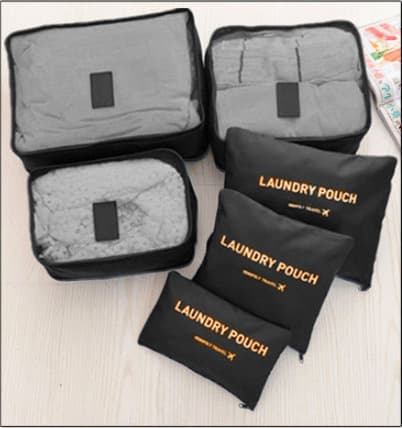

Frequently asked questions
Does rolling clothes really save more space than regular folding?
Yes, definitely. Rolling clothes squeezes out the air trapped in the fabric fibers and lets you pack the clothes much more tightly against each other. It also lets you use small gaps and corners in the suitcase that regular square folding leaves empty.
How do you prevent wrinkles in button-down shirts while traveling?
For button-down shirts, use a flat fold rather than rolling. Button the shirt (at least every second button), fold the sleeves back and place it in the very top layer of the suitcase. For maximum protection, place thin cardboard or tissue paper inside the fold.
Where is the best place for the toiletry bag and shoes in a suitcase?
Heavy, rigid items like shoes and toiletry bags should always go at the bottom of the suitcase, near the wheels. This stops them from sliding and crushing delicate clothes when the suitcase is standing or moving.
What do you do if your clothes got wrinkled in the suitcase anyway?
The simplest tip is to hang the wrinkled clothes on a hanger in the hotel bathroom while you take a hot shower. The hot steam relaxes the fabric fibers and removes most light wrinkles without needing an iron.


