


How to Label Your Suitcase Smartly So It Never Gets Lost
October 23, 2026

To prevent losing suitcases at airports, label them with three layers of protection: a durable outer name tag made of leather or silicone with up-to-date contact details, a smart electronic tracker (such as an AirTag) placed inside the suitcase, and a printed information sheet placed at the top of the main compartment in case the outer tags are torn off in transit.
The story behind the news: why luggage tags are your baggage's lifeline
Yahoo News recently published a remarkable story about a dedicated airline worker who went above and beyond to return valuable luggage tags that a passenger had lost at the airport. Beyond being a testament to exceptional service, this touching story highlights a worrying reality every traveler knows: our luggage tags, which are sometimes our only chance of seeing our gear again, are in constant danger of being torn off, worn out or lost during the rough handling of baggage at airports.
Automated sorting systems at airports work at tremendous speed. Suitcases pass through narrow conveyors, sharp bends and metal chutes. In the process, cheap tags, loose strings and the paper tags airlines provide tend to tear and disappear. When the ID tag is gone and the airline's barcode is damaged, the suitcase becomes "unclaimed baggage", and the way back to you becomes complicated and exhausting.
Camel Mountain experts' "three-layer" strategy for labeling luggage
As a family business that has been accompanying travelers since 1975, we at Camel Mountain know that the best way to deal with lost luggage is to prevent it in advance through redundancy. We recommend the three-layer method:
The first layer: the physical outer tag
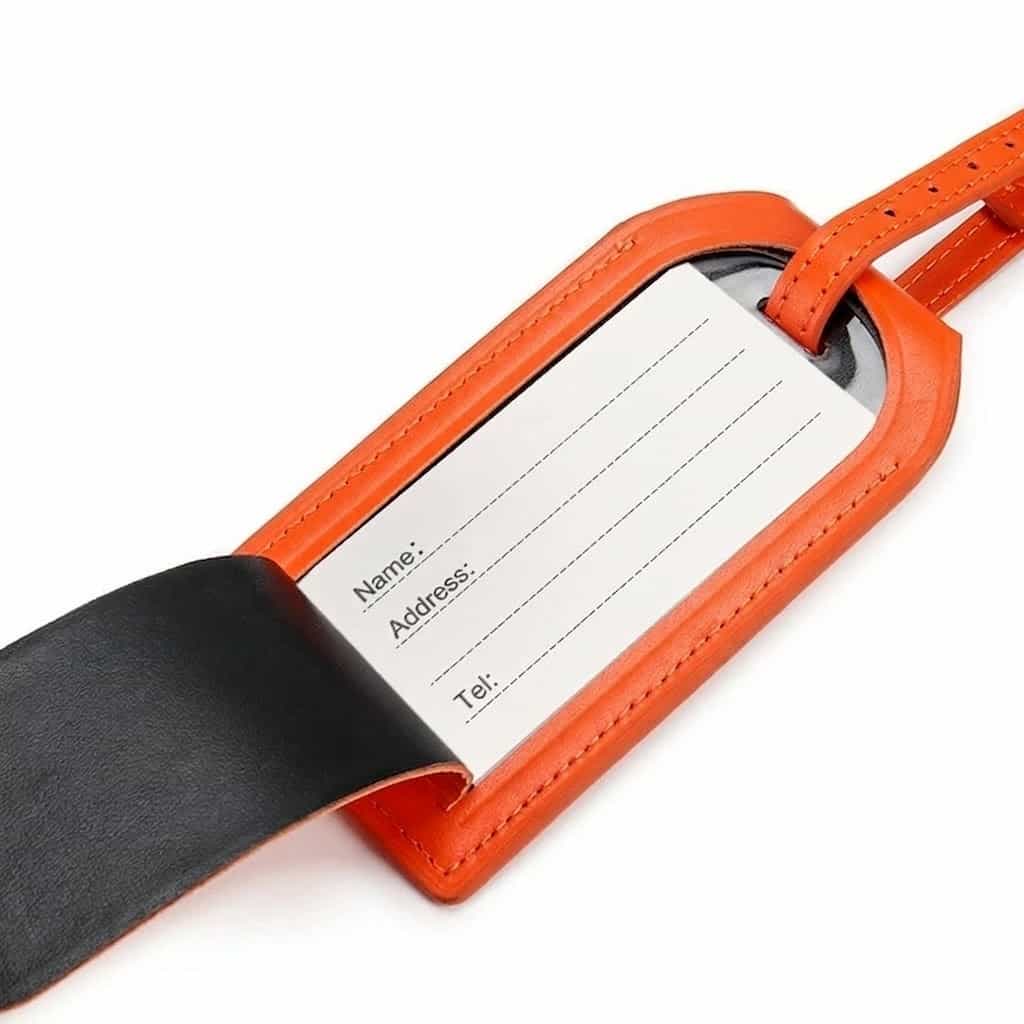
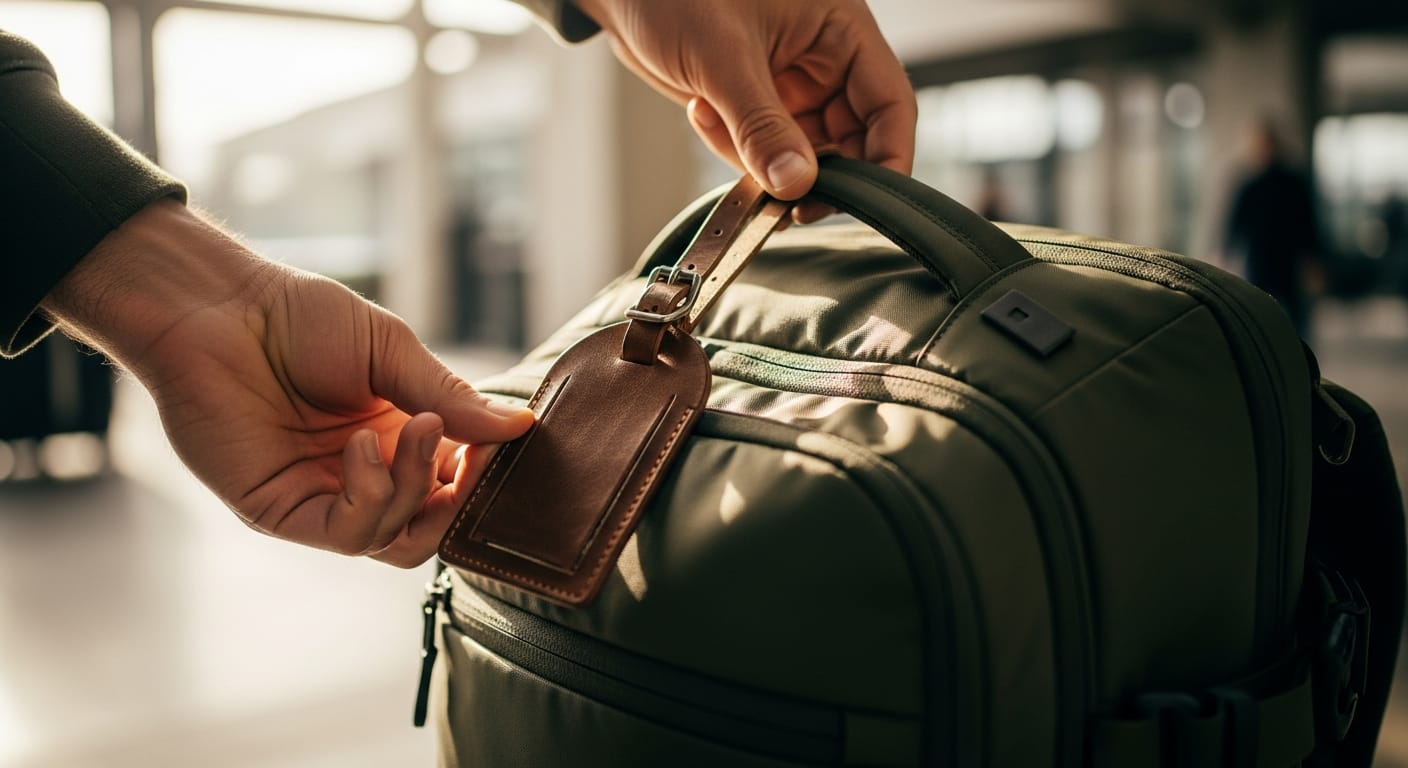
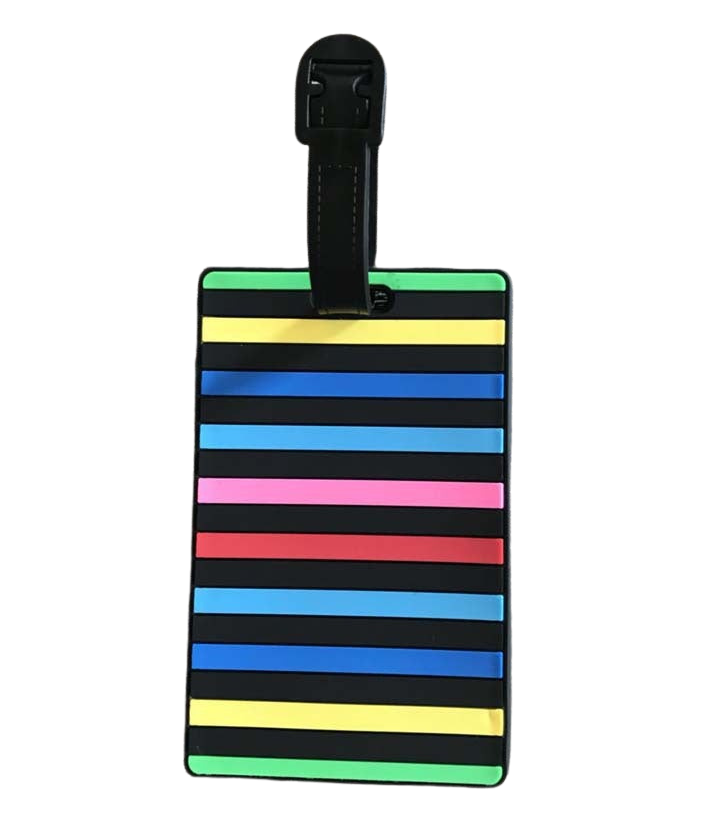
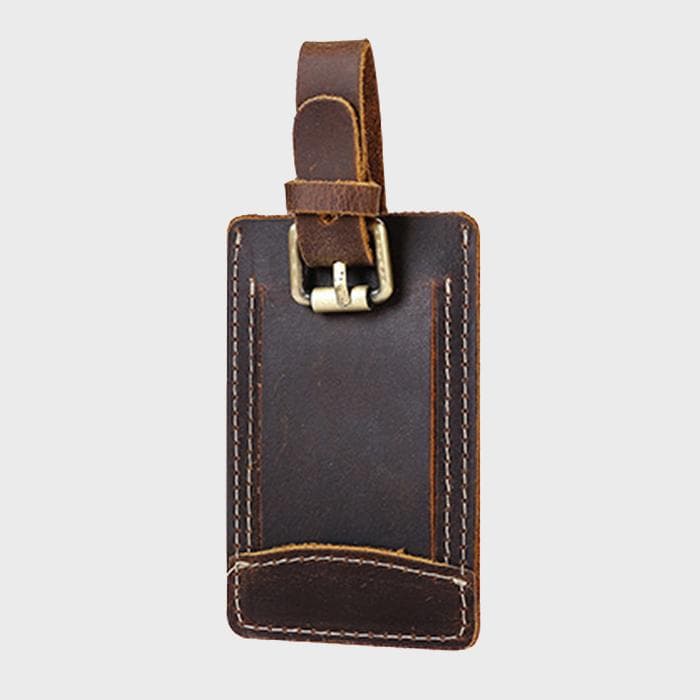
The outer tag must be especially durable, made of tough materials such as thick leather or flexible silicone, and attached to the suitcase with a metal buckle or a screwed steel cable. Tags with elastic string or thin plastic simply won't survive an encounter with baggage conveyors. Choose a tag that hides your personal details under a physical flap, so passersby can't easily read them while you wait in line.
The second layer: digital tracking (GPS / Bluetooth)
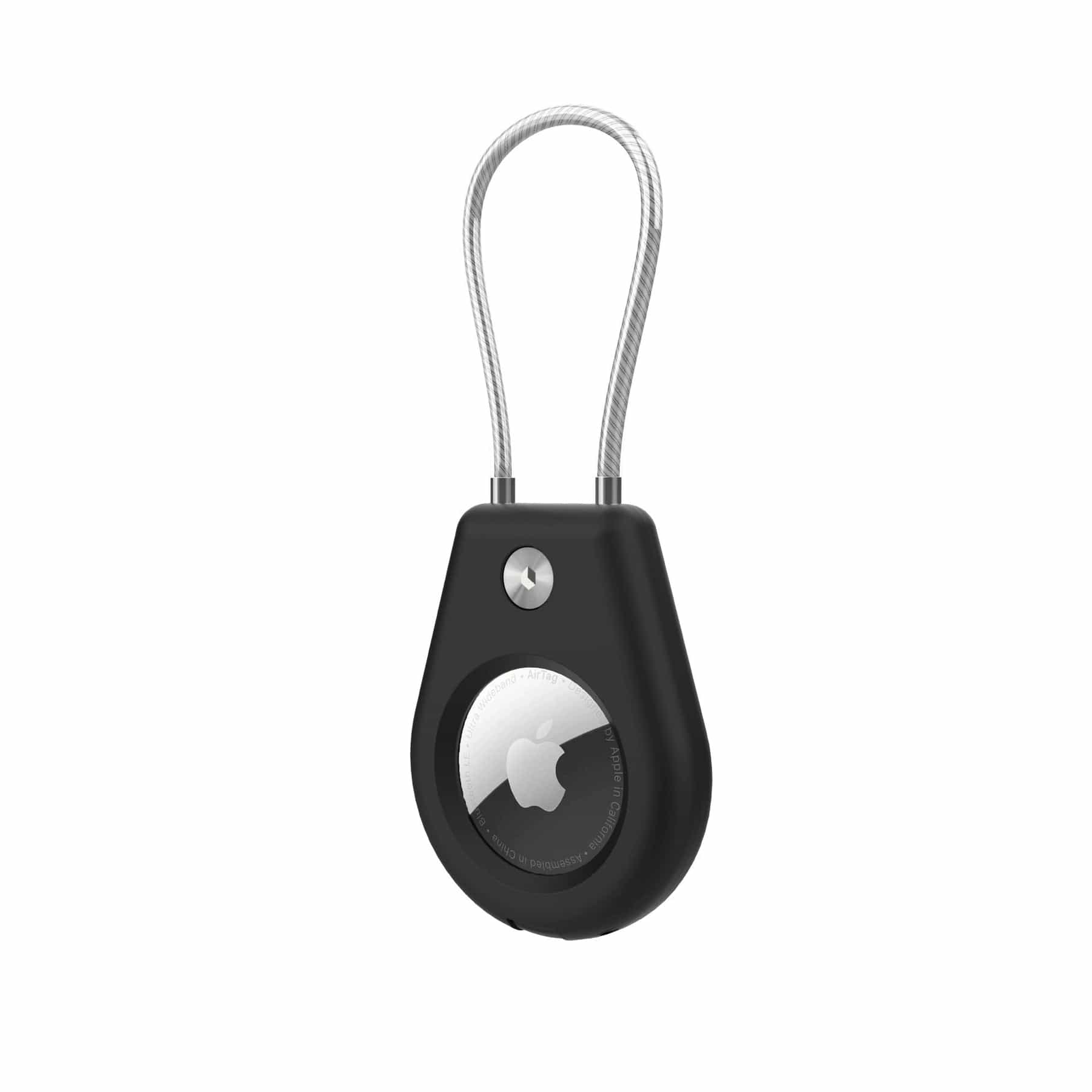
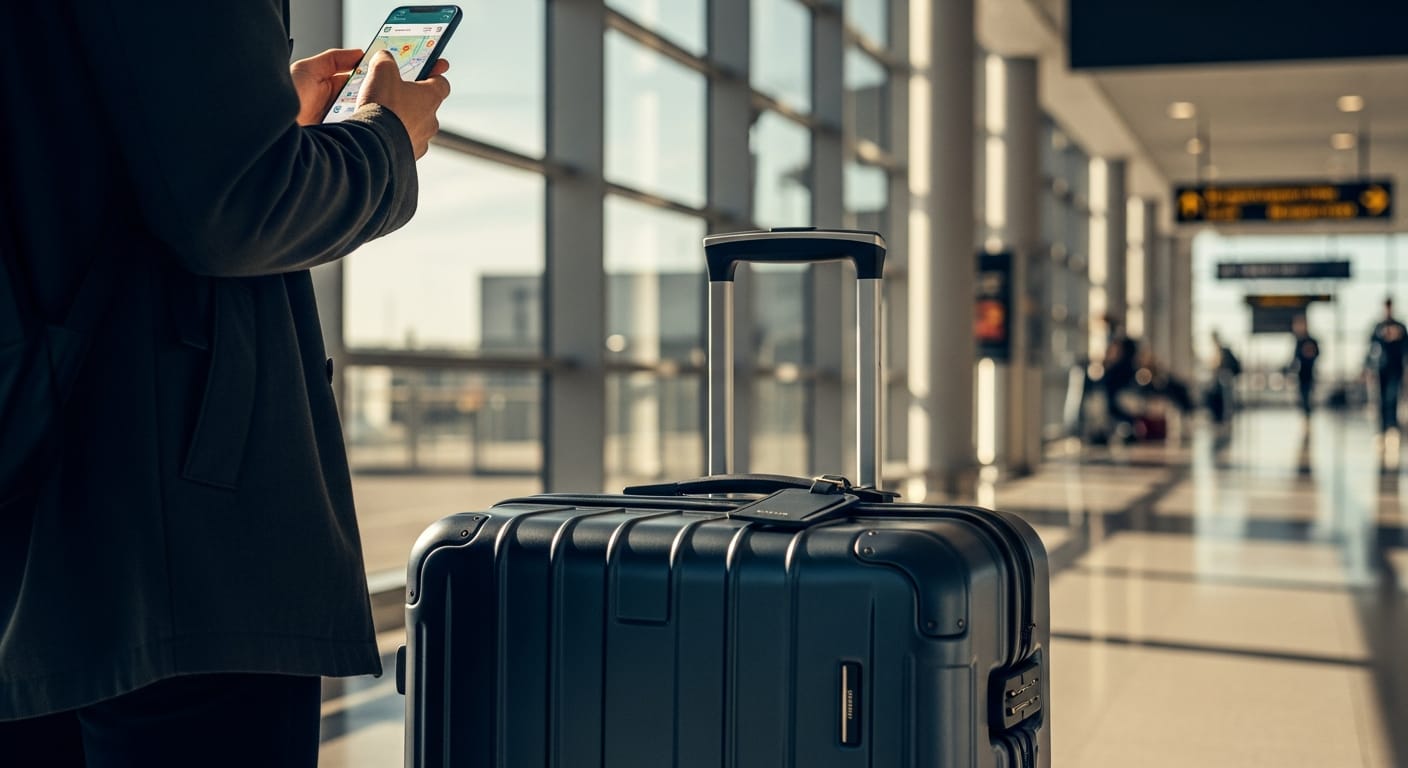
Technology has changed the rules of the game. Putting a smart tracker such as an Apple AirTag or a SmartTag inside your suitcase lets you know exactly where it is in real time. Don't hang the tracker outside the suitcase: it may be stolen or torn off. Put it in a dedicated inner pocket or use a secure silicone holder attached to the suitcase lining.
The third layer: the internal backup (the frequent flyer's secret)
What happens if the suitcase was handled especially roughly and all the outer tags were torn off? This is where the third layer comes in. Print a simple A4 sheet with your name, phone number (including the international dialing code), email address and flight itinerary (flight numbers and dates). Place this sheet right at the top of the suitcase, above the clothes, so that the moment security staff or airline workers open the suitcase to try to identify it, it's the first thing they see.
Comparing luggage ID options: what suits you best?
To help you choose the right combination, we gathered the pros and cons of the common labeling options:
| Type of ID | Main advantages | Potential drawbacks | Reliability |
|---|---|---|---|
| Classic leather tag with buckle | Very durable, elegant look, protects your privacy. | May get scratched or dirty over the years. | Very high |
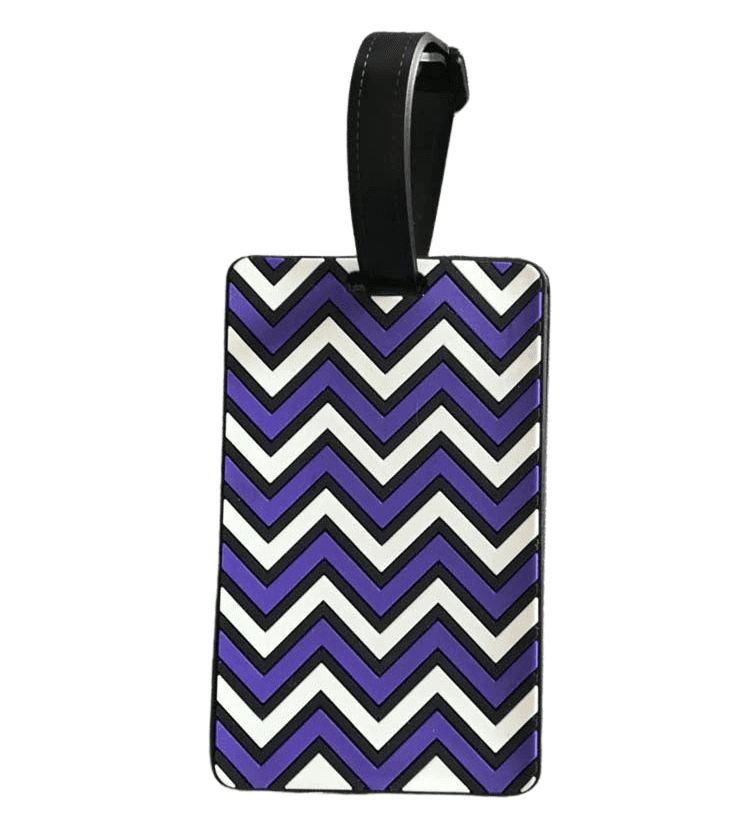
| Colorful silicone tag | Flexible, very visible on the baggage carousel, waterproof. | Less formal, may attract unwanted attention. | High |
| Smart tracker (AirTag and similar) | Real-time tracking worldwide, complete peace of mind. | Needs a battery, depends on a network of nearby devices, more expensive. | Excellent (as an internal backup) |
| Airline paper tag | Free, available at every check-in desk. | Tears very easily, gets wet in the rain, not reusable. | Very low |
Information security on the road: what should you never write on a luggage tag?
Many travelers make a critical mistake and write their full home address on the outer luggage tag. Today, that's a serious security risk. Potential burglars hanging around airports can see your address, realize you're currently on your way abroad (and your home is empty), and take advantage of it.
What should you write?
- Full name: as it appears on your passport and boarding pass.
- Mobile phone number: always include your international dialing code, so they can reach you from abroad too.
- Email address: a stable, safe communication channel that doesn't depend on cellular reception or a local SIM.
Winning tips for preventing lost luggage
Beyond physical labeling, here are a few habits of professional travelers that will make sure your suitcase always reaches its destination:
- Remove old stickers: on every flight, small barcodes (routing stickers) are stuck on your suitcase. If you don't remove them, automated sorting systems may scan an old barcode and send your suitcase to the destination of last year's trip.
- Photograph the suitcase: before handing the suitcase over at check-in, photograph it with your phone from every angle, including its name tag. If it gets lost, you can show the lost baggage staff exactly what it looks like, instead of trying to describe it in words.
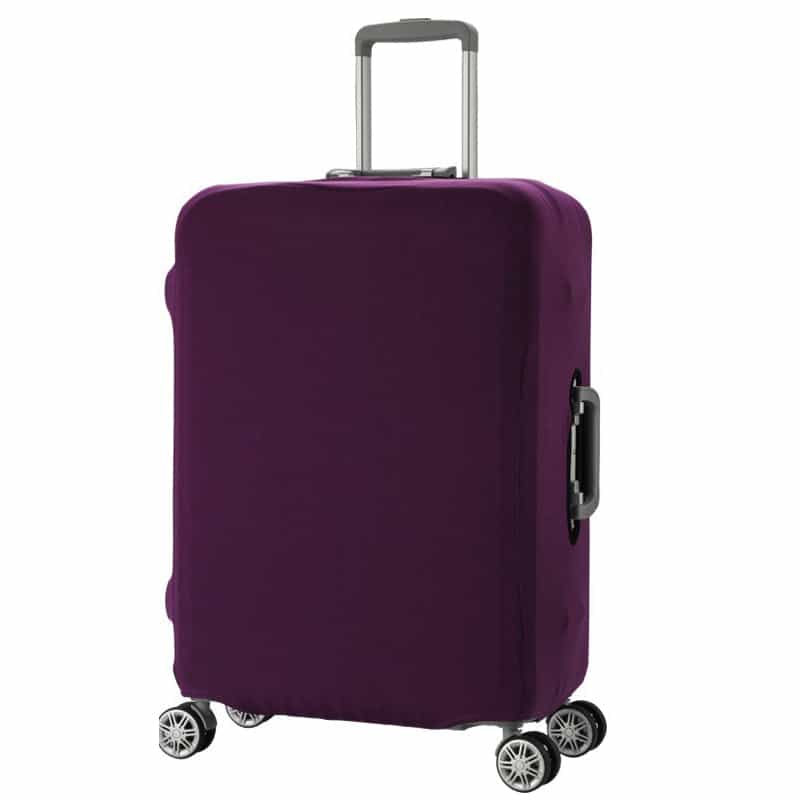
- Choose a distinctive suitcase or use an identifying accessory: most suitcases in the world are black or navy blue. It's very easy to get confused and take someone else's suitcase by mistake. A unique, colorful name tag or an elastic suitcase cover will help you spot your suitcase from afar and stop others from taking it by mistake.
Based on a report: Airline Worker Goes the Extra Mile to Return Lost Luggage Tags, Yahoo
Products that will help you on the way


Products in this guide

Frequently asked questions
Can you put an AirTag inside a suitcase that goes in the hold?
Yes. Major airlines and international aviation bodies (such as the FAA and IATA) have officially confirmed that smart trackers such as AirTags may be used inside checked baggage, because they use low-energy Bluetooth technology and small batteries that pose no danger.
Why is a leather tag better than a simple plastic one?
Cheap plastic tags tend to break and dry out because of the extreme temperature changes in the hold. Quality leather or silicone tags offer much greater flexibility and resistance to scuffs and knocks, and last for many years of flights.
What should I do if my suitcase didn't arrive on the carousel?
Don't leave the arrivals hall before you go to the baggage tracing desk (Lost & Found) at the airport. Show them the barcode you received at check-in, fill out a PIR form (Property Irregularity Report), and show them the suitcase's location in your tracking app if you have a smart tracker.
Should I write my hotel address on the tag?
Write your hotel or accommodation address only on the backup sheet you place inside the suitcase, or use an outer tag that lets you change details quickly, so that if the suitcase is lost on the outbound trip, the airline knows where to send it.
Should I write my home address on the luggage tag?
No, avoid it for personal security reasons. Writing your home address may signal to potential burglars that your home is empty right now; a phone number with an international dialing code and an email address are enough.
What should I do if my suitcase got lost anyway?
Go straight to the airline's lost and found desk before you leave the arrivals hall and fill out a PIR report. If you used a smart tracker, show the agent the exact location of the suitcase to speed up finding it.


