


How to Measure Suitcase Size: The Complete Guide to Measuring Correctly for Your Flight
October 23, 2026
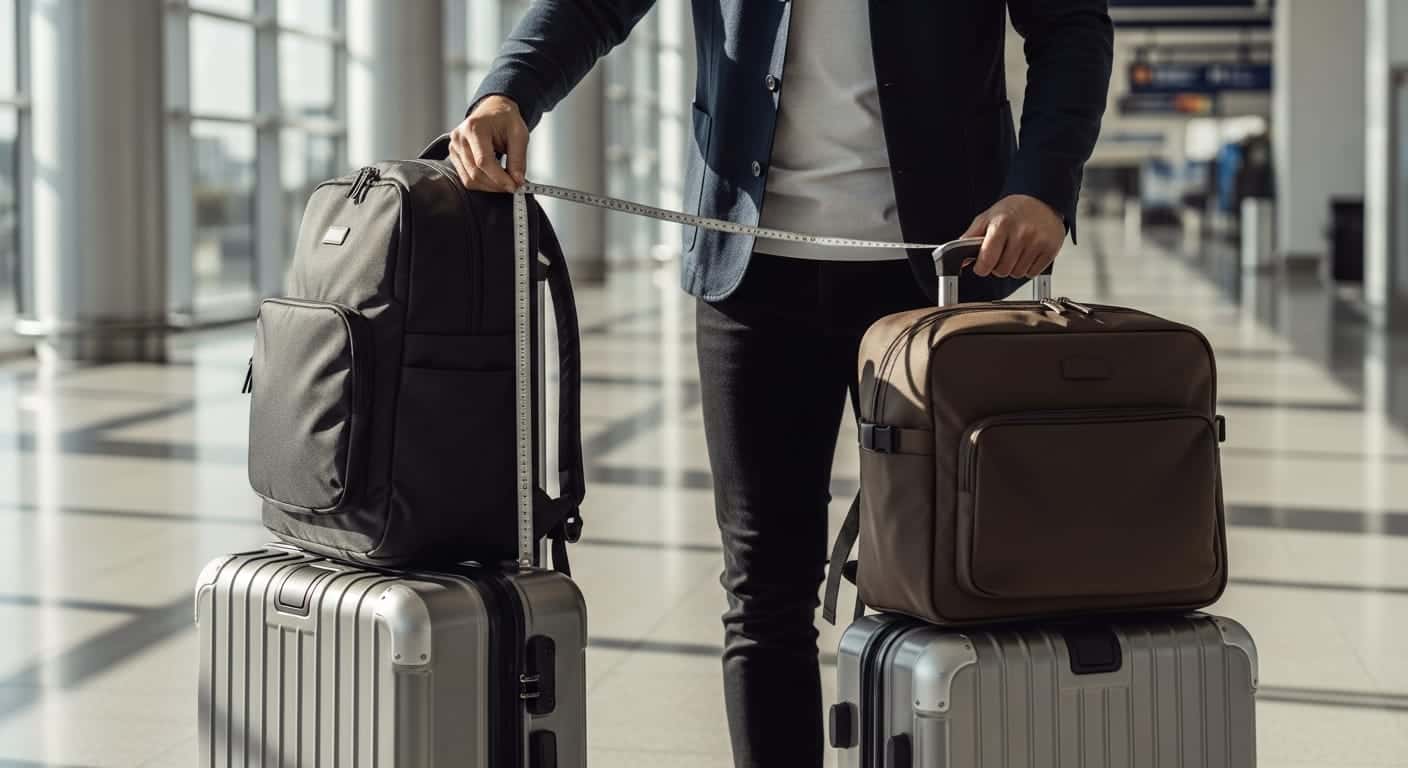
To measure a suitcase accurately, measure its three dimensions in centimeters: height (including wheels and the folded handle), width and depth (including bulging pockets). Multiply the three numbers and divide by 1,000 to get the suitcase's volume in liters. Most airlines require a carry-on suitcase to be no larger than 55x40x20 cm.
Why measuring correctly matters: the difference between smooth boarding and a fee
The days when airlines turned a blind eye to oversized suitcases are over. Today, especially on low-cost flights (like Ryanair, Wizz Air or easyJet) but also with scheduled airlines like El Al, the boarding gate has become a strict checkpoint. Going over the limit by just a few centimeters can lead to a demand to send the suitcase to the hold, a pleasure that will cost you tens or even hundreds of dollars at the last minute.
Measuring correctly at home, before you even start packing, gives you peace of mind. It lets you know exactly which category your suitcase belongs to: a small backpack that fits under the seat, a standard carry-on trolley, or a large suitcase that must go in as a checked bag.
Step-by-step guide: how do you actually measure a suitcase?
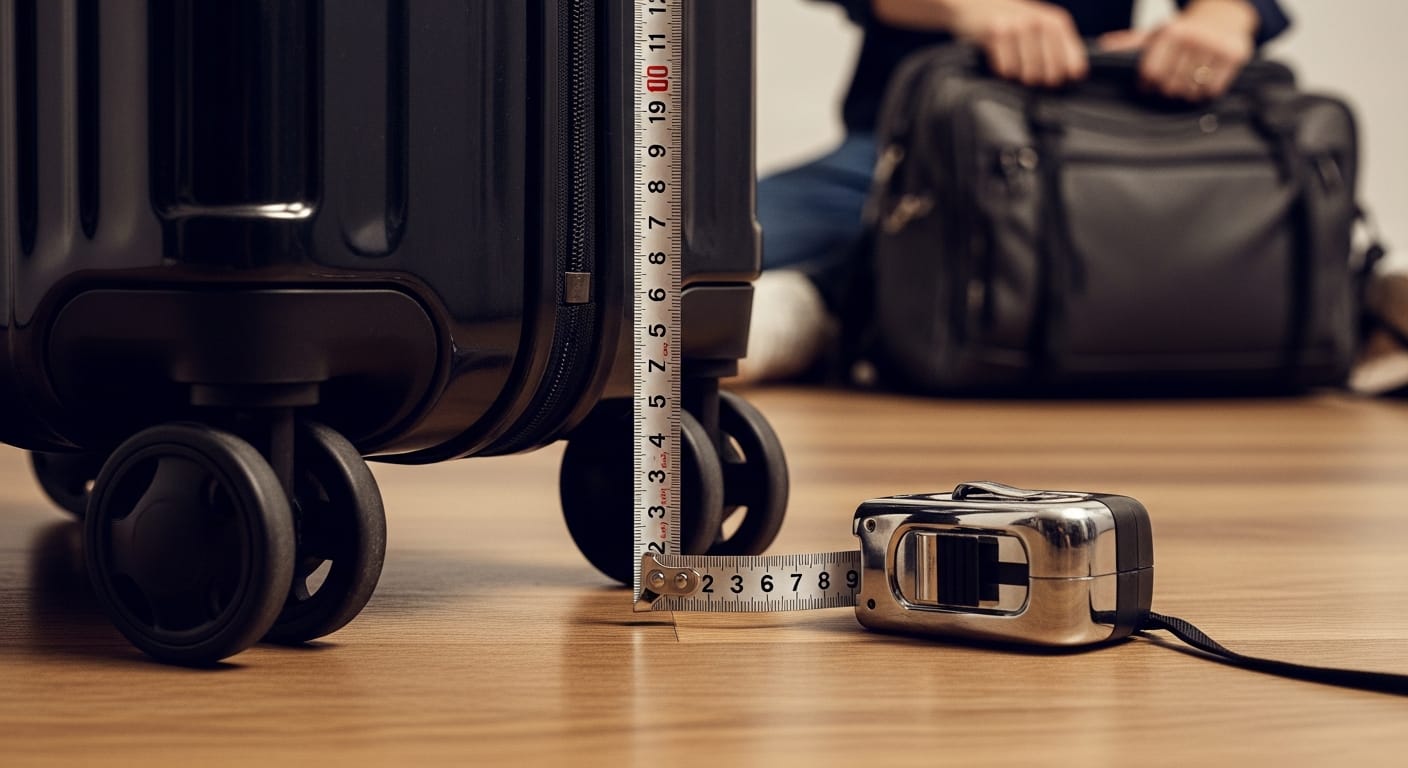
To get the real dimensions of your suitcase, grab a flexible tape measure and follow these instructions. Remember: airlines go by the widest outer points of the suitcase.
1. Measuring the height
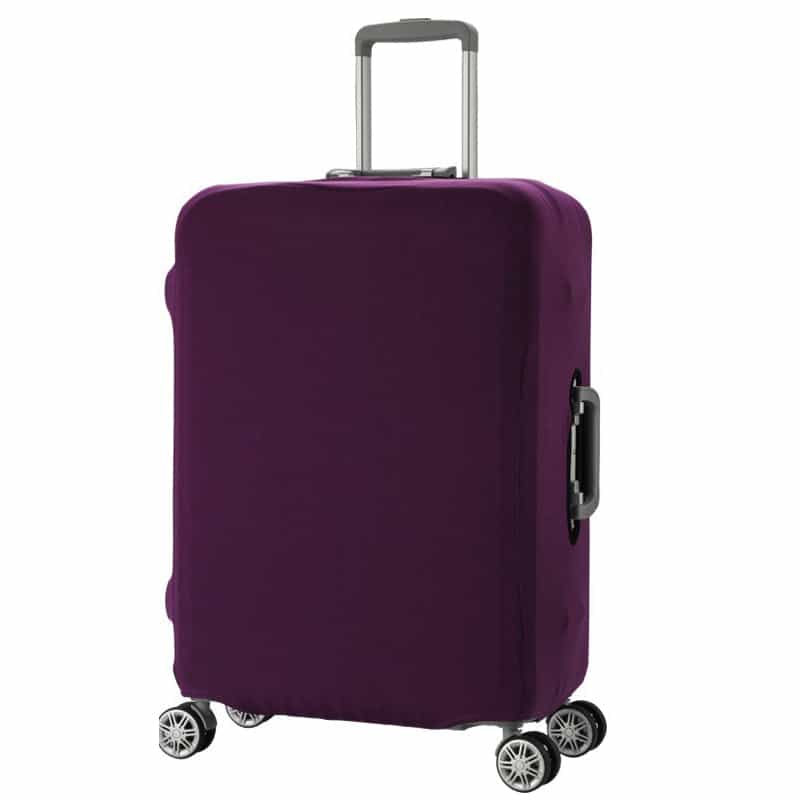
The most common mistake is measuring only the body of the suitcase. To measure correctly, stand the suitcase steadily on the floor. Stretch the tape measure from the floor (right at the bottom of the wheels) to the highest point of the suitcase, which is usually the top carry handle when it is closed and fully folded down.
2. Measuring the width
Measure from one side of the suitcase to the other. Place the tape at the widest point. Note: if the suitcase has a protruding side carry handle or small plastic feet on the side for standing it up, include them in the measurement, because they can get stuck in the sizers at the airport.
3. Measuring the depth
Measure the thickness of the suitcase from the back to the front. Here it is important to pay attention to outer pockets: if your suitcase is made of fabric (a soft suitcase) and you loaded the front pockets with passports, books or chargers, the depth will grow significantly. Measure the suitcase when it is packed and full.
4. How do you measure an expandable suitcase?
Many suitcases have an expansion zipper that adds volume. When measuring at home, decide whether you plan to fly with it closed or expanded. A suitcase that meets the carry-on standard when closed can easily exceed it once you open the expansion zipper.
Size and comparison table: inches vs centimeters and volume in liters
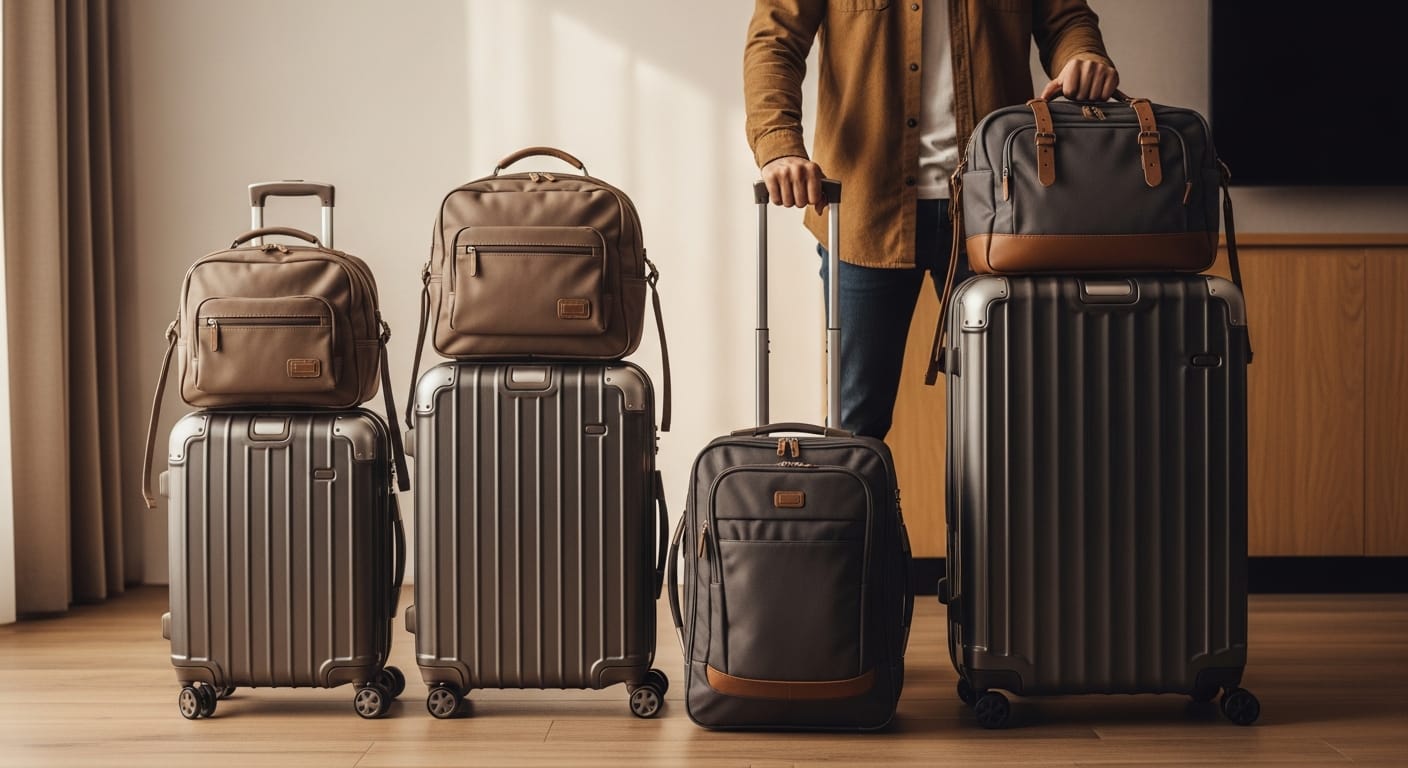
In the luggage industry sizes are usually described in inches (which usually refer to the height of the suitcase body without wheels). To make things clear, we gathered the most common sizes, their average dimensions in centimeters (including wheels) and their average volume in liters:
| Size in inches | Average dimensions in cm (height x width x depth) | Average volume in liters | Recommended use |
|---|---|---|---|
| 18" - 20" | 55 x 40 x 20 | 35 - 45 liters | Carry-on (cabin trolley), short trips of 2-4 days |
| 24" | 65 x 43 x 26 | 60 - 75 liters | Medium checked suitcase, one-week trips |
| 28" | 75 x 48 x 30 | 90 - 110 liters | Large checked suitcase, trips of two weeks or more |
| 32" | 82 x 53 x 34 | 120 - 140 liters | Extra large suitcase, family trips or relocation |
How do you calculate a suitcase's volume in liters?
If your measurements are in centimeters and you want to know the theoretical volume of the suitcase in liters, the formula is very simple:
Height (cm) x width (cm) x depth (cm) / 1,000 = volume in liters
For example, if you measured a cabin suitcase and got 55 cm height, 40 cm width and 20 cm depth:
55 * 40 * 20 = 44,000
Divide by 1,000 and you get a gross outer volume of 44 liters. In practice, the net inner volume will be a little smaller because of the thickness of the walls, the inner dividers and the trolley handle mechanism that runs along the back of the suitcase.
Common mistakes when measuring suitcases (and how to avoid them)
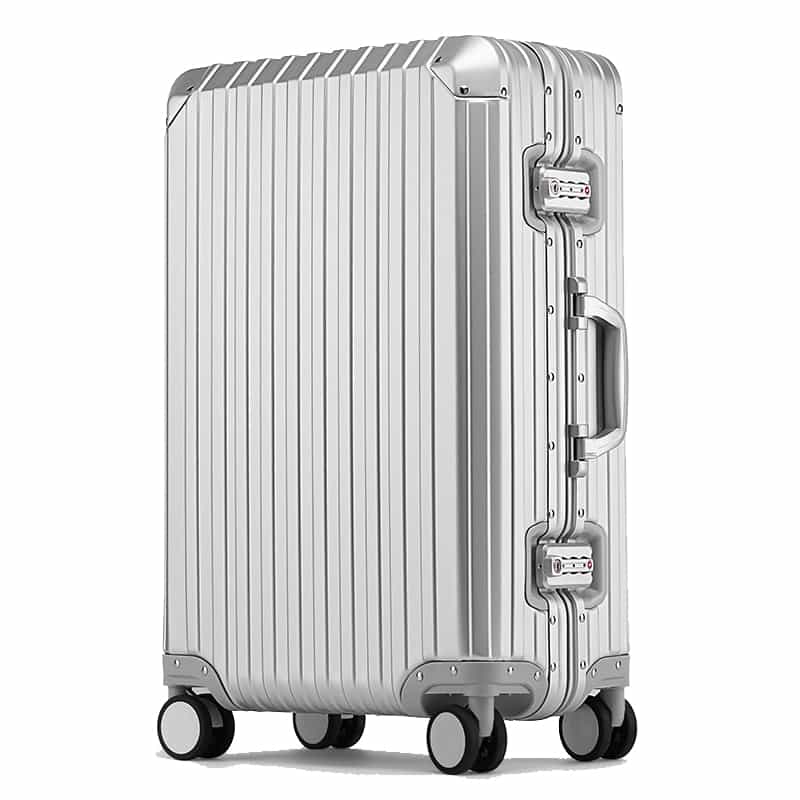
- Ignoring the wheels: 360 degree spinner wheels add 5 to 7 cm to the total height of the suitcase. Airlines won't accept excuses like "but the suitcase itself is small". The wheels must fit into the sizer.
- Measuring the suitcase when it is empty: fabric suitcases tend to expand and bulge when they are full. Always do a final measurement after the suitcase is fully packed.
- Relying on old manufacturer data: sometimes manufacturers list the dimensions of the suitcase body without the wheels (an industrial measurement). Don't rely on the old label: take a tape measure and measure it yourself.
Camel Mountain's golden tip for a calm trip
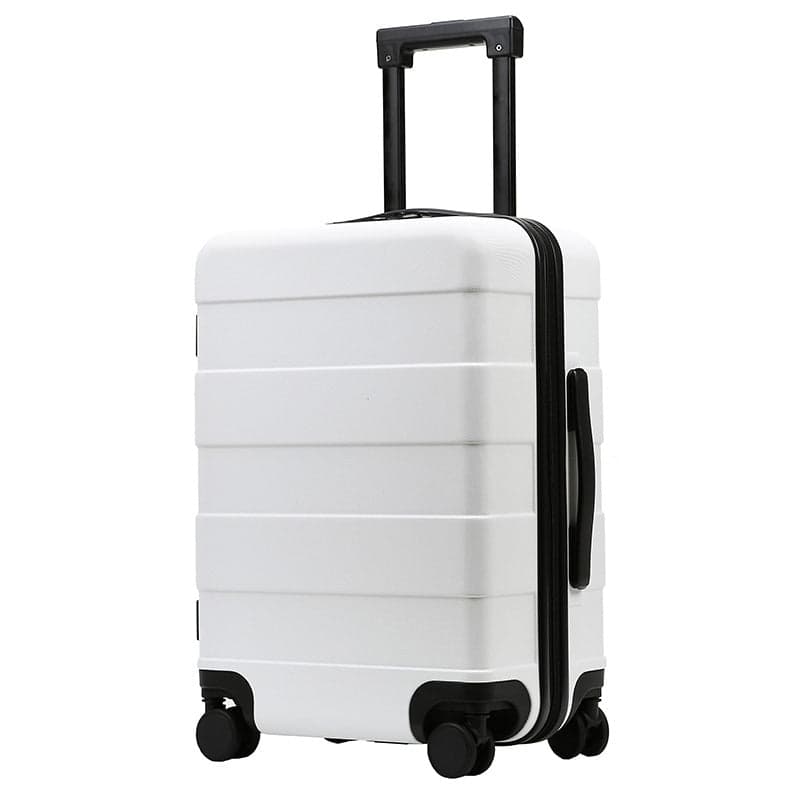
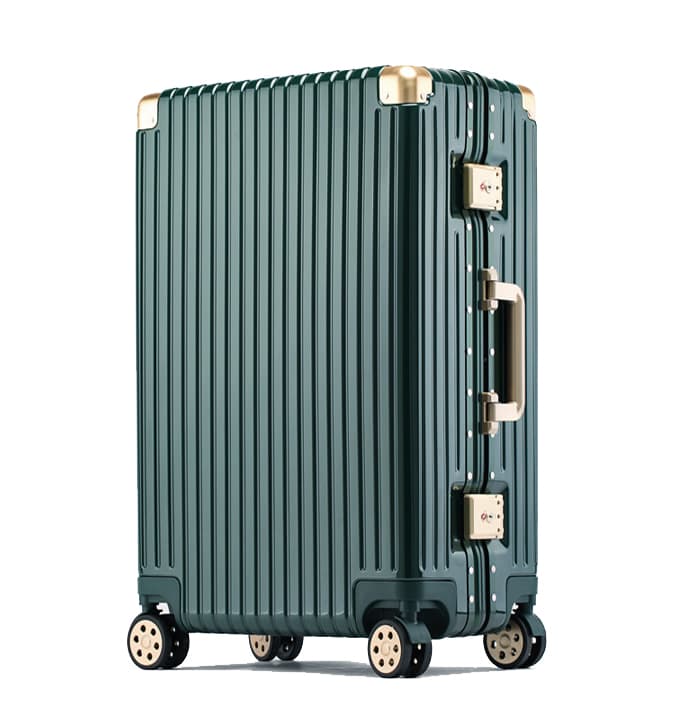
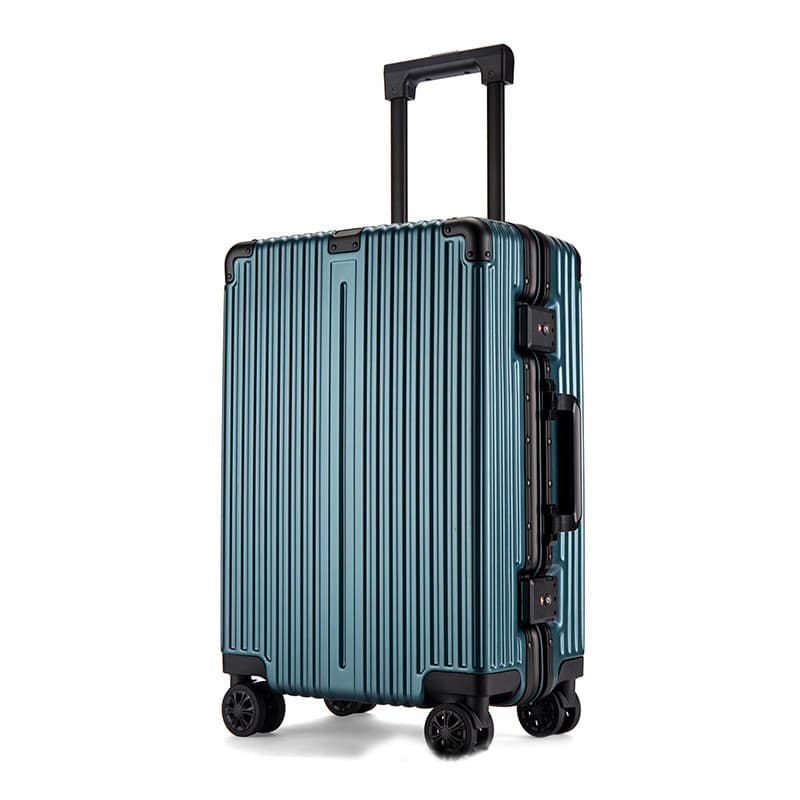
When you buy a new suitcase, always look for the full technical specs stating "dimensions including wheels". Quality, experienced brands that know the requirements of international airlines make a point of listing these exact dimensions to spare you unpleasant surprises at the boarding gate. It is also a good idea to get a small digital luggage scale to make sure that, beyond the physical dimensions, your suitcase doesn't exceed the weight limit (usually 8-10 kg for the cabin and 20-23 kg for a large suitcase).
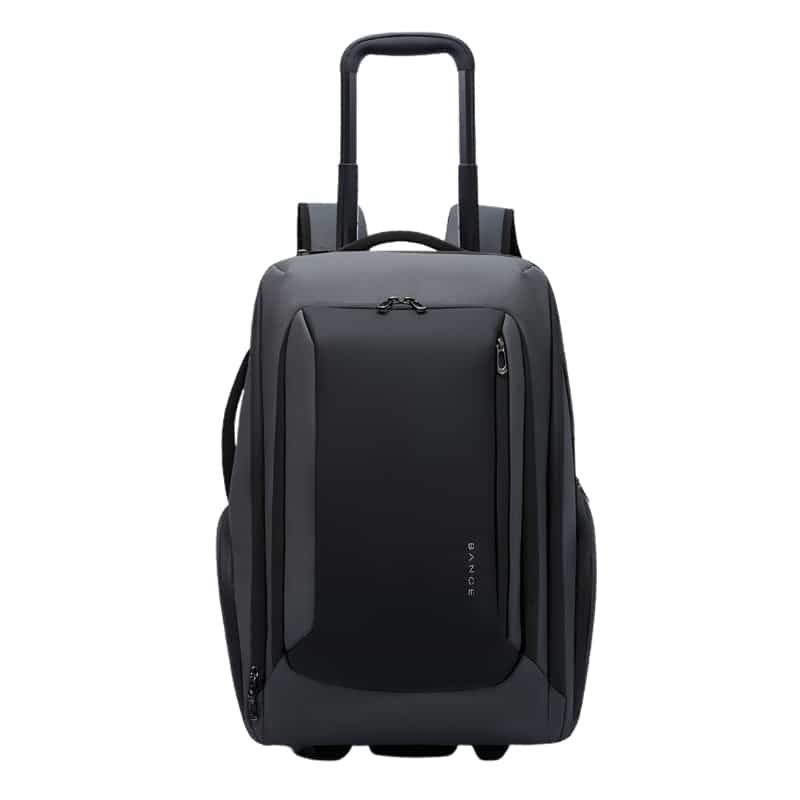
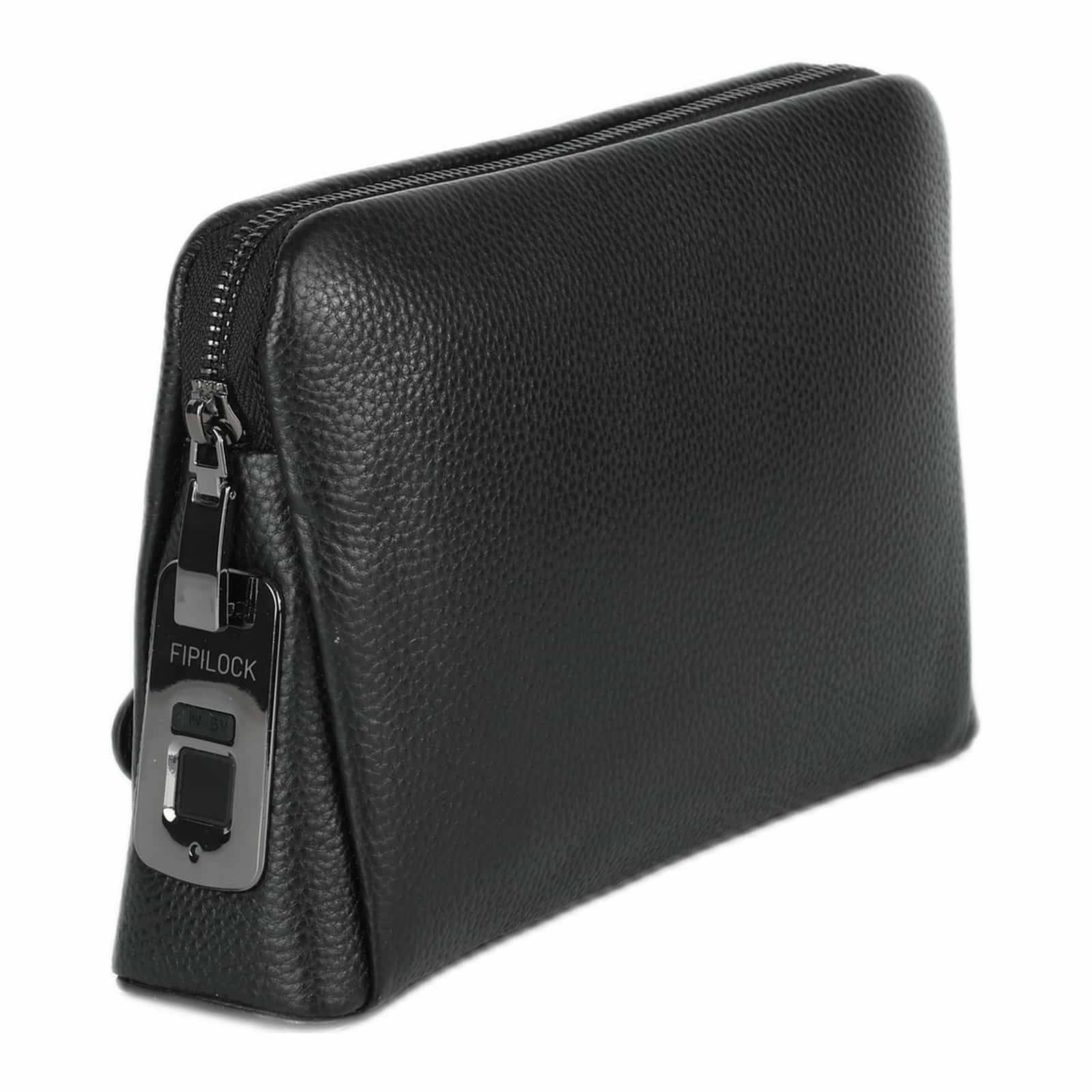
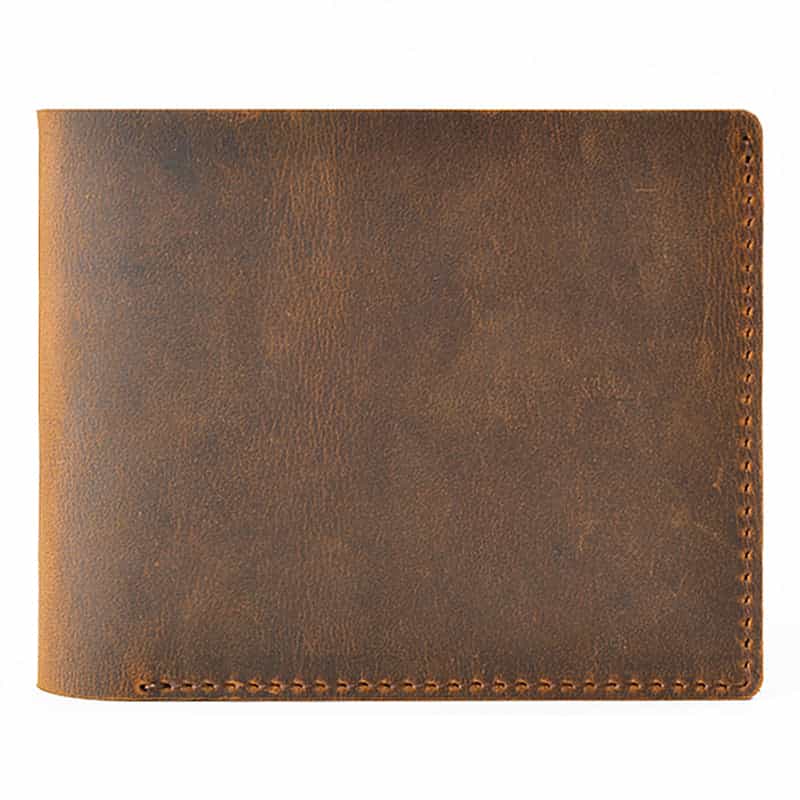
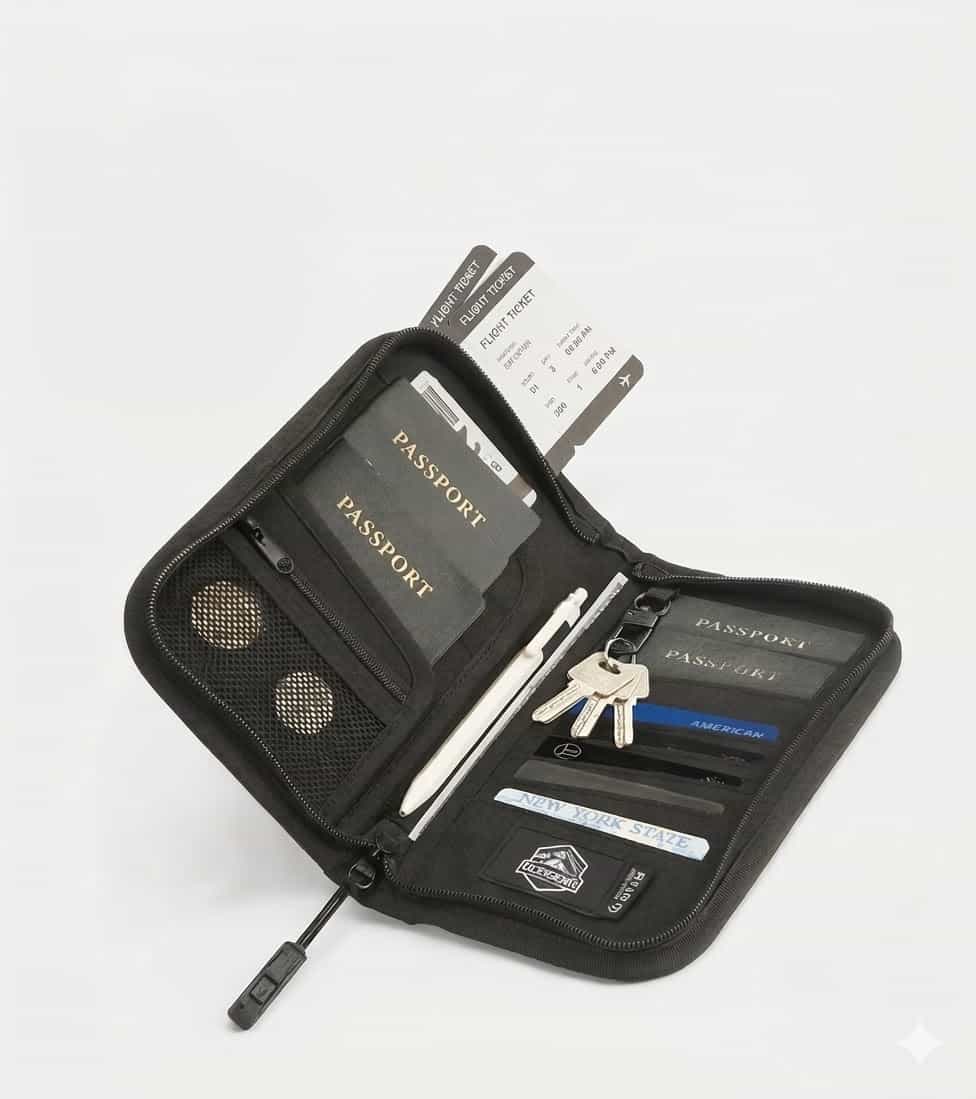
Products that will help you on the way


Products in this guide
Frequently asked questions
Are the wheels included in the suitcase dimensions the airline requires?
Yes, definitely. Airlines measure the suitcase in a dedicated sizer at the airport. Every protruding part, including wheels, carry handles and plastic feet, must fit into the measuring frame to avoid an excess fee.
What is the difference between a 20 inch and a 24 inch suitcase?
A 20 inch suitcase is a carry-on (trolley) suited to short trips of 2-4 days that fits in the overhead bin. A 24 inch suitcase is a medium size that must go in the hold as checked luggage and suits trips of about a week.
How do you calculate a suitcase's volume in liters?
The formula is simple: multiply the height by the width and the depth (in centimeters) and divide the result by 1,000. For example, a suitcase measuring 55x40x20 cm gives a theoretical volume of 44 liters.
Does an expandable suitcase change its official dimensions?
Yes. The expansion zipper usually adds 3 to 5 cm to the depth of the suitcase. When expanded, it may exceed the dimensions allowed in the cabin, so use the expansion mainly when the suitcase goes in the hold.


