
How to Pack for a Family Day Hike During the Sukkot Holiday
October 23, 2026
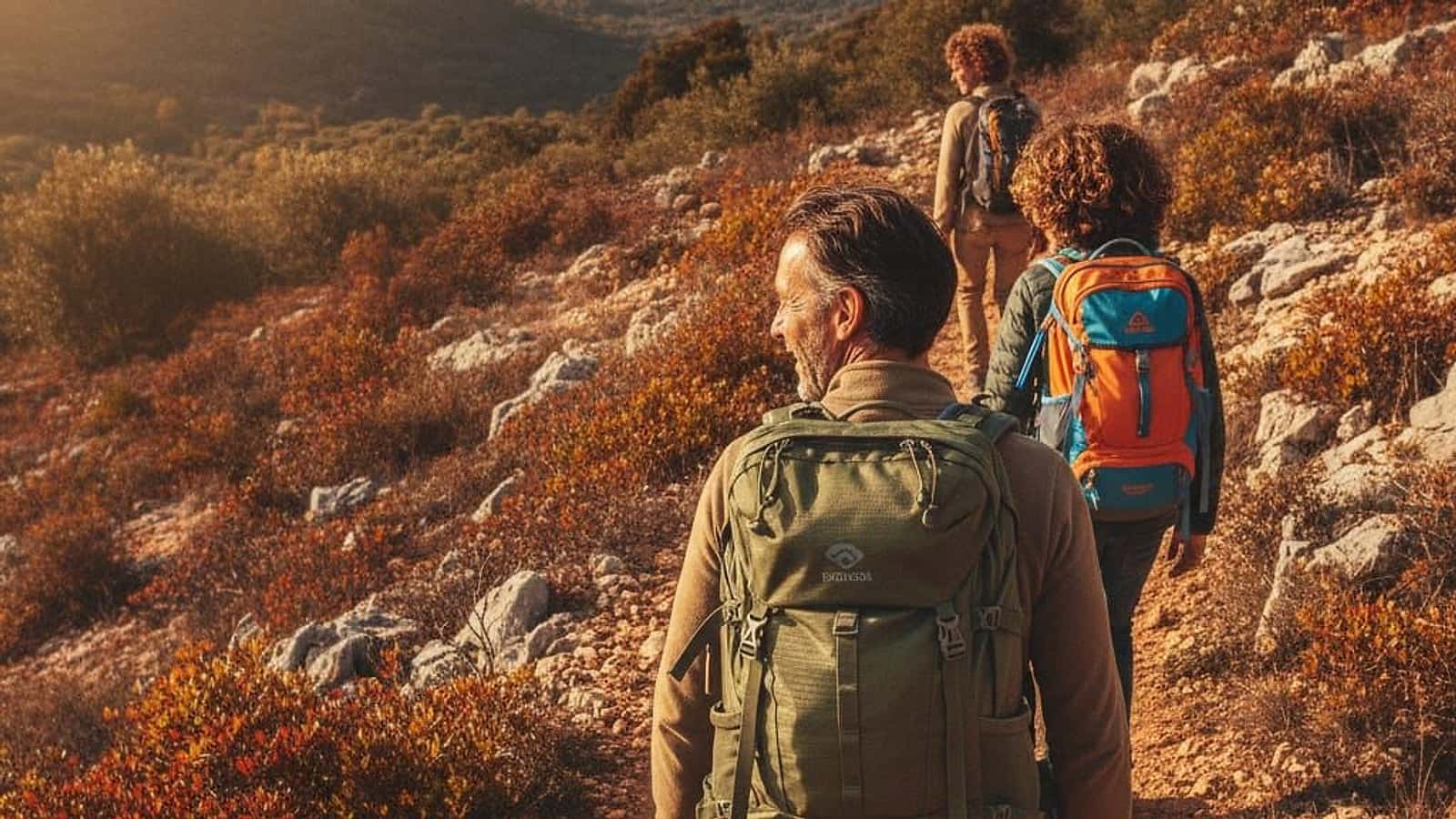
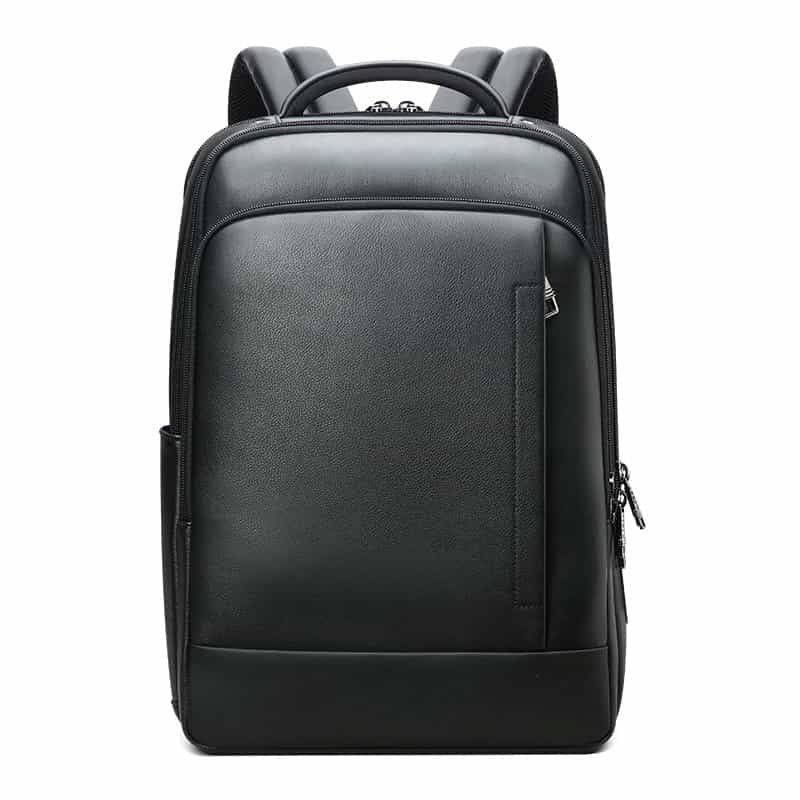
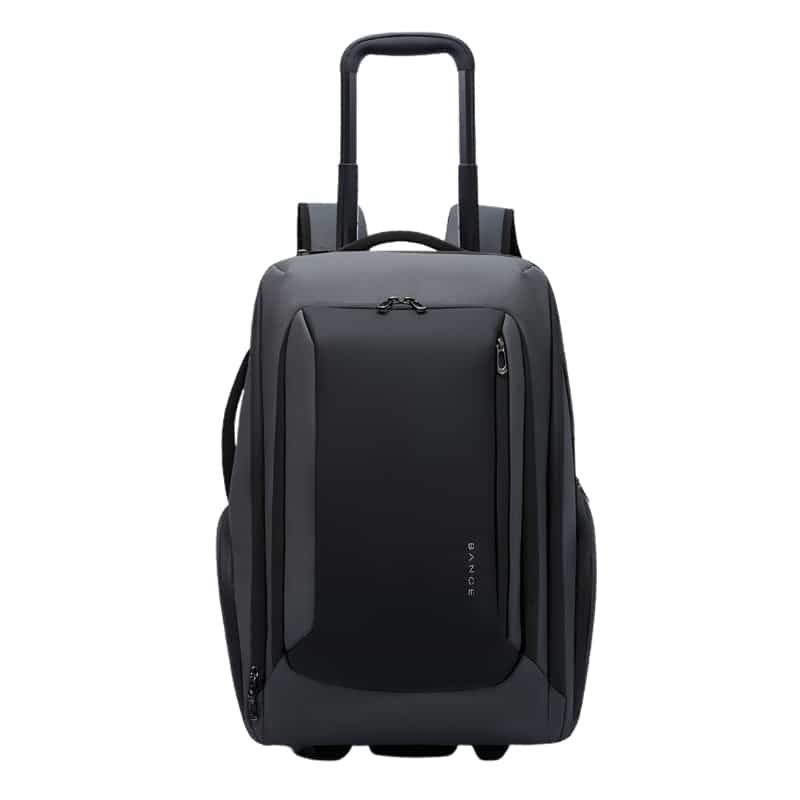
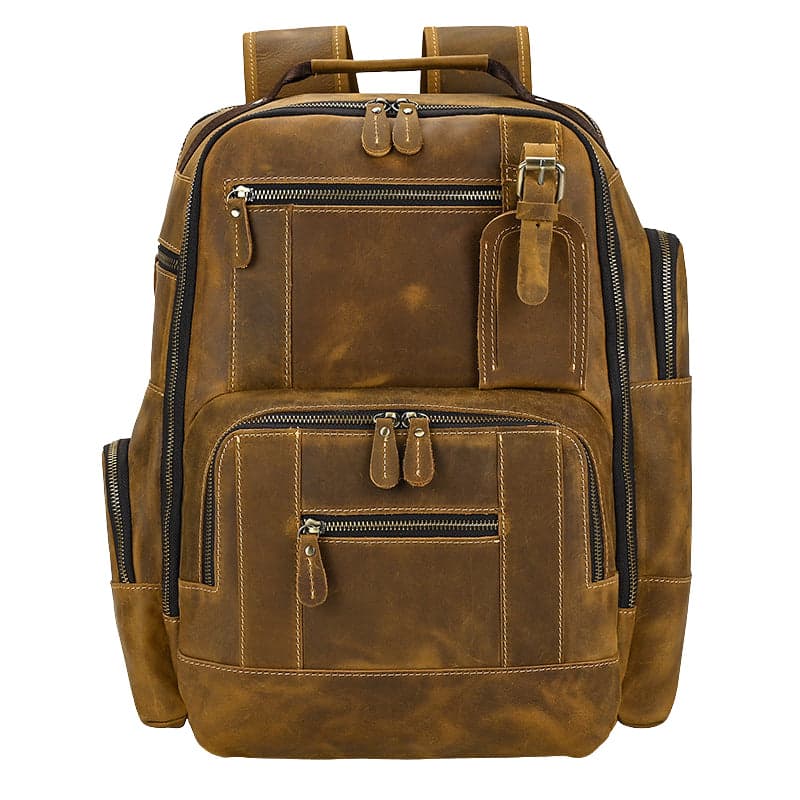
To pack properly for a day trip during the Sukkot holiday, get a 20 to 30 liter backpack with a padded back system. Organize your gear the ergonomic way: heavy items (like water) close to your back, first aid and food within quick reach at the top, and light clothes at the bottom. Remember to spread the weight evenly to avoid strain on your shoulders and back while you walk.
Choosing the perfect bag: why 20 to 30 liters is the sweet spot
The intermediate days of Sukkot are the golden season for hikers in Israel. The weather starts to soften, the heavy heat of August is behind us, and nature calls us out onto the trails. But for a full family day hike at Nahal Tavor, at Sataf or in the Judean Desert to go smoothly and with a smile, everything starts and ends with your backpack.
For a day trip, a bag of 20 to 30 liters (known in the trade as a daypack) is the most accurate choice. A smaller bag will not hold enough water and changes of clothes for everyone, while a larger pack (like 50 liter backpacker packs and up) will simply be heavy, bulky and wear you out before you reach the halfway point. A good daypack should be light in itself, with wide, padded shoulder straps and a breathable back system that keeps you from reaching the car with a soaked back.
The three-layer method: how to organize the inside of the bag ergonomically
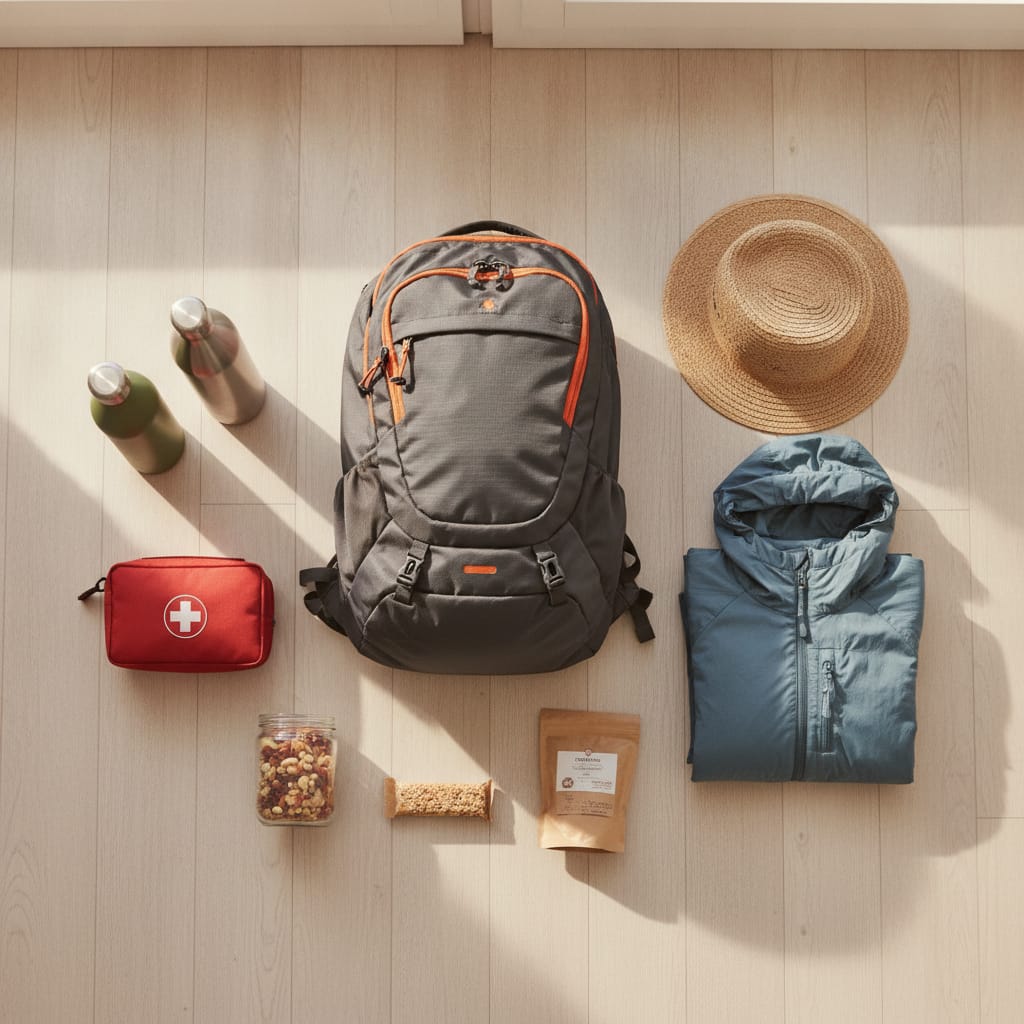
Packing properly is not only a question of "what fits" but mainly of "where it goes". Poor weight distribution can make the bag pull you backward, load your lower back and cause unnecessary shoulder pain. To avoid this, we at Camel Mountain recommend working with the ergonomic three-layer method:
| Position in the bag | Type of gear | Why it matters |
|---|---|---|
| Bottom of the bag | Light, bulky gear (a change of clothes, a light towel, a windbreaker) | Creates a stable, soft base for the bag and does not weigh on your lower back. |
| Middle of the bag (close to your back) | Heavy items (water bottles, a camping stove, heavy food containers) | Keeps your center of gravity close to your spine and prevents a backward pull. |
| Top and outer pockets | Quick-access gear (first aid kit, energy bars, sunscreen, wallet) | Lets you grab essentials within seconds without unpacking the whole bag on the trail. |
Water, food and first aid: the gear list you must not leave at home
Autumn in Israel can be deceptive. One day is pleasant and cool, and the next an autumn heat wave hits hard. So the first rule is water. The official recommendation for a day hike is at least 3 liters of water per adult and 2 liters per child. Split the water between small bottles or use a hydration bladder, which spreads the weight perfectly along your back and lets you drink on the move.
As for food, skip chocolate or anything that melts in the heat. Prefer dried fruit, nuts, well-wrapped sandwiches and sweet and salty energy bars that quickly restore salts and sugar to the body. A basic first aid kit with band-aids, antiseptic, an elastic bandage, painkillers and wet wipes is a must in every family bag.
Hiking with kids over the holiday without losing your mind
A hike with the kids during the holiday is a wonderful bonding experience, but it needs special preparation. To make them an active part of the journey, give them a small backpack of their own. The medical rule says a child's bag should not weigh more than 10% of their body weight. A small water bottle, a hat and a favorite snack in their own bag will give them a great sense of responsibility and independence.
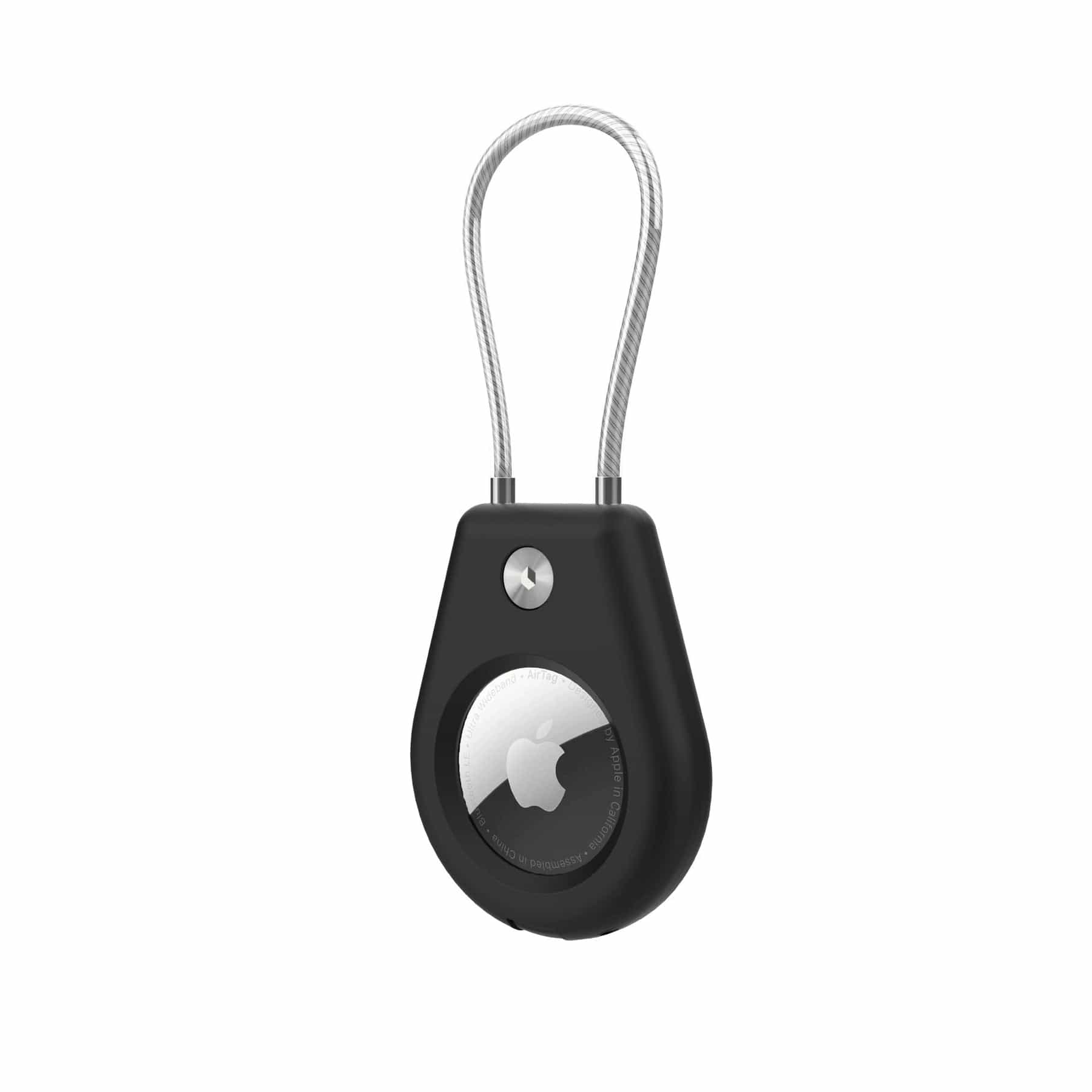
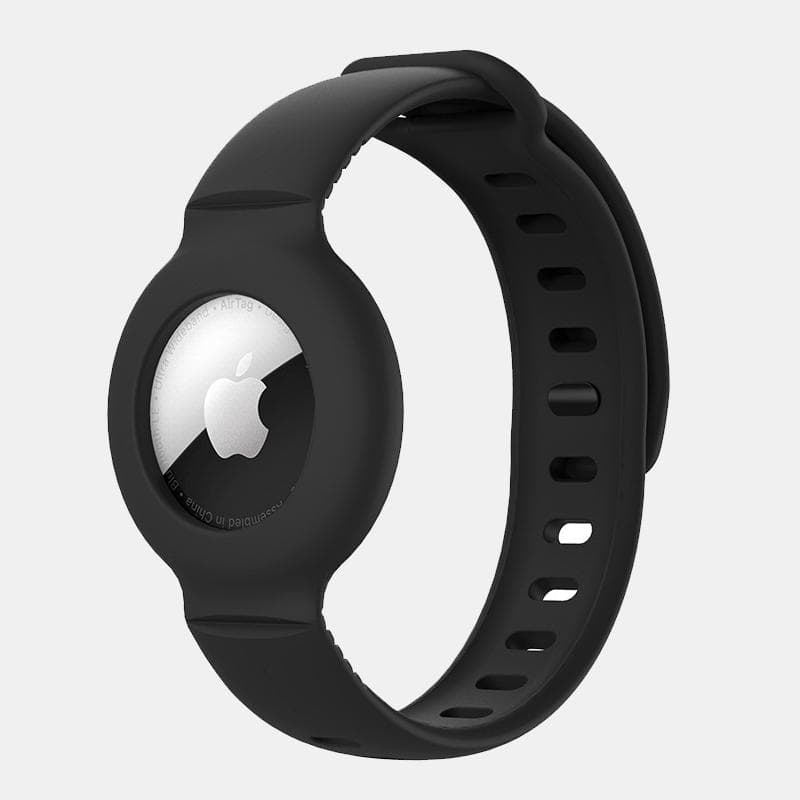
It is also a good idea to bring smart safety accessories such as tracking bracelets for kids (for example ones that hold an AirTag), especially on crowded trails where it is easy to lose sight of them for a moment. Turn the walk into a game: look for trail markers, collect pine cones, and make sure to take planned rest stops in the shade every half hour.
Ergonomics on the trail: how to adjust the bag for healthy carrying
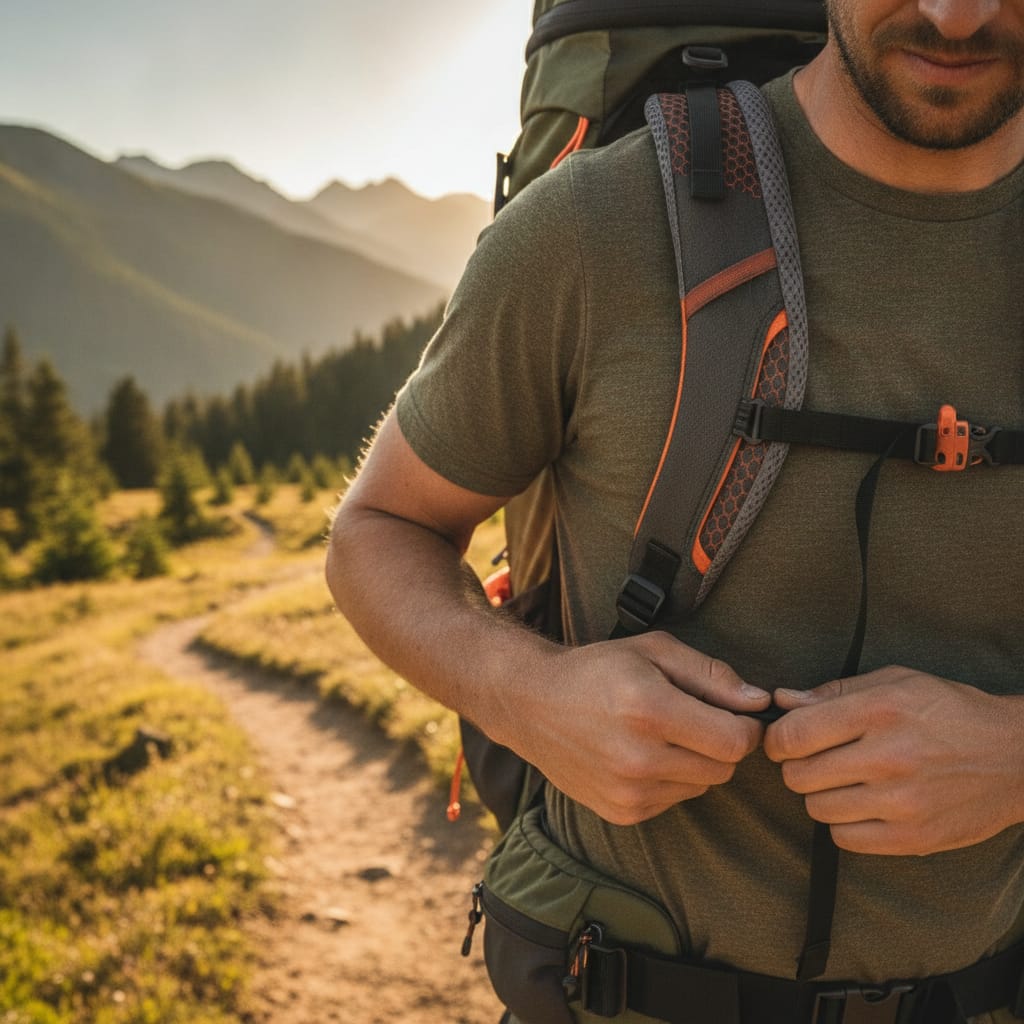
Bought a quality bag? Great. Now you need to know how to wear it. Before you set off, loosen all the straps on the bag. Put it on your back and first buckle the hip belt (if your bag has one): it is meant to carry about 70% of the bag's weight and transfer it to your strong legs. Then tighten the shoulder straps so the bag sits snugly against your upper back without pressing too hard. Finally, buckle the chest strap to stop the shoulder straps from sliding sideways as you walk.
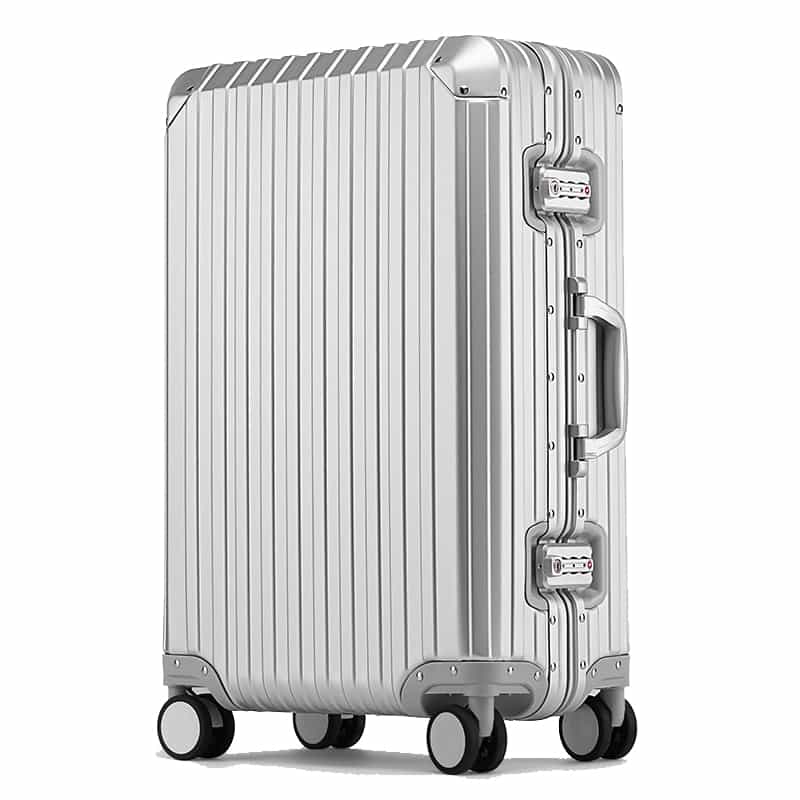
As an Israeli family business since 1975, we at Camel Mountain know that reliable gear is the key to a successful trip. Our bags are designed to handle demanding terrain, and they come with a full 12 month warranty (and up to 10 years on the shell of our hard shell suitcases). Get out into nature, keep it clean, and have a happy and safe holiday!
Products to help you on the way
Products in this guide
Frequently asked questions
What bag volume suits a family day hike best?
The ideal volume for a day hike is between 20 and 30 liters. It lets you pack all the essential gear such as water, food, first aid and a change of clothes, without loading excess, awkward weight on your back while you walk.
How do I avoid back pain when carrying the bag all day?
The secret is correct weight distribution and adjusting the straps. Make sure the heaviest items (like water bottles) sit as close to your back as possible and in the middle of the bag, and use the hip and chest straps to move most of the weight from your shoulders to your hips and legs.
How much water do I really need for a day hike?
The safe recommendation for the autumn season in Israel is at least 3 liters of water per adult and 2 liters per child. Do not rely on refill points along the trail itself, and always keep an extra backup bottle in the car.
How can I keep small children safe on crowded holiday hikes?
On popular, crowded trails it is a good idea to use smart tracking bracelets that hold an AirTag on the child's wrist. It also helps to dress them in bright colors (like orange or neon yellow) that make them quick to spot in a crowd.


