

How to Prevent Items Being Planted in Your Suitcase Abroad: A Safety Guide
October 23, 2026

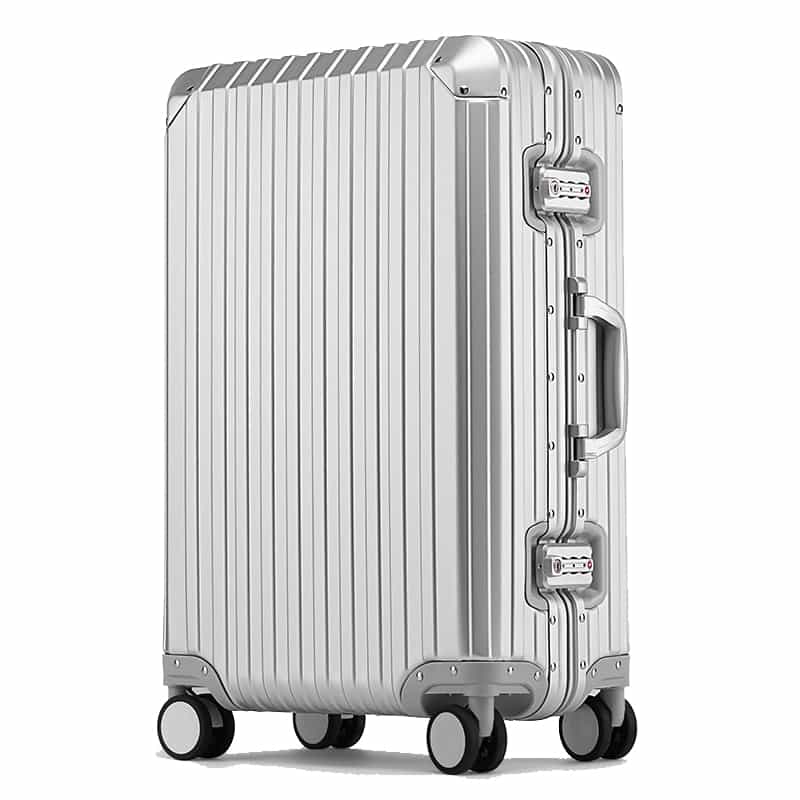
To prevent foreign items from being planted in your suitcase abroad, always lock it with a standard TSA lock, use a tight elastic cover or plastic wrap that makes quick opening difficult, and attach a tracker (such as an AirTag). Never leave your luggage unattended, and prefer hard suitcases without a zipper (such as aluminum suitcases), which prevent easy entry with a pen.
The security failure on the way to Israel: what exactly happened?
The Israeli newspaper Israel Hayom recently reported an especially worrying case that shook the Israeli travel community: a passenger on her way back to Israel discovered that while her baggage was being handled at an airport abroad, a foreign item that did not belong to her had been inserted into her suitcase. This case, described as a serious security failure, revives an old nightmare for every traveler: the risk that hostile parties, smugglers or corrupt airport workers will use our innocent luggage to move prohibited substances or dangerous items from country to country.
We at Camel Mountain, a family business since 1975, have seen it all. But an incident like this is a sharp reminder that protecting your suitcase is not just about preventing the theft of clothes or gifts: it is about your personal and legal safety. Once a foreign item is planted in your bag, the burden of proof may fall on you. So prevention is the best line of defense.
The "pencil" method and the zipper: why most suitcases are vulnerable
Many travelers are sure that if they locked their suitcase zippers with a small lock, the suitcase is sealed shut. Unfortunately, that is only an illusion. One of the best-known methods for a quick break-in is using a simple pen or pencil to open the zipper teeth.
How does it work? The intruder simply pushes the tip of the pen between the teeth of the closed zipper, separates them, opens the suitcase, puts items in or takes them out, and then slides the locked zipper pull from side to side to close the zipper again as if nothing happened. The passenger collects the suitcase from the carousel looking completely locked, with no idea that someone rummaged through it or planted something in it.
To overcome this weakness, consider switching to suitcases without a zipper (framed suitcases with clips and built-in TSA locks) or using additional physical protection that makes quick access to the zippers difficult.
Five golden rules for protecting your suitcase from planted items and break-ins
To make sure your suitcase stays closed and protected from the moment you hand it over at check-in until you collect it from the carousel, follow these guidelines:
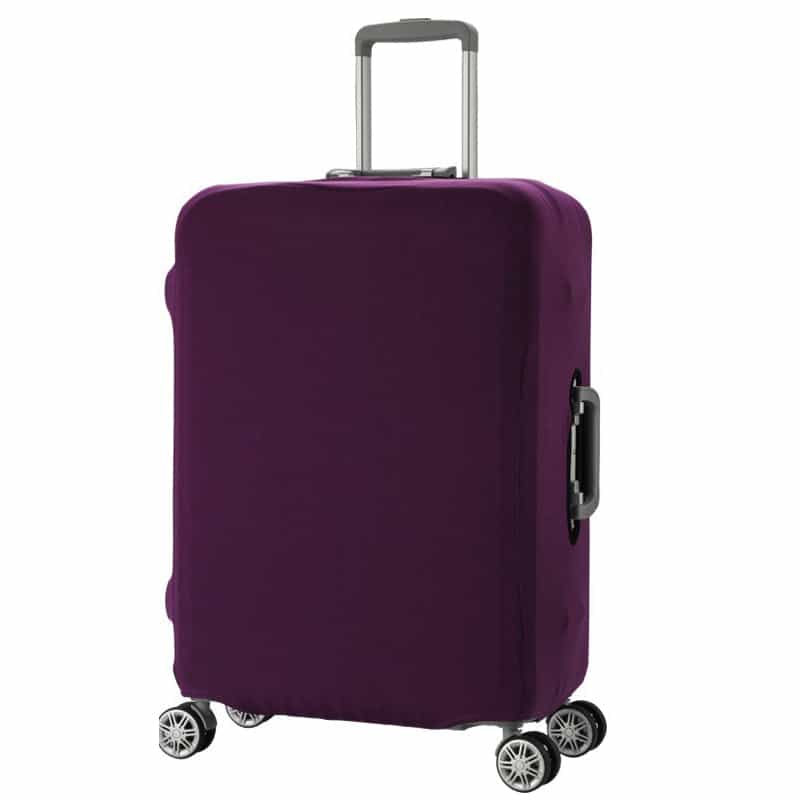
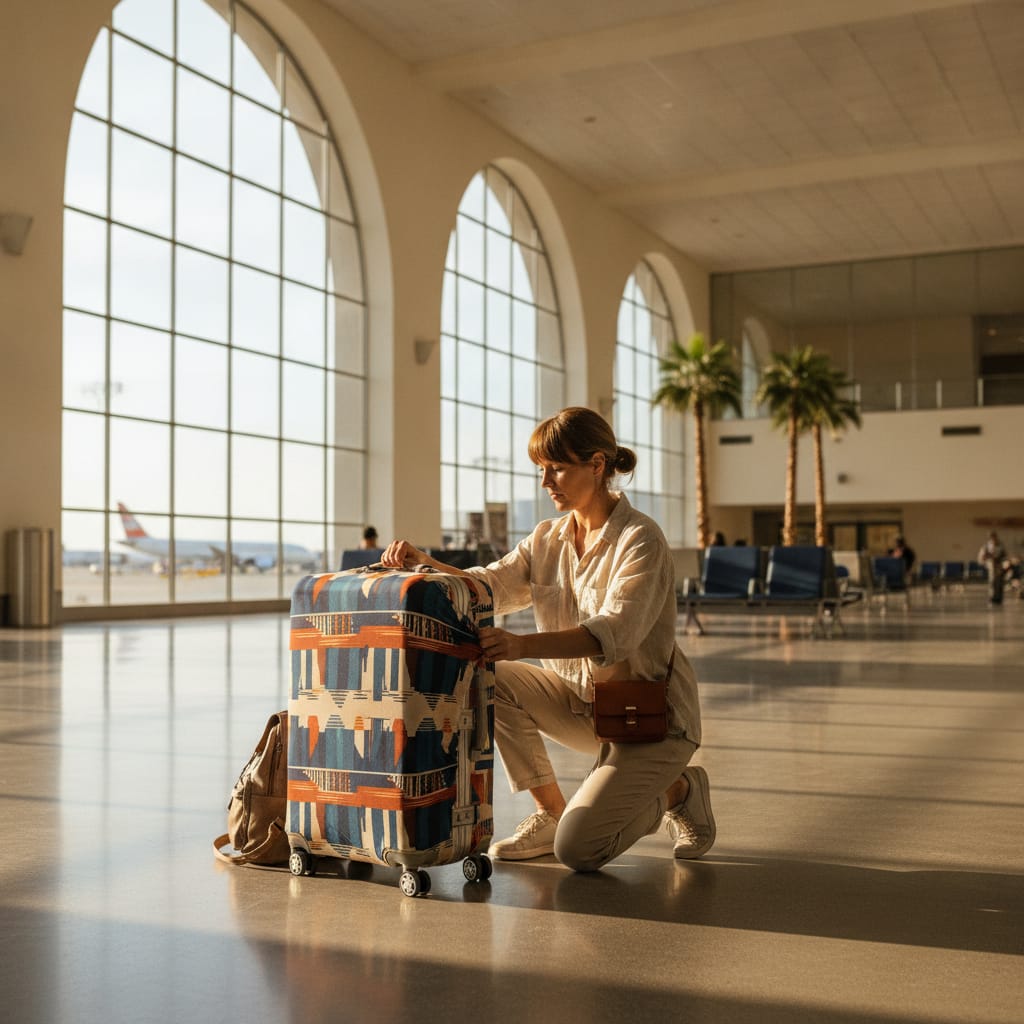
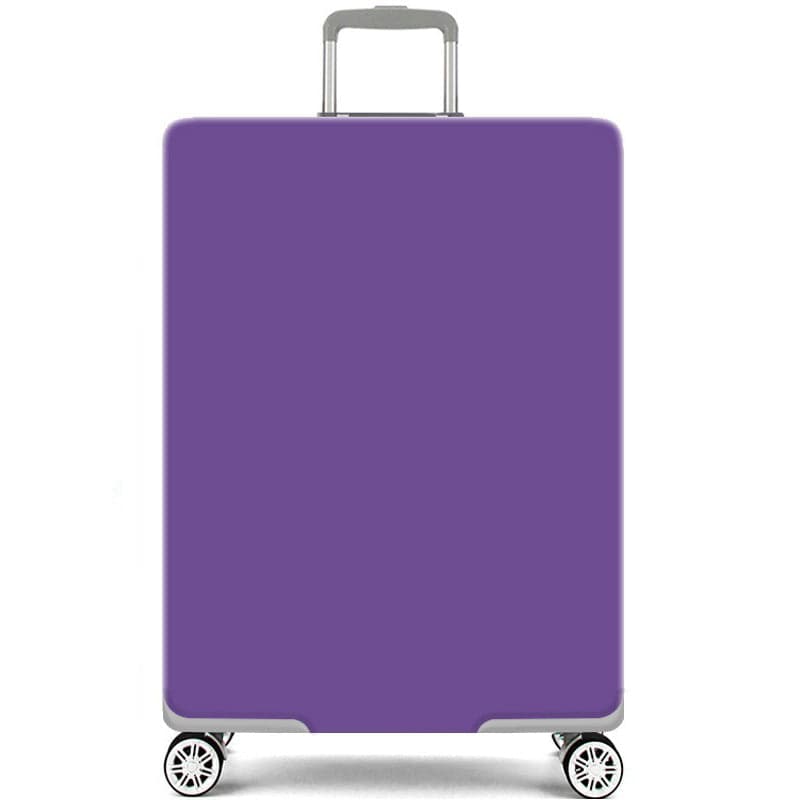
- 1. Use an elastic suitcase cover or plastic wrap: a quality, tight suitcase cover not only protects against scratches, it is also a significant deterrent. An intruder looking for an easy target will not waste time peeling off a complex elastic cover or cutting through layers of cling film.
- 2. Upgrade to an aluminum suitcase or a clip-closure suitcase (no zipper): suitcases with an aluminum frame close with built-in latches. Without an external zipper, there is simply no physical way to open and close the suitcase without breaking the locks or leaving clear signs of a break-in.
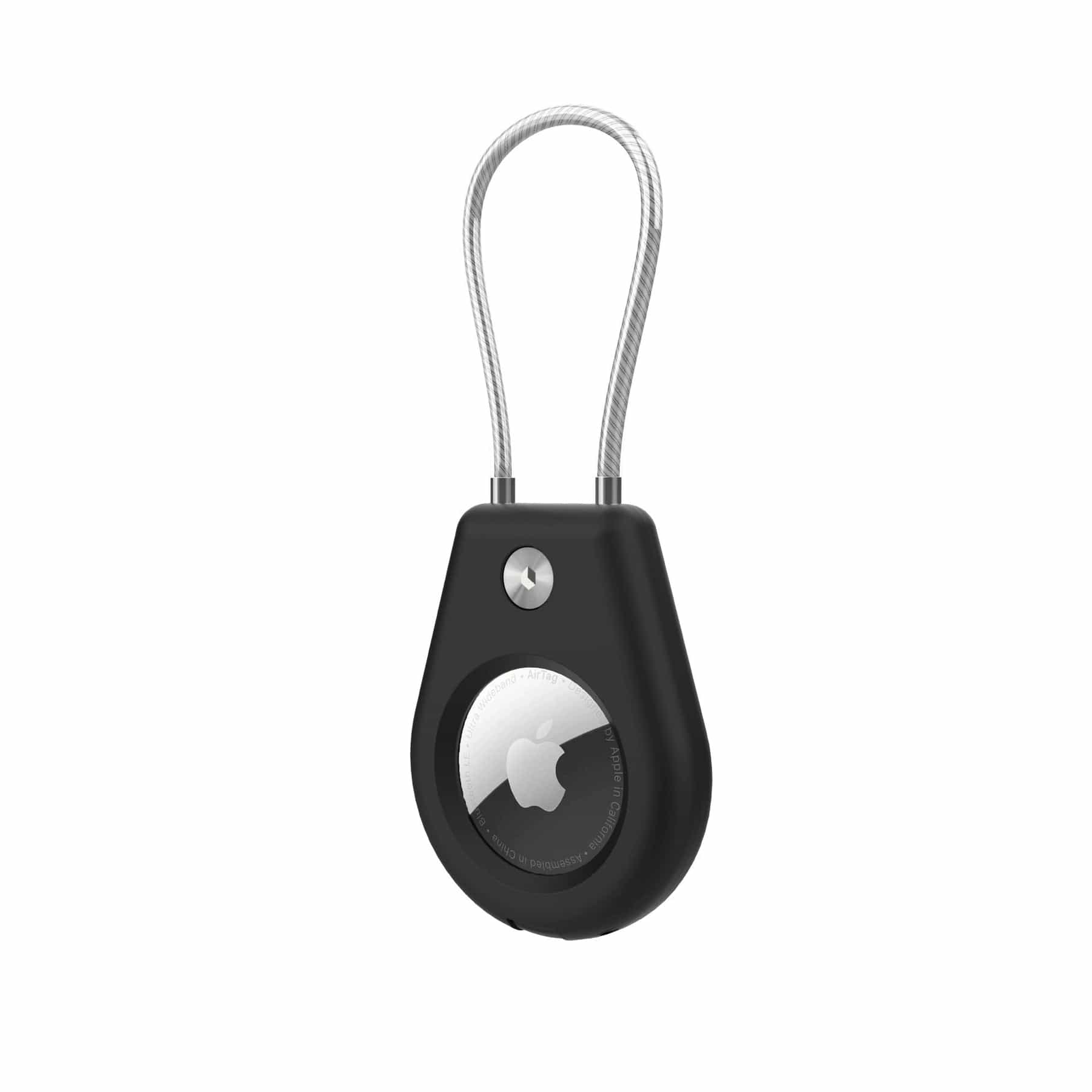
- 3. Add a smart tracker (AirTag or SmartTag): drop a small tracking device into a hidden inner compartment of the suitcase. The tracker lets you know exactly where the suitcase is, and in some cases can even alert you if the suitcase was opened or moved away from you in suspicious circumstances.
- 4. Photograph the suitcase before handing it over: just before you put the suitcase on the check-in belt, photograph it from every angle, including close-ups of the locks and zippers. If, heaven forbid, you find signs of opening or a change in the lock on arrival, you will have solid photographic documentation to show the security authorities.
- 5. Stay fully alert at the airport: never agree to watch a stranger's bag, and do not let anyone put something into your bag "just to help". Keep constant eye contact with your hand luggage throughout the security check.
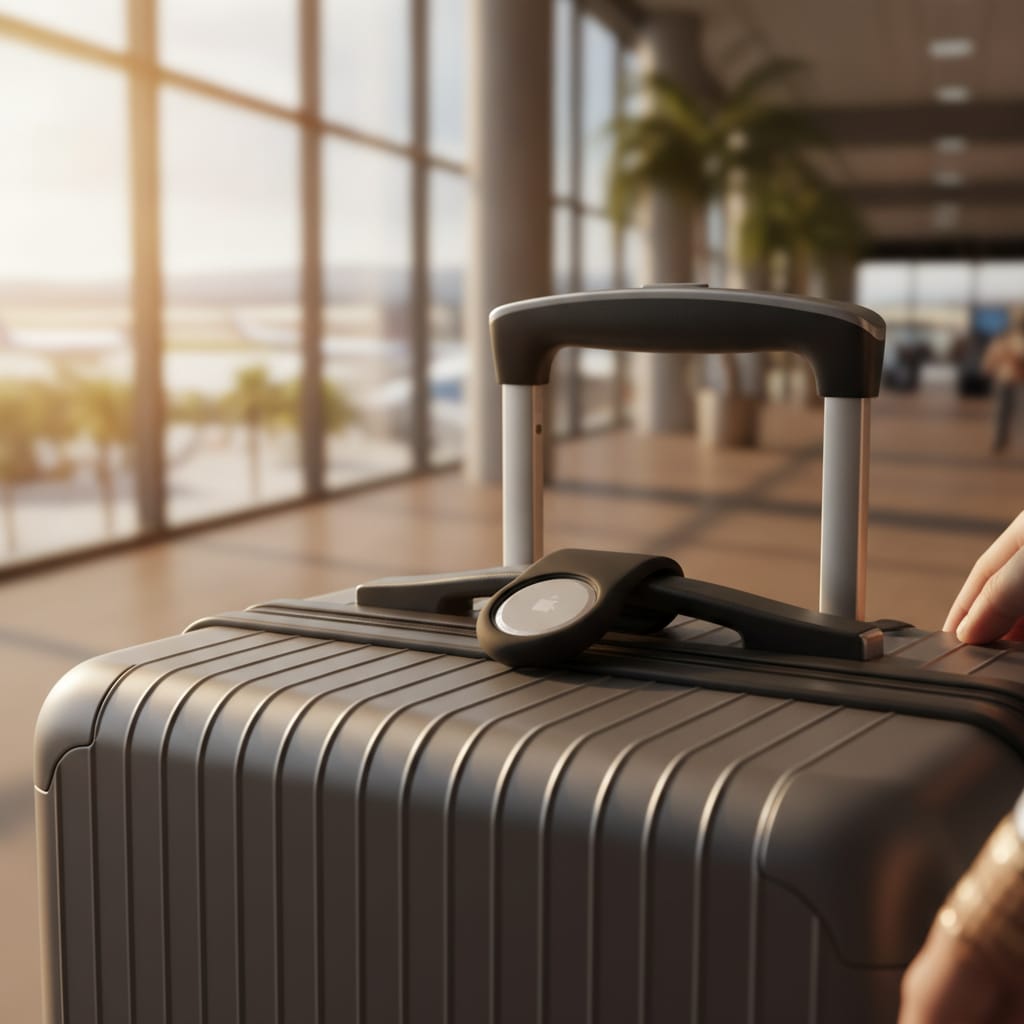
Comparison table: luggage protection methods and how effective they are
To help you choose the protection method that suits you best, we summarized the pros and cons of the most common methods on the market:
| Protection method | Security level | Main advantages | Disadvantages and weak points |
|---|---|---|---|
| Standard TSA lock on a zipper | Low to medium | Cheap, easy to use, approved by security authorities. | Easily bypassed with the pen method on the zipper teeth. |
| Plastic wrap (at the airport) | High | A strong deterrent, prevents quick opening, signs of a break-in are obvious at once. | A high one-time cost on every flight, and it creates a lot of plastic waste. |
| Reusable elastic suitcase cover | Medium to high | Reusable, economical, delays opening and protects the suitcase from scratches. | Has to be put on and taken off every time you want to reach the contents. |
| Aluminum or framed suitcase (no zipper) | Maximum | Cannot be broken into quickly, rigid locks, excellent physical protection. | A higher initial purchase price and a slightly higher own weight. |
What to do if you find a suspicious item or signs of a break-in on arrival
If you have landed, collected your suitcase from the carousel and noticed something is wrong (the lock is broken, the zipper is partly open, or you found an item inside the suitcase that is not yours), do not touch the suspicious item!
Touching the item may leave your fingerprints on it and get you into trouble through no fault of your own. The first and most correct step is to go immediately to a customs officer or the official airport security inside the arrivals hall (before you exit the terminal) and report what you found. Show them the photos you took before takeoff that prove the suitcase was handed over intact and closed. A prompt report on your own initiative is the best proof that you have nothing to do with the item planted in your luggage.
Based on a report: Failure on a flight: an item was hidden in a passenger's suitcase on the way to Israel - Israel Hayom
Products to help you on the way

Products in this guide


Frequently asked questions
How do people break into a zippered suitcase without damaging the lock?
Intruders use a simple pen or a sharp object to push between the zipper teeth and separate them. They then slide the locked zipper pull to close it again, without leaving any outside sign of a break-in.
Does plastic wrapping at the airport really help?
Yes, it is a very effective deterrent. Airport thieves look for quick, easy targets, and plastic wrap takes time and physical cutting that leaves clearly visible marks straight away.
What is the security advantage of an aluminum suitcase?
Aluminum suitcases have no zippers at all, they close with a rigid frame and strong clip locks. So they cannot be opened with simple methods without breaking the frame or completely destroying the lock.
What should I do if I find a foreign item in my suitcase after landing?
Do not touch the item, so you do not leave fingerprints on it. Go immediately, while still in the arrivals hall and before leaving the terminal, to customs or airport security and report the incident on your own initiative.


