



How to Protect Sports Gear and Valuable Luggage on Flights, and What Your Rights Are
August 19, 2026Updated October 23, 20265 min read
To protect sports gear and valuable luggage on flights, use dedicated hard cases, pad the gear well, and document it before check-in. In case of damage, the Montreal Convention obliges airlines to pay compensation of up to about $1,700, provided you file an official claim (PIR) at the airport or within 7 days.
Products in this guide


The story behind the headline: how £600 skis became pieces
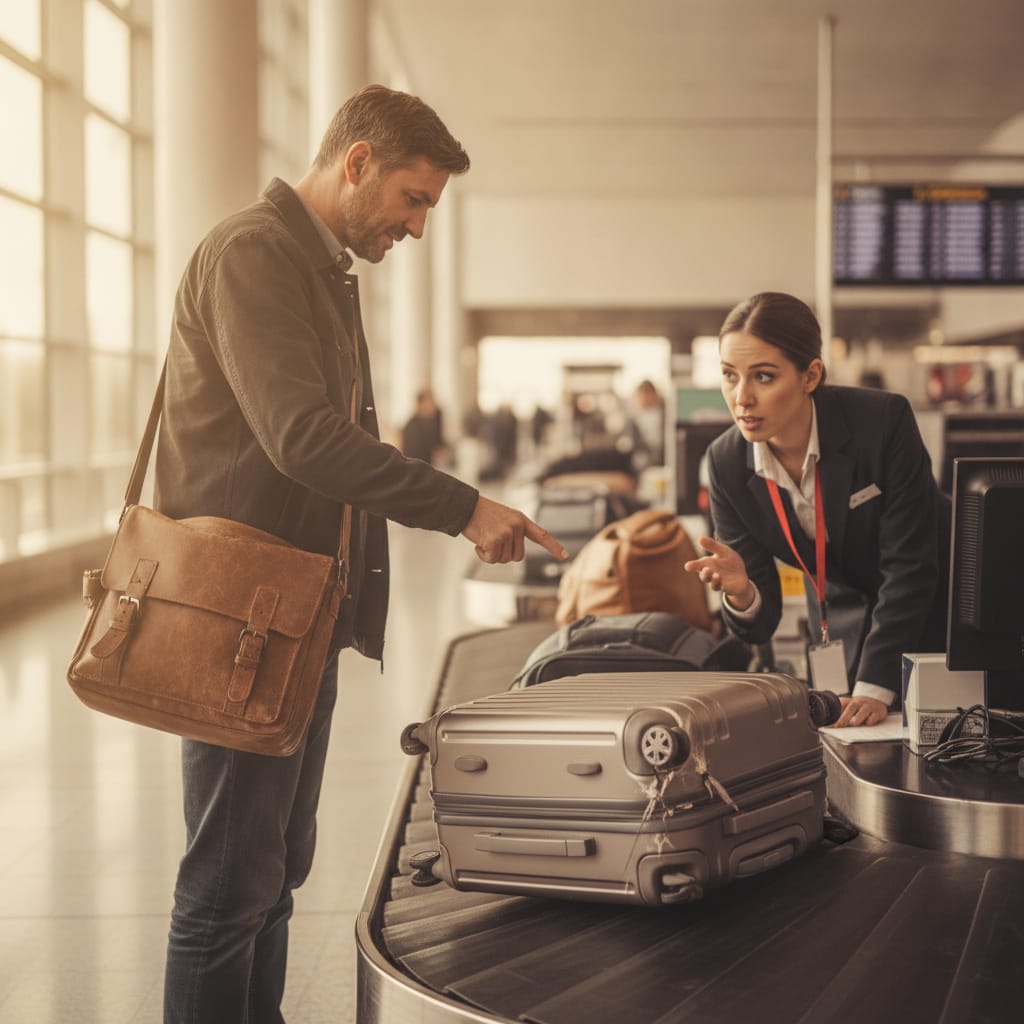
The British newspaper The Times recently published the infuriating story of a passenger who flew with British Airways. He checked in expensive new skis worth about £600, only to receive them on the baggage carousel cracked, broken and unusable. Despite the clear, documented damage, the airline dragged its feet, refused to pay the full value and offered laughable compensation, relying on the small print of its terms.
This case isn't unusual. Every day, thousands of valuable items of luggage, from ski and golf gear, through musical instruments, to professional camera equipment, are damaged or lost in airport baggage systems around the world. As a passenger, you can't count on baggage handlers treating your gear with kid gloves. To avoid the heartache and a heavy financial loss, you need to act on two fronts at once: maximum physical protection for your gear, and knowing your legal rights with airlines.
How to physically protect sports gear and valuable luggage
The first rule of traveling with sensitive or expensive gear is simple: a dedicated, quality carrying case isn't an expense, it's an investment. Here are the most effective ways to make sure your gear reaches its destination in one piece:
1. Choosing the case: hard vs soft
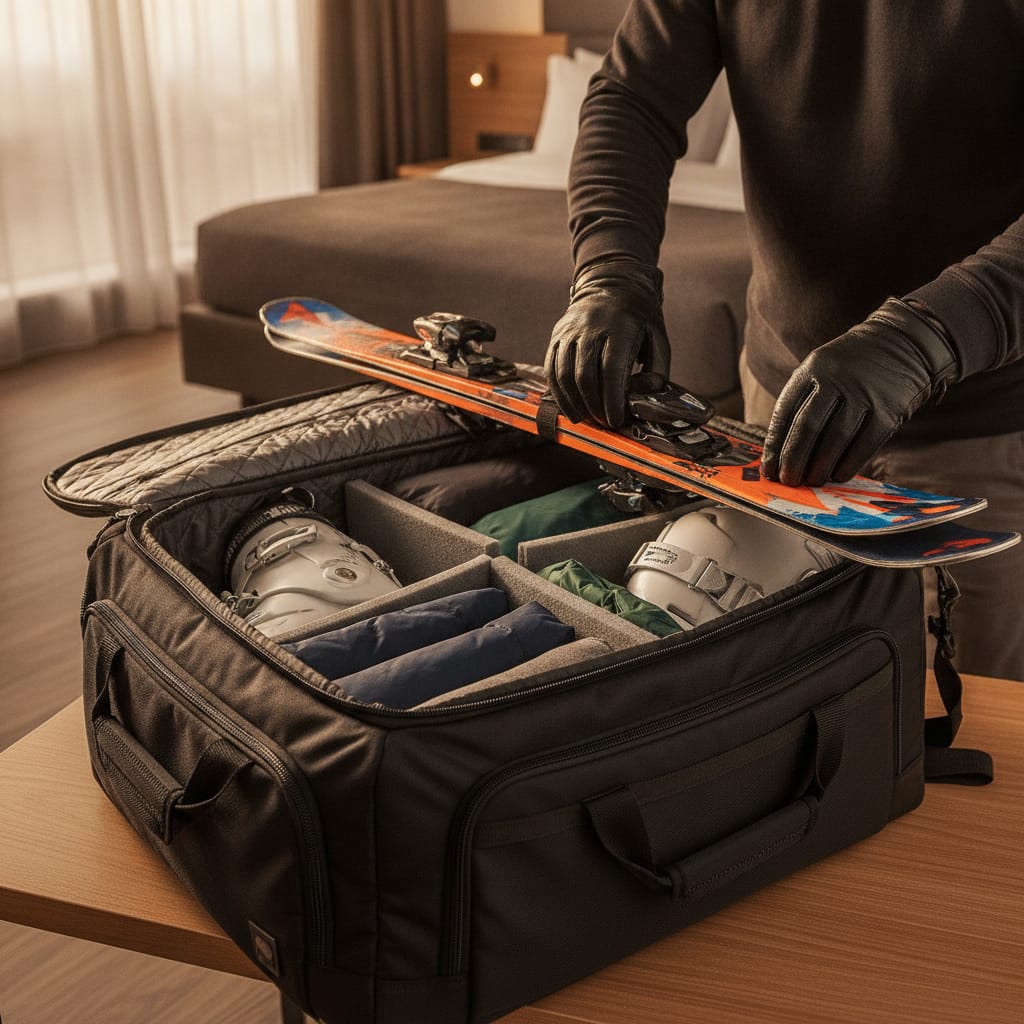
For sports gear like skis, a snowboard or golf clubs, it's always best to use hard cases. These cases are made of polycarbonate or aluminum and provide all-round protection against direct blows, crushing under other heavy suitcases and falls. If you use a padded soft bag, make sure it's made of an especially tough, high-density fabric like Cordura, and that it has a thick shock-absorbing foam layer inside.
2. Packing and padding techniques
- Stop movement: the worst damage happens when items inside the bag knock against each other. Use internal compression straps to hold the gear in place.
- Double padding: wrap sensitive areas (like the tips of the skis or the heads of the golf clubs) in bubble wrap, or use your thick winter clothes (coats, ski socks) as extra padding inside the bag.
- Separation: if you pack two items together, put a soft divider between them to prevent rubbing and scratches.
3. Security and tracking technology
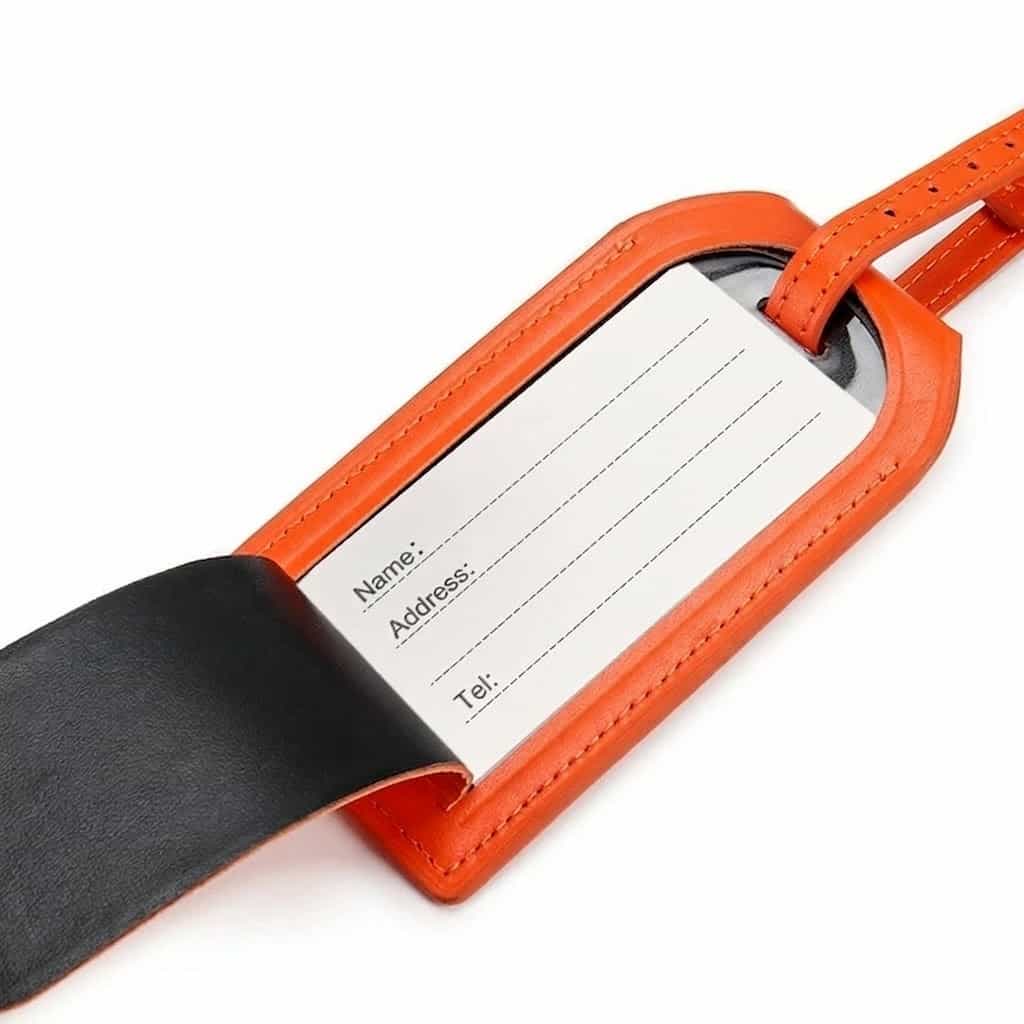
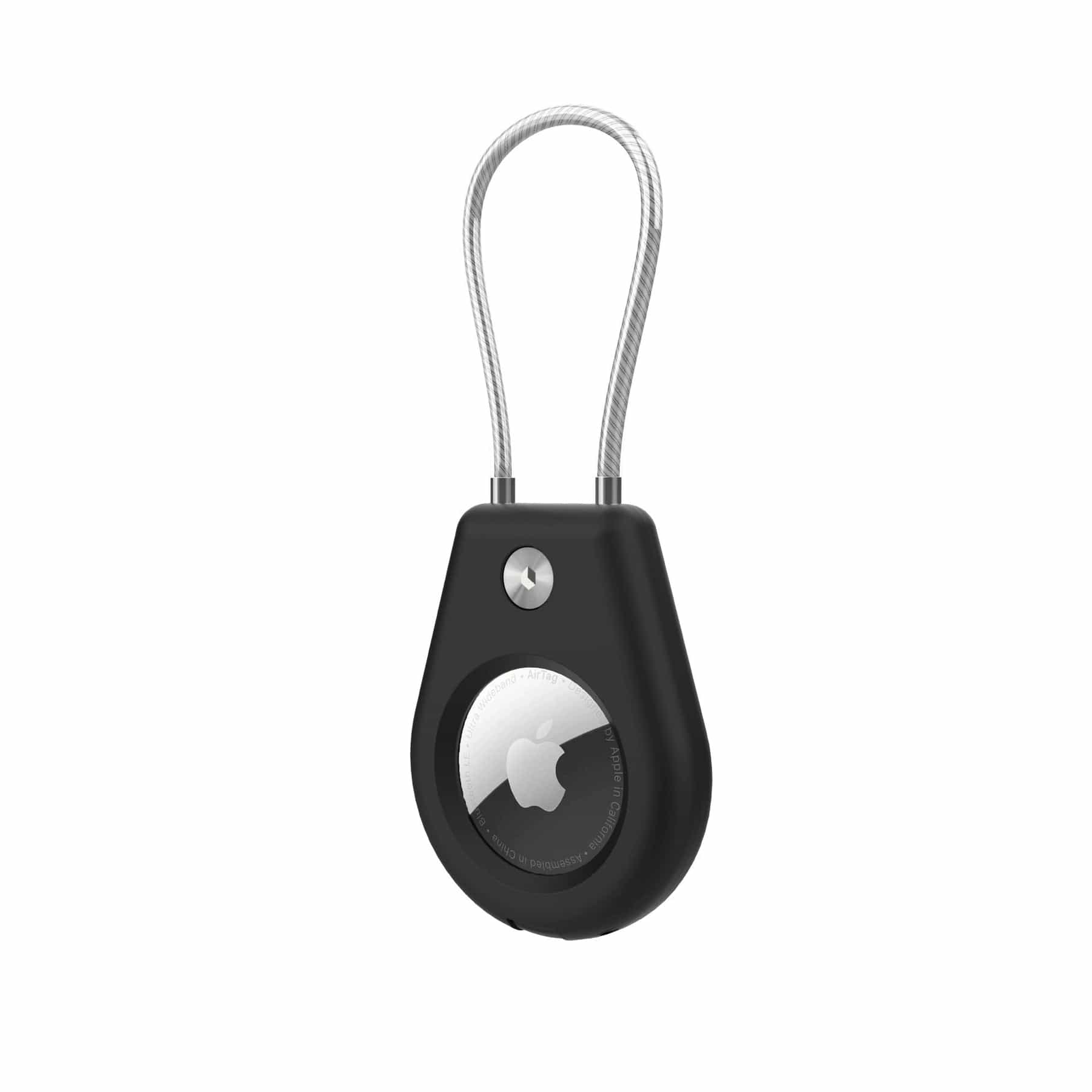
Never send valuable gear without a tracking device. Use hard, visible ID tags with your contact details, and put a smart tracker (like an Apple AirTag or SmartTag) inside the bag. That lets you know where the gear is at any moment: whether it got on the plane, stayed at the departure airport or reached the wrong carousel.
Passenger rights: what are you entitled to when the airline wrecks your gear?
Many passengers don't realize there's a clear international law governing airlines' liability for baggage. It's called the Montreal Convention, and it applies to almost every international flight in the world.
What does the Montreal Convention say?
The convention states that the airline is fully liable for damage, loss or delay of baggage from the moment it was handed over. However, there's an upper limit on compensation. Currently, the maximum is about 1,288 Special Drawing Rights (SDR), equivalent to about 1,700 US dollars (or about £1,300). This means that if your gear is worth more than that, the airline won't compensate you for the difference, unless you declared a special value in advance and paid an extra fee.
Step by step: what to do at the airport the moment you find the damage
- Don't leave the arrivals hall: as soon as you spot damage to your gear on the baggage carousel, go straight to the airline's Baggage Service desk in the arrivals hall.
- Fill in a PIR: insist on filling in an official damage report called a PIR (Property Irregularity Report). Make sure you get a signed copy and a claim reference number. This is the most important document in the process.
- Photograph and document: photograph the damaged gear from every possible angle, including the outer bag and the impact marks. It's also highly recommended to have photos of the gear in good condition before the flight.
- Keep receipts: keep your boarding pass, the luggage tag you received at check-in, and the original purchase receipts for the damaged gear.
Comparison table: ways to protect valuable gear on flights
| Packing method | Physical protection | Weight and convenience | Especially suitable for |
|---|---|---|---|
| Hard case | Very high (excellent against crushing) | Heavier, less flexible to store | Skis, golf clubs, expensive musical instruments |
| Padded soft bag | Medium to high (depends on foam thickness) | Lightweight, easy to fold and store | Snowboard gear, technical clothing, diving suits |
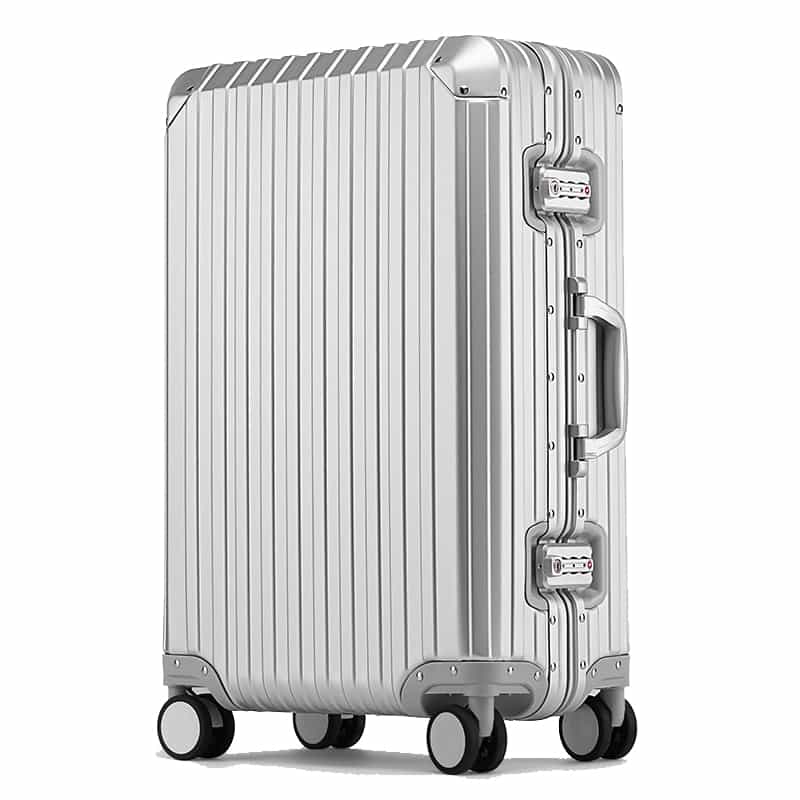
| Aluminum or polycarbonate suitcase | Very high (maximum durability) | Medium weight, a premium, secure look | Cameras, laptops, electronic equipment |
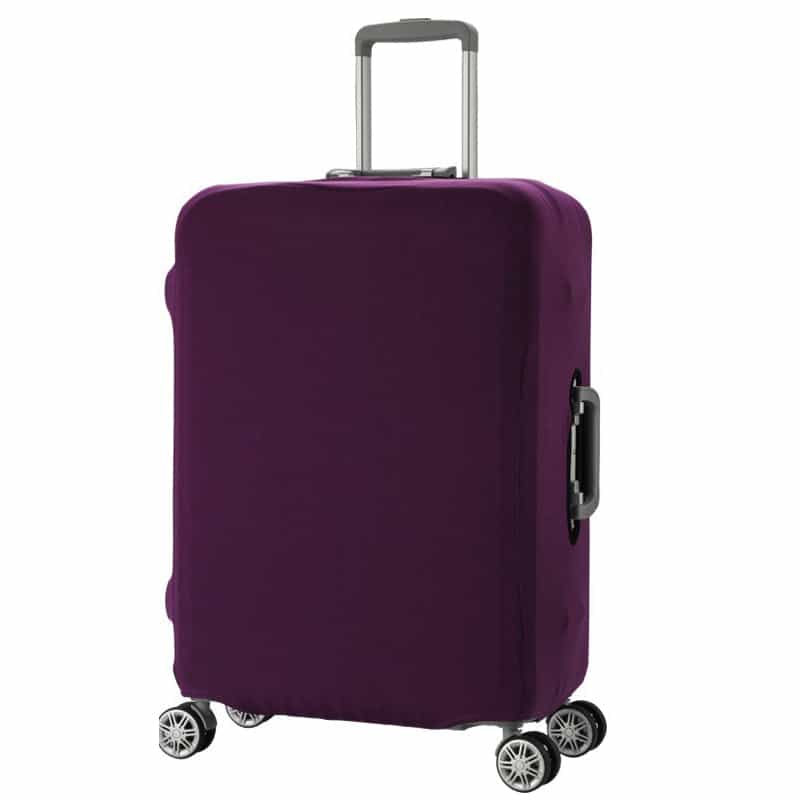
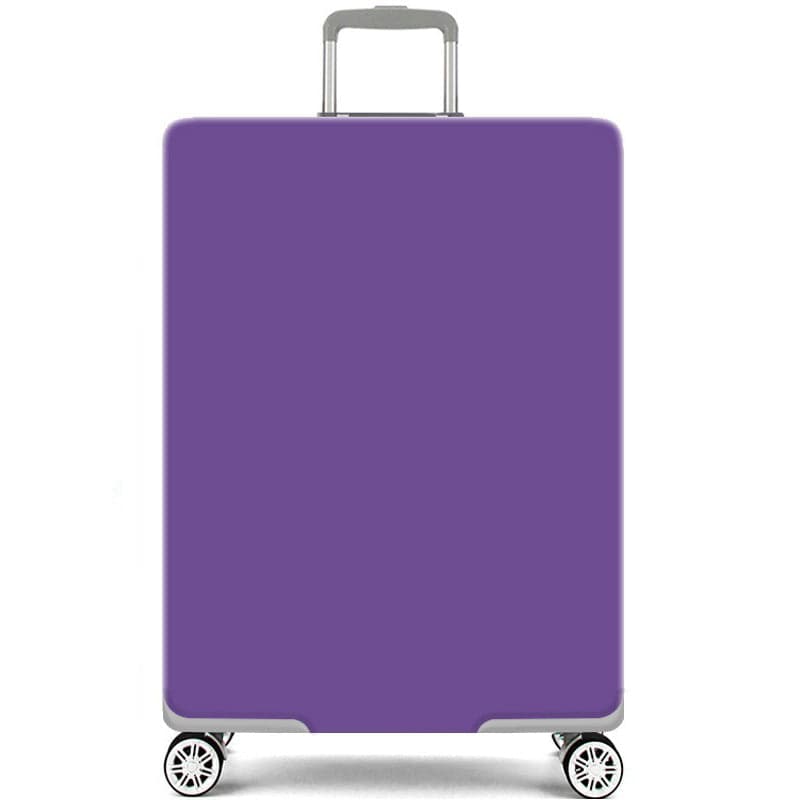
| Elastic suitcase cover | Medium (protects against scratches and opening) | Very light, simple to use | Protecting existing hard-shell suitcases from scuffs |
Summary and Camel Mountain's golden tip
The British Airways case reminds us that airlines will do everything they can to avoid paying full compensation. So you don't depend on the goodwill of customer service agents, invest in quality, rigid packing gear, use tracking technology, and always buy broad private travel insurance that includes specific cover for sports equipment or valuable luggage (a Sport Equipment Rider). Private insurance will usually compensate you faster and in more realistic amounts than the airline.
Based on a report: British Airways ruined my £600 skis but won’t pay up, The Times
Products to help you on your way



Frequently asked questions
How soon must I report damage to my luggage?
Under the Montreal Convention, you must file a written claim with the airline within 7 days of receiving the damaged baggage. However, it's highly recommended to do it right away at the airport before leaving the arrivals hall, and to get a PIR.
Must the airline compensate me for the full value of my gear?
Not always. Airlines are limited to a compensation cap of about $1,700 under the Montreal Convention. If your gear is worth more, they won't pay the difference unless you declared a special value in advance at check-in and paid a fee.
Does regular travel insurance cover expensive sports gear?
Standard travel insurance policies usually have a low value limit per item (for example up to $300 to $500). To insure expensive ski, golf or camera gear, you need to add a dedicated extension (a sports equipment or electronics rider) to the policy.
How does an AirTag help me if my luggage is lost?
A smart tracker lets you show the airline exactly where your gear is. In many cases, airlines claim the gear didn't reach the destination airport, while the passenger can show in the app that the bag is sitting right in the baggage room next door.
Share this guide
Keep shopping
Our collections related to this guide


