

Lost a Suitcase? How to Use Smart Tracking Technology on Your Next Trip
October 23, 2026

To prevent losing suitcases on flights, the most effective approach today is to place smart trackers (such as an Apple AirTag or SmartTag) in dedicated compartments of your suitcase or backpack, alongside registering with the airline digitally in advance. These solutions let you locate your baggage precisely in real time, straight from your phone, without depending on airport service agents.
The luggage tracking revolution: from a lost bag to digital peace of mind
Israel's Channel 14 recently aired a fascinating report on new technological developments and advanced systems designed to solve one of the most painful problems for travelers around the world: lost suitcases at airports. According to the report, airlines and airports are investing billions in smart scanning systems and artificial intelligence to reduce the share of lost baggage. But while these institutional systems take time to roll out fully, the smart traveler doesn't need to wait for huge revolutions: you can take control into your own hands right now.
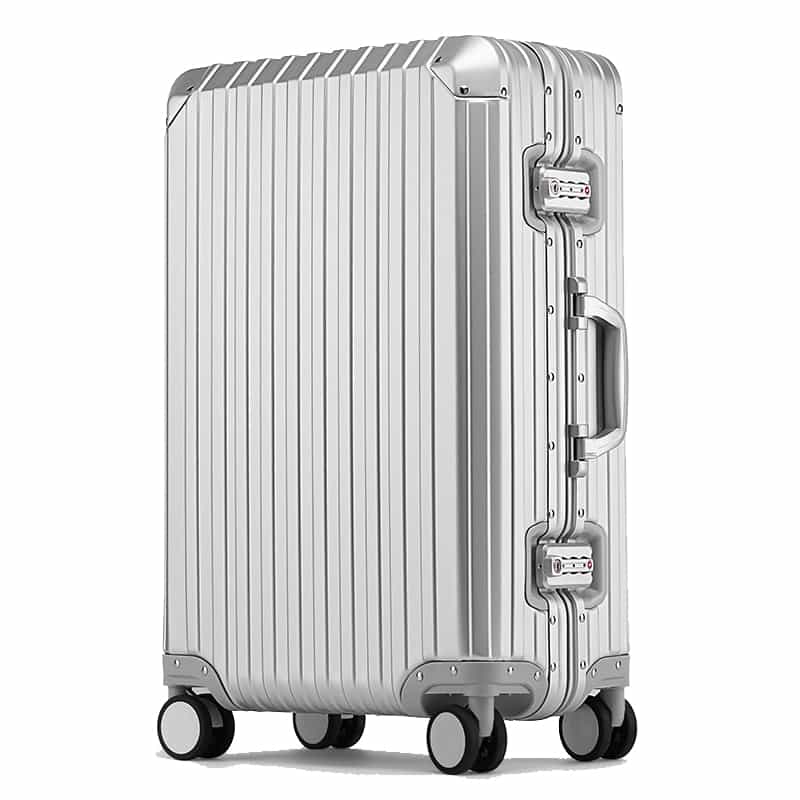
At Camel Mountain, a family business that has accompanied travelers on their journeys around the globe since 1975, we've watched the evolution of travel, from simple fabric bags to advanced hard-shell aluminum suitcases. Today, at a time when connecting flights are routine and crowding at airports around the world is breaking records, combining strong materials with smart technology is the key to a relaxed trip. Turning your suitcase into a "smart suitcase" with simple, widely available accessories is no longer a privilege but an essential survival tool for anyone who boards a plane.

How does the crowdsourced finding network work at airports?
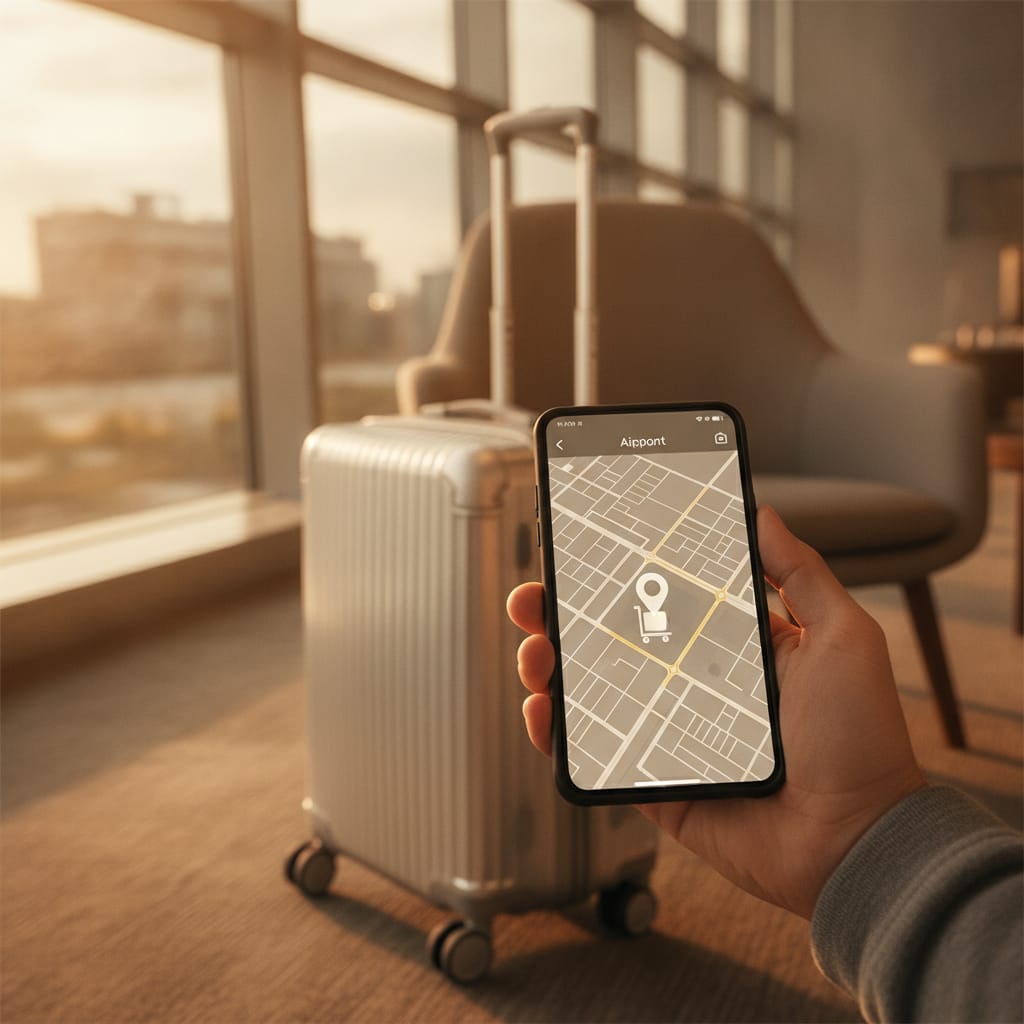
Many people wonder how a small device like an Apple AirTag, which has no active GPS component or SIM card, manages to report its exact location from the hold of a plane or from a remote baggage warehouse in Germany. The secret lies in a technology called a "crowdsourced finding network". Instead of relying on expensive, energy-hungry satellites, the tag sends out an encrypted, secure short-range Bluetooth signal.
Every compatible smartphone (for example, any iPhone passing within a few dozen meters of your suitcase) picks up this signal automatically and completely anonymously. That passerby's device sends the tag's geographic location straight to the cloud, and you get the update on your map. At crowded airports, where thousands of staff and passengers walk around with their phones on, this tracking network becomes the densest and most accurate in the world.
Comparing tracking technologies: which tag should you choose?
The tracker market offers several leading options. The choice between them depends mainly on the type of phone you have and how you use it. Here is a comprehensive comparison table to help you decide:
| Device type | Core technology | Finding network (crowdsourcing) | Battery life | Standout advantage |
|---|---|---|---|---|
| Apple AirTag | Bluetooth & UWB | Find My network (hundreds of millions of iPhones) | About a year (replaceable) | Phenomenal accuracy in crowded areas and airports |
| Samsung SmartTag2 | Bluetooth & UWB | SmartThings Find (Samsung Galaxy devices) | Up to 500 days | Excellent for Android users, high water resistance |
| Tile Pro | Bluetooth only | Network of Tile app users | About a year (replaceable) | Works equally well on Android and iOS |
| Standalone GPS device | Cellular and satellite | Global cellular networks | A few days to weeks (needs charging) | Real-time tracking even in remote areas, with no need for nearby devices |
Where should you place the tracker in your suitcase?
Placing the tracker correctly is critical for the best reception and to prevent damage to or theft of the tag itself. Camel Mountain's travel experts recommend a few simple but important rules of thumb:
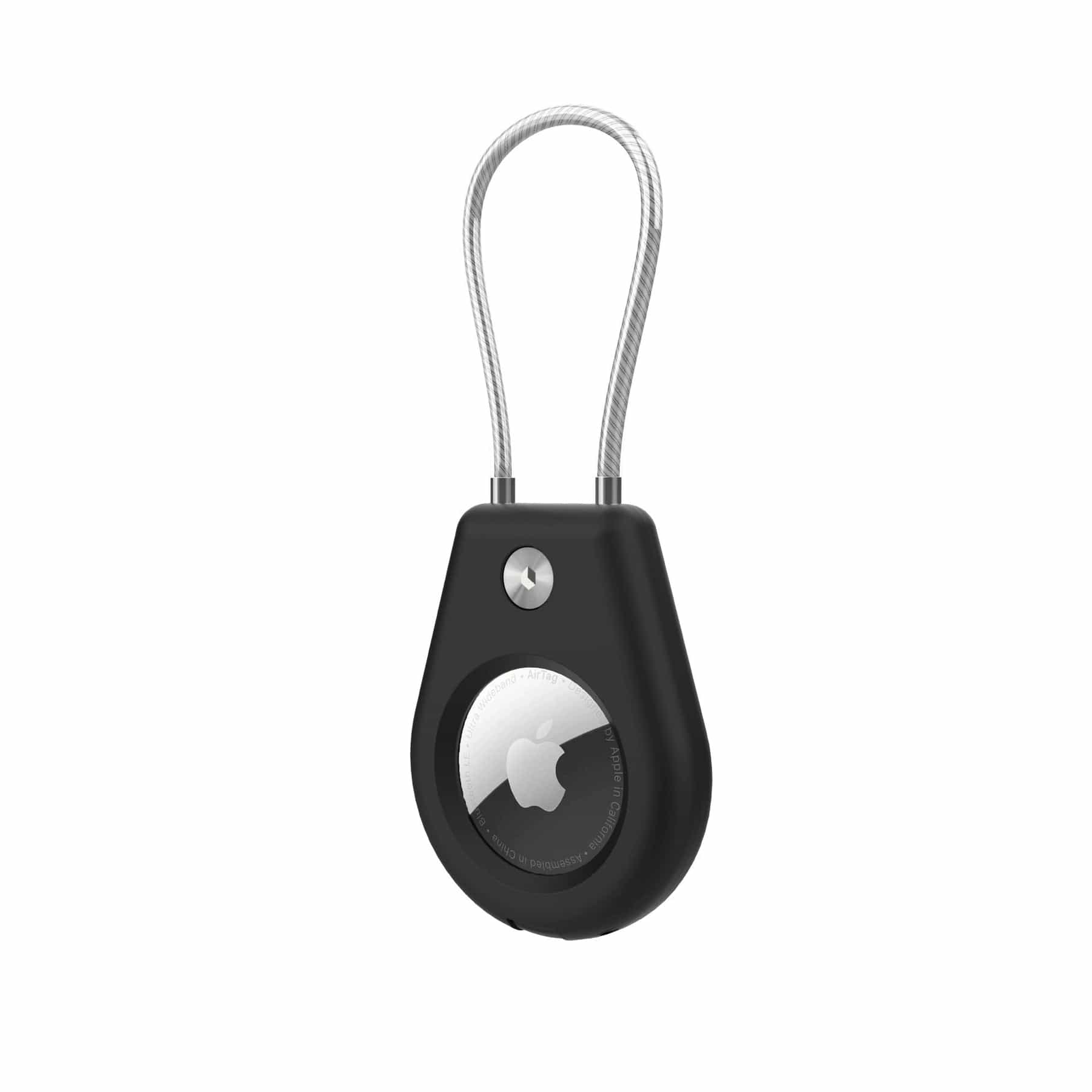
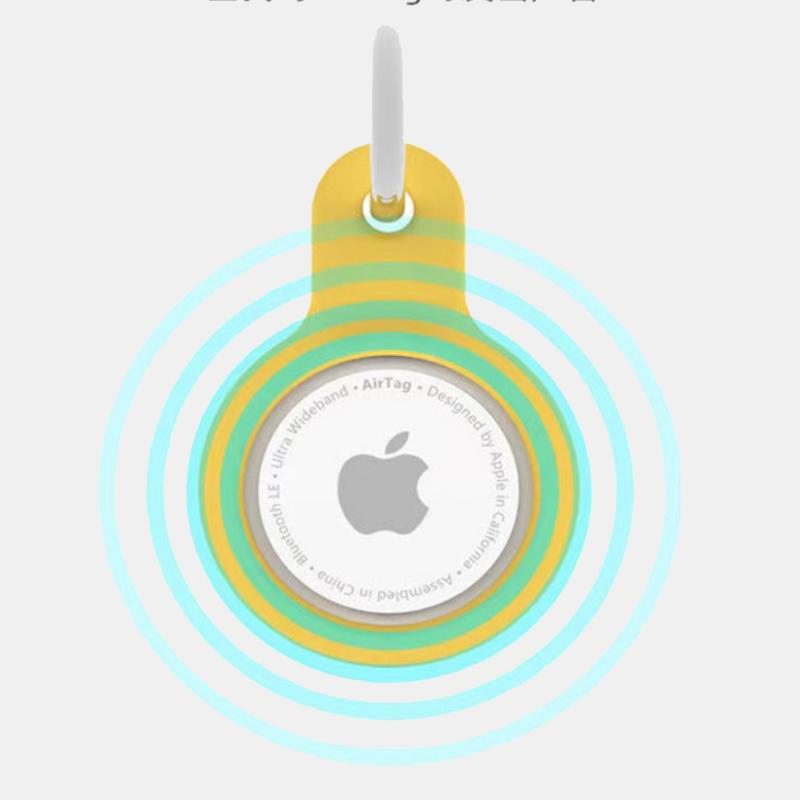
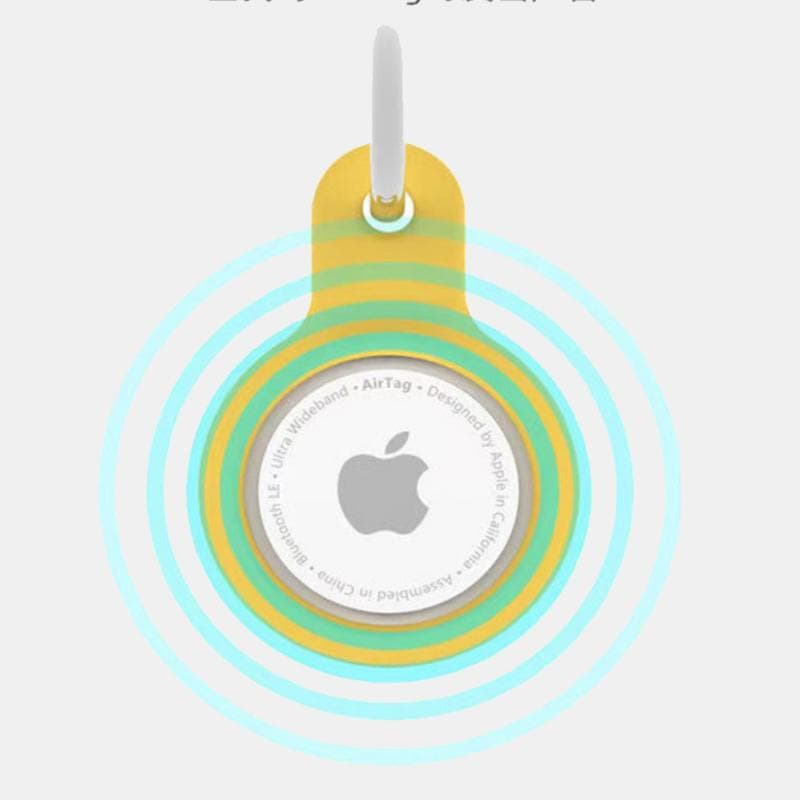
- Avoid hanging it exposed on the outside: a tracker hanging loosely on the suitcase handle may be torn off during automated handling on airport conveyors. If you choose to put it outside, use an especially tough dedicated silicone holder, securely attached to the inner handle or the suitcase frame.
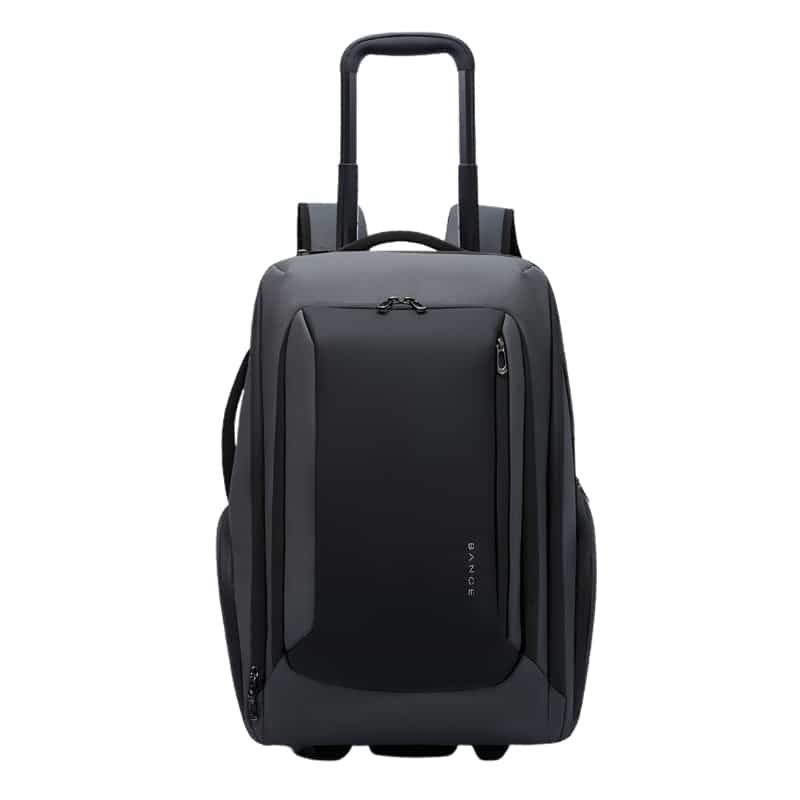
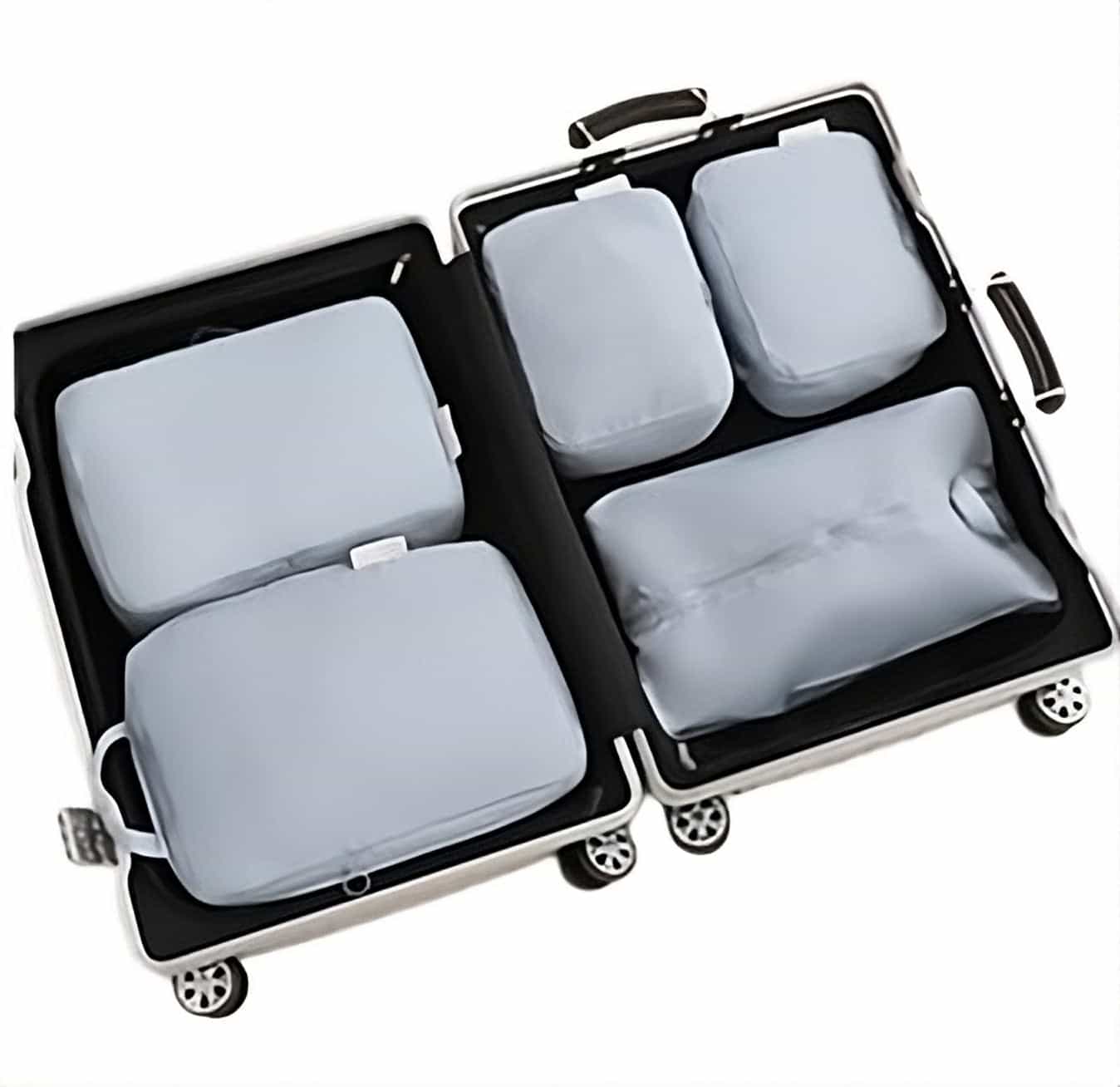
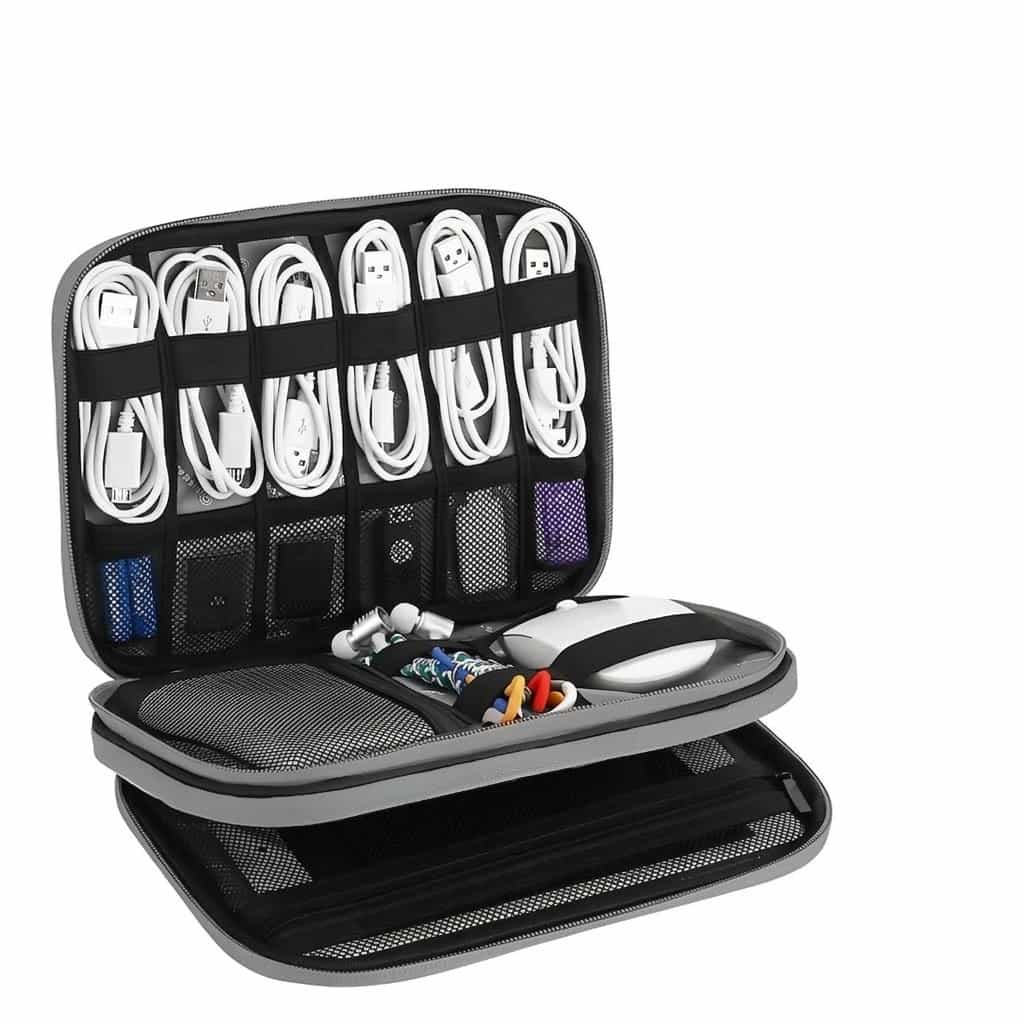
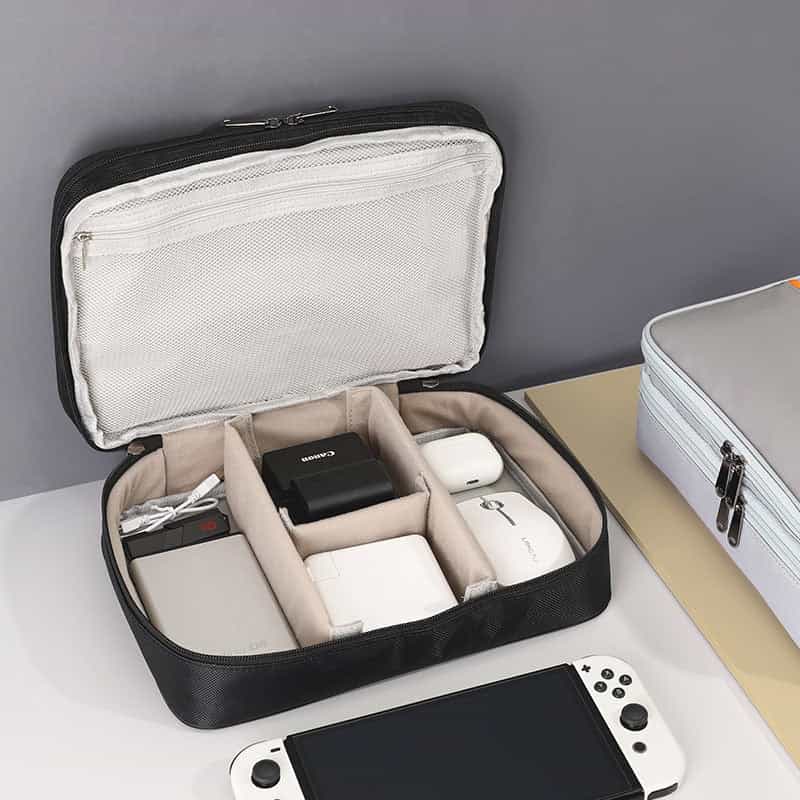
- Use hidden inner pockets: modern suitcases and backpacks have small zippered inner compartments. That's the perfect place to hide the tag: it's protected from knocks, invisible to potential thieves, and still sends a strong signal through the suitcase fabric or plastic shell.
- Don't put the tag in the middle of a pile of wet clothes or metal: water and metal can weaken the Bluetooth signal. Place the tag relatively close to the suitcase's outer walls, in a mesh compartment or an inner side pocket.
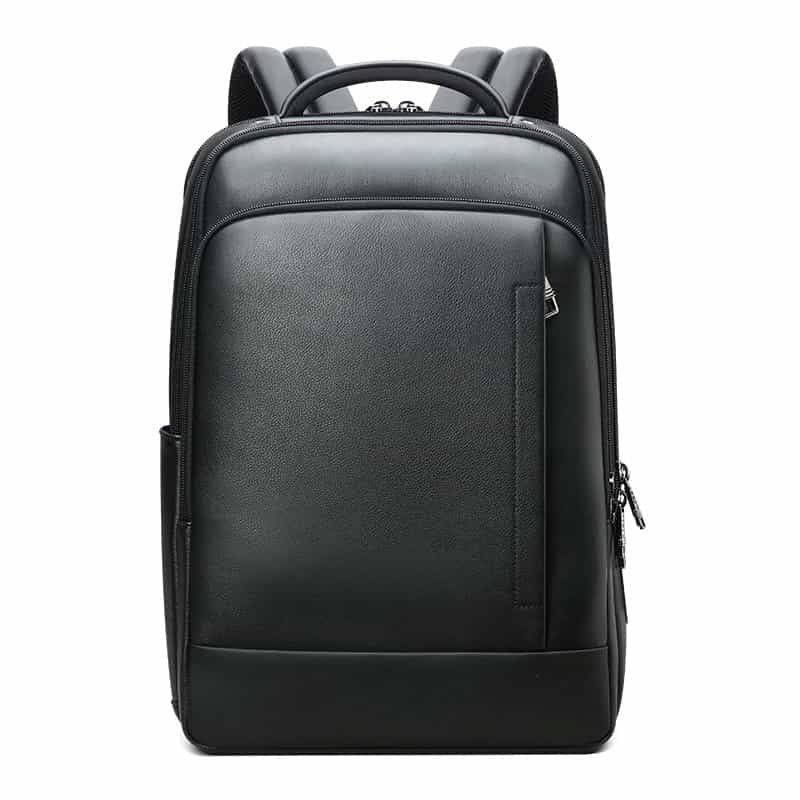
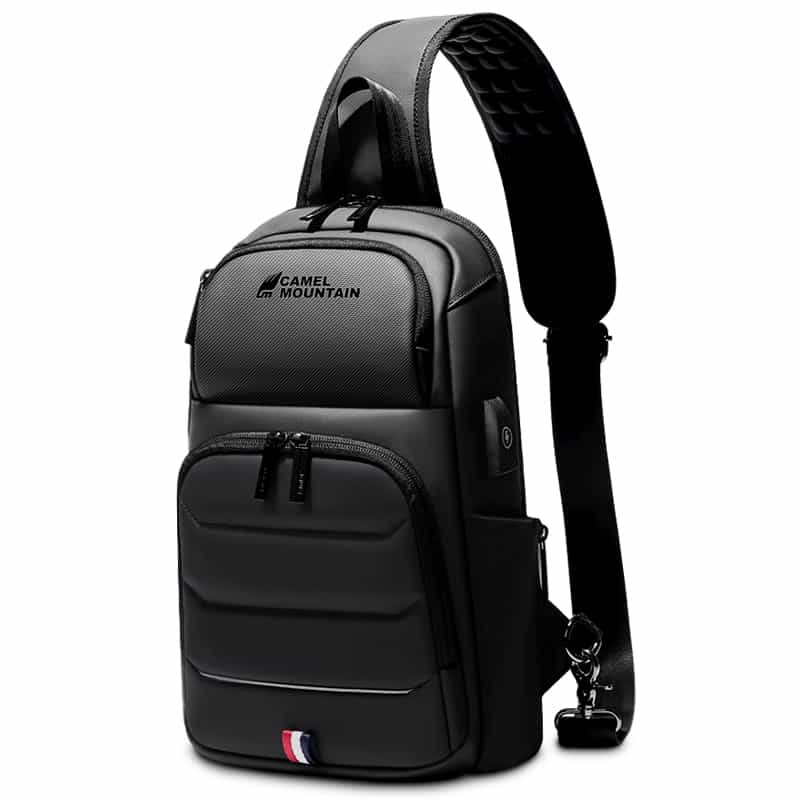
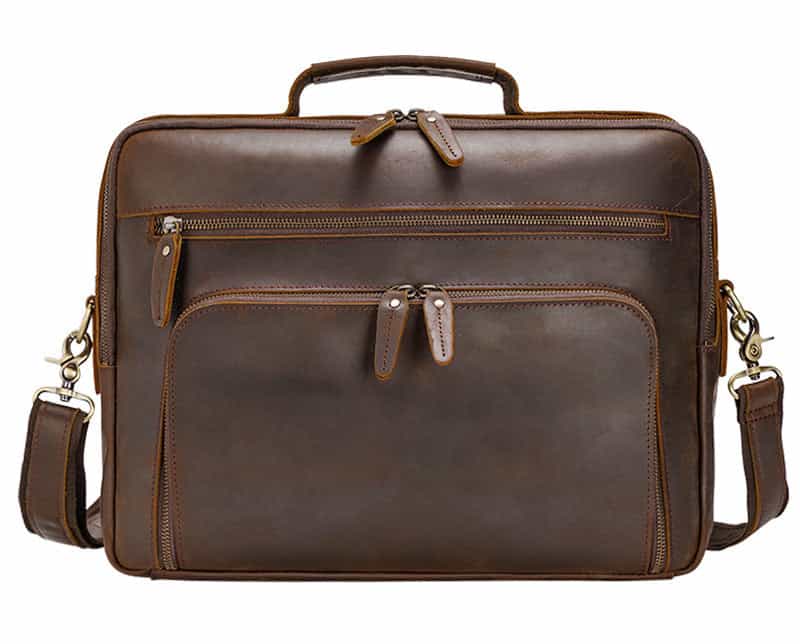
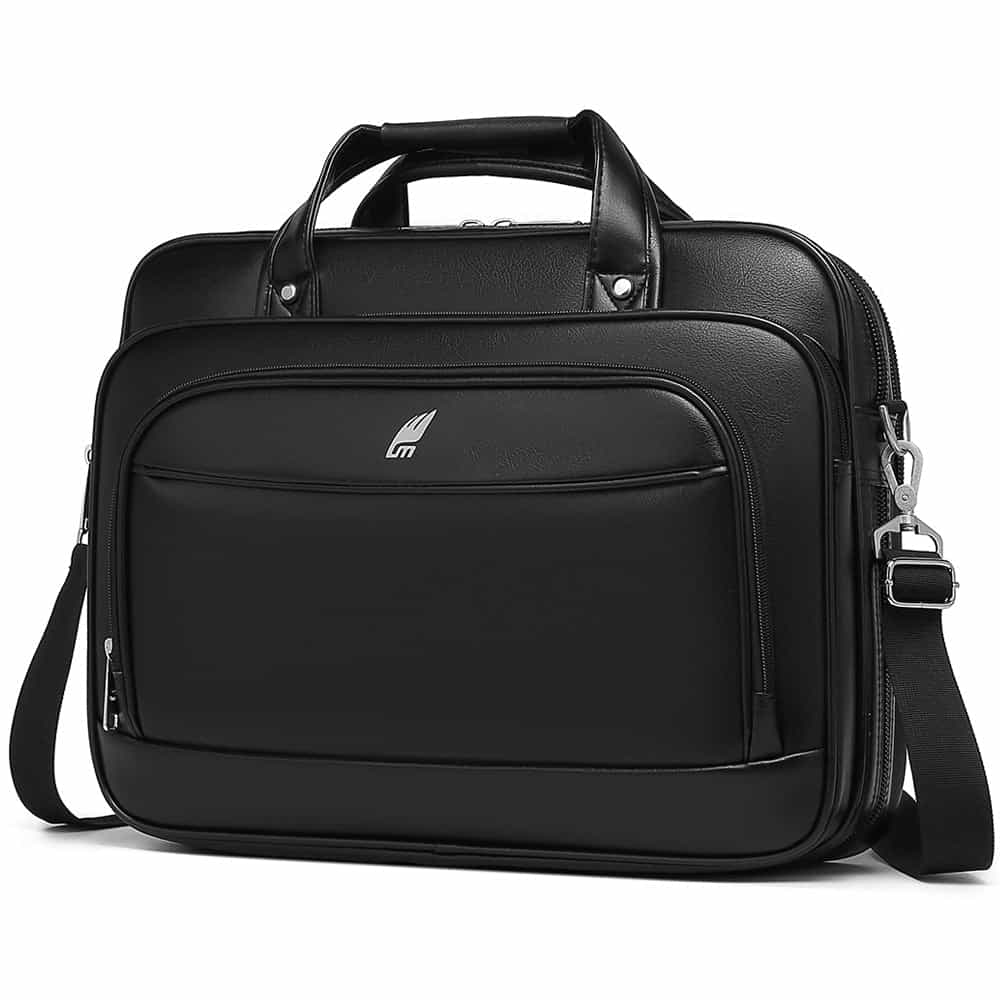
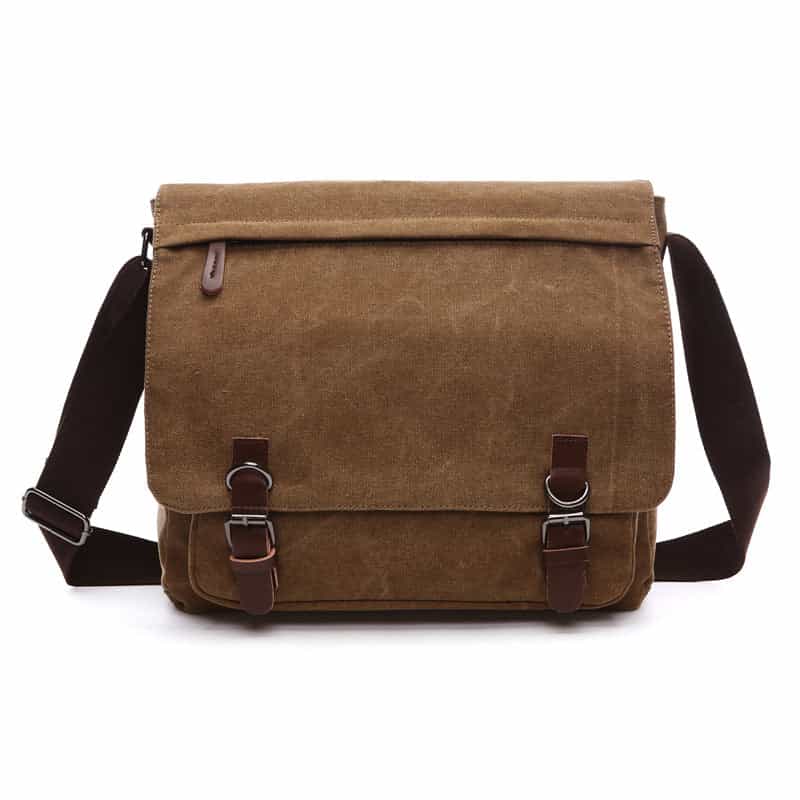
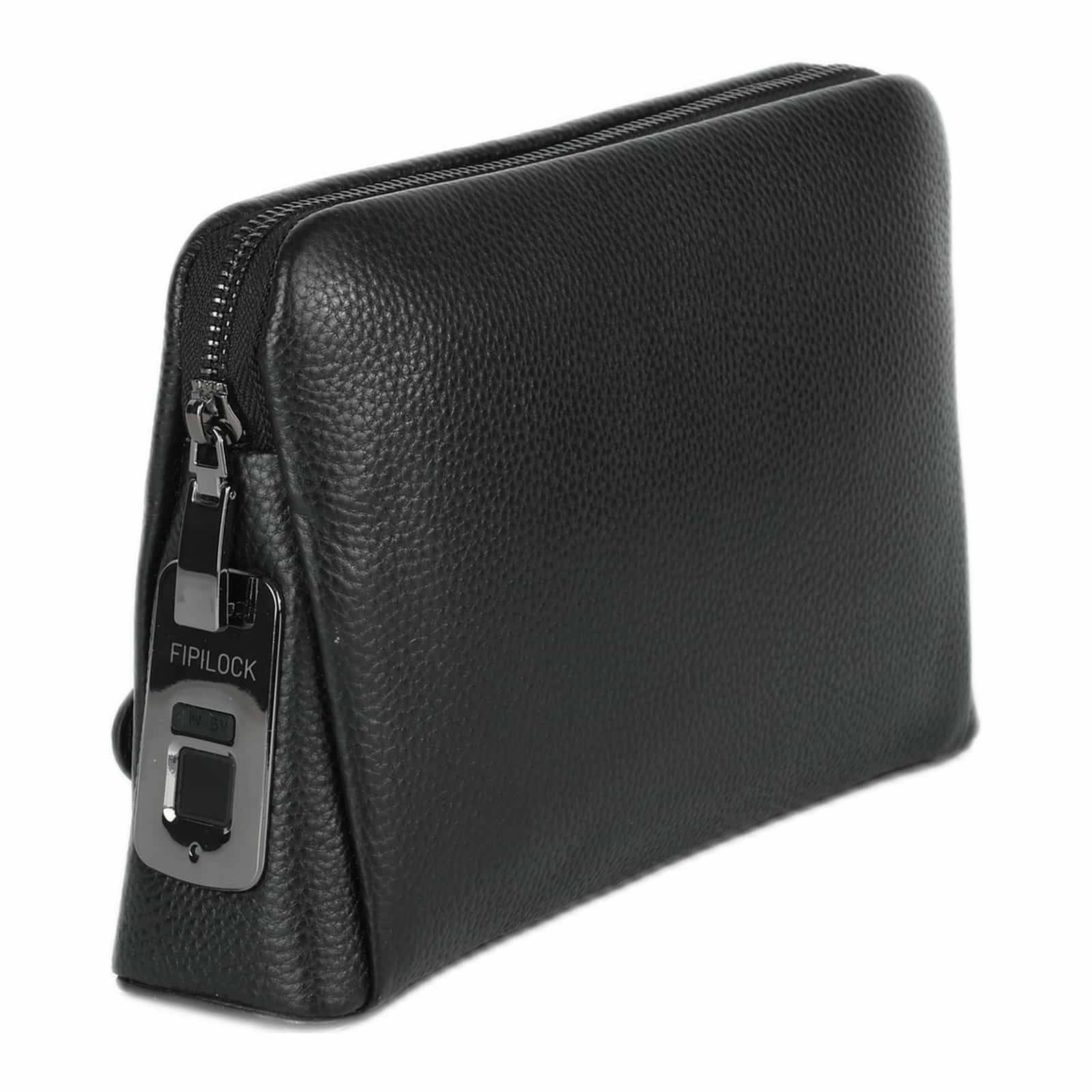
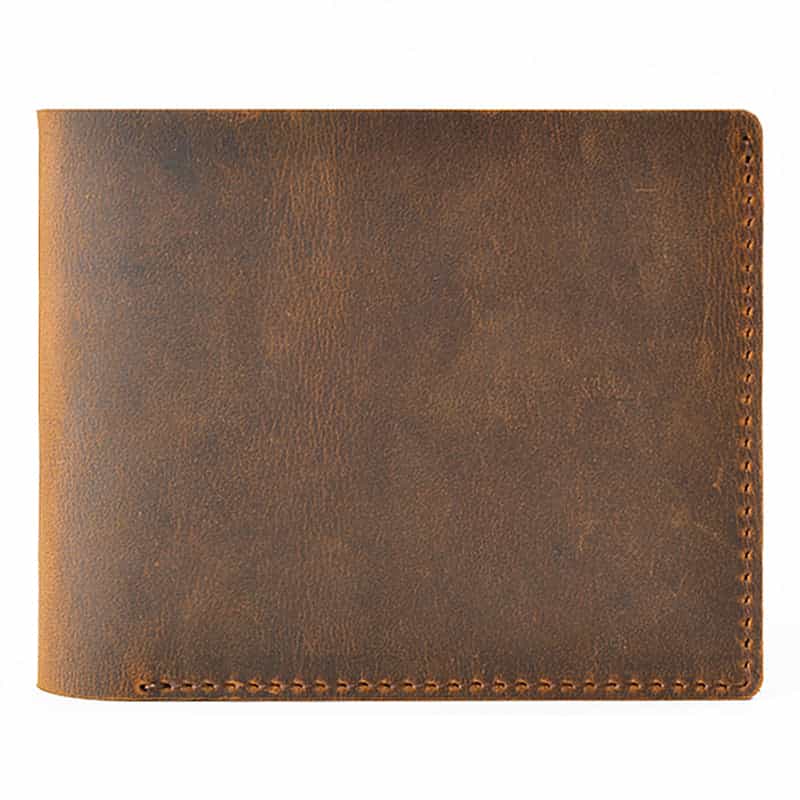
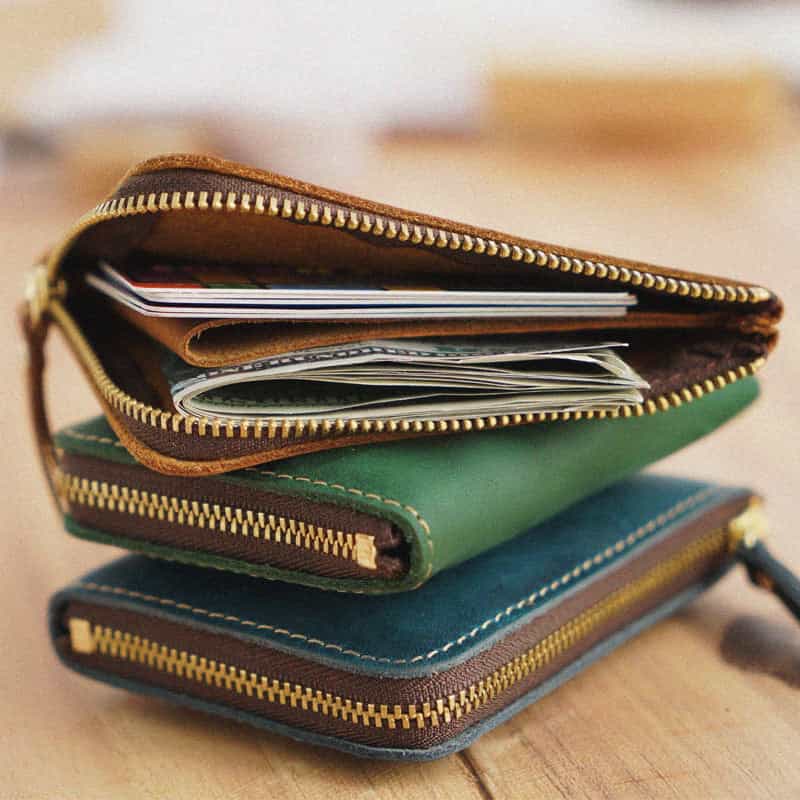
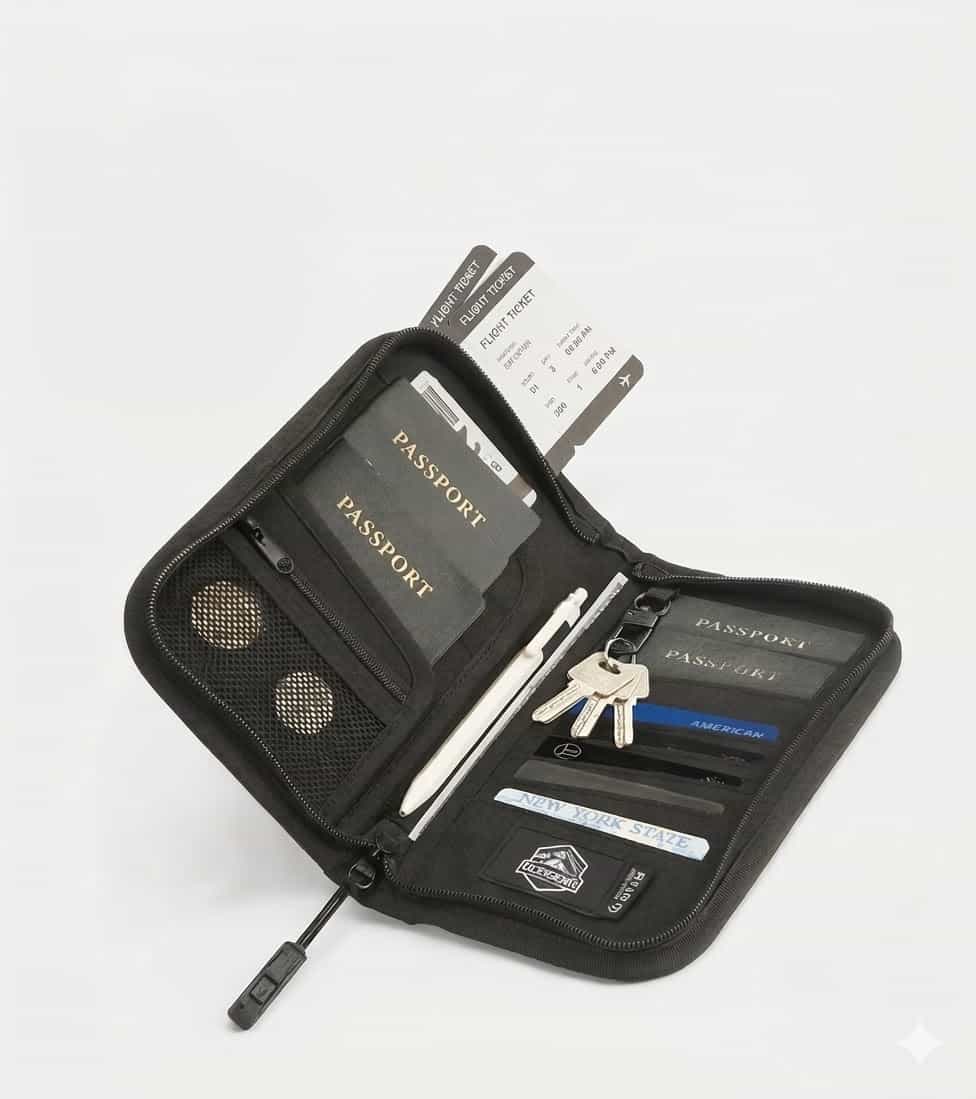
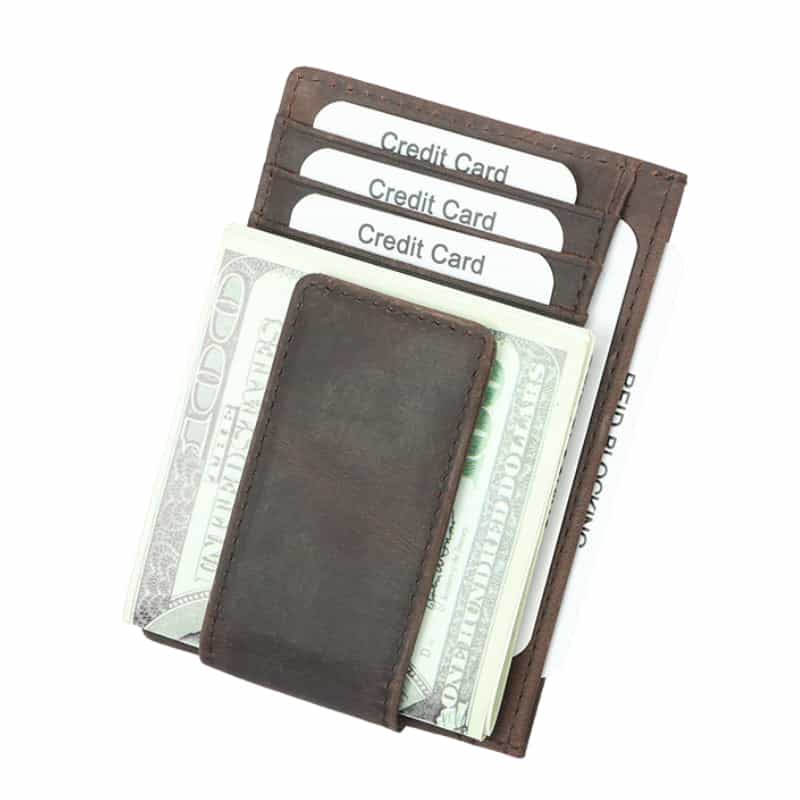
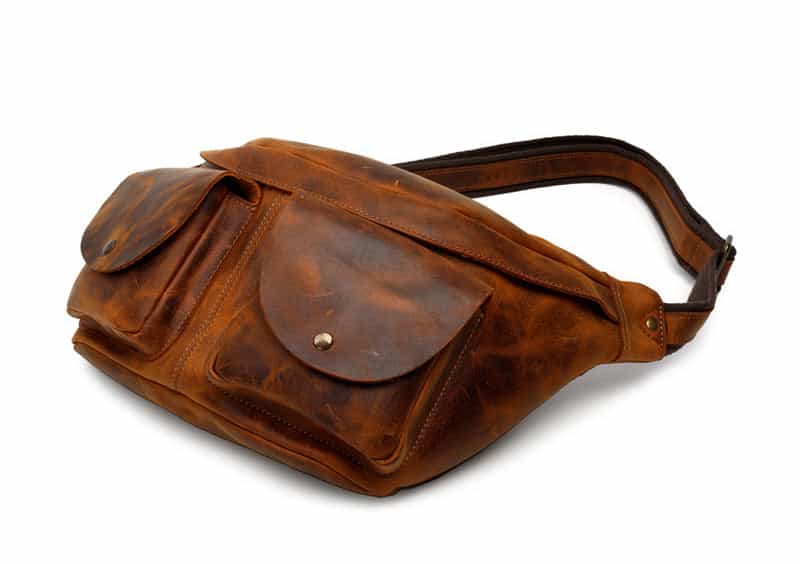
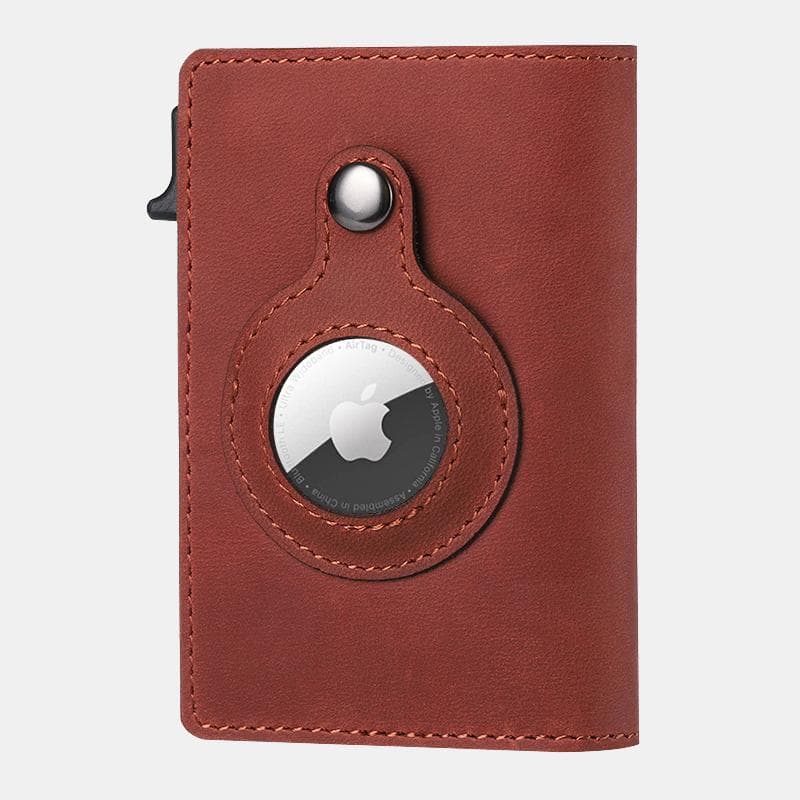
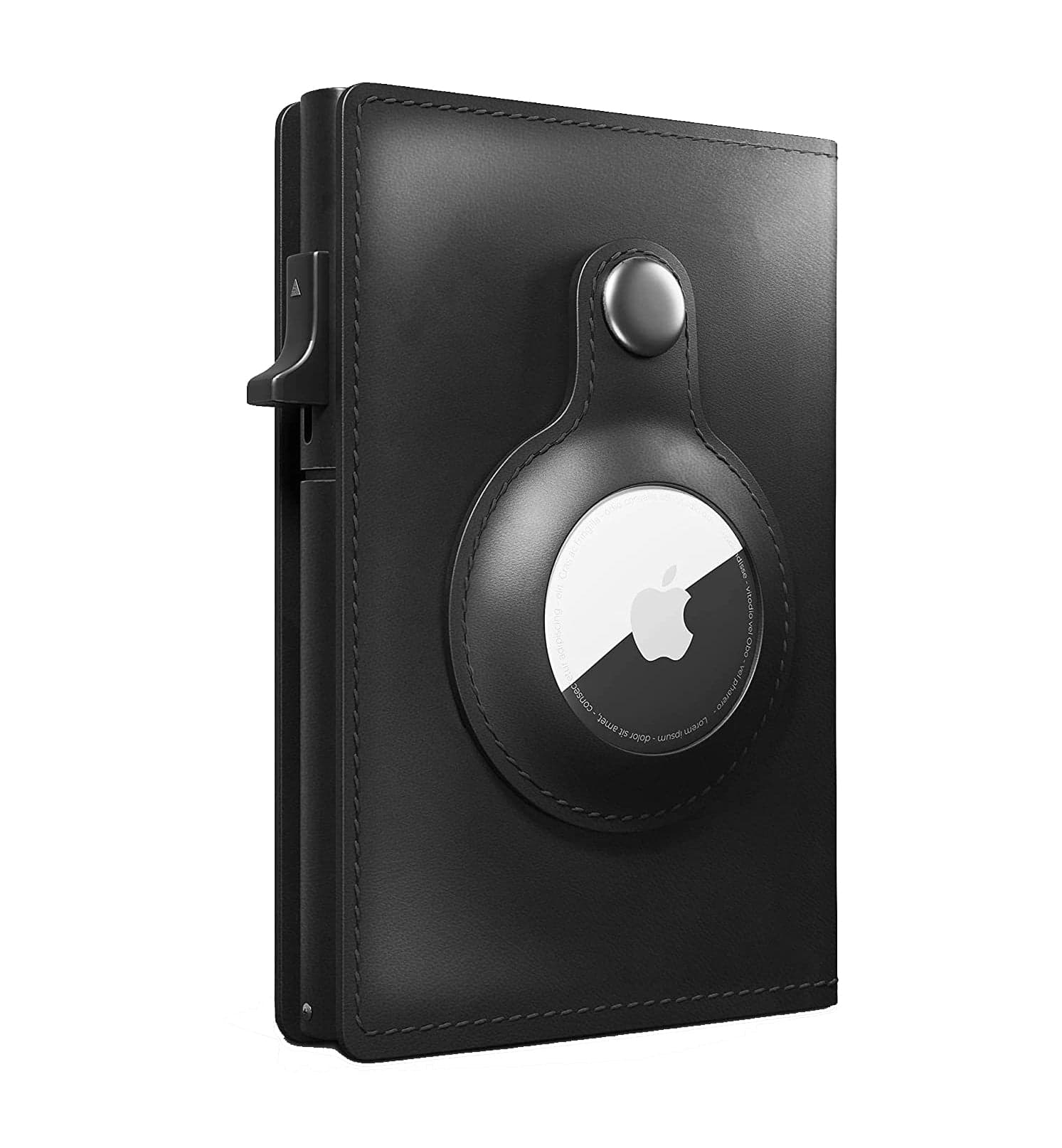
- Wallets and handbags: if you travel with a laptop backpack or a small shoulder bag, use a smart wallet with a built-in AirTag compartment. That way your wallet and the whole bag are protected and trackable together if they're forgotten or stolen during the trip.
Lost your suitcase anyway? A real-time action guide
You've reached your destination, stood by the baggage carousel for an hour, and your suitcase just isn't coming. Instead of panicking, open your tracking app. Here are the next steps to take:
- Check the location in the app: did the suitcase stay at your departure airport? Is it stuck at the stopover in Munich? Or maybe it's actually in the back warehouse of the airport you're at right now? This information is worth gold.
- Go to the lost and found desk (Lost & Found): don't leave the airport without filling out a PIR (Property Irregularity Report). It's the official document proving that the airline lost your baggage.
- Show the digital evidence: show the service agent your suitcase's exact location on the map on your phone. In many cases this shortens the search from days to minutes, especially if the suitcase was simply put on the wrong carousel or in a nearby storeroom by mistake.
Five pro tips for preventing lost luggage
Technology helps us locate a suitcase after the fact, but our first goal is to prevent losing it in the first place. Here are 5 practical tips every frequent flyer should know:
- Remove old stickers: automated airport systems scan barcodes. An old sticker from a previous flight to Paris can confuse the scanner and send your suitcase to the wrong destination.
- Photograph your suitcase before check-in: if the suitcase does get lost, a clear photo of it will make it much easier for the airport tracing team to identify it among thousands of similar suitcases.
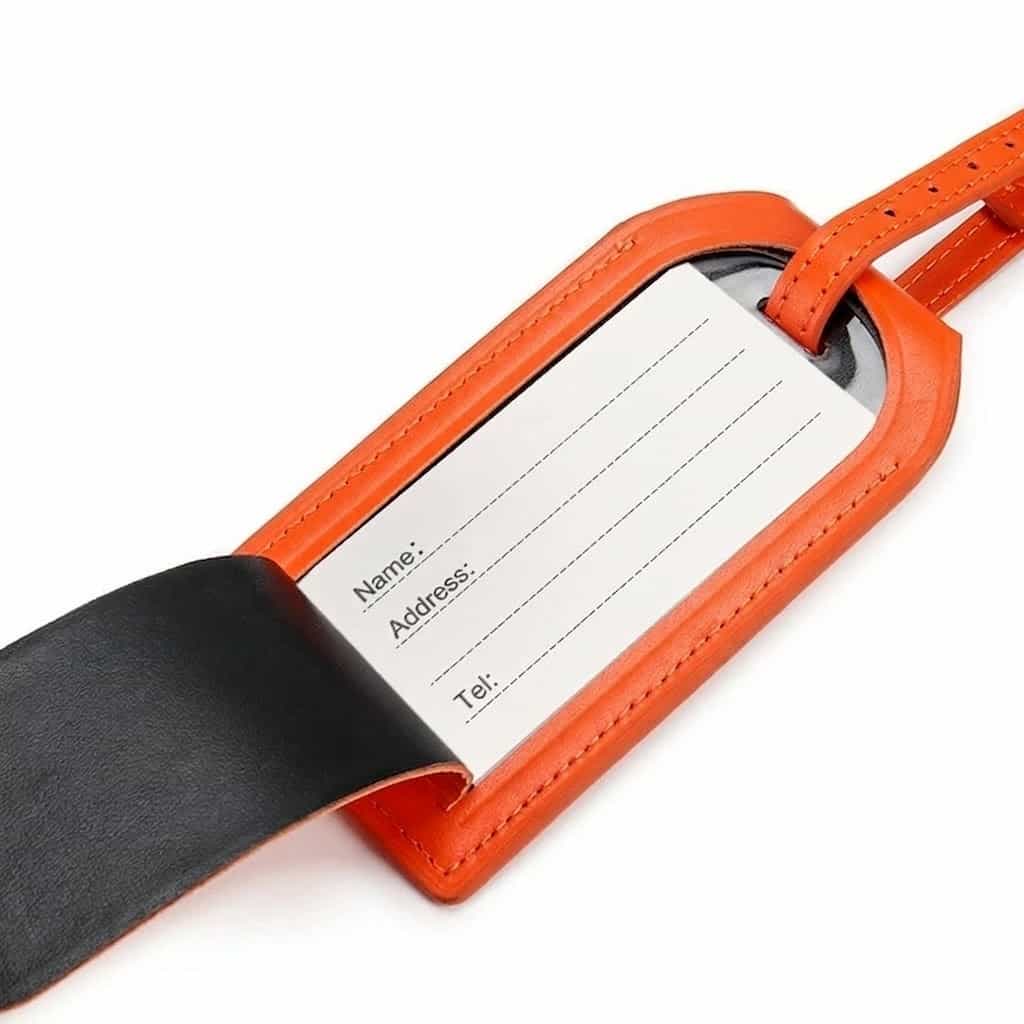
- A tough physical ID tag: alongside digital tracking, a physical name tag made of leather or hard plastic with up-to-date contact details (name, phone number with international dialing code and email) is a must.
- Put an information sheet inside the suitcase: sometimes outer tags get torn off. A simple sheet of paper placed right on top of the clothes, with your contact details and flight destination, will save the day if the suitcase is opened for inspection.
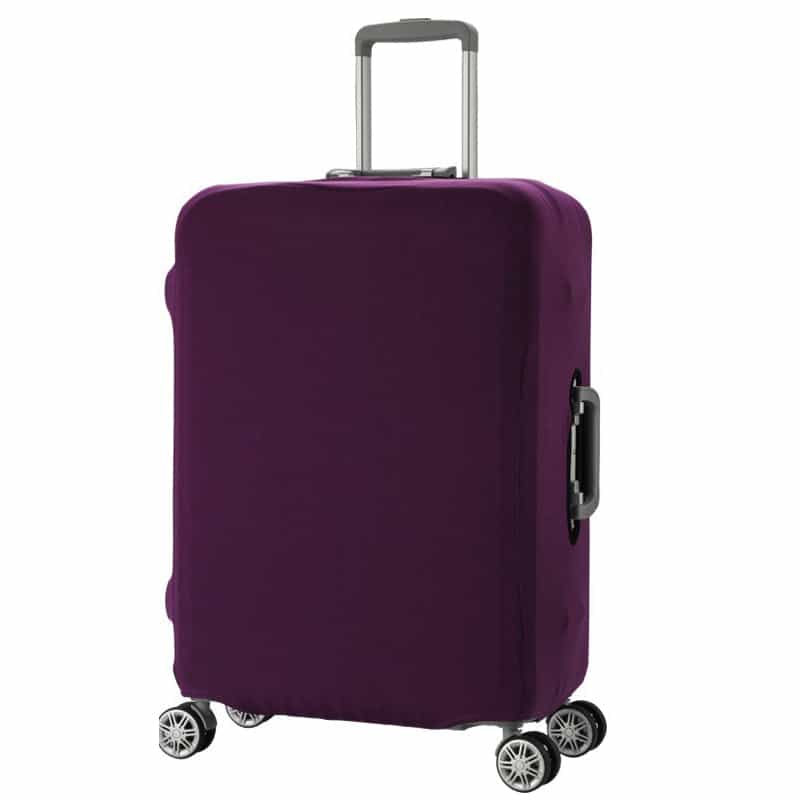
- Choose a distinctive suitcase or cover: standard black suitcases are the most likely to be taken from the carousel by other passengers by mistake. A suitcase in a unique color or a designer elastic cover will prevent embarrassing mix-ups.
Based on a report: Lost a suitcase? This technology may help you find it, C14
Products that will help you on the way


Products in this guide
Frequently asked questions
Can you put trackers like an AirTag inside a suitcase that goes in the hold?
Yes, definitely. International aviation authorities (including the FAA and EASA) have officially confirmed that trackers powered by small lithium batteries (such as CR2032 coin cells) are completely safe to use in the hold and don't violate safety regulations.
Will a Bluetooth tracker work even if my suitcase is in another country?
Yes, thanks to crowdsourcing technology. As long as a compatible device (such as an iPhone, in the case of an AirTag) passes near your suitcase at that distant airport, its location will update in your app automatically and completely anonymously.
What is the advantage of an AirTag-ready wallet when traveling?
These wallets have a dedicated compartment that keeps the tag steady and secure without significantly adding to the wallet's thickness. That lets you find your wallet and important documents quickly if you left them in a taxi, a café or a hotel during the trip.
Should you use a real GPS device instead of a Bluetooth tag?
GPS devices offer independent accuracy with no reliance on other devices, but they're much more expensive, need a SIM card with an international data plan, and their battery lasts only a few days compared with a full year for Bluetooth tags. For most travelers, a classic Bluetooth tag is the most cost-effective and convenient solution.
What should you do if the app shows the suitcase at the airport but the airline says it isn't there?
Go to the lost and found desk and show the agent the exact location on your map. This hard evidence helps agents physically locate the suitcase in the back storerooms or sorting area much faster.


