
The New Luggage Rules: How to Prevent Damage in Surprise Airport Inspections
October 23, 2026

To prevent damage to your suitcase in surprise inspections by airport inspectors who are authorized to open baggage without your permission, it's essential to use a suitcase with a built-in, standard TSA lock. This lock lets security staff open and relock the suitcase with a dedicated master key, without forcing it open or destroying the zippers and mechanism, while keeping the contents safe.
The new rules at airports: what happens when your suitcase is selected for inspection?
Recently, worrying reports from around the world have made headlines about new, stricter security regulations at especially popular tourist destinations. According to the reports, customs and security inspectors at airports have been given full authority to open passengers' suitcases for surprise inspections, even without the passenger present or their prior consent. For travelers, this is a worrying situation: you land at your destination, wait by the baggage belt, and discover that your suitcase arrived forced open, torn or with broken zippers.
When security staff come across a locked suitcase that raises suspicion, and they have the legal authority to open it, they won't hesitate to use force. Simple padlocks will be cut with a cutter, and the zippers of standard suitcases will be forced open and permanently damaged. The only way to make sure your suitcase is opened in a controlled way and locked back securely is to use the right locking technology and smart packing methods.
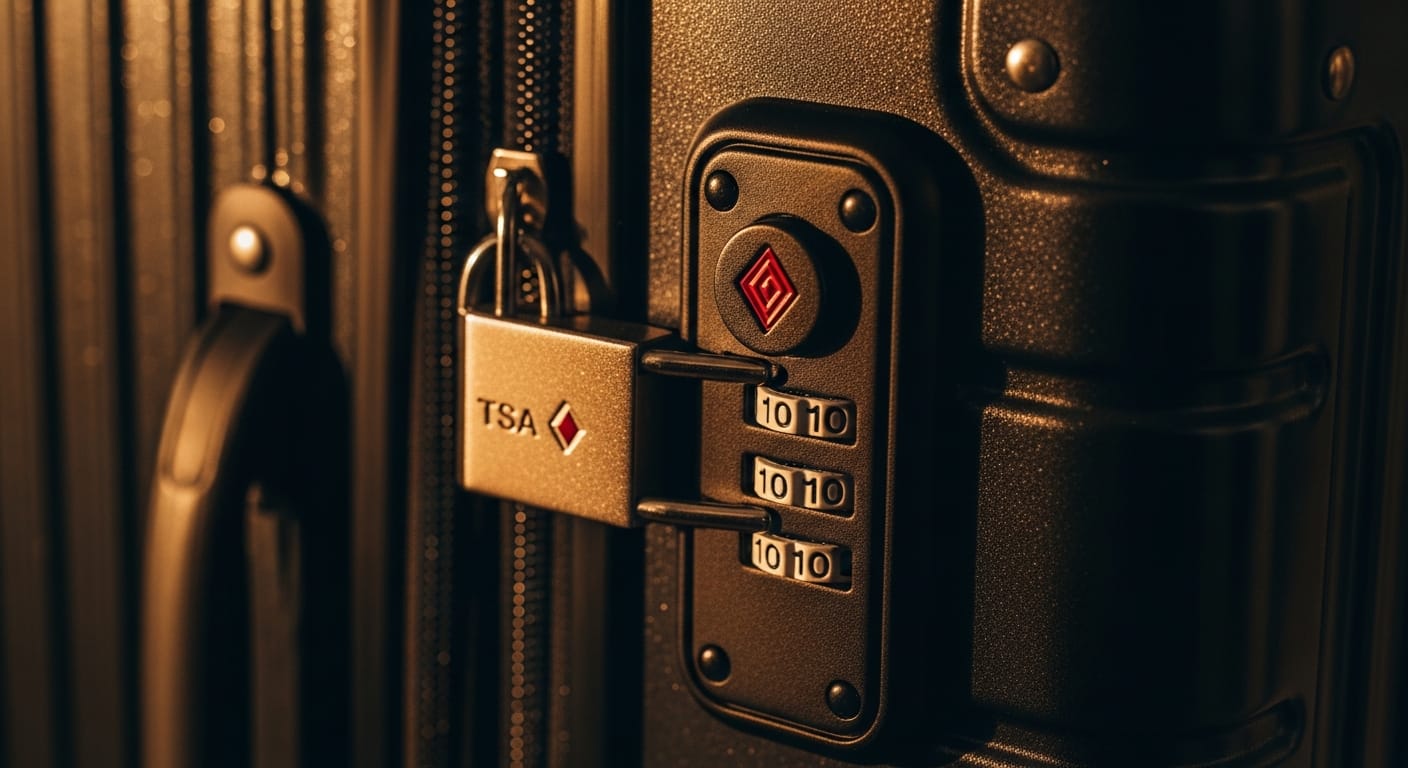
The TSA lock: your suitcase's gatekeeper
A TSA (Transportation Security Administration) lock is a special development created exactly for these situations. It's a combination locking mechanism (a three-digit code) that also includes a special keyhole. The key for this keyhole isn't held by the passenger, but only by authorized security staff at airports around the world.
When your suitcase is selected for a random inspection, the inspector recognizes the red diamond symbol of the TSA lock, uses the master key in their possession, opens the suitcase gently, checks the contents, and locks it again. The suitcase continues on its way to the hold intact, locked and protected from theft for the rest of the journey.
Comparison table: TSA lock vs regular lock in security inspections
| Feature | Built-in TSA lock | Regular combination lock / padlock |
|---|---|---|
| How security opens it | A dedicated master key (no damage to the suitcase) | Physical force (cutting zippers or breaking the lock) |
| Suitcase condition after inspection | Locked again and safe for the rest of the flight | Open, damaged and exposed to theft at the baggage belt |
| Resistance to opportunistic break-ins | Very high (built into the body of the suitcase) | Medium to low (easy to saw or tear off) |
A smart packing guide: how to arrange your suitcase to survive a surprise inspection
Locking the suitcase is only half the job. When an inspector opens your suitcase, your goal is for them to finish the inspection as quickly as possible without messing up or losing your things. Correct, organized packing looks professional and keeps inspectors from digging deep into your baggage.
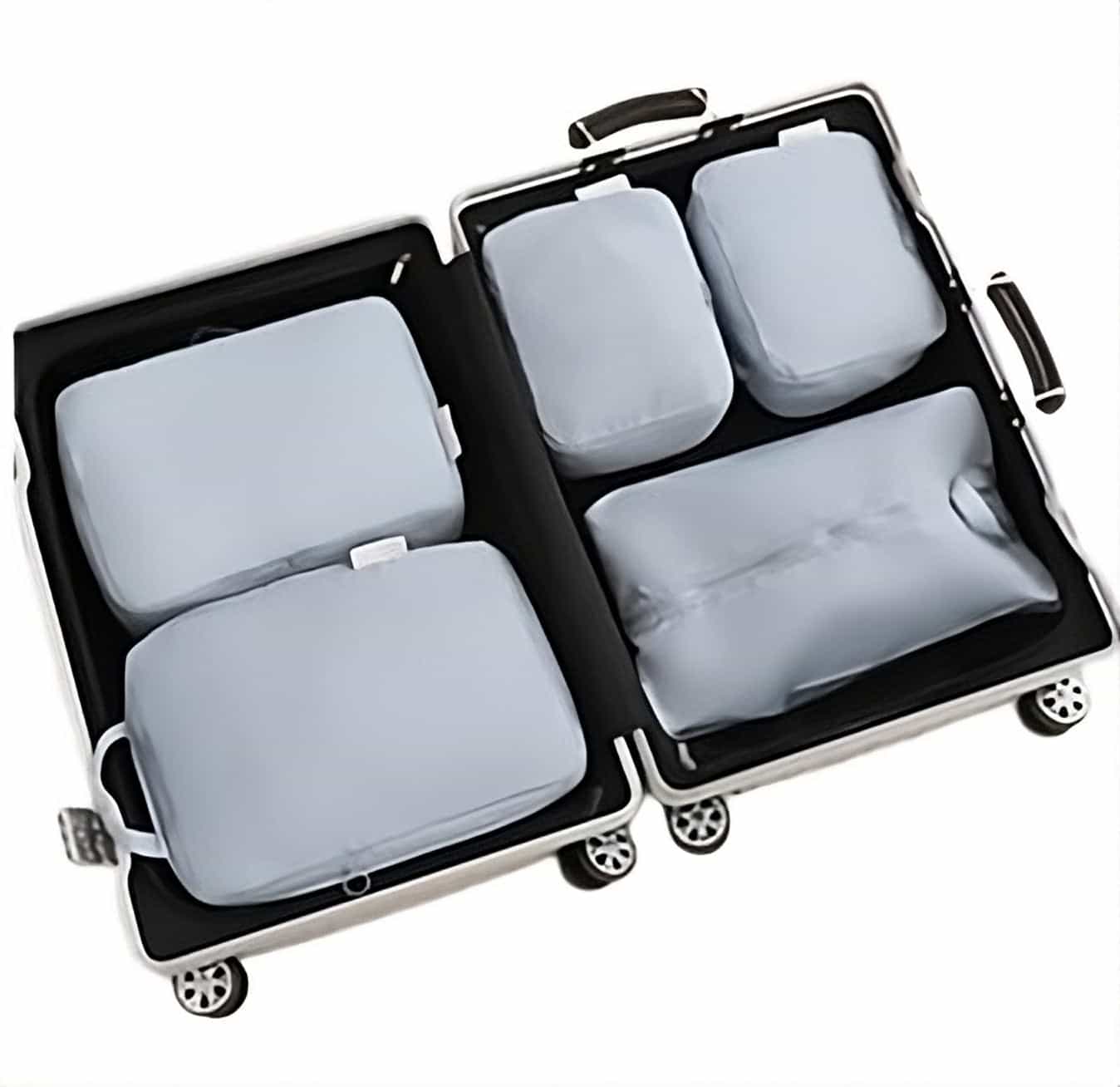
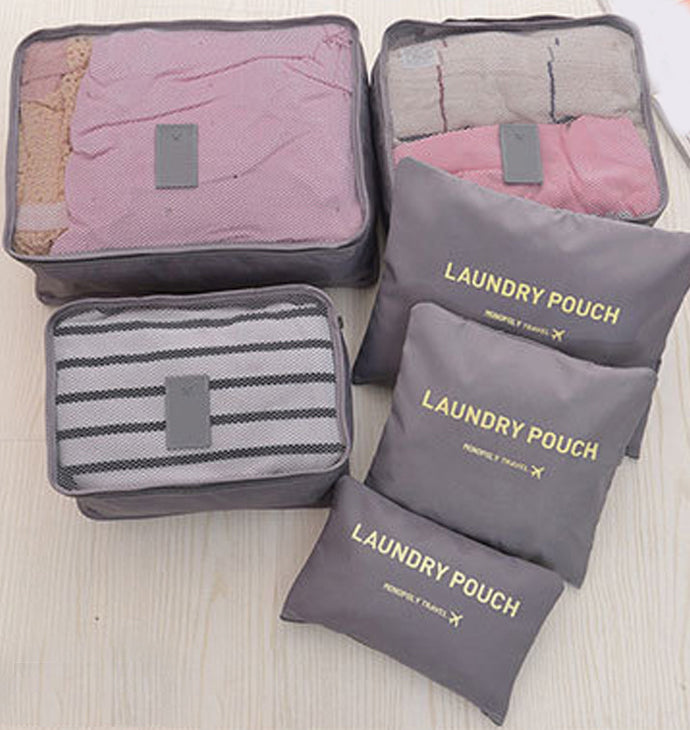
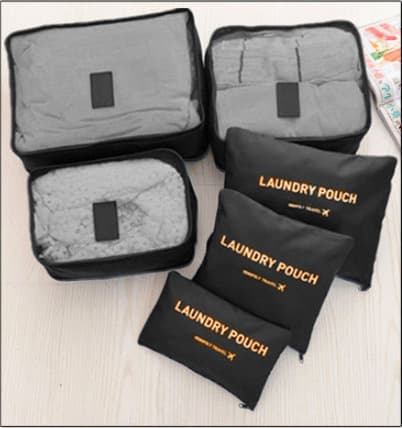
1. Use packing cubes
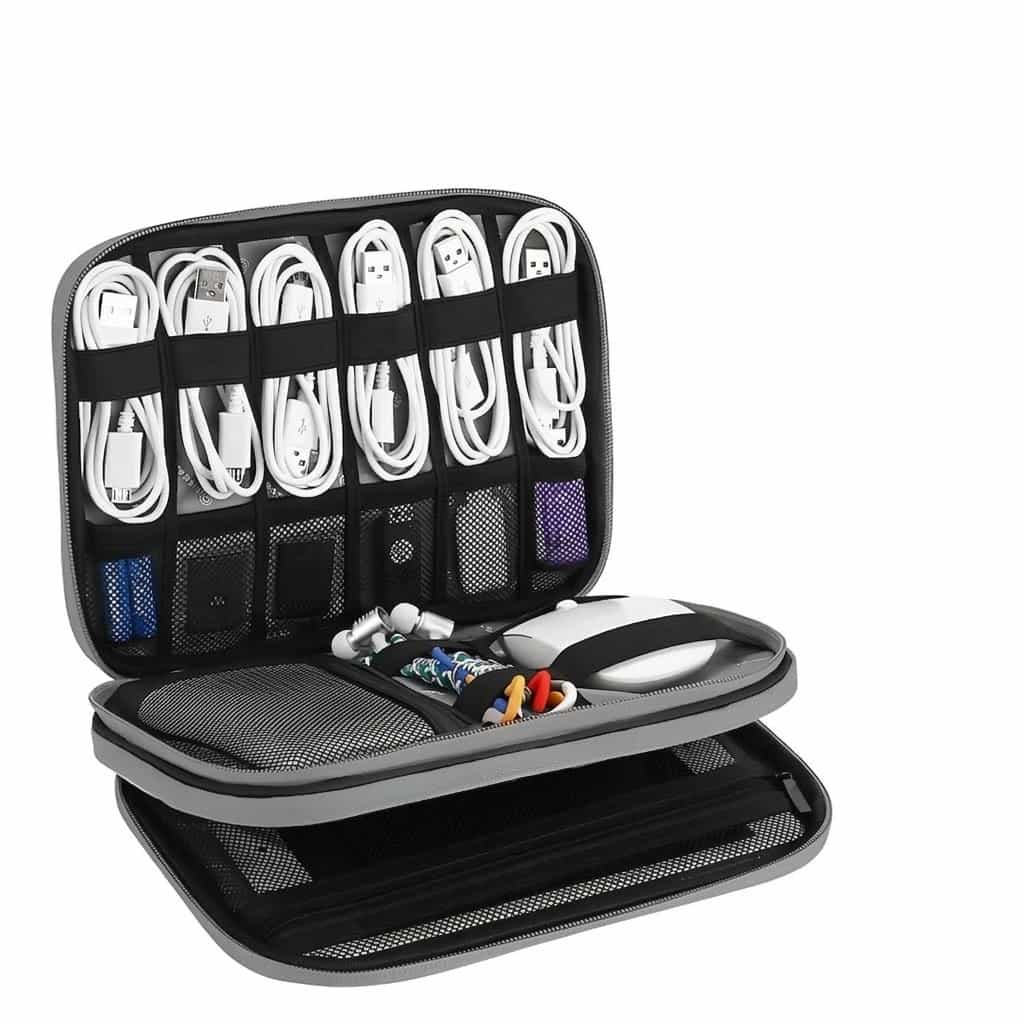
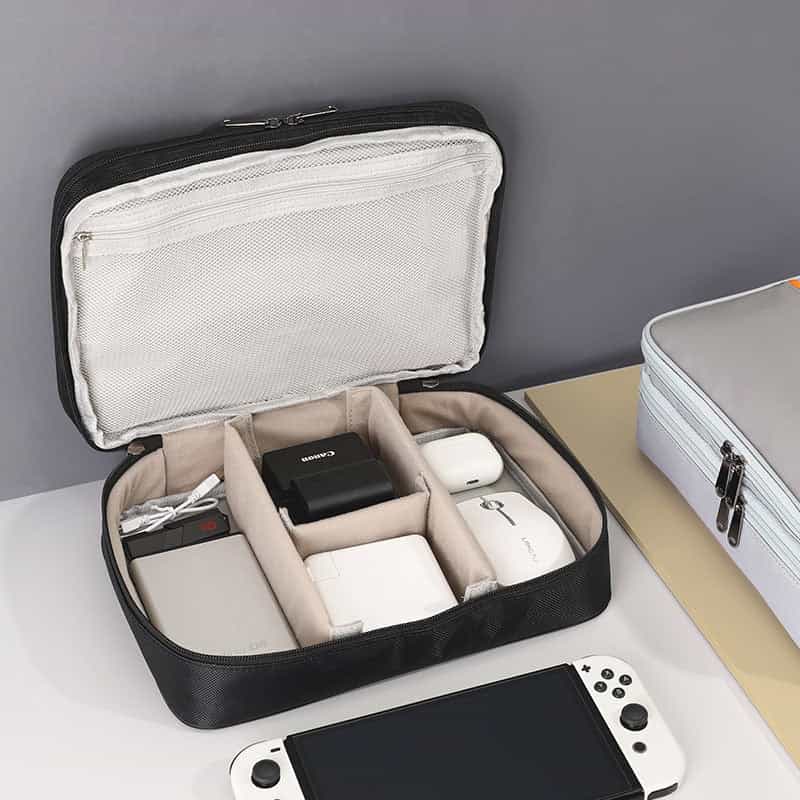
Packing cubes are the secret of professional travelers. Instead of all your clothes and personal items being loose in the suitcase, divide them into categories in dedicated organizer bags. If the inspector needs to check the suitcase, they'll simply lift the cubes, see that everything is organized, and won't need to open and scatter your underwear or personal items.
2. Put electronics and liquids at the top
If you're checking permitted electronics or liquids in the hold (according to the airline's guidelines), always place them at the top of the suitcase, close to the main zipper. These are the items that most often set off red flags on the X-ray screens. When they're accessible and easy to pull out, the inspector can glance at them in seconds without turning the whole suitcase upside down.
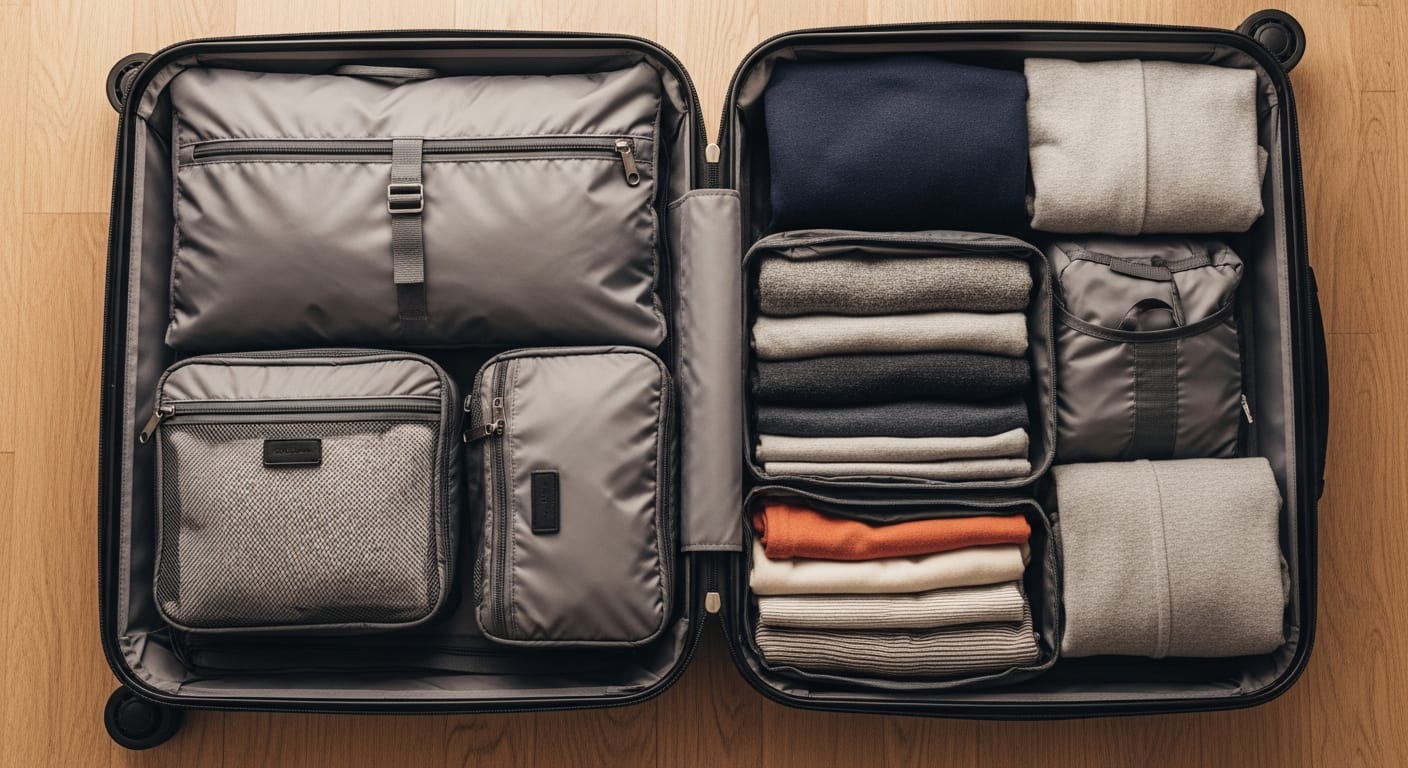
3. Avoid overstuffing the suitcase
A suitcase stuffed to bursting is a recipe for disaster in security inspections. As soon as the inspector opens the zipper, the internal pressure will make things burst out. Putting them back and closing the suitcase again under pressure may cause the inspector to close the zipper aggressively, tearing it. Always leave a little breathing room in the suitcase.
Practical tips for protecting your personal gear
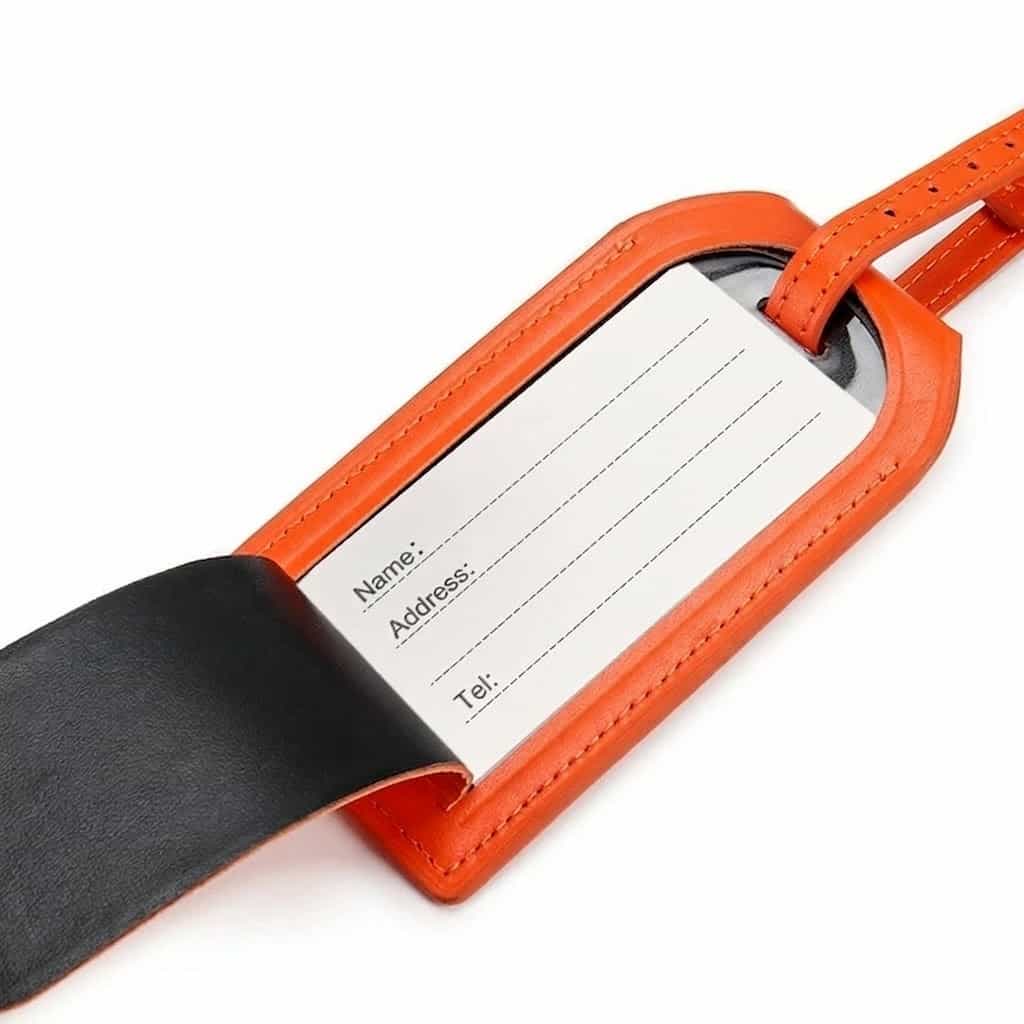
- Clear ID tags: make sure the suitcase has a durable, quality ID tag with your contact details written clearly in English. If the suitcase is held for a longer inspection, it will be easy to match it to you.
- Photograph the suitcase before the flight: photograph your suitcase outside and inside once it's packed, just before you hand it over at the check-in counter. In the rare case of unlawful damage, you'll have accurate documentation for filing a claim with the airline or your insurer.
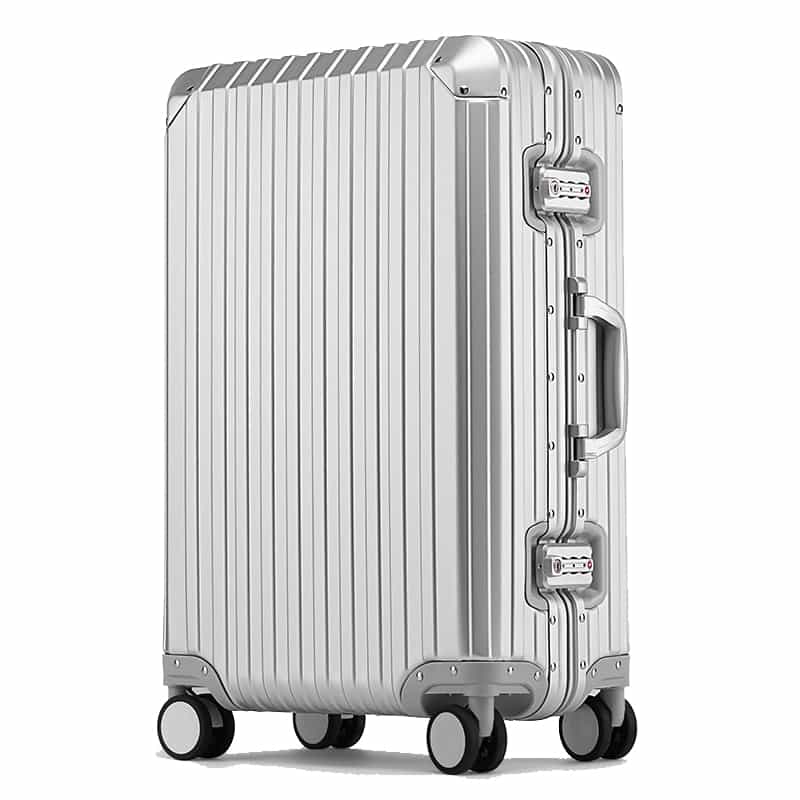
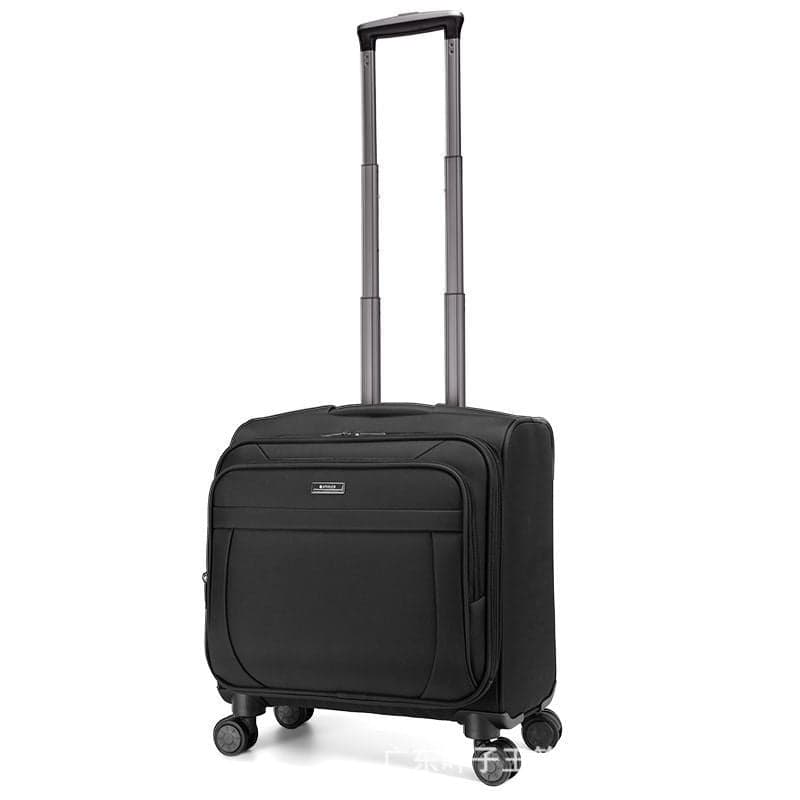
- Consider aluminum suitcases or zipperless hard suitcases: these suitcases usually come with rigid clips and TSA locks built into the frame, which makes them especially resistant to unauthorized break-ins and physical blows during handling.
Based on a report: The new rule at the popular destination: inspectors will open your suitcase without your permission (Israel Hayom)
Products to help you on the way


Products in this guide

Frequently asked questions
What's the difference between a TSA lock and a regular lock?
A TSA lock has a special keyhole that fits a master key held only by security authorities at airports around the world. A regular lock has no such keyhole, so if the suitcase is selected for inspection, security staff will have to force or cut it open to check the baggage.
Will the airline compensate me if my suitcase was forced open in a security check?
In most cases, if you locked the suitcase with a non-standard lock (not TSA) and security staff had to force it open for a legal inspection, you won't be entitled to compensation for the damage. Using a TSA lock avoids the need to force it open and protects your rights.
How do I know if my suitcase was opened for inspection without my knowledge?
In most cases, when security inspectors open a suitcase with a TSA key, they're required to leave an official notice inside stating that the suitcase was opened and inspected legally. In addition, some TSA locks have a color indicator that changes from green to red as soon as the master key is used.
Can I use an external TSA padlock?
Yes, definitely. If your suitcase doesn't have a built-in TSA lock, you can buy an external padlock bearing the TSA symbol (the red diamond) and thread it through the zipper loops. However, a lock built into the body of the suitcase is considered more durable and safer against being torn off or lost.


