




The Age of Automatic Check-In: How to Prepare Your Suitcase for a Fast Self Bag Drop
October 23, 2026

To prepare a suitcase for a fast, trouble-free self bag drop, remove old barcode stickers, attach the new baggage tag straight around the side or top handle without creases, make sure the suitcase meets the airline's exact weight limits, and use a sturdy ID tag and a digital tracker like an AirTag to prevent loss.
The future is already here: the self bag drop revolution reaches Vietnam (and the whole world)
The international news site Vietnam.vn recently reported that Noi Bai International Airport in Hanoi has started an advanced pilot of fully automatic check-in and bag drop systems for international flights. The goal is clear: shorten tiresome lines, save passengers precious time and make airlines' work more efficient. This trend isn't unique to Vietnam: it's spreading fast all over the world, including Ben Gurion Airport and the major airports of Europe and the USA.
But the move to automated technology shifts a large part of the responsibility from the agent behind the counter to us, the passengers. Self bag drop machines are based on especially sensitive sensors, lasers and scales. A small mistake in attaching the tag or in the suitcase's weight distribution may make the machine reject your bag, send you back to the long manual line, or in the worst case cause the suitcase to get lost in the maze of automated conveyors. So that this doesn't happen to you, we've prepared the complete guide to getting your suitcase ready for the automated age.
The ironclad rules for preparing your suitcase for the automatic scanner
The optical scanners at self bag drop stations need to read the barcode printed on the baggage tag quickly and from a 360-degree angle. Here's what you must do before you put the suitcase on the drop belt:
- Remove old stickers: this is the most important rule. Automatic scanners are easily confused by barcodes from previous flights. Remove every sticker, small or large, left over from earlier trips. Don't be lazy: one old sticker can send your suitcase to a past destination instead of the current one.
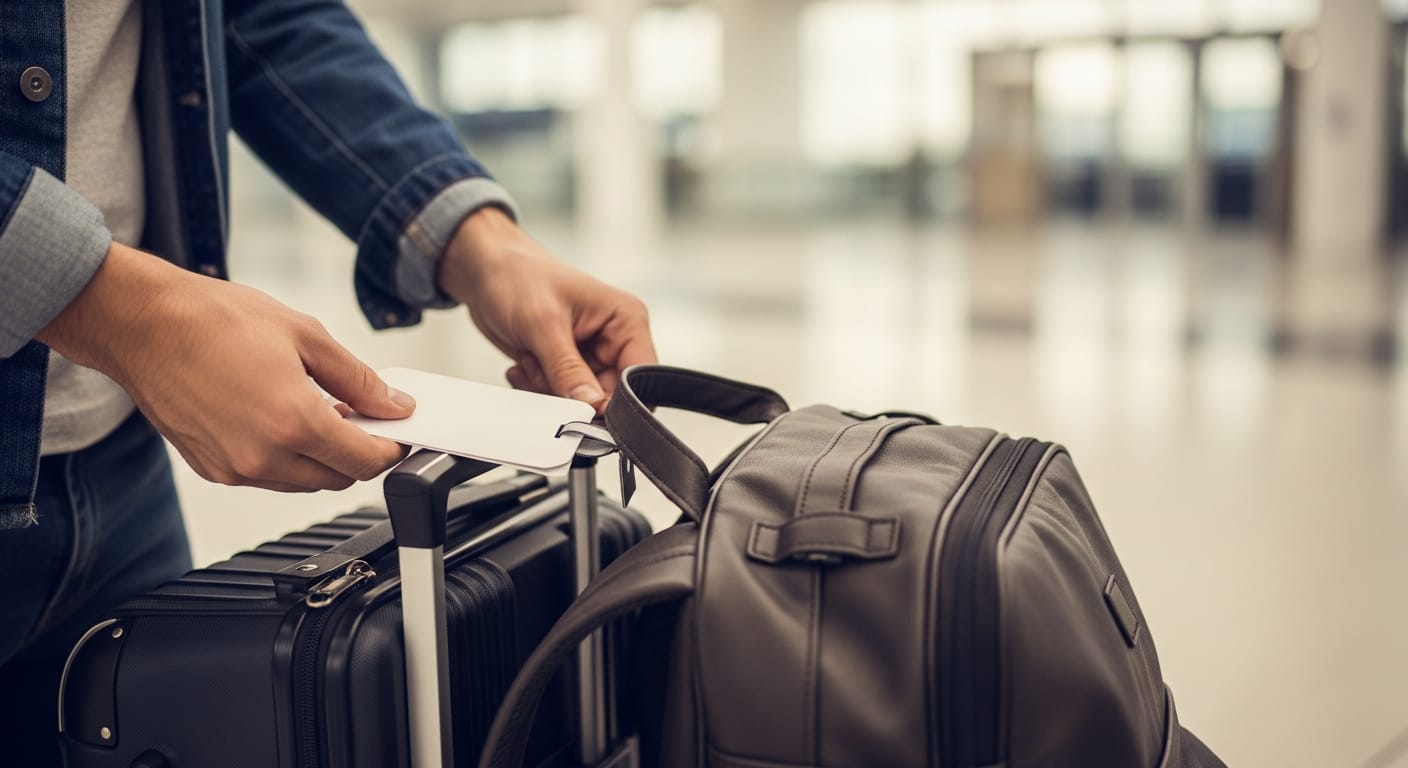
- The right attaching technique: when you print the tag at the kiosk, wrap it around the top or side handle of the suitcase. Make sure the white part with the barcode stays straight, taut and without creases. Don't stick the ends of the tag over each other in a way that hides the barcode.
- Attach the small stickers (stubs): along with the long tag, the machine prints extra small barcode stickers. Stick one or two of them on different smooth areas of the suitcase (not on the handles). This is the system's backup in case the main tag tears or twists.
- Gather straps and buckles: automatic bag drop machines are sensitive to loose items. Backpack straps, loose luggage belts or dangling tags can get stuck in the conveyors and stop the whole system. Make sure all straps are tightened, gathered or tucked inside the bag.
Weight and volume: machines aren't as forgiving as people
Where a human agent behind the counter might once have turned a blind eye to half a kilo extra or a suitcase slightly over the official dimensions, automated machines are programmed to follow dry, strict rules. A digital scale built into the belt will weigh your suitcase to the gram.
To avoid unpleasant surprises and automatic overcharges, it's best to weigh the suitcase at home or at the hotel with a portable luggage scale. It's also important to keep a low center of gravity: pack the heaviest items (like shoes or books) at the bottom of the suitcase, near the wheels. An unbalanced suitcase may tip over on the automatic belt, which will make the system stop the drop and require human intervention.
Comparison table: preparing different kinds of luggage for automatic bag drop
Automatic bag drop systems react differently to different kinds of travel gear. The following table will help you understand the challenges and solutions for each type:
| Type of suitcase or bag | Main challenge with automation | Recommended solution for a fast drop | Suitability for the system |
|---|---|---|---|
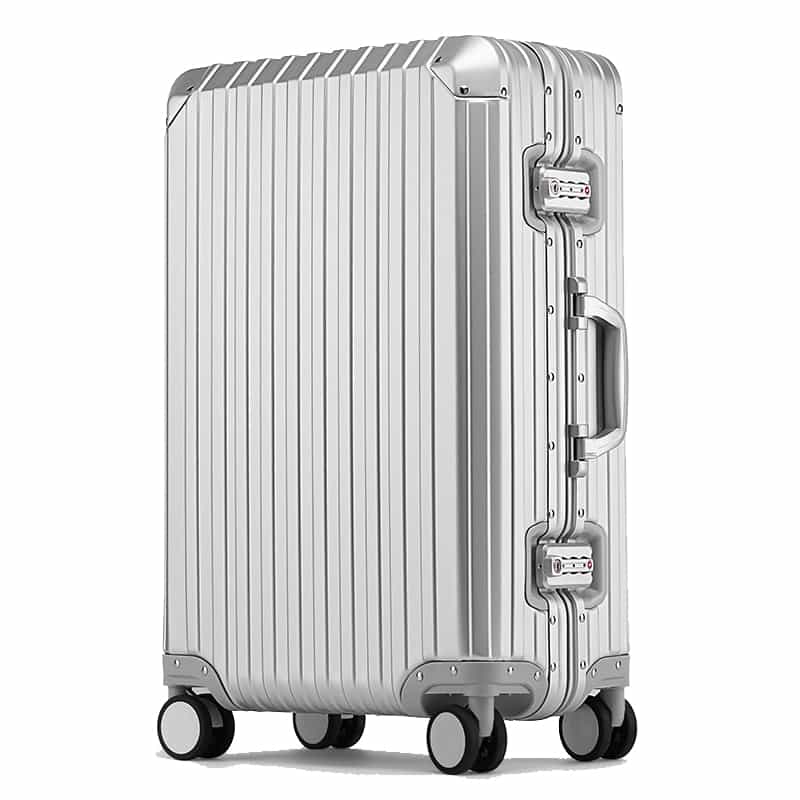
| Hard-shell suitcase | A smooth surface that may slide on some sloped belts. | Lay it on its widest side (or as the machine instructs). | Very high (perfect for scanners) |
| Soft-shell suitcase | Bulging outer pockets or half-open zippers. | Close all the zippers and compress the expansion sections. | High |
| Large backpack / travel pack | Long shoulder straps and hip belts that may get caught. | Use a dedicated protective cover or tie all the straps together. | Medium (requires preparation) |
| Duffel / flexible travel bag | The lack of a fixed shape makes it hard for the machine's volume sensors. | Pack it full and balanced to create as stable a structure as possible. | Medium |
Digital and physical backup: what to do when the system fails
Even the most advanced systems, like the one being tested now in Hanoi, aren't 100% immune to glitches. So a smart self bag drop requires you to create a double backup, physical and digital.
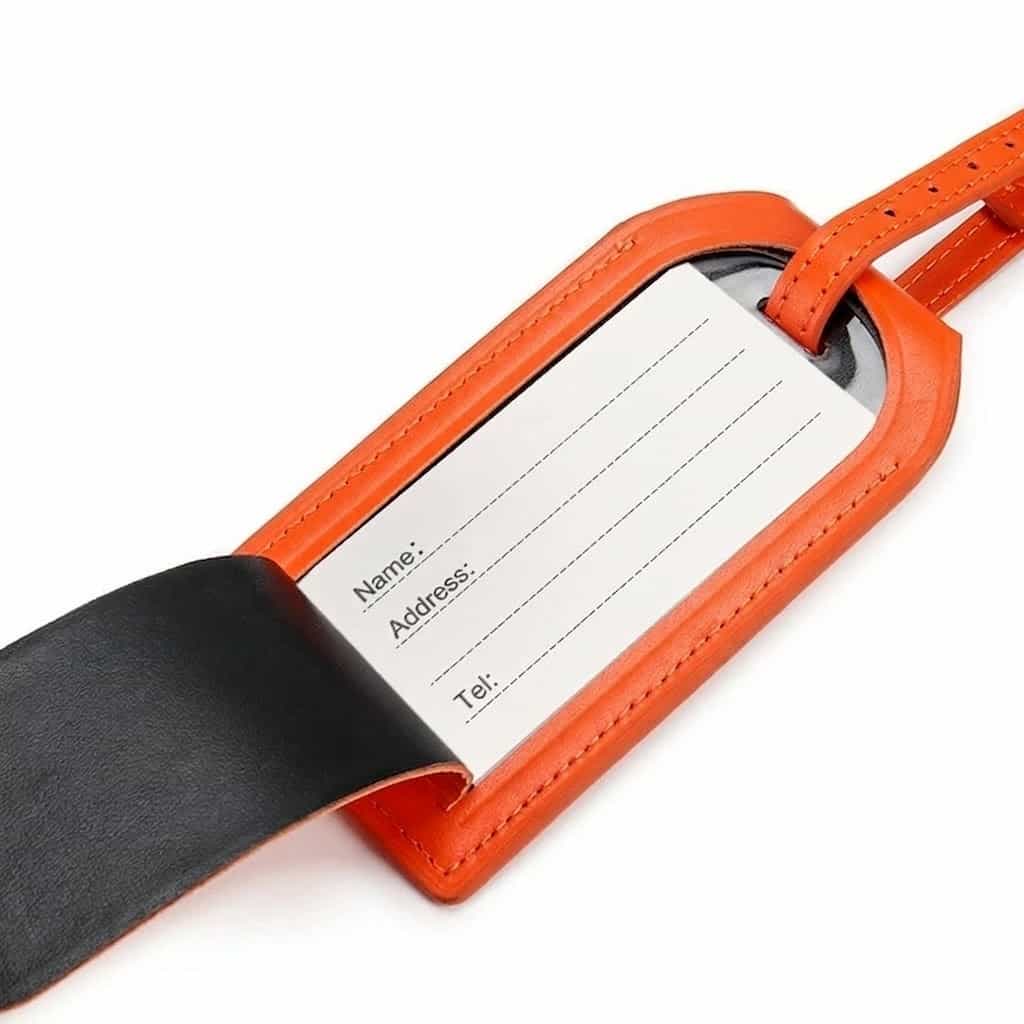
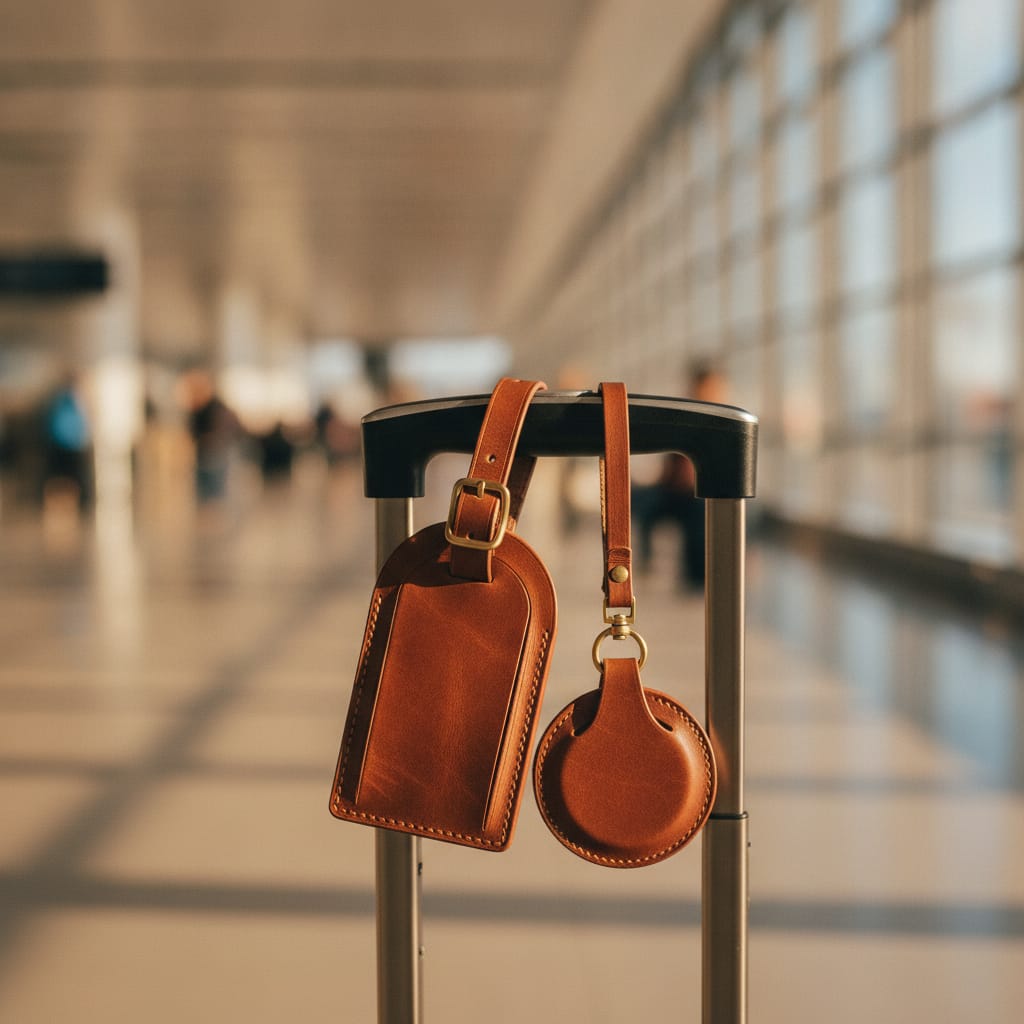
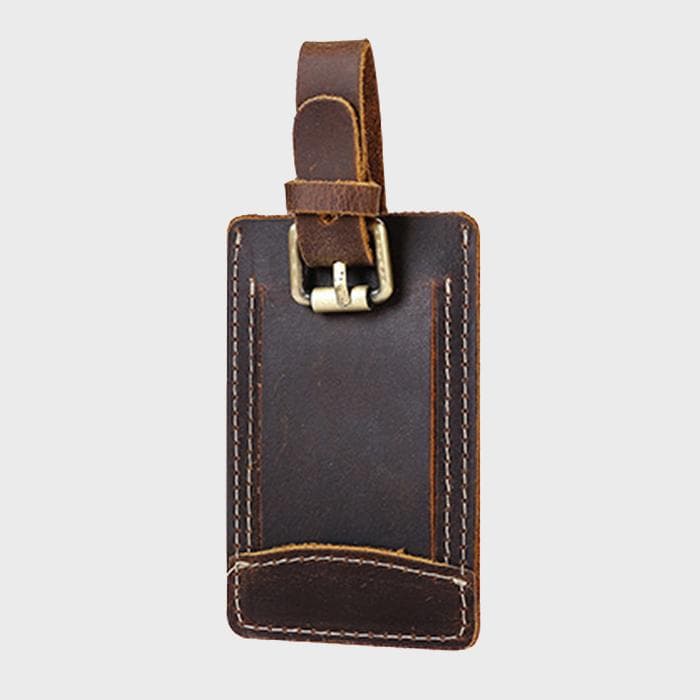
The physical backup: don't rely only on the airline's paper sticker. Get a sturdy, quality leather or silicone ID tag, firmly attached to the suitcase handle. Make sure your contact details (name, phone with the international dialing code and email) are up to date and clear, but hidden from view (tags with a privacy cover are the ideal solution).
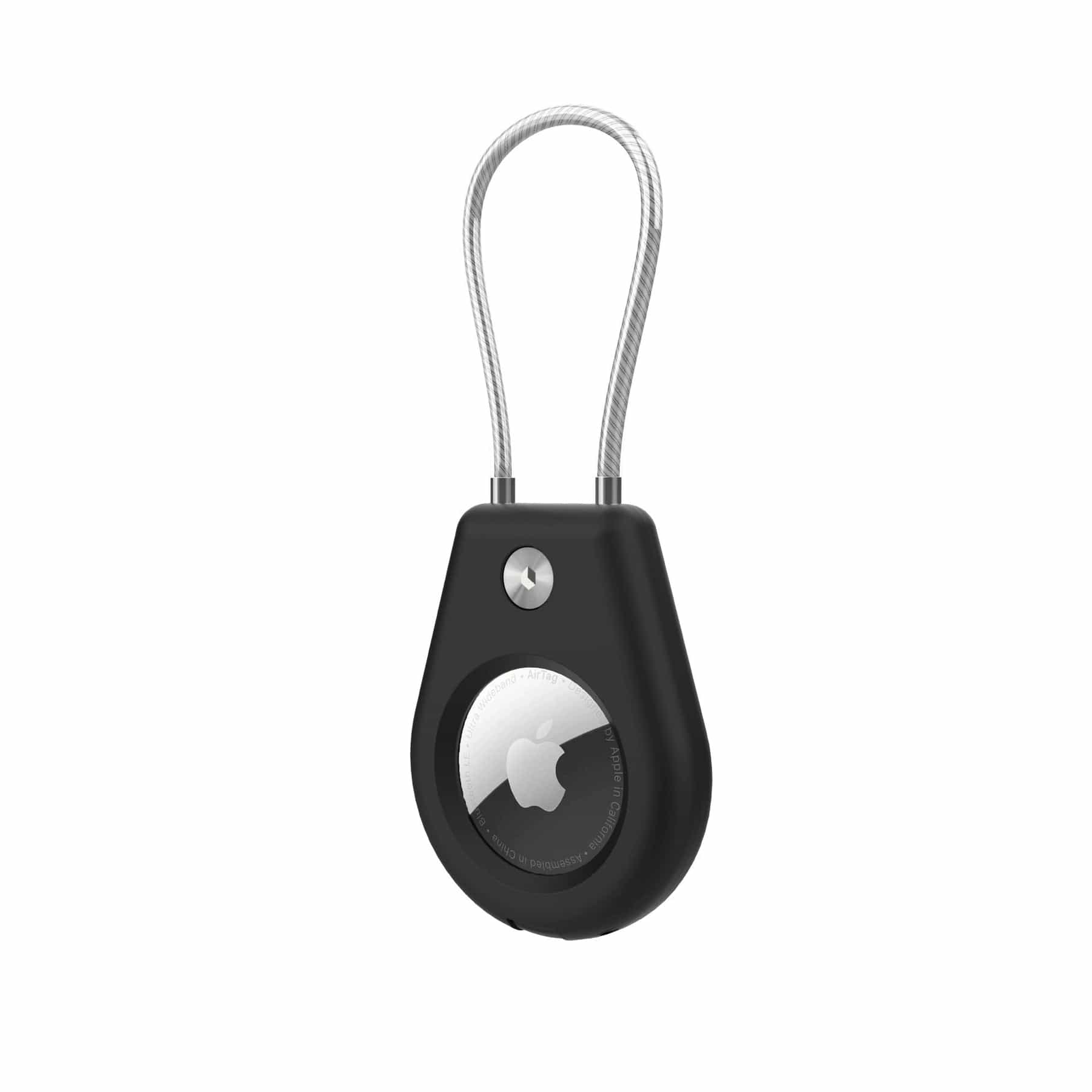
The digital backup: in an age when your suitcase leaves you without being touched by a human hand, using tracking technology like an Apple AirTag or SmartTag is a must. Place the tracker in a secure inner compartment of the suitcase. That way you can know in real time, on your phone, whether the suitcase actually passed the automatic sorting and boarded the plane with you, or whether it stayed behind because of a technical fault on the belt.
One last golden tip: just before you confirm the drop on the machine and the suitcase disappears behind the curtain, take a photo of it on your phone with the new tag clearly attached. In the rare case of loss, this photo will be the most effective tool for the tracing team at the destination airport.
Based on a report: Testing an automatic check-in and bag drop system for international flights departing Noi Bai Airport. Vietnam.vn
Products to help you on your way


Products in this guide

Frequently asked questions
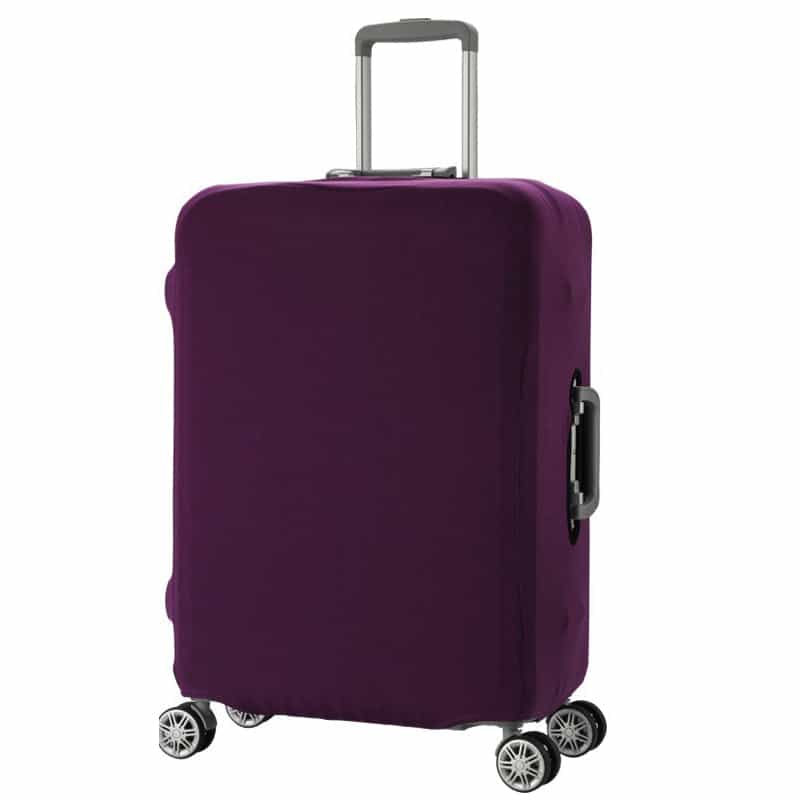
Can I use a suitcase cover with self bag drop?
Yes, but carefully. Make sure the suitcase cover is completely tight and doesn't move, and attach the airline's baggage tag outside the cover, on the exposed handle, so the automatic scanners can read the barcode without interference.
What do I do if the automatic bag drop machine shows a weight error?
If the machine detects excess weight, it will stop the process. In that case you'll need to take items out of the suitcase and move them to your backpack, or go to the airline's staffed service counter to pay for the excess weight.
Why is it important to remove old stickers from the suitcase before the drop?
Automatic sorting systems at airports use fast lasers that scan the suitcase from every direction. An old barcode sticker from a previous flight may be scanned by mistake and make the system send your suitcase down the wrong route or hold it for manual inspection.
Is self bag drop safer than a regular drop with a ground agent?
The physical safety of the suitcase is the same, since both end up in the same airport conveyor and sorting system. The advantage of self bag drop is the speed of the process and avoiding human errors, like a tired agent typing in the wrong details.


