




The Two-Second Mistake That Can Send Your Suitcase to the Wrong Destination
October 23, 2026
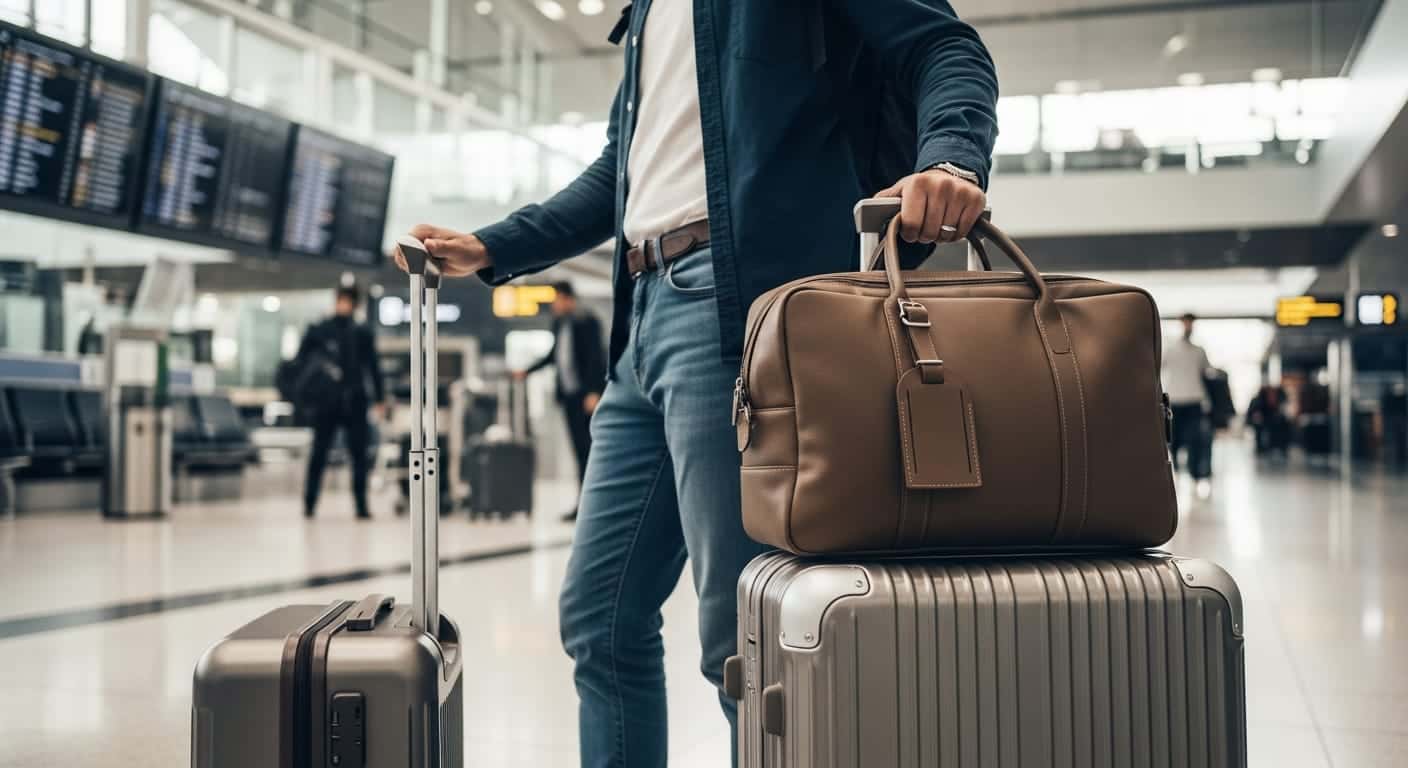
Leaving old barcode stickers from previous flights on your suitcase is the critical mistake that can send it to the wrong destination. Automatic sorting systems at airports scan old barcodes in a split second and route the bag to the wrong conveyor. To prevent this, remove every old sticker and barcode before you get to check-in.
The story behind the mistake: what did the airport worker reveal?
A report recently published on Yahoo Creators spread a viral video of an airport baggage worker who explained, with amazing simplicity, why innocent passengers' suitcases sometimes end up on the other side of the globe. According to the worker, travelers' biggest mistake isn't packing wrong or arriving late, but simple laziness or lack of awareness: leaving the barcode stickers from previous flights on the suitcase.
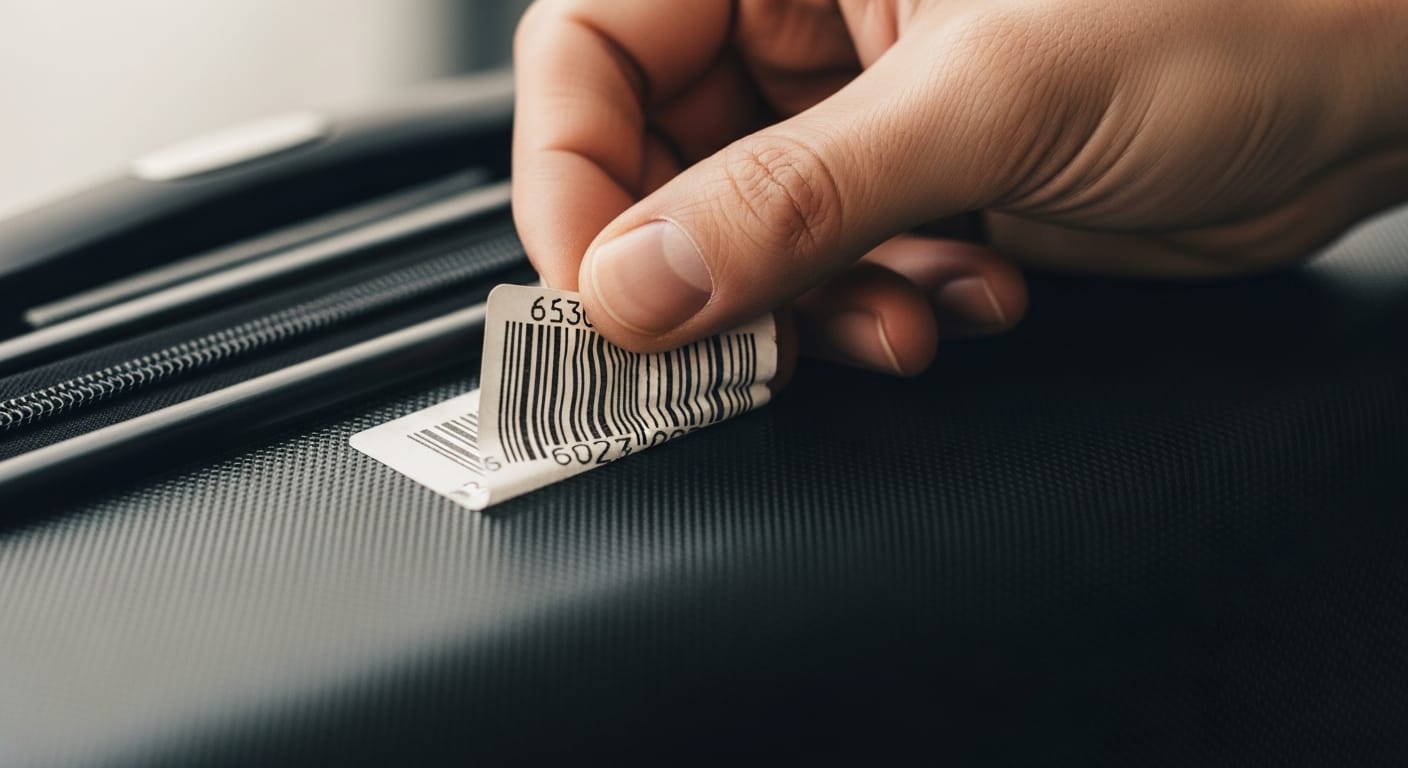
Many passengers tend to leave these stickers on their suitcase, sometimes as a kind of "badge of honor" showing the many countries they've visited, and sometimes just out of inattention. But behind the scenes of aviation, these stickers are the biggest enemy of order and organization. At check-in, a long paper strip with a barcode is attached to the suitcase, and small stickers ("stubs") are also stuck on its sides. These stickers contain the data of your current flight. But if your suitcase still has the stickers from your last vacation in Greece or your business trip to New York, the automatic system can get completely confused.
How does a modern baggage sorting system work?
To understand why this is such a critical mistake, you need to understand how modern airports handle thousands of suitcases an hour. Once the suitcase leaves you at the check-in counter, it enters a highly complex underground conveyor system. Along these conveyors are all-round laser scanners that can read barcodes from any angle at enormous speed.
The automatic scanner doesn't "think" like a person. It looks for a valid barcode to scan. As soon as it identifies a barcode, even one from a flight six months ago, it sends a mechanical command to the conveyor to divert the suitcase onto the lane that matches that barcode. The whole process takes less than two seconds. If the system scanned the old barcode first, your suitcase will be routed to the wrong flight, and the mistake is usually only discovered at the manual loading stage (if at all), or worse, when you land at your destination and find your suitcase was left behind or flew to another country. The airport worker stressed in the video that modern scanners are so fast and efficient that they simply pick up the first information they come across, without distinguishing between dates.
Five steps to insure your suitcase against loss
To make sure your suitcase always lands at your destination with you, we've put together the iron rules for preparing your suitcase for check-in:
1. Clean every trace of previous flights off the suitcase
Before you start packing, go over the suitcase on all sides. Remove the large paper strip from the handle, but more importantly, look for the small square stickers stuck directly on the suitcase body. Check-in staff stick them on as a backup, and they tend to stay there for months. Peel them off completely. If a sticky mark is left, use a little alcohol or a wet wipe to clean it, so it doesn't attract dirt or other barcodes.
2. Use a sturdy, quality physical ID tag
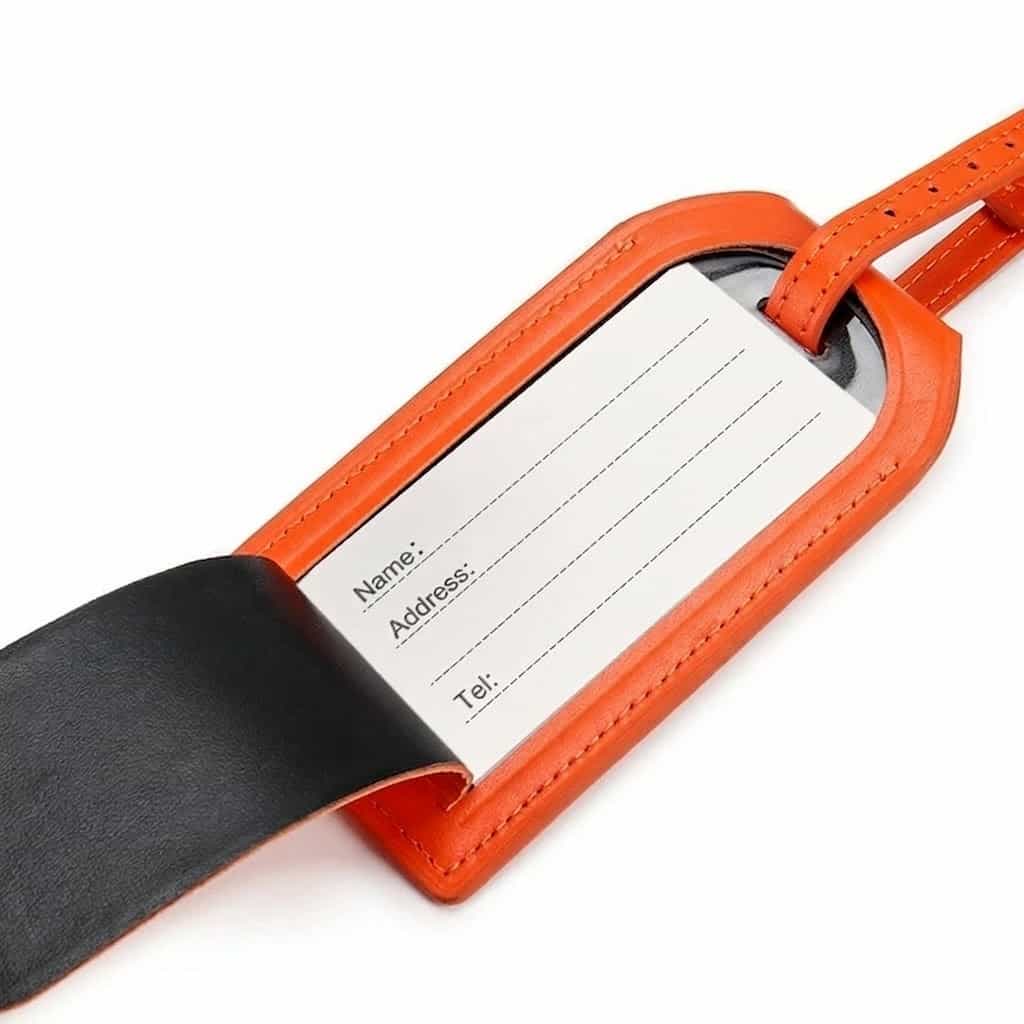
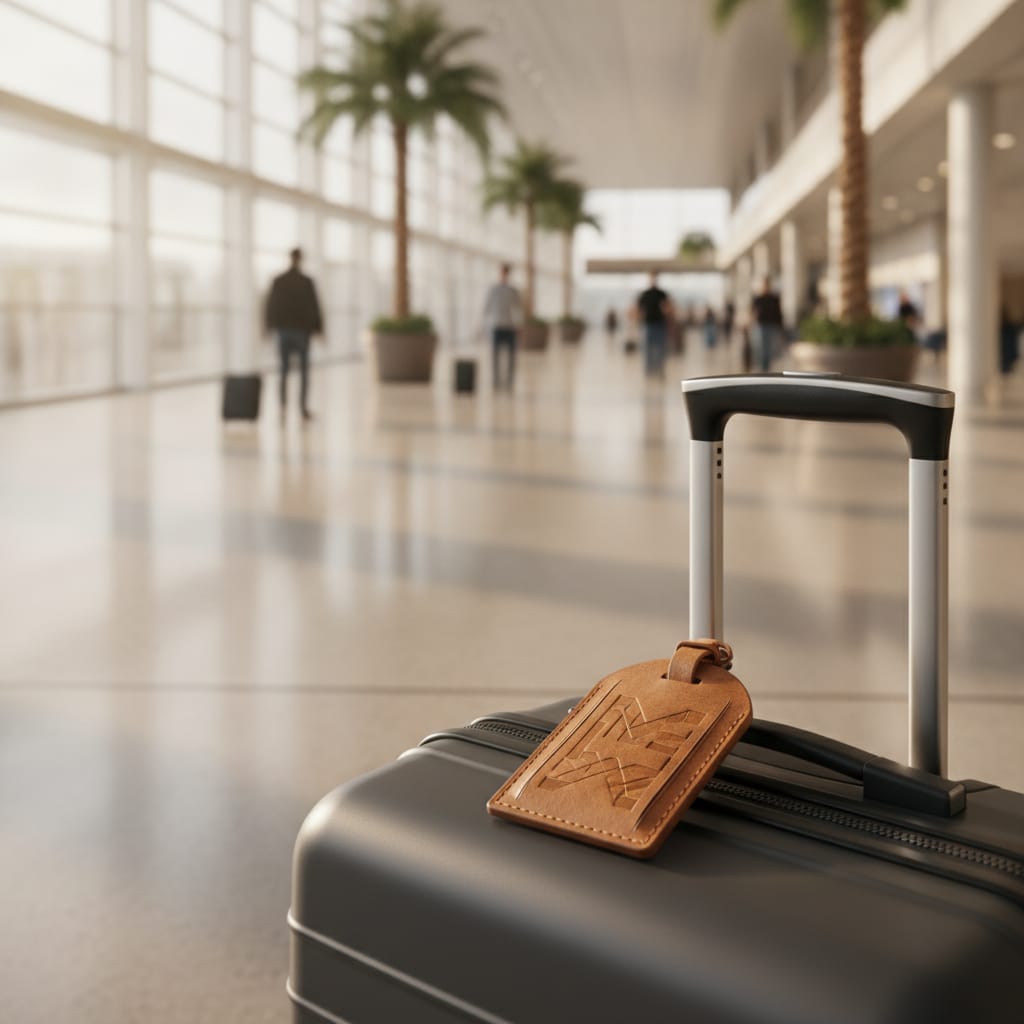
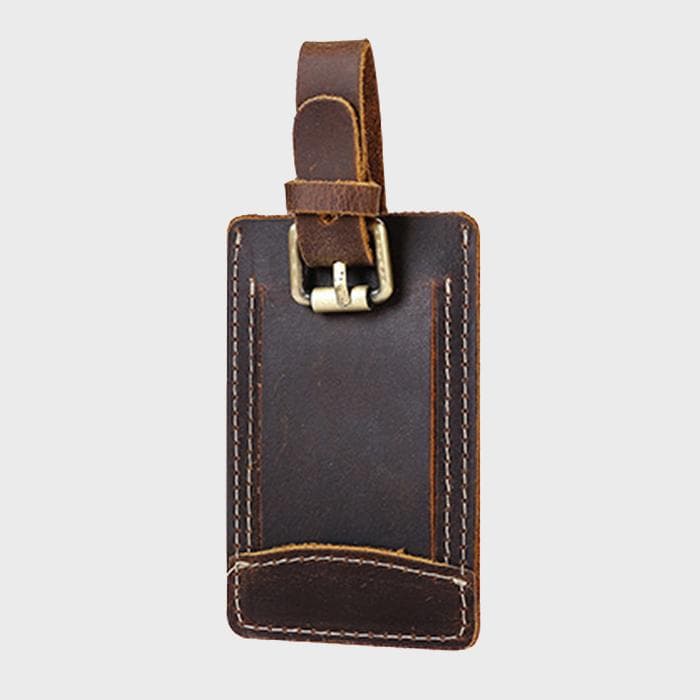
Despite all the technology, a physical name tag is still your second line of defense. If the barcode is torn or damaged, airport staff will look at your ID tag. Use an ID tag made of quality leather or another sturdy material that doesn't tear easily when it's knocked around on the conveyors. Make sure to write your name, your phone number (including the international dialing code) and an email address. A pro tip: for security reasons, don't write your home address, only digital contact details.
3. Add real-time tracking technology (AirTag or smart trackers)
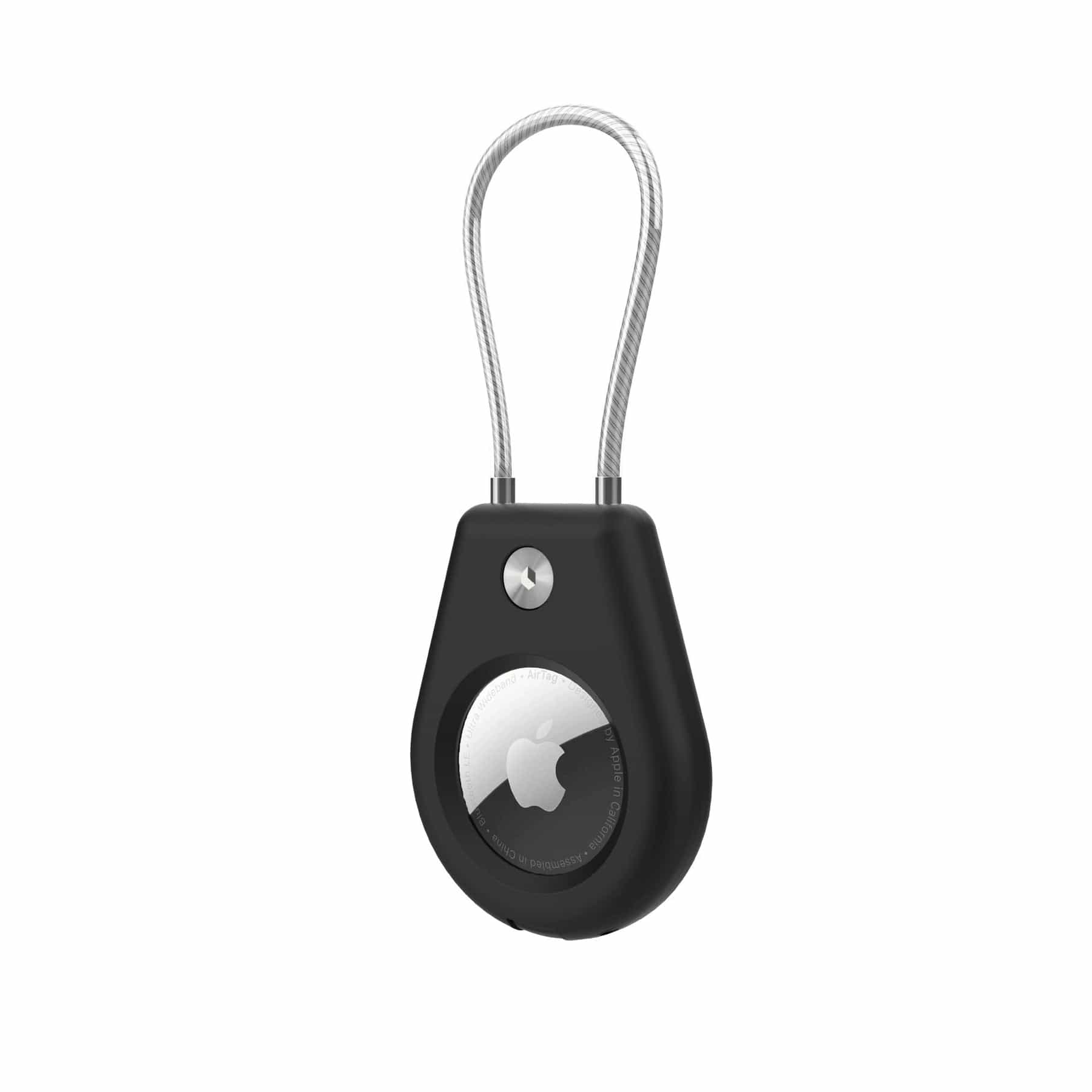
In modern aviation, small tracking devices are a must for every passenger. Dropping a tracker (like an Apple AirTag or an equivalent Android tracker) into an inside pocket of the suitcase lets you know exactly where it is at any moment. These devices work through crowd-sourced Bluetooth networks: they send an encrypted signal to nearby passersby's phones, which update their location on your map. If the suitcase didn't reach the carousel, you can show the airport's lost and found team its exact location, which can shorten the search by whole days.
4. Photograph the suitcase from every side
Just before you hand over the suitcase, take out your phone and photograph it. Take one clear photo from the front and another of the ID tag and the new barcode attached to it. In case of loss, a verbal description like "a large black suitcase" won't help ground staff (there are thousands of those). A clear photo of your specific suitcase will help them identify it in seconds.
5. Put on a distinctive suitcase cover or mark it clearly
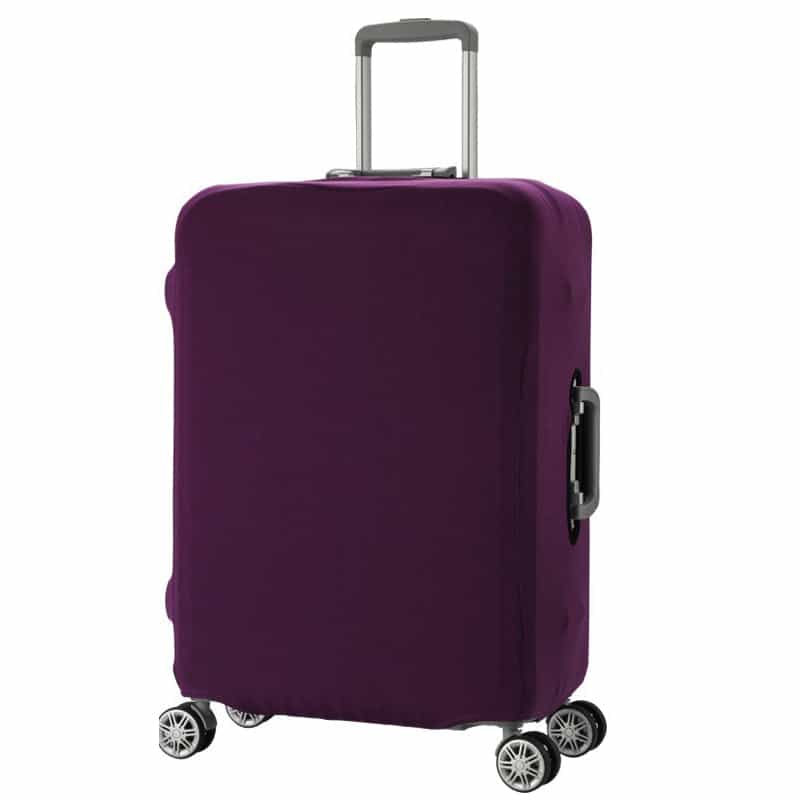
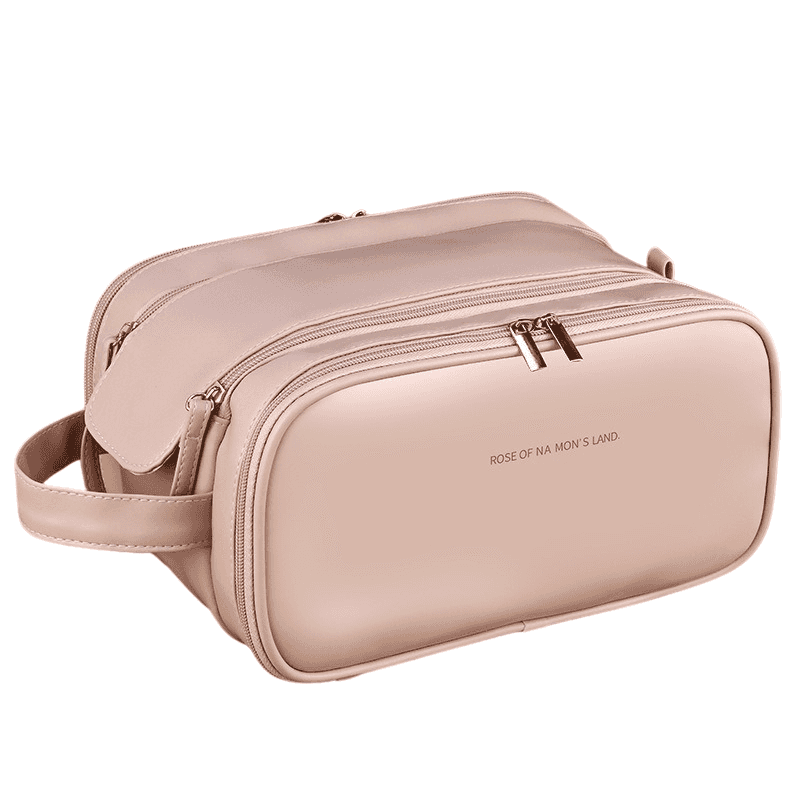
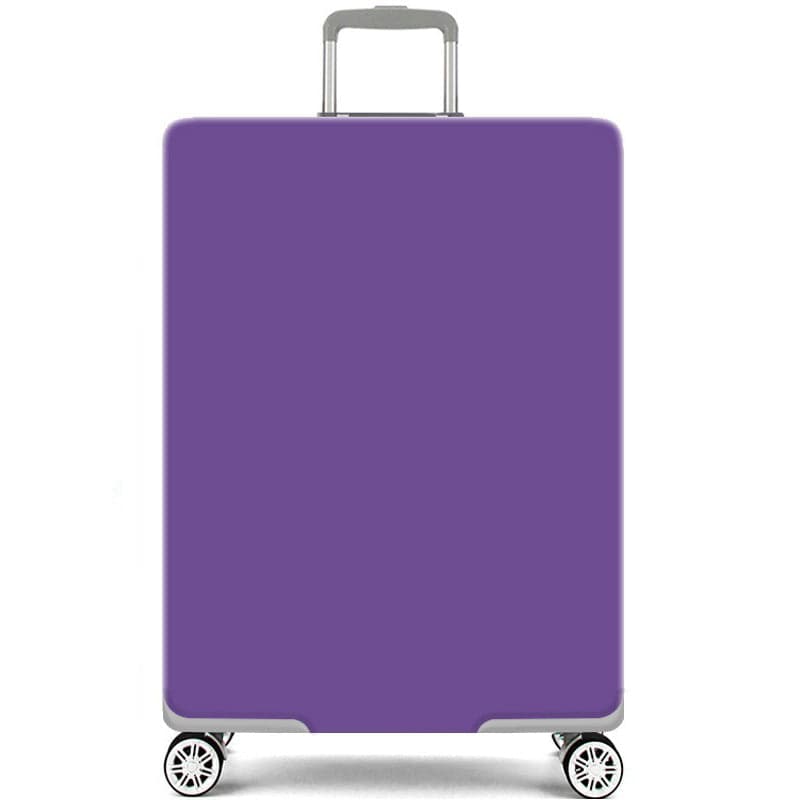
One of the most common reasons suitcases go missing has nothing to do with the airline, but with other passengers who take your suitcase off the carousel by mistake simply because it looks exactly like theirs. A colorful elastic suitcase cover, or at least a brightly colored ribbon tied to the handle, prevents embarrassing mistakes and makes sure nobody mixes it up with their own.
What do you do if the suitcase gets lost anyway?
Even if you followed every rule, operational glitches at airports can still happen. If you got to the baggage carousel and your suitcase refuses to appear, don't panic. Here's the exact order of what to do:
- Go straight to the Lost & Found desk: don't leave the arrivals hall before you've reported the missing suitcase. Look for the desk of the airline you flew with or the shared service desk.
- Fill in a PIR (Property Irregularity Report): this is the most important official document. Make sure you get a copy of the report with a unique tracking number (for example, LHRBA12345). Without this report, you won't be able to claim compensation from the airline or the insurance company.
- Show the photo of the suitcase and the barcode stub: show the agent the photo you took on your phone and the small barcode sticker you received at check-in (it's usually stuck on the back of your boarding pass).
- Check the tracking app: if you put an AirTag in the suitcase, open the app and show the agent where the suitcase is. It can help them understand whether it simply stayed at the departure airport or is currently in another area of the airport you're at.
Comparing ways to protect and track your luggage
To help you choose the best way to protect your gear, we've summarized the pros and cons of the leading marking and tracking solutions:
| Protection method | Main advantages | Drawbacks and limitations | Effectiveness |
|---|---|---|---|
| Removing old stickers | Free, completely prevents automatic routing errors. | Takes attention and time before every flight. | Very high (a must) |
| Physical ID tag | Allows quick human identification if the system fails. | Can be torn off if it isn't attached well. | Medium to high |
| Tracking device (AirTag) | Accurate real-time tracking on your smartphone from anywhere in the world. | Depends on the battery and on being near supporting network devices. | The highest |
| A distinctive suitcase cover | Prevents mistakes by other passengers and protects the suitcase from scratches. | Can make it a little harder to reach outer pockets. | Medium (excellent for preventing human error) |
Summary: don't let two seconds ruin your trip
Your next vacation is too precious to risk the heartache of a lost suitcase. What the airport worker revealed proves that sometimes the simplest actions, the ones that take exactly two seconds, make the difference between a smooth, relaxed landing and starting your trip hunting for replacement clothes. Take a minute before the flight, peel off the old stickers, get ID tags and smart trackers, and set off with peace of mind. Have a pleasant flight!
Based on a report: An airline worker says a two-second mistake can send your luggage to the wrong airport, Yahoo Creators
Products to help you on your way



Products in this guide

Frequently asked questions
Is it really necessary to remove the small barcode stickers from the sides of the suitcase?
Yes, absolutely. These small stickers (called stubs) carry the same barcode as the large tag. If they stay on the suitcase, the airport's automatic laser scanners may read them instead of the new tag and route the suitcase to the wrong destination.
Are tracking devices like AirTags allowed inside checked luggage?
Yes, most airlines and international aviation bodies (like IATA) allow personal tracking devices like AirTags in checked baggage. These devices use very small batteries and low frequencies that pose no safety risk to the flight.
Which is better, a physical name tag or an electronic tracker?
Combining the two is the perfect solution. A physical name tag is essential for when airport staff need to identify the suitcase manually, while an electronic tracker lets you locate the suitcase yourself on your phone without relying only on the airport's systems.
Do airlines compensate for delayed or lost luggage?
Yes, under the Montreal Convention, airlines are obliged to compensate passengers for lost or delayed baggage, up to a certain cap (about $1,700). However, the process requires filing a PIR at the airport and keeping the receipts for essential purchases you made while waiting for the suitcase.


