
What Must Be in Your Suitcase? The Ultimate Packing List
October 23, 2026

To get through any flight safely, your suitcase must hold more than clothes: a set of packing cubes to save space, a strong power bank, a hanging toiletry bag, prescription medication in your carry-on bag, and a tracking device (such as an AirTag). Organizing these items properly in a quality hard-shell suitcase will prevent loss, protect your gear and save you overweight fees.
The lesson from airports: why the old way of packing no longer works
A recent article on Ynet reported that many travelers around the world are facing a challenging reality of flight delays, unprecedented crowding and lost baggage at airports. The reports from the ground highlight one simple truth: the way we used to pack, simply throwing clothes into a suitcase and hoping for the best, is no longer enough. Today, smart packing isn't just about convenience; it's a critical tool for your peace of mind during your vacation.
When thousands of suitcases are lost or delayed every day at major transit airports, the modern traveler must adopt a two-zone packing strategy: a smart split between the big suitcase sent to the hold (checked luggage) and the hand luggage or carry-on that comes with you into the cabin. The goal is to make sure that even if the big suitcase arrives two days late, your vacation isn't ruined and you can manage perfectly with what you have on you.
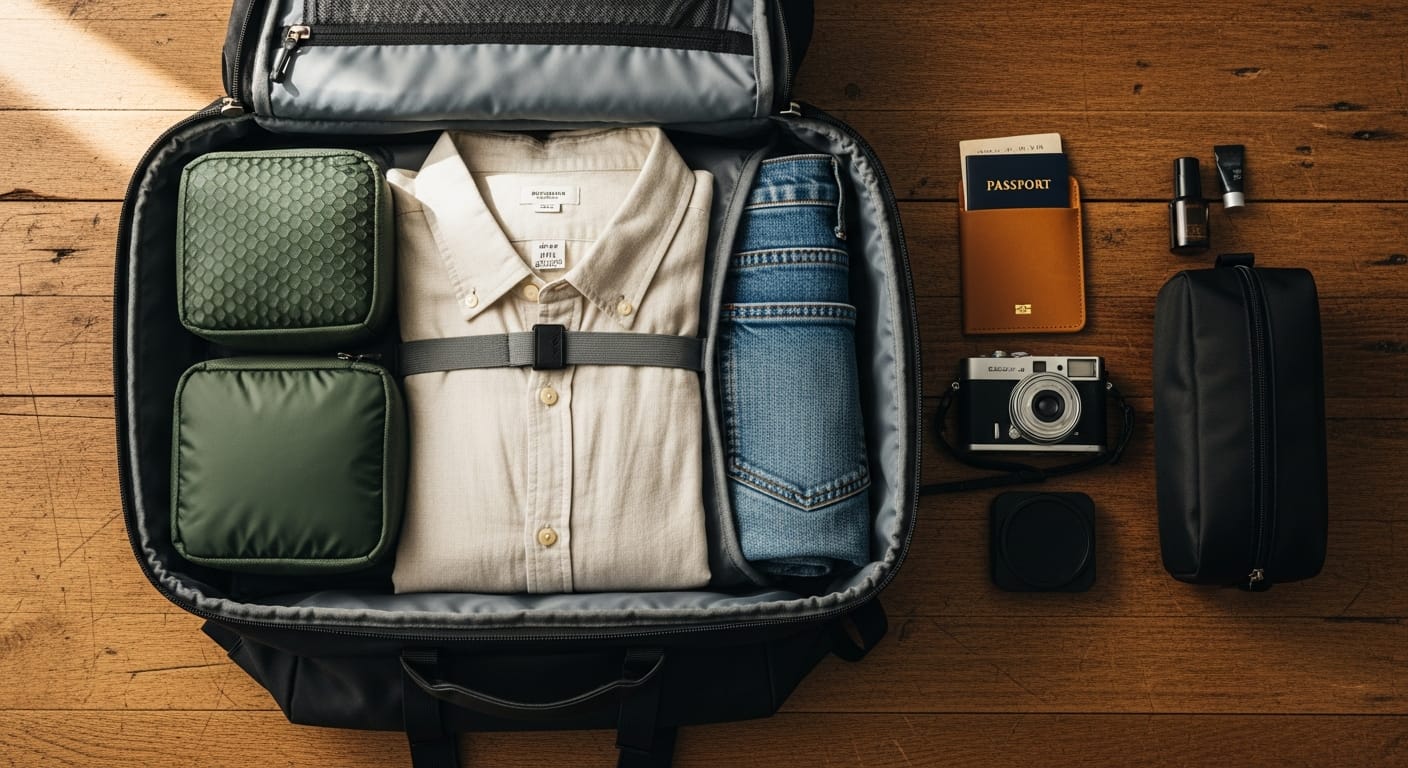
The ultimate packing list: what must go in every suitcase?
To bring order to the chaos, we divided the list into must-have items for every trip, with an emphasis on where each item belongs:
1. Tech protection and tracking
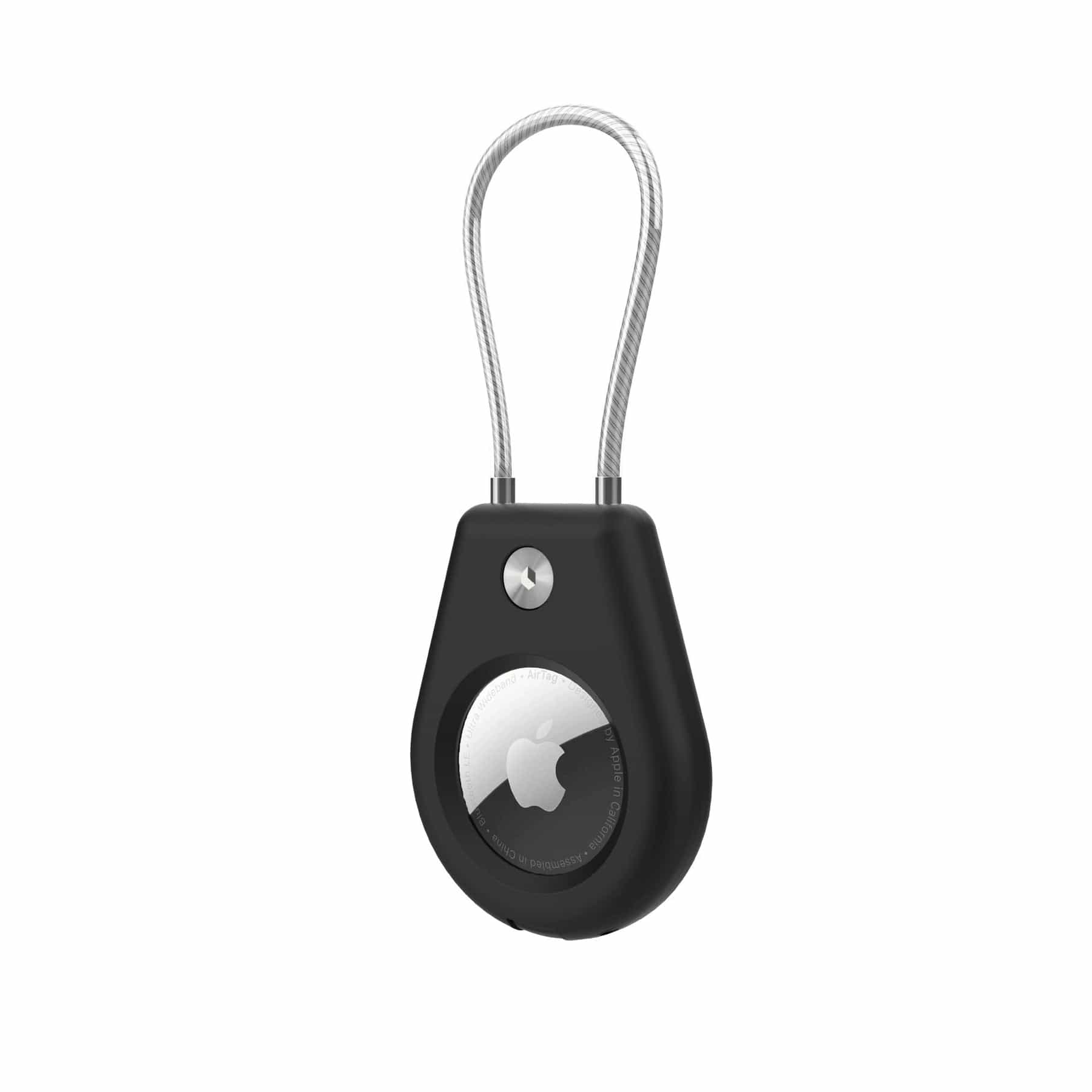
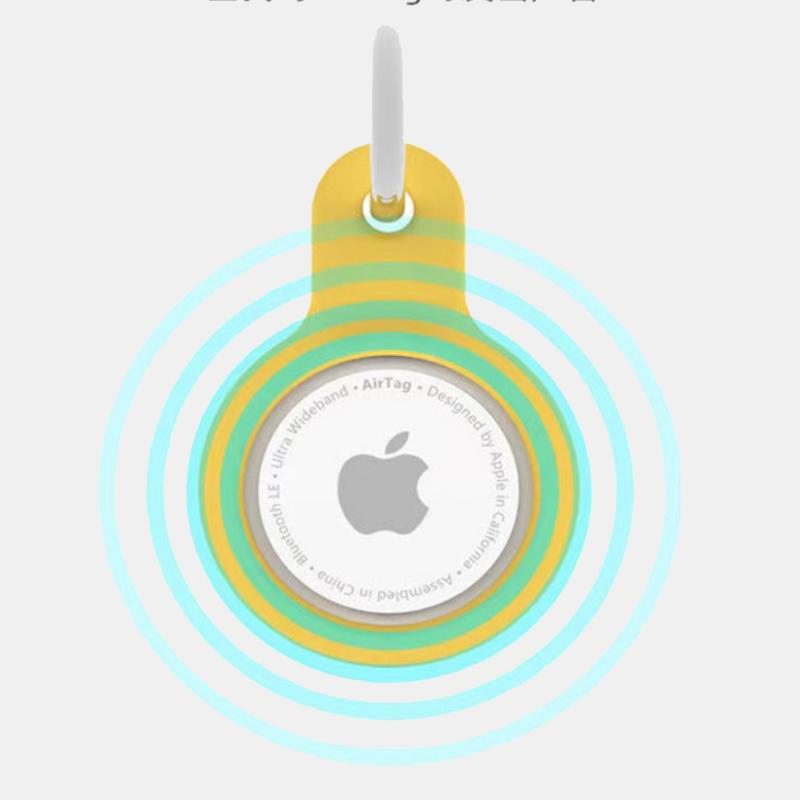
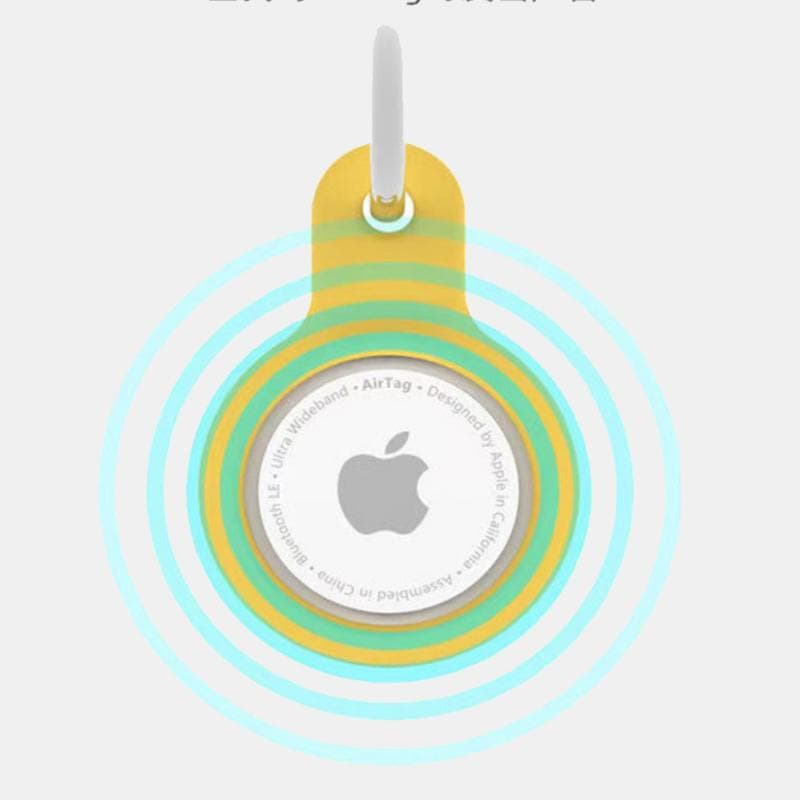
- Tracking device (AirTag or equivalent): an absolute must in every suitcase sent to the hold. It lets you know exactly where your suitcase is, sometimes even before the ground staff updates you.
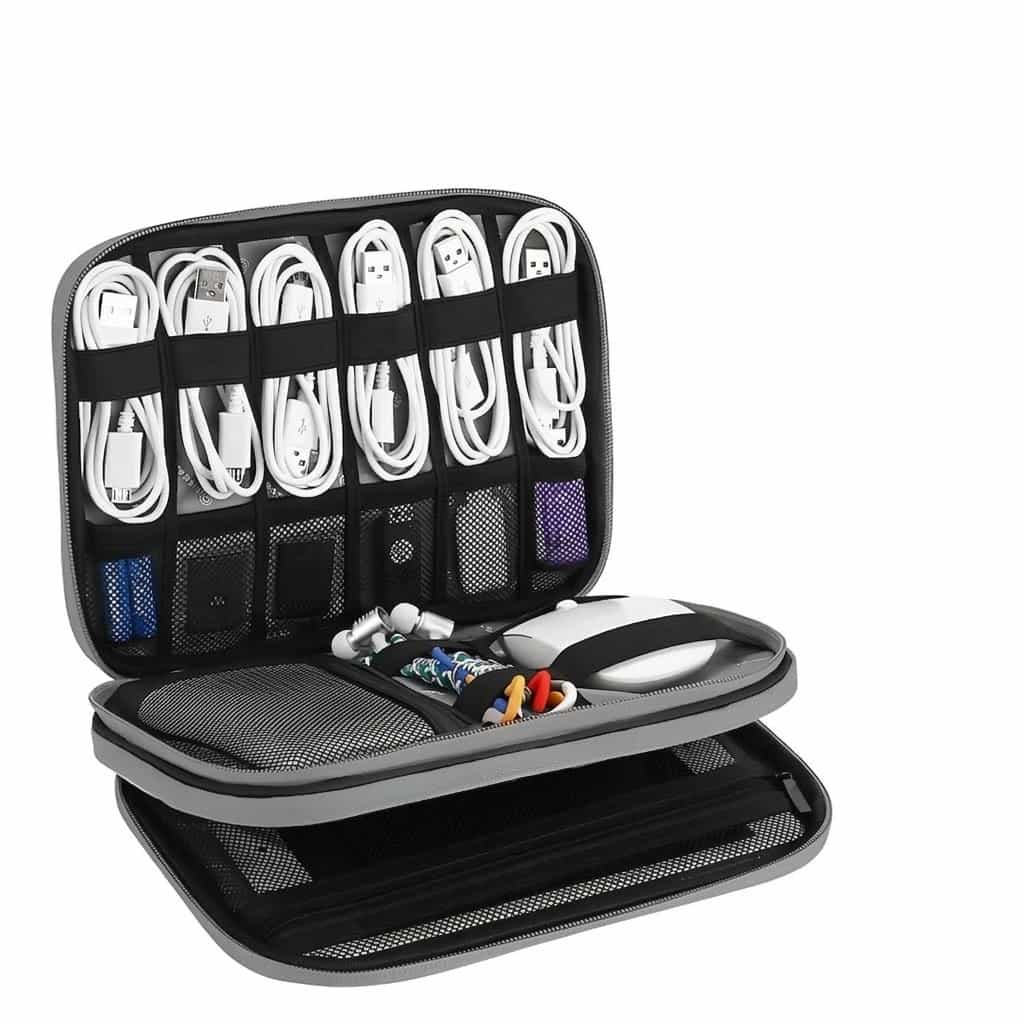
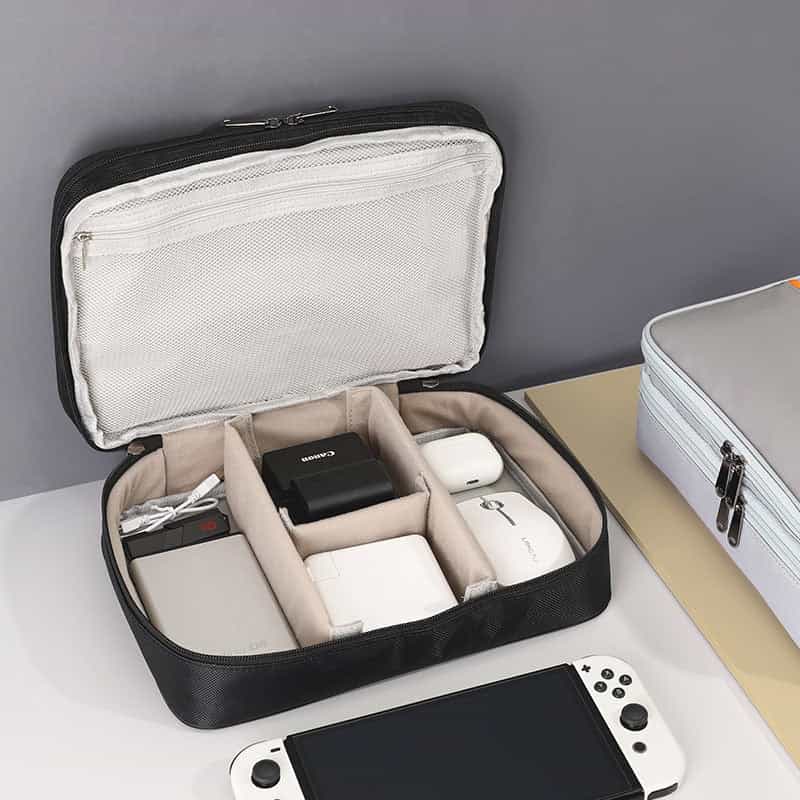
- Power bank: always in the backpack that boards with you. Airlines ban lithium batteries in the hold, and your phone is your boarding pass, your digital passport and your navigation map.
- International plug adapter: choose an adapter with built-in USB ports to save space on small wall chargers.
2. A smart clothing strategy (the 5-4-3-2-1 rule)
To avoid carrying unnecessary weight, adopt the well-known packing rule for trips of up to a week: 5 pairs of socks and underwear, 4 shirts (T-shirts or light button-downs), 3 pairs of pants or skirts, 2 pairs of shoes (one comfortable for walking and one dressier, wearing the heavier pair on the flight), and 1 hat. In your carry-on, always pack one set of underwear and a clean shirt as a backup.
3. Hygiene, health and first aid
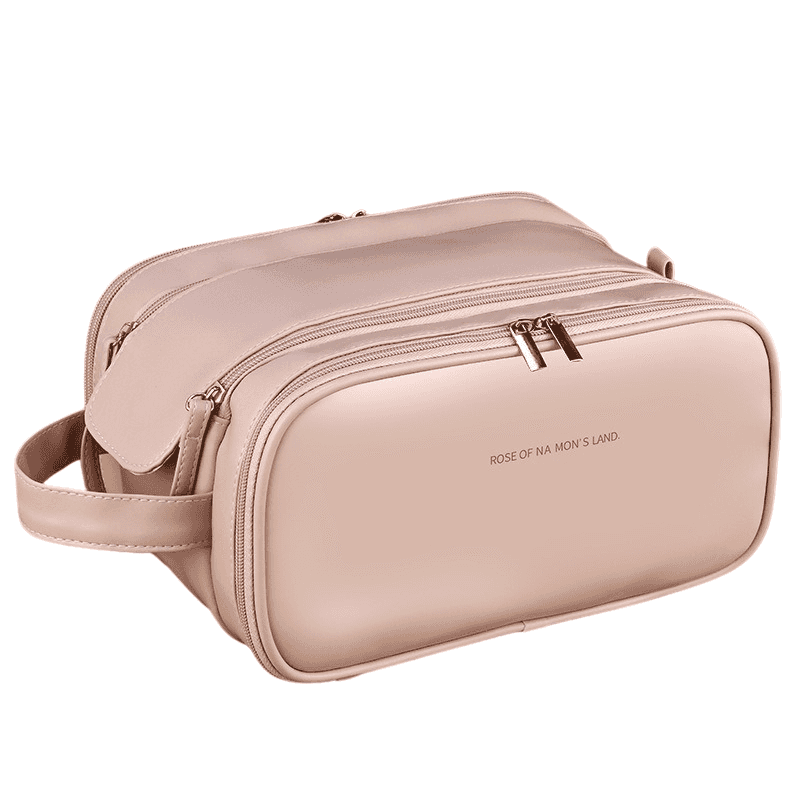
- A hanging toiletry bag: saves precious counter space in the hotel and gives quick access. Use small reusable bottles and fill them from your products at home.
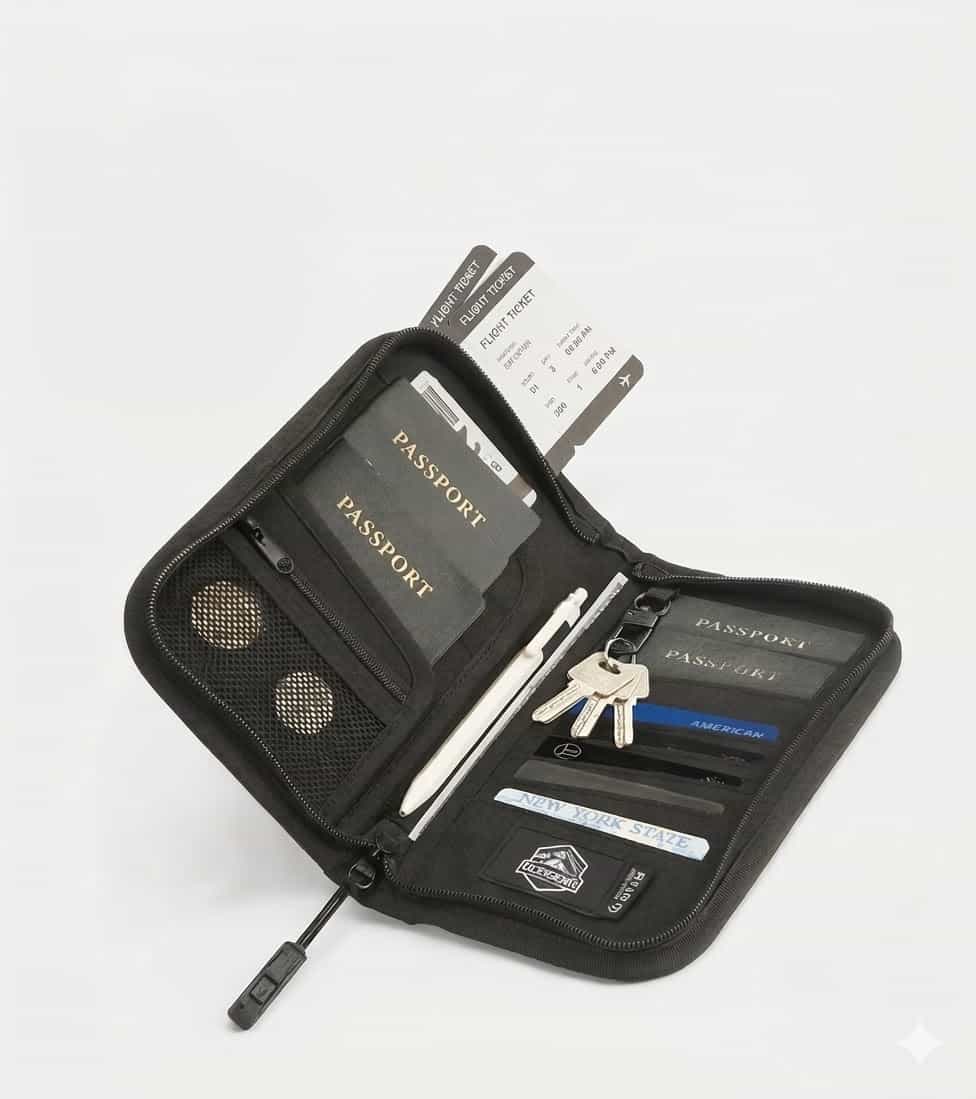
- Regular prescription medication: never put essential medication in the big suitcase. It must stay with you in your hand luggage, together with a printed copy of the prescription.
- A minimal first-aid kit: blister plasters (a must for lots of walking), painkillers, and tablets for nausea or digestive problems.
Advanced packing techniques: how to fit everything in and keep it organized
The secret to efficient packing isn't just what you bring, but how you organize it. Using the suitcase's volume properly prevents wrinkled clothes, keeps the suitcase balanced and makes life easier in hotels as you move from place to place.
| Packing method | Main advantages | Drawbacks | Best for |
|---|---|---|---|
| Rolling clothes | Saves significant space, prevents light wrinkles, lets you see all your clothes at a glance. | Less suitable for tailored clothes or very stiff fabrics. | T-shirts, jeans, sportswear and swimwear. |
| Traditional flat folding | Convenient and familiar, suits button-down shirts and delicate dresses. | Takes up a lot of volume, creates hard fold creases in the middle of the garment. | Short business trips with formal clothes. |
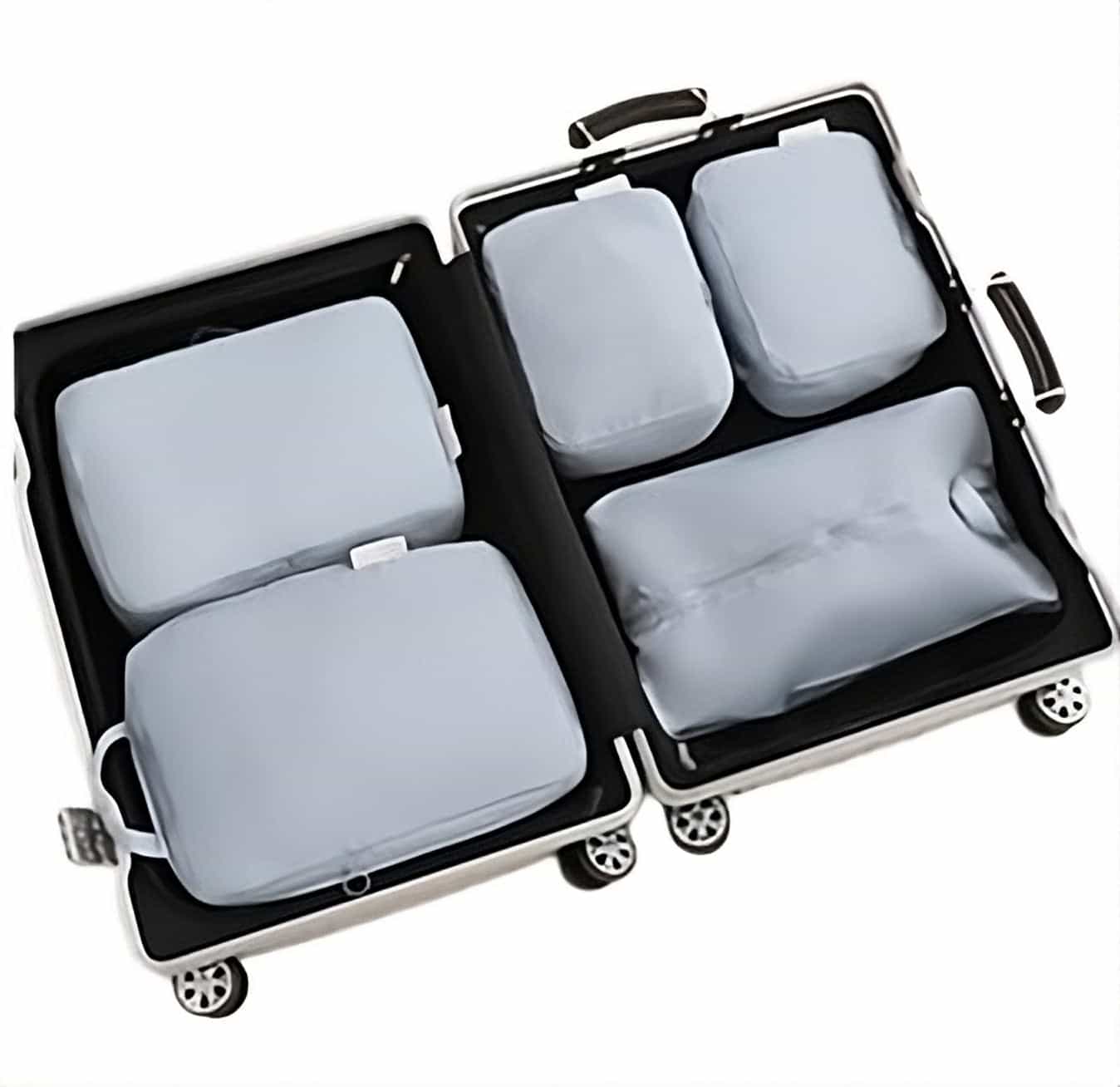
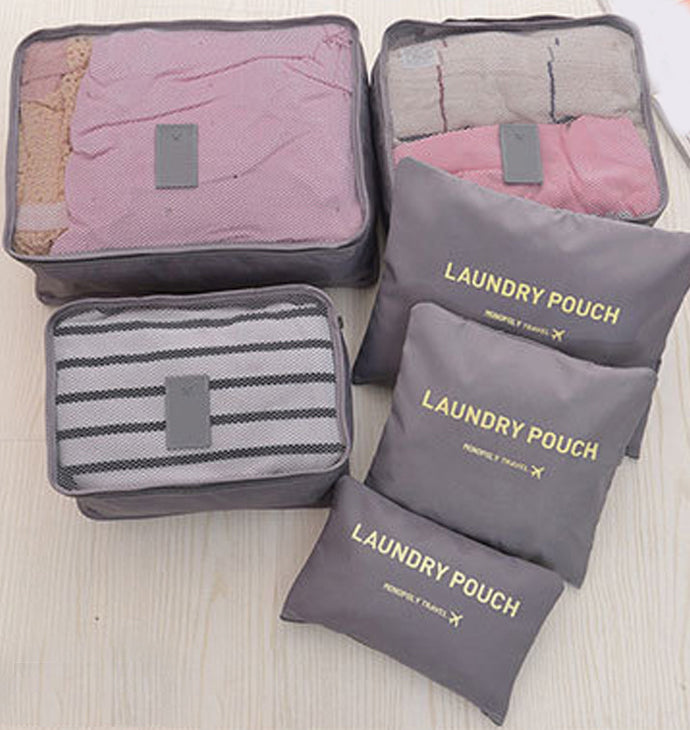
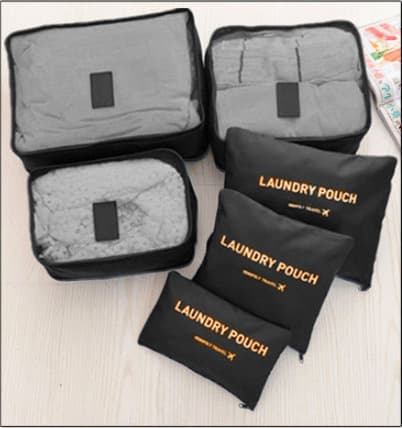
| Packing cubes | Perfect separation by category (shirts apart, socks apart), quick unpacking at the hotel, compressed volume. | Requires buying dedicated accessories. | Families, travelers moving between several hotels, and backpackers. |
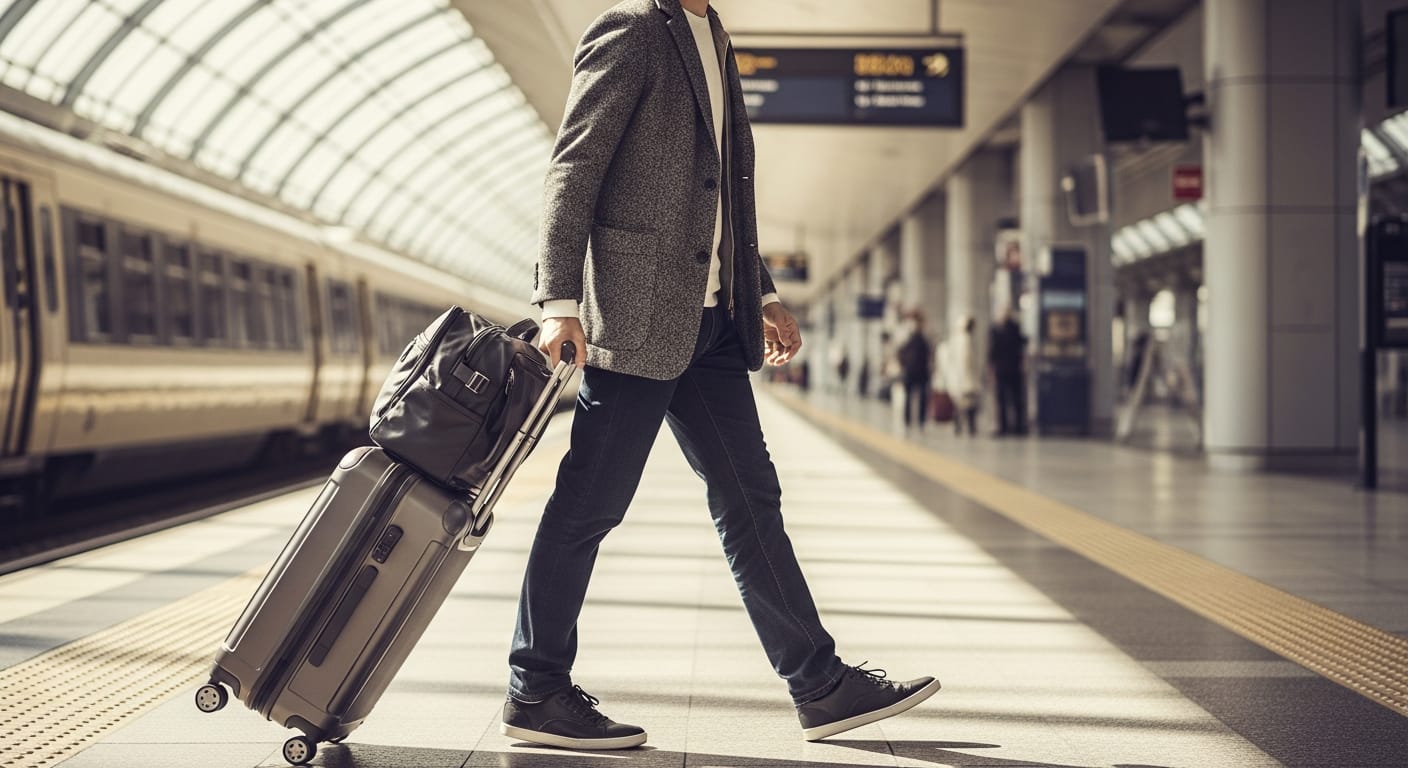
Our golden tip: use the "dead space" in your suitcase. The inside of spare shoes is the perfect place to stuff rolled socks, chargers or small fragile items. Also, make sure to place the heaviest items (such as shoes or toiletry bags) at the bottom of the suitcase, close to the wheels. This stops the suitcase from tipping over when it stands and makes it much easier to pull through streets and airports.
Choosing the right suitcase: the foundation of a worry-free vacation
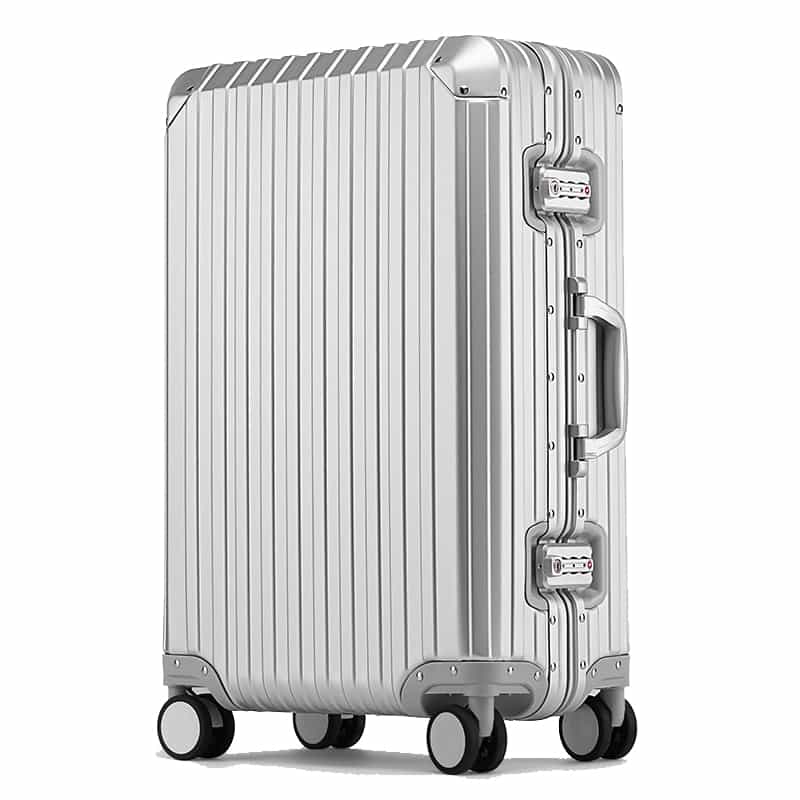
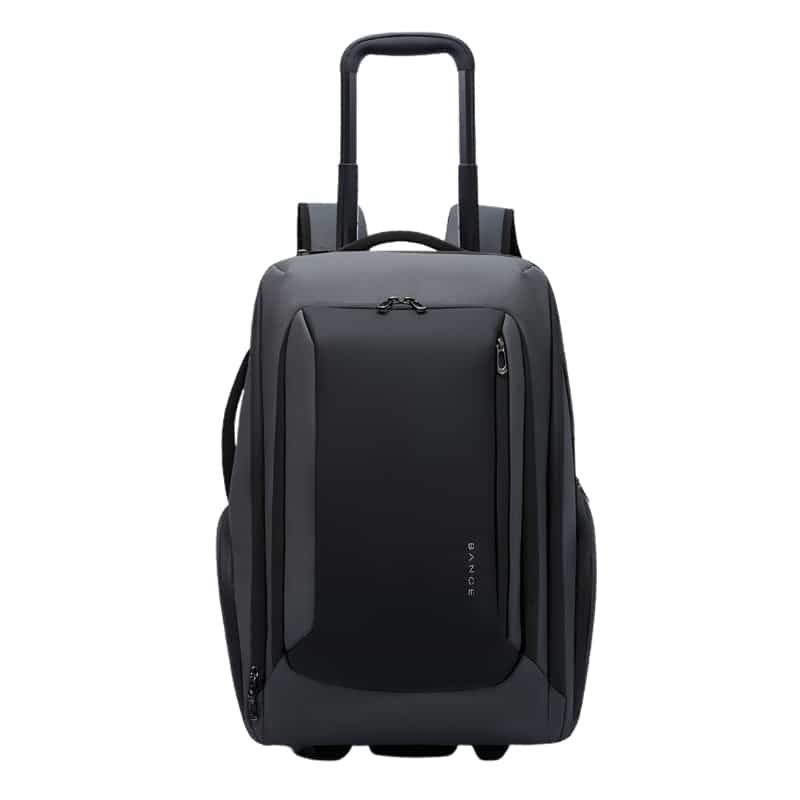
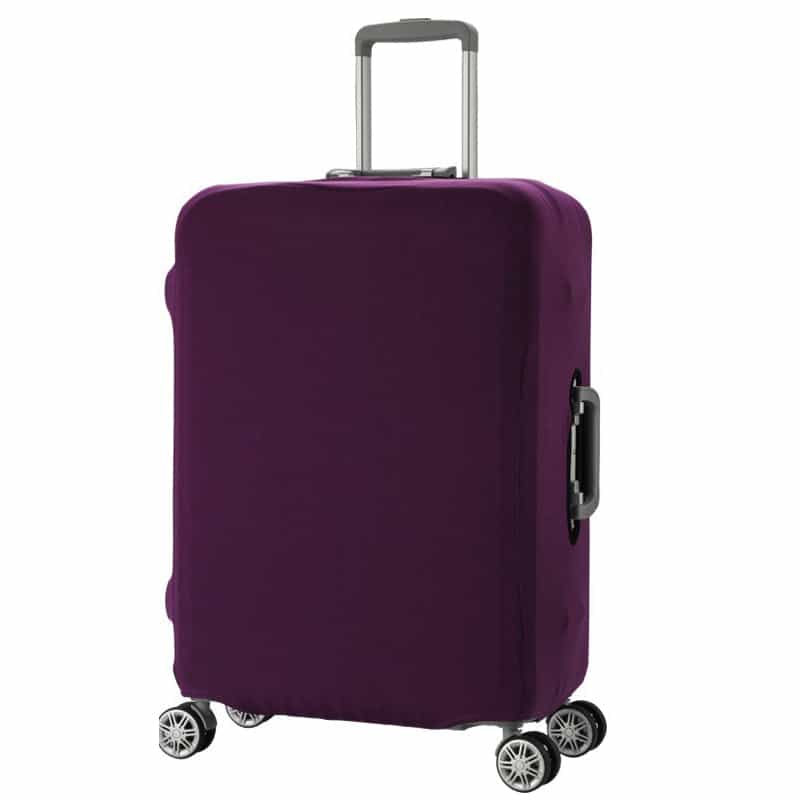
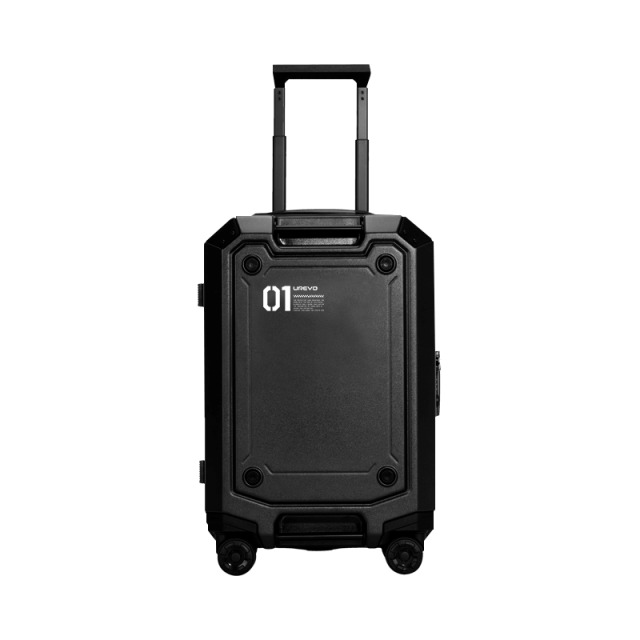
No packing tip in the world will help if your suitcase can't take the load. A quality suitcase should combine light weight, exceptional durability and a smart interior layout. Modern materials such as polycarbonate or aluminum give fragile gear maximum protection from rough handling by baggage handlers, while double silicone wheels (360 degrees) ensure smooth, quiet movement even on bumpy European sidewalks.
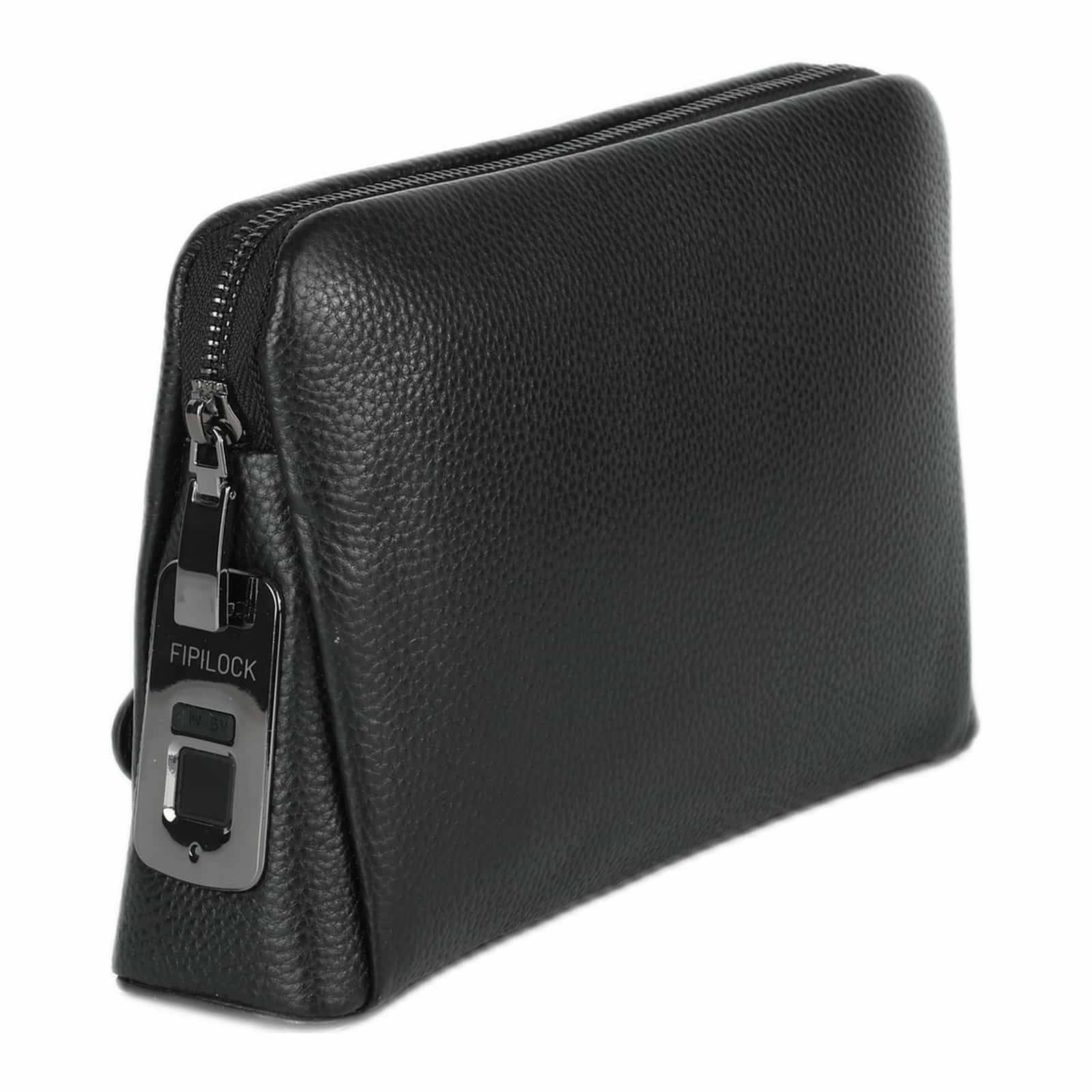
At Camel Mountain, a family business that has been accompanying travelers since 1975, we know it's the small details that make the big difference: reinforced zippers, built-in TSA locks approved by US and European security authorities, and wet/dry inner compartments that let you separate a damp swimsuit or dirty laundry from the rest of your clean gear. When you choose the right gear and organize cleverly, you can arrive at the airport with peace of mind, knowing you're ready for any scenario.
Based on a report: Not just a passport: this is what must go in every suitcase, Hayom
Products that will help you on the way
Products in this guide
Frequently asked questions
Why use packing cubes in a suitcase?
Packing cubes let you divide the suitcase into clear categories, stop clothes from spreading and wrinkling as the bag gets jostled on the flight, and let you unpack and repack in seconds at every hotel change.
How can you avoid paying for excess weight at the airport?
The best way is to weigh the suitcase at home with a handheld luggage scale before you leave. It also helps to wear your heaviest clothes (such as jackets and walking shoes) on the flight itself, and to use your personal backpack for heavy items such as a laptop and chargers.
What must go in the backpack that comes on board with you?
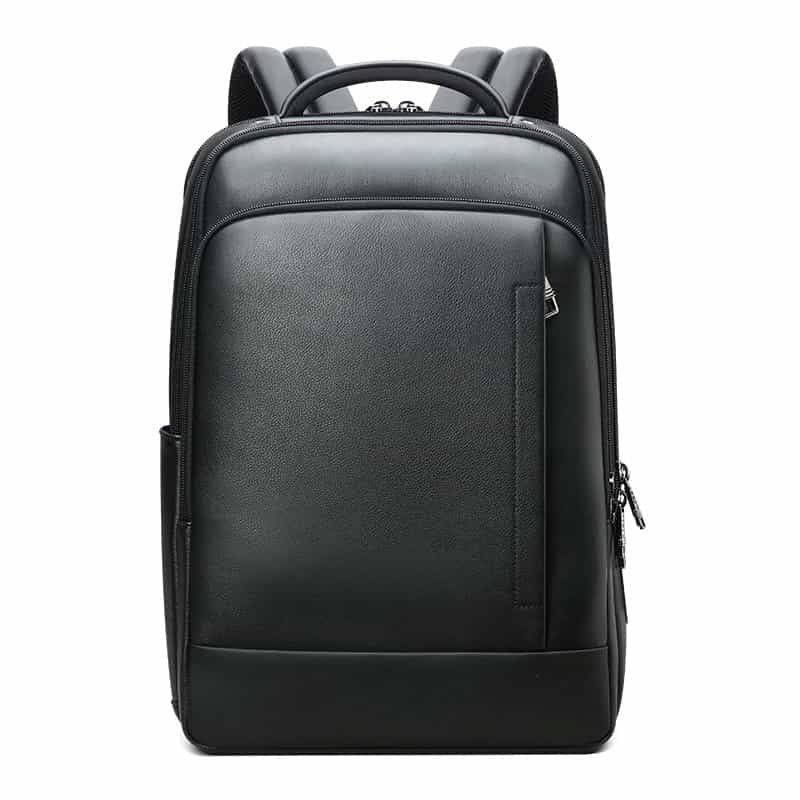
Your carry-on bag should always hold important documents, prescription medication, electronic devices and chargers (including a power bank), one change of clothes and small basic toiletries, in case the big suitcase is delayed.
Is it better to buy a hard-shell or a soft suitcase?
A hard-shell suitcase (especially polycarbonate or aluminum) offers much better protection for fragile gear and high resistance to rain and moisture. A soft suitcase, on the other hand, offers some flexibility to expand and accessible outer pockets for pulling out documents quickly.


