



Which Power Bank Can You Take on a Plane? The IATA Rules You Need to Know
October 23, 2026

You can take power banks based on lithium-ion batteries with a capacity of up to 100Wh (about 27,000mAh) on a flight in your hand luggage only. Power banks are strictly forbidden in checked baggage (the large suitcase in the hold). Power banks between 100Wh and 160Wh need prior approval from the airline, and power banks over 160Wh are banned from flights altogether.
Why are airlines so strict about lithium batteries?
If you've ever wondered why airport security staff ask you again and again "Do you have batteries or power banks in your checked suitcase?", the reason is purely about safety. Lithium-ion batteries, the technology behind our power banks, phones and laptops, are very sensitive to extreme conditions. In case of a manufacturing defect, a short circuit or physical damage, they can go into a state called "thermal runaway": a process in which the battery heats up extremely fast, gives off toxic gases and can catch fire or even explode.
When this happens in the passenger cabin, the crew is trained to spot the smoke immediately and put out the fire with dedicated extinguishers. But if your power bank is deep inside a suitcase in the cargo hold, the fire can develop unchecked and pose a catastrophic danger to the whole aircraft. That's why the International Air Transport Association (IATA) has set strict, uncompromising rules on this.
The 100Wh rule: how to work out your power bank's capacity
Most of us are used to measuring a power bank's capacity in milliamp-hours (mAh), for example a 10,000mAh or 20,000mAh power bank. But international aviation rules set the limit in watt-hours (Wh). A watt-hour is the precise measure of the energy stored in the battery.
To find out whether your power bank meets the standard, you can easily calculate it with this formula:
Wh = (mAh × V) / 1000
Here V is the battery's nominal voltage (for most standard power banks that's 3.7 volts). Let's look at a practical example: if you have a popular 20,000mAh power bank, the calculation is:
(20,000 × 3.7) / 1000 = 74Wh
Since 74Wh is well below the 100Wh limit, this power bank is fully approved to take on board in your hand luggage.
A critical tip from the Camel Mountain team: make sure the technical label on your power bank is clear and legible. If the print has worn off over the years or disappeared completely, airport security staff have no way of verifying its capacity, and they may confiscate it on the spot regardless of its physical size.
Comparison table: power bank sizes and their status on a flight
To give you a quick overview before you pack, we've put the figures in the following table (the calculation is based on a standard battery voltage of 3.7V):
| Capacity in mAh | Capacity in watt-hours (Wh) | Allowed in a backpack or carry-on? | Allowed in the checked suitcase? | Notes |
|---|---|---|---|---|
| 10,000 mAh | 37 Wh | Allowed | Not allowed | The classic, safest choice for short flights. |
| 20,000 mAh | 74 Wh | Allowed | Not allowed | Ideal for work, long flights and connections. |
| 26,800 mAh | 99.16 Wh | Allowed | Not allowed | The upper limit allowed without special approval. |
| 30,000 mAh | 111 Wh | Prior approval needed | Not allowed | Contact the airline in advance for written approval. |
| 50,000 mAh and up | 185 Wh and up | Completely banned | Not allowed | Huge backup batteries (portable power stations) are completely banned. |
Where exactly do you keep the power bank during the trip?
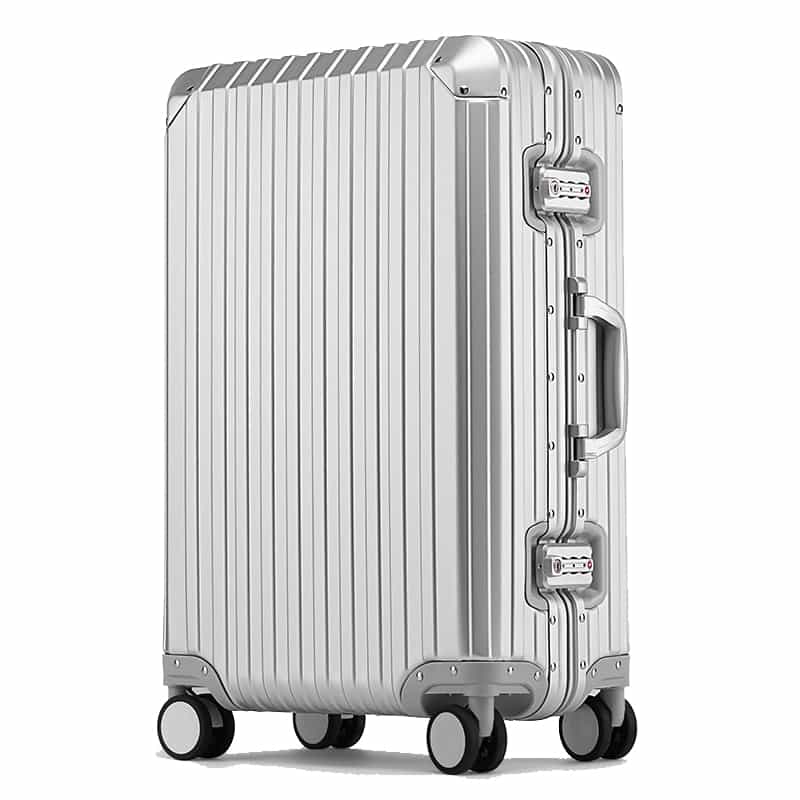
As mentioned, the only place your power bank may be is in your carry-on, whether that's a laptop backpack, a pouch or a small carry-on suitcase that goes on board with you. At Camel Mountain, a family business that has been accompanying travelers since 1975, we know the dynamics of boarding well and recommend you watch out for the following scenario:
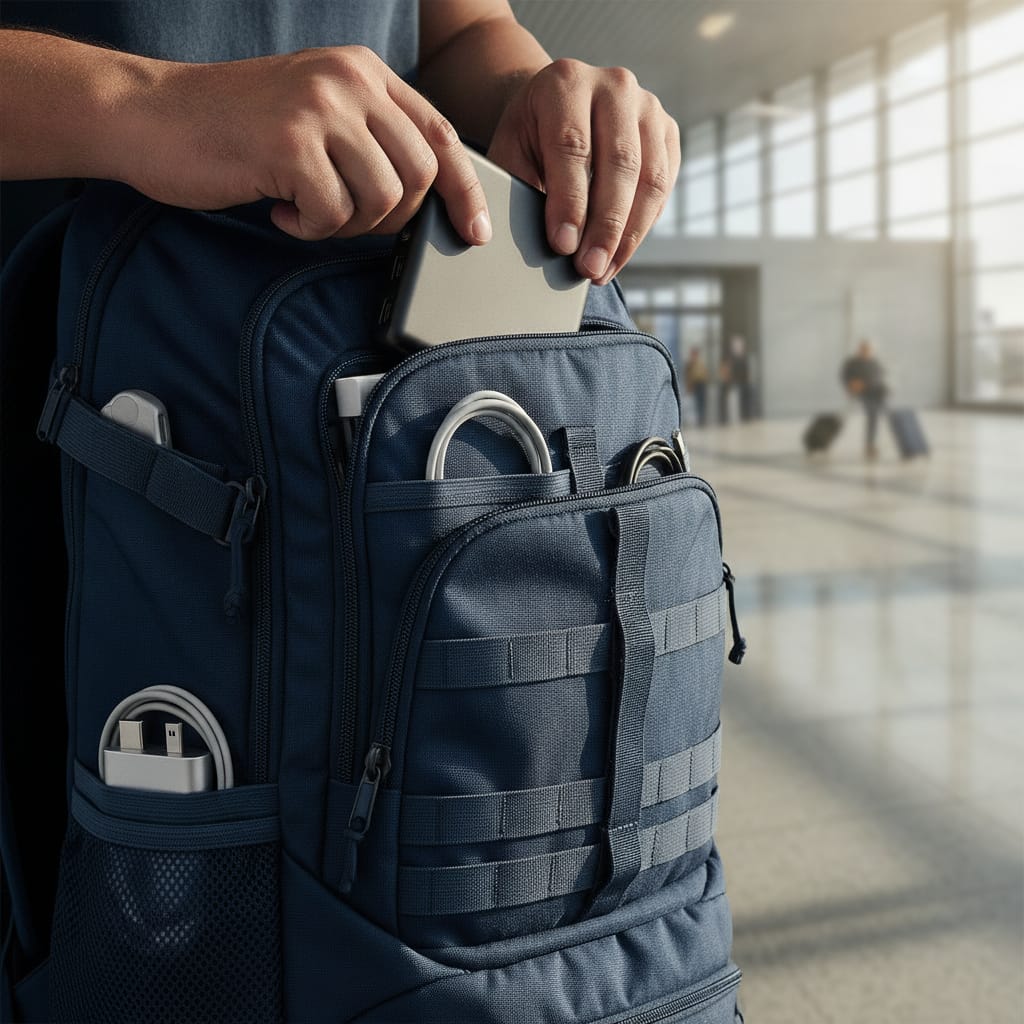
On busy flights (especially on low-cost airlines), ground staff at the boarding gate often ask you to send your carry-on suitcase to the hold at the last minute because the overhead bins are full. In that case, you must open the carry-on, take out the power bank (and any device with a lithium battery) and move it to your small backpack or your pocket before the suitcase is taken.
Using smart backpacks with built-in USB ports
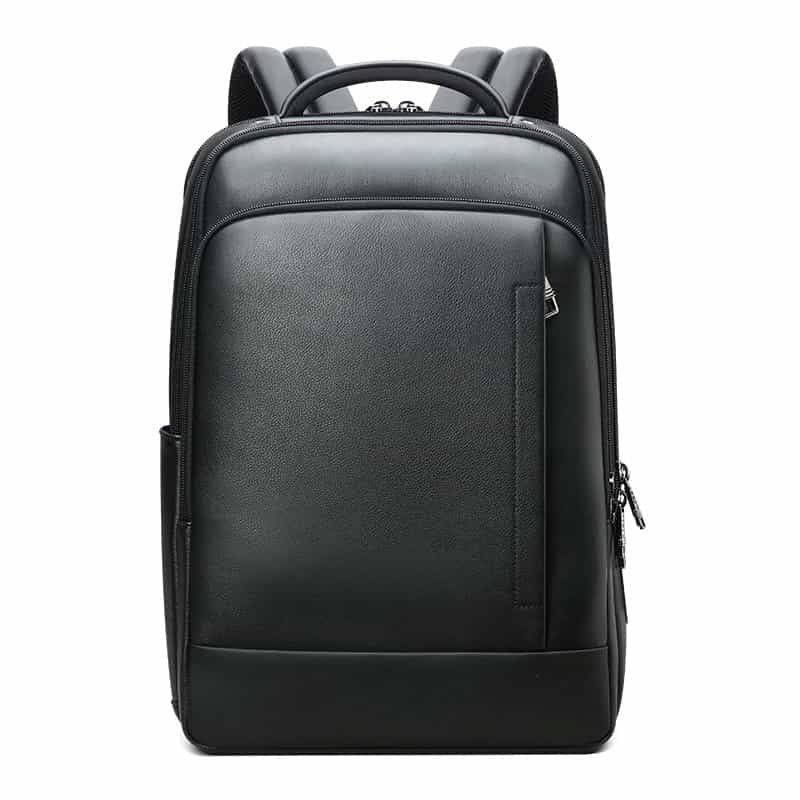
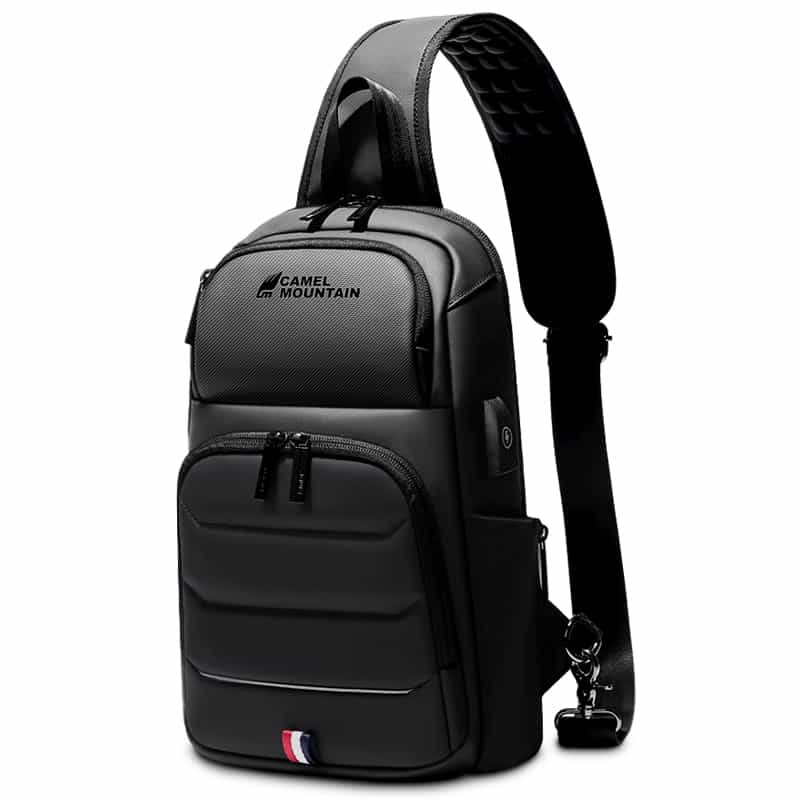
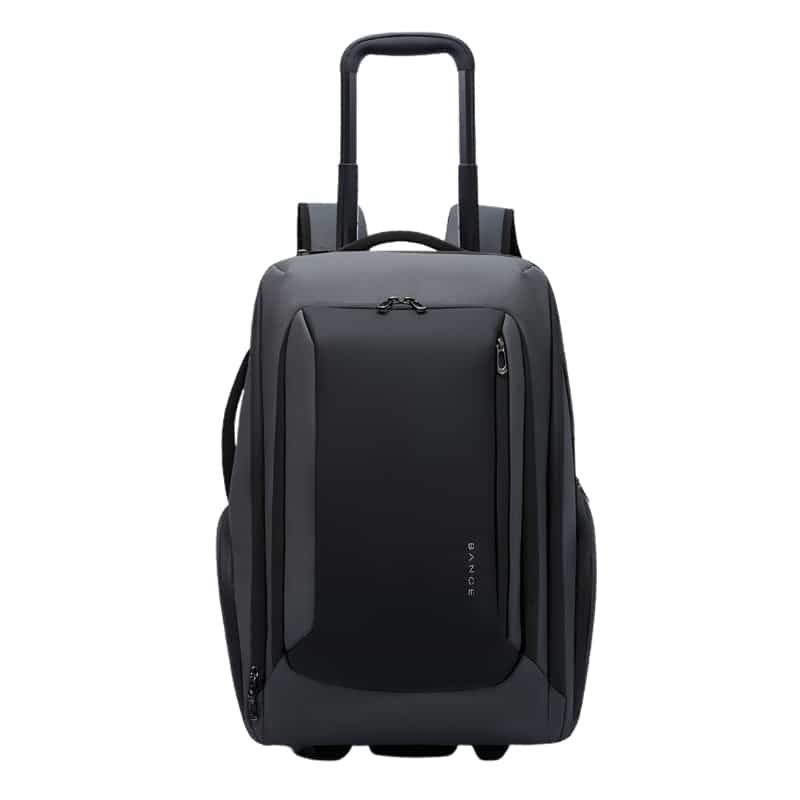
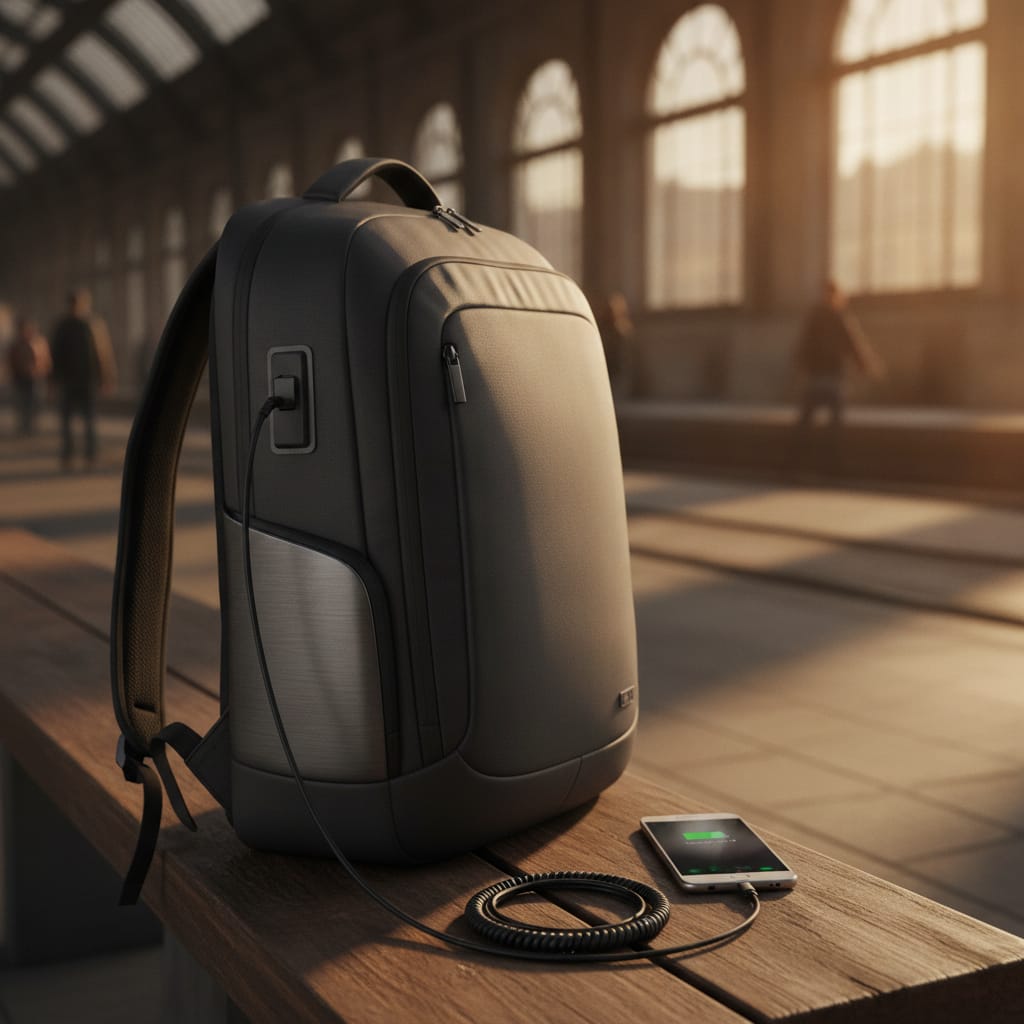
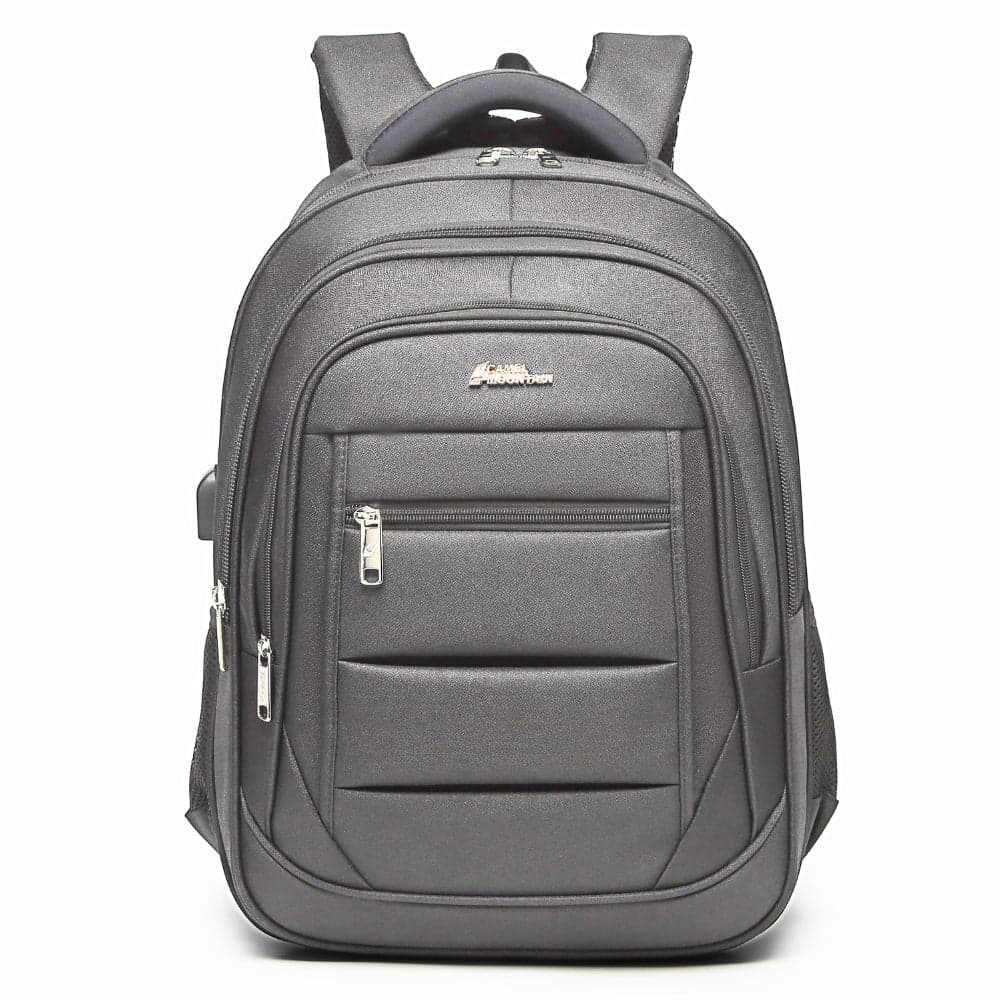
In recent years, smart backpacks with an external USB port have become very popular. Many travelers wonder whether these bags are allowed on flights. The answer is yes, with one important caveat: the bag itself has no built-in battery. The external port is a cable running inside the bag, which you connect to your own power bank.
When you go through security, you may be asked to take the power bank out of the bag and put it in a tray separately, just like a laptop. So it's always best to pack the power bank in an accessible pocket for quick removal, not deep under all your clothes.
Practical tips for a smooth airport security check
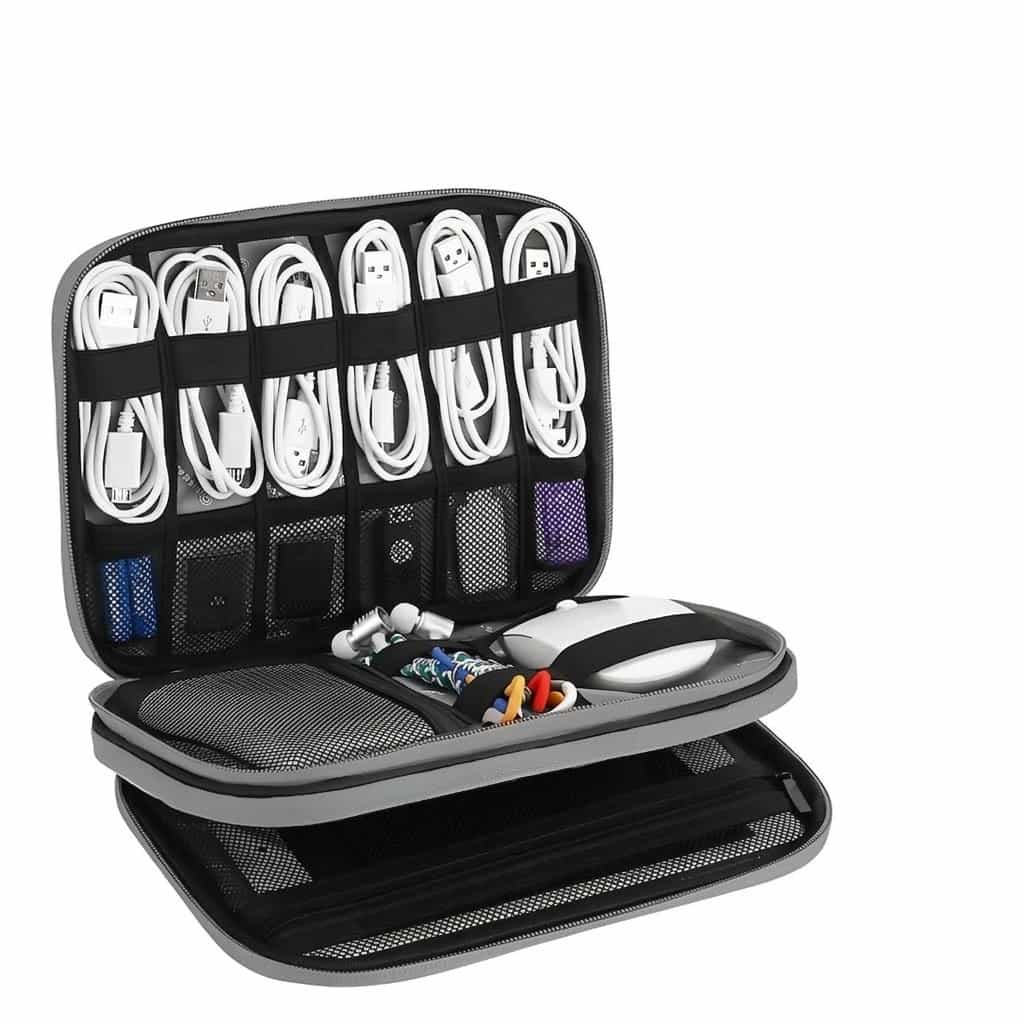
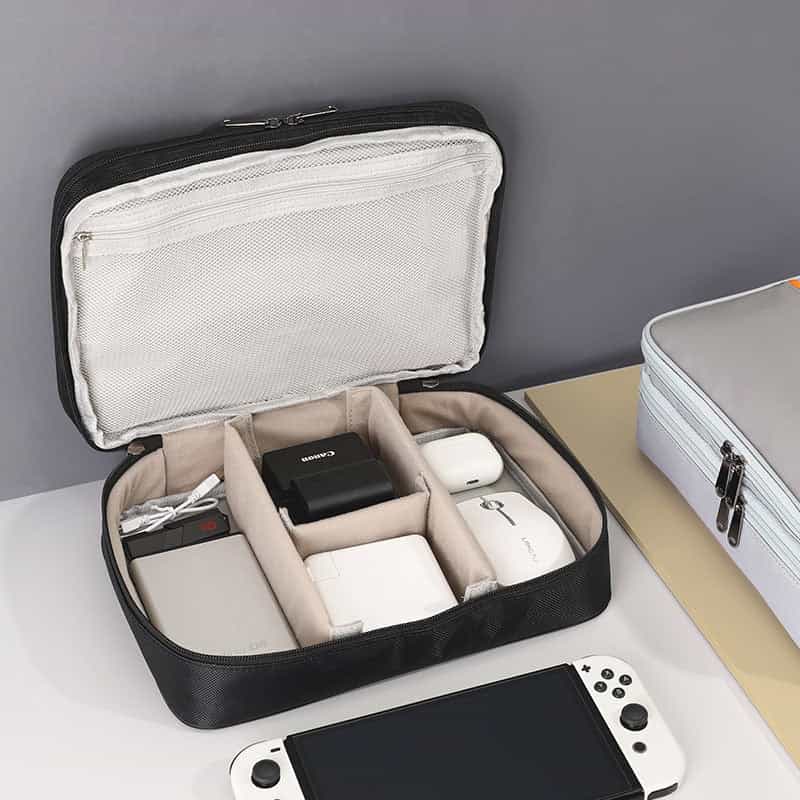
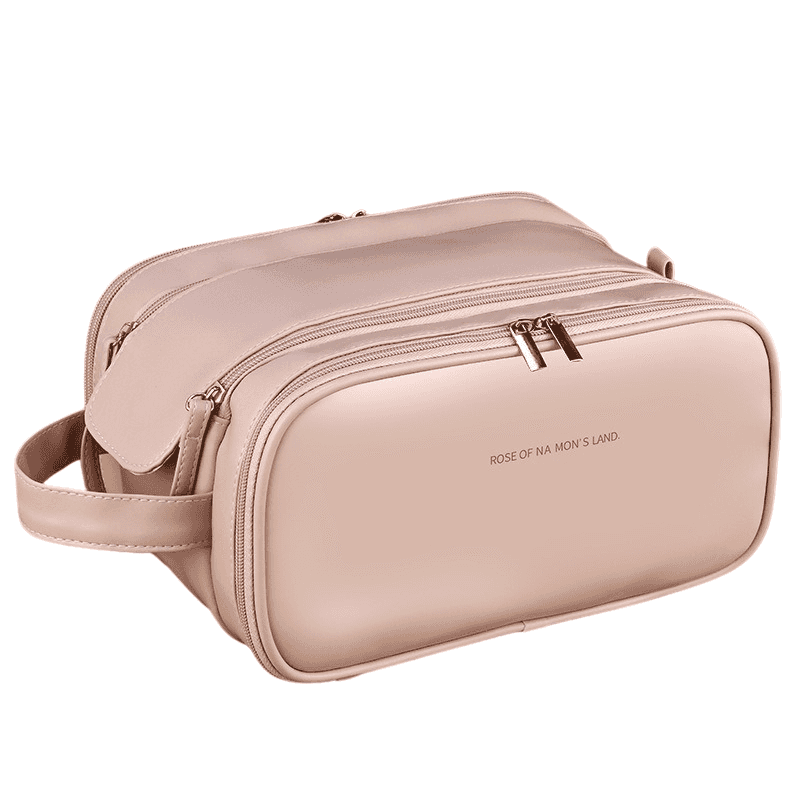
- Protect the connectors: to prevent an accidental short circuit from contact with coins, keys or other metal objects in your bag, keep the power bank in a dedicated case or a small pouch.
- Don't fly with damaged batteries: if your power bank is swollen, cracked, gets unusually hot or shows other signs of damage, leave it at home. Beyond the safety risk, airport security staff will spot it immediately and confiscate it.
- Quantity limit: most airlines limit power banks to 2 per passenger (as long as each is under 100Wh). Don't try to fly with a commercial quantity of batteries in your personal bag.
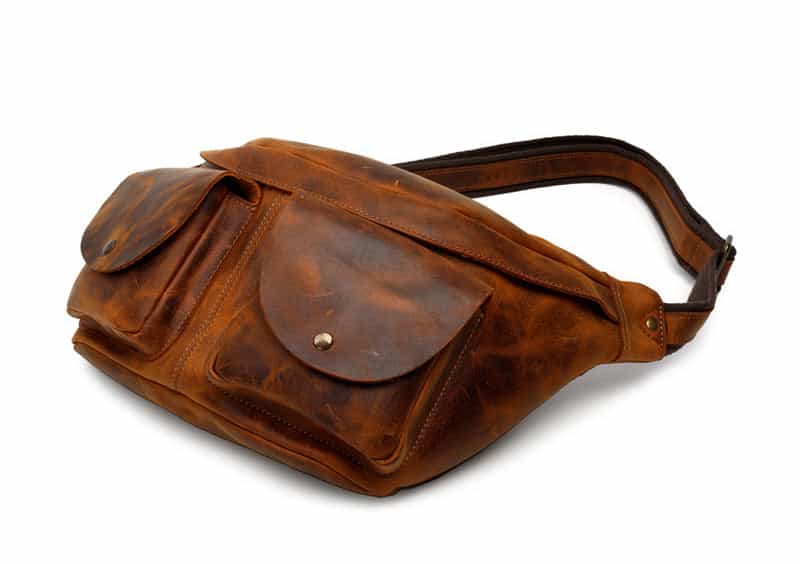
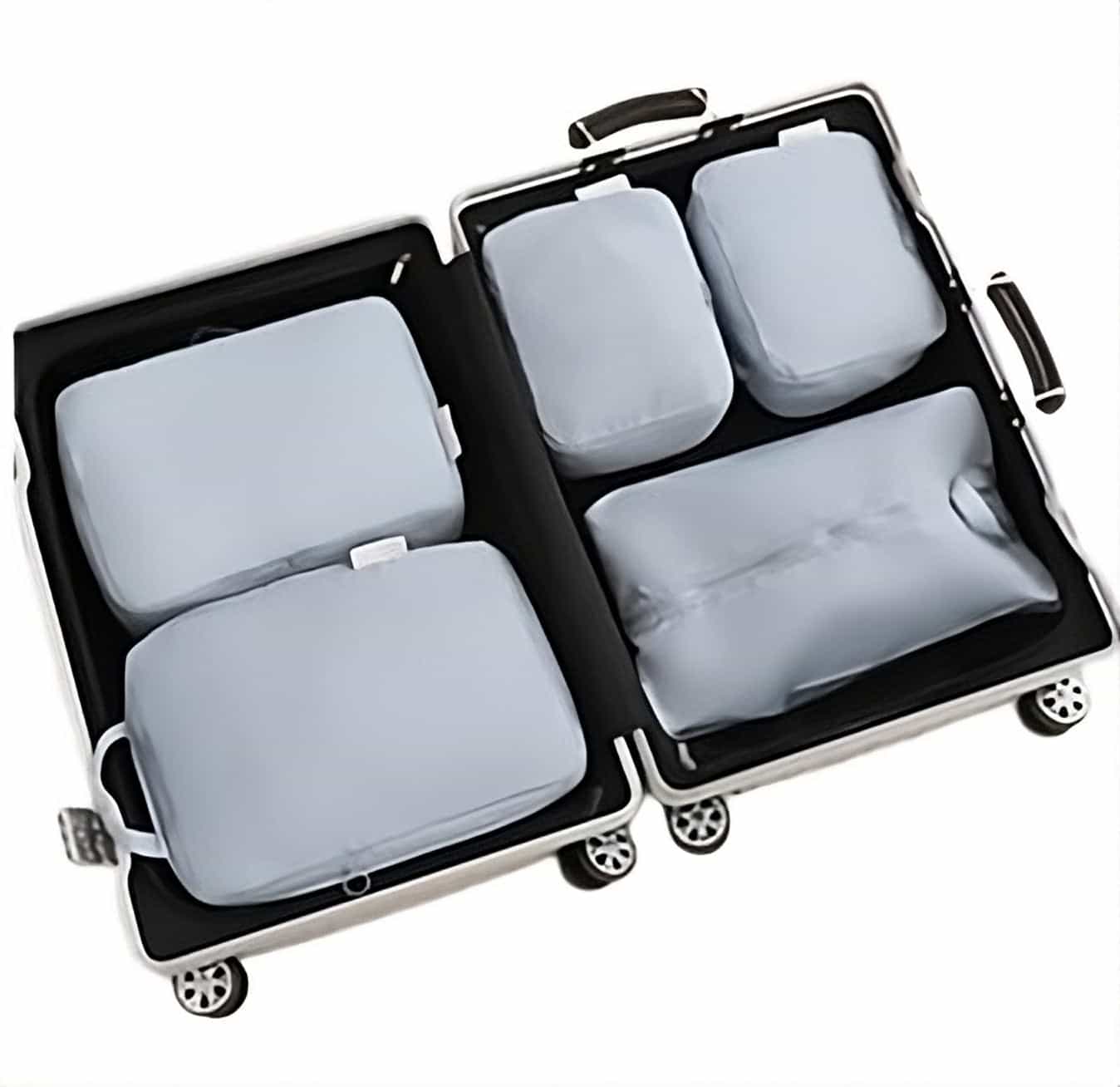
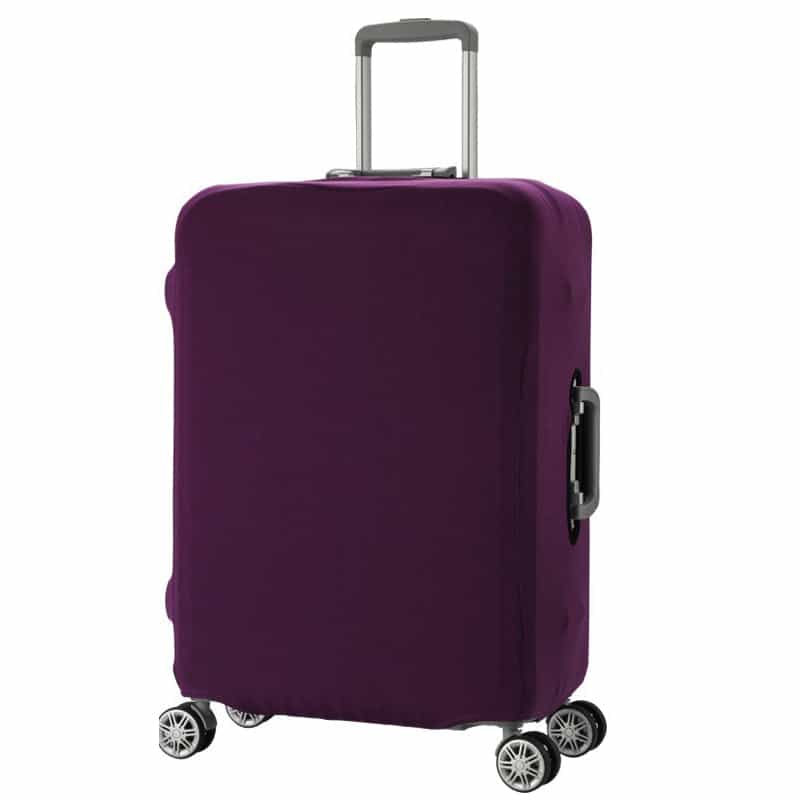
Products to help you on your way


Products in this guide
Frequently asked questions
Can I take more than one power bank on a flight?
Yes, most airlines allow up to two power banks per passenger in hand luggage, provided each one has a capacity of no more than 100Wh (about 27,000mAh).
What if the capacity label on my power bank has worn off?
If the technical information on the power bank has worn off or is illegible, airport security staff may confiscate it, because they have no way of confirming that it meets the 100Wh safety standard.
Can I use a power bank during the flight itself?
Using a power bank to charge your devices is generally allowed at cruising altitude, but it's strictly forbidden during takeoff and landing, and you must not leave it charging unattended.
What happens if I accidentally left the power bank in my checked suitcase?
If the power bank is detected by the baggage scanners, your suitcase will be held. In many cases security staff will open the suitcase (and may even break the lock) to remove the power bank, or the suitcase simply won't be loaded and will be left behind.


