


Why Do Passengers Risk Their Lives for a Suitcase? A Lesson in Flight Safety
October 23, 2026

Delaying an aircraft evacuation to save your luggage is a real danger to life. To stay safe without losing what matters to you, stick to three iron rules: back up all your documents in the cloud, keep small valuables (passport, phone and credit cards) on you in your pockets or a pouch worn close to the body, and rely on baggage insurance to compensate you for the loss of the physical bag.
Ten years after the crash of Emirates Flight 521 in Dubai, aviation is still dealing with one of the biggest dangers in an emergency evacuation: passengers who refuse to leave their bags behind. According to an in-depth report by the aviation site Simple Flying, despite repeated warnings from cabin crews, many passengers continue to risk their own lives and the lives of those around them to save a laptop, a passport or a carry-on suitcase. At Camel Mountain, a family business that has been accompanying travelers since 1975, we understand the emotional and financial value of your gear, but your life always comes before any bag. In this article we explain why this happens, and how to prepare for your next flight so you can leave the plane within seconds with peace of mind, knowing you're fully protected.
The worrying facts: why do we cling to our belongings when it counts?
On August 3, 2016, an Emirates Boeing 777 made a hard crash landing in Dubai. The aircraft caught fire within minutes. Fortunately, all 300 passengers and crew were evacuated alive (although one firefighter was killed during the firefighting operation). But videos filmed inside the cabin during the evacuation revealed a frightening reality: passengers stood up, opened the overhead bins and tried to take out their hand luggage while thick smoke began to fill the plane.
Ten years later, the trend is only getting worse. Aviation safety experts explain that it's a combination of crowd psychology and "normalcy bias": people under extreme stress tend to fall back on familiar behavior, like keeping hold of their belongings. They don't realize that a fire on a plane can consume the entire cabin in less than 90 seconds. Every second wasted pulling a bag out of the overhead bin can cost lives.
The "pockets and pouch" strategy: how to prepare for a flight properly
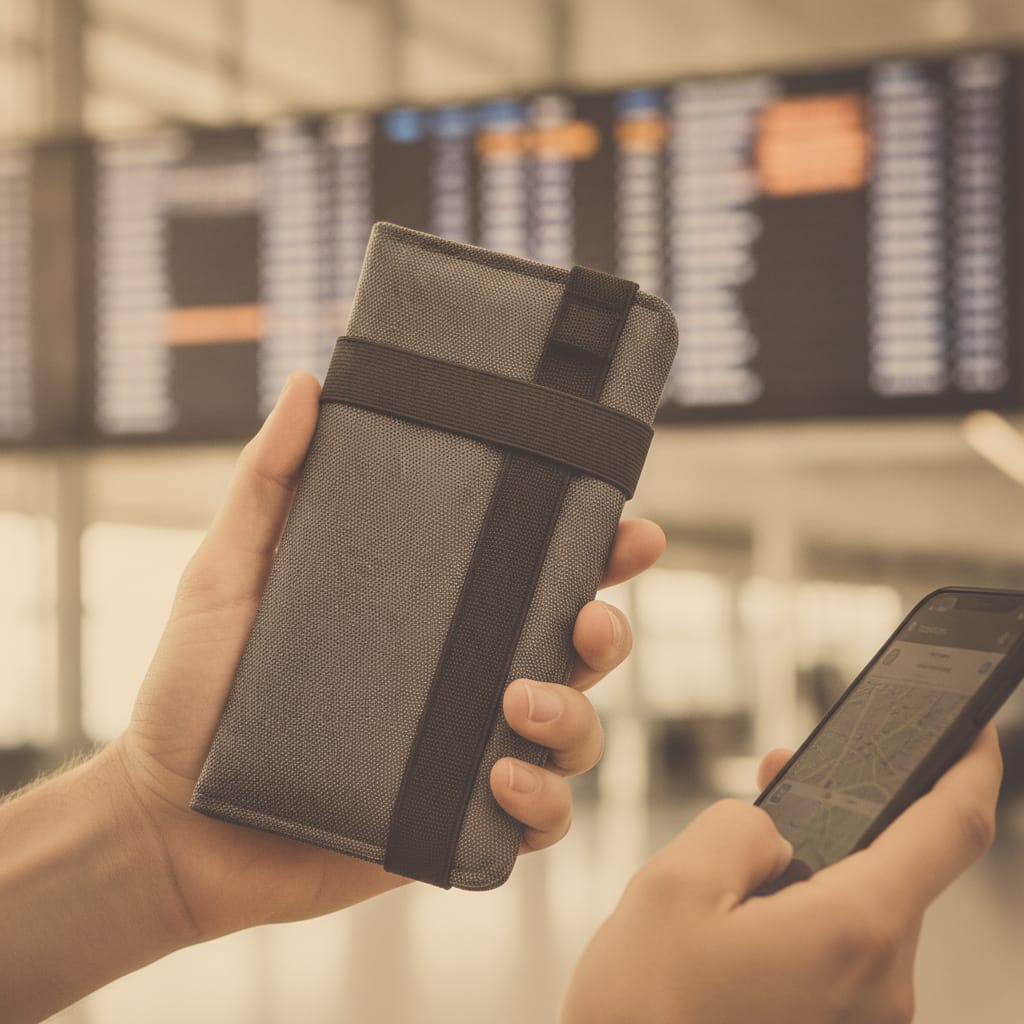
The best way to stop the destructive urge to open the overhead bin in an emergency is simply to make sure everything that really matters to you is already on you. We call this the "pockets and pouch" strategy.
When you board the plane, split your belongings into three categories:
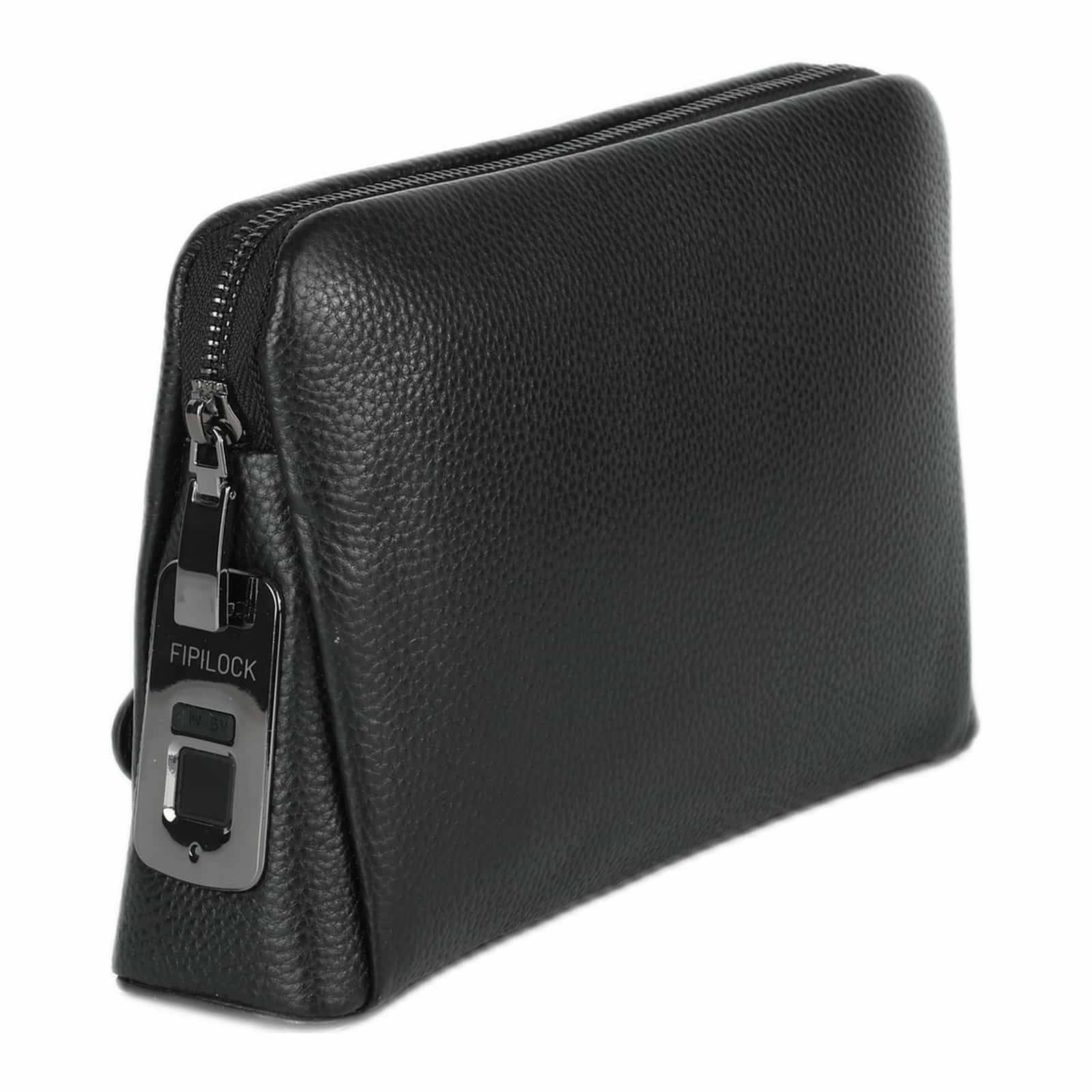
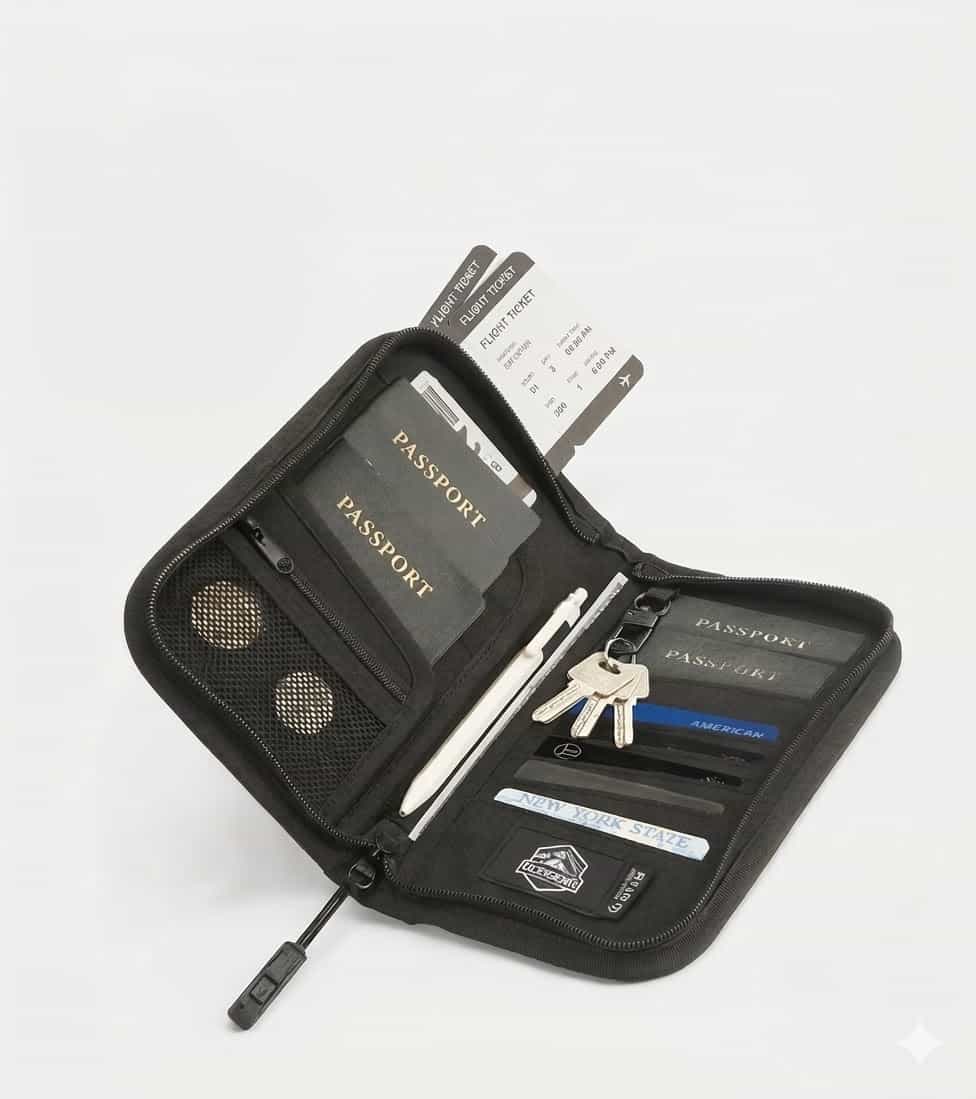
- On your body: passport, mobile phone, credit cards, cash and life-saving medication. These must be in your trouser pockets or in a slim travel pouch worn close to your body that stays on you throughout the flight (not under the seat or in the overhead bin).
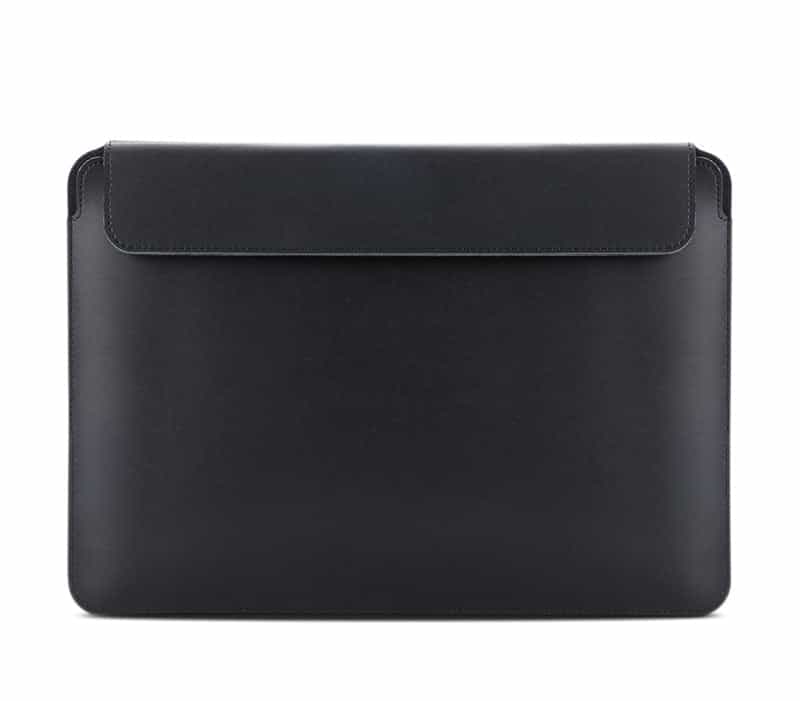
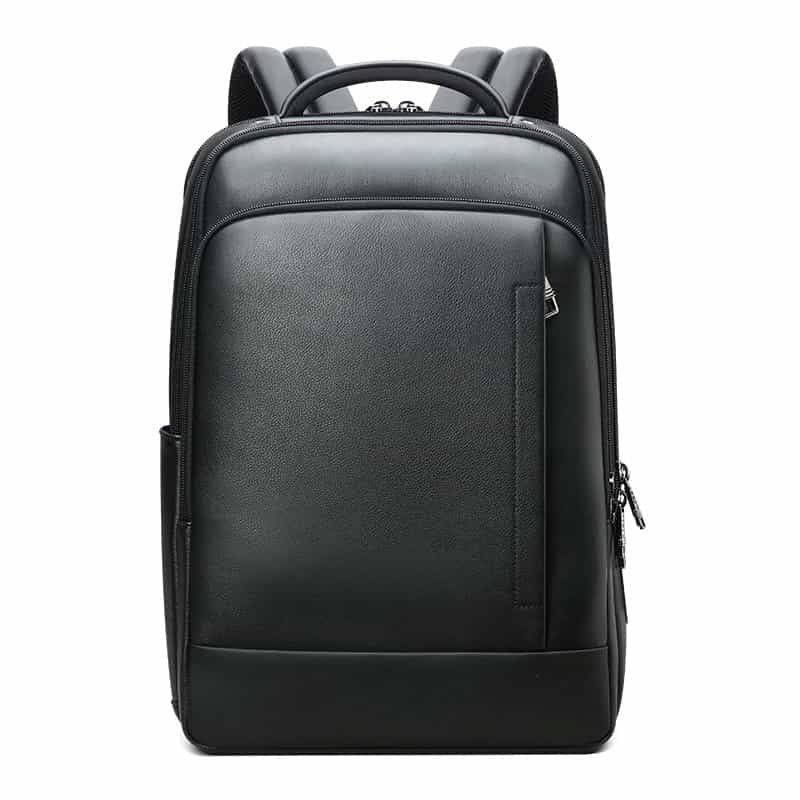
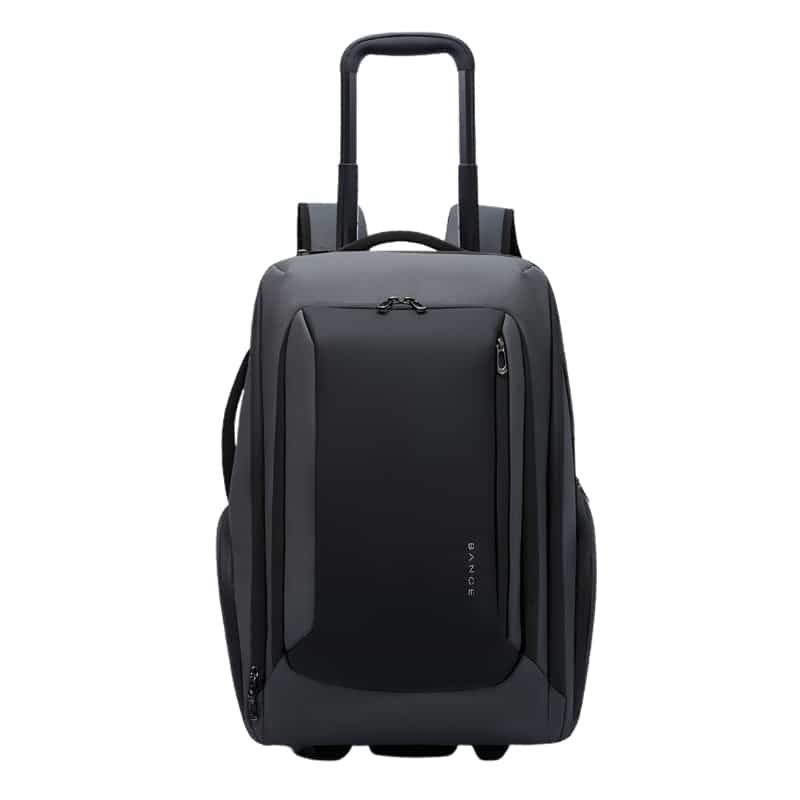
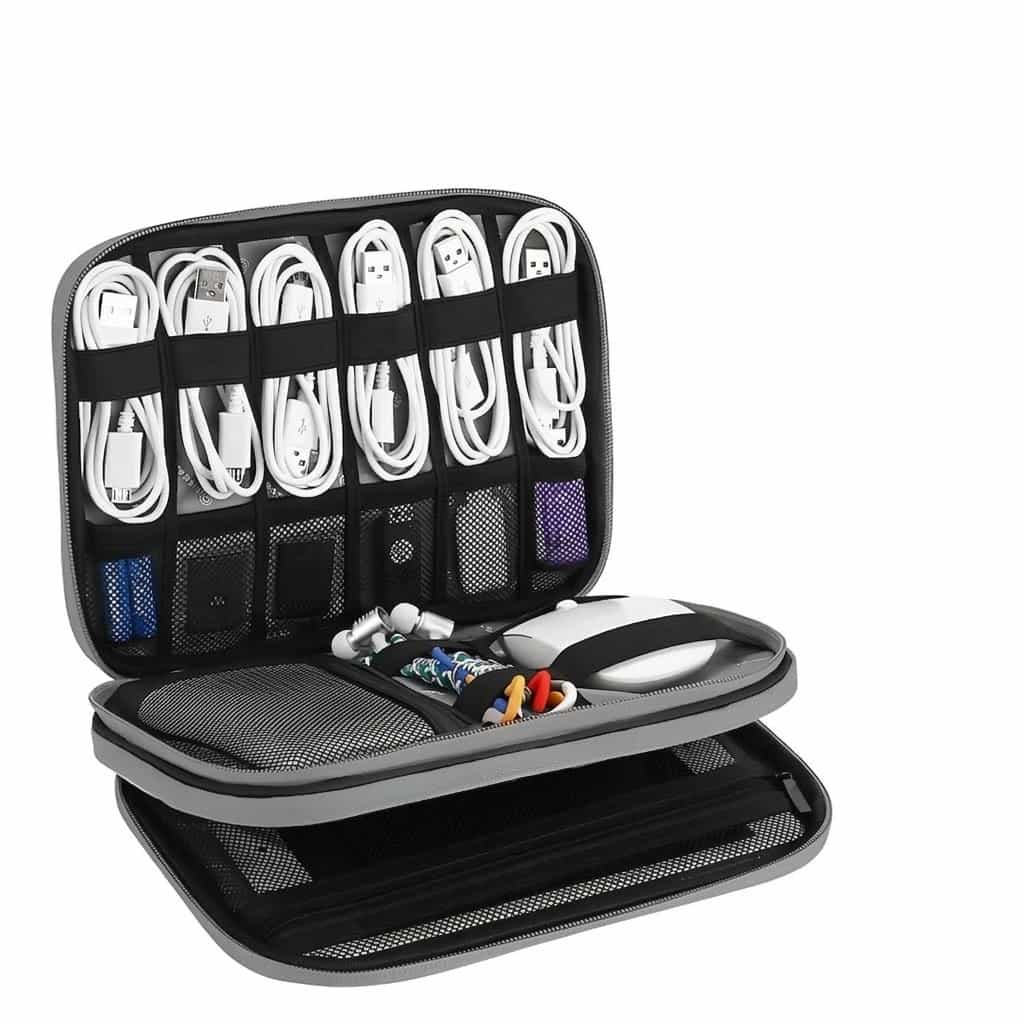
- The backpack or personal item: laptop, tablet, chargers and books. These are valuable but replaceable. They should stay in the bag under the seat in front of you.
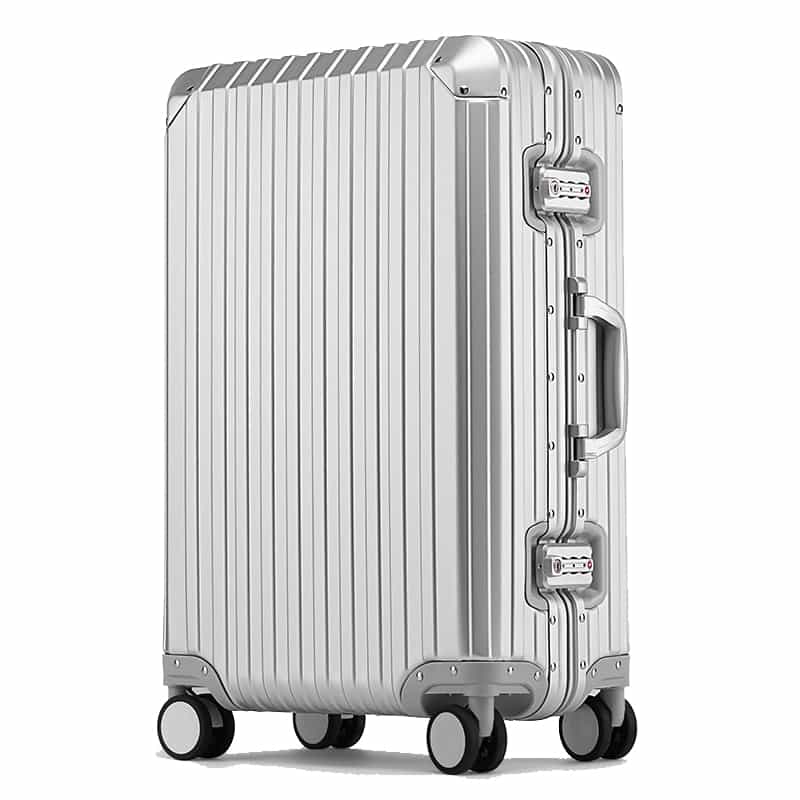
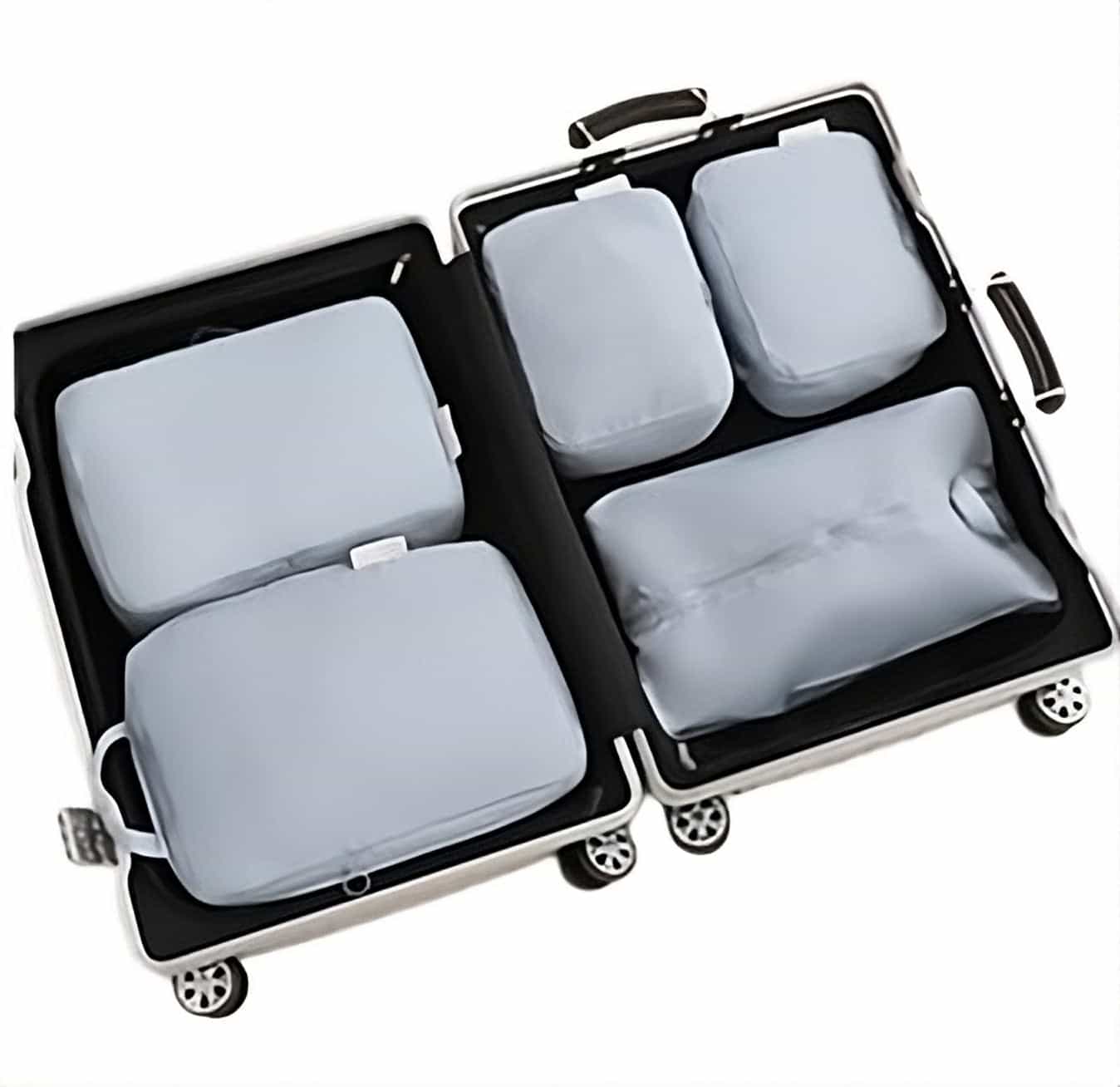
- The carry-on suitcase in the overhead bin: clothes, shoes and toiletries. These have little value in an emergency.
If an emergency evacuation is announced, you get up and leave immediately. Your passport and phone are already on you, and nothing else matters at that moment.
The digital revolution: a document backup that saves you worry
One of travelers' biggest fears is losing physical documents: the passport, entry visas, boarding passes and insurance policy. That fear is what drives many people to try to save their bag. The solution is simple, modern and free: a full digital backup.
Before every flight, take these steps:
- Scan or photograph your passport, driver's license, insurance policy and boarding passes.
- Save the files to a secure cloud service (like Google Drive, Dropbox or iCloud).
- Email a copy of the documents to yourself and to your travel companions.
- Keep an offline version on your phone, so you can access them even without an internet connection.
If you ever have to evacuate a plane without your physical passport, showing a digital copy of it at the local embassy will significantly speed up the issue of an emergency passport. Government systems today are prepared to handle such cases quickly.
Baggage insurance: your bag is worth money, your life is worth more
Many passengers forget that their belongings are insured. Under the Montreal Convention, airlines are obliged to compensate passengers for loss or destruction of baggage in an accident. In addition, the private travel insurance policies you buy before a flight include extensive baggage cover.
When you realize that every item in your suitcase, from your favorite shirt to your most expensive laptop, is covered by the insurance company, it's much easier to let go of your bag in an emergency. No laptop is worth the risk of inhaling toxic smoke or holding up dozens of passengers behind you on the way to the emergency slide.

Comparison table: compact carry solutions for an emergency
To help you choose the most convenient way to keep your valuables on you during the flight, we've gathered the leading options:
| Type of accessory | Recommended place on the flight | Ideal contents | Readiness for a quick evacuation |
|---|---|---|---|
| Slim travel pouch | On the body (under or over your shirt) | Passport, cash, credit cards, small medication | Very high (100% ready) |
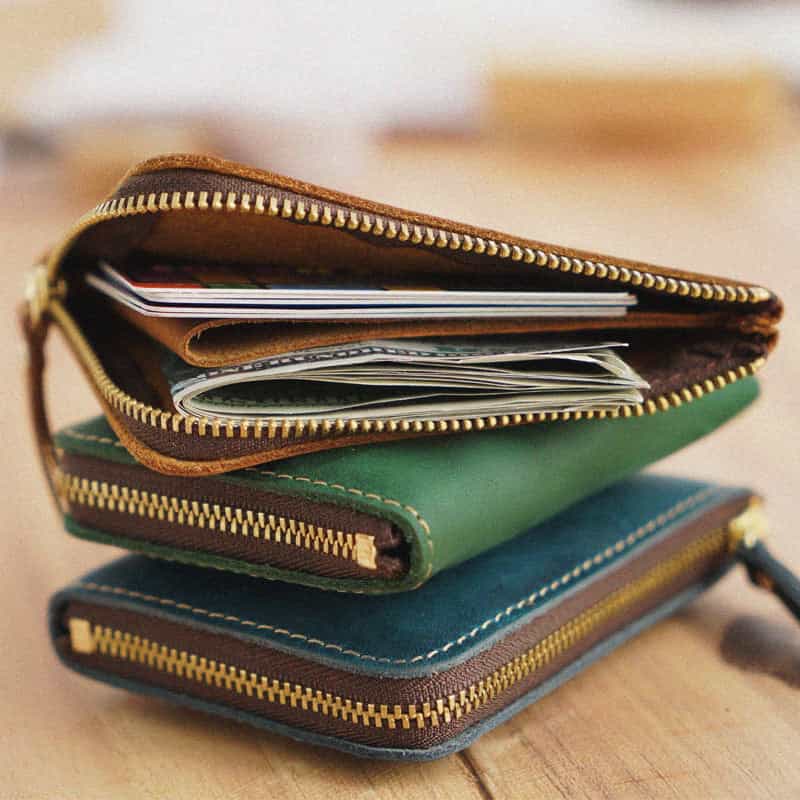
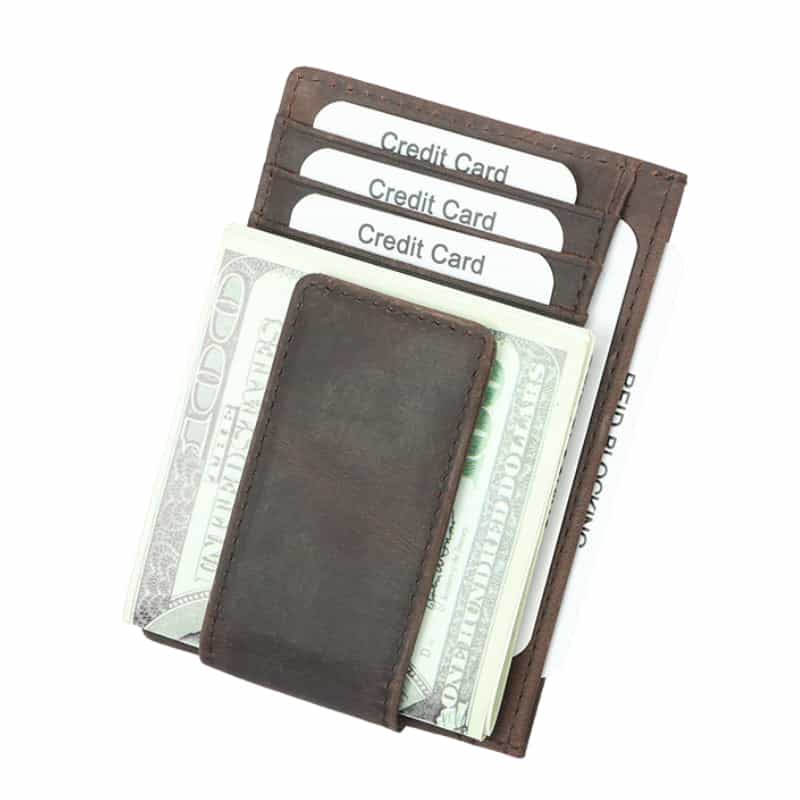
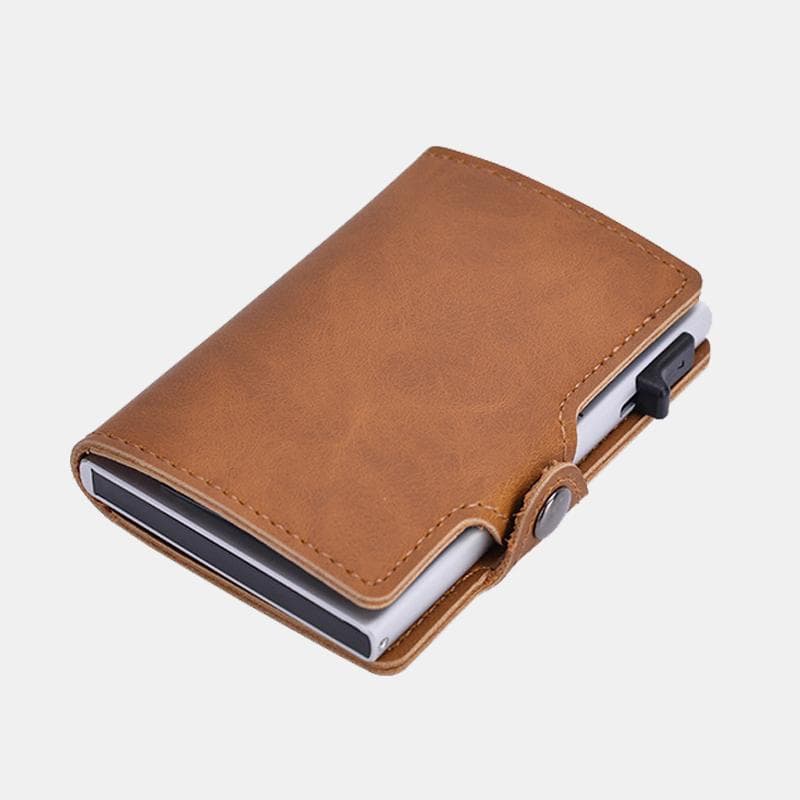
| Smart card wallet | In your front trouser pocket | Credit cards, license, a little cash | Very high (stays in your pocket) |
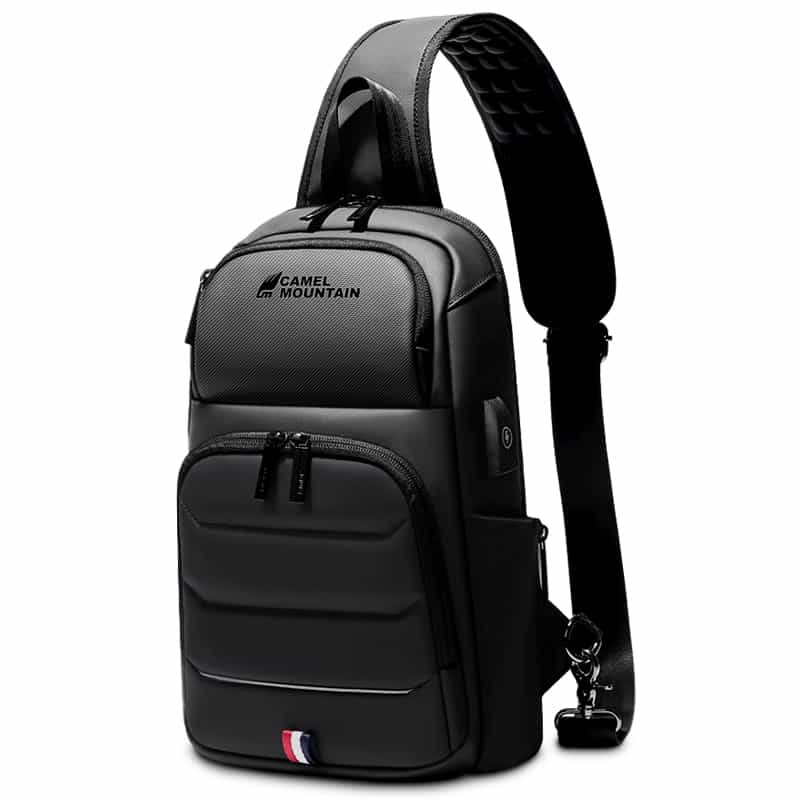
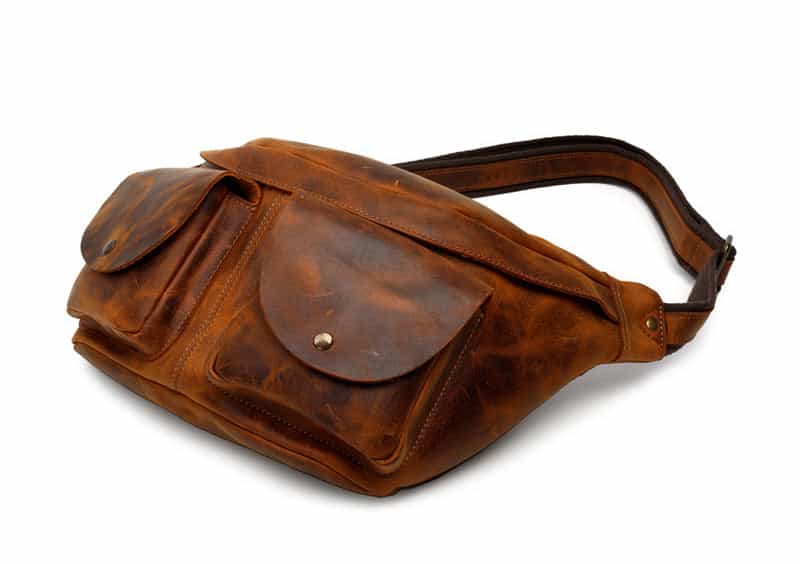
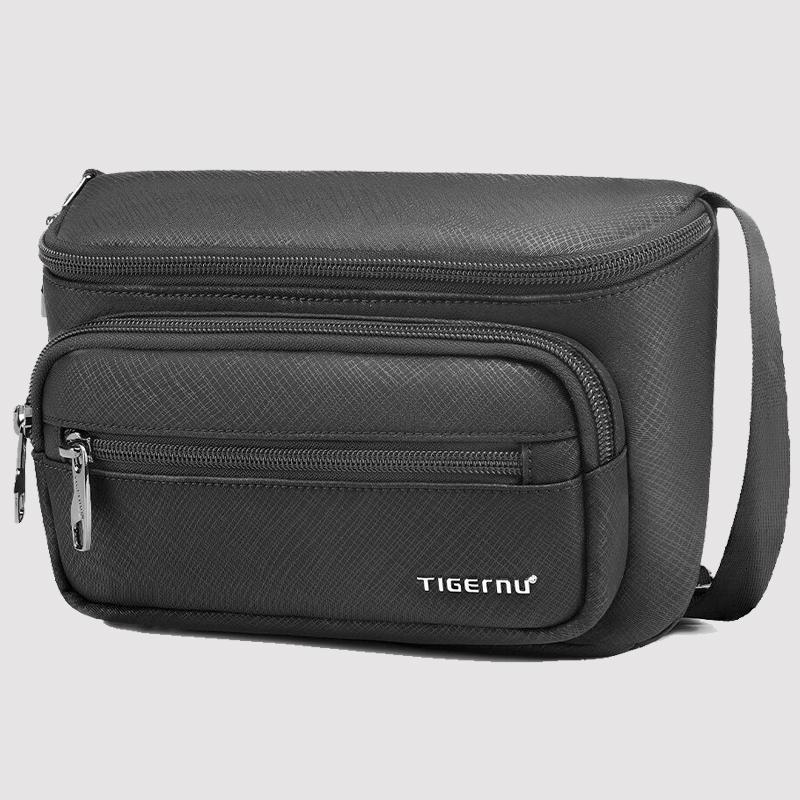
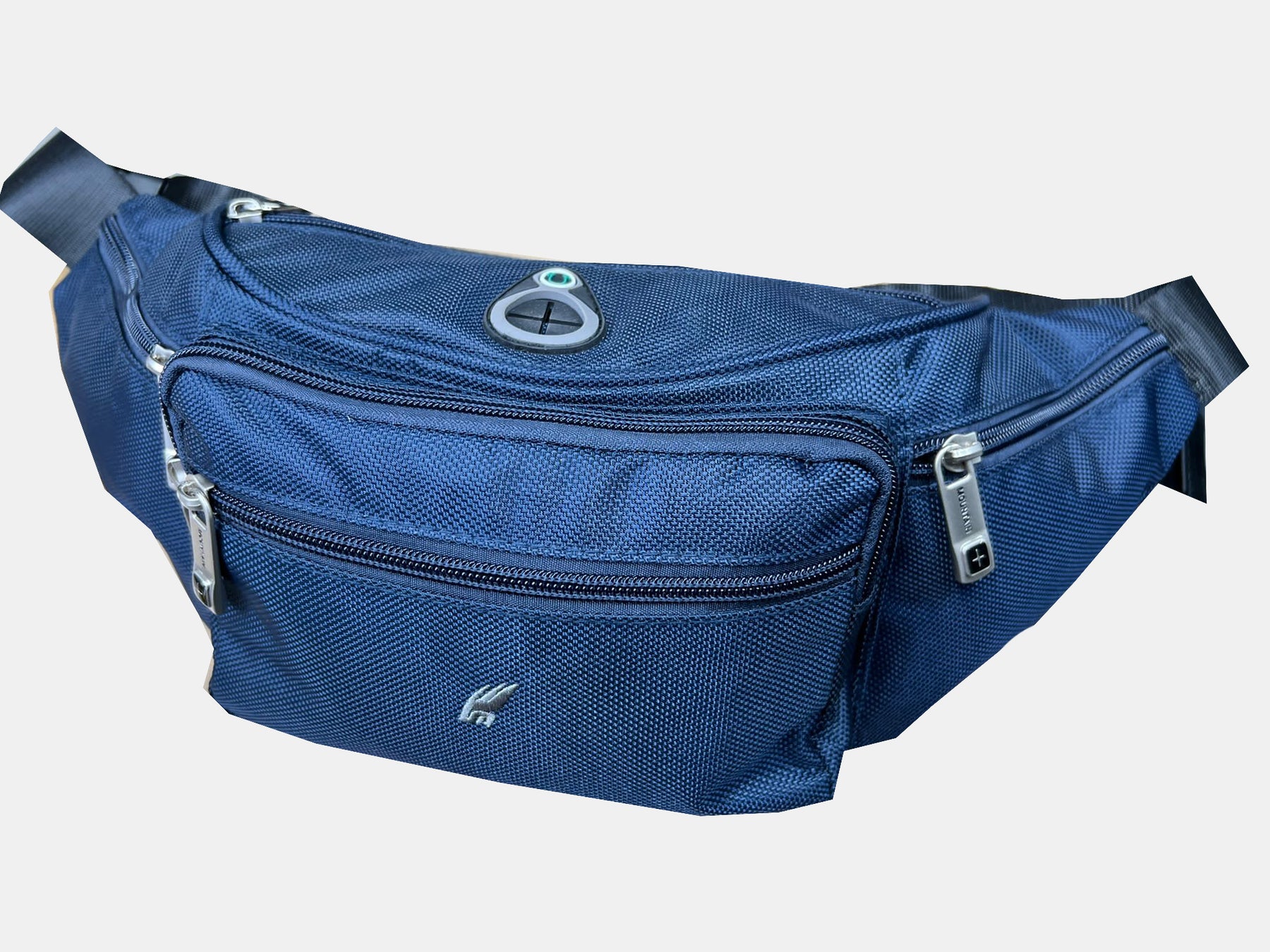
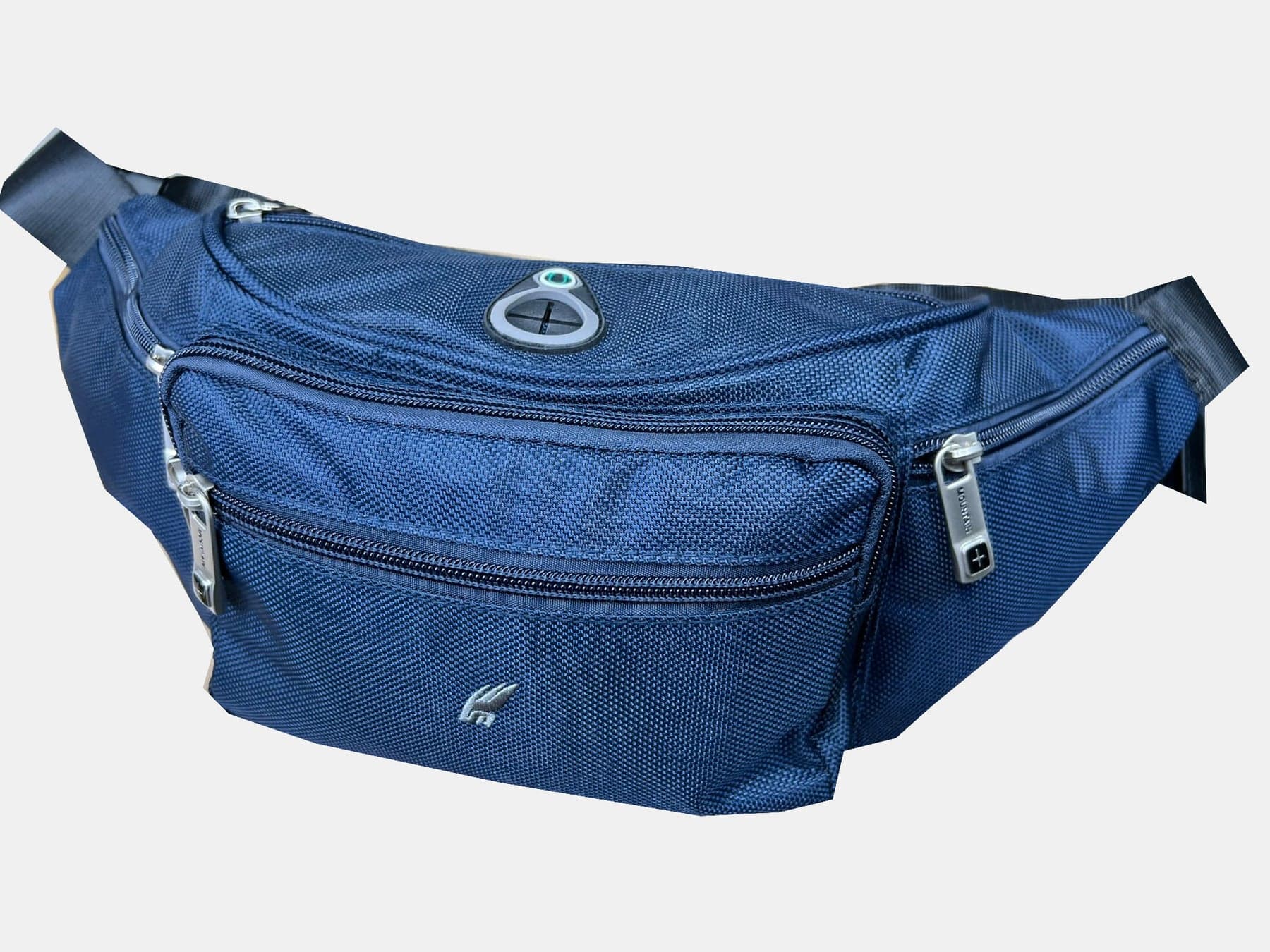
| Sling or small crossbody bag | On the shoulder or chest (not taken off during the flight) | Phone, passport, keys, wallet, power bank | Medium to high (needs to be worn properly) |
In short, your and your family's safety on a flight starts with proper planning at home. By using a smart carry strategy, backing up your documents digitally and buying suitable travel insurance, you can fly with real peace of mind. Remember: bags and suitcases can always be bought again. Your life can't.
Based on a report: 10 Years After Emirates Flight 521: Passengers Are Still Risking Their Lives To Save Bags, simpleflying.com
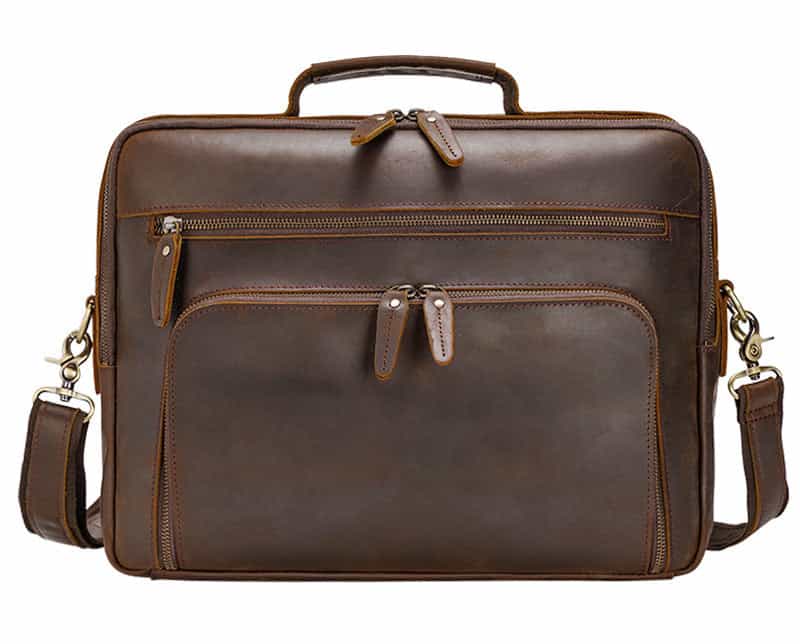
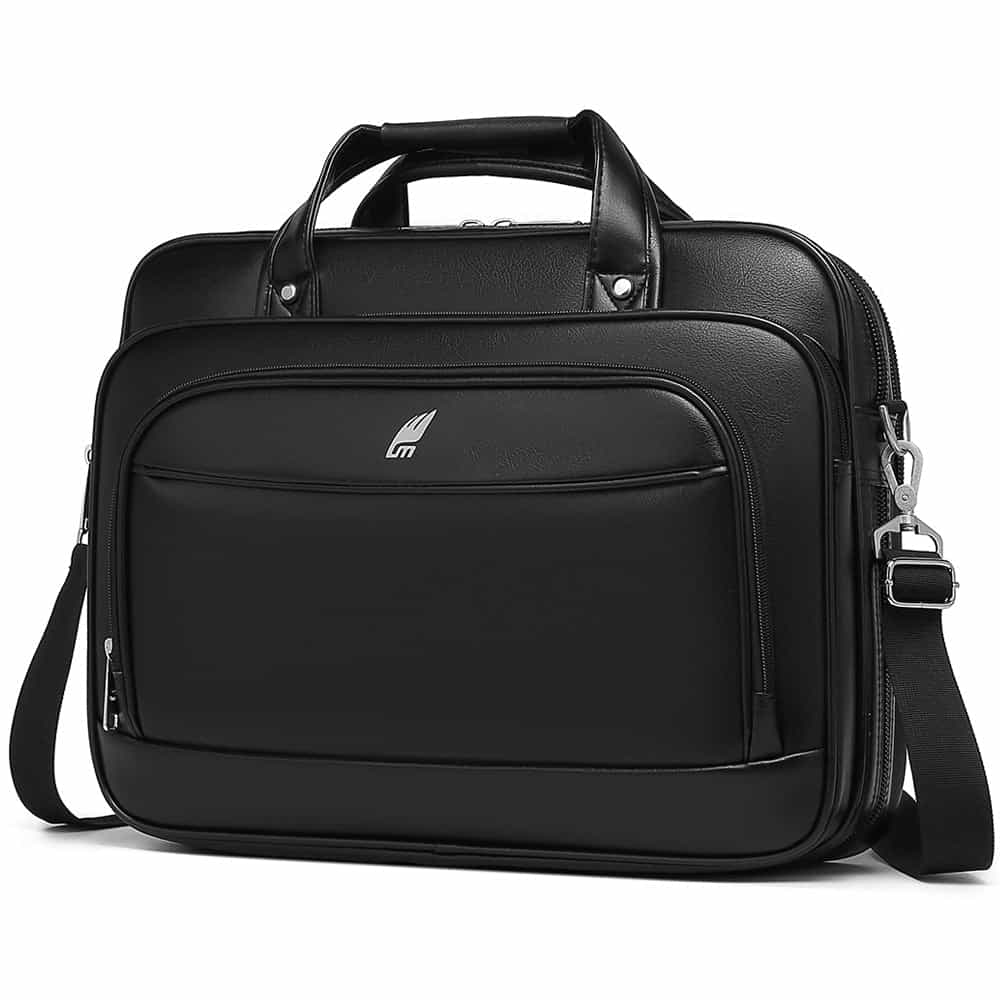
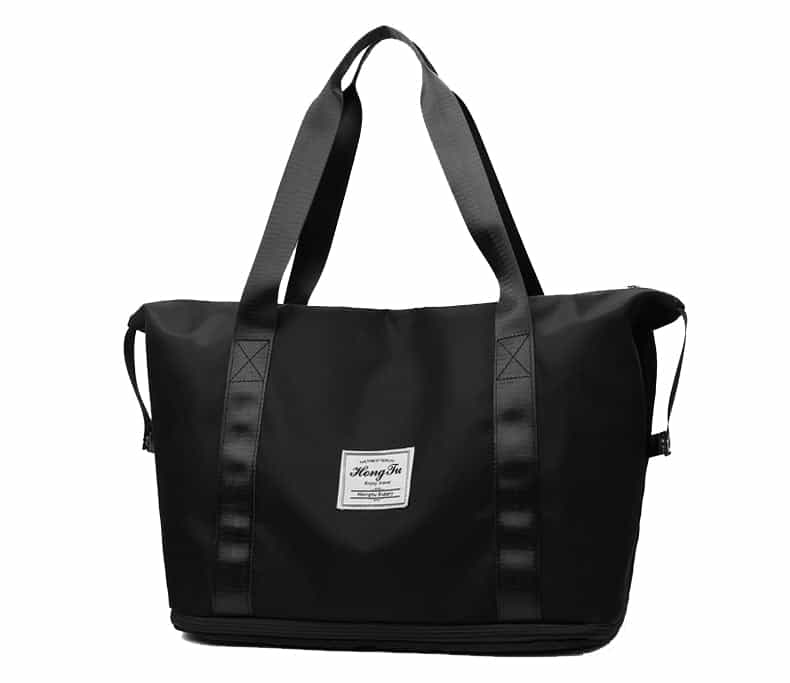
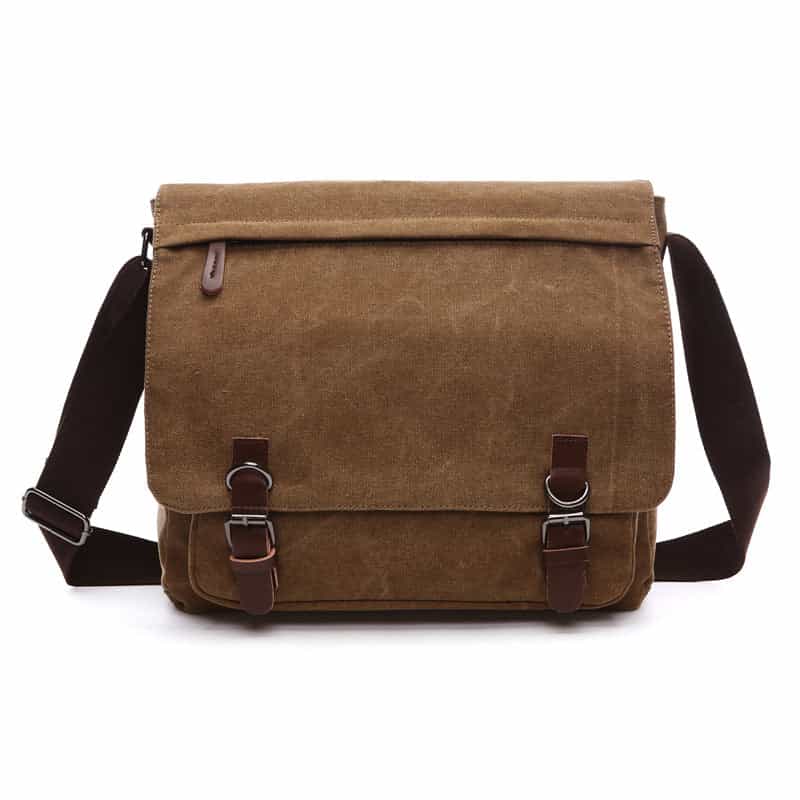
Products to help you on your way

Products in this guide
Frequently asked questions
What happens if I leave my passport on the plane during an emergency evacuation?
In an emergency evacuation, your health comes first. If the passport is left behind, the local authorities and your country's embassy at the destination will work together to issue you a travel document or a temporary emergency passport. A digital backup of the passport on your phone or in the cloud will speed this process up significantly.
Do airlines compensate for belongings left on a plane that burned?
Yes, airlines are obliged to compensate passengers for lost baggage under the Montreal Convention. However, the compensation is capped by law, so it's strongly recommended to also have private travel insurance that covers the full value of your gear, especially if you travel with expensive electronics.
How do I choose a travel pouch that won't bother me during the flight?
Choose a slim, flat pouch made of soft, breathable materials, such as light canvas or water-resistant nylon. A quality pouch should be thin enough to fit comfortably under your shirt, so you don't feel it when sitting for a long time in your seat.
Can I keep a pouch on me during takeoff and landing?
Yes, small slim pouches strapped to the body can be worn throughout every stage of the flight, including takeoff and landing, because they don't obstruct a quick evacuation and can't fly around and become a projectile in turbulence, unlike backpacks or carry-on suitcases.


