


300 Seedlings in Five Suitcases: What You Can't Bring Home From Abroad
October 23, 2026

Plants, seedlings, seeds, fruit and vegetables cannot be brought into Israel in a suitcase without approval from the Plant Protection Services of the Ministry of Agriculture, even if it is a single plant for the garden. According to the ministry, even a plant that looks healthy can carry pests and diseases that don't exist in the country, and doing so breaks the Plant Protection Law. Many countries have similar rules. The simple rule: fruit, seeds and seedlings stay at the destination, and anything you are not sure about you declare in the red channel.
What happened at Ben Gurion Airport
According to a report on Walla (13.10.2026), customs inspectors at Ben Gurion Airport stopped a doctor from central Israel who was returning from Thailand with five suitcases. Inside they found about 300 banana seedlings and staghorn ferns. He said the seedlings were meant for his private garden, and that collecting rare ornamental plants is his hobby. Inspectors from the Plant Protection Services seized the seedlings, customs investigators questioned him, and proceedings were opened against him.
The Ministry of Agriculture explained that Thailand has pests and disease agents that don't exist in Israel, and that they could seriously harm the local banana industry. The head of the Plant Protection Services said that "even plants that look healthy can carry pests and diseases that don't exist in the country", and the ministry added that even an act in good faith and for personal use can have serious consequences.
Why even one plant for the garden is a problem
Pests such as insects, fungi, bacteria and viruses can't be seen with the naked eye. They travel inside a fruit, on a leaf, in soil left on a root or inside a seed. A country that doesn't know a pest isn't prepared for it, so the damage can be far greater than the plant itself. That is why the law makes no distinction between one seedling and 300: what counts is the permit, not the quantity and not the intention.
What this means when you come home from abroad
- Seedlings, bulbs, cuttings and soil: not without prior approval from the Plant Protection Services.
- Seeds, even a small bag from the market: a problem for the same reason. If you still want to bring some, check in advance with the Ministry of Agriculture what is required.
- Fresh fruit and vegetables, including the fruit left over from the in-flight meal: eat them before landing or leave them at your destination.
- The Four Species from abroad: the Ministry of Agriculture warns about them every Sukkot, so if you bought a set abroad, check that year's guidelines before the flight home.
In short, a souvenir from the trip is better if it doesn't grow: clothing, a dish, jewelry, or a good photo of the garden you loved.
Still want to bring a plant? Do it before the flight
Under the plant protection regulations, a plant or plant product may be brought into the country only with a written license from the Plant Protection Services and under its conditions. In other words, the legal route starts long before the airport: you contact the Ministry of Agriculture, explain what you want to bring and from where, and wait for an answer. There is no guarantee it will be positive, and some plants simply won't be approved. What certainly won't work is trying to explain at the airport that it's for your private garden, as the doctor found out.
And if the plant you loved on your trip is also sold back home, a local nursery is the simple way to bring it home, with no risk to agriculture and no investigation.
Green or red channel?
At the airport, every arriving passenger goes through one of two channels. You use the green channel only when you have nothing at all to declare. When you have something that must be declared, or when you are not sure, go through the red channel and ask. Walking through the green channel with an item that must be declared can end in penalties, while asking in the red channel costs a few minutes at most. Check the duty-free amounts and quantities on the tax authority's website before the flight, because they are updated.
How to pack so an inspection goes quickly
A customs or security check is shorter when the suitcase is organized. A few habits that help:
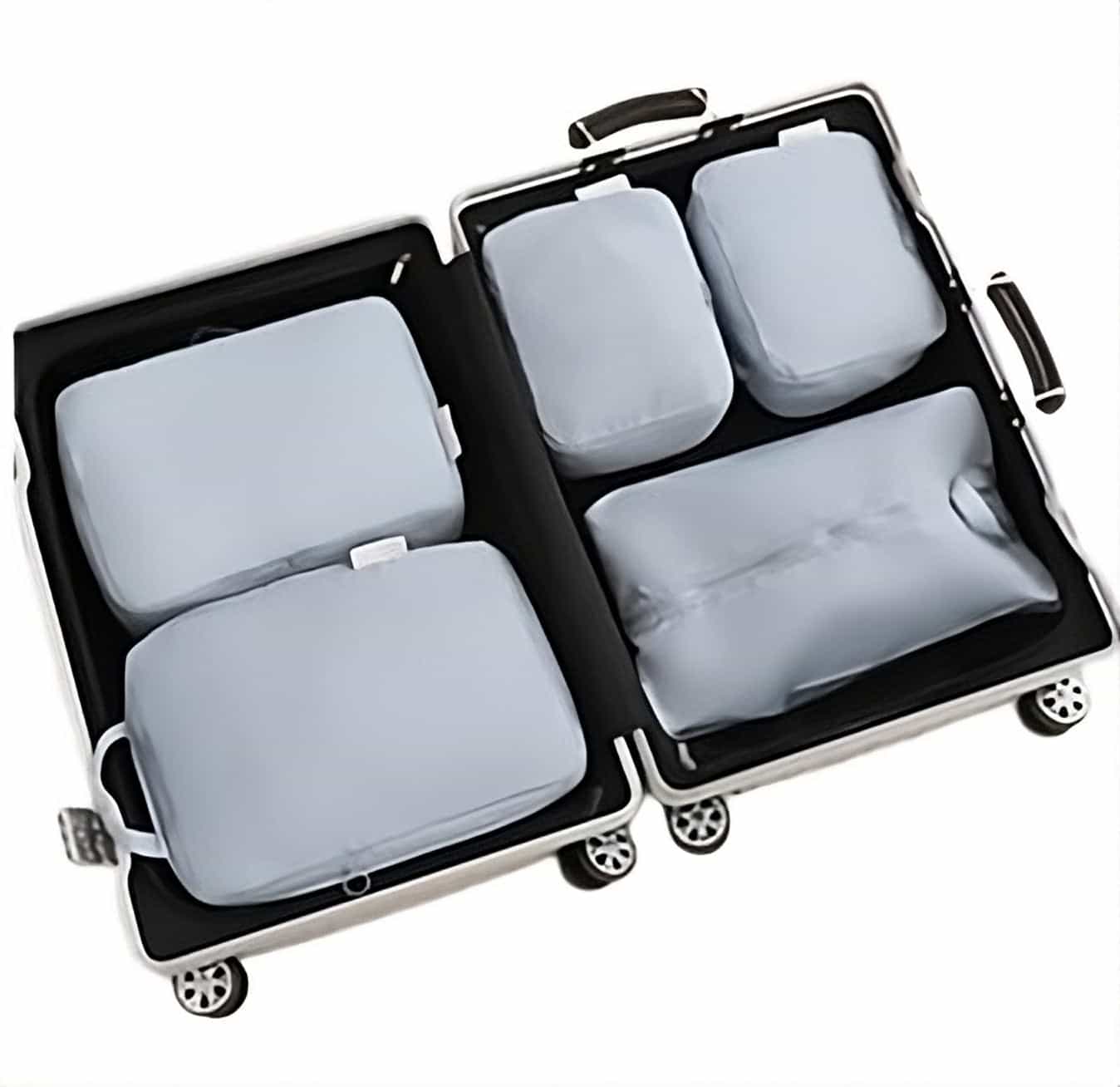
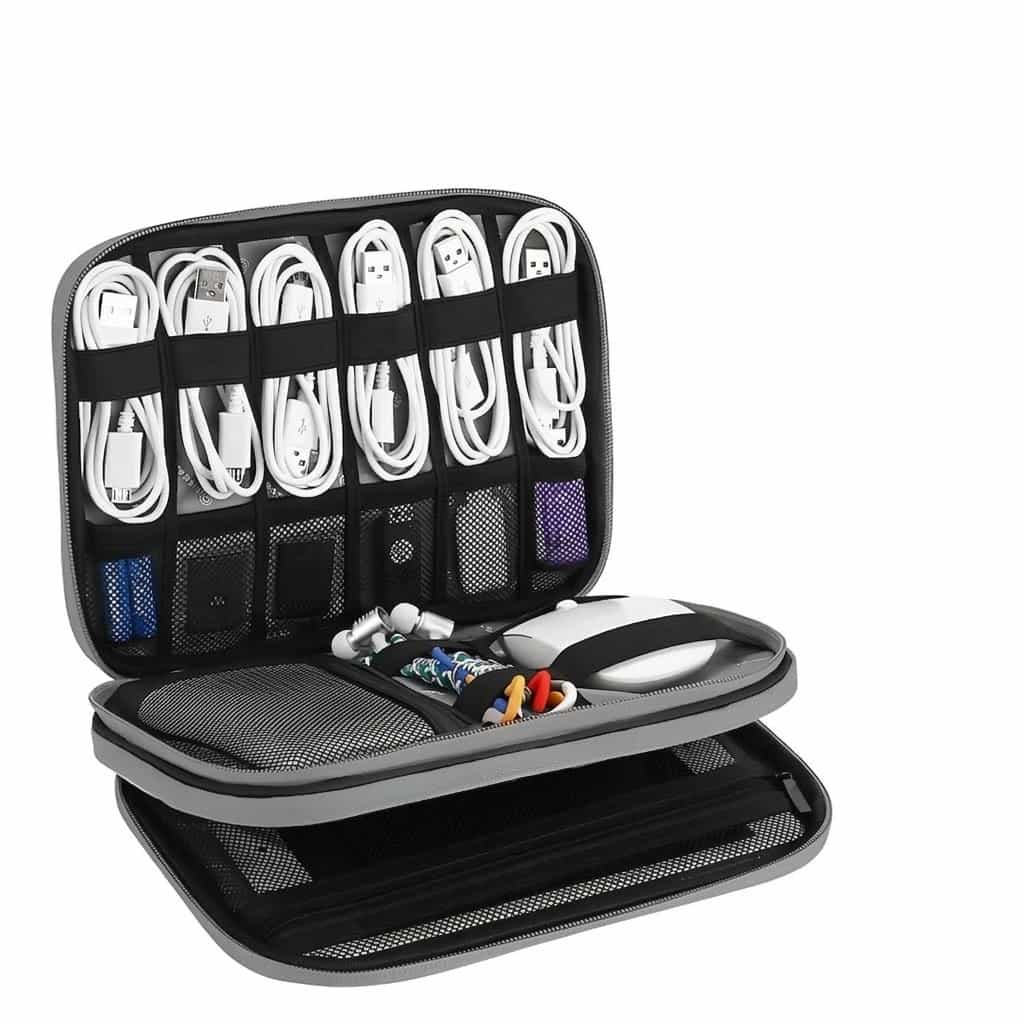
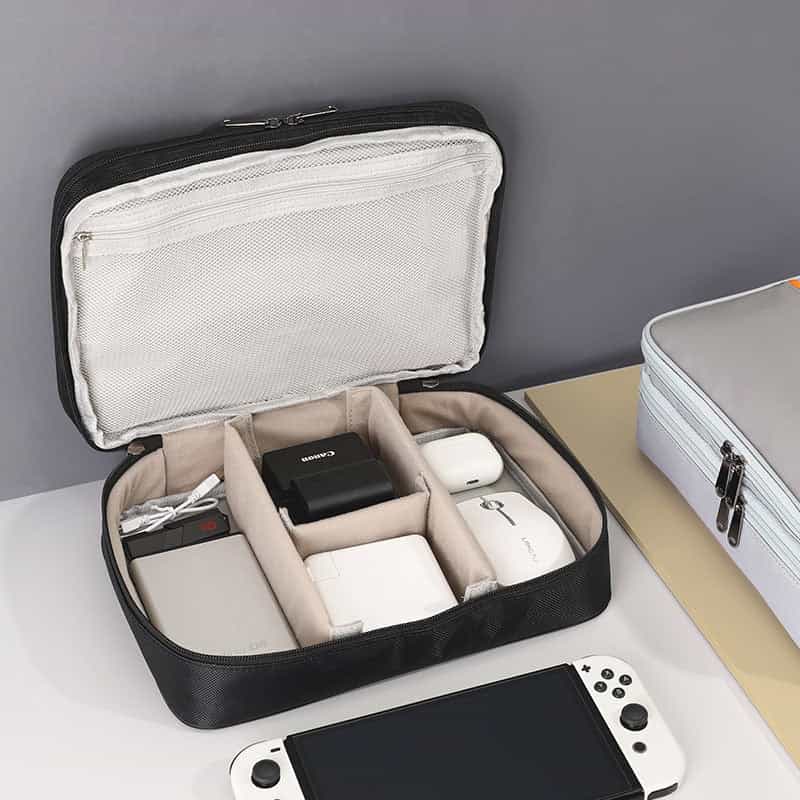
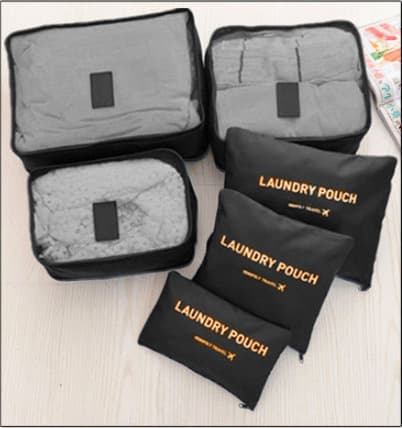
- Separate by type. Clothes in packing cubes, accessories and chargers in one pouch, toiletries in a toiletry bag. When something needs opening, you open one cube rather than taking the whole suitcase apart. In the River packing cube set, the top of each cube is mesh, so you can see what's inside without spilling everything onto the table.
- Keep what you bought separate and within reach. Purchases from the trip, with the receipts, in one cube on top. If they ask to see them, they're right there.
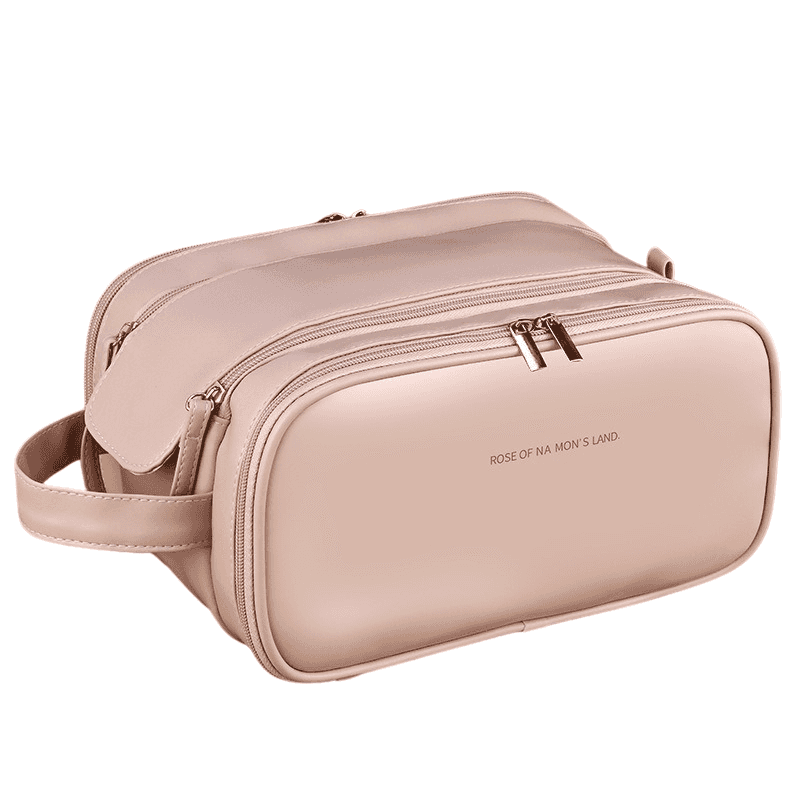
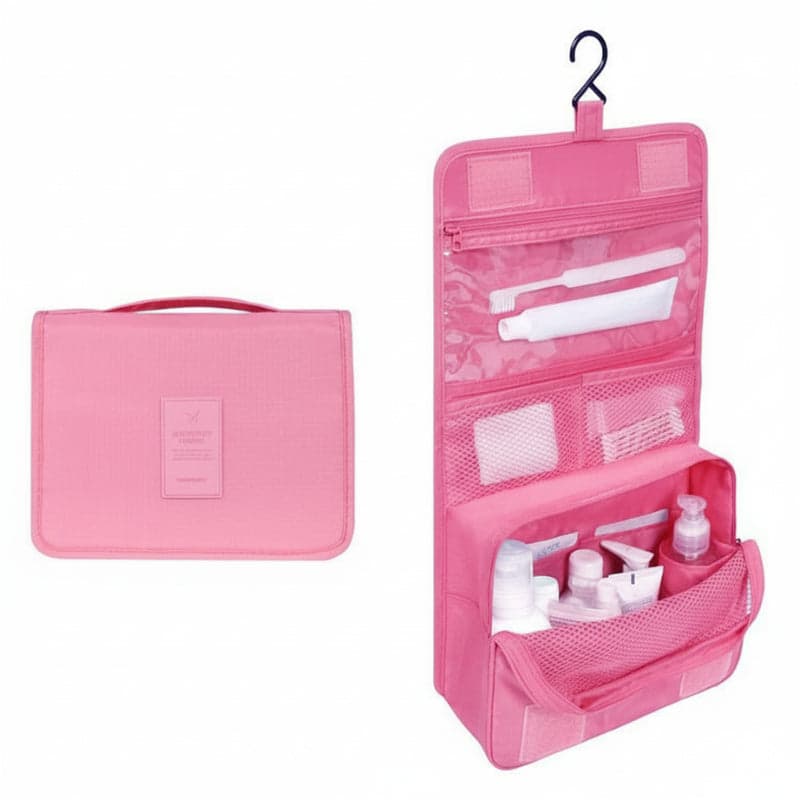
- Liquids in a closed toiletry bag with wet and dry sections, like the Varnyx Platinum, so a shampoo that opens doesn't soak all your clothes.
- Don't pack for others. A package someone asked you to "just carry" is yours the moment it's in your suitcase.
You'll find more on keeping a suitcase organized in our smart packing guide for flights, and on what you can take in the cabin in our guide to what's allowed in hand luggage.
Five suitcases is a lot
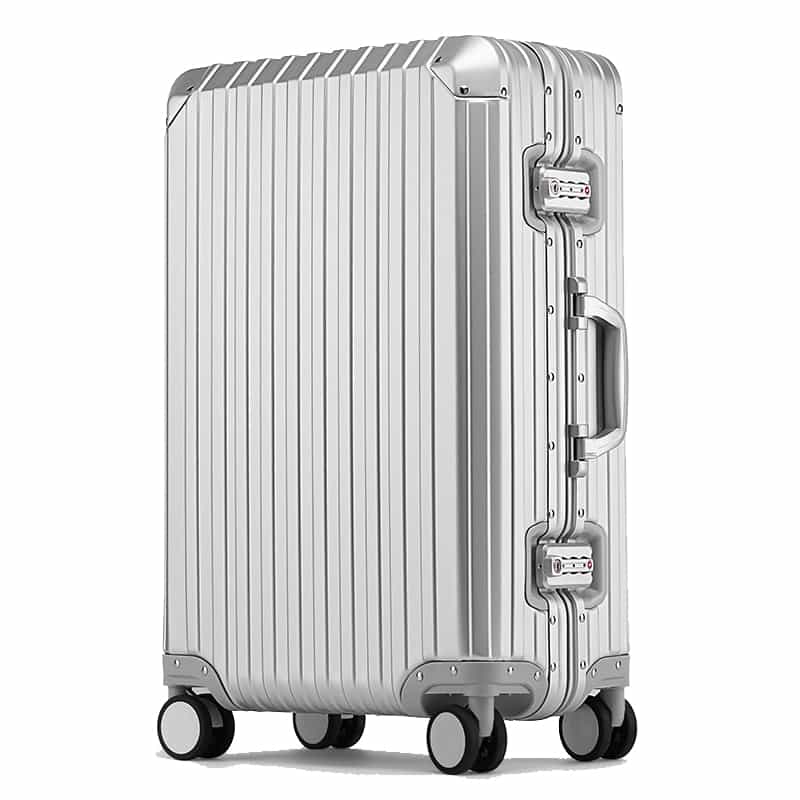
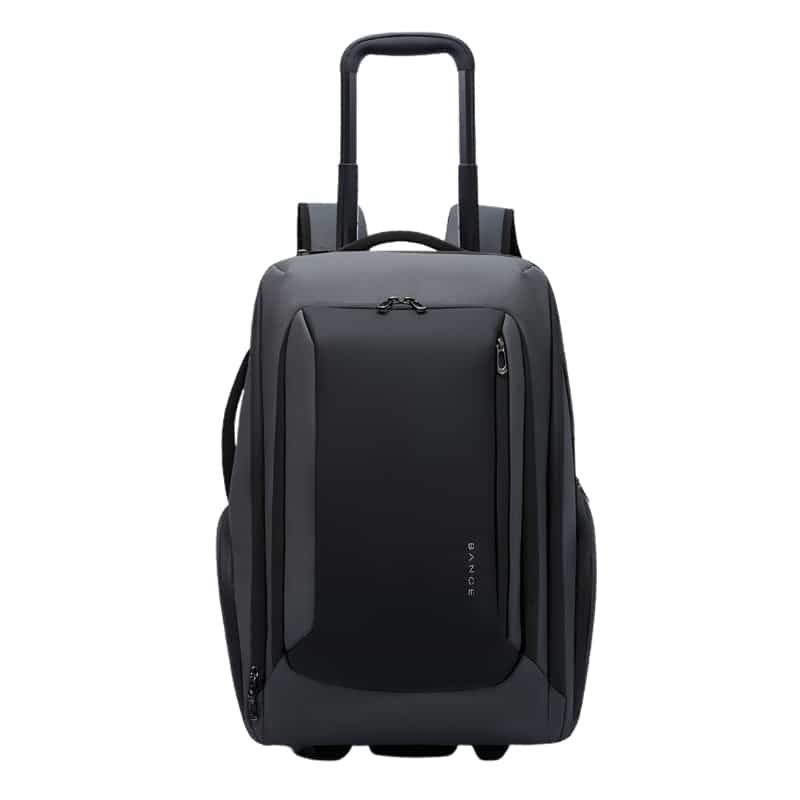
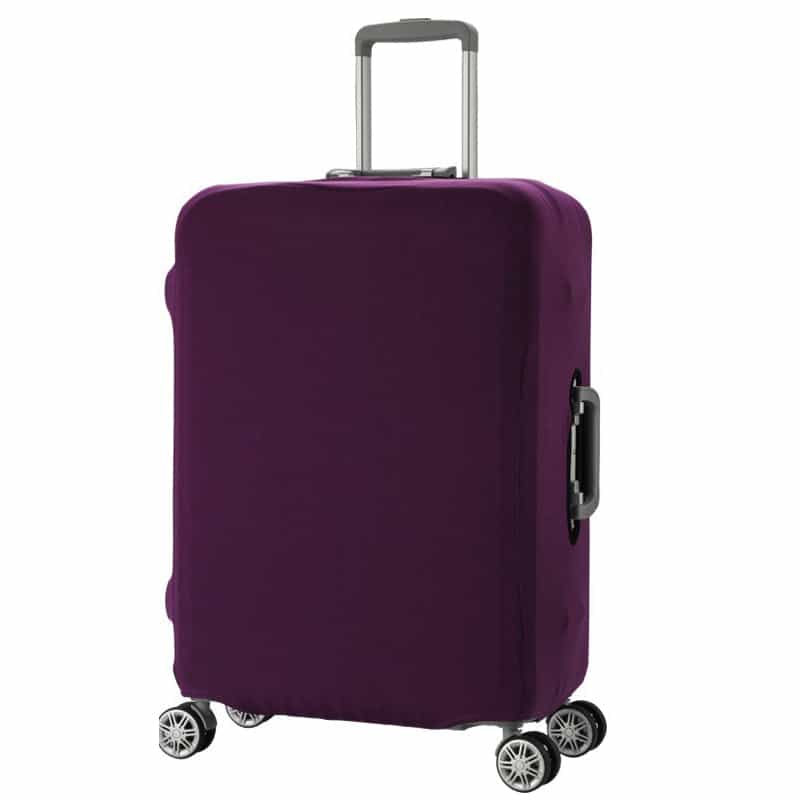
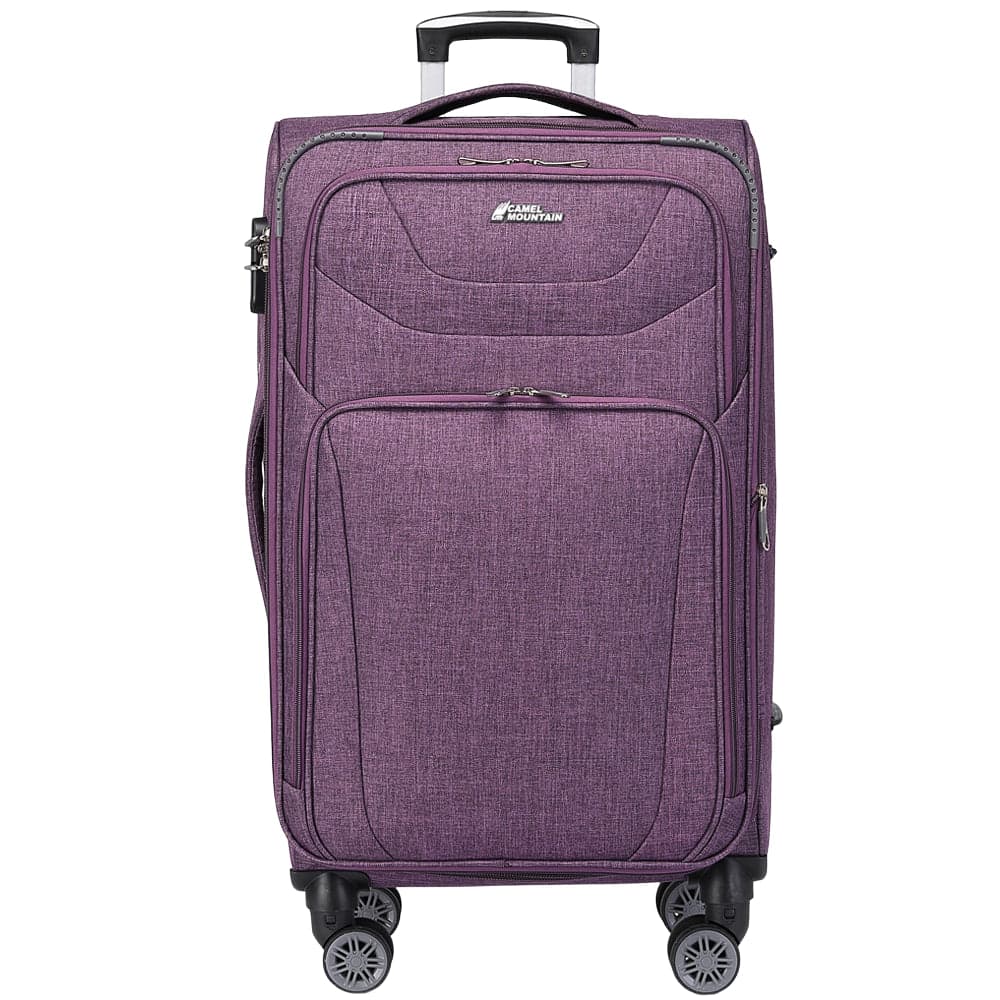
And yet, coming back from a long trip, suitcases fill up. If you come home with more than you left with, an expandable suitcase helps: it stays a regular size on the way out and opens up on the way back. The Americano 20 inch carry-on, for example, is built that way. Just remember that an expanded suitcase can exceed the airline's cabin dimensions, so check the dimensions before you expand it, and the weight before you leave for the airport. We cover this in our luggage weight guide.
Source: Walla Finance, 13.10.2026.
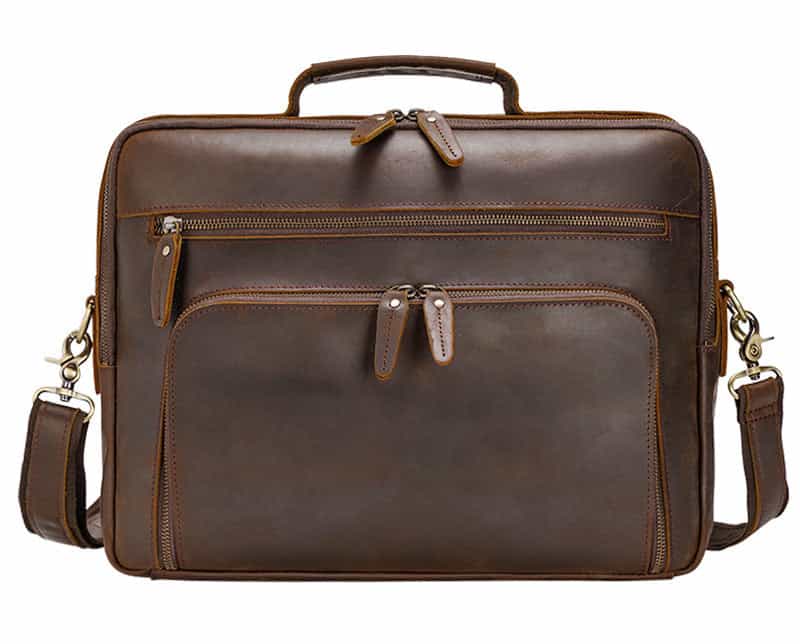
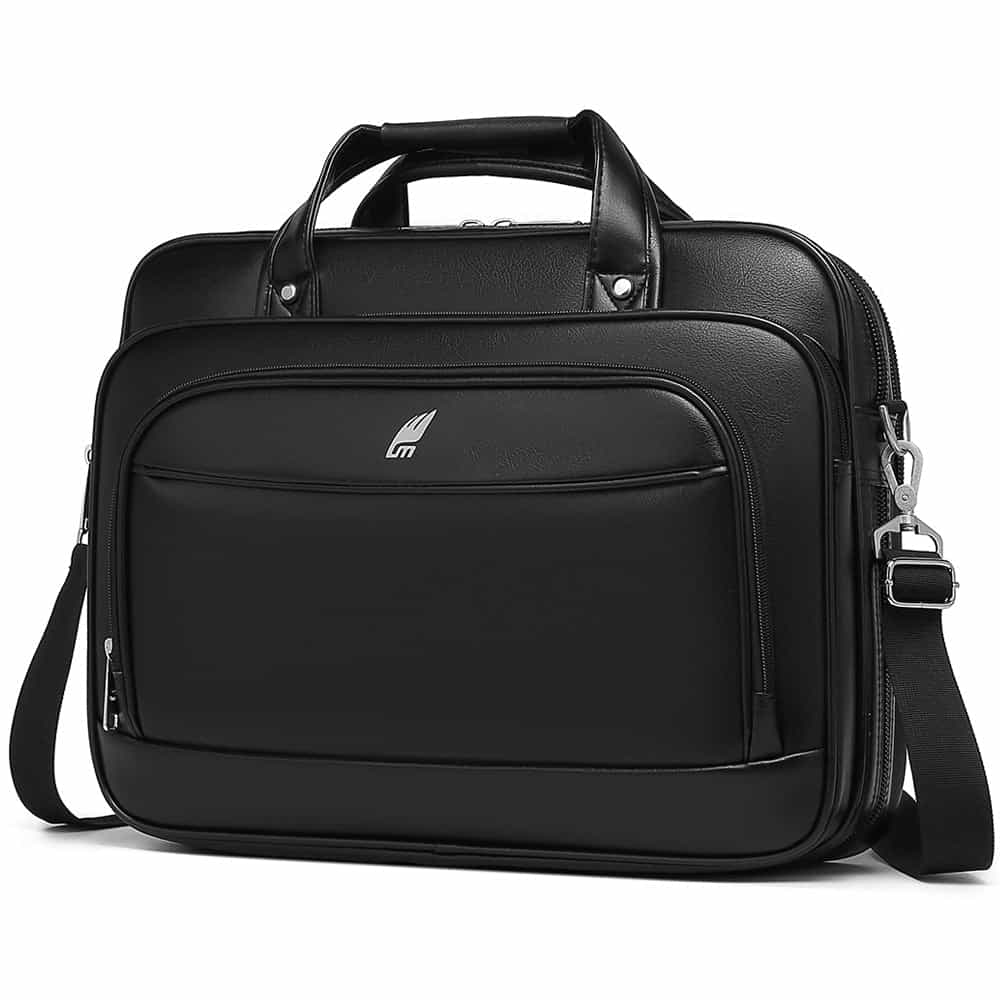
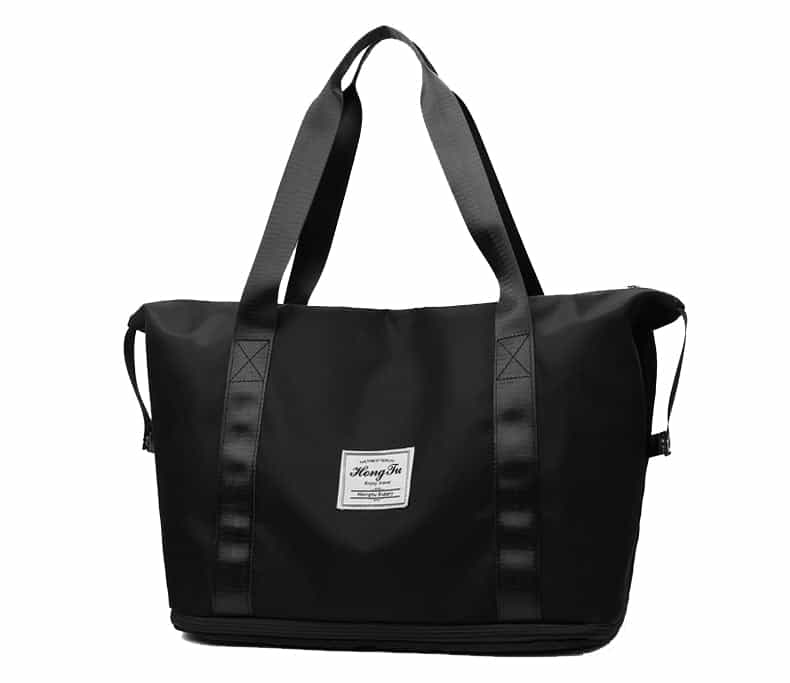
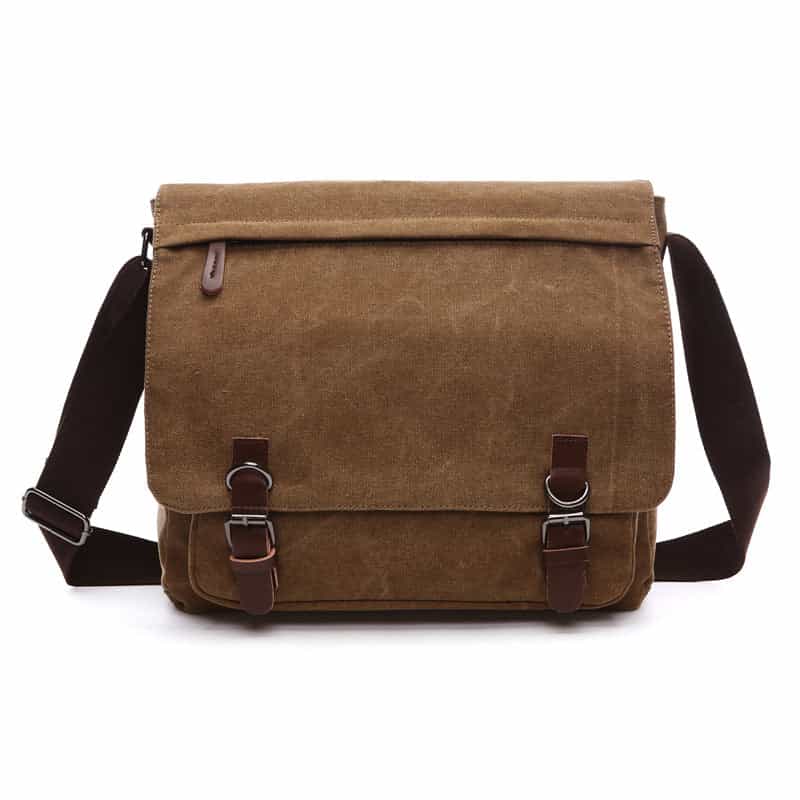
Products in this guide
Frequently asked questions
Can I bring seeds into Israel in a small bag for personal use?
The Ministry of Agriculture explains that pests and diseases travel inside seeds too, and that bringing in plants and plant products without the required approvals is an offense even for personal use. Before buying seeds abroad, check with the Plant Protection Services what is required.
What happens if I forgot a piece of fruit in my hand luggage?
The simplest thing is to eat it before landing or throw it in a bin at the destination airport. If you only find it on arrival, don't take it through the green channel: go to the red channel and tell the inspectors.
Does customs check every suitcase?
Not every suitcase is opened, but customs inspectors pick suitcases for inspection, which is how the seedlings were found in the doctor's case. A suitcase organized in packing cubes makes the inspection shorter when it comes.
What is the difference between the green and red channels?
You use the green channel only when you have nothing at all to declare. When you have an item that must be declared, or when you're not sure, go through the red channel. Check the current exemptions and quantities on the tax authority's website.


