
What Can You Take on a Plane in Your Hand Luggage? The Complete Packing Guide
October 23, 2026

In your hand luggage you can take medication, documents, electronic devices (laptop, phone, power bank), clothes and personal items. Liquids, gels and creams are allowed only in bottles of up to 100 ml, packed together in a clear, resealable bag of up to one liter. Sharp objects, weapons and flammable materials are strictly prohibited on flights.
Anyone who has ever stood in a security line at any airport in the world knows that slight feeling of stress: did I forget small scissors in my bag? Is my perfume bottle too big? Will they confiscate my new moisturizer? Aviation security rules have become very strict in recent decades, but once you understand the logic behind them and learn the rules, packing becomes much simpler and faster. At Camel Mountain, with more than 50 years of family experience accompanying travelers (since 1975), we've gathered all the professional knowledge that will save you precious time, money and frustration at the boarding gate.
The 100 ml rule: how to pack liquids, gels and creams
The strictest and best-known rule on international flights is the limit on liquids in hand luggage (carry-on). The rule was born after terror attacks were foiled in 2006, and it has been with us on every flight since. The formula is simple but requires precision: liquids are allowed only in containers with a capacity of no more than 100 ml (or 3.4 ounces).
It's important to understand: what counts is the size of the container, not the amount of liquid left in it. If you have a 200 ml shampoo bottle with only a quarter left, airport security will have to throw it in the trash. All your 100 ml bottles must fit together into one clear plastic bag that opens and closes (resealable), with a total volume of up to 1 liter (about 20X20 cm). Each passenger may bring only one such bag.
What counts as a "liquid" in the eyes of security authorities? The definition is very broad and includes:
- Creams, oils, lotions and perfumes.
- Sprays (hair spray, spray deodorant).
- Toothpaste and hair or shower gels.
- Mixtures of liquid and solid substances (such as spreads). Yes, even hummus, chocolate spread or cottage cheese count as liquids and will be confiscated if they exceed 100 ml!
Special exceptions to the liquids rule: essential liquid medication (bring a medical note in English) and baby food or breast milk (in a reasonable quantity for the flight) are approved even in containers larger than 100 ml, but you must present them separately to security at the check.
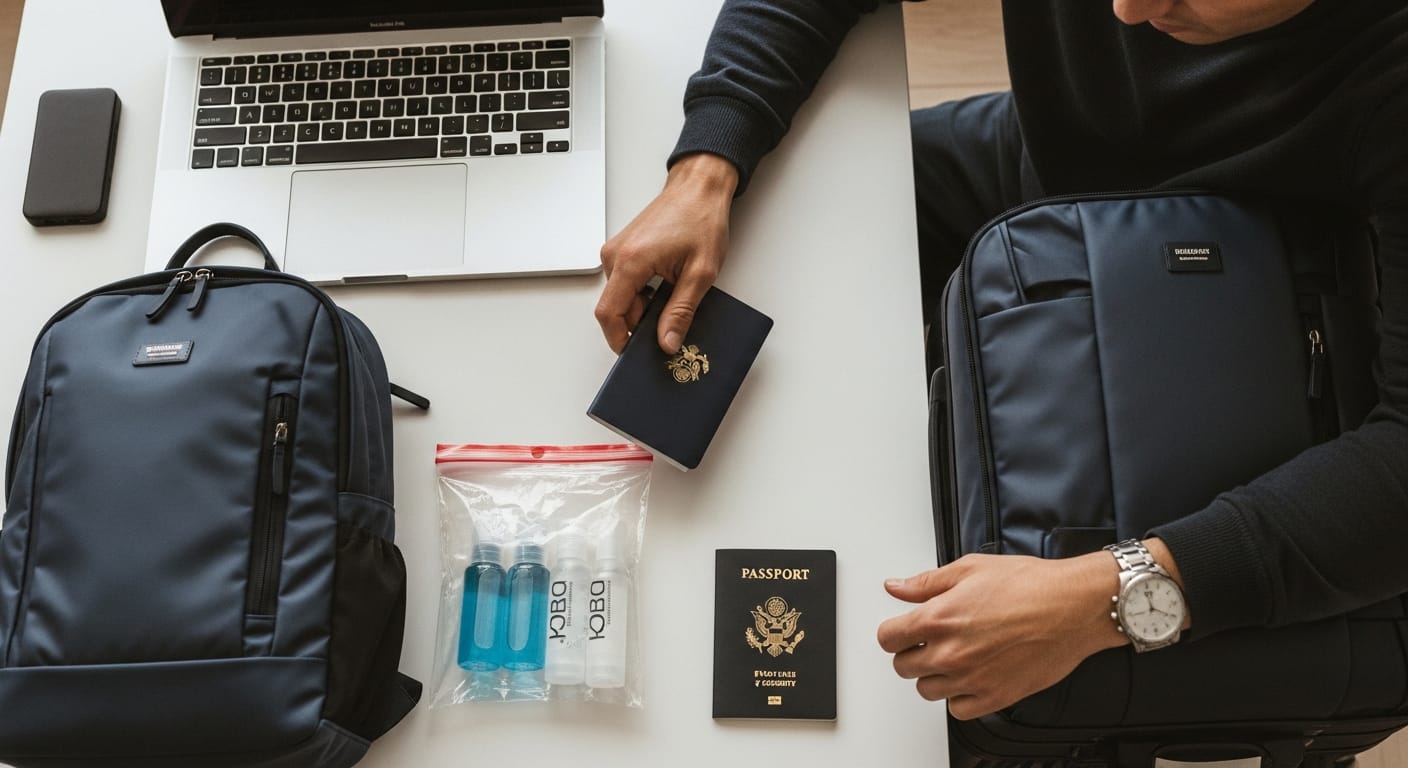
Electronics and batteries: what must come with you into the cabin?
While you can choose whether to send most of your belongings to the hold or bring them with you, when it comes to electronics and batteries the rules are clear-cut and often require you to keep them in your hand luggage only.
Laptops, tablets, cameras and mobile phones contain lithium-ion batteries. These batteries are sensitive to changes in pressure and temperature, and in rare cases may catch fire. If such a fire breaks out in the passenger cabin, the crew is trained to put it out quickly. If it happens in the dark, inaccessible hold, it is a real danger to life. That's why airlines ban sending lithium batteries and power banks in the big suitcase.
Important rules for electronics in hand luggage:
- Power banks (backup batteries): must travel only in hand luggage. Batteries of up to 100Wh are usually allowed (equivalent to about 27,000 milliamp hours, mAh). Larger batteries require special approval from the airline.
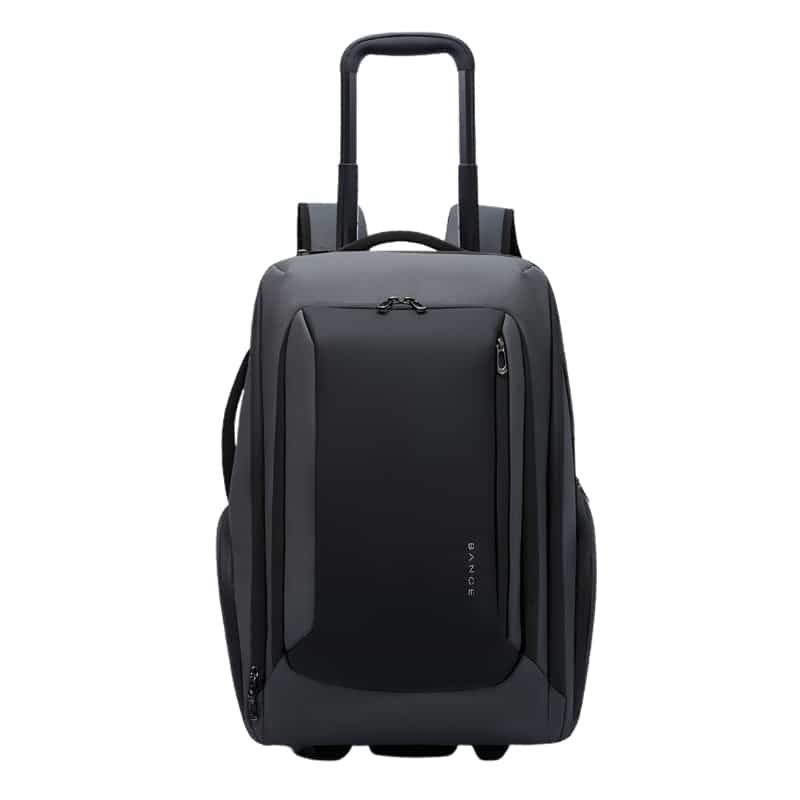
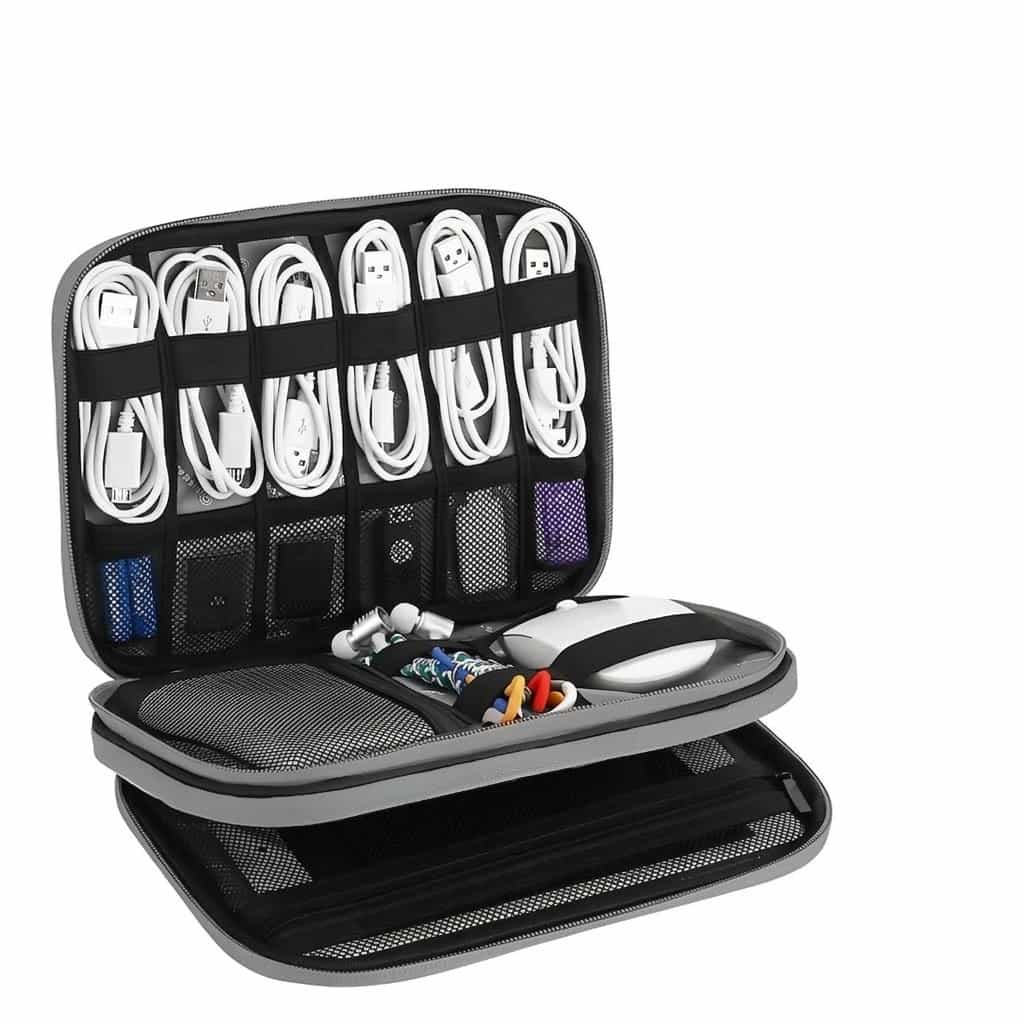
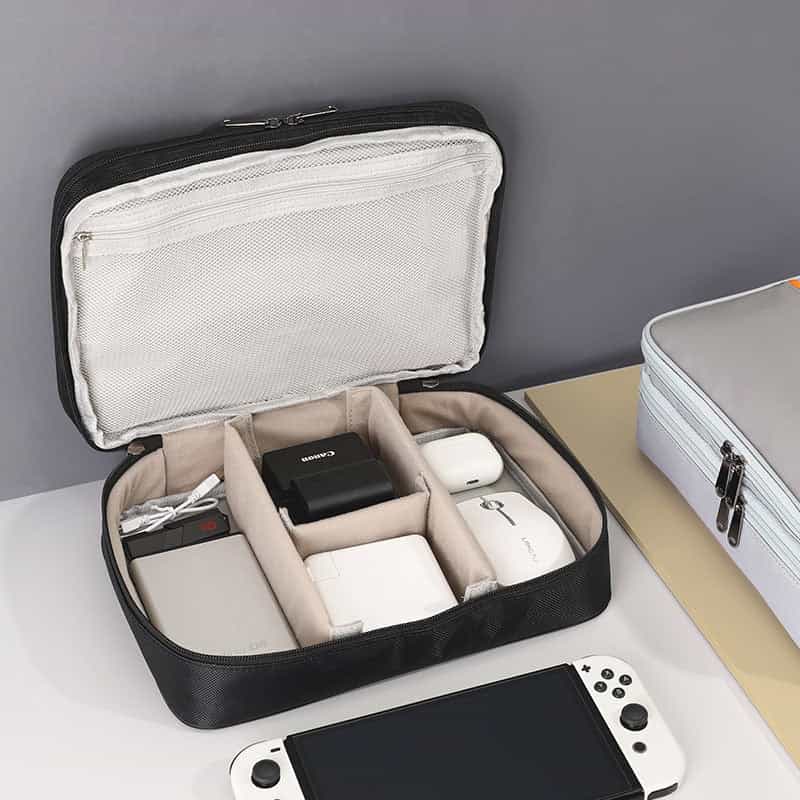
- Quick access: during the security check you'll be asked to take your laptop, tablet and power banks out of your bag and put them in a separate tray. So pack them in a dedicated, accessible compartment of your backpack, so you don't have to unload your whole bag in the middle of the line.
Prohibited items: what will they keep at the security checkpoint?
To avoid unnecessary delays, get to know the list of items that will never be allowed through security on the way to duty free. Here are the most common:
Sharp and serrated items: knives (including pocket knives and Swiss Army knives), scissors with a blade longer than 6 cm (some countries ban any length), sharp metal nail files, and long screwdrivers or tools. Disposable razors (the kind protected in plastic) are actually allowed.
Sports equipment that could be used for defense or attack: tennis rackets or baseball bats, trekking poles, martial arts equipment and roller skates. These must go in the big suitcase.
Flammable and explosive materials: small gas canisters (such as for camping stoves), paint thinners, fireworks and lighter fluid. As for personal lighters, you're usually allowed to carry one simple lighter on your person (not in your bag), but torch lighters ("blue flame") are strictly prohibited.
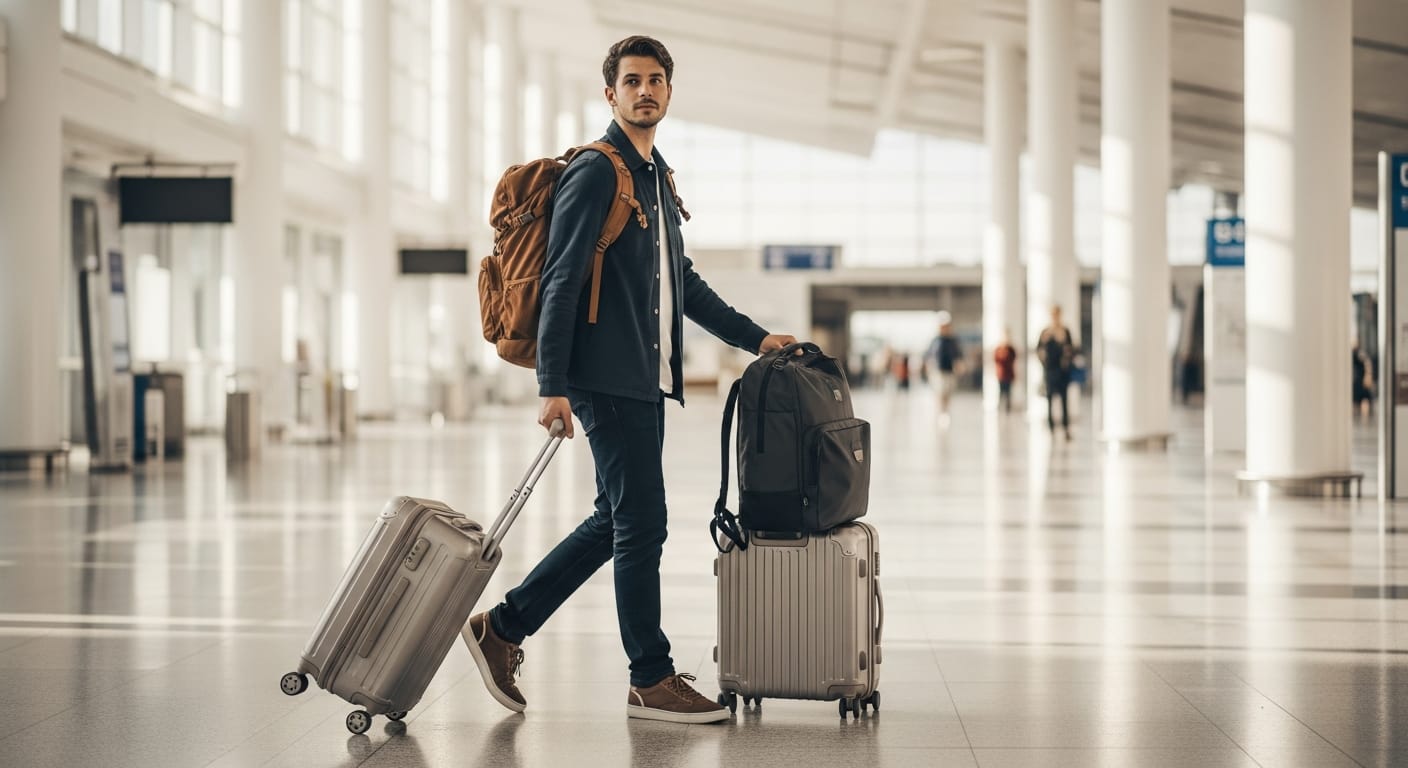
Quick comparison table: what's allowed and what isn't in hand luggage?
To give you a quick overview before you pack, we put the status of the most common items into a clear table:
| Product category | Allowed in hand luggage? | Special instructions and limits |
|---|---|---|
| Laptop and tablet | Yes (required) | Must be taken out into a separate tray at security. |
| Power bank | Yes (required) | Up to 100Wh (usually up to 27,000mAh). Not allowed in the hold. |
| Shampoo, perfume and creams | Limited | Up to 100 ml per container, in a clear 1-liter bag. |
| Disposable razors | Yes | Allowed only if the blade is built into a fixed plastic head. |
| Medication and medical equipment | Yes | Bring a signed prescription or medical note in English. |
| Trekking poles | No | Must go in the big suitcase (the hold). |
| Solid food (sandwiches, snacks) | Yes | Fully allowed, as long as there are no liquid or semi-liquid ingredients. |
Practical tips from the pros for a fast security check
Packing right is only half the job; the way you arrange your bag decides whether you get through security in two minutes or hold up a whole line of irritated passengers. Here are a few tips for a smooth pass:
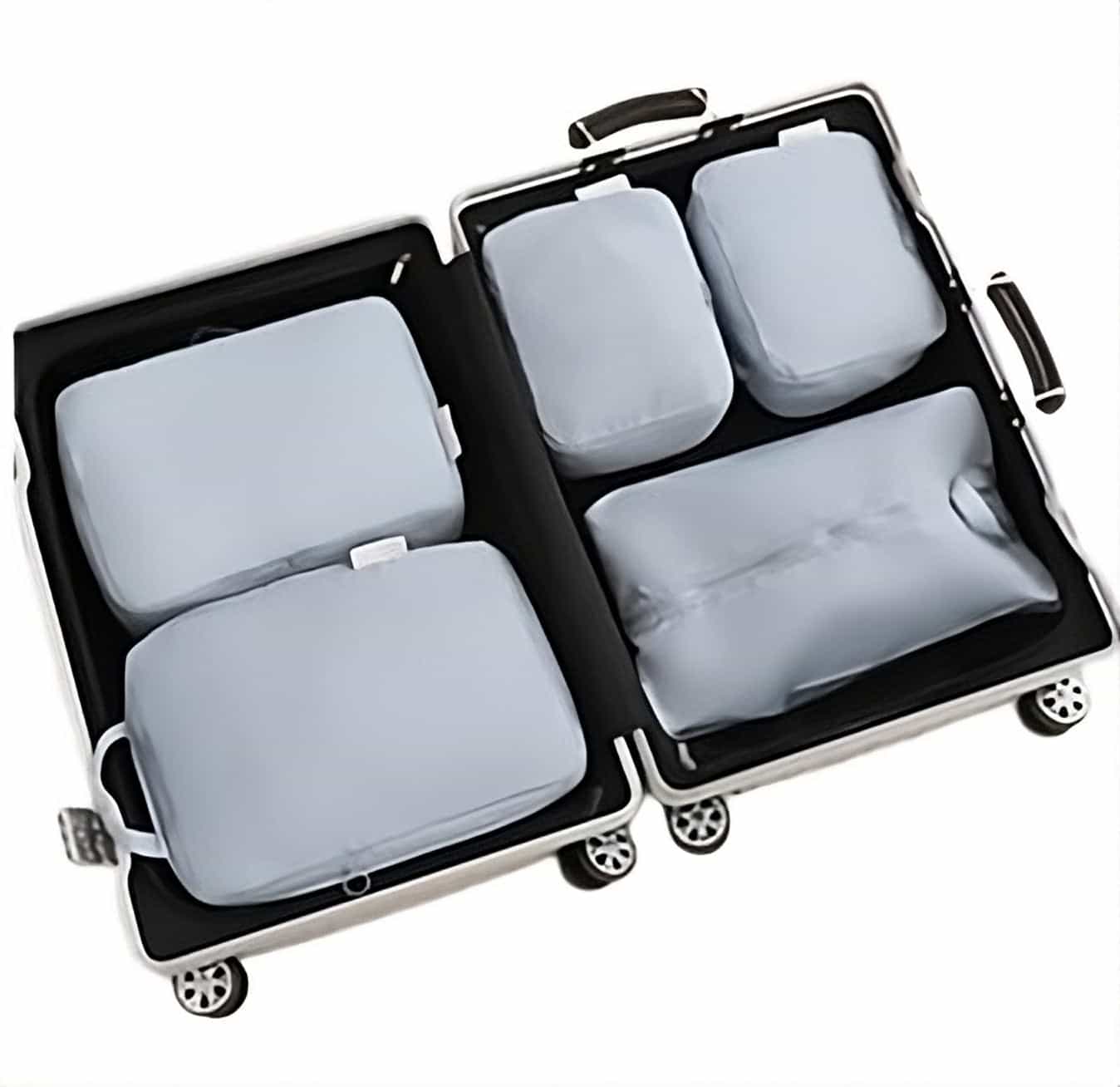
- The layering method: pack clothes and soft items at the bottom of the bag. Put the laptop, tablet and liquids bag right on top or in dedicated outer compartments. That way you can pull them out in a moment and put them back as soon as the scan is done.
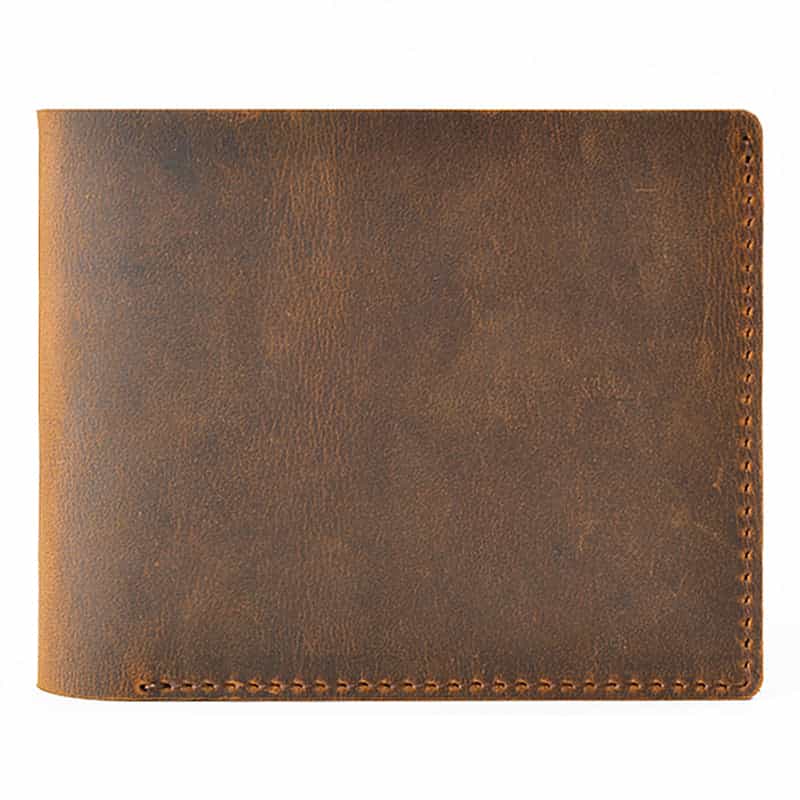
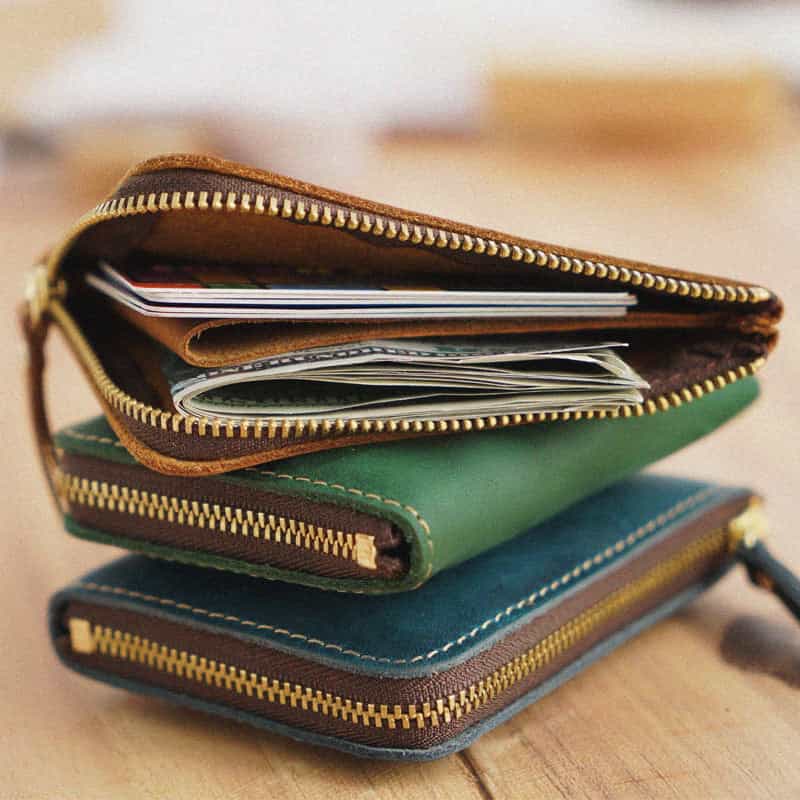
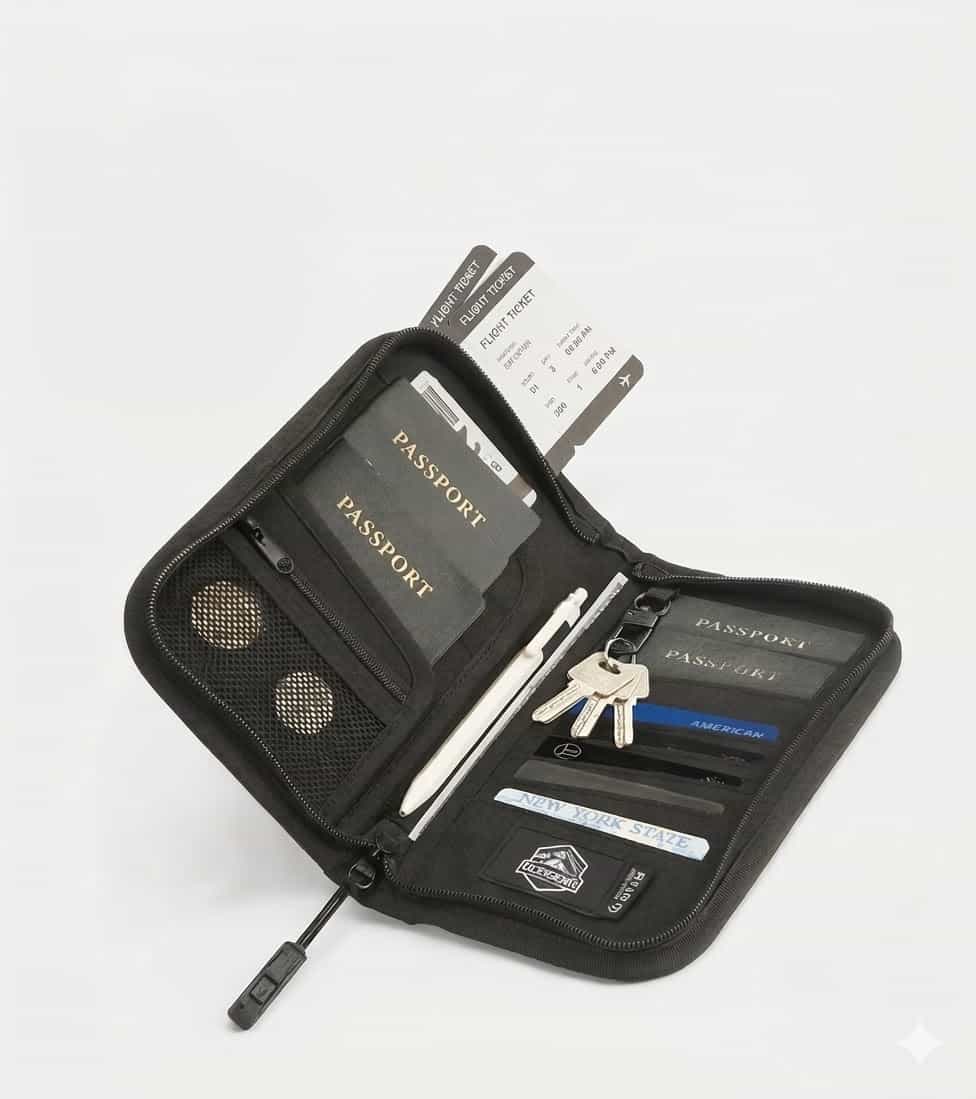
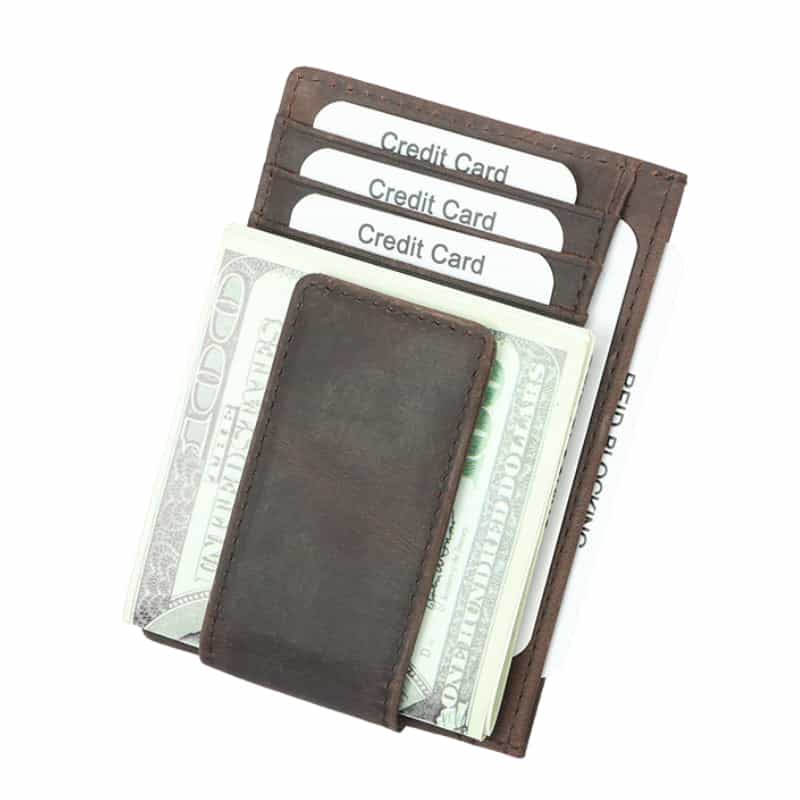
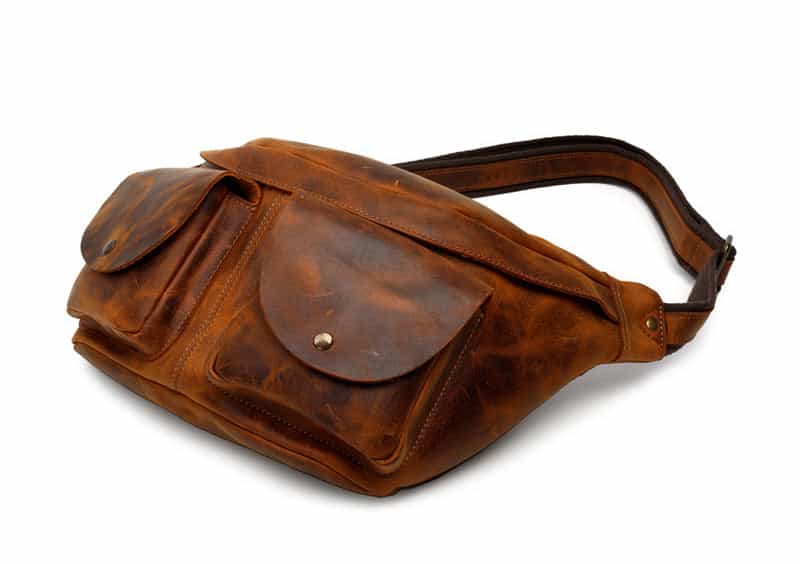
- Prepare while you wait: while you're waiting in line for the scanner, empty your pockets. Put your phone, wallet, keys and belt into one of the compartments of your backpack before you reach the trays. This prevents small, valuable items from getting lost on the conveyor.
- Know your airline's rules: beyond what's in the bag, low-cost airlines (such as Ryanair, Wizz Air or easyJet) are very strict about the bag's physical dimensions. Make sure your backpack or carry-on matches exactly the dimensions allowed by the airline you're flying with, to avoid steep fees at the boarding gate.
Have a good, safe trip!
Products that will help you on the way

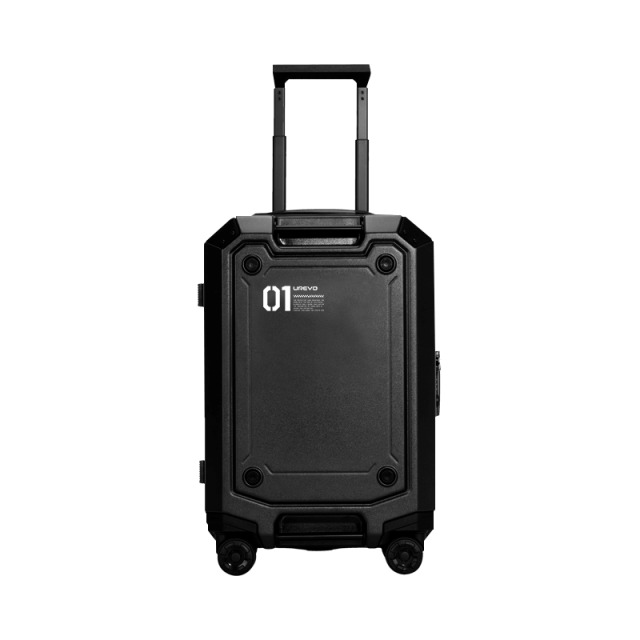

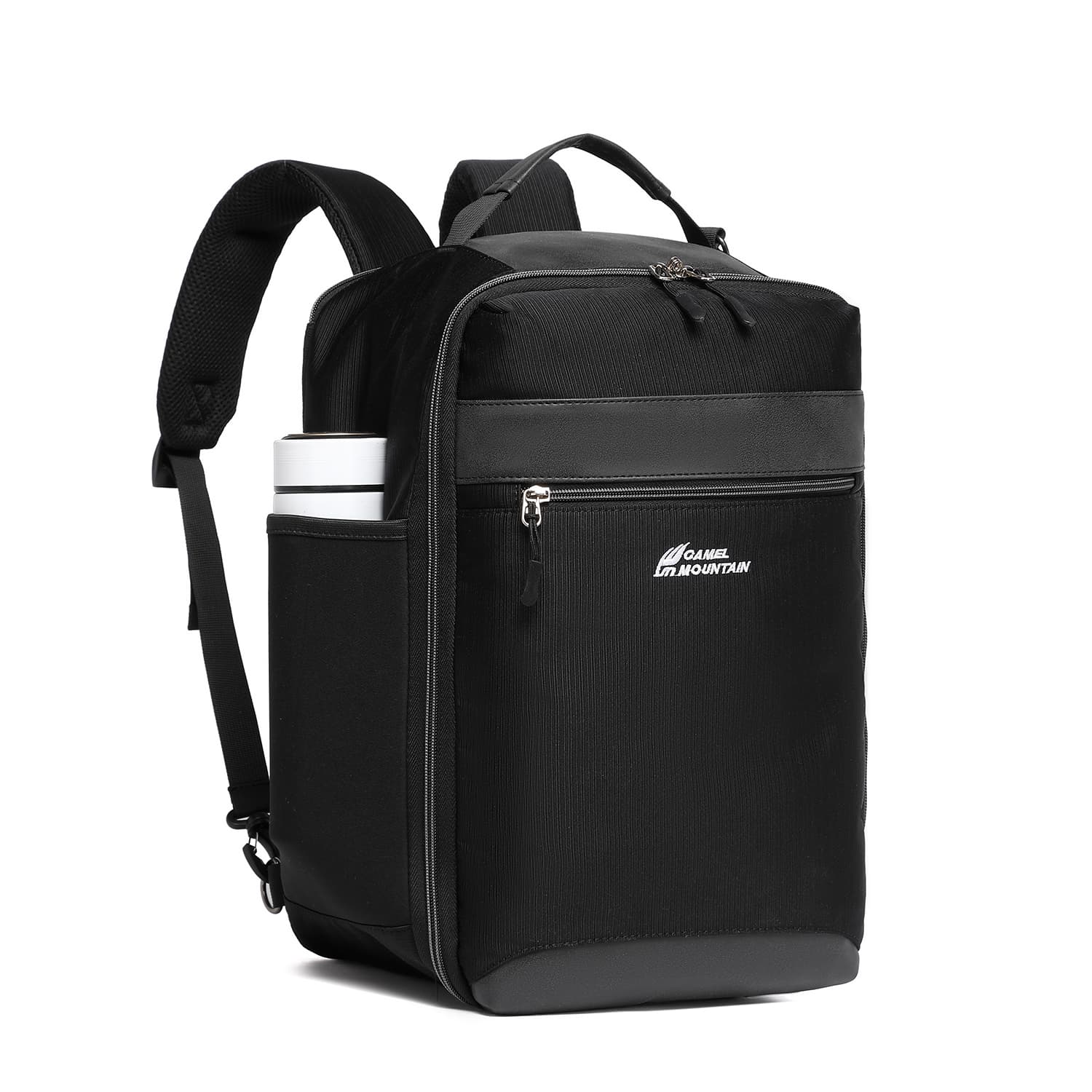
Products in this guide
Frequently asked questions
Can you bring solid food in your hand luggage?
Yes, you can take solid food on the plane, such as sandwiches, fruit, snacks, chocolate or nuts. The only limit applies to foods with a liquid or semi-liquid texture (such as honey, jam, chocolate spread or hummus), which fall under the 100 ml rule.
What about liquids I bought in duty free shops?
Drinks, perfumes and cosmetics bought in duty free may be taken on board even if they exceed 100 ml, provided they were packed in a dedicated sealed security bag (STEB) with the receipt inside. Don't open this bag until you reach your final destination, especially if you have a connecting flight.
Can you take an umbrella on the plane in your hand luggage?
Small folding umbrellas are fully allowed in hand luggage or as an additional personal item at most airlines. Large umbrellas with a sharp metal tip may be considered a dangerous item and be rejected at security.
Can you bring syringes and special medication (such as insulin or an EpiPen)?
Yes, medical syringes and essential medication are allowed on flights. It's highly recommended to bring an official letter in English from your doctor explaining the medical need for this equipment, and to show it to security before screening.
Can you bring a hair straightener or hair dryer in your hand luggage?
Yes, electrical hair styling devices such as a hair dryer, straightener or curling iron are allowed in hand luggage. If the device runs on rechargeable lithium batteries (cordless), it must go in your hand luggage and not in the hold.


