
The World's Surprising Best-Value Destinations: How to Pack for the New Travel Trend
October 23, 2026

Travelers are discovering new best-value destinations around the world, such as Eastern Europe, Central Asia or the Balkan countries, which call for a different approach to packing. To travel right and efficiently in these destinations, it's best to combine a compact 20 to 30 liter backpack for low-cost flights, a 20 inch hard trolley suitcase for the cabin, and a set of packing cubes to make the most of the space.
From the headlines to reality: why best-value destinations call for smarter packing
A recent article on the Israeli news site "Maariv" reported that many travelers have already discovered the surprising destinations crowned as the best value and the best in the world for the coming year. Countries like Albania, Georgia, Vietnam and lesser-known destinations in Eastern Europe are becoming a magnet for anyone looking for a dream vacation at a sane price. However, the road to big savings almost always goes through low-cost airlines and changing ground conditions that require us to rethink the gear we take with us.
When we fly to a classic destination like London or Paris, we're used to well-paved sidewalks and taxis available on every corner. The new best-value destinations, on the other hand, often offer a combination of ancient cobblestone alleys, many rides on local public transportation, and even short trips into wild nature. A heavy, cumbersome giant suitcase can quickly become a serious nuisance in an environment like that. Packing correctly isn't only about saving money on baggage fees, it's the key to real freedom of movement and maximum comfort on the road.
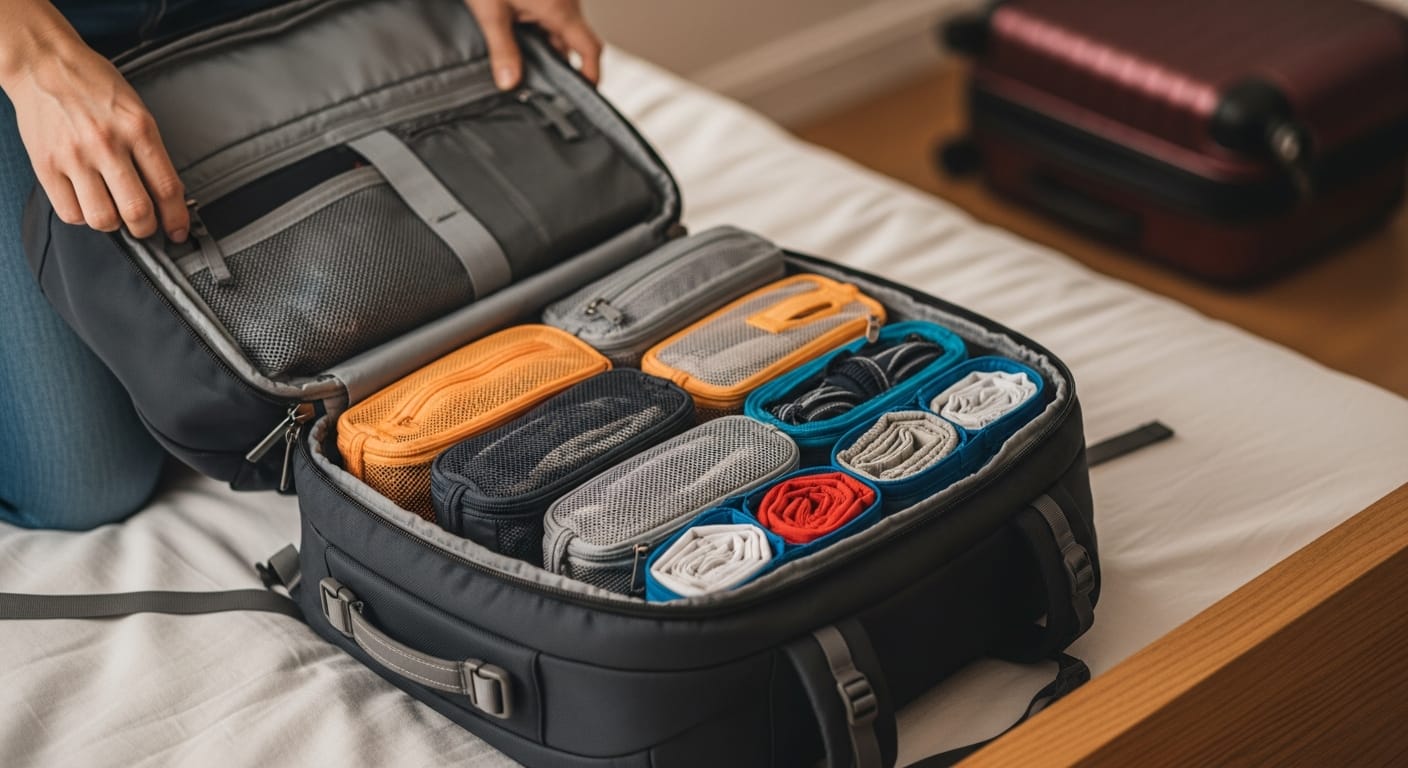
The types of bags and suitcases that suit the new destinations
To get through a trip in these dynamic destinations, we need to match the type of bag to the nature of the route. At Camel Mountain, a family business that has been accompanying travelers since 1975, we analyze travelers' habits and recommend three main categories of travel gear:
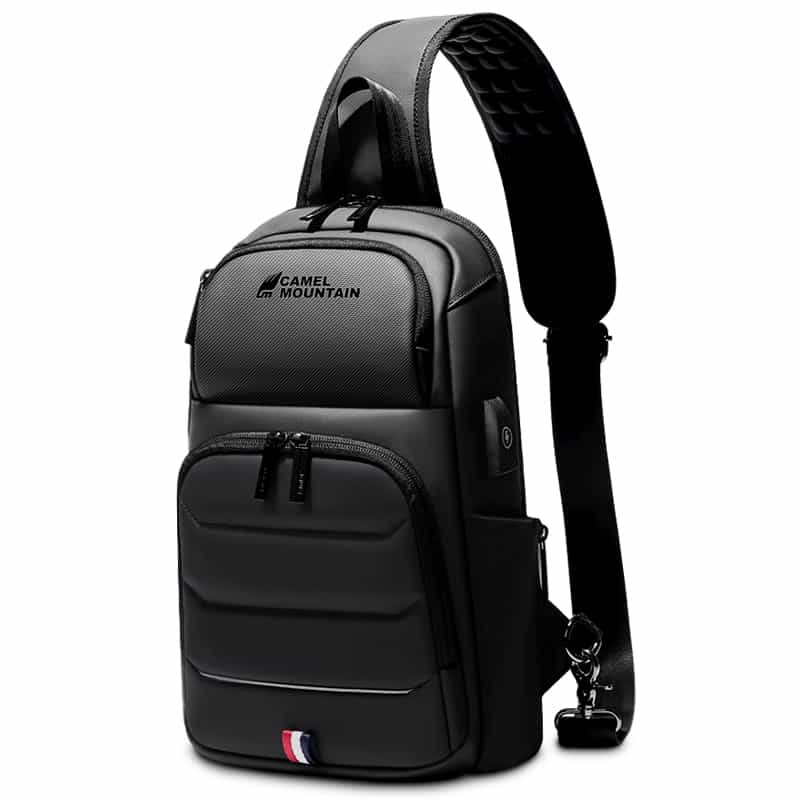
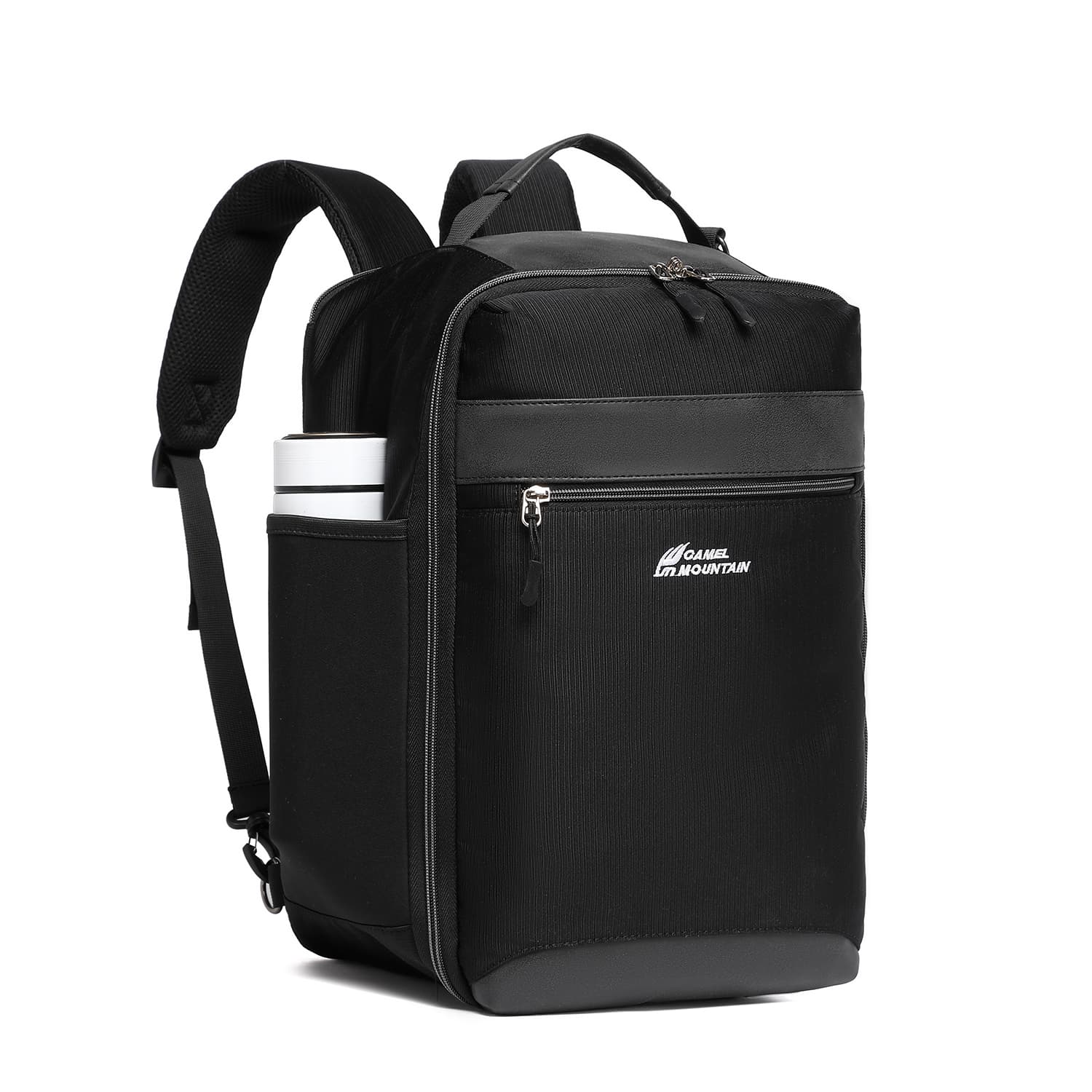
- A dedicated low-cost backpack (Underseat Bag): a perfect solution for short weekends. These are bags designed exactly to the strict dimensions of airlines like Ryanair or Wizz Air (40x20x25 cm). They let you board without paying extra for baggage, while making the most of the storage volume thanks to a smart compartment layout and a full suitcase-style opening.
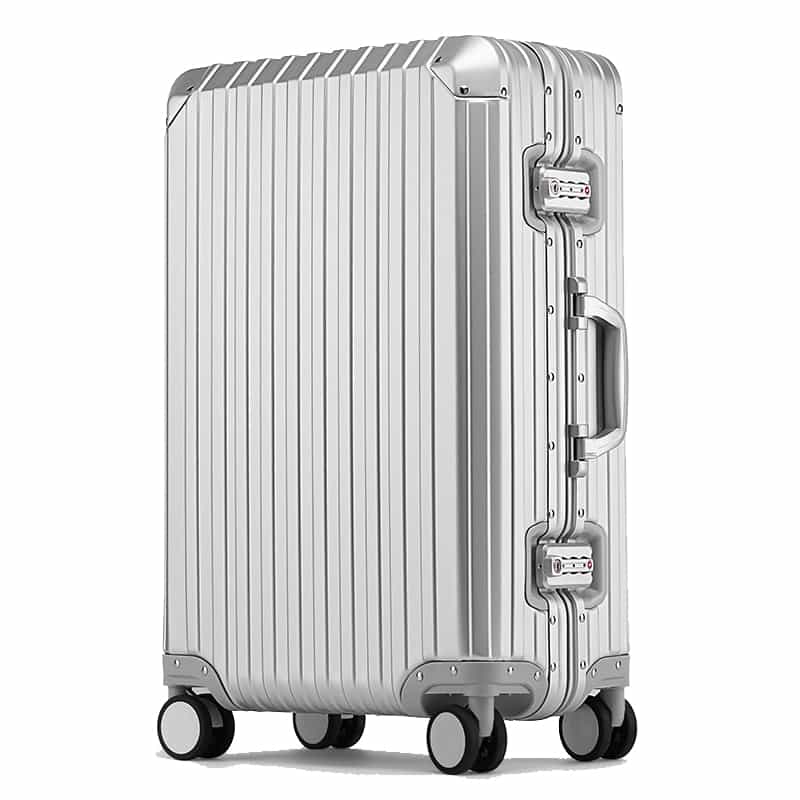
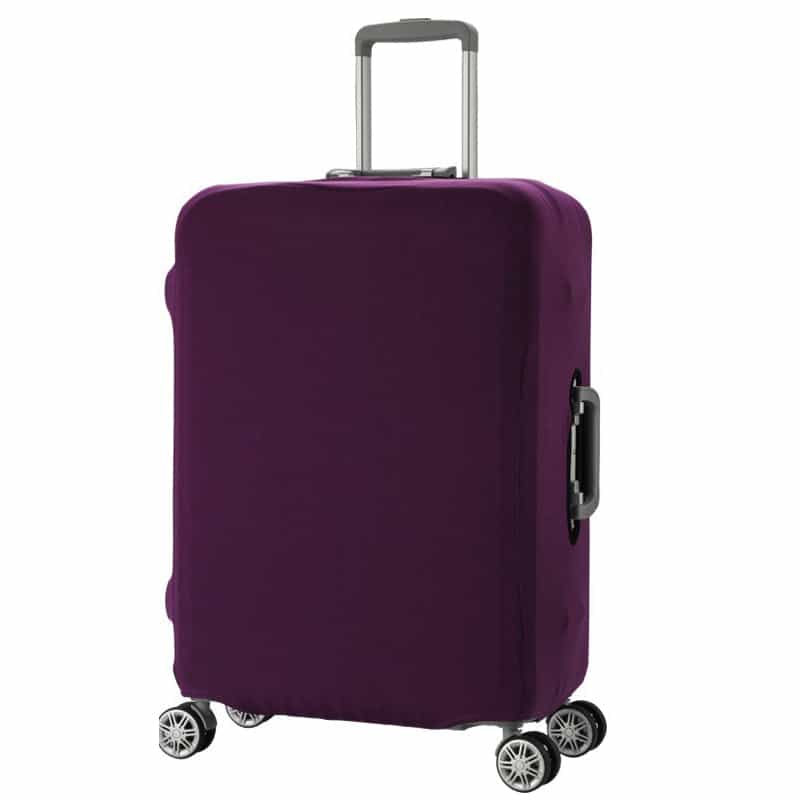
- A 20 inch hard trolley suitcase: the classic choice for vacations of up to a week. It's important to choose an especially light suitcase made of durable materials such as polycarbonate or polypropylene, with double silicone wheels that can survive challenging sidewalks in old cities without breaking or making noise.
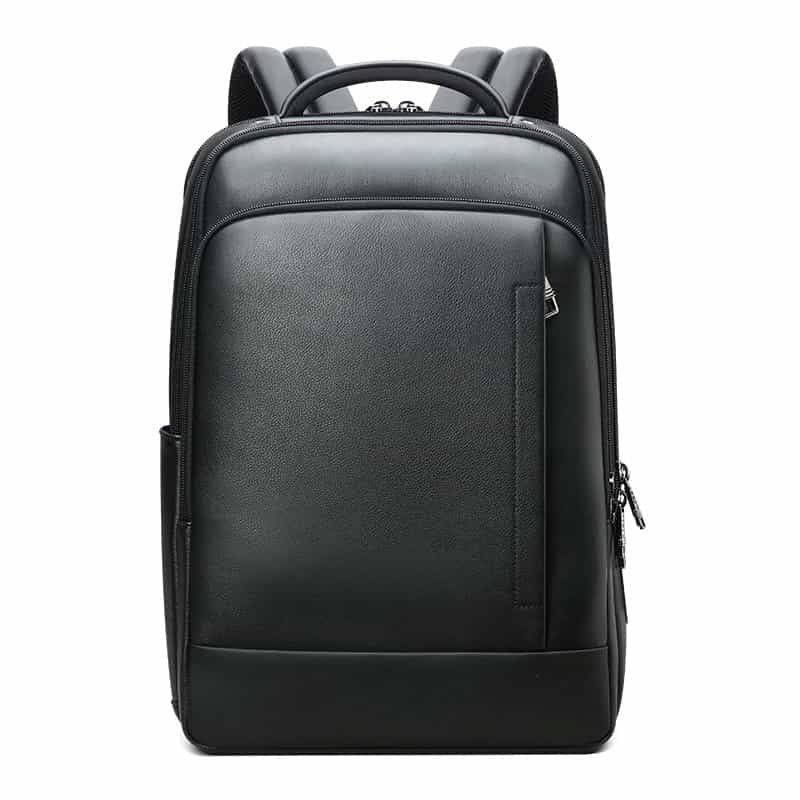
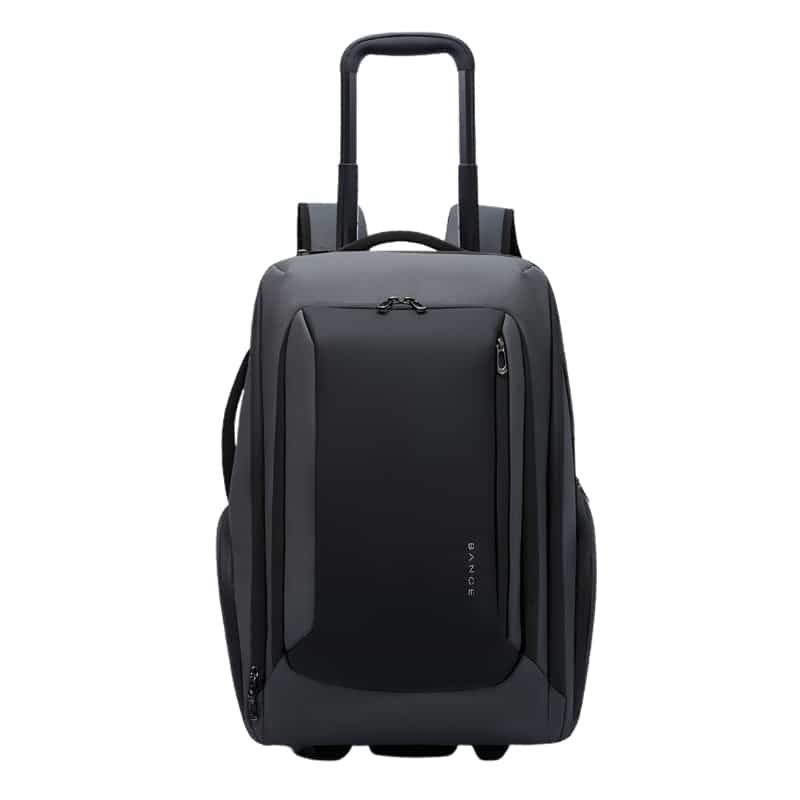
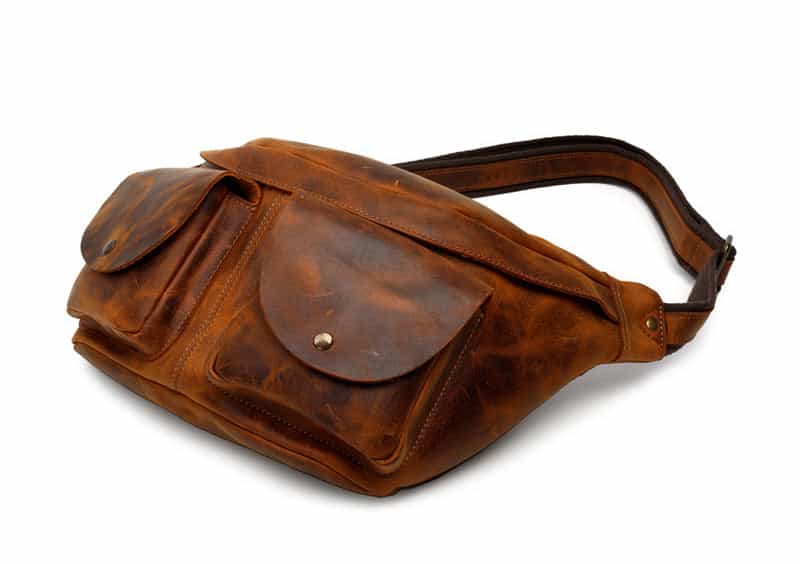
- A hybrid travel backpack (Travel Backpack): for anyone planning a dynamic trip that combines moving between cities, train rides or light walking in nature. A 35 to 50 liter pack with an ergonomic, padded back system gives you the best of both worlds: the volume of a small suitcase and complete mobility on your back.
To help you sort it out, we've gathered the main differences in the following comparison table:
| Travel style at the destination | Recommended gear | Key volume / dimensions | Main advantage for best-value destinations |
|---|---|---|---|
| A quick, cheap city weekend | Dedicated underseat backpack | 20 to 25 liters (40x20x25 cm) | Complete savings on baggage costs on low-cost flights |
| A classic vacation (a week or more) | A durable 20" hard trolley suitcase | 35 to 40 liters (carry-on) | Protects fragile items and rolls comfortably through the terminal |
| A dynamic trip, transfers and light nature | An ergonomic / hybrid backpack | 35 to 50 liters with a back system | Free hands and full mobility on any terrain |
The three-cube method: how to squeeze a whole week into a small bag
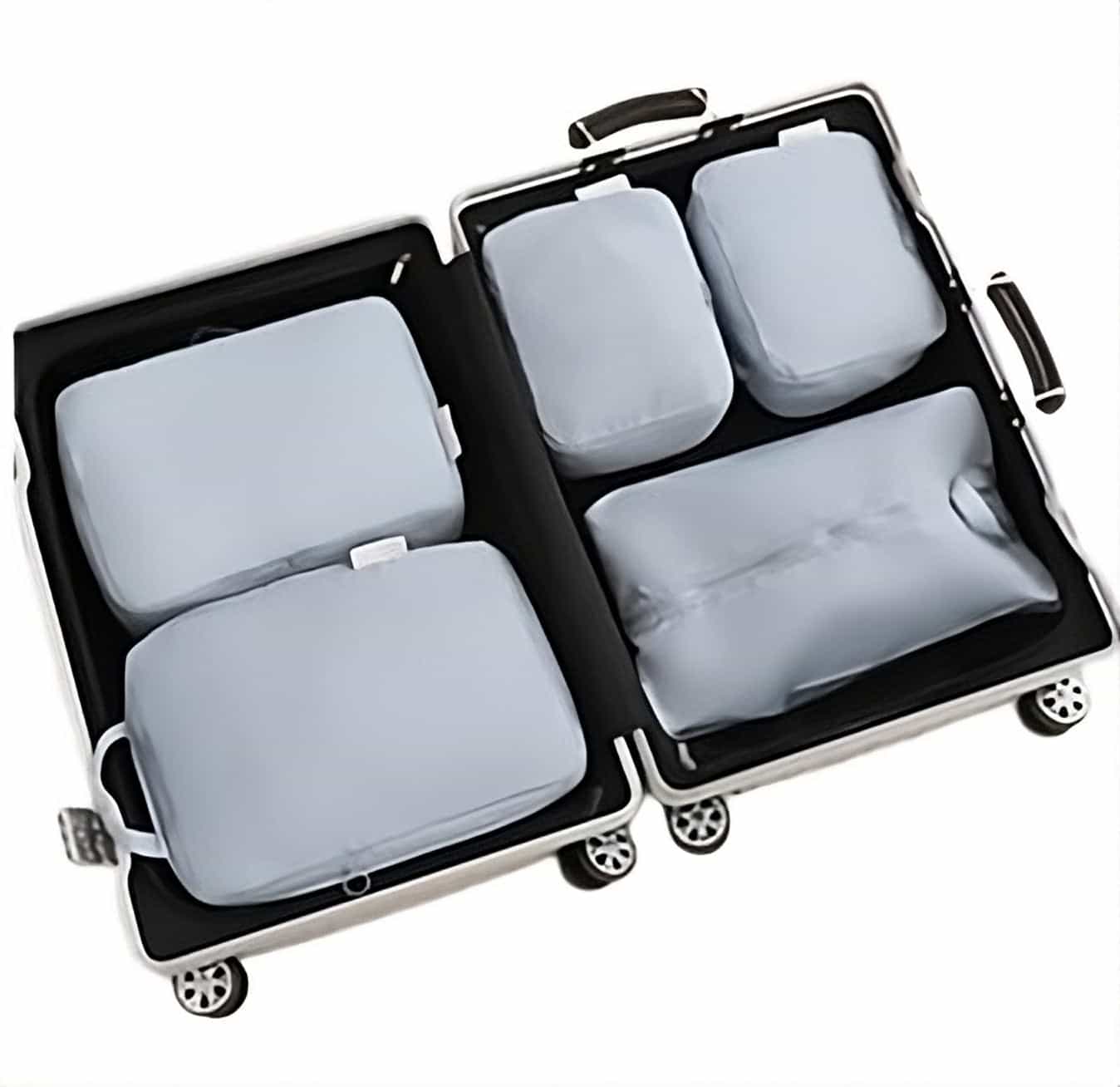
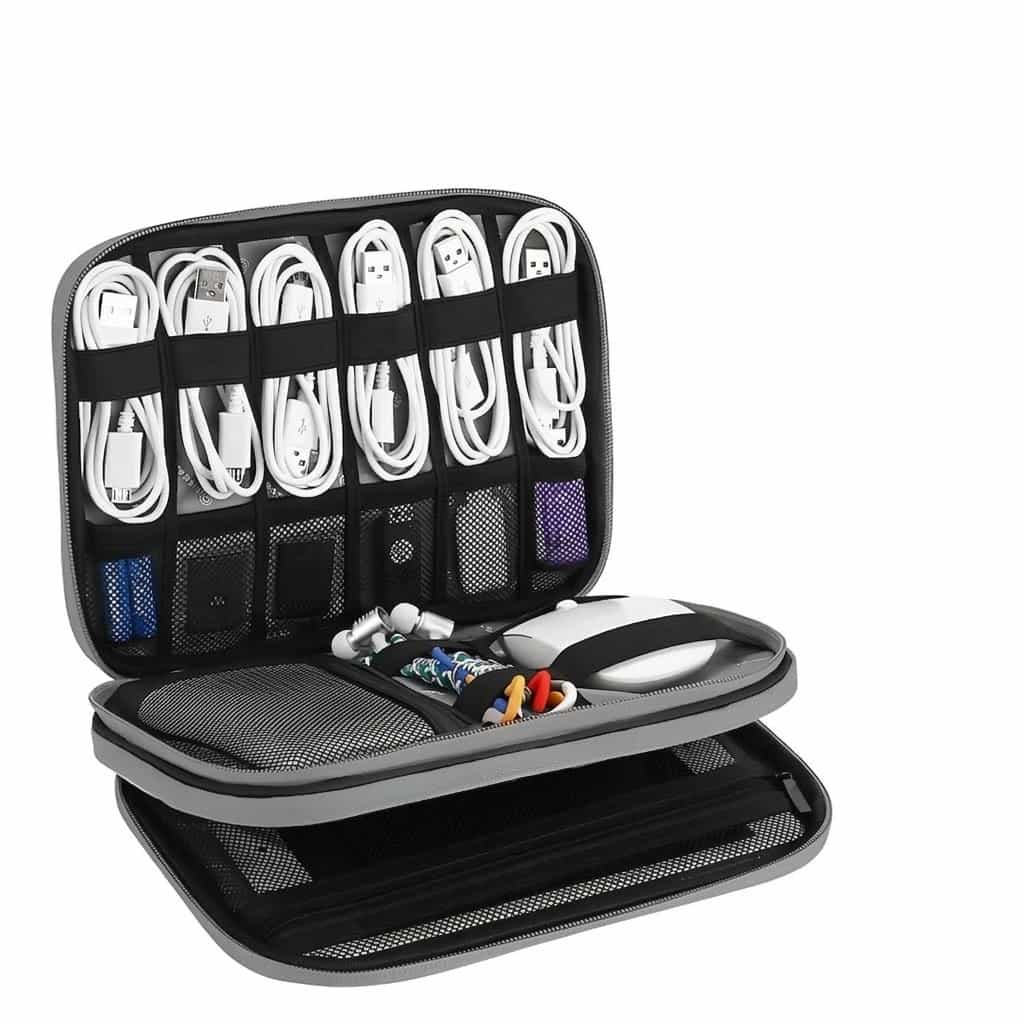
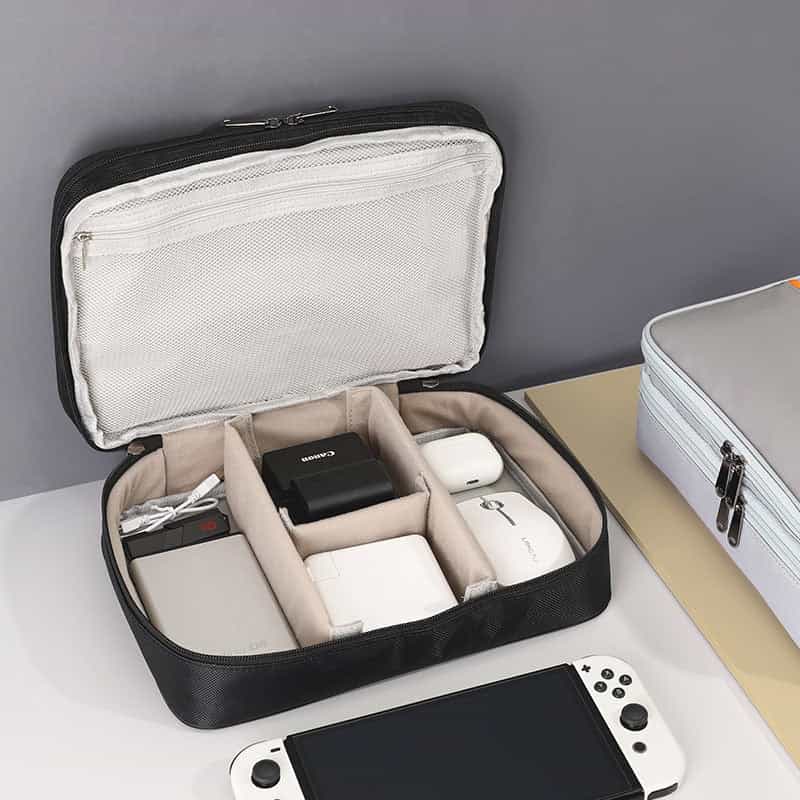
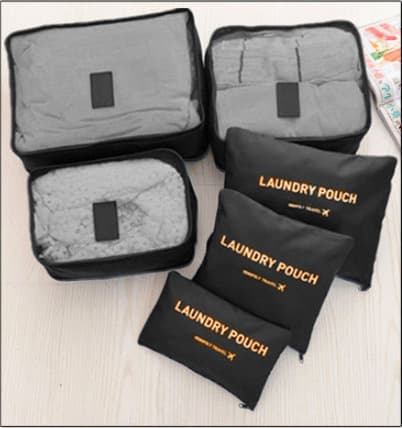
One of the most common mistakes travelers make is overpacking ("just in case"). When traveling to budget destinations, the goal is to cut costs and move easily. This is where packing cubes come in. These are sets of small, light fabric bags that let you divide the suitcase or backpack into themed zones (shirts, underwear, cables and toiletries).
How do you do it right? Instead of folding clothes the traditional way, roll them into tight rolls and put them into the cubes. This method not only prevents wrinkles, but also compresses their volume by more than 30%. In addition, using cubes lets you unpack and repack the bag in seconds when moving between hotels, without creating a nerve-racking mess in the suitcase.
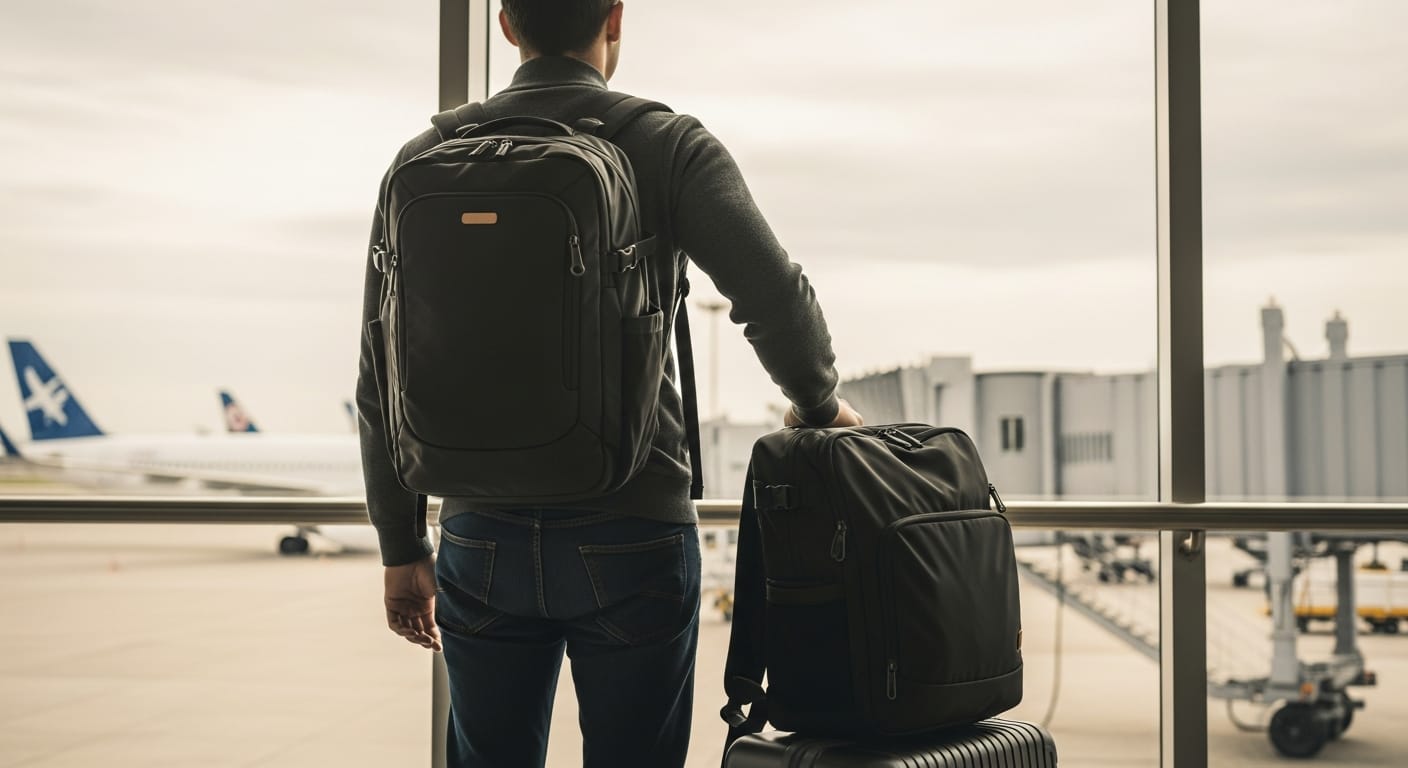
Security and comfort: the small tips that make a big difference
In new, less familiar tourist destinations, it's important to stay alert and keep your personal gear safe. Here are a few practical tips that will give you complete peace of mind:
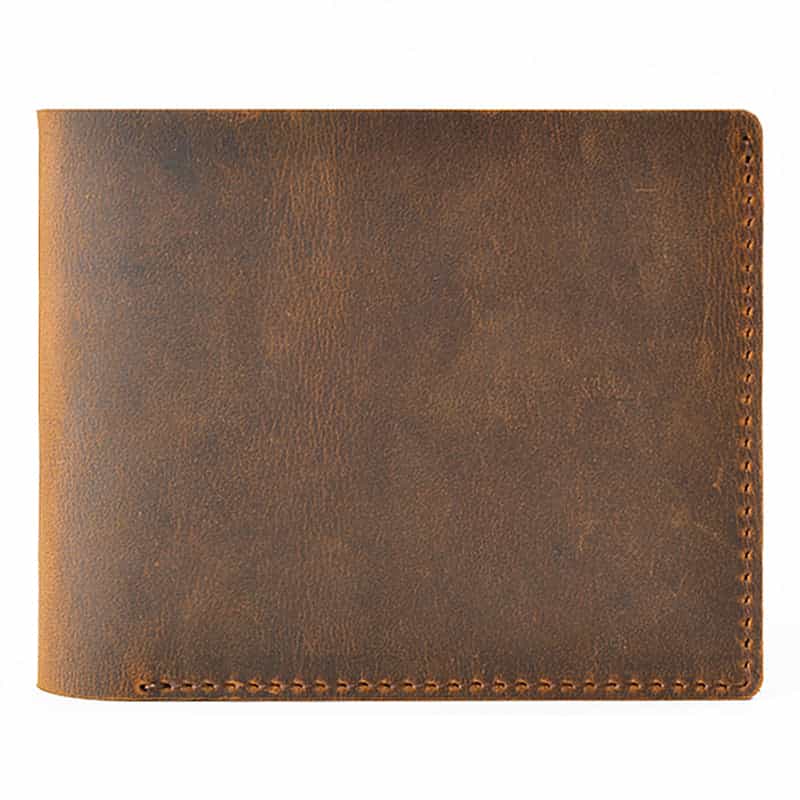
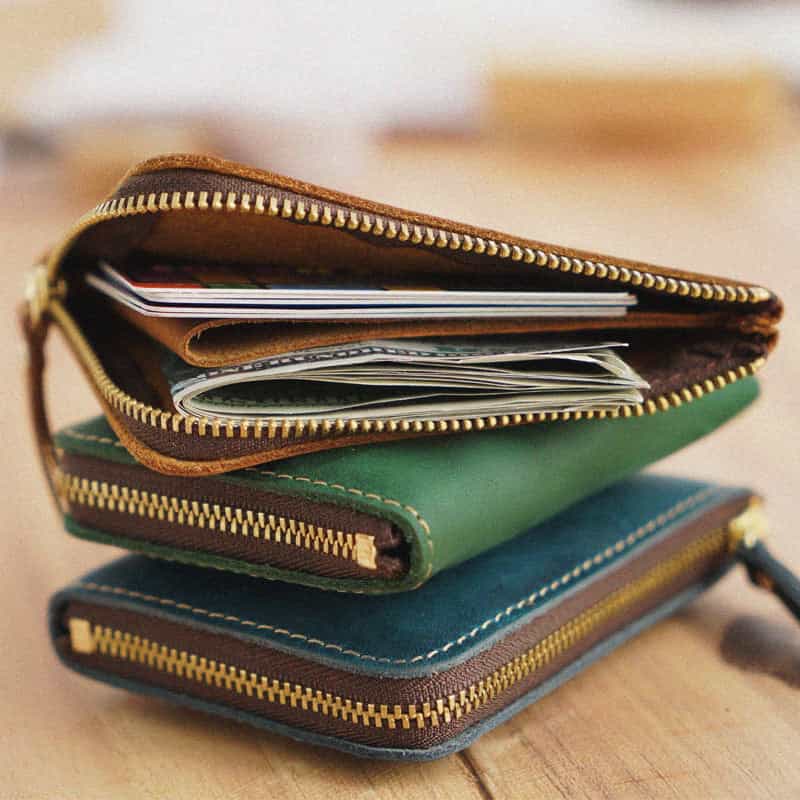
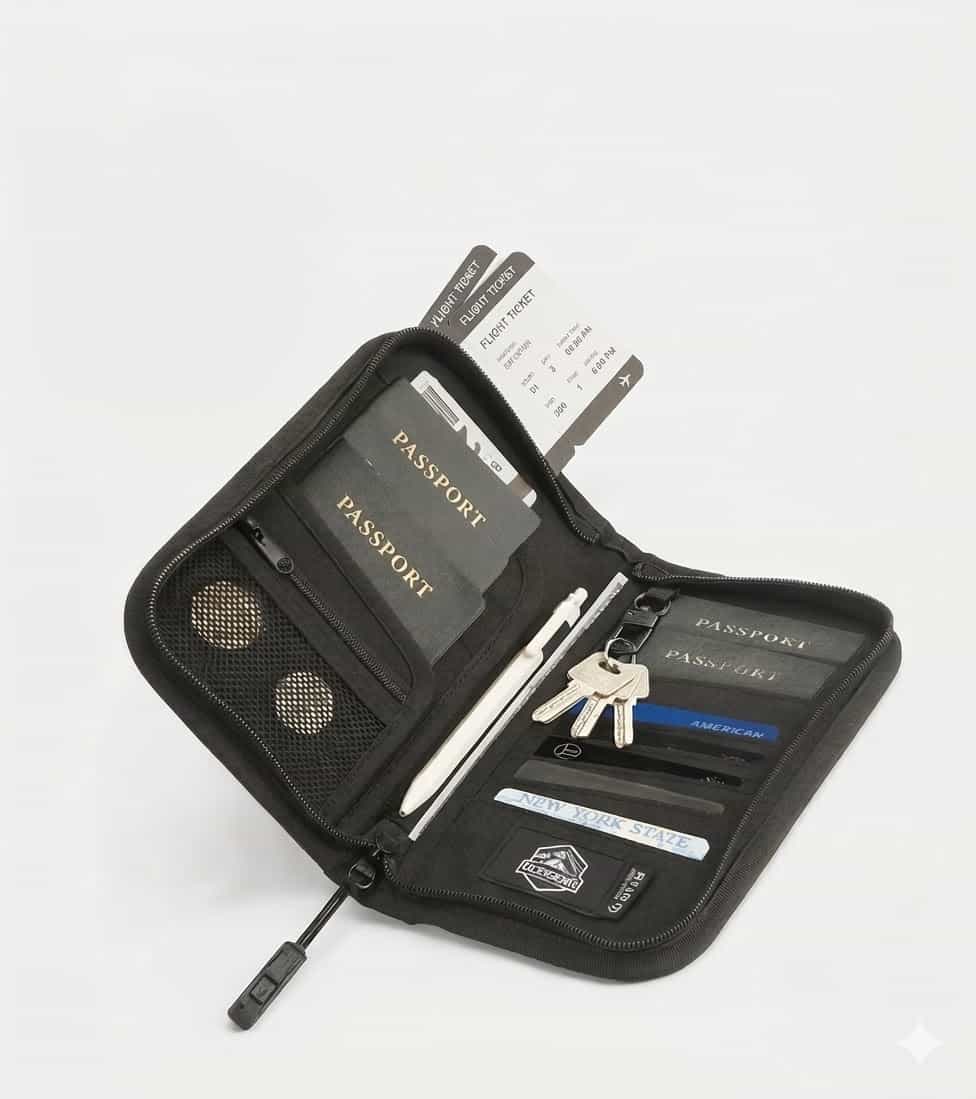
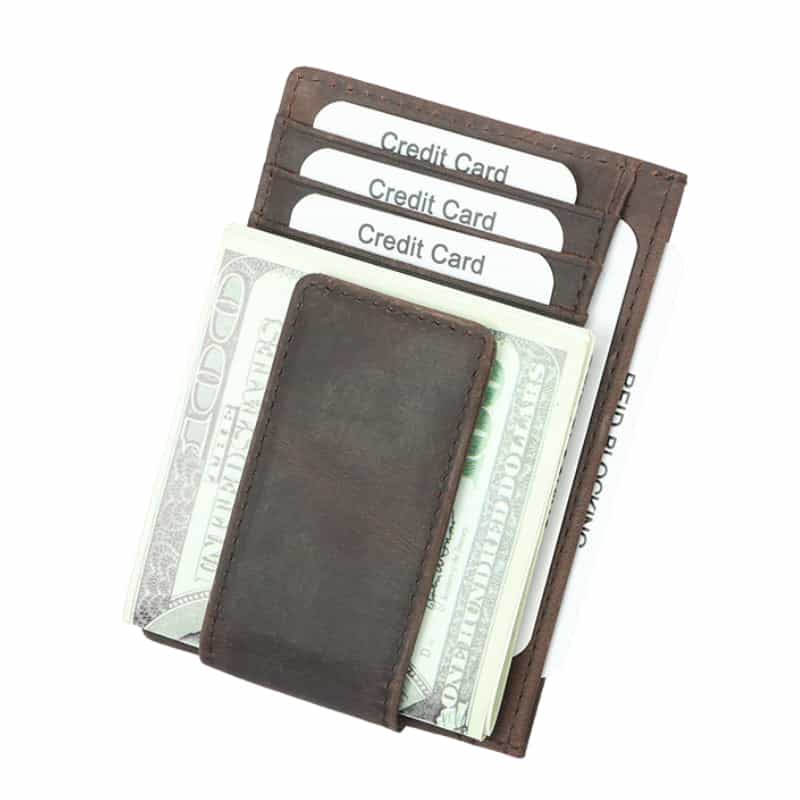
1. Protect your money and information: modern pickpockets no longer need to put a hand in your pocket. With simple scanning devices, they can copy your credit card data remotely. Make sure to use wallets with built-in RFID protection that blocks these frequencies and keeps your information secure.
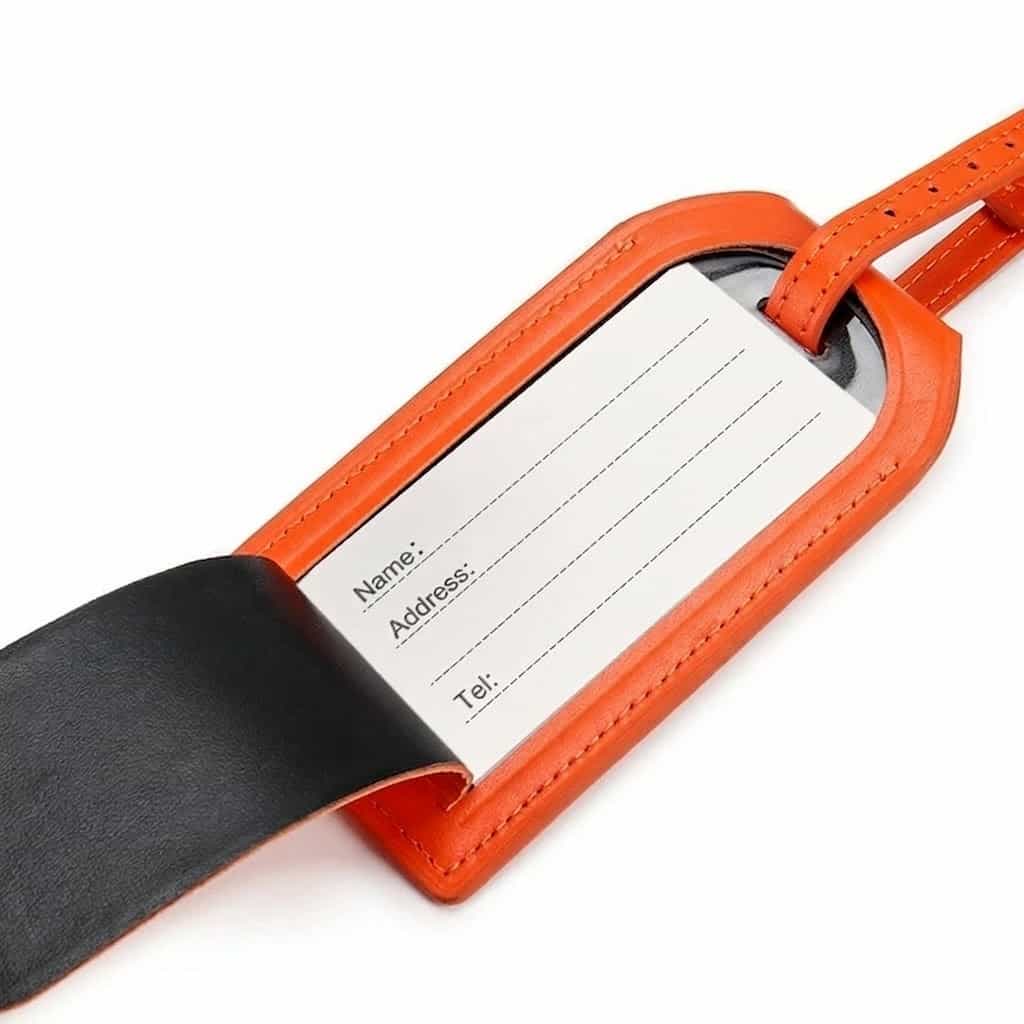
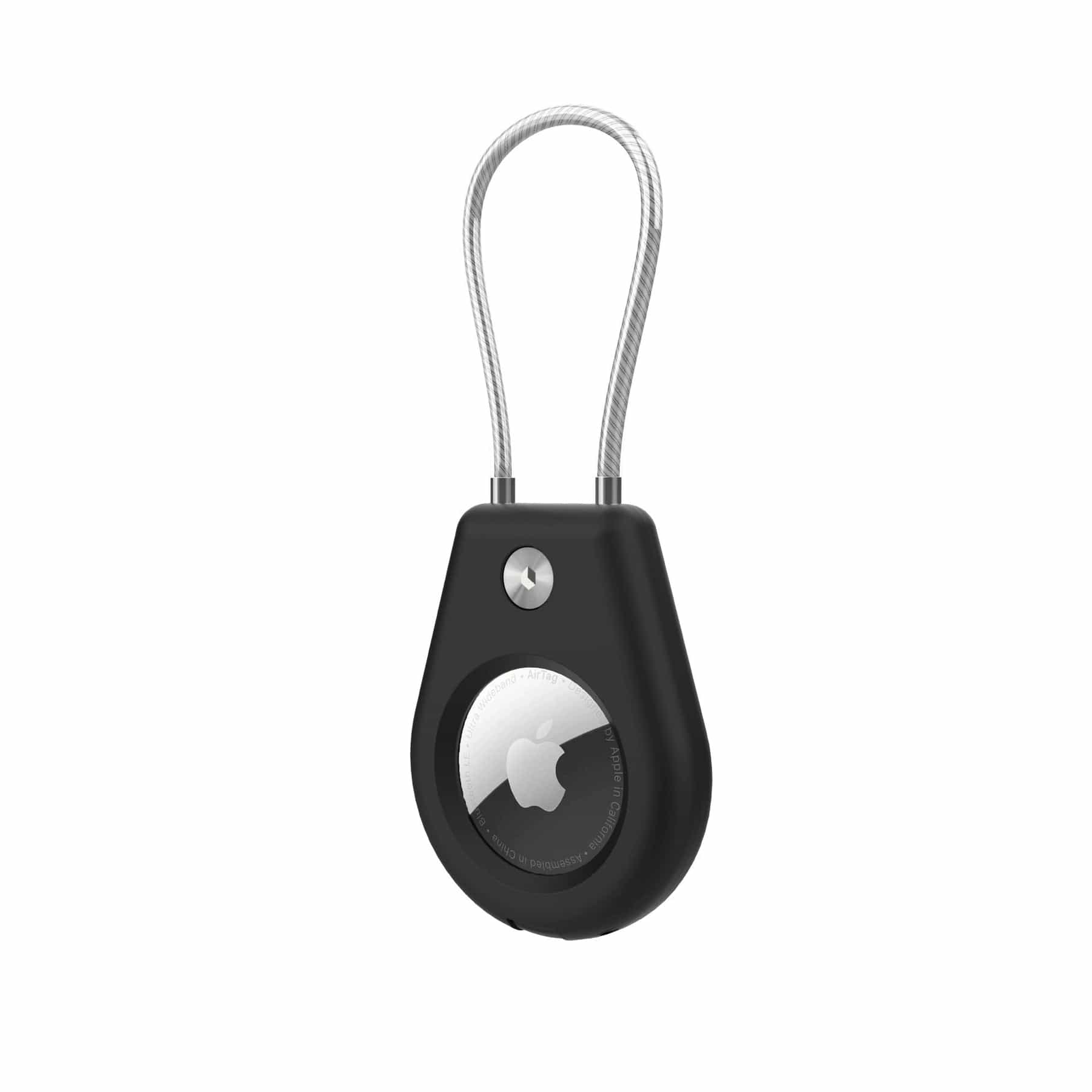
2. Don't lose touch with your suitcase: a small investment in an AirTag holder or a quality genuine leather luggage tag can save your trip. If the suitcase doesn't reach its destination or is taken by mistake by another passenger, you can easily locate it through your phone.
3. Prepare for changing weather: the Balkan countries and Eastern Europe are known for weather that can surprise you with sudden rain even in the middle of summer. Make sure your backpack or suitcase is made of water-repellent materials (such as coated canvas or durable synthetic fabrics) to protect your laptop, camera and dry clothes.
In short, travelers who have discovered the world's best-value destinations already understand that the secret to a successful trip starts with planning the right gear. Smart packing, choosing the right bag and keeping things organized inside will let you enjoy your vacation with peace of mind, save money on baggage, and move lightly and in style anywhere in the world.
Based on a report: Travelers who packed their suitcases have already discovered: the surprising destination crowned the best value and the best in the world (Maariv)
Products to help you on the way

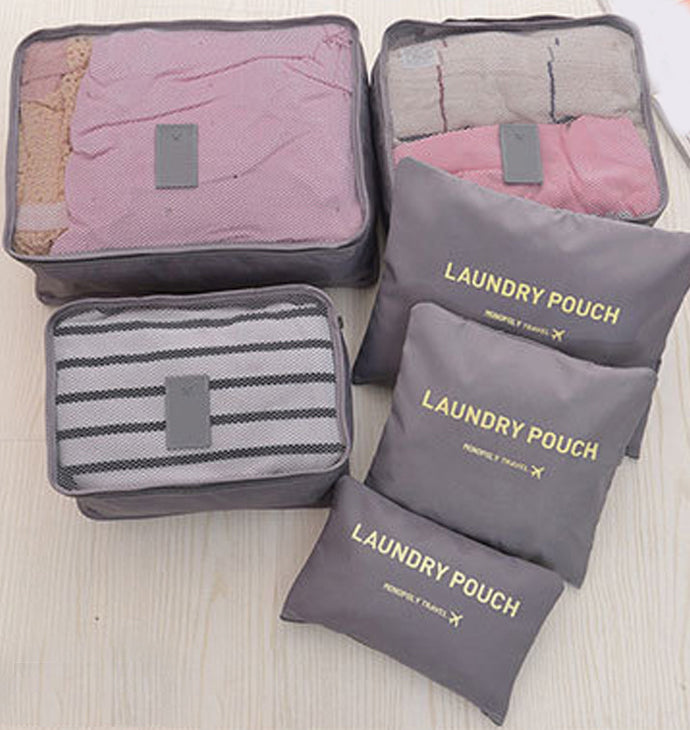
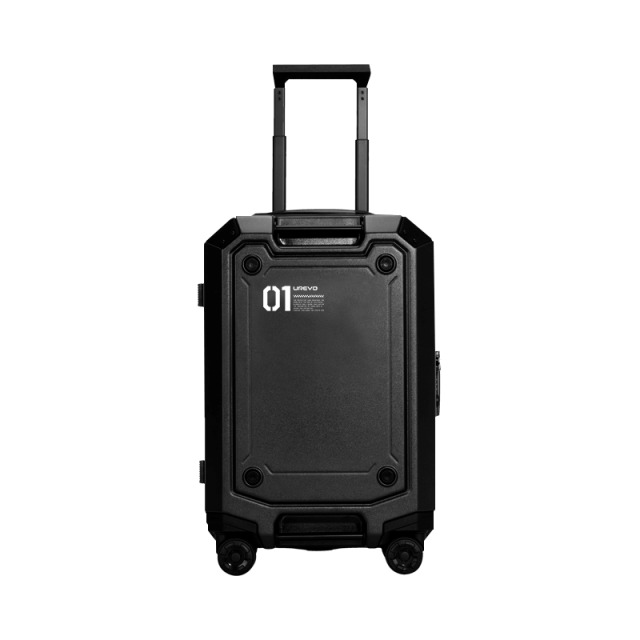
Products in this guide
Frequently asked questions
What are the strictest baggage dimensions at low-cost airlines today?
Most low-cost airlines (such as Ryanair) let you take a small backpack for free only if it fits under the seat in front of you, at up to 40x20x25 cm. Going over these dimensions at the boarding gate may lead to heavy fees.
Is a hard suitcase or a backpack better for destinations like Eastern Europe or the Balkans?
If your trip includes many transfers, train rides or walking on cobblestone streets, a quality backpack or travel pack will give you much better mobility. For a city vacation at a single hotel, a hard trolley suitcase will be more convenient and easier to move through the airport.
How do packing cubes help save money on flights?
Packing cubes let you compress clothes optimally and use every free centimeter of the bag. Used correctly, they let you fit a whole week's gear into a small backpack or trolley, and so avoid paying for a large checked suitcase.
Why does RFID protection in a wallet matter when traveling abroad?
RFID protection blocks electromagnetic frequencies and so prevents thieves from remotely scanning your credit cards or passport on crowded streets or on public transportation. It's a critical security solution and essential peace of mind for every traveler.


