
Buy Once and Travel for Years: Why a Cheap Bag Costs You More
October 23, 2026

A cheap bag or suitcase costs you more because of how often you replace it, the cost of repairing it yourself, and the frustration of a zipper or wheel giving out at a critical moment on a trip. Investing in quality gear with a long warranty creates a much lower "cost per year of use", protects the environment from textile and plastic waste, and gives you peace of mind over years of travel.
The cheap trap: the real economic calculation (cost per year)
We all know the temptation: standing in front of the suitcase shelf at the supermarket or browsing international discount sites, and seeing a suitcase for the price of lunch for two. At first glance, it looks like a great deal. But when you dive into the real numbers, you find that fast consumer culture misleads us. The most important economic concept when buying travel gear isn't the price at the checkout, but the cost per year of use.
A very cheap suitcase, made from basic materials like recycled ABS plastic or thin, unprotected fabrics, tends to break or tear on its first or second trip. If you paid for a suitcase that lasted only one flight (and left you with clothes scattered on the baggage carousel in Athens), you effectively paid its full price for a single trip. By contrast, investing in a quality suitcase or a professional backpack that lasts a whole decade brings the yearly cost down to a small fraction of the purchase price.
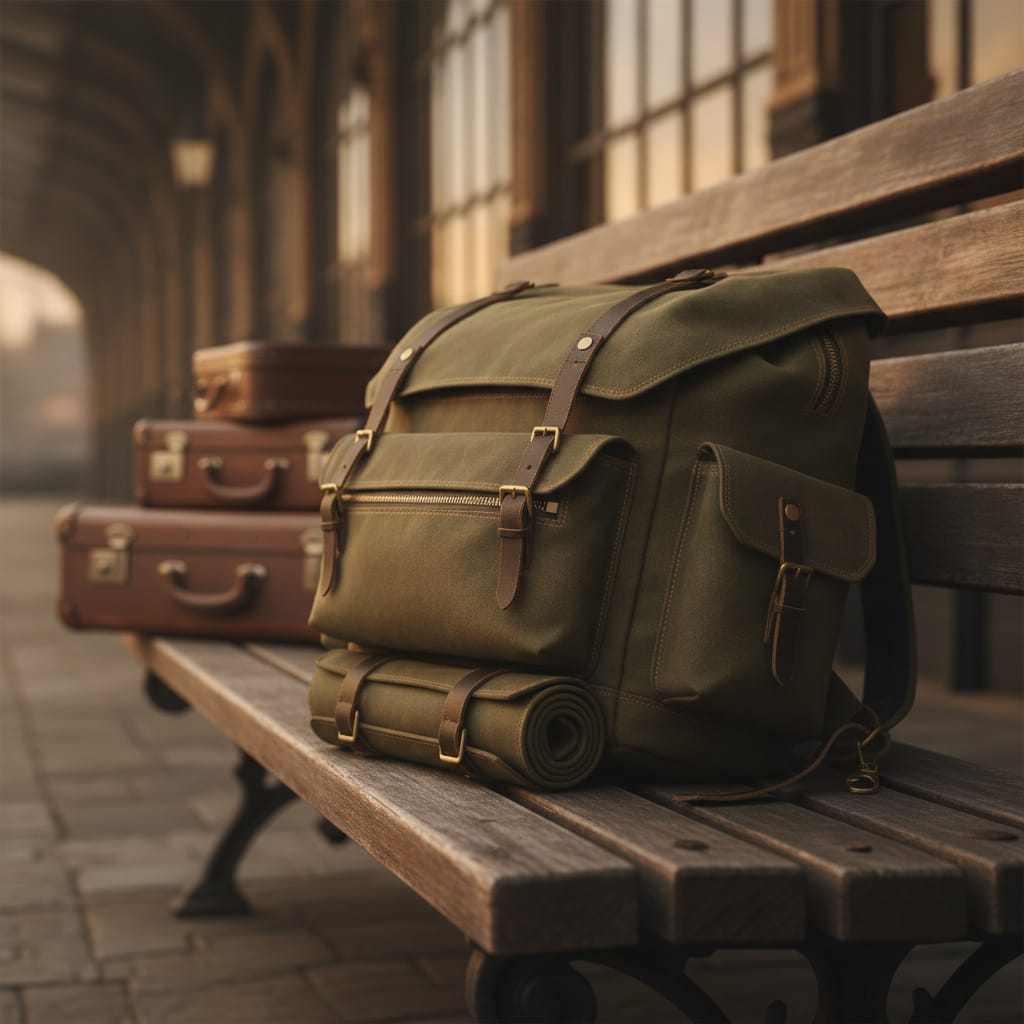
To show the difference clearly, we've put the comparison in the following table:
| Point of comparison | Cheap suitcase or bag (disposable) | Quality suitcase or bag (Camel Mountain) |
|---|---|---|
| Average lifespan | One trip to a year | 10+ years (based on a polypropylene shell) |
| Average yearly cost | High, because of repeat purchases | A small fraction of the purchase price |
| Manufacturer's warranty | No warranty, or a warranty limited to a few months | 10 years on the shell, 12 months on wheels and zippers |
| Resistance to rough handling at the airport | Quick cracks in basic plastic (ABS) | Flexible, shock-absorbing polypropylene |
A suitcase from the supermarket: is it worth buying?
Sometimes. Supermarket chains occasionally sell suitcases in short promotions with limited stock, sometimes even well-known brands through parallel import. The deals change, so check with the store before you go.
A suitcase on sale can be a good buy, as long as you check it before the checkout:
- Wheels: roll it across the store floor. A wheel that wobbles or rattles now won't get better on a European sidewalk.
- Telescopic handle: pull it all the way out and shake it. A handle that moves side to side already in the store is a bad sign.
- Zipper: open and close it along its full length, including the corners.
- Dimensions: "carry-on" on the label doesn't mean it meets your airline's rules. Measure with the wheels and handles and compare using our guide to carry-on trolley sizes.
- Warranty: ask who provides it, for how long and where to go when a wheel breaks, especially for a parallel-import product.
Want to know what else to look at? We collected the checks we run before a product goes on the shelf. And if a suitcase of yours has already broken, of any brand: send us a photo and our lab will check whether it can be repaired, or bring it in for a trade-in and get a new suitcase or bag at a special price.
The environmental price of suitcases thrown away after one season
Beyond the personal financial side, we can't ignore the heavy price the planet pays for "use and throw away" culture. The cheap luggage industry is built on mass production from materials that can't be recycled efficiently. Cheap ABS plastic, used to make basic suitcases, tends to shatter under pressure or at low temperatures (like those in an aircraft hold). Once the shell cracks, the suitcase becomes completely unusable and is thrown in the trash.
Every year, millions of suitcases and backpacks end up in landfills around the world. Broken plastic, rusty metal zippers and synthetic fabrics that don't decompose stay in the ground for hundreds of years. The only way to fight this environmental damage is to move to conscious consumption: buy less, but buy better. Choosing durable products that can be repaired and upgraded is the greenest and most responsible step any traveller can take.
How a long warranty changes the manufacturer's incentive
When a manufacturer offers a product with no warranty, or only a token one, its incentive is to make the product as cheaply as possible. It doesn't have to answer for what happens to the bag six months after purchase. By contrast, when a brand stands behind its gear with a long-term warranty, the rules of the game change completely.
A long warranty creates a clear engineering incentive: build the product right from the start. If the brand knows it will have to repair or replace parts for free, it will invest in the best materials, double reinforced stitching, and mechanisms tested thousands of times in the lab. That's exactly our approach at Camel Mountain. We offer a 12-month warranty on bags and backpacks, and an uncompromising 10-year warranty on the shell of our hard-shell polypropylene suitcases, alongside a 12-month warranty on the wheels, handles, telescopic mechanism and zippers. This warranty is our promise that your gear was designed to survive the toughest conditions.
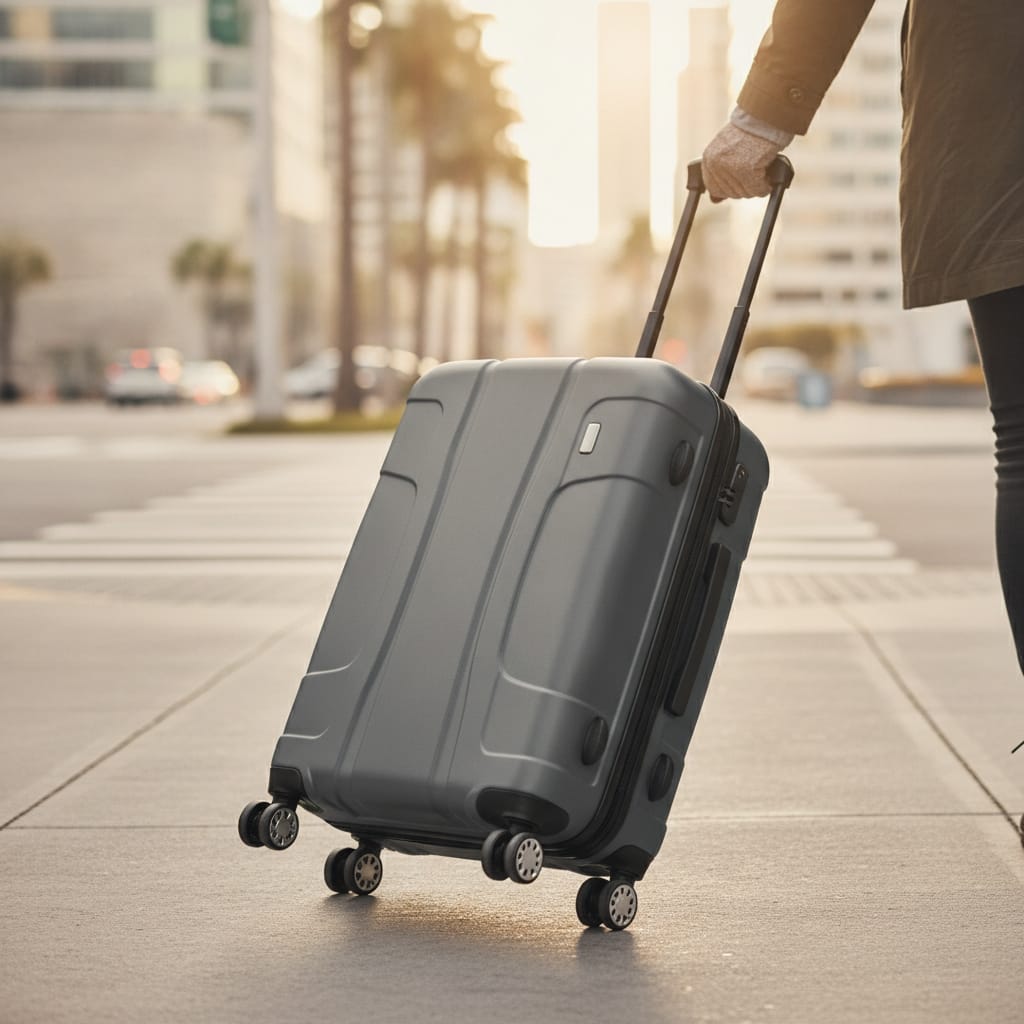
The Camel Mountain heritage: a family business since 1975
As an Israeli family business with more than 50 years of experience (since 1975, and the brand since 2006), we've seen the world of travel change from end to end. We've accompanied generations of travellers, students, tech professionals and companies that chose us to give their employees gifts of real value. Throughout half a century of business, our guiding principle has stayed simple: build products that let you keep moving with confidence: Keep On Moving.
Camel Mountain quality isn't just a slogan, but an everyday reality you can feel in every seam and every wheel. Our customers are people who won't compromise on their gear: from developers carrying expensive laptops in our ergonomic backpacks to experienced travellers crisscrossing the globe. Today our products serve customers on every continent, and we ship internationally through our global site camelmountain.com.
A worry-free shopping experience and personal service
We believe the relationship with a customer doesn't end at the moment of purchase, it only begins there. Don't settle for less than the best. Invest in gear that will last for years, and keep your journeys smooth and safe.
Products to help you on your way
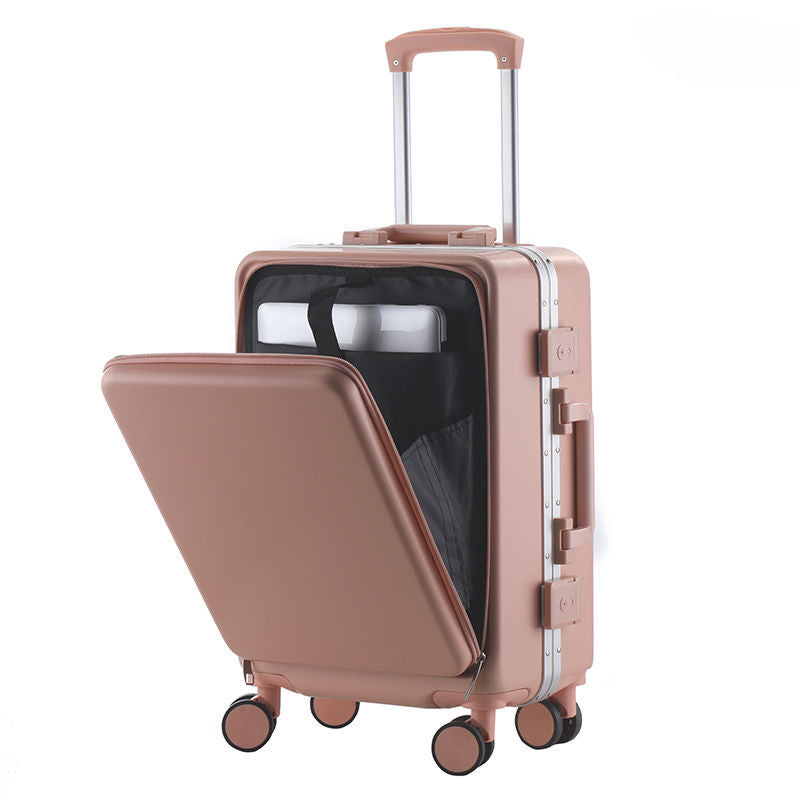
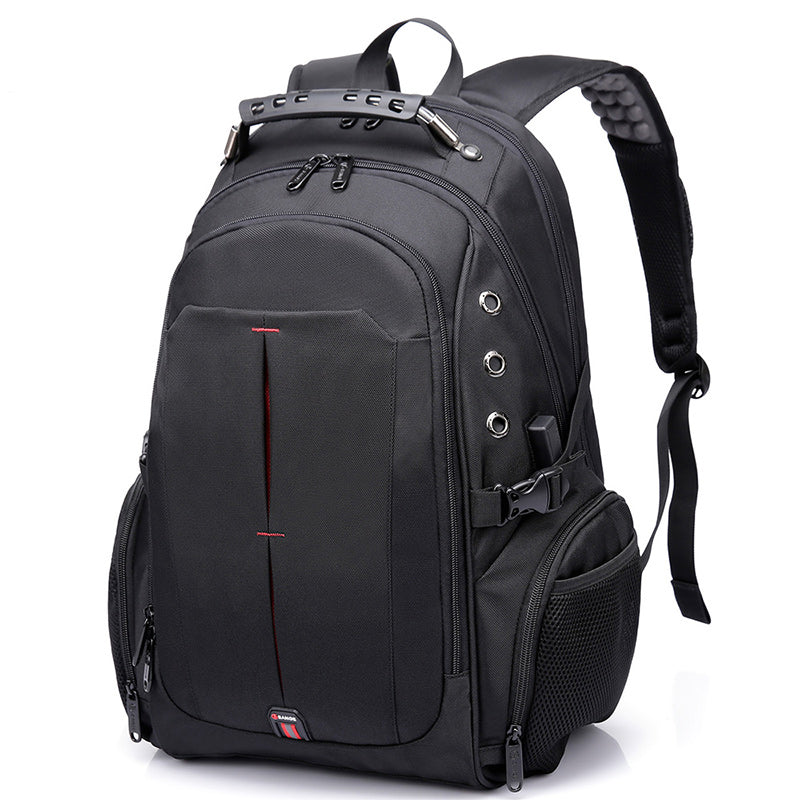

Products in this guide

Frequently asked questions
Why is polypropylene considered the best material for hard-shell suitcases?
Polypropylene is a thermoplastic with exceptional flexibility and low weight. Unlike rigid ABS plastic, which tends to break and crack under pressure or strong impacts, polypropylene can absorb shocks and return to its original shape, which means years of durability in the aircraft hold.
What does the Camel Mountain warranty on bags and suitcases cover?
We give a full 12-month warranty on bags and backpacks. On our hard-shell 100% polypropylene suitcases we give a 10-year warranty on the shell, plus 12 months on the wheels, handles, telescopic mechanism and zippers.


