
Europe Tightens Entry Rules: How to Prepare for the Changes and Get Through Border Checks Easily
October 23, 2026

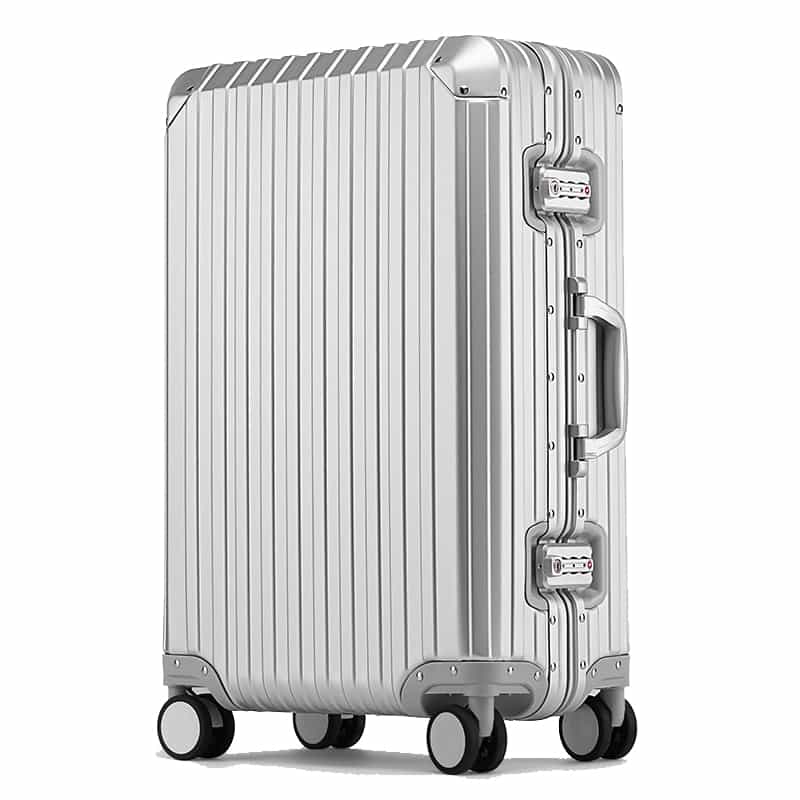
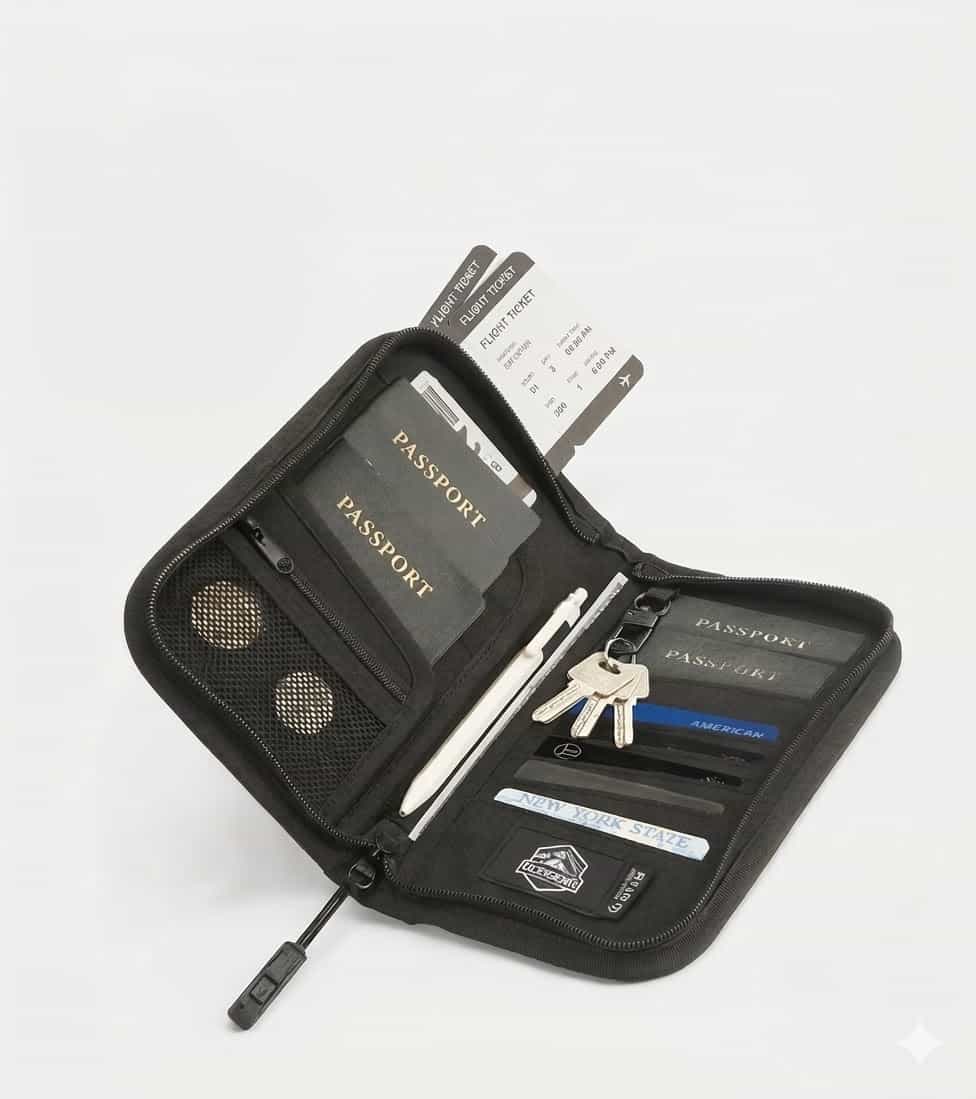
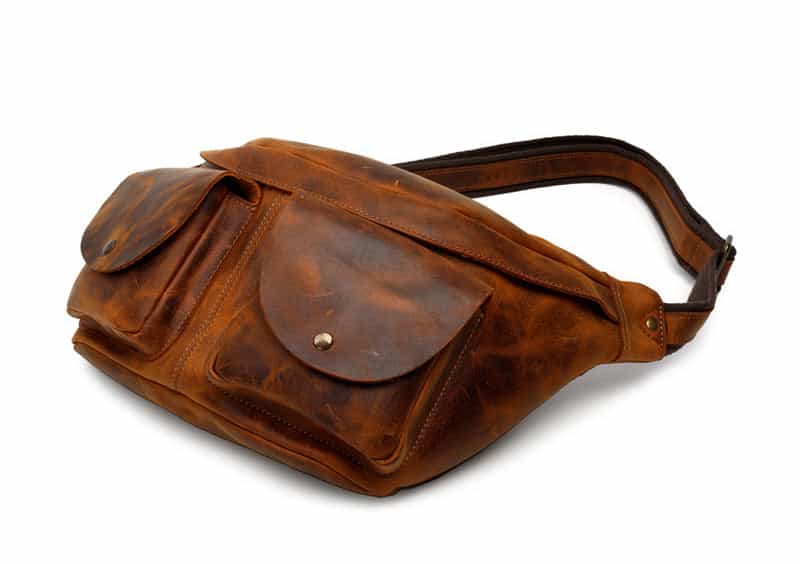
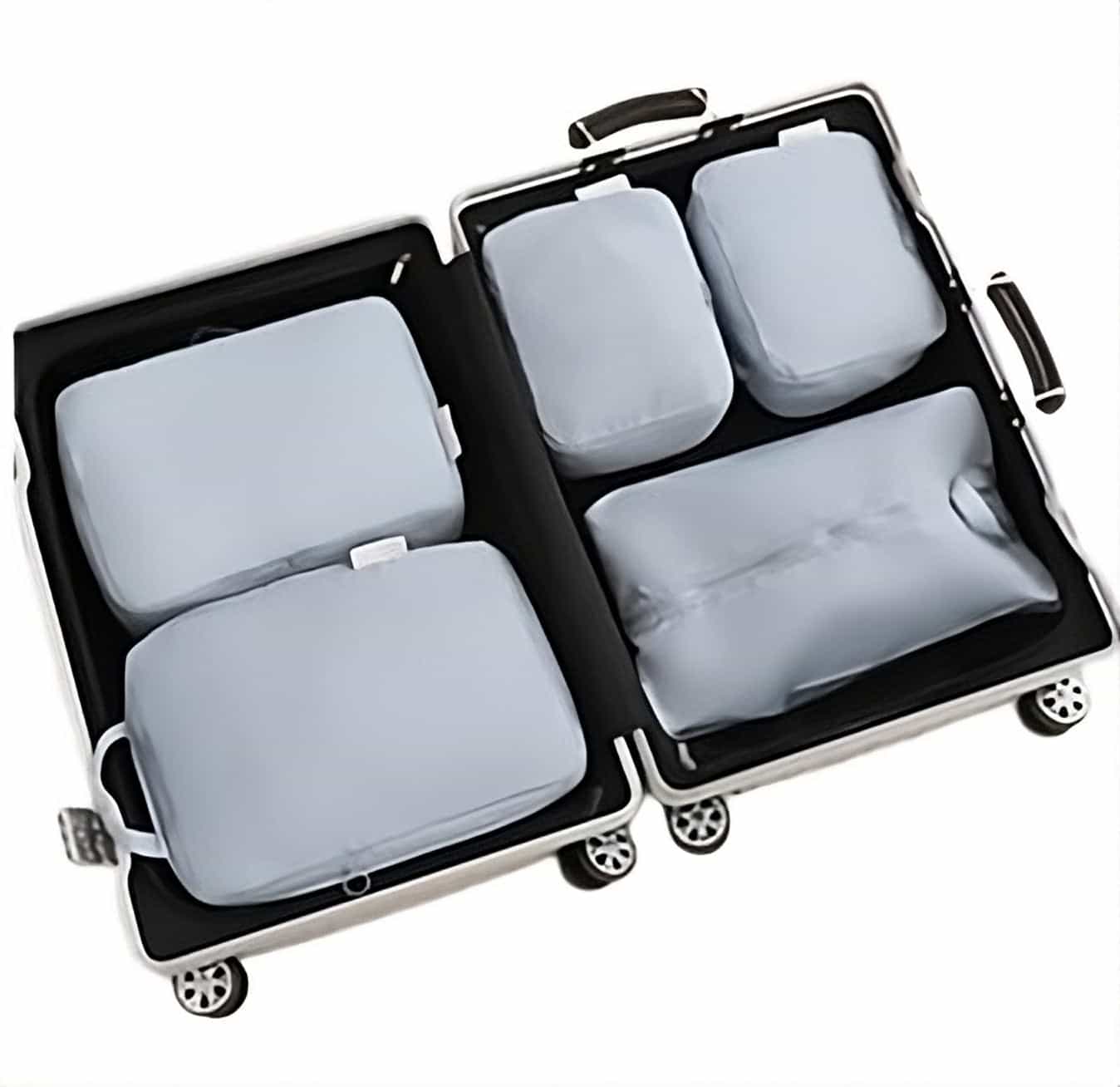
To prepare for Europe's tighter entry rules (such as the new ETIAS system), you need to obtain a digital travel authorization in advance, carry a passport valid for at least three months beyond your departure date, and pack a compliant backpack or a well-organized carry-on suitcase with packing cubes that let you pull out liquids and documents quickly at the new biometric checks.
The big change ahead: what's happening at Europe's borders?
Worrying reports have recently made headlines (such as a report on the Israeli site ICE) that European countries, including destinations especially popular with Israelis like Greece, are tightening entry conditions and introducing advanced control systems. This isn't a plot against any one group of travelers, but a comprehensive European Union reform designed to strengthen border security. The two main systems that are about to change the rules of the game are the EES (biometric Entry/Exit System) and ETIAS (electronic travel authorization in advance).
For travelers from visa-exempt countries, the meaning is clear: the era of "it'll be fine" and turning up at the airport spontaneously with just a passport in your pocket is over. From now on, crossing a European border will require more careful advance preparation, accurate documents, and above all, proper packing that avoids unnecessary delays in the long queues expected at the biometric checkpoints.
What are ETIAS and EES, and how do they work?
So you're not caught off guard when it counts, let's clarify the two terms you're going to hear a lot about in the coming years:
- EES (Entry/Exit System): an automatic digital registration system that will replace traditional manual passport stamping. The first time you cross the border, you'll be asked to have your face scanned and your fingerprints taken digitally. The system will record your name, the type of travel document, biometric data and the date and place of entry and exit.
- ETIAS (European Travel Information and Authorisation System): an electronic travel authorization that every visa-exempt traveler (who doesn't hold a European passport) will have to obtain online before the flight. It involves a small fee, is valid for three years (or until the passport expires) and allows stays of up to 90 days for tourism and business.
Together, these two systems mean that security and bureaucratic checks in Europe are becoming much stricter and more technological. In practice, this means potentially longer queues at airports and more thorough checks of your hand luggage and personal belongings.
The art of smart packing: how to get through the new checks without breaking a sweat
When queues get longer and border security staff in Europe become stricter, the best way to ensure a quick, smooth crossing is complete control of your luggage. Sloppy packing or a messy bag is a sure recipe for a delay at security, embarrassing bag openings and losing precious time (or even your connecting flight).
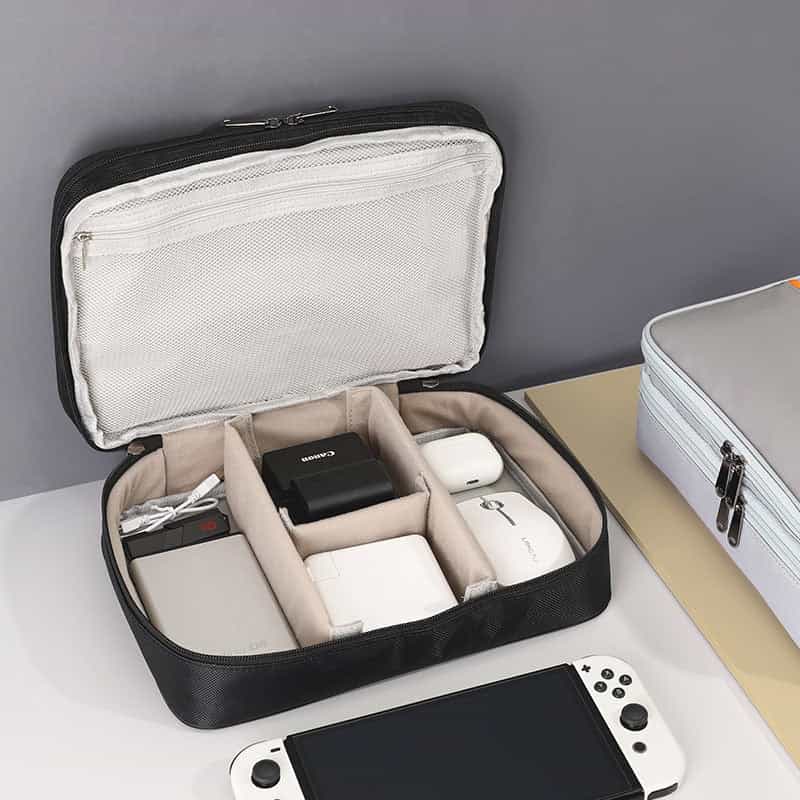
The big secret of frequent flyers is smart division and accessibility. Pack so that every item that might raise questions or need checking, such as a laptop, tablet, chargers, liquids or travel documents, can be pulled out in a second, without having to unload the entire contents of your bag onto the security counter.
Comparison table: entry and screening requirements before and after the European reform
To understand the scale of the change, we've summarized the main differences between what we knew and the new reality at European airports:
| Feature | The old era (before the reform) | The new era (EES & ETIAS) |
|---|---|---|
| Advance entry authorization | Not needed. You just buy a ticket and fly. | You must submit an ETIAS application online and be approved before getting to the airport. |
| Passport stamping | A physical ink stamp on the passport pages by a border officer. | Biometric digital registration (fingerprints and face scan) at automatic kiosks. |
| Estimated waiting time at the border | Short to medium (depending on how busy the airport is). | Longer queues expected in the initial rollout stages of the systems. |
| Packing and baggage screening requirements | Random checks, focus on liquids and large devices. | Strict, computerized screening. Electronics and liquids must be fully accessible. |
Camel Mountain's five iron rules for a quick border crossing
As a family business, we have been accompanying travelers all over the world since 1975, and since 2006 as the Camel Mountain brand. Here's our accumulated experience distilled into 5 practical tips that will save you time and nerves at Europe's borders:
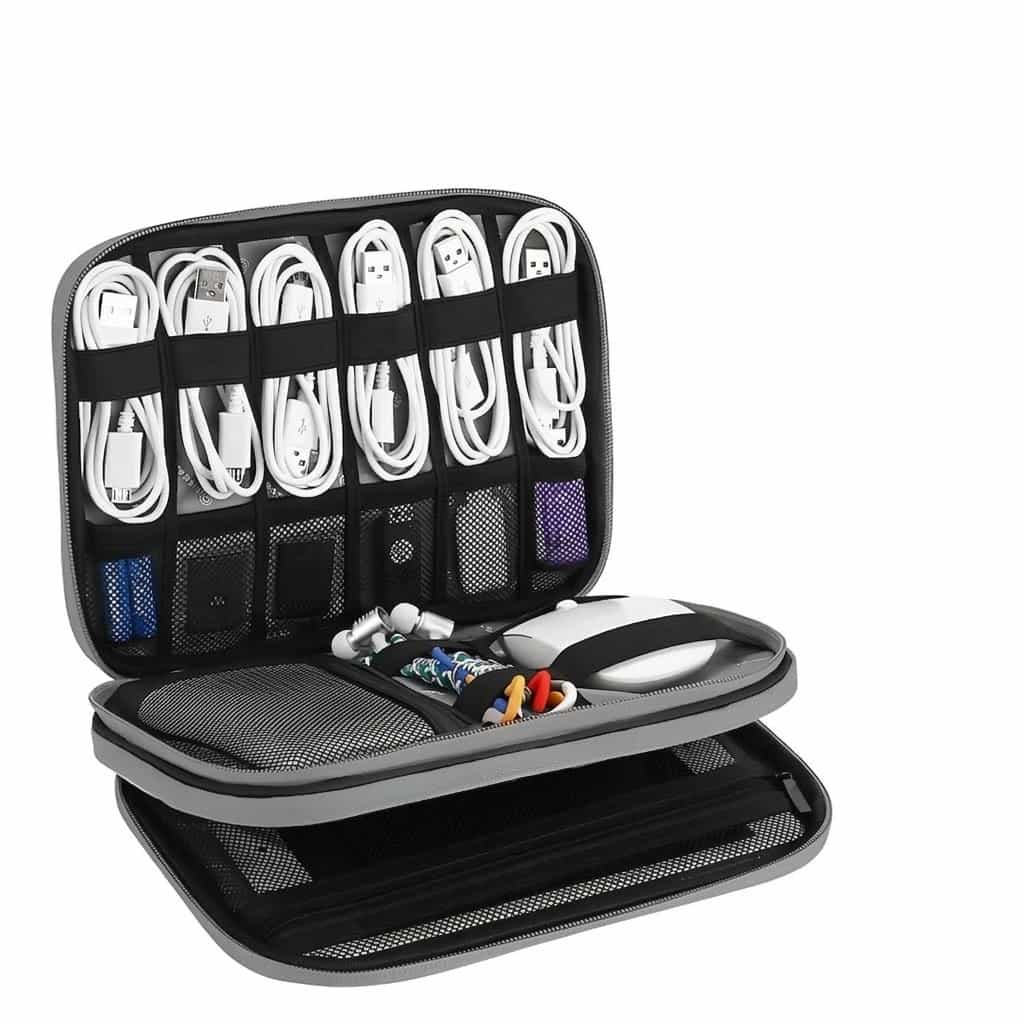
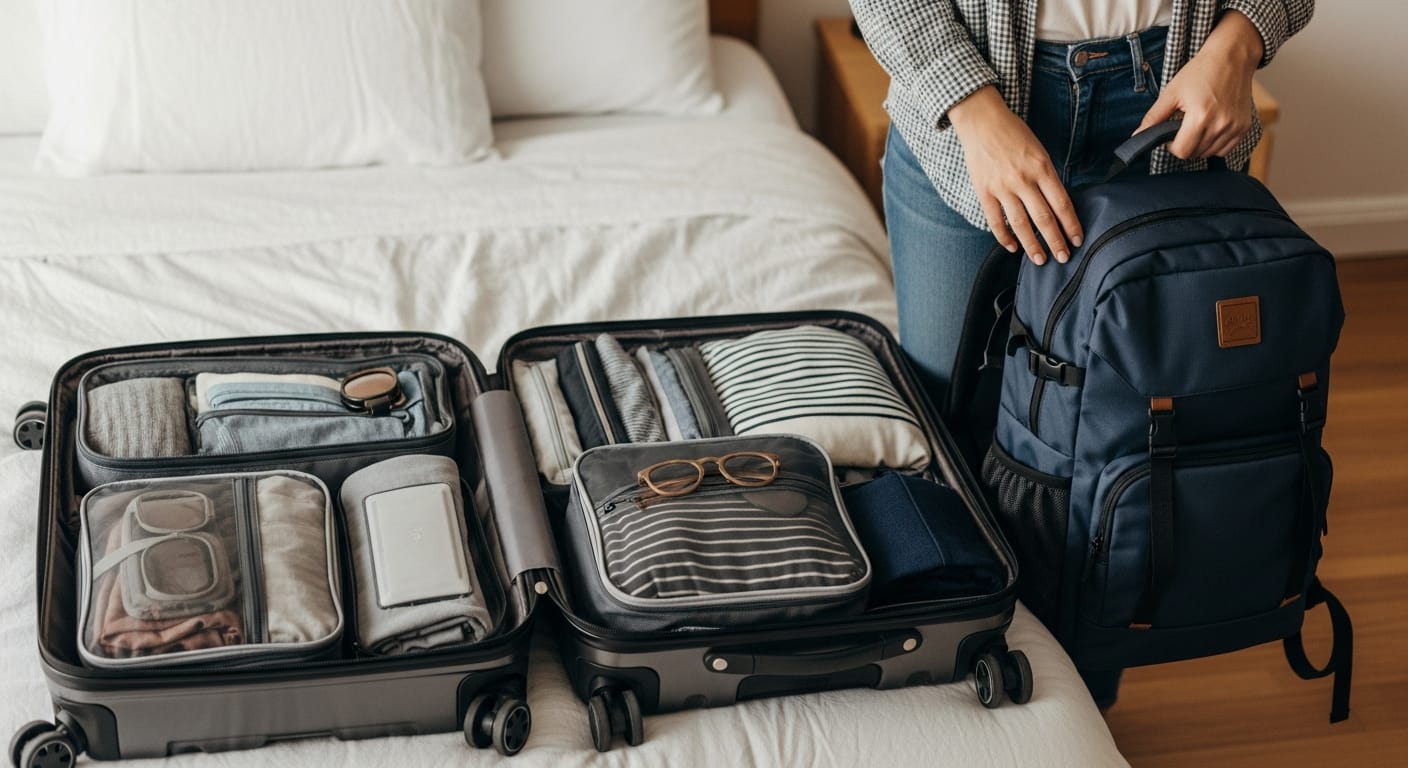
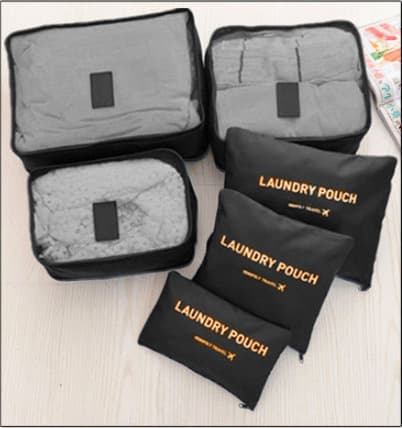
- Use packing cubes: don't throw clothes and items loosely into the suitcase. Packing cubes let you divide your luggage into categories. If a border officer asks to open your suitcase, they'll see perfect order, the check will be over in seconds, and nothing personal will spill onto the floor.
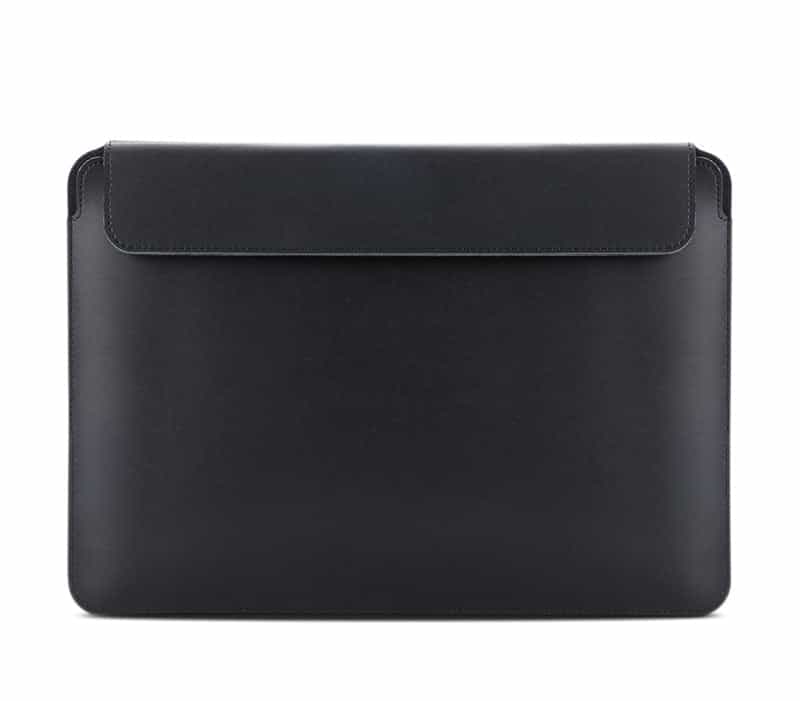
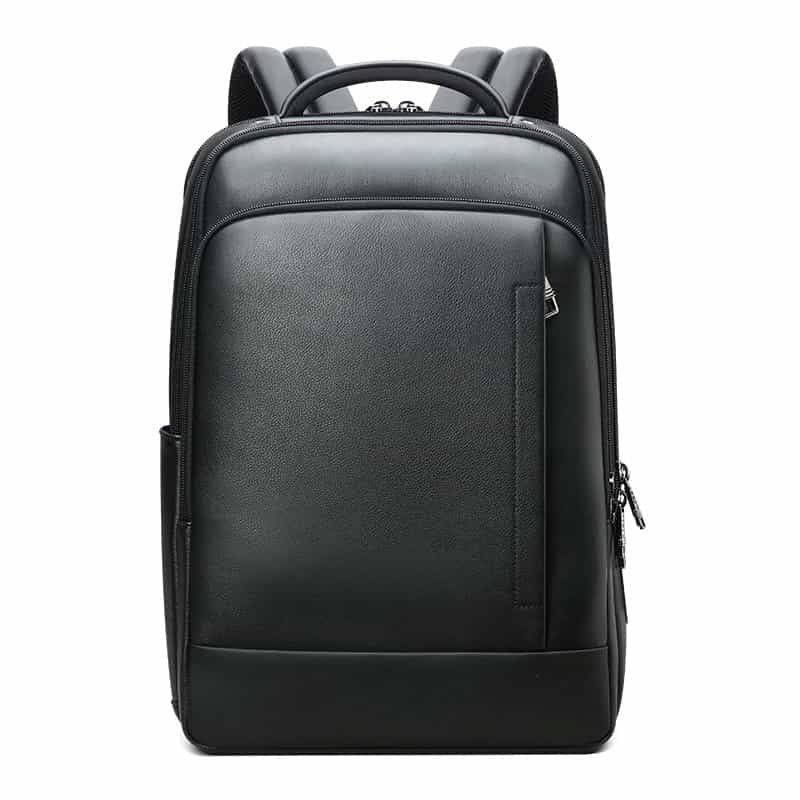
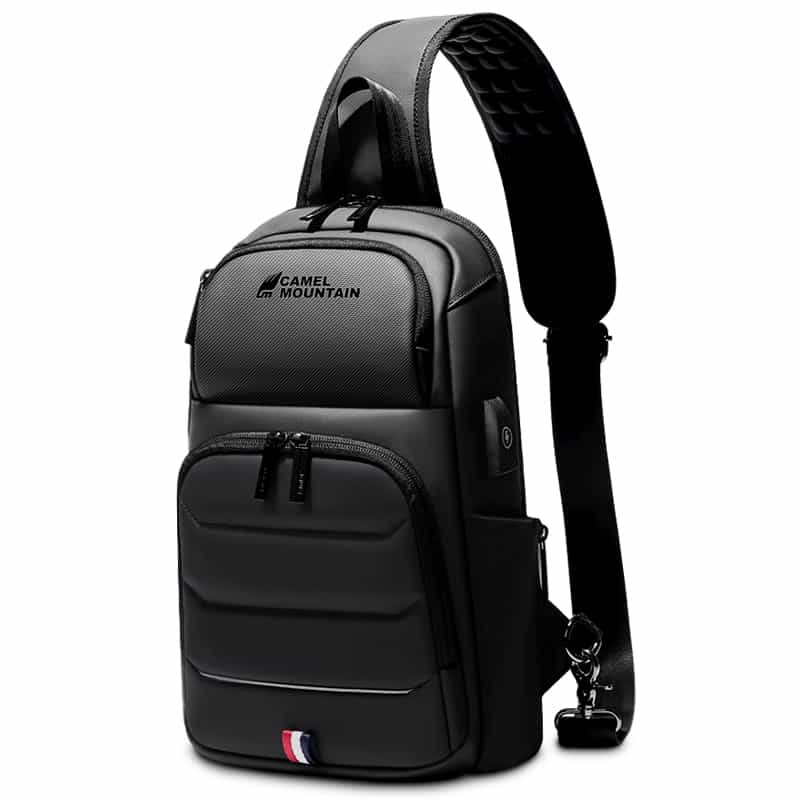
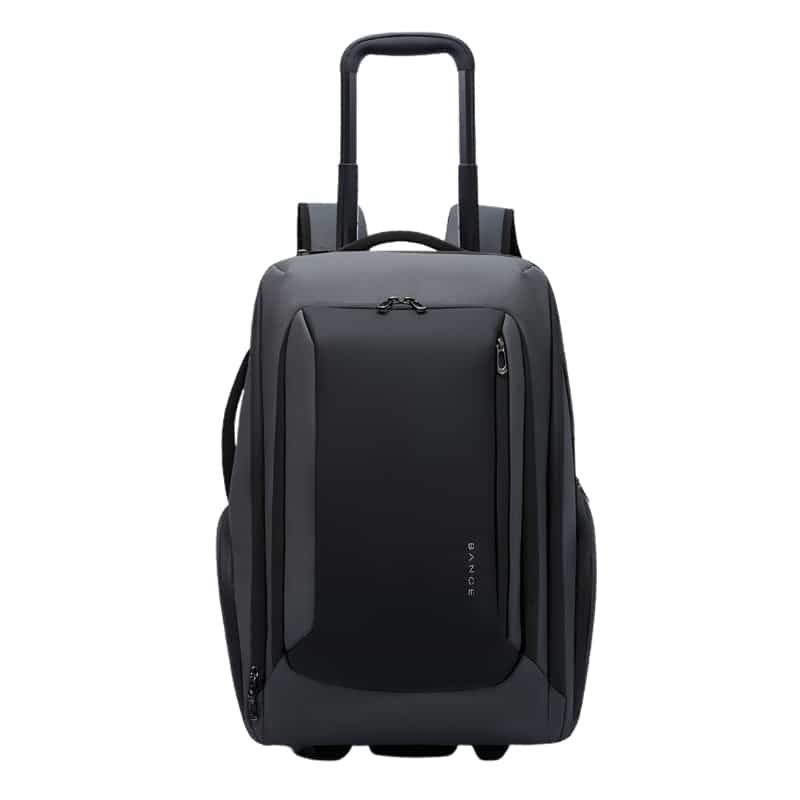
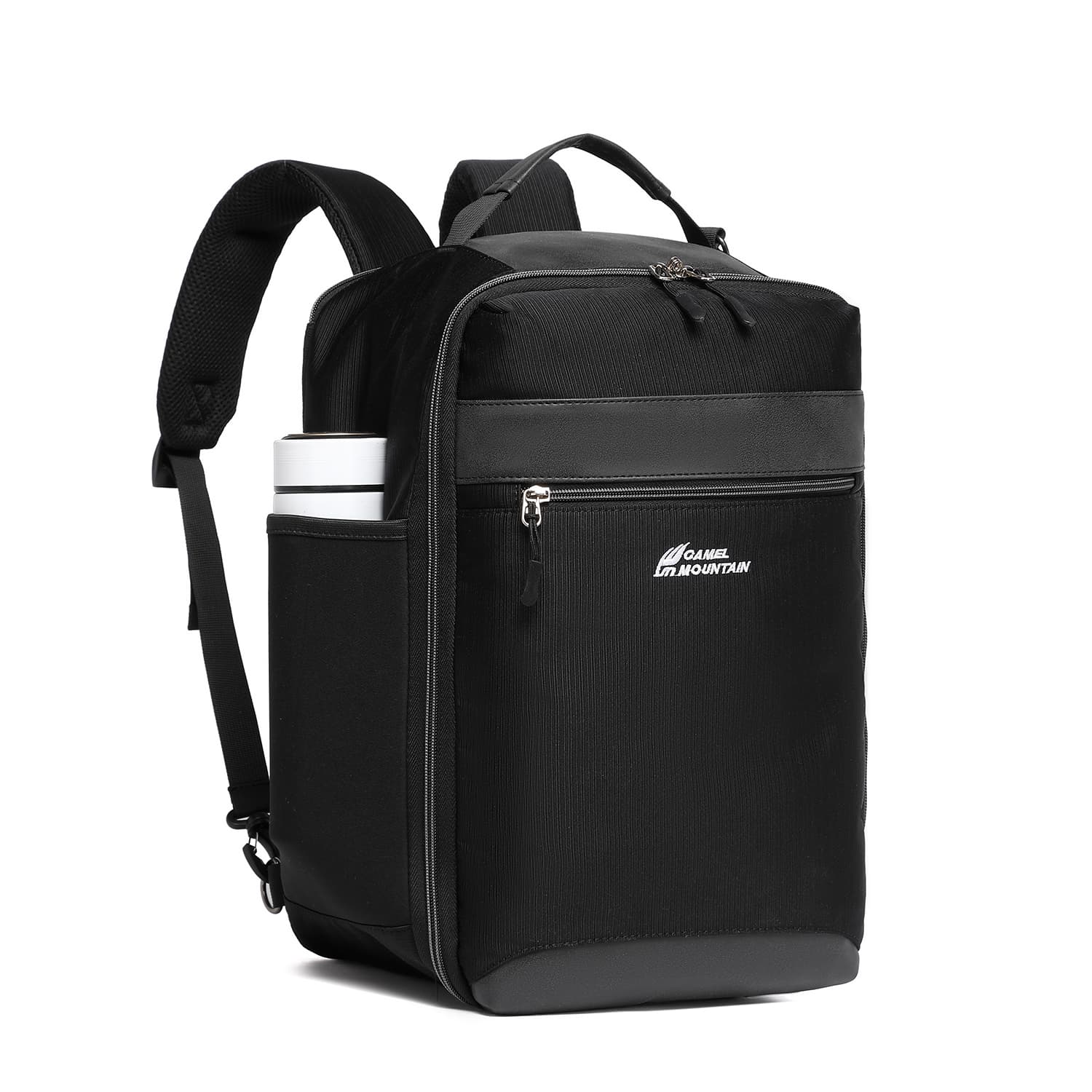
- Organize your bag in accessible layers: the laptop, tablet and clear liquids bag must sit at the top of the backpack or in a dedicated outer compartment with a quick zipper. Never put them at the bottom of the bag.
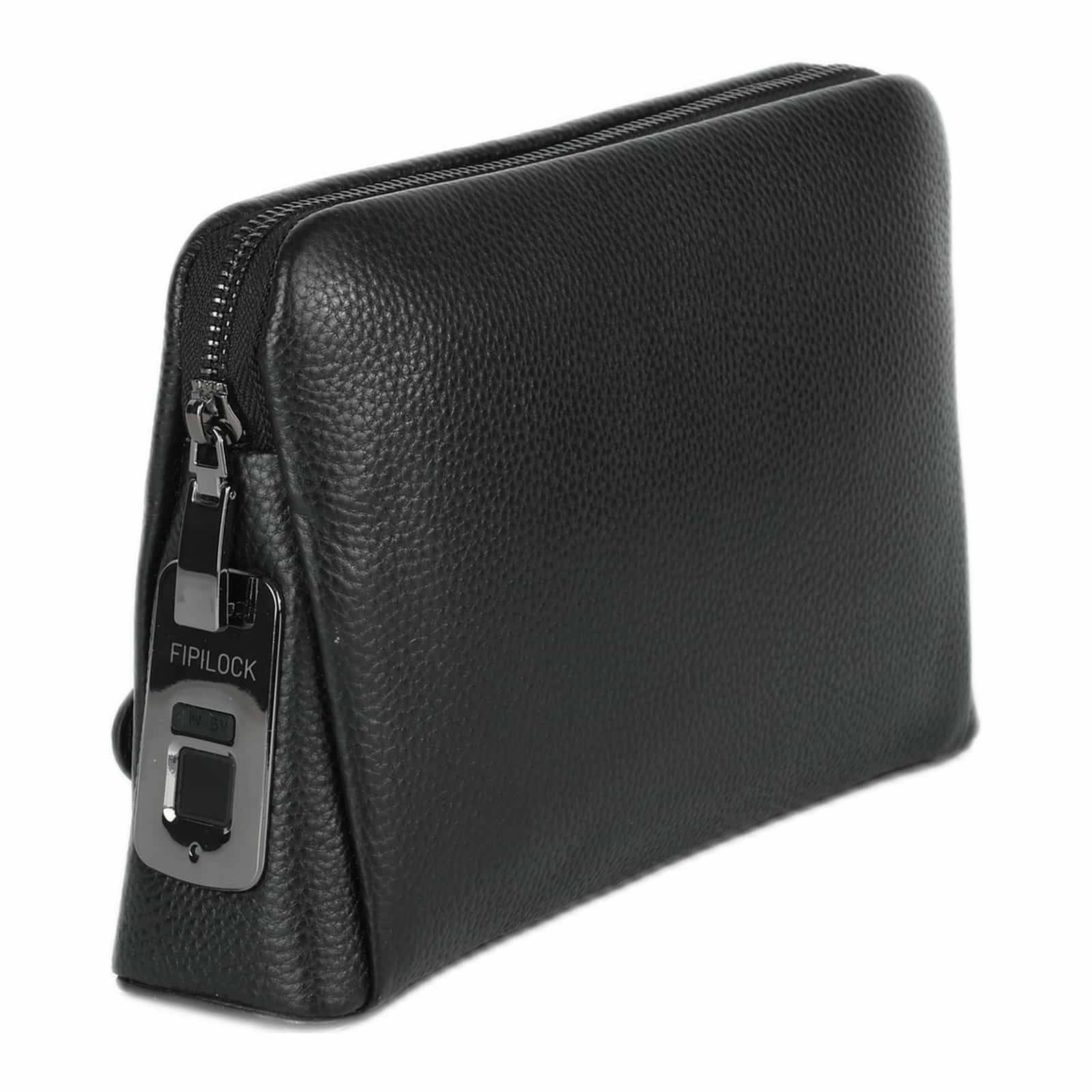
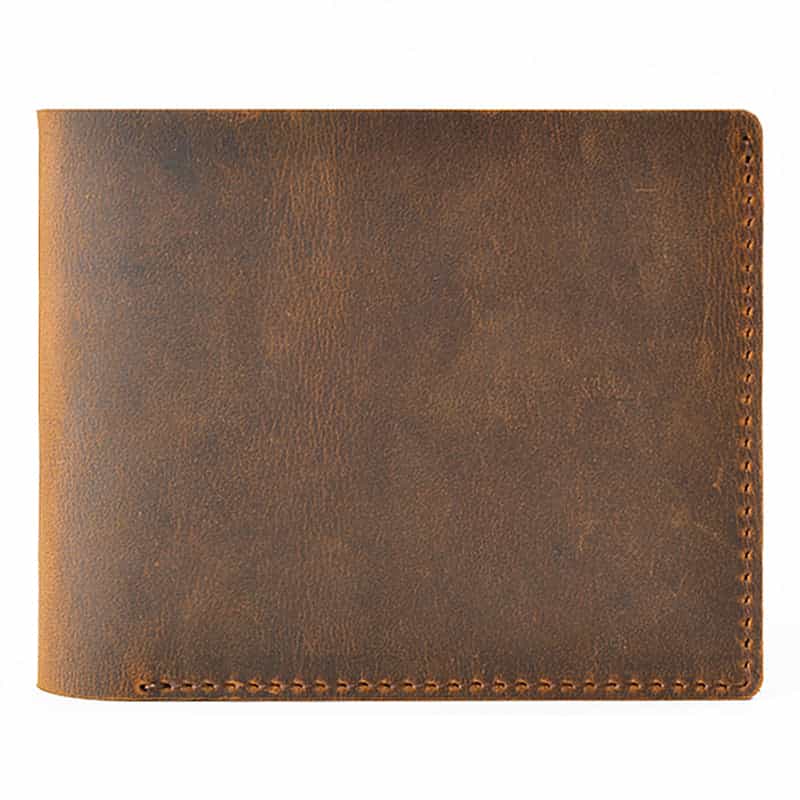
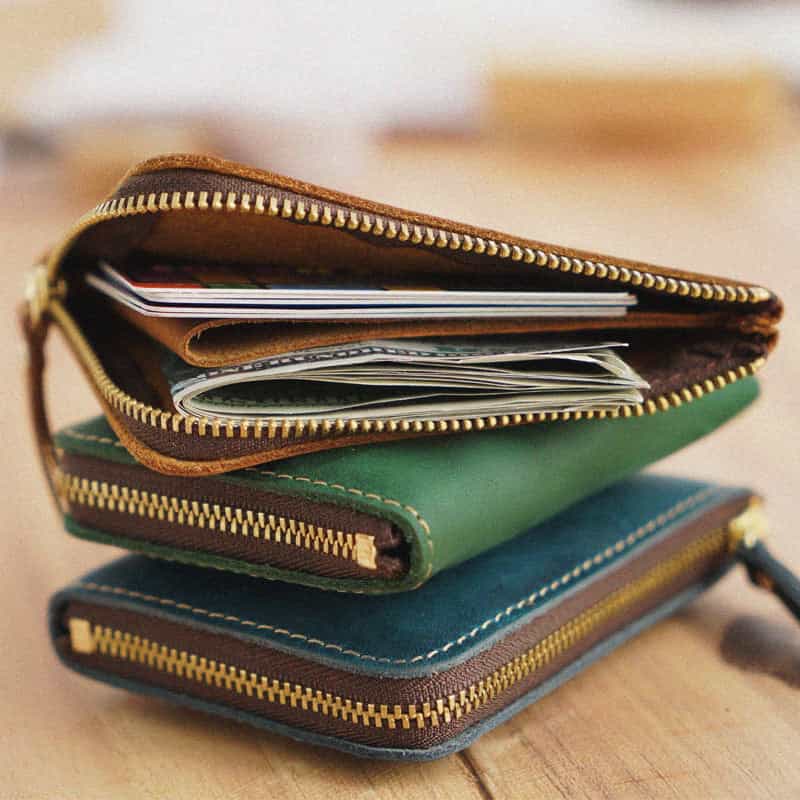
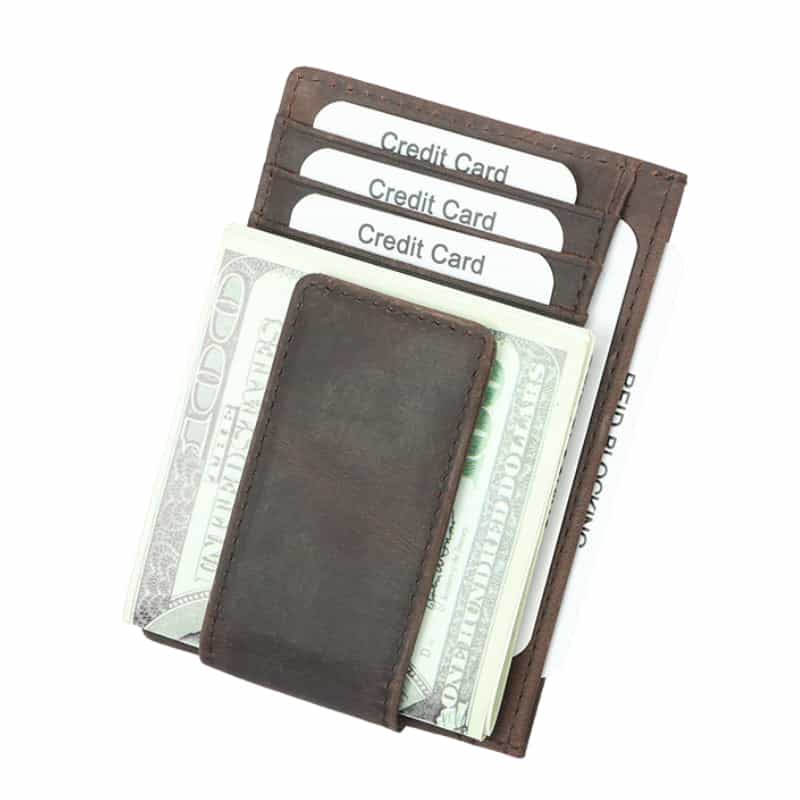
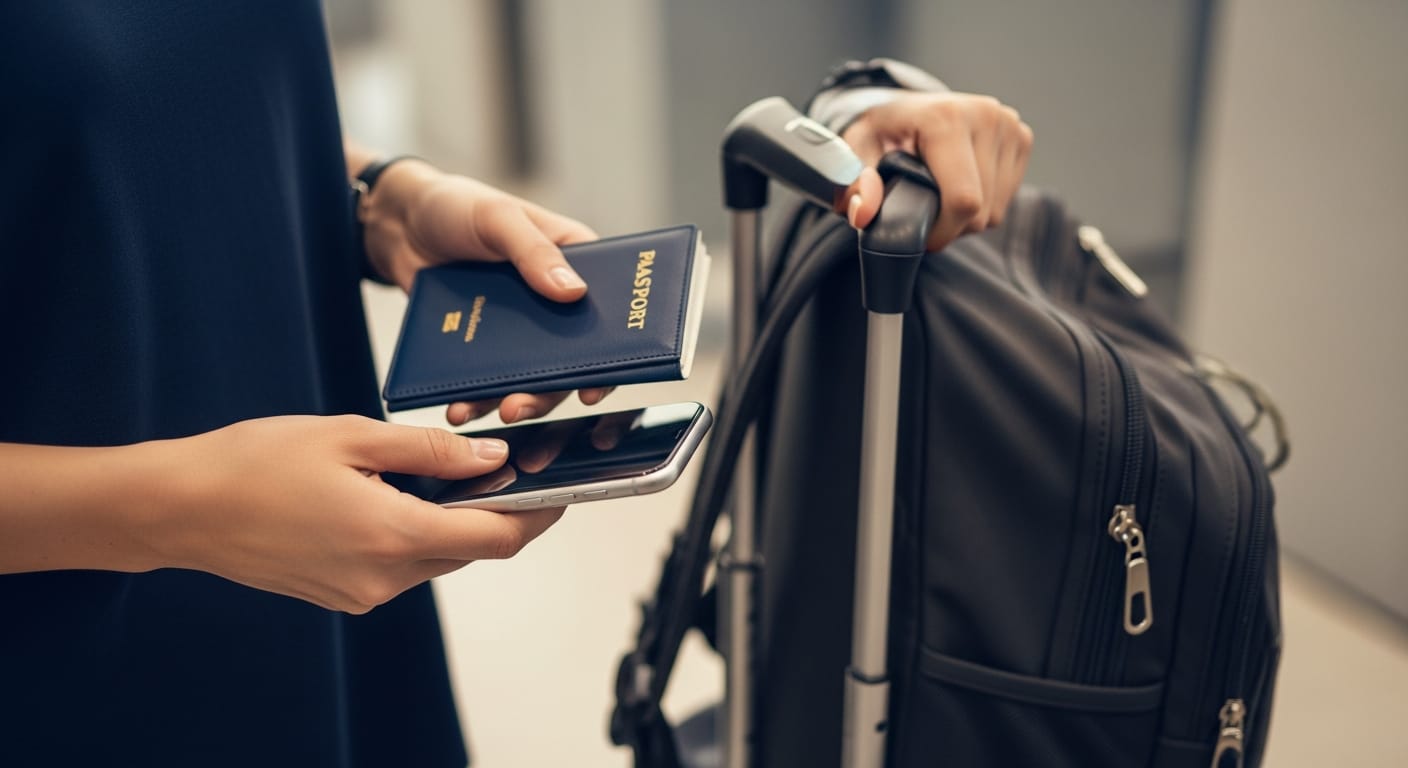
- Protect your data: with the move to digital technologies, data thieves are getting more sophisticated too. Make sure you use a wallet or bag with RFID protection to prevent unauthorized scanning of your credit cards and biometric passport while you wait in crowded queues.
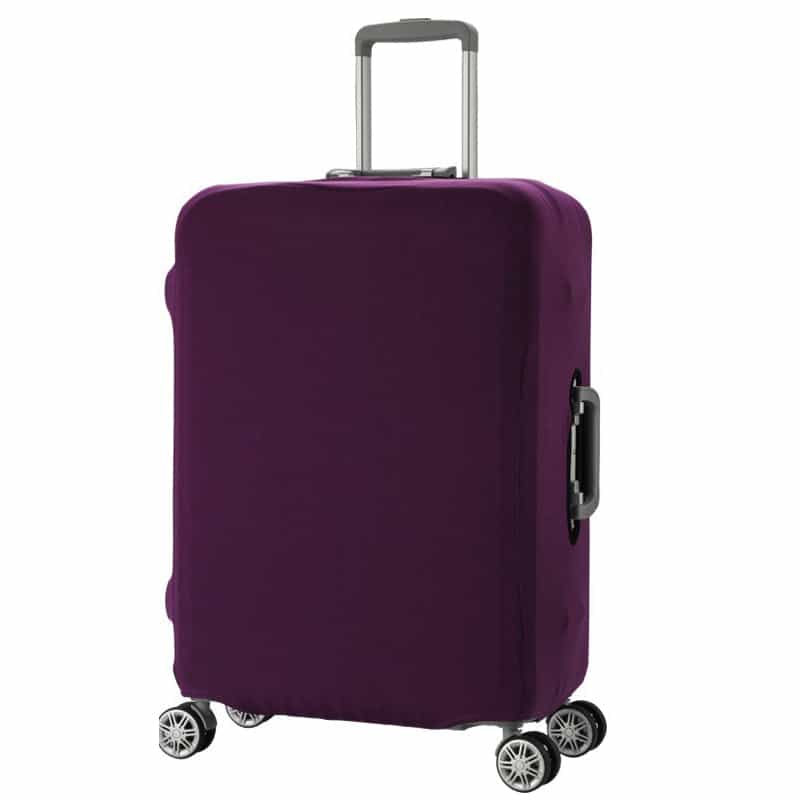
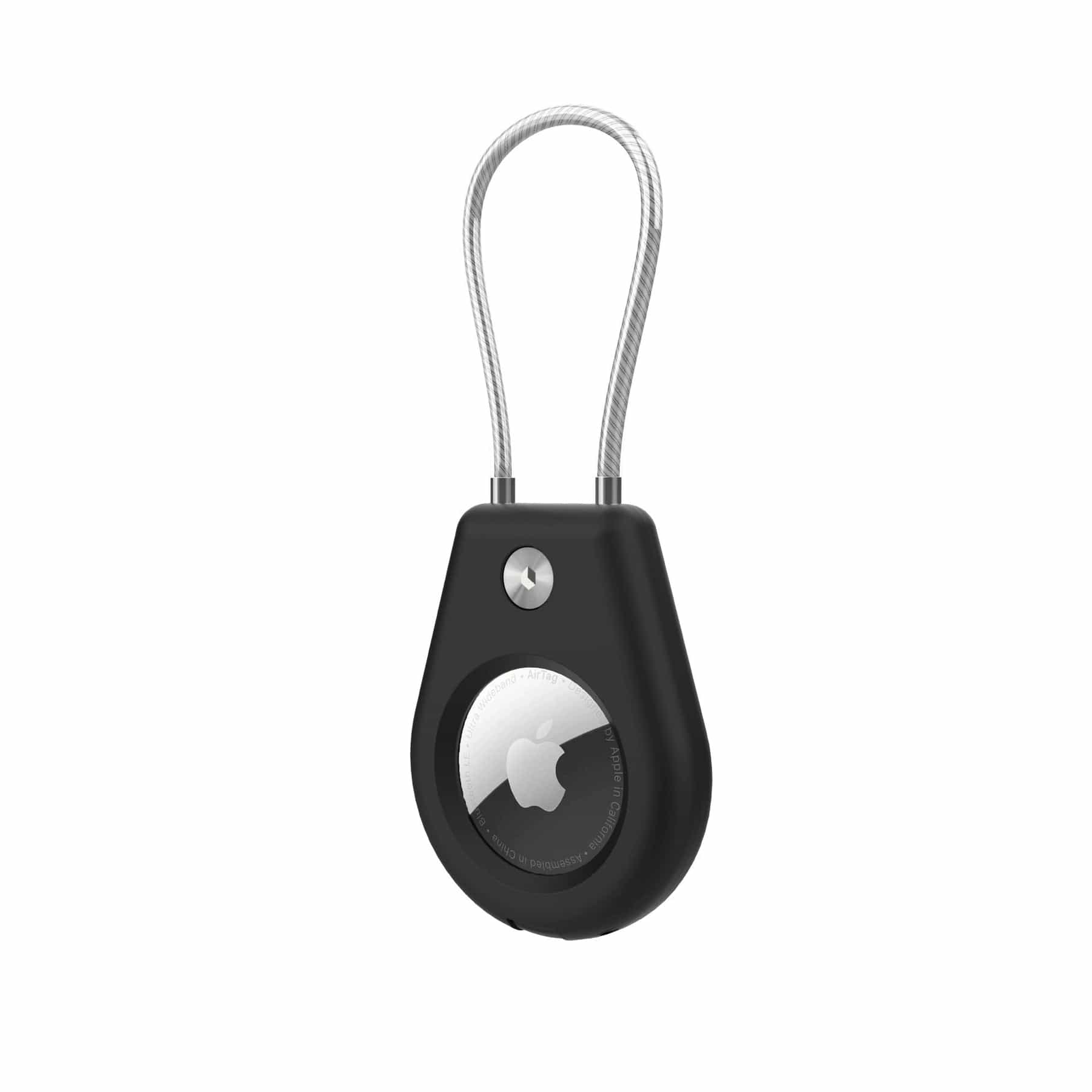
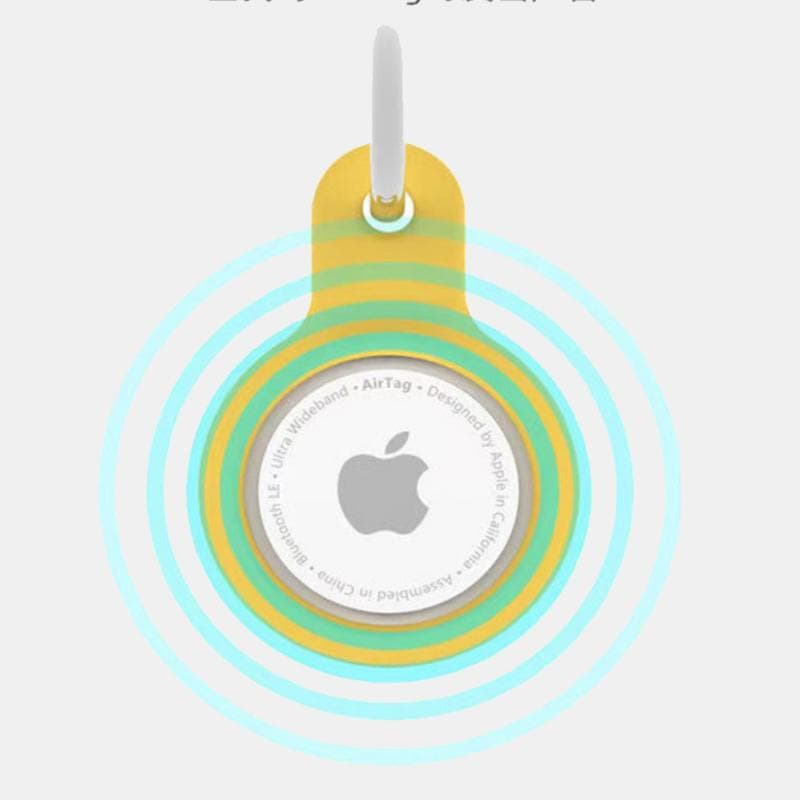
- Track your suitcase: long queues and crowded airports increase the chance of lost luggage or delayed delivery. Get a quality AirTag holder firmly attached to your suitcase so you can see where it is at any moment, right from your smartphone.
- Choose a backpack with exact dimensions: airlines, especially the low-cost airlines operating in Europe, are also tightening enforcement of hand luggage dimensions. Get a backpack designed specifically to meet the strictest size limits (like Ryanair's), to avoid heavy fees at the boarding gate.
The bureaucratic changes in Europe may look daunting at first, but with proper preparation, the right gear and smart, organized packing, you can keep traveling and enjoying the classic continent with peace of mind and uncompromising style.
Based on a report: The country that loves Israelis is tightening its conditions, ICE
Products to help you on your way

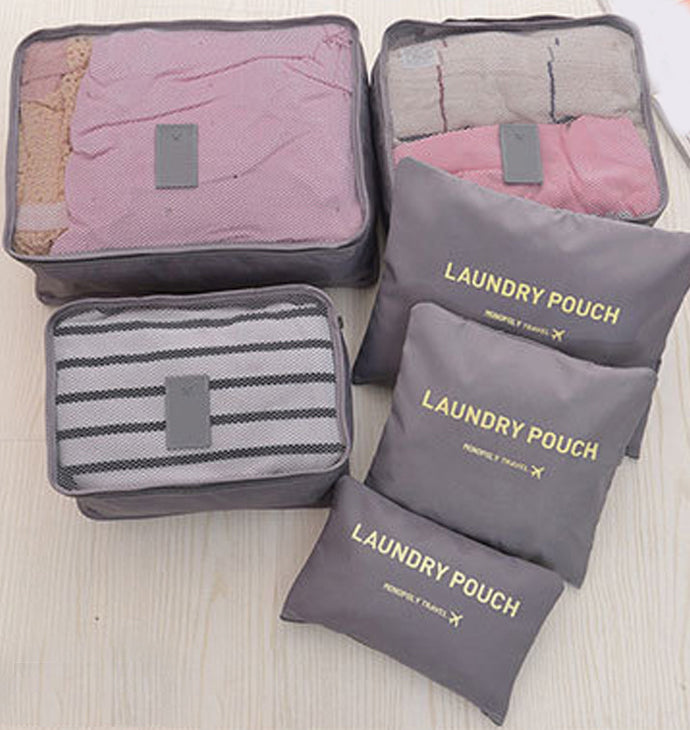
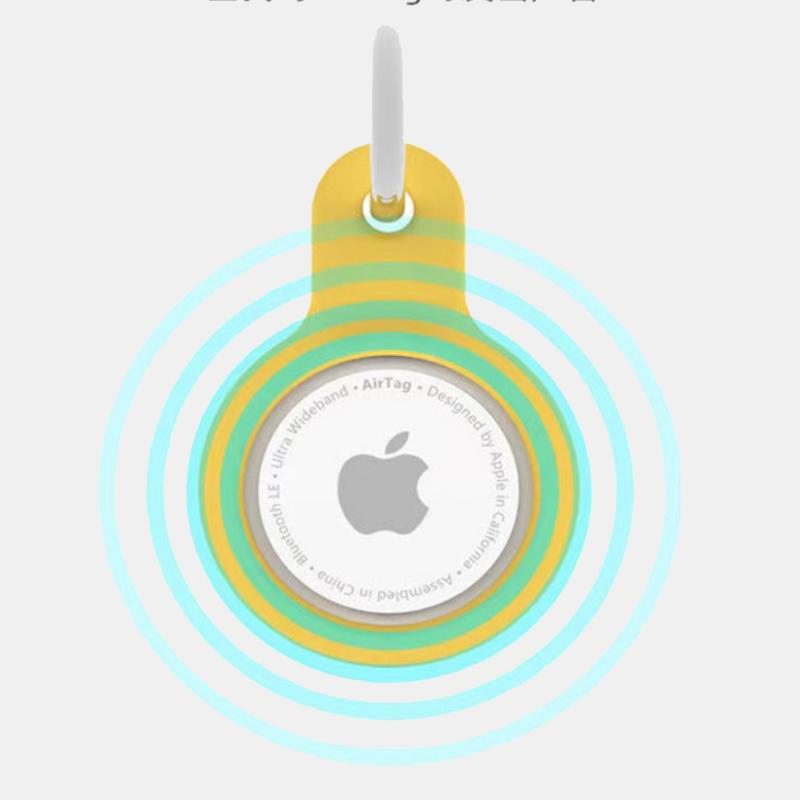
Products in this guide
Frequently asked questions
When does ETIAS officially come into force?
ETIAS was expected to start operating gradually during 2025. Check the official European Union website before every planned flight to confirm whether the system is already fully active for travelers from your country.
Do I need to submit a separate ETIAS application for children?
Yes, every traveler needs their own approved ETIAS authorization, including babies and children. However, applications for minors (under 18) and adults over 70 are free of the fee.
How do packing cubes help me get through security faster?
Packing cubes keep your things grouped and organized by theme. If security staff ask to open your suitcase, they won't need to dig through scattered clothes, they can simply lift a clear or labeled cube, which shortens the check significantly.
What happens if my passport expires but my ETIAS authorization is still valid?
The ETIAS authorization is linked directly and electronically to the passport you applied with. If your passport expires, the ETIAS authorization is automatically canceled and you'll need to submit a completely new application with your new passport details.


